Self-exclusion and gambling help in Canada
Self-exclusion and gambling help programs in Canada are voluntary support systems designed to assist individuals who feel their gambling has become problematic. These tools and services, available in every province and territory, allow adults to restrict their own access to gambling venues and online sites for a set period. The availability of free, confidential counselling and helplines reflects a public health approach to problem gambling in Canada. These resources are crucial for mitigating the financial, physical, and mental health harms associated with gambling addiction.
Understanding Problem Gambling
Problem gambling is defined as gambling behaviour that is disruptive or damaging to the individual or to those around them. It exists on a continuum from casual social gambling to pathological gambling, where the activity seriously harms all aspects of a person's life. The signs are often behavioural, emotional, financial, and health-related rather than physical. Common indicators include preoccupation with gambling, needing to gamble with increasing amounts of money, repeated unsuccessful efforts to control or stop, and gambling to escape problems or relieve dysphoric moods. Financial trouble is frequently the first noticeable sign, as individuals may spend paycheques on gambling and then struggle to cover basic necessities or borrow money from friends and family. The mental health impacts can be severe, encompassing anxiety about finances, guilt over concealing the behaviour, and shame about the consequences. Physical effects are also reported, such as neglect of healthy eating and exercise habits due to the increasing time spent gambling.
Several risk factors can increase a person's likelihood of developing a gambling problem. Individuals are more at risk if they begin gambling at a young age, have a history of other addictions, or have experienced recent significant losses or life changes. Those with mental health conditions like depression or anxiety, or who have a family history of gambling problems, are also at greater risk. For sports betting, which saw expanded access after the 2021 legalization of single-event sports betting in Canada, specific risk factors include being a young male, having extensive knowledge of a sport, and gambling with friends. The Canadian Centre for Substance Use and Addiction recommends gambling less than one percent of gross family income per month and never chasing losses. They advise gambling less than these guidelines or not at all for individuals with a personal or family history of addiction, those using gambling to escape problems, or those who have difficulty controlling their gambling.
Provincial Self-Exclusion Programs
Self-exclusion is a voluntary program available across Canada where individuals can request to be banned from entering physical gambling venues like casinos for a predetermined period. This process typically involves visiting the casino with a trusted support person and speaking with staff to enrol in the venue's program. In Alberta, the Alberta Gaming, Liquor and Cannabis Commission (AGLC) operates a formal Self-Exclusion Program for this purpose. The act of self-exclusion serves as a concrete barrier and a commitment to change, helping individuals manage urges during vulnerable periods. Experts like Debra Kostyk, a registered social worker with Manitoba Blue Cross, recommend this step as part of a broader strategy to address problem gambling. Self-exclusion agreements are legally binding, and violating them by entering a casino can result in removal and potential forfeiture of winnings.
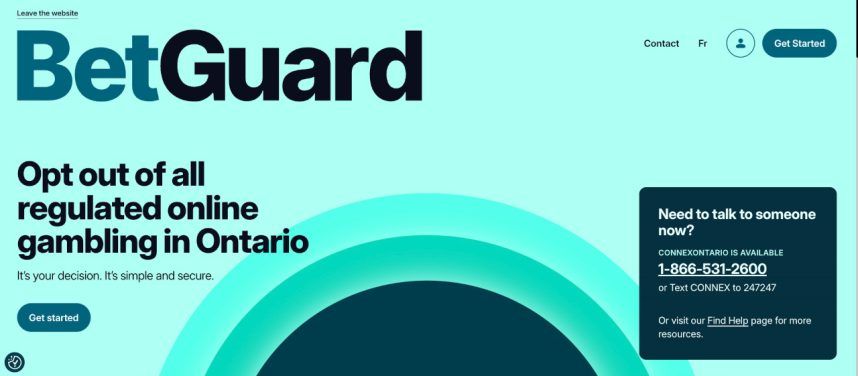
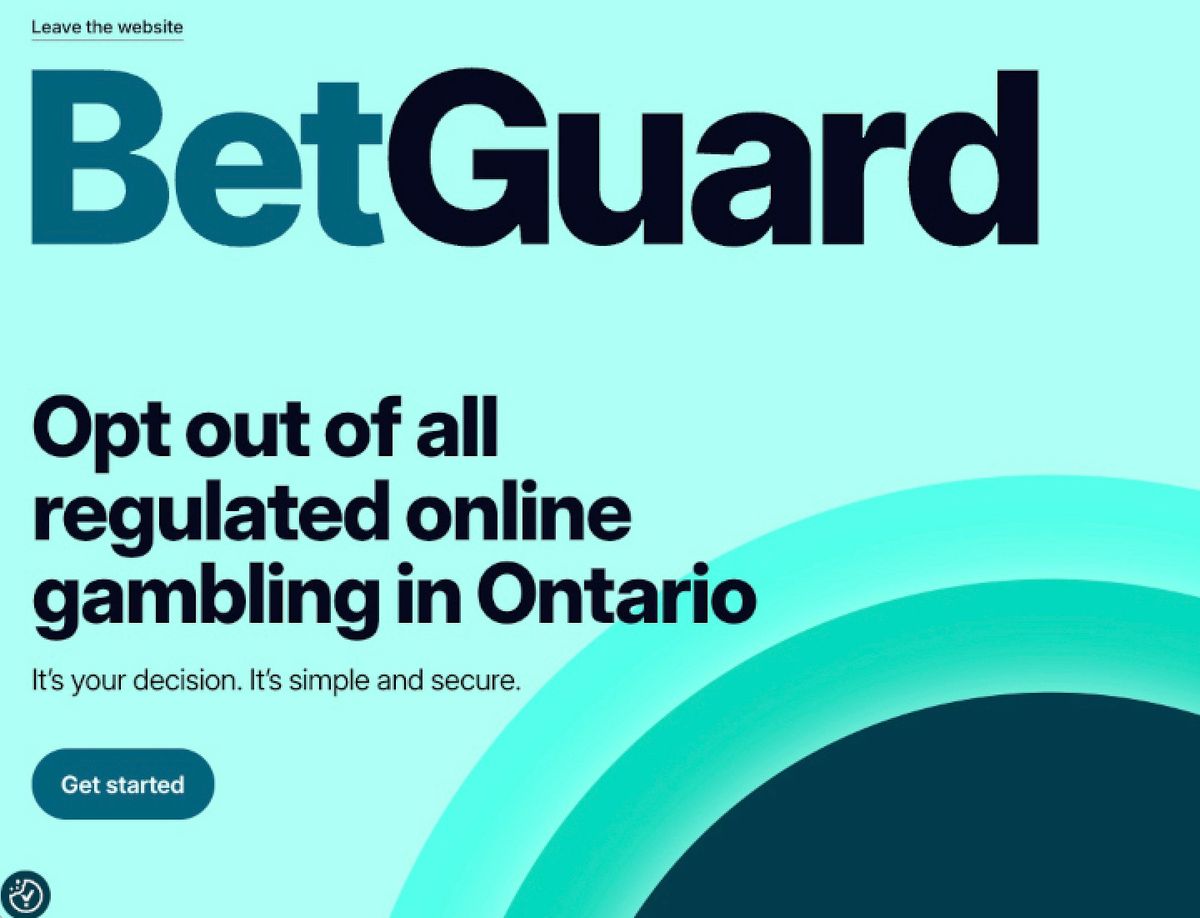
For online gambling, provincial regulators have developed centralized digital self-exclusion tools. In Ontario, iGaming Ontario offers BetGuard, a free tool allowing anyone 19 or older to opt out of all regulated online gambling sites operating in the province. Registration requires no player account and can be completed in minutes. Users select a timeframe that works for them, with standard options including six months, one year, five years, or a custom term. A dedicated customer care line for BetGuard is available at 1-833-776-7171. Similar responsible gambling programs and tools are administered by provincial authorities in British Columbia through Gambling Support BC, in Manitoba, and in Quebec. These programs reflect the regulatory responsibility to offer harm reduction measures alongside legal gambling markets.
Free Counselling and Treatment Services
Free professional counselling is a fundamental part of problem gambling support in Canada, available to anyone affected, including family members. These services are funded by provincial governments and often delivered through dedicated agencies or health providers. In Ontario, for example, free treatment including counselling is available to all residents, and the Ontario Problem Gambling Helpline can link individuals to local resources. Counselling helps people understand why they gamble, develop strategies to stop or cut down, and address related issues like financial distress and damaged family relationships. Approaches commonly used include cognitive behavioural therapy and motivational interviewing, which help individuals manage urges and change behaviour patterns. Counsellors work with clients at their own pace, without pressure to quit gambling immediately, focusing instead on providing information and exploring options for regaining control.
Services are accessible in various formats to meet different needs. Many provinces offer in-person counselling, telephone counselling, and virtual sessions. Agencies typically have no set limit on how long clients can access services, recognizing that everyone's recovery journey is unique. Support extends beyond the individual with the gambling problem. Family counselling and dedicated support groups for loved ones are also commonly available. For instance, some programs offer groups like S.M.A.R.T. families for those supporting a loved one struggling with gambling or substance use. This holistic approach acknowledges that problem gambling affects entire families and that healing relationships is a critical component of recovery.
Helplines and Immediate Support
A network of toll-free helplines operates across Canada, providing immediate, confidential support and referrals. The National Problem Gambling Helpline, reached at 1-800-MY-RESET, serves as a one-stop hub operated by the National Council on Problem Gambling. Provincial helplines offer localized service, such as the Ontario Problem Gambling Helpline, which is available 24 hours a day in 170 languages. In British Columbia, the Gambling Support Line at 1-888-795-6111 provides 24-hour access to information and referral to free counselling services. These helplines are staffed by trained professionals who can offer crisis support, provide information about gambling and addiction, and connect callers to the most appropriate local resources for treatment and support.
The Centre for Addiction and Mental Health (CAMH) in Toronto, Canada's largest mental health teaching hospital, also provides access to clinical services and support. CAMH is a Pan American Health Organization and World Health Organization Collaborating Centre and is fully affiliated with the University of Toronto. Individuals can contact CAMH for help through its main switchboard. These helplines and major institutions form a critical safety net, ensuring that no matter where a person is in Canada, free and professional help is only a phone call away at any time of day or night.
Digital Tools and Online Resources
In addition to formal programs and helplines, a variety of digital tools and online resources provide accessible support for managing problem gambling. The RecoverMe mobile app uses cognitive behavioural therapy, mindfulness, and other support tools to help users manage urges and prevent lapses. The app can be accessed for free using a promotional code. Online peer support is available through platforms like GamTalk, a forum where individuals can anonymously share experiences and connect with others who have been through similar challenges. Gambling Therapy is a free global online service offering practical advice and emotional support to anyone affected by problem gambling, accessible from anywhere in Canada.
For those seeking information or self-assessment, many provincial websites offer resources. Gambling Support BC provides online tools and information to support informed choices. The Independent Gambling Control Office in B.C. offers a Gaming Online Service for inquiries. Individuals can also find online self-assessment quizzes to help them evaluate their own gambling behaviour. These digital options complement traditional services by offering private, on-demand support that can be particularly valuable for individuals not yet ready to speak to a counsellor or for those seeking ongoing community support between formal sessions.
| Resource Type | Specific Example | Primary Function |
|---|---|---|
| Mobile Application | RecoverMe | Uses CBT and mindfulness to manage urges |
| Online Forum | GamTalk | Provides peer support and shared experiences |
| Global Online Service | Gambling Therapy | Offers free advice and emotional support |
| Centralized Self-Exclusion Tool | BetGuard (Ontario) | Opts users out of all regulated online sites |
| Self-Assessment Tool | Online Quizzes (Provincial sites) | Helps individuals evaluate their gambling behaviour |
Support for Families and Loved Ones
Problem gambling has significant ripple effects, causing stress, financial insecurity, and emotional turmoil for family members and friends. Canadian support systems explicitly include services for these loved ones. Free counselling is available to family members in provinces like Ontario, helping them cope with the impact, set boundaries, and learn how to support recovery without enabling the behaviour. Specialized support groups provide a space for shared experience. For example, some community programs offer groups like S.M.A.R.T. families, which meet regularly for those supporting a loved one with gambling or substance use issues. These groups help participants feel less isolated and develop practical coping strategies.
Families are often advised on warning signs that a loved one may be struggling. These signs include the person becoming more withdrawn or preoccupied, showing increased irritability and impatience, expressing unusual anxiety about finances, or frequently asking to borrow money. Because problem gambling is easy to conceal, these behavioural changes can be key indicators. Counselling for families helps them manage these difficult signs, communicate effectively, and find hope for the future. It also assists them in recognizing their family's strengths and the positive steps they may already be taking, which is crucial for maintaining their own mental health during a challenging time.
Practical Steps to Quit or Reduce Gambling
For individuals seeking to stop or reduce their gambling, a multi-faceted approach combining practical barriers, professional support, and personal strategies is most effective. The first concrete step is often self-exclusion, which creates a physical or digital barrier to access. Enrolling in a casino's self-exclusion program or using an online tool like Ontario's BetGuard is a definitive action. Concurrently, contacting a helpline or seeking free counselling provides the psychological support and skill-building needed for long-term change. Counsellors can help individuals understand their triggers, develop healthier coping mechanisms for stress, and create a structured plan for recovery that may include financial counselling to address debts.
On a personal level, experts recommend practical measures to reduce risk. If one chooses to gamble, it is advised to educate oneself about the games, including the house advantage and average cost per hour. Setting strict limits on time and money spent before starting, and treating gambling as a form of paid entertainment rather than an income source, are key strategies. The Canadian Centre for Substance Use and Addiction's Lower Risk Gambling Guidelines suggest gambling less than one percent of gross family income per month. Individuals should avoid gambling when experiencing depression, anxiety, or substance use, or when trying to escape problems. Replacing gambling time with other activities and social connections is also vital for building a new routine and reducing the urge to gamble.
- Enrol in a self-exclusion program at a casino or use an online tool like BetGuard.
- Contact a national or provincial helpline for immediate support and referrals.
- Begin free, confidential counselling with a problem gambling specialist.
- Set firm pre-commitment limits on time and money before any gambling session.
- Follow the Lower Risk Gambling Guideline of spending less than 1% of gross family income.
- Use digital support tools like the RecoverMe app for ongoing urge management.
- Seek financial counselling to address debts and create a sustainable budget.
The Role of Provincial Regulation and Public Health
Gambling in Canada is regulated at the provincial level, and each jurisdiction incorporates responsible gambling and harm reduction as core components of its mandate. Provincial bodies like the AGLC in Alberta, iGaming Ontario, and British Columbia's Gambling Support BC are responsible for both overseeing legal gambling markets and providing the associated help services. This dual role reflects a public health approach that recognizes the potential harms of gambling and seeks to mitigate them. The funding for free treatment programs, helplines, and public awareness campaigns typically comes from provincial gambling revenues, creating a direct link between the industry and the support systems for those it may negatively affect.
The legal landscape evolved with the 2021 federal legalization of single-event sports betting, which increased access to betting options nationwide. This change brought greater focus to responsible gambling frameworks and the need for effective support tools. Provincial regulators continue to develop new resources, such as the BetGuard online self-exclusion system launched in Ontario's regulated iGaming market. Ongoing public health efforts include educating the public about risk factors, warning signs, and the availability of free help, emphasizing that gambling addiction is treatable and that seeking support is a sign of strength.
- Alberta Gaming, Liquor and Cannabis Commission (AGLC) Self-Exclusion Program.
- iGaming Ontario's BetGuard online self-exclusion tool.
- British Columbia's Gambling Support BC program and helpline.
- Manitoba's Problem Gambling Helpline and Addictions Helpline.
- Provincial funding for free counselling from gambling revenues.
- Public awareness campaigns on gambling risks and help resources.
Questions about Self-exclusion and gambling help in Canada
How can I stop gambling in Canada?
Stopping gambling in Canada involves several concrete steps. First, you can enrol in a self-exclusion program at local casinos or use online tools like Ontario's BetGuard to block access. Second, contact a free, confidential helpline such as the National Problem Gambling Helpline at 1-800-MY-RESET or your provincial line for immediate support and referrals. Third, engage with free professional counselling available in every province, which can help you understand triggers and build coping strategies. Combining these formal supports with personal actions like setting strict financial limits, avoiding triggers, and finding alternative activities creates a comprehensive path to quitting.
What is self-exclusion and how does it work?
Self-exclusion is a voluntary program where you request to be banned from entering gambling venues or accessing online gambling sites for a set period. For physical locations like casinos, you typically visit with a support person and ask staff to enrol you, which creates a legally binding agreement. For online gambling in Ontario, you can use the BetGuard tool to opt out of all regulated sites by choosing a timeframe like six months, one year, or five years. These programs are designed to create a barrier during moments of urge, but they work best when combined with counselling and other support services to address the underlying behaviour.
Is there free help for gambling addiction in Canada?
Yes, free help for gambling addiction is widely available across Canada. Every province and territory offers free, confidential counselling services for individuals and their family members affected by problem gambling. These services are funded by provincial governments and can include in-person, telephone, or virtual sessions. A network of toll-free helplines, such as the Ontario Problem Gambling Helpline and British Columbia's Gambling Support Line at 1-888-795-6111, provide 24/7 access to information and referrals. Digital resources like the RecoverMe app and Gambling Therapy online service also offer free support.
How can I help a family member with a gambling problem?
You can help a family member with a gambling problem by first educating yourself about the signs and available resources. Encourage them to contact a helpline or seek free counselling, and offer to accompany them to enrol in a self-exclusion program. It is also important to seek support for yourself through family counselling or support groups like S.M.A.R.T. families, which are available in some regions. Focus on expressing concern without judgment, setting healthy boundaries regarding finances, and taking care of your own mental health. Remember that free counselling services are available to family members as well.
What are the warning signs of a gambling problem?
Warning signs of a gambling problem include behavioural changes like preoccupation with gambling, needing to gamble with more money for the same excitement, and repeated unsuccessful efforts to stop. Financial signs involve spending paycheques on gambling, borrowing money frequently, and struggling to pay bills. Emotional and health indicators include irritability, anxiety about finances, guilt, and stress-related issues like insomnia or digestive problems. Neglect of personal health, hobbies, and relationships due to time spent gambling are also common signs. If gambling is causing disruption or damage to any aspect of life, it may indicate a problem.
Are there apps or online tools to help stop gambling?
Yes, several apps and online tools can help manage gambling urges. The RecoverMe mobile app uses cognitive behavioural therapy and mindfulness techniques to help users manage urges and prevent lapses, and it is available for free with a code. Online peer support forums like GamTalk allow individuals to connect anonymously with others who have similar experiences. For self-exclusion from online gambling in Ontario, the BetGuard tool lets users opt out of all regulated sites. The global service Gambling Therapy offers free online advice and emotional support. Many provincial websites also provide self-assessment quizzes and educational resources.
Sources and further reading
- Find Gambling Help for Canadians | Help for Problem Gambling (responsiblegambling.org)
- Gambling Support BC, Province of British Columbia (www2.gov.bc.ca)
- Responsible Gambling (soarcs.ca)
- Problem gambling | Live Well / Be Well (wellness.mb.bluecross.ca)
- Find Gambling Help for Canadians | Help for Problem Gambling (responsiblegambling.org)
- Problem Gambling (camh.ca)
Checked by the Nosy Mag desk. Last updated 2026-11-12.