Earle Nelson
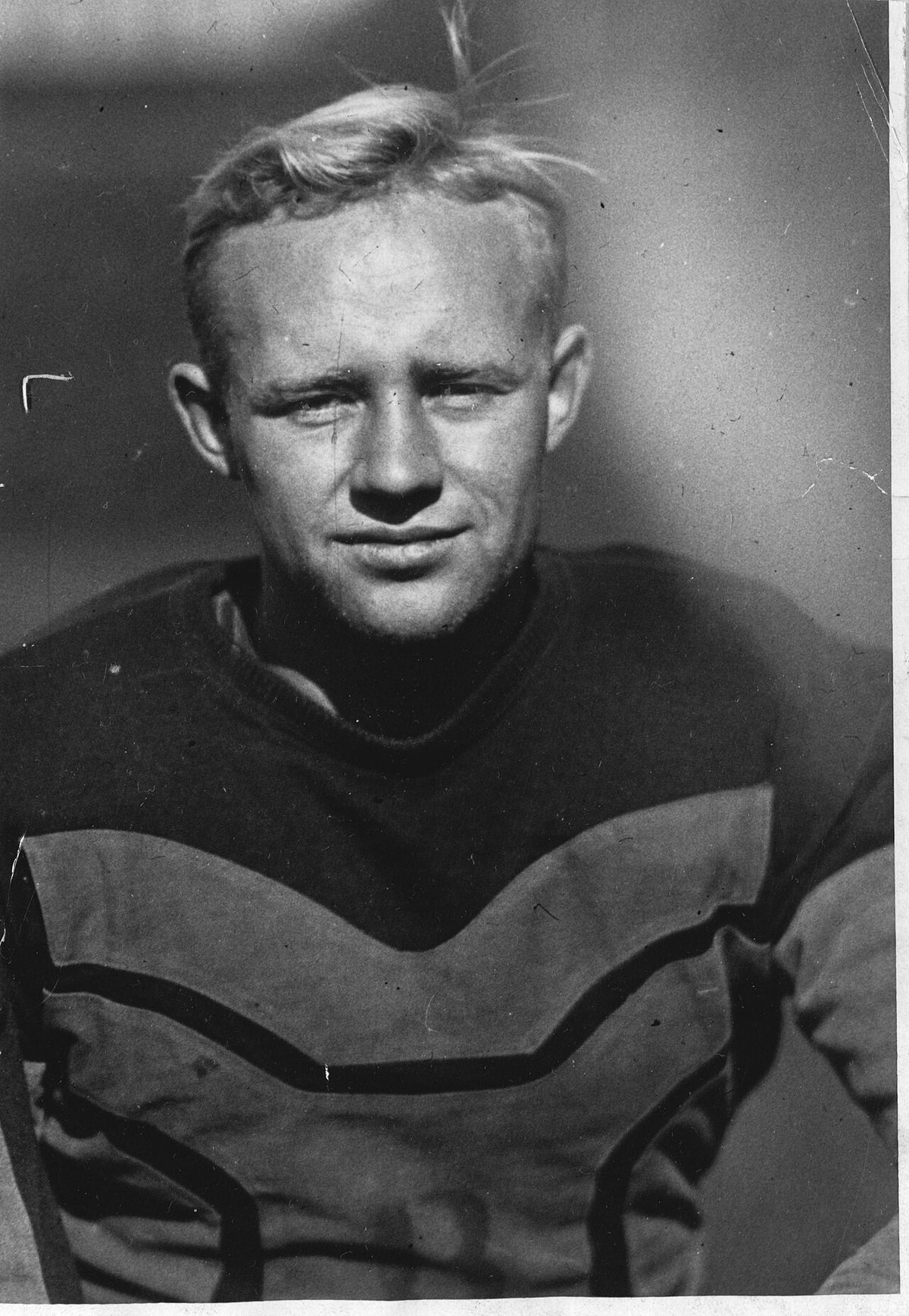
Earle Leonard Nelson, also known as the Gorilla Man, the Dark Strangler, and the Gorilla Killer, was an American serial killer, rapist, and necrophile who murdered at least twenty-two women across the United States and Canada between 1926 and 1927. His cross-border crime spree culminated in Winnipeg, Manitoba, where he killed two women, including a fourteen-year-old girl, before being captured in a dramatic rural manhunt. Nelson's case holds significance for Canadians as a chilling early example of a trans-national serial predator and a landmark in Canadian true crime history, inspiring books, plays, and ongoing local remembrance. He was convicted of murder in Winnipeg and executed by hanging in January 1928.
Early Life and Troubled Beginnings
Earle Leonard Nelson was born Earle Leonard Ferral on May 12, 1897, in San Francisco, California. His parents, Frances Nelson and James Carlos Ferral, both died from syphilis before he was two years old. The orphaned boy was sent to live with his maternal grandmother, Jennie Nelson, a devout Pentecostal who raised him alongside her two younger children. From an early age, Nelson exhibited morbid and bizarre behaviours, leading to his expulsion from primary school at age seven. A significant traumatic event occurred around age ten when he collided with a streetcar while riding his bicycle, remaining unconscious for six days and suffering lasting headaches and memory loss afterwards. His grandmother noted increasingly erratic conduct, including talking to imaginary people, compulsively quoting Bible passages, and exchanging his clean school clothes for rags.
Nelson's strong religious upbringing, particularly an obsession with the Book of Revelation, remained a pervasive influence. As a teenager, he began frequenting brothels and bars in San Francisco's Barbary Coast district, where he contracted a venereal disease. Physically, he developed into a stocky and fit young man, known to entertain his family by walking on his hands or lifting heavy objects with his teeth. This combination of religious fervour, early trauma, and deviant sexual behaviour formed the troubled foundation for his later violent crimes. His criminal activities began in his late teens with a burglary conviction that led to a two-year sentence in San Quentin State Prison, starting in 1915.

Institutionalization and Failed Marriage
Following his parole in 1916, Nelson was arrested again for petty larceny in 1917. After a brief incarceration, he was arrested on burglary charges in Los Angeles but escaped from jail. He then began a pattern of enlisting in various branches of the U.S. military under different names, only to desert after a few weeks. In 1918, after behaving oddly during a stint in the United States Navy, he was committed to the Napa State Mental Hospital. A Navy psychologist assessed him as living in a constitutional psychotic state, while a hospital psychiatrist noted Nelson spoke of hallucinations, paranoid delusions of being poisoned, and hearing voices telling him to kill himself.
Despite these assessments, Nelson was not considered overtly violent upon admission. He became notorious at Napa for frequent escapes, earning the nickname Houdini among staff before his file was closed in 1919 with a note that he had improved. After his discharge, he took a job as a janitor at St. Mary's Hospital under the pseudonym Evan Louis Fuller. There he met and married 60-year-old Mary Martin in August 1919. The marriage was brief and tumultuous, lasting only six months before Martin left due to Nelson's jealous rages, bizarre sexual demands, religious delusions, and violent behaviour. She recalled his strange habits, including prolonged disappearances and unusual bathing rituals.
In May 1921, Nelson posed as a plumber to enter a San Francisco home and attempted to molest a 12-year-old girl. He was captured after she screamed for help. Deemed dangerous at a competency hearing, he was recommitted to Napa State Mental Hospital. He escaped twice more before being finally discharged from the institution in 1925, setting the stage for his murderous rampage the following year.
The 1926 Murder Spree on the West Coast
Nelson began his killing spree in February 1926 in San Francisco. His first known victim was 60-year-old landlady Clara Newman, whom he strangled, raped post-mortem, and hid in a vacant apartment after posing as a tenant named Roger Wilson. He killed 63-year-old Laura Beale in San Jose on March 2, strangling her with a silken cord wound so tightly it embedded in her flesh. The murders continued in the Bay Area with the strangulation and rape of 63-year-old Lillian St. Mary in June. Nelson then travelled south to Santa Barbara, where he killed 53-year-old Ollie Russell on July 10, with the post-mortem sexual assault linking the crime to the earlier killings. On August 16, 52-year-old Mary Nisbet was found strangled and raped in a vacant apartment in Oakland.
Witnesses described a dark, stocky stranger with long arms and large hands lurking near crime scenes, leading newspapers to dub him the Dark Strangler or Gorilla Man. In the fall of 1926, Nelson relocated to Portland, Oregon, where he killed three landladies in quick succession. Beata Withers, 35, was found on October 19 stuffed in a steamer trunk in her attic. Virginia Grant, 59, was murdered on October 20, and Mabel Fluke disappeared on October 21, her body later discovered strangled with a scarf. A coroner's jury was split on whether Withers's death was suicide or murder, illustrating the initial confusion surrounding the crimes.
After briefly returning to San Francisco to murder 56-year-old widow Anna Edmonds on November 18, Nelson attacked a 28-year-old pregnant woman in Burlingame the next day. She survived and described her assailant as a well-dressed, well-spoken man about 5 feet 8 inches tall who manipulated her into looking at ceilings to attack her throat. Nelson then returned to Portland and murdered Blanche Myers on November 29. Foreign fingerprints were recovered from her bedpost, and a boardinghouse owner reported a suspicious tenant named Adrian Harris who had given away jewelry later identified as belonging to Florence Monks, a widow murdered in Seattle on November 23. Public safety warnings were issued in California and Oregon, urging women not to show rental properties alone.
Crimes in the Midwest and East
In late 1926, Nelson moved eastward, hitchhiking and stowing away on trains. His Midwest killings began in Council Bluffs, Iowa, on December 23, with the murder of 41-year-old Almira Berard, initially mistaken for a suicide until rape was discovered. All were strangled, and Harpin was raped after death. Nelson's crimes continued into 1927 on the East Coast. In Philadelphia, Pennsylvania, on April 27, he murdered and raped 53-year-old landlady Mary McConnell, stealing jewelry. The following day he attempted to pawn one of her gold watches. On May 27, he arrived in Buffalo, New York, renting a room from 53-year-old Jennie Randolph under the name Charles Harrison. Randolph was discovered three days later, strangled, raped, and stuffed under a bed. Boarders provided a description matching Nelson. On June 1 in Detroit, Michigan, boardinghouse manager Fannie May and a boarder, Maureen Atorthy, were found murdered. May had been garroted with an electrical cord cut from a lamp while the current was on, leaving distinctive burn marks on the cutting knife. Two days later in Chicago, Illinois, Nelson murdered 27-year-old Mary Cecilia Sietsma, strangling her with an appliance cord and stealing men's clothing from the home.
The Winnipeg Murders and Capture in Manitoba
Nelson crossed into Canada, arriving in Winnipeg, Manitoba, in June 1927. On June 8, 14-year-old Lola Cowan disappeared while selling artificial flowers door-to-door. Her husband discovered her body that evening under their son's bed. She had been raped, strangled, and bludgeoned with a claw hammer. Several items were missing from the Patterson home, including a suit, her wedding ring, the family Bible, and seventy dollars. A knife with burn marks and nicks was left at the scene, consistent with the one used to cut the lamp cord in the Detroit murders.
The investigation moved quickly. A local jeweler, Fred England, had unknowingly purchased Patterson's wedding ring from a man for three dollars and fifty cents. Clothing from the home was found for sale in a secondhand store, and both proprietors identified Nelson. A barber, Nicholas Tabor, reported giving a shave and haircut to a man matching Nelson's description on June 10, noting dried blood and scratch marks on his scalp. On June 12, police searching boarding houses entered the Smith Street rooming house where Nelson had lodged. Under the bed in his room, they discovered the nude, mutilated corpse of Lola Cowan. Her body showed severe mutilation unlike his other victims.
A massive manhunt ensued. Nelson fled Winnipeg, heading south. He was captured and briefly jailed in Killarney, Manitoba, but managed to escape. His final apprehension was a community effort in an era of limited communication technology. He was captured again south of Killarney, near the rural community of Lena, as he attempted to cross the border back into the United States. This dramatic capture in the Manitoba countryside ended the cross-border crime spree of one of North America's earliest identified serial killers.
Trial, Execution, and Victim Count
Earle Nelson was tried in Winnipeg for the murder of Emily Patterson, the only homicide for which he was formally convicted in Canada. The evidence against him was substantial, including the pawned ring, sold clothing, the barber's testimony, and the discovery of Lola Cowan's body in his rented room. He was found guilty and sentenced to death. Nelson was executed by hanging at the provincial jail in Winnipeg on January 13, 1928. At the time of his death, his confirmed victim count of twenty-two represented the largest number of murders attributed to a single individual in United States history, a grim record he held until the latter half of the twentieth century.
Nelson's modus operandi was consistent and chilling. His primary targets were middle-aged landladies, whom he contacted by answering room for rent advertisements. Posing as a mild-mannered, charming Christian drifter, he would gain access to their homes before attacking. Every victim was killed by manual strangulation or ligature, and most were subjected to post-mortem sexual assault. His penultimate victim, 14-year-old Lola Cowan, was a rare exception to his typical victim profile and was horrifically mutilated after death. The brutality of his crimes and his ability to evade capture across multiple jurisdictions made him a figure of both terror and macabre fascination.
Cultural Impact and Canadian Remembrance
The crimes of Earle Nelson have left a lasting mark on Canadian true crime history and popular culture. His story has been the subject of extensive research and retelling, particularly focusing on his Manitoba crimes. Author Alvin Esau has published definitive works on the case, including The Gorilla Man Strangler Case, which details the Canadian manhunt and trial, and 31 Murders, which follows Nelson's trail of killings in the United States. These books are based on exhaustive archival research and are available in Manitoba libraries. In October 2026, the Lakeland Regional Library in Killarney partnered with the local arts council to host an author event with Esau, coinciding with a stage performance about Nelson's story.
The stage play, performed by The Storytellers at the Killarney United Church in October 2026, was written by Betty Winterhall, who grew up in Killarney intrigued by the local history of the Gorilla Man's capture. This community engagement demonstrates how the 1927 events remain a part of local cultural memory nearly a century later. Nelson's cross-border spree and his classification as one of the first modern serial sex murderers influenced broader crime narratives. His story is featured in true crime anthologies like Notorious San Francisco, and his crimes are noted as a source of inspiration for Alfred Hitchcock's 1943 film Shadow of a Doubt, linking his atrocities to the development of the psychological thriller genre.
- Stage Play: A one-act play performed in Killarney, Manitoba, in October 2026.
- Library Event: Author Alvin Esau presented at the Killarney library on October 5, 2026.
- Film Influence: Crimes inspired elements of Alfred Hitchcock's Shadow of a Doubt (1943).
- Podcasts: Featured in episodes of historical true crime podcasts.
- Local History: His capture near Lena and escape from Killarney jail are part of Manitoba's regional history.
Profile and Criminal Methods
Earle Nelson's criminal profile is that of an early, prolific serial killer, rapist, and necrophile. His methods were characterized by a high degree of planning and a consistent ritual. He almost exclusively targeted landladies, exploiting their vulnerability when showing rental properties. His approach involved using aliases, often presenting himself as a polite, Bible-quoting drifter to disarm his victims. The act of strangulation was his signature, using his hands, cords, scarves, or electrical wires. A key component of his pathology was necrophilia, with sexual assault occurring after death in the majority of his crimes.
His physical description, provided by numerous witnesses, was consistently that of a stocky, dark-complexioned man with black hair slicked back, standing about five feet eight inches tall. His large hands and long arms contributed to his Gorilla Man moniker. He was highly mobile, using the continental rail network to flee jurisdictions quickly, which complicated coast-to-coast police efforts to connect the murders. Despite his psychotic delusions and erratic personal behaviour, he displayed cunning in evading capture for over a year, demonstrating a functional, predatory intelligence alongside his severe mental illness.
| Region | Time Period | Key Locations | Notable Victim |
|---|---|---|---|
| West Coast | Feb, Nov 1926 | San Francisco, San Jose, Santa Barbara, Oakland, Portland, Seattle | Clara Newman (first victim), Blanche Myers |
| Midwest | Dec 1926 | Council Bluffs (IA), Kansas City (MO) | Germania Harpin & infant son |
| East Coast | Apr, Jun 1927 | Philadelphia (PA), Buffalo (NY), Detroit (MI), Chicago (IL) | Jennie Randolph, Fannie May |
| Canada | Jun 1927 | Winnipeg, Killarney, Lena (MB) | Emily Patterson (conviction), Lola Cowan |
Questions about Earle Nelson
Why is Earle Nelson known as the Gorilla Man?
Earle Nelson earned the nickname Gorilla Man, along with Gorilla Killer and Dark Strangler, from newspaper reports and witness descriptions during his 1926 crime spree on the West Coast. Witnesses consistently described the suspect as a dark, stocky man with unusually long arms and large hands. His physical strength and method of manual strangulation led the press to compare him to a gorilla. These monikers were used widely in reports as he moved from city to city, becoming a media sensation and creating public fear of the dark stranger with powerful hands.
How many people did Earle Nelson kill?
Earle Nelson is confirmed to have killed at least twenty-two people, twenty women in the United States and two in Canada. His victims ranged in age from fourteen to sixty-three. The majority were middle-aged landladies, but his victims also included a pregnant woman, an infant, and a teenage girl. At the time of his execution in 1928, this was the highest confirmed victim count for a single perpetrator in American criminal history. His killing spree lasted from February 1926 until his capture in June 1927.
How was Earle Nelson caught in Canada?
Nelson was caught in Manitoba through a combination of police work and community effort. After murdering Emily Patterson and Lola Cowan in Winnipeg in June 1927, he was identified through pawned jewelry and sold clothing. He fled the city but was captured and jailed in Killarney. He managed to escape from the Killarney jail but was pursued in a rural manhunt. He was finally apprehended by local citizens and law enforcement south of Killarney, near the community of Lena, as he attempted to cross the border back into the United States. His capture highlighted the limitations of communication technology in 1927 and relied on local vigilance.
What happened to Earle Nelson after his capture?
After his capture in rural Manitoba, Earle Nelson was returned to Winnipeg to stand trial. He was tried for the murder of Emily Patterson, as the evidence for that crime was most directly tied to him through physical evidence and witness testimony. He was convicted and sentenced to death. Nelson was executed by hanging at the provincial jail in Winnipeg on January 13, 1928. He was not tried for the murder of Lola Cowan or any of his American crimes, as the Canadian conviction was sufficient to carry out the death penalty.
What is Earle Nelson's connection to Manitoba today?
Earle Nelson's story remains a part of Manitoba's local history and cultural memory, particularly in the Killarney area where he was captured. In October 2026, the Lakeland Regional Library in Killarney hosted an author event with Alvin Esau, who has written two definitive books on the case. This event coincided with a stage play about Nelson performed at the Killarney United Church. His story is studied as an early example of a serial killer crossing the Canada U.S. border, and his books are available in local libraries, ensuring the historical account of his crimes and capture is preserved.
Did Earle Nelson have any mental health issues?
Yes, Earle Nelson had a documented history of severe mental health issues. As a child, he exhibited morbid and bizarre behaviour exacerbated by a serious head injury from a bicycle accident. He was institutionalized multiple times at the Napa State Mental Hospital starting in 1918, where psychiatrists noted he experienced hallucinations, paranoid delusions, and heard commanding voices. A Navy psychologist diagnosed him as living in a constitutional psychotic state. Despite these diagnoses and observations of his psychotic behaviour, he was repeatedly discharged from institutions, and his mental illness was a significant factor underlying his violent criminal pathology.
Sources and further reading
- Earle Nelson (Wikipedia)
- The Gorilla Man Strangler Case: Serial Killer Earle Nelson (crimewriterscanada.com)
- True Crime Author shares the story of Earle Nelson and his ... (discoverwestman.com)
Checked by the Nosy Mag desk. Last updated 2026-10-23.