2026 Montreal shooting
The 2026 Montreal shooting was a violent incident that occurred on June 22, 2026, outside the headquarters of the internet conglomerate Aylo in the Côte-des-Neiges neighbourhood of Montreal. The shooting and subsequent shootout resulted in three fatalities: Montreal police Constable Mohamed Lamine Benredouane, civilian Michel Mizrahi, and the perpetrator, 25-year-old Seth Scott Hatfield. A second police officer was critically injured and a second civilian sustained minor injuries. The event, which authorities linked to a misogynistic and anti-capitalist manifesto, marked the first death of a Montreal police officer in the line of duty in 24 years and triggered widespread community mourning and investigations into ideologically motivated violent extremism.
The Shooting Incident
The incident began at approximately 11:35 a.m. on Monday, June 22, 2026, when the Montreal police service (SPVM) received a 911 call. A witness reported seeing a gun protruding from a window at the Hilton Garden Inn Montreal Midtown hotel, located at the corner of Décarie Boulevard and de Courtrai Avenue, and hearing gunshots. The gunman, later identified as Seth Hatfield, appeared to be firing at the sixth floor of the building across the street, which housed the headquarters of the company Aylo, the parent firm of Pornhub. By the time the first police officers arrived on the scene, Hatfield had moved to street level, where a shootout ensued. The exchange of gunfire resulted in the deaths of Constable Mohamed Lamine Benredouane, civilian Michel Mizrahi, and Hatfield himself. A second, female police officer was critically wounded in the ambush, and her condition later stabilized in hospital.
Constable Benredouane and his female partner were the first officers to respond. Benredouane was shot and fatally wounded during the initial confrontation. Michel Mizrahi, a 68-year-old civilian, was also fatally shot as he approached the officers' position. The female officer was then shot and critically injured. The gunman was ultimately fatally shot by Constable Xavier Gaumond, who arrived as acting sergeant of Station 26 and witnessed Benredouane being shot. Police Chief Fady Dagher later stated that it was not clear who fired the shot that killed Mizrahi, and the circumstances remained under investigation by the Bureau des enquêtes indépendantes (BEI). Witnesses estimated hearing between 30 to 40 gunshots during the chaotic exchange.
In response to the active threat, police implemented a major security operation that disrupted the city for hours. They issued an "armed threat" alert around 12:30 p.m., advising residents within the boundaries of Côte-des-Neiges Road, MacDonald Street, Highway 40, and Queen Mary Road to shelter in place and stay away from windows. Highway 15 (the Décarie Expressway) was blocked in both directions between the Turcot and Décarie interchanges, and service on the Montreal Metro's Orange and Blue lines was suspended. Saint Joseph's Oratory was evacuated as a precaution. The extensive lockdown was lifted around 3:15 p.m. after police confirmed the lone suspect was deceased and no other threats were found, following searches in areas as far as Westmount.
The Victims
The shooting claimed the lives of two innocent individuals and left others wounded. Constable Mohamed Lamine Benredouane, aged 34, was a police officer who had joined the SPVM in 2021. He grew up in the Côte-des-Neiges neighbourhood where he was killed and was described by Borough Mayor Stéphanie Valenzuela as being well-known in the community. Benredouane lived in the Saint-Laurent borough and was an active member of the local Algerian community, playing soccer with the Ligue amicale maghrébine de soccer Montréal. He was survived by his spouse, who was pregnant with their second child, and their three-year-old son. His death marked the first time an SPVM officer was killed in the line of duty since Constable Benoît L’Écuyer was shot in 2002.
The civilian victim was Michel Mizrahi, a 68-year-old Montreal resident of over 30 years. Born in Beirut, Lebanon, Mizrahi had lived in Israel before immigrating to Canada in the early 1980s. At the time of his death, he resided in Côte-Saint-Luc and operated a business selling men's suits from a warehouse on Devonshire Road. He was a father to a son in Montreal, two daughters in Israel, and a grandfather to six. Community members, including Cantor Daniel Benlolo, stated that Mizrahi likely saved lives by warning others to flee the scene and guiding people to safety during the shooting. A second civilian sustained minor injuries during the incident.
The second police officer, a female constable who was not formally identified publicly, was critically injured in the shootout. She was transported to hospital where her condition was later reported as stable. The community and the police service rallied in support of her recovery and the families of all the victims in the days following the tragedy. The key personal details of the two deceased victims are as follows:
- Constable Mohamed Lamine Benredouane: Age 34, SPVM officer since 2021, lived in Saint-Laurent, survived by pregnant spouse and a three-year-old son.
- Michel Mizrahi: Age 68, born in Beirut, lived in Montreal for over 30 years, Israeli citizen, business owner, father of three and grandfather of six.
- Seth Scott Hatfield (Perpetrator): Age 25, resident of Lethbridge, Alberta, philosophy student at the University of Lethbridge.
- Injured Officer: Female SPVM constable, critically injured but condition later stabilized.
- Second Civilian: Sustained minor injuries during the incident.
The Perpetrator and His Manifesto
The Quebec coroner's office identified the shooter as Seth Scott Hatfield, a 25-year-old resident of Lethbridge, Alberta. Hatfield was a student of philosophy at the University of Lethbridge, which later issued a statement condemning the violence and the ideologies attributed to him. On the day of the shooting, a high-risk police operation was carried out at his residence in Lethbridge as part of the investigation. An archived YouTube account linked to Hatfield revealed interests in conspiracy theorist content, a Russian military march, and topics related to paganism, fishing, and firearms.
Investigators linked Hatfield to the involuntary celibate (incel) subculture through a 104-page manifesto found in his hotel room. The document espoused a violent, misogynistic ideology that blamed online pornography, including sites like Pornhub, for men's suffering. It called for armed attacks against pornography industry conventions, corporate headquarters, and prominent actors. The manifesto also targeted pickup artists, plastic surgeons, business leaders, politicians, and individuals it labelled "Zionists" and cryptocurrency leaders as "class A targets." According to analysis by the Institute for Strategic Dialogue, the writings combined incel beliefs with anti-capitalist and Marxist rhetoric, calling for the destruction of liberalism and capitalism through armed revolution. Hatfield argued that modern capitalism was responsible for creating a "hypergamy state" among women.
The manifesto's specific calls to violence and its ideological fusion were central to the security investigations. In his 104-page manifesto, Seth Hatfield called for the targeting of pornography industry conventions, the headquarters of global pornography companies, and prominent pornographic film actors and actresses. The document also identified pickup artists and plastic surgeons as groups to be targeted. Furthermore, the manifesto called for the destruction of liberalism and capitalism by armed revolution and identified business leaders, politicians, Zionists, and cryptocurrency leaders as class A targets. According to the Institute for Strategic Dialogue, the text combined Marxist ideology with incel beliefs.
- Pornography industry conventions and global pornography company headquarters.
- Prominent pornographic film actors and actresses.
- Pickup artists and plastic surgeons.
- Business leaders, politicians, and "Zionists."
- Cryptocurrency leaders.
- The ideologies of liberalism and capitalism, which it called to be destroyed by armed revolution.
Police and Security Investigations
Multiple overlapping investigations were launched immediately following the shooting to examine the crime, the police response, and the perpetrator's ideology. The Sûreté du Québec (SQ) initiated a criminal investigation into the actions of the shooter. The Bureau des enquêtes indépendantes (BEI), Quebec's independent police watchdog, opened an investigation into the police response and the circumstances of the deaths, as is standard procedure for incidents involving police that result in serious injury or death. On July 6, the BEI established a temporary command post at the intersection of De Courtrai Avenue and Décarie Boulevard in Montreal for four hours to gather witness testimony and video evidence from the public.
Given the ideological content of the manifesto, the Royal Canadian Mounted Police's Integrated National Security Enforcement Team (INSET) opened an independent investigation into the shooting as a case of ideologically motivated violent extremism. The Lethbridge Police Service in Alberta cooperated with Quebec authorities, assisting with the investigation into Hatfield's background and activities. A separate coroner's investigation was also launched to determine the official causes of the three deaths. These parallel probes aimed to establish a complete picture of the event, the perpetrator's radicalization, and the efficacy of the police response. The primary agencies involved in the investigative response were:
- Sûreté du Québec (SQ): Led the criminal investigation into the shooter.
- Bureau des enquêtes indépendantes (BEI): Investigated the police response and the circumstances of the deaths.
- Royal Canadian Mounted Police (RCMP) INSET: Investigated ideologically motivated violent extremism.
- Lethbridge Police Service: Cooperated on the investigation into the shooter's background in Alberta.
- Quebec Coroner's Office: Launched an investigation into the three fatalities.
Community and Political Reactions
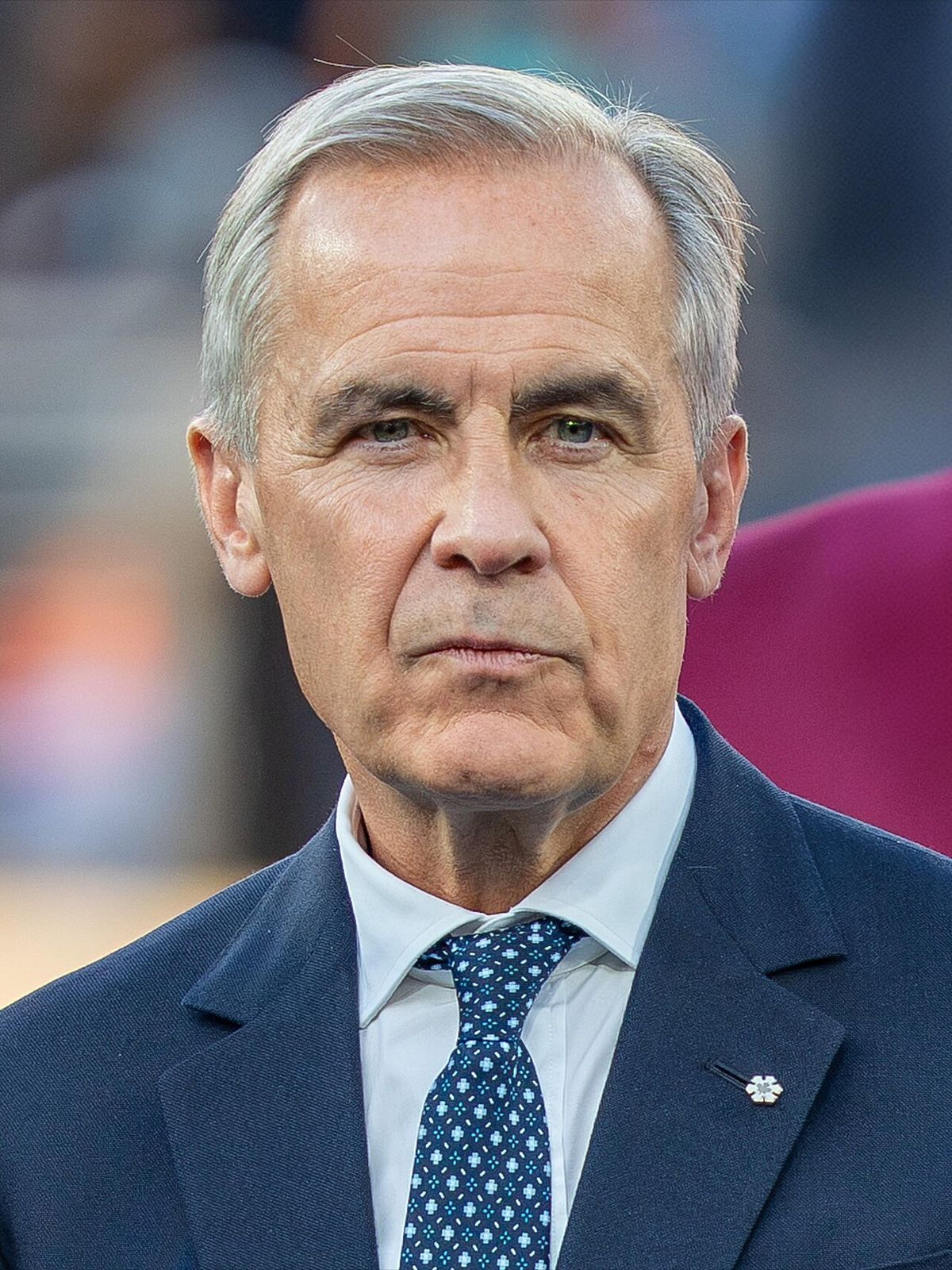
The shooting provoked an outpouring of grief and solidarity across Montreal and Canada. Prime Minister Mark Carney expressed his condolences to the victims' families and thanked police for protecting the community. Quebec Premier Christine Frechette offered her sympathies and ordered the Quebec flag flown at half-mast. Montreal Mayor Soraya Martinez Ferrada also ordered city flags lowered and expressed concerns about online discourse and gun violence. Local borough mayor Stéphanie Valenzuela extended condolences on behalf of the Côte-des-Neiges, Notre-Dame-de-Grâce council. Aylo, the company whose headquarters were targeted, issued a statement expressing condolences to the victims' families and gratitude to first responders for protecting its employees.
The incident occurred in a neighbourhood with a significant Jewish population, leading to initial fears of an antisemitic attack. The Jewish Community Council of Montreal quickly urged the public to avoid speculation, warning that rumours could undermine the fight against real antisemitism. Saint-Jean-Baptiste Day celebrations in Côte-des-Neiges were cancelled out of respect for the community, and municipal government facilities in the borough were closed. The CN Tower in Toronto dimmed its lights in honour of Constable Benredouane. Public demonstrations and vigils were held in the following days, including a women-led protest against incel ideology on June 25.
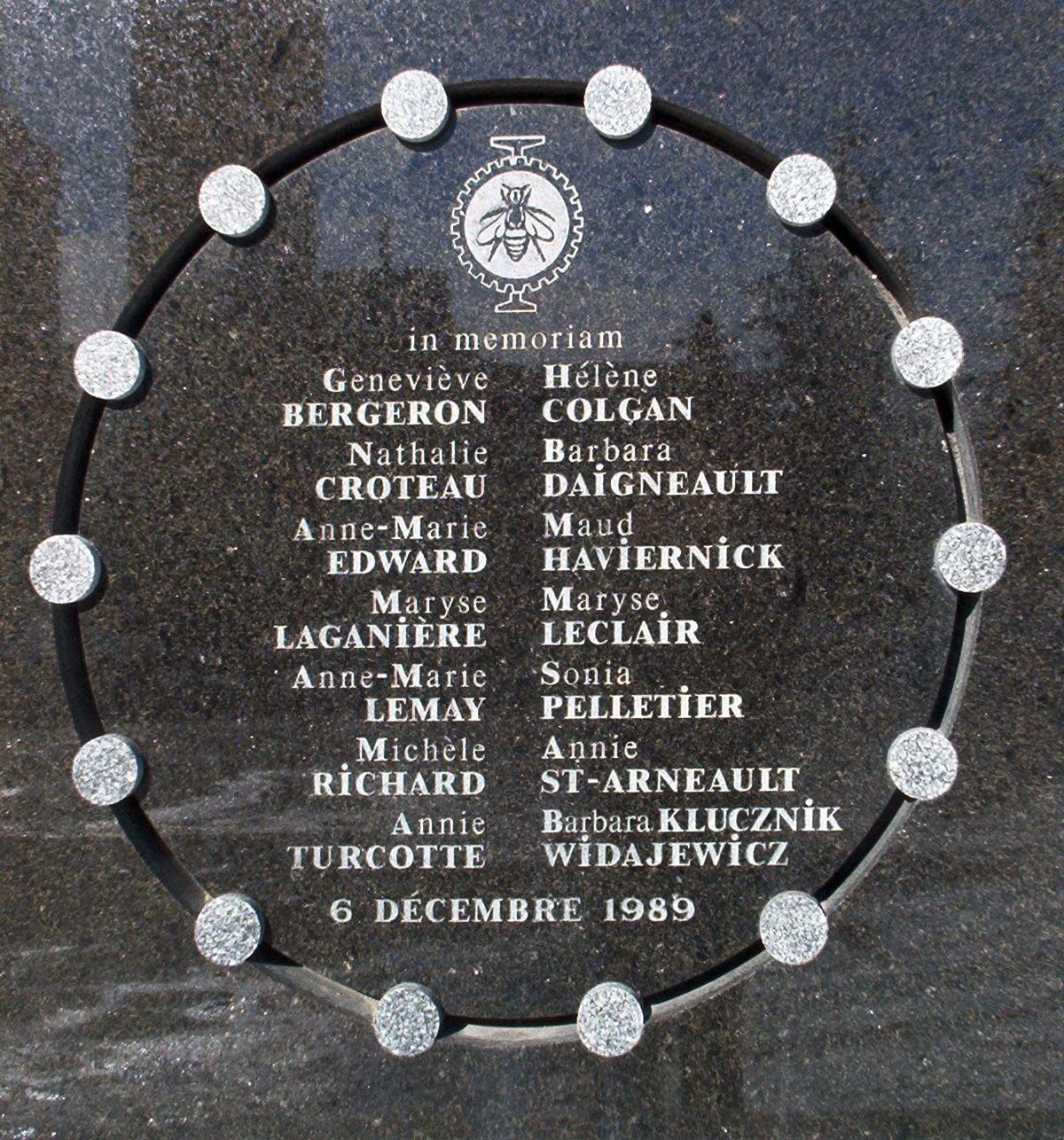
A series of commemorative events and official actions took place in the days following the tragedy. On June 24, around 1,000 mourners gathered at the Islamic Centre of Quebec in Saint-Laurent for Constable Mohamed Lamine Benredouane's funeral. On June 25, a women-led protest organized by Pour Elles Montreal against incel subculture was held, beginning at the memorial for the École Polytechnique massacre. On July 1, a gathering near the location of the shooting took place to end Michel Mizrahi's shiva, which included a tribute to Benredouane. On July 7, a public commemorative ceremony and procession was held at the Bell Centre in honour of Benredouane, with more than 5,000 police officers from across Canada in attendance.
- June 22 (Evening): Political statements from PM Carney, Premier Frechette, and Mayor Ferrada. Jewish Community Council urges against speculation.
- June 24: Funeral for Constable Benredouane held at the Islamic Centre of Quebec in Saint-Laurent, attended by about 1,000 mourners.
- June 25: Women-led protest organized by Pour Elles Montreal marches from the École Polytechnique massacre memorial to denounce incel ideology.
- June 26: Benredouane's sister pleads on Facebook for people to stop sharing videos of his death.
- July 1: Gathering near the shooting site to end the shiva for Michel Mizrahi, with tributes to both victims.
- July 7: Public commemorative ceremony and procession for Benredouane at the Bell Centre, with over 5,000 police officers in attendance.
Context and Ideological Links
The 2026 Montreal shooting was examined within the context of other ideologically motivated attacks in Canada. Investigators and analysts noted similarities to past violence linked to the incel subculture, such as the 2018 Toronto van attack and the 2020 Toronto machete attack. The perpetrator's manifesto echoed the misogynistic worldview central to these movements, while also incorporating anti-capitalist and revolutionary rhetoric. This fusion of ideologies highlighted the evolving nature of violent extremism and the role of online forums in radicalization. The targeting of a pornography company's headquarters was a specific call to action found in the shooter's writings, making the Aylo building a symbolic focal point.
The attack's location in a busy, diverse urban neighbourhood, and the resulting deaths of a police officer and a bystander, amplified its traumatic effect on the community. The event reignited discussions in Canada about the challenges of monitoring online hate, preventing radicalization, and addressing gender-based violence as a national security concern. It also drew parallels to other significant acts of violence in Canadian history that were driven by hatred and misogyny, including the 1989 École Polytechnique massacre. The shooting underscored the persistent threat posed by individuals radicalized through online communities that promote violence against women and societal institutions.
Questions about 2026 Montreal shooting
What happened in the 2026 Montreal shooting?
On June 22, 2026, a shootout occurred in Montreal's Côte-des-Neiges neighbourhood after a gunman, Seth Hatfield, opened fire from a hotel window targeting the nearby headquarters of the company Aylo. Responding Montreal police officers engaged the gunman on the street. The incident resulted in three fatalities: Constable Mohamed Lamine Benredouane, civilian Michel Mizrahi, and the perpetrator himself. A second police officer was critically injured, and another civilian sustained minor injuries.
Who was the police officer killed in the shooting?
The slain officer was Constable Mohamed Lamine Benredouane, aged 34. He had joined the Service de police de la Ville de Montréal (SPVM) in 2021 and was a well-known figure in the Côte-des-Neiges community where he grew up. He is survived by his spouse, who was pregnant, and a young son. His death was the first line-of-duty killing of an SPVM officer in 24 years, prompting a massive public funeral at the Bell Centre attended by thousands of officers from across Canada.
What was the motive behind the shooting?
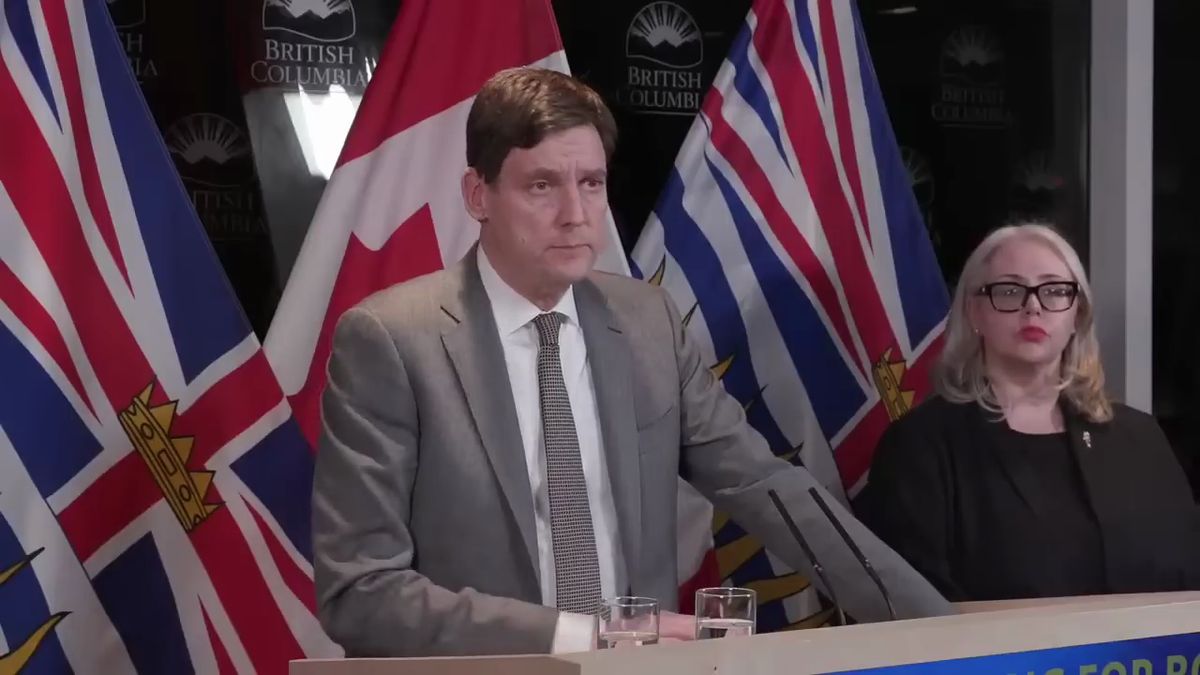
The primary motive was linked to the perpetrator's adherence to involuntary celibate (incel) ideology, combined with anti-capitalist and misogynistic beliefs. A 104-page manifesto attributed to the shooter blamed online pornography for men's suffering and called for violent attacks against the pornography industry, its corporations, and associated individuals. The writings also identified business leaders, politicians, and others as targets. Quebec's minister of public security denied terrorism as a motivation, but the RCMP opened an investigation into ideologically motivated violent extremism.
How did the Jewish community react to the shooting?
The shooting occurred in a neighbourhood with a large Jewish population, causing initial alarm about a possible antisemitic attack. The Jewish Community Council of Montreal urged against speculation to avoid undermining genuine efforts to combat antisemitism. The civilian victim, Michel Mizrahi, was a Jewish Montrealer, and his death was deeply mourned by the community. While authorities stated the Jewish community was not the specific target, the event's location and outcome caused significant trauma and reflection within Montreal's Jewish institutions.
What investigations were launched after the shooting?
Multiple investigations were initiated. The Sûreté du Québec (SQ) led a criminal investigation into the shooter. The Bureau des enquêtes indépendantes (BEI), Quebec's police watchdog, investigated the police response and the circumstances of the deaths. The Royal Canadian Mounted Police's Integrated National Security Enforcement Team (INSET) opened an investigation into ideologically motivated violent extremism. Additionally, the Quebec coroner launched an investigation into the three deaths, and police in Lethbridge, Alberta, cooperated with Quebec authorities regarding the perpetrator's background.
Were there any protests or public responses following the event?
Yes, several public responses occurred. A women-led protest against incel ideology and misogyny was held on June 25, starting at the memorial for the École Polytechnique massacre. Community gatherings were held to honour the victims, including one to end the shiva for Michel Mizrahi on July 1. A major public ceremony for Constable Benredouane was held at the Bell Centre on July 7. Political leaders from the municipal, provincial, and federal levels issued statements of condolence, and landmarks like the CN Tower dimmed their lights in remembrance.
Sources and further reading
- 2026 Montreal shooting (Wikipedia)
- Everything we know about the Côte-des-Neiges shootings (montrealgazette.com)
- What we know about the deadly Montreal shootings that ... (thecjn.ca)
- A timeline of Montreal's deadly Côte-des-Neiges shooting (cbc.ca)
- Montreal suspect's writings advocated for attacks on ... (cnn.com)
Checked by the Nosy Mag desk. Last updated 2026-10-20.