Baccarat
Baccarat is a classic card game of chance, most often played in casinos, where participants bet on one of two competing hands: the 'player' or the 'banker'. The objective is to predict which hand will achieve a total value closest to nine, using a unique scoring system where face cards and tens count as zero. Originating from European precursors like Macao, the game evolved into several variants, with punto banco being the dominant form in modern casinos worldwide, including those in Canada. While baccarat is often associated with high-stakes play, accessible versions like mini-baccarat and numerous free online simulations have broadened its appeal to a wider audience of adults.
Gameplay and Core Rules
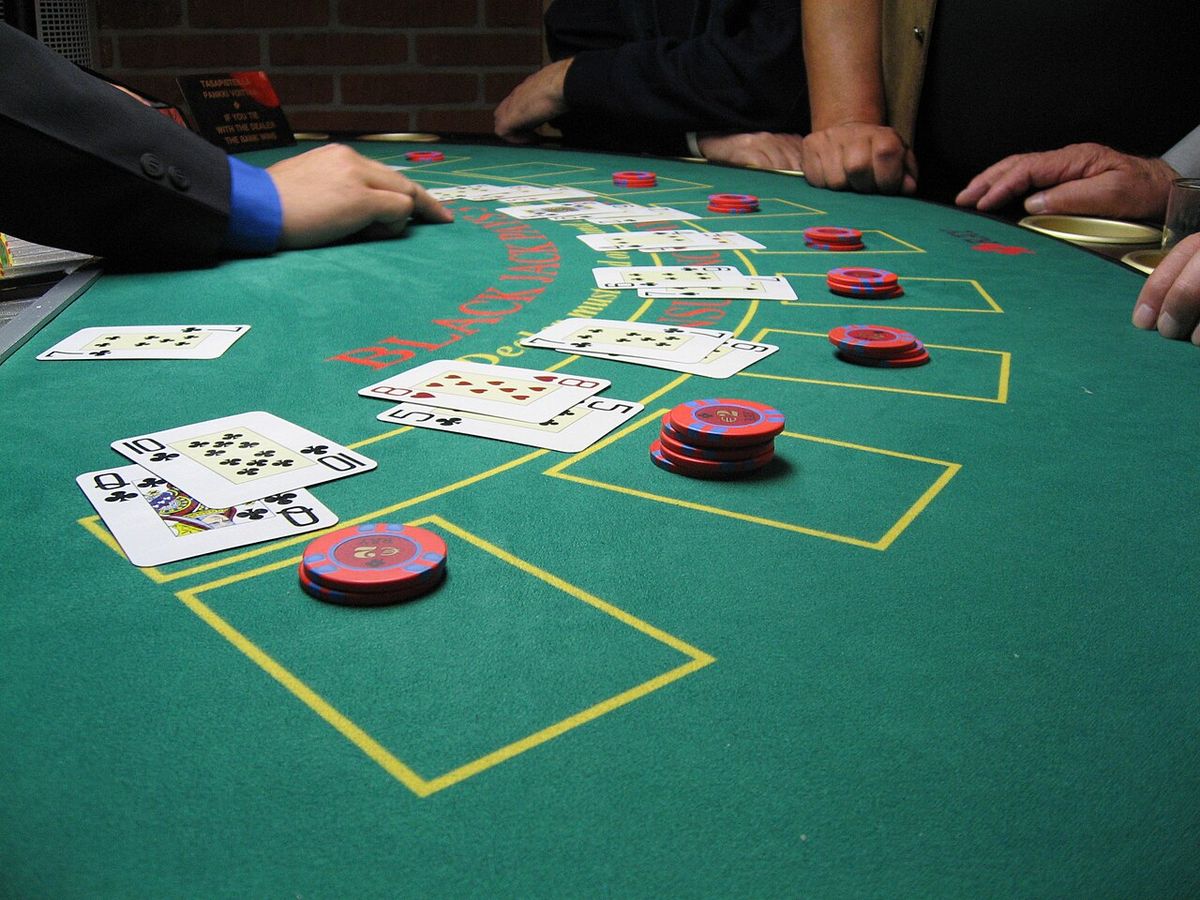
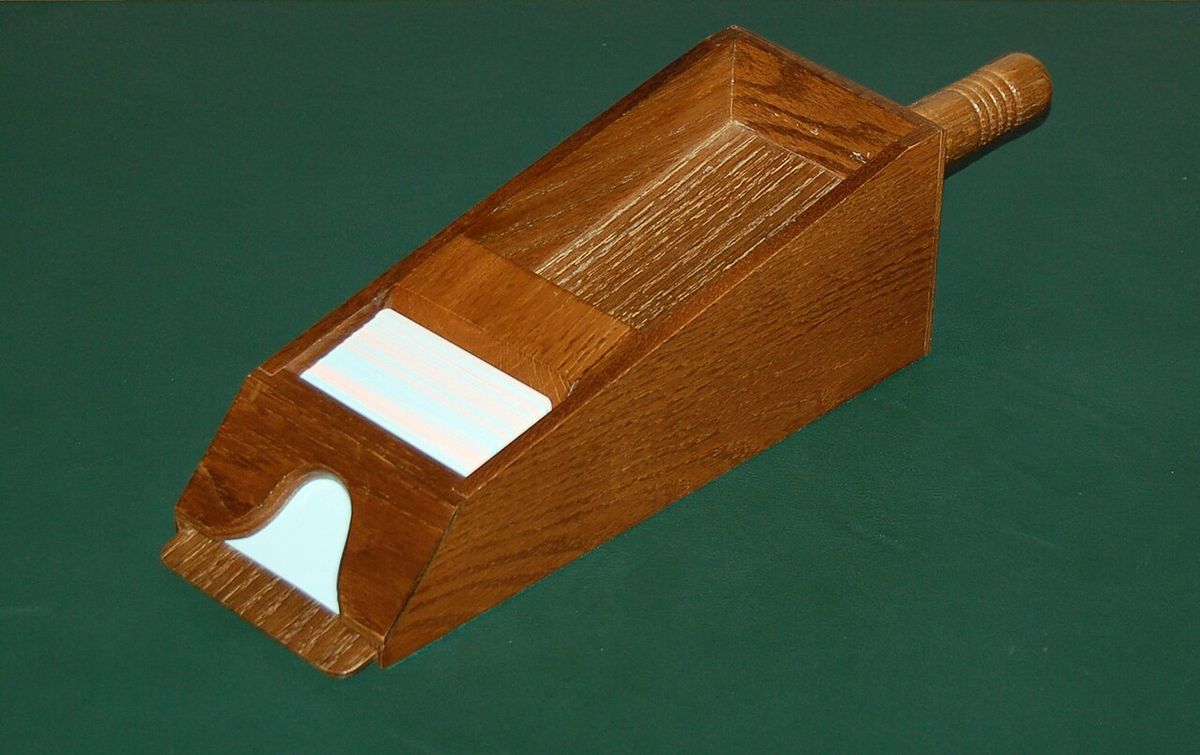
Baccarat gameplay is structured around a series of rounds, known as coups. At the start of each coup, players place their bets on either the player hand, the banker hand, or a tie. The dealer, or croupier, then deals two cards each to the player and banker positions, typically from a shoe containing six or eight standard decks. The values of these initial two cards are summed using baccarat's distinctive scoring system. Cards from two through nine are worth their face value, while tens, jacks, queens, and kings have a value of zero. Aces are worth one point. If the sum of a hand exceeds nine, only the second digit is used, making nine the highest possible hand value. For example, a hand consisting of a seven and an eight totals fifteen, but its baccarat value is five.
If either the player or banker hand totals eight or nine with the first two cards, it is declared a 'natural' and no further cards are drawn. The hand with the higher natural wins, with a natural nine beating a natural eight. If neither hand has a natural, a fixed set of drawing rules, known as the tableau, determines whether a third card is dealt. The player hand acts first, drawing a third card if its total is five or less, and standing on a total of six or seven. The banker's action then depends on the player's decision and the value of any third card drawn. These rules are automatic in the punto banco variant, requiring no strategic decisions from the participants. Once all cards are dealt according to the tableau, the hand with the total closest to nine wins.
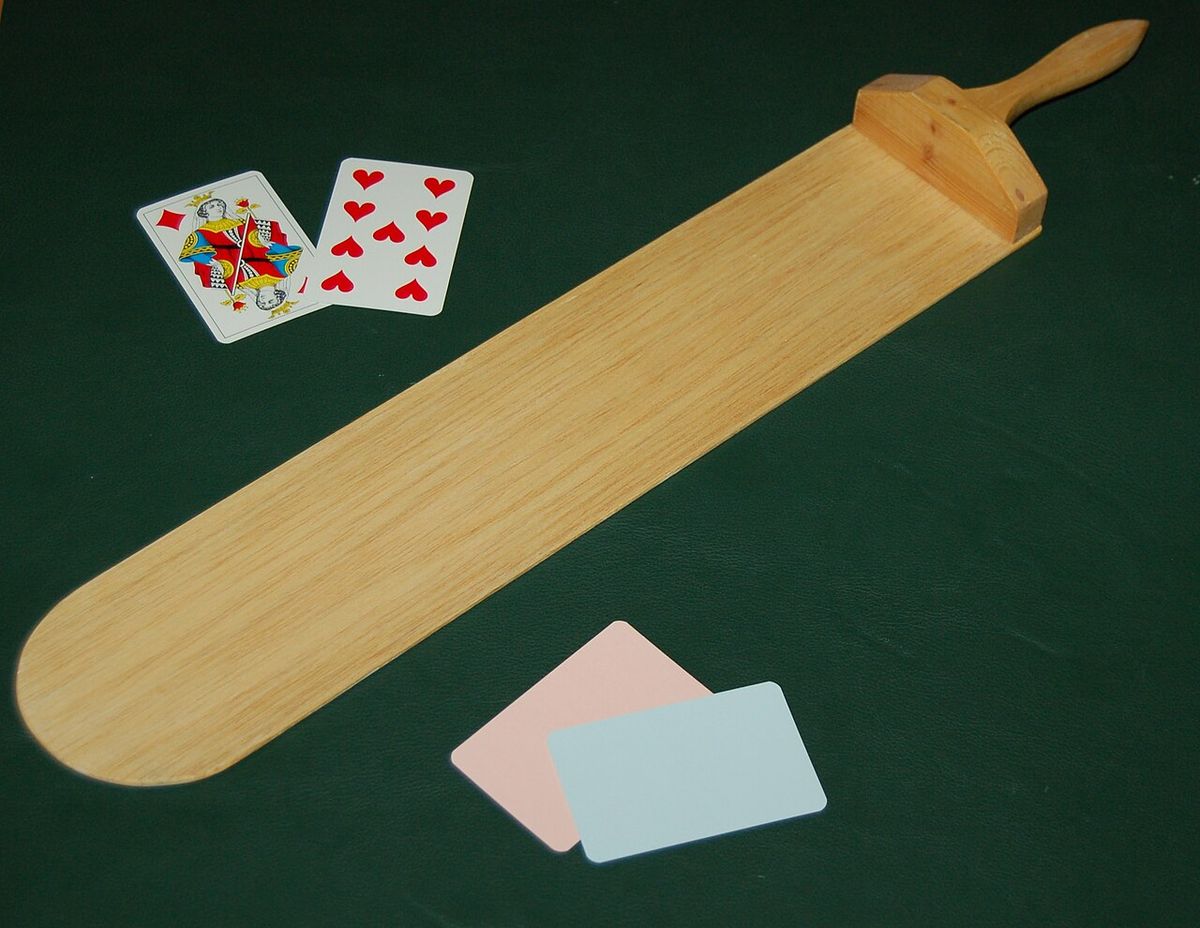
Winning bets on the player hand are typically paid at even money, or 1-to-1. Winning bets on the banker hand are also paid at even money but are usually subject to a 5% commission levied by the house, making the effective payout 19-to-20. A tie bet, which wins if the two hands have equal value, pays out at much higher odds, commonly 8-to-1, but carries a significantly higher house edge. After payouts, all losing bets are collected, and a new coup begins. The role of dealing cards from the shoe often rotates among players at the table in traditional baccarat, though in mini-baccarat and online versions, the dealer handles all cards.
Major Variants and Their Features
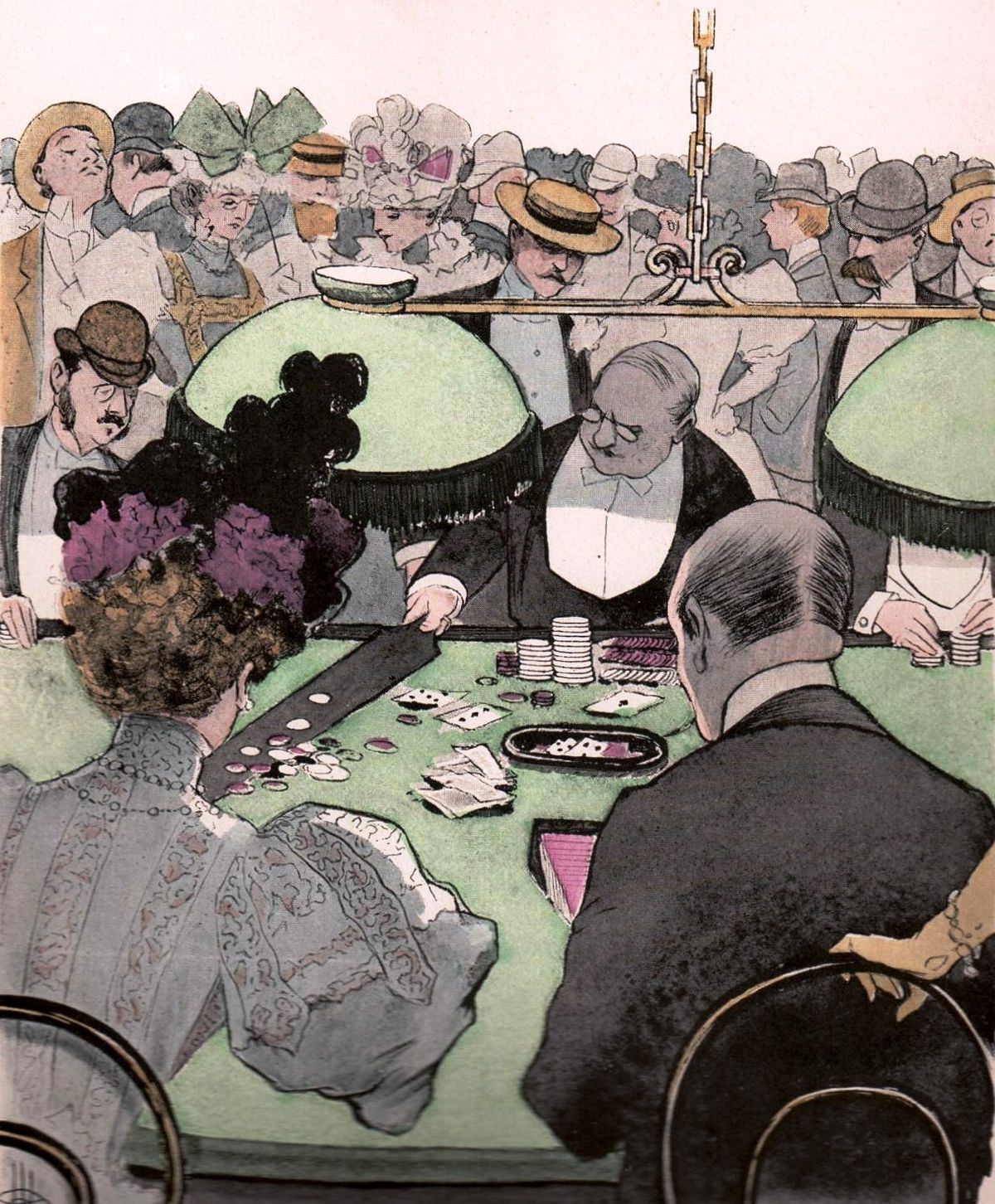
While the fundamental goal of baccarat remains consistent, several distinct variants have developed, each with its own procedural nuances. Punto banco, also known as North American baccarat, is the version most commonly found in casinos across Canada and the United States. It is a pure game of chance where all drawing decisions are dictated by the fixed tableau, and the casino always banks the game. Players simply bet on which of the two predetermined hands will win. Chemin de fer, meaning 'railway' in French, is a faster, historic variant where players compete against each other rather than the house. In this version, one player acts as the banker, and participants seated around the table can choose to 'go bank' against them. Players also have agency over whether to draw a third card when holding a total of five, introducing an element of choice absent in punto banco.
Baccarat banque, or à deux tableaux, is another traditional form, often considered the earliest version of the game. It is structured as a three-person game where one permanent banker plays against two opposing sides, left and right. The players on each side appoint a representative to make drawing decisions for their team. This variant can be played as a social, no-limit game (banque ouverte) or as a casino-banked game with table limits (banque limitée). Beyond these core forms, numerous modern adaptations exist to cater to different player preferences and to increase gameplay speed. These variations often modify payouts and side bet options while keeping the basic scoring framework intact.
- Mini-Baccarat: A smaller-stakes, faster version of punto banco played on a smaller table where the dealer handles all cards.
- EZ Baccarat: A commission-free variant where winning banker bets are paid even money, except when the banker wins with a three-card total of seven, which results in a push. It features Dragon 7 and Panda 8 side bets.
- Super 6 (Punto 2000): Similar to EZ Baccarat, but the exception is a banker win with a total of six, which pays at 1-to-2 (50% of the bet).
- Dragon Tiger: An extremely simplified version where the player (Dragon) and banker (Tiger) each receive only one card, with the higher card winning.
- Three Card Baccarat: A faster variant where both hands always receive three cards, and the number of picture cards influences the outcome.
- Macao: A historical precursor where players could only bet on the player hand, and hands exceeding nine were considered bust.
The proliferation of online casino gaming has made all these variants widely accessible. Leading software providers offer digital and live dealer versions. These versions allow players to experience different styles of baccarat from home. The available variants include punto banco, baccarat chemin de fer, and baccarat banque. Punto banco is the most common version played in casinos today. It developed in Havana in the 1940s and is a pure game of chance.
Historical Development and Popularity
The precise origins of baccarat are debated, with connections drawn to card games from China, Japan, and Korea that date back to the early 17th century. The immediate precursor is widely considered to be Macao, which appeared in Europe towards the end of the 18th century. Macao gained immense popularity across all social classes, leading to its ban in several territories, including by King Victor-Amadeus III of Sardinia in 1788. Despite such prohibitions, it thrived in exclusive clubs, most notably London's Watier's, where it contributed to the financial downfall of the famed dandy Beau Brummell. The game's notoriety continued into the late 19th century, culminating in the Royal baccarat scandal of 1890, which involved the Prince of Wales, the future King Edward VII, testifying in court.
In France, baccarat became a favourite pastime of the nobility during the 19th century, often played in private gaming rooms before the legalization of casinos in 1907. The earliest recorded form, Baccarat Banque, emerged during this period. The quicker Chemin de Fer variant followed, its name a reference to the new railway system, symbolizing its faster pace. The most significant evolution for modern casinos occurred in the 1940s in Havana, Cuba, with the development of Punto Banco. This version transformed baccarat into a purely house-banked game with fixed rules, removing player decision-making and solidifying its structure for mass appeal in casinos. While its popularity waned in the United States after the early 20th century, it remained strong in continental Europe and Russia and has since seen a global resurgence, particularly in Asian gaming markets like Macau.
Today, baccarat holds a dual reputation. In physical casinos, it is often presented in high-limit areas with large tables, attended by croupiers and dealers, catering to high rollers who may wager substantial sums. Simultaneously, the advent of mini-baccarat and online platforms has democratized the game, offering low minimum bets and free-play modes. This accessibility, combined with its simple rules and low house edge on main bets, has secured baccarat's position as a staple in both land-based and online casinos frequented by Canadian adults.
Odds, House Edge, and Betting Considerations
Baccarat is renowned for offering some of the most favourable odds among standard casino table games, particularly on its two primary wagers. The house edge, representing the casino's statistical advantage over the player, is a critical metric for informed play. In a standard punto banco game using multiple decks, the banker bet carries a house edge of approximately 1.06% when accounting for the standard 5% commission on wins. The player bet has a slightly higher house edge of about 1.24%. These figures make both main bets considerably better options than many other casino games. In contrast, the tie bet, despite its enticing 8-to-1 payout, has a dramatically higher house edge of around 14.4%, making it a much riskier proposition.
Variations in rules directly affect these odds. In the Super 6 variant, where the commission is replaced by a halved payout on banker wins with a six, the house edge on the banker bet increases to approximately 1.46%. In EZ Baccarat, the removal of the standard commission changes the dynamic, though the push on a banker win with a three-card seven adjusts the edge. Side bets, while offering large payouts, generally carry very high house edges. For example, the Dragon 7 side bet in EZ Baccarat pays 40-to-1, and the Panda 8 pays 25-to-1, but their associated house edges are significantly above those of the main game. Understanding these statistical realities is a fundamental aspect of responsible gameplay for adults.
Strategic play in traditional punto banco is limited due to its fixed rules, but concepts like card counting and edge sorting can theoretically shift the odds. Card counting in baccarat, which tracks the proportion of high and low cards remaining in the shoe, can reduce the house edge by a very small margin, estimated around 0.05%. Edge sorting, a controversial technique involving identifying minute imperfections on card backs, can potentially give players a more significant advantage, though its use is typically prohibited by casinos. For the vast majority of players, the most sound strategy is simply to recognize the probabilistic advantage of the banker bet and to manage their bankroll effectively, never wagering more than their predetermined entertainment budget.
Baccarat in the Canadian and Online Context
In Canada, baccarat is available in land-based casinos in provinces where casino gambling is legal, adhering to local age restrictions, which are 19+ in most provinces and 18+ in Alberta, Manitoba, and Quebec. The game is offered in both its traditional high-stakes form and the more accessible mini-baccarat format. Canadian players have also embraced online baccarat, which provides great convenience and variety. Reputable online casinos licensed for the Canadian market offer dozens of baccarat variants, from classic punto banco and commission-free versions to live dealer games that stream real croupiers from studios. These platforms allow players to practice with free-play 'fun money' modes before engaging in real-money play.
The online environment has also standardized the use of visual tracking tools known as 'road maps' or scoreboards. Derived from Asian gaming traditions, these displays chart the historical results of the player and banker hands from the current shoe, using patterns on a grid. Common roads include the Big Road, Big Eye Boy, Small Road, and Cockroach Road. While these patterns are outcomes of random chance and do not predict future results, many players use them to inform their betting patterns. Online games often feature these roads as digital displays, enhancing the immersive experience. When choosing an online baccarat game, Canadian players can select from titles by major software providers, each offering slightly different graphics, user interfaces, and side bet options.
| Software Provider | Notable Baccarat Offering(s) |
|---|---|
| Microgaming | Classic Baccarat |
| NetEnt | Baccarat Pro |
| Evolution Gaming | Live Dealer variants (e.g., Golden Wealth Baccarat) |
| BetSoft | Standard ruleset baccarat |
| IGT | Electronic table games & online versions |
Responsible gambling is paramount. Canadian players should only gamble with money they can afford to lose, view it as a form of entertainment, and not as a way to generate income. It is important to set time and money limits before playing. Provincial resources are available for those who may need support, reflecting a commitment to safe play within the legal gaming framework.
Cultural Impact and Game Characteristics
Baccarat's cultural image is deeply intertwined with sophistication, high society, and luxury, a legacy from its 19th-century European heyday. This aura is perpetuated in popular culture, most famously in the James Bond film series, where the character is frequently depicted playing chemin de fer or baccarat in elegant casino settings. The game's portrayal contributes to its perception as a game for refined high rollers, an image that physical casinos reinforce through dedicated baccarat pits with velvet ropes, tuxedoed dealers, and high minimum bets. This mystique, however, belies the game's underlying simplicity, which has been key to its enduring and broadening popularity.
The game's mechanics possess several distinctive characteristics. The use of modulo ten arithmetic for scoring, where only the last digit of a hand's total counts, is unique among major card games. The fixed tableau of drawing rules in punto banco creates a deterministic outcome once the cards are dealt, making it a game of pure chance rather than skill. The tradition of allowing players to handle the shoe and deal cards in some variants adds a participatory ritual not found in games like blackjack or roulette. The widespread adoption of road maps for tracking results has created a complex subculture of pattern spotting and betting systems, particularly in Asian markets, which now influences play globally, both online and offline.
Ultimately, baccarat's success stems from its ability to blend seemingly contradictory elements. It combines an aura of exclusivity with straightforward rules that anyone can learn in minutes. It offers some of the best odds in the casino alongside bets with exceptionally poor odds. It is a game of absolute chance that inspires intense analysis of historical trends. This combination ensures its continued status as a fundamental part of casino gaming, appealing to a wide spectrum of players, from the casual adult trying a free online game to the seasoned gambler at a high-limit table.
Common Side Bets and Payouts
Beyond the standard player, banker, and tie wagers, many baccarat variants include optional side bets. These bets typically offer higher payouts but come with a significantly increased house edge, making them riskier propositions. They are often based on specific card combinations or the manner in which a hand wins. The availability and specific payouts for these side bets can vary between different casinos and game versions, so players should always check the posted rules before placing such wagers. Here are some of the most commonly encountered side bets in modern baccarat games.
- Tie Bet: Wins if the player and banker hands have the same total. Standard payout is 8-to-1, though some casinos offer 9-to-1.
- Player Pair / Banker Pair: Wins if the first two cards dealt to the respective hand form a pair (e.g., two kings). Typical payout is 11-to-1.
- Dragon 7: Specific to EZ Baccarat, wins if the banker hand wins with a total of seven made from three cards. Pays 40-to-1.
- Panda 8: Specific to EZ Baccarat, wins if the player hand wins with a total of eight made from three cards. Pays 25-to-1.
- Lucky 7 (Player): Wins if the player's hand totals exactly seven. A two-card seven pays 6-to-1, while a three-card seven pays 15-to-1.
- Tiger, Big Tiger, Small Tiger, Tiger Pair: A family of proposition bets found in some variants, with payouts based on specific hand outcomes.
While side bets can add excitement to the game, their high house edges mean they are generally less favourable for the player. For instance, the standard tie bet has a high house edge of 14.4 percent. This is substantially higher than the banker bet's house edge of 1.06 percent. The player bet has a house edge of 1.24 percent. Responsible play involves understanding that these are supplemental wagers best used sparingly.
Questions about Baccarat
How do you play baccarat?
To play baccarat, you bet on whether the 'player' hand or the 'banker' hand will have a total value closer to nine. Two cards are dealt to each hand. Cards 2-9 are worth their face value, 10s and face cards are worth zero, and aces are worth one point. If the total is over nine, only the last digit counts. If neither hand has an 8 or 9 (a natural), fixed rules determine if a third card is drawn. You win if you correctly bet on the hand with the higher total.
What is the difference between punto banco and chemin de fer?
Punto banco is the most common casino variant where all actions are dictated by fixed rules, and the casino always banks the game. Chemin de fer is a traditional French variant where players compete against each other. One player acts as the banker, and players have a choice whether to draw a third card when holding a total of five. Punto banco is purely a game of chance, while chemin de fer involves some player decision-making.
What are the odds and house edge in baccarat?
The house edge, or casino advantage, is very low on the main bets in standard baccarat. Betting on the banker has a house edge of about 1.06% (accounting for a 5% commission on wins). Betting on the player has a slightly higher edge of about 1.24%. The tie bet, paying 8-to-1, has a much higher house edge of approximately 14.4%, making it a less favourable wager from a statistical standpoint.
What is mini-baccarat?
Mini-baccarat is a faster, lower-stakes version of the traditional punto banco game. It is played on a smaller table, often with lower minimum bets, making it more accessible to casual players. The main difference is that the dealer handles all the cards, and the pace of play is generally quicker. The core rules and odds are identical to standard baccarat.
What is the best bet in baccarat?
Statistically, the banker bet is considered the best bet in baccarat due to its marginally lower house edge of approximately 1.06%. The player bet is also a good option with a 1.24% edge. The tie bet should generally be avoided by strategy-minded players because of its high 14.4% house edge, despite the attractive 8-to-1 payout. Responsible bankroll management is more important than any single bet selection.
Can you play baccarat online for free?
Yes, you can play baccarat online for free. Many online platforms offer free play or demo versions of the game. These allow players to practice without risking real money. Free games are useful for learning the rules and trying different variants like mini baccarat. This practice can help before playing for real money at a casino.
Sources and further reading
- Baccarat (Wikipedia)
- How To Play Baccarat | The Venetian Resort Las Vegas (venetianlasvegas.com)
- Free Baccarat Games Online 2026 | Play 80+ Games for Fun (casino.org)
- EZ Baccarat | Casinos et Salons de jeux (casinos.lotoquebec.com)
- Online Baccarat Rules and Expert Gameplay Tips, BetMGM Casino (betmgm.ca)
Checked by the Nosy Mag desk. Last updated 2026-11-10.