Sweepstakes parlor
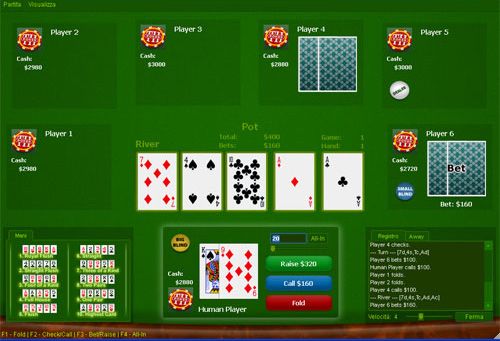
A sweepstakes parlor, also known as a sweepstakes café, is an establishment that gives away chances to win prizes with the purchase of a product or service, typically internet access or telephone cards. They began to appear in the Southern United States around 2005. Purchased entries are redeemed using computers at the establishment, which contain specialized software that presents whether a participant has won a prize. Results are often presented using mechanisms that resemble casino games, such as slots. In Canada, these platforms exist in a legal grey area, as they are structured as promotional contests under federal law, which requires a free method of entry, rather than as licensed gambling operations. Their proliferation has prompted significant scrutiny across North America, with numerous U.S. states enacting bans.
Business Model and Operation
The fundamental operation of a sweepstakes parlor hinges on a dual currency system designed to comply with contest laws. Players are typically given two types of virtual currency: a free play currency like Gold Coins, which has no cash value and is used for entertainment, and a promotional currency like Sweeps Coins, which can be redeemed for prizes after meeting playthrough and verification requirements. This model is adapted from physical sweepstakes parlours that emerged in the southern United States around 2005, which sold internet access or phone cards and provided free chances to win prizes. The modern online version provides these chances through virtual coins acquired via registration bonuses, daily login rewards, mail in requests, or as a bonus with the optional purchase of free play currency. The games themselves, including slots, table games, and live dealer options, are presented with casino style graphics and mechanics, but operators argue the outcome is predetermined by the promotional entry, separating it from games of chance.
Software for these operations is provided by specialised technology companies, which often receive a percentage of the platform's profits. For players, the process involves registering for an account, claiming a welcome bonus package often consisting of both free play and sweeps coins, and then using the sweeps coins to play games. Winnings in sweeps coins can be accumulated and, after account verification and fulfilling any playthrough rules, redeemed for cash prizes or gift cards. The redemption process, including minimum amounts and processing times, varies significantly between operators. In Canada, a critical legal distinction is that players cannot directly purchase sweeps coins, though they can optionally buy packages of free play gold coins and may receive sweeps coins as a promotional bonus with those purchases.
Legal Status and Regulatory Framework
In Canada, sweepstakes casinos operate under federal contest law rather than provincial gambling statutes. The Criminal Code gives provinces and territories authority over regulated gambling, but promotional contests fall under the federal Competition Act. This act mandates key requirements for legal sweepstakes, including a free method of entry (the No Purchase Necessary rule), clearly stated rules, and the administration of a skill testing question before awarding a prize. Quebec repealed its former contest registration requirements in 2023, but French language laws still apply, leading many international operators to voluntarily exclude the province. Ontario licenses private real money iGaming operators through iGaming Ontario, but sweepstakes platforms remain a separate, unlicensed category, with some choosing to exclude Ontario residents as a precaution.
The situation is fragmented and evolving. No Canadian province has explicitly licensed sweepstakes casinos as of 2026, leaving them in a permissible grey area based on their adherence to contest law. This contrasts with the strictly regulated real money gambling sector, where, for example, British Columbia's Independent Gambling Control Office (IGCO) oversees all commercial and charitable gambling run by the provincial government. The modernized provincial Gaming Control Act came into force in British Columbia on April 13, 2026, establishing an updated framework, but it does not encompass sweepstakes models. The core legal argument used by sweepstakes operators, both in Canada and the United States, is that their model does not meet the traditional legal definition of gambling, which requires consideration (a wager), chance, and a prize. They contend consideration is absent due to the free entry method, and chance is removed because prizes are allegedly predetermined at the point of entry.
- A free method of entry (No Purchase Necessary).
- Clearly stated contest rules.
- A skill testing question for prize claims.
- Compliance with the federal Competition Act.
- Exclusion of Quebec players by many operators.
- Voluntary exclusion of Ontario players by some platforms.
Regulatory Crackdown in the United States
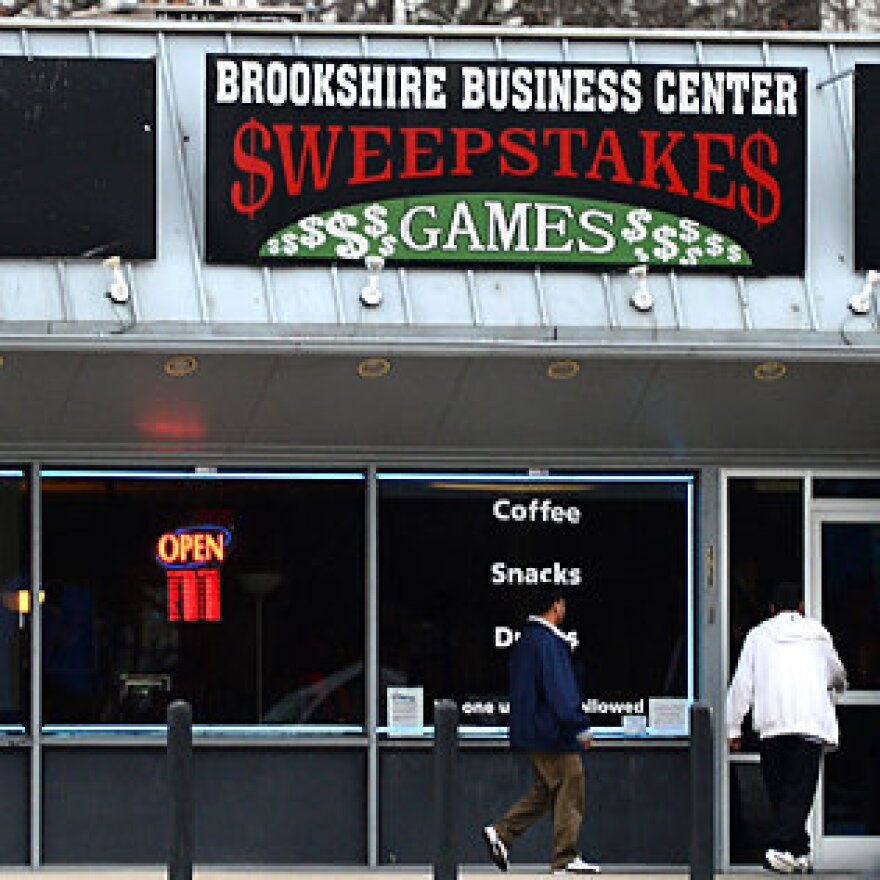
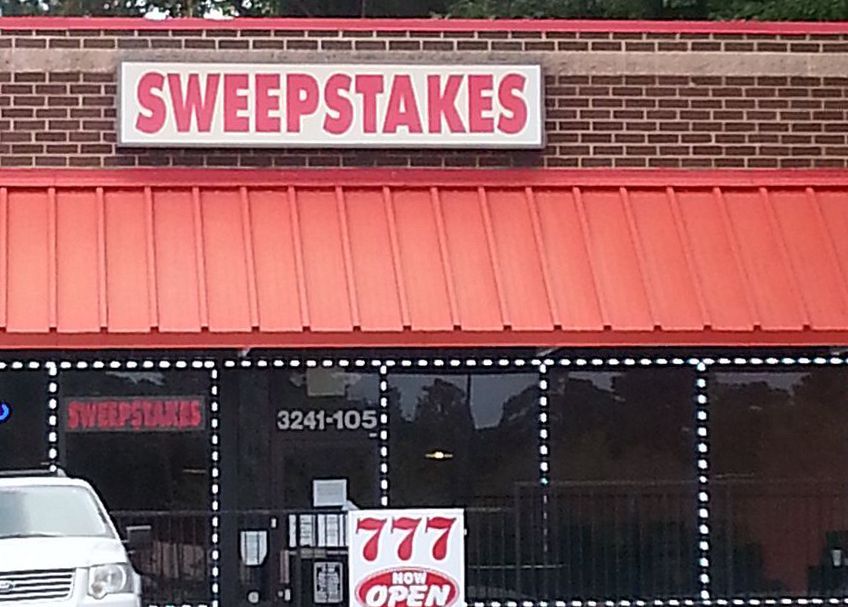
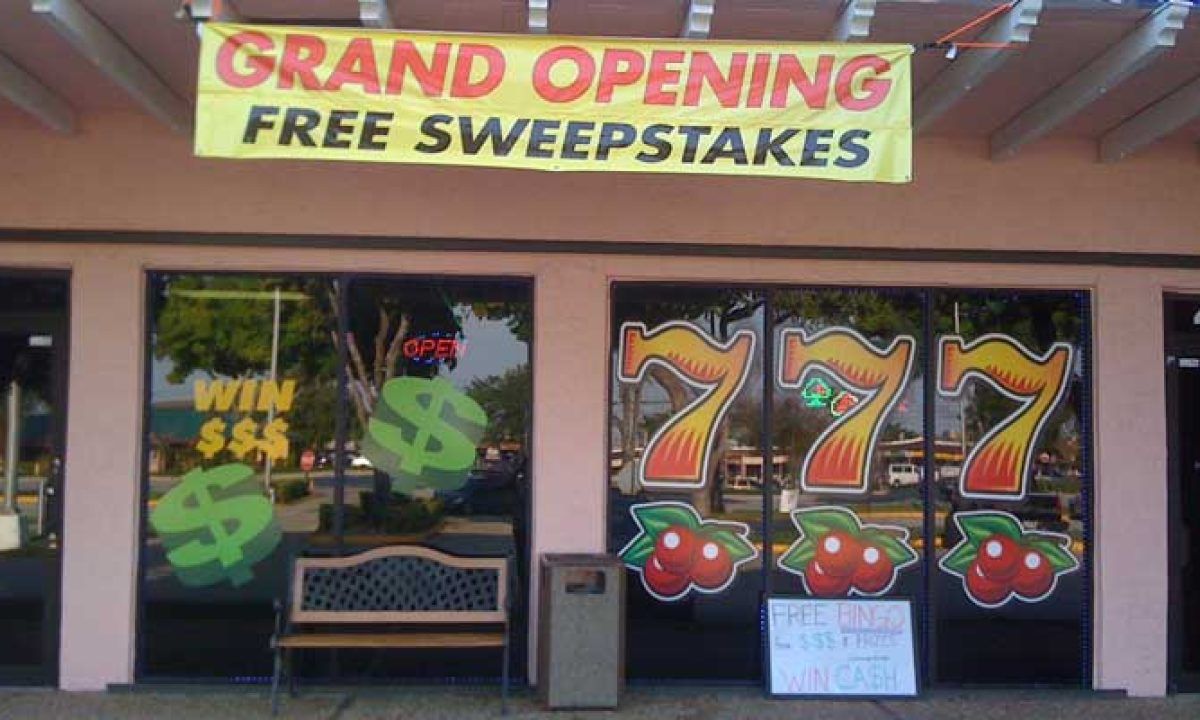
The sweepstakes model has faced intense legal challenges and legislative bans across the United States, setting a precedent that influences the Canadian discussion. Physical sweepstakes parlours, often located in strip malls, attracted scrutiny from law enforcement and state legislatures shortly after their proliferation. Industry lobbies formed to defend the model, arguing it did not constitute illegal gambling. Key legal battles reached state supreme courts, with mixed results. In 2013, the Alabama Supreme Court ruled one operator's model violated state gambling laws, finding it functionally equivalent to a slot machine. That same year, the North Carolina Supreme Court upheld a ban on sweepstakes that used an entertaining display, rejecting a First Amendment challenge.
In response, the industry attempted technical workarounds, such as pre reveal software that showed prizes in plain text before a game animation. By late 2025 and into 2026, multiple states had taken action. Tennessee Attorney General Jonathan Skrmetti issued cease and desist orders to several operators in December 2025, and Governor Bill Lee signed a ban into law on May 22, 2026. California's AB 831, banning the operation of such contests, took effect on January 1, 2026. As of October 2026, nine states had banned the dual currency model by statute. In May 2015, federal prosecutors announced a settlement with five sweepstakes software providers, under which they would stop doing business in North Carolina by July 1, 2015.
- 2013: Sweepstakes parlours banned in Florida, Ohio, and several California municipalities.
- May 2015: Federal settlement required five software providers to cease business in North Carolina.
- December 2025: Tennessee AG issues cease and desist orders.
- January 1, 2026: California's AB 831 ban takes effect.
- May 22, 2026: Tennessee sweepstakes casino ban signed into law.
- April 9, 2026: Washington D.C. Councilmember introduces the Internet Gaming and Consumer Protection Act of 2026.
Canadian Market and Key Platforms
The sweepstakes casino market in Canada is smaller and more constrained than in the United States, primarily due to the prohibition on Canadian players directly purchasing sweeps coins. Nevertheless, several major international platforms accept Canadian players from most provinces, typically excluding Quebec and sometimes Ontario. These sites cater to a Canadian audience with welcome bonuses, game libraries, and customer support, though prize redemption values may be in U.S. dollars. The available platforms are frequently reviewed and ranked based on their bonus offers, game variety, user experience, and redemption processes.
Leading platforms identified in 2026 include McLuck, WOW Vegas, Rolla, Crown Coins, and Fortune Wins. McLuck is notable for offering a dedicated mobile app for iOS and Android users, a rarity among these platforms. WOW Vegas distinguishes itself with an extensive library of over 2,300 games from numerous software providers. Rolla often provides one of the largest welcome bonus packages for new Canadian players. Crown Coins is praised for its broad slot library and multi tier loyalty club. These operators generally provide a browser based experience compatible with mobile devices, using secure payment processors for optional gold coin purchases, though direct deposits for gambling are not involved.
| Platform | Notable Feature (2026) | Common Provincial Exclusions |
|---|---|---|
| McLuck | Dedicated mobile app | Quebec |
| WOW Vegas | Over 2,300 games | Quebec |
| Rolla | Large welcome package | Quebec |
| Crown Coins | Seven tier loyalty club | Quebec |
| Fortune Wins | Multi step welcome bonus | Ontario, Quebec |
Criticism and Opposition
Sweepstakes casinos face criticism from multiple sectors, including advocates for regulated gambling, law enforcement, and public policy makers. A primary objection is the lack of formal regulation and consumer protections compared to licensed gambling operators. Critics argue that these platforms potentially skirt gambling laws through a technical loophole, operating without the responsible gambling measures, age verification rigour, and anti money laundering controls required of licensed entities. This unregulated nature raises concerns about player safety and the integrity of the games, despite operator claims of using certified random number generators.
In the United States, legal gaming interests, including state lotteries and tribal casinos operating under the Indian Gaming Regulatory Act, have opposed sweepstakes parlours for encroaching on their market and reducing revenue for public programs funded by legal gambling. The physical parlours have also created collateral legal issues, such as in Florida where a broad ban on gambling machines raised concerns for arcade operators fearing their redemption games could be inadvertently outlawed. In the online sphere, the rapid growth of sweepstakes casinos has prompted regulators to warn that the model can be used to disguise unlicensed gambling operations. The British Columbia government's focus on anti money laundering, following the Dirty Money reports, highlights the risks associated with any gambling like activity that operates outside of strictly controlled, transparent systems. In 2013 in Texas, attorney general announced that HEST Technologies pleaded guilty to engaging in organized criminal activity for gambling offenses.
The Player Experience in Canada
For Canadian adults, accessing a sweepstakes casino involves a distinct process shaped by legal constraints. The first step is registration, where the player provides basic details and verifies they are of legal age, which is 19 years or older in most provinces. Upon signing up, they immediately claim a no purchase necessary welcome bonus, which typically includes a large quantity of free play gold coins and a smaller amount of sweeps coins. Players can then browse a game library filled with slots, blackjack, roulette, and other casino style titles. When playing with sweeps coins, any winnings accumulate in the sweeps coin balance.
To redeem sweeps coins for a prize, players must first meet any playthrough requirements attached to the bonus, which are often minimal. They must then complete a know your customer verification process, providing identification to confirm their identity and age. A skill testing question, such as a simple arithmetic problem, must be correctly answered to comply with Canadian contest law. Finally, the player can request a redemption, choosing between cash via methods like bank transfer or e transfer, or gift cards from various retailers. Minimum redemption amounts vary, and processing can take from a few hours to several days. The entire experience is designed to mirror real money gambling while technically operating within the boundaries of promotional contest rules, offering a form of entertainment with the potential for tangible rewards without the requirement to wager personal funds.
- Register an account and verify age (19+).
- Claim a no purchase welcome bonus of Gold and Sweeps Coins.
- Play games using Sweeps Coins to accumulate winnings.
- Fulfill any bonus playthrough requirements.
- Complete KYC verification with identification.
- Correctly answer a skill testing question.
- Redeem Sweeps Coins for cash or gift cards.
Questions about Sweepstakes parlor
Are sweepstakes casinos legal in Canada?
Sweepstakes casinos operate in a legal grey area in Canada. They are not licensed as gambling operations but are structured as promotional contests, which fall under the federal Competition Act. This law requires a free method of entry, clear rules, and a skill testing question for prize claims. No Canadian province explicitly licenses them, but they are generally accessible as they comply with contest law. Many operators voluntarily exclude players from Quebec due to its distinct legal requirements, and some also exclude Ontario residents.
Can Canadian players buy Sweeps Coins?
No, Canadian players cannot directly purchase Sweeps Coins, the virtual currency used to enter prize draws. This is a key legal requirement under Canada's No Purchase Necessary rule for contests. Players can acquire Sweeps Coins for free through registration bonuses, daily login rewards, mail in requests, and promotions. They can optionally purchase packages of Gold Coins, the free play currency, and often receive Sweeps Coins as a bonus gift with those purchases, but the Sweeps Coins themselves are not for sale.
What are the best sweepstakes casinos in Canada?
As of 2026, popular and well reviewed sweepstakes casinos accepting Canadian players include McLuck, WOW Vegas, Rolla, Crown Coins, and Fortune Wins. McLuck offers a dedicated mobile app, while WOW Vegas features a library of over 2,300 games. Rolla provides large welcome packages and Crown Coins has a seven tier loyalty club. Availability varies by province, with Quebec commonly excluded and Ontario restricted on some sites like Fortune Wins.
How do you redeem prizes from sweepstakes casinos in Canada?
To redeem prizes, a player must first accumulate Sweeps Coins through gameplay. They must then meet any playthrough requirements attached to bonus coins, which are typically low. Next, the player must complete account verification, providing identification to confirm age and identity. Before the prize is awarded, a skill testing question, such as a simple arithmetic problem, must be correctly answered to comply with Canadian law. Finally, the player can redeem their Sweeps Coins for cash prizes via methods like bank transfer or for gift cards, subject to the platform's minimum redemption amounts and processing times.
Why are sweepstakes casinos being banned in the United States?
Many U.S. states have banned sweepstakes casinos because legislators and regulators view them as unlicensed gambling operations that exploit a legal loophole. Critics argue the model meets the traditional definition of gambling, consideration, chance, and a prize, by disguising wagers as promotional entries. States like California, New York, and Tennessee have enacted laws to prohibit the dual currency model, aiming to protect consumers, uphold state gambling monopolies or compacts, and prevent revenue loss from regulated gaming. These bans often target both online platforms and physical sweepstakes parlours.
What is the difference between a sweepstakes casino and a real money online casino?
The core difference is the legal and financial structure. A real money online casino, like those licensed in Ontario by iGaming Ontario, requires players to deposit and wager their own money directly on games of chance, with winnings paid as cash. A sweepstakes casino uses a virtual currency model where players use free or promotional entries (Sweeps Coins) to play. Real money is not wagered on the game outcome. Prizes are won through a contest draw. Real money casinos are strictly regulated under provincial gambling law, while sweepstakes casinos operate under federal contest law, which has different consumer protection and operational requirements.
Sources and further reading
- Sweepstakes parlor (Wikipedia)
- Gambling Laws and Regulations 2026 (iclg.com)
- Gambling in B.C. - Province of British Columbia (www2.gov.bc.ca)
- List of Sweepstakes Casinos in Canada for 2026 (thespike.gg)
- 8 Best Canada Sweepstakes Casinos with Free SC & Cash Prizes (sweepsy.com)
- Top Canada Sweepstakes Casinos | Legal CA Casino Sites (sweepskings.com)
- Are sweepstakes gaming sites legal in Canada? (durhampost.ca)
Checked by the Nosy Mag desk. Last updated 2026-11-11.