Allan Legere
Allan Joseph Legere, known as the Monster of the Miramichi, was a Canadian serial killer, rapist, and arsonist. He was convicted for the 1986 murder of John Glendenning during a home invasion. Legere escaped custody in 1989 and during a 201-day rampage murdered four more people in the Miramichi area. His 1991 trial was the first in Canada to use DNA profiling successfully to secure a conviction. Legere died in custody at Edmonton Institution on March 9, 2026, at the age of 78.
Early Life and First Conviction
Allan Legere was born on February 13, 1948, in Chatham, New Brunswick. On the evening of June 21, 1986, Legere and two accomplices, Todd Matchett and Scott Curtis, robbed a home in Black River Bridge. The trio cut the power, broke in, and severely beat the owners, John and Mary Glendenning. John Glendenning was beaten to death, while Mary Glendenning was beaten and sexually assaulted before the perpetrators fled. Mary Glendenning regained consciousness, discovered her husband's body, and crawled to a phone to call 911, speaking with the dispatcher until police arrived. Police tracked down and arrested the three men. Matchett pleaded guilty to murder, while Curtis and Legere were convicted at trial. On January 22, 1987, Legere was sentenced to life imprisonment for murder and began serving his sentence at the Atlantic Institution maximum security penitentiary in Renous-Quarryville, New Brunswick. Prison administrators were not informed that during his initial trial, Legere had previously picked open his handcuffs in a failed escape attempt.
The 1989 Hospital Escape and Initial Crimes
While serving his life sentence, Legere was transported by Correctional Service Canada personnel to the Dr. Georges-L.-Dumont Regional Hospital in Moncton on May 3, 1989, for treatment of an ear infection. During this medical visit, Legere convinced his escorts to let him use a hospital washroom alone. Legere had concealed a sharpened piece of metal in his rectum, which he used to pick the locks on his handcuffs and leg shackles. He emerged from the washroom armed with a homemade knife, held the officers at bay, and fled the building. Legere escaped the hospital property and immediately began a crime spree to facilitate his flight, which included carjacking a woman named Peggy Olive at knifepoint and stealing her vehicle. Olive was later released unharmed. Following his escape, Legere was linked to a series of assaults, robberies, and auto thefts across the region as he evaded capture. The escape revealed flaws in prisoner transport protocols and marked the beginning of a period of intense fear for residents of the Miramichi area.
The Reign of Terror: Murders on the Miramichi
For 201 days, from May 3 to November 24, 1989, Allan Legere was at large, violently attacking residents of the Miramichi area. His crimes during this period were characterized by extreme brutality, sexual assault, and arson. The attacks followed a pattern of home invasion, severe violence against the occupants, and setting fires in an attempt to destroy evidence. The community lived under a cloud of suspicion and fear, with police receiving a high volume of calls from concerned citizens. The specific murders committed by Legere during this spree were:
- Annie Flam (May 28, 1989, Chatham): The 75-year-old store owner was murdered in her home. Her jaw was broken and her body was found in her fire-damaged bedroom.
- Donna Daughney (October 13, 1989, Newcastle): Her body was found tucked in her bed. She died from a beating and aspirating her own vomit.
- Linda Daughney (October 13, 1989, Newcastle): Her body was found on the floor of Donna's bedroom. She had puncture wounds, both jaws broken, and showed signs of strangulation.
- Father James Smith (November 15, 1989, Chatham Head): The Catholic priest was found dead in his rectory after missing church services.
Legere also assaulted Nina Flam, Annie Flam's sister-in-law, on May 28, 1989. He bound her hands, threatened her with a knife, tried to strangle her, beat her, raped her, and forced her into other sexual acts. She survived the attack. Legere set fires at the Flam apartment after murdering Annie Flam. He set two fires in the Daughney home, one in Linda's room and another in Donna's closet. The murder of Father James Smith further terrified the Miramichi community and intensified the police manhunt.
The Manhunt and Dramatic Capture
The intensive search for Legere involved multiple police agencies and deeply affected the community. The RCMP-led manhunt was one of the largest in Canadian history at the time. Legere's mobility during the search was extensive and demonstrated his ability to evade roadblocks and police sweeps across provincial lines. His movements in the final days before capture were particularly chaotic and involved multiple hostages and vehicle thefts. The key events leading to his arrest were:
- November 17, 1989: A VIA Rail agent sold Legere a ticket for the 8:28 p.m. train to Montreal, Quebec.
- Same day: A Quebec provincial police officer identified Legere aboard the train in Quebec City but did not detain him due to lacking a photograph and relying on an outdated tattoo description.
- November 23, 1989: In Saint John, Legere forced taxi driver Ron Gomke at gunpoint with a sawed-off .308 rifle to drive toward Moncton.
- Same day: After the taxi spun off the snowy highway, off-duty RCMP Constable Michelle Mercer stopped to help and was taken hostage along with Gomke.
- Same day in Sussex: Gomke and Mercer escaped at a gas station, fleeing in the taxi and leaving Legere stranded.
- Same day: Legere then forced trucker Brian Golding at gunpoint to continue the journey in his semi-trailer.
- November 24, 1989: After travelling overnight, Legere directed Golding onto the Barnaby River Road, where another trucker spotted the violation and alerted police via CB radio.
- Final Act: RCMP officers intercepted the truck on Route 118 about 10 kilometres from Newcastle and arrested Legere without incident.
The civilian observation by the trucker was crucial in ending the 201-day manhunt. Legere's capture followed a series of desperate actions including hostage-taking and forced transportation. The arrest brought relief to a region that had lived in fear for over six months. This event concluded one of the most intense criminal pursuits in New Brunswick's history.
Landmark Trial and the Introduction of DNA Evidence
Allan Legere's trial for the murders committed during his escape was a defining moment in Canadian forensic science and legal history. In August 1990, he was first convicted on charges related to the escape itself and sentenced to an additional nine years. His trial for the four subsequent murders began with an indictment in November 1990. The prosecution, led by Crown attorney John Walsh, presented a case that featured the first successful use of DNA profiling in Canada to secure a conviction. The evidence included semen samples from the crime scenes that strongly matched Legere's DNA profile, which had been obtained from a discarded tissue while he was in police custody. This raised novel legal questions about the collection of 'abandoned DNA' and privacy rights, with Legere's defence team vigorously challenging its admissibility. The trial served as a crucial test case for the new technology, requiring judges, lawyers, and jurors to learn about molecular biology and its forensic applications. Expert testimony explained the technology, and prosecutor John Walsh travelled to Yale University for a crash course on DNA to better present the evidence. In November 1991, Legere was convicted on all counts for the murders of Annie Flam, Donna Daughney, Linda Daughney, and Father James Smith. The case established important legal precedent and directly influenced the later creation of Canada's National DNA Data Bank, with prosecutor John Walsh being seconded to the Department of Justice in Ottawa to help establish it after the trial concluded.
Later Incarceration and Parole Bids
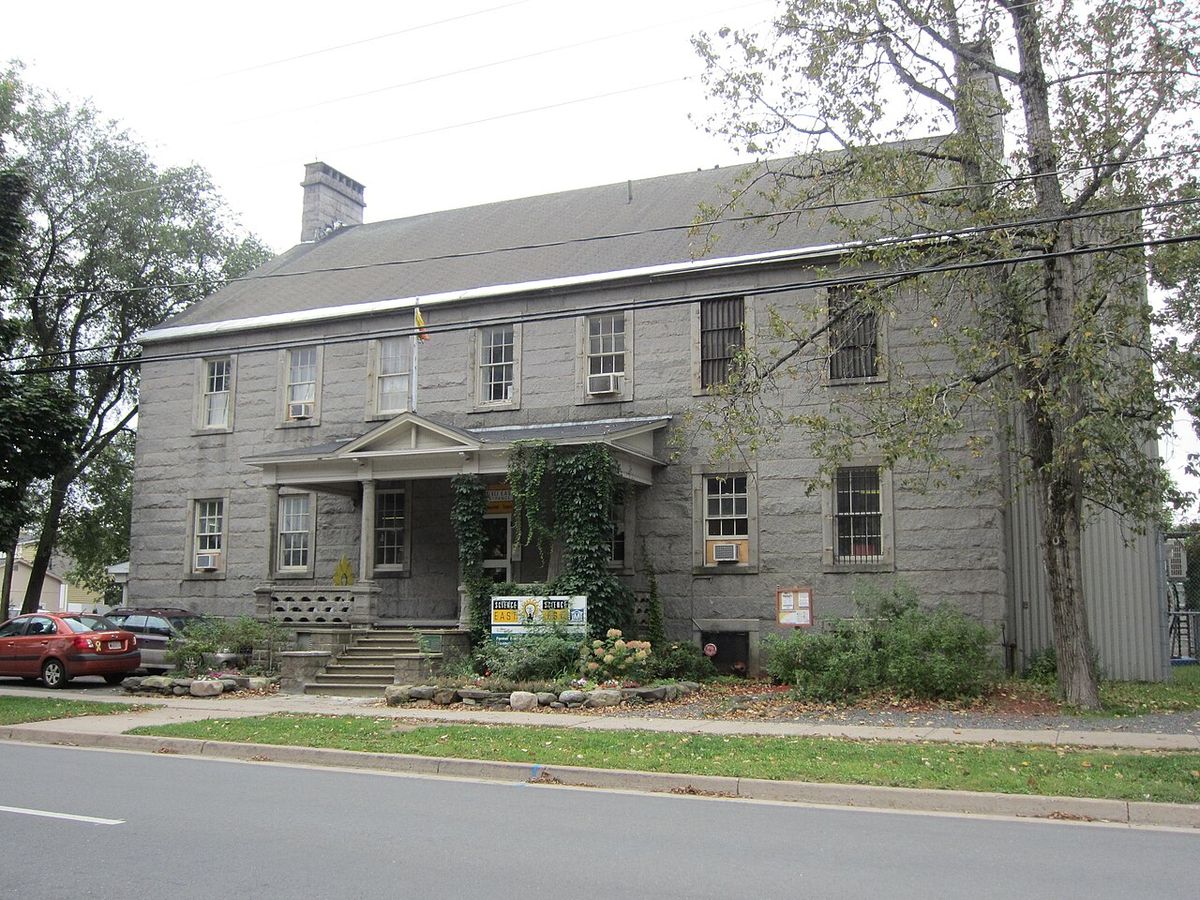
Following his convictions, Legere remained a high-profile inmate within the federal correctional system. His notoriety led to his involvement in a unique public exhibit. In 1996, the provincial jail in Fredericton where he was held during his 1991 trial was shut down and later repurposed into a science museum in 1999, with his former cell used in an exhibit on DNA profiling. For many years, Legere was held in the Special Handling Unit, a super-maximum security penitentiary in Sainte-Anne-des-Plaines, Quebec. In 2015, he was transferred to the Edmonton Institution in Alberta. Legere's attempts to gain release were consistently met with strong opposition from the Miramichi community and were denied by the parole board. His parole history includes several key dates.
- August 2020: Legere applied for day parole, raising immediate concerns in the Miramichi region.
- January 13, 2021: His first parole hearing was held, and his application for day parole was denied.
- December 12, 2025: Legere was once again denied full parole in a subsequent hearing.
These denials ensured he remained in custody for the rest of his life. The long-term impact of his crimes on the Miramichi community was a significant consideration in these decisions. Legere was often described by officials as having a 'Jekyll-and-Hyde personality' that he concealed while compliant in prison. He never expressed public remorse for his actions.
Death and Lasting Impact on Policing and Community
Allan Legere died while in custody at the Edmonton Institution on March 9, 2026. Correctional Service Canada confirmed his death at the age of 78, stating he had been serving a life sentence. His death marked the end of a decades-long saga that had left an indelible mark on Canadian criminal justice and the Miramichi region. The case had a deep and long-term impact on law enforcement practices, prompting one of the largest manhunts in RCMP history. For the local Miramichi Police Force, then the Chatham police, the case led to direct operational reforms initiated in the aftermath. These included the creation of a dedicated community services officer position to improve information gathering and public relations during major investigations. Officers also received enhanced training in major crime investigation techniques, and protocols for communication between the RCMP and local detachments were strengthened. The community itself was deeply traumatized, with residents experiencing a loss of trust and a constant state of fear that led to a significant increase in calls to police about any suspicious activity. Deputy Chief Randy Hansen of the Miramichi Police Force, who was a young officer during the manhunt, stated that cadets were sent out patrolling solo. Upon Legere's death in 2026, Hansen and other community members viewed it as a positive step toward healing, noting it represented a closure to a dark chapter that had forever changed the region's sense of security.
Questions about Allan Legere
How many people did Allan Legere kill?
Allan Legere was responsible for the deaths of five people. His first victim was John Glendenning, who was murdered during a home invasion in Black River Bridge, New Brunswick, on June 21, 1986. After escaping prison on May 3, 1989, he killed four more people over a period of 201 days. Those victims were Annie Flam, Donna Daughney, Linda Daughney, and Father James Smith.
How did Allan Legere escape from custody?
Legere escaped on May 3, 1989, while being escorted to the Dr. Georges-L.-Dumont Regional Hospital in Moncton for an ear infection. He convinced correctional officers to let him use a washroom alone, where he picked the lock on his handcuffs using a sharpened piece of metal he had concealed in his rectum. He emerged armed with this homemade weapon, held the officers at bay, and then fled the hospital property. He then evaded capture by carjacking vehicles and stealing cars.
Why was the Allan Legere trial historically significant?
Legere's 1991 murder trial was the first case in Canada where DNA profiling was used to convict a defendant rather than to exonerate one. The evidence matched his DNA to semen found at the crime scenes, which was collected from a tissue he had discarded. This trial set important legal precedents for the admissibility of what is called 'abandoned DNA' as evidence. It subsequently helped pave the way for the routine use of DNA in Canadian courts and influenced the creation of the National DNA Data Bank.
How long was Allan Legere on the run?
Allan Legere was on the run for 201 days. He escaped from custody on May 3, 1989, while at a hospital in Moncton, New Brunswick. His crime spree across the Miramichi area lasted until his recapture on November 24, 1989. He was finally arrested without incident by RCMP officers on Route 118, approximately 10 kilometers from Newcastle, New Brunswick.
Was Allan Legere ever granted parole?
No, Allan Legere was never granted parole. He applied for day parole in August 2020, which led to a hearing on January 13, 2021, where his request was denied. His application for full parole was again denied on December 12, 2025. He died in custody on March 9, 2026.
What was Allan Legere's impact on the Miramichi community and policing?
Legere's crimes created a prolonged state of terror in the Miramichi region. The massive police response changed local policing, leading to new positions for community liaison and better major crime training. The Fredericton jail where he was held during his trial was later repurposed into a science museum in 1999, with his cell used in a DNA exhibit. His death in 2026 was seen by many as a step toward final closure for the community.
Sources and further reading
- Allan Legere (Wikipedia)
- Supreme Court of Canada | 24565 (scc-csc.ca)
- DNA evidence that helped put Allan Legere behind bars ... (cbc.ca)
- How the Allan Legere case transformed Canada's police ... (globalnews.ca)
- Allan Legere Case (thecanadianencyclopedia.ca)
Checked by the Nosy Mag desk. Last updated 2026-10-23.