Progressive jackpot
A progressive jackpot is a gambling grand prize that increases incrementally with each qualifying wager placed on a connected game until it is won, at which point it resets to a predetermined minimum value. These jackpots are a common feature of modern casinos, found most prominently on slot machines and video poker games, where they offer players the chance at multi-million dollar payouts. For Canadian players, progressive jackpots represent a major draw at both online and land-based casinos, with notable games like Mega Moolah and Mega Fortune offering some of the world's largest recorded wins. The mechanics, which pool contributions from players across wide networks, create prize pools that can grow into the tens of millions.
History and Development
The concept of the progressive jackpot was introduced to the casino industry in 1986 with the launch of the Megabucks slot machine by International Game Technology (IGT). This innovation linked multiple machines, allowing a portion of each non-winning wager to accumulate into a central, ever-growing prize pool. The first recorded progressive jackpot win occurred on February 1, 1987, when a player won $4,988,842.17. This model proved successful, moving from land-based casino floors to become a standard feature of online gambling. Progressive jackpots are also featured in many lotteries and have been used on various television game shows.
How Progressive Jackpots Work
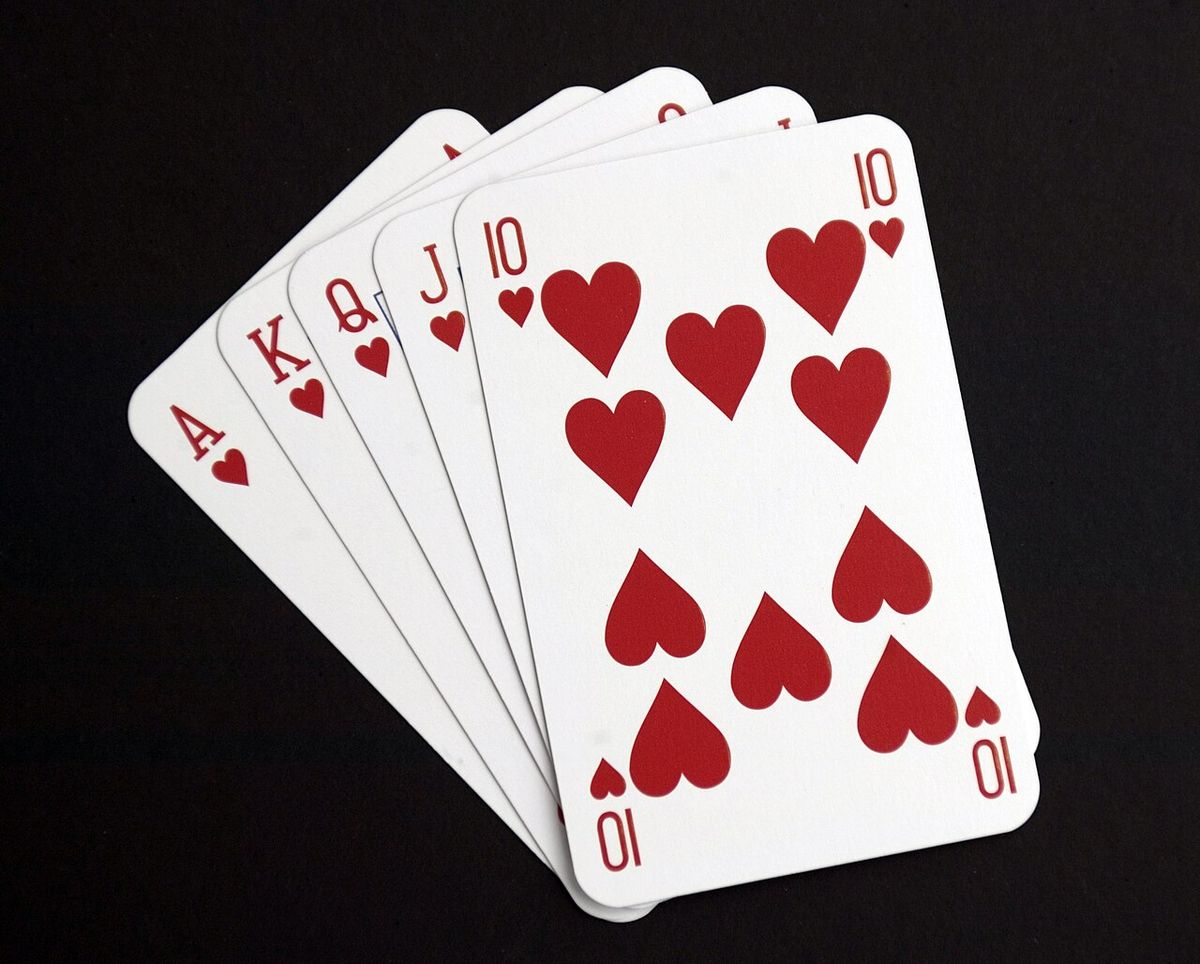
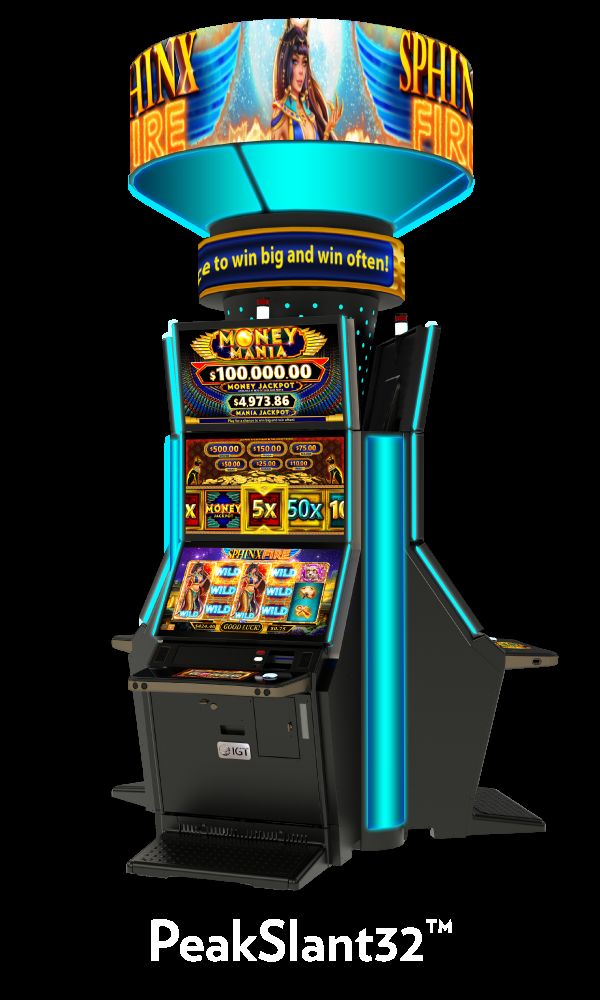
The core mechanic of a progressive jackpot is straightforward: a small, fixed percentage of every qualifying wager on a connected game is diverted into a communal prize pool. This contribution rate typically ranges from 0.5% to 2% of each bet. The current total of this pool is displayed prominently on a jackpot meter, which updates in real-time to attract players. The jackpot continues to grow until a player hits the specific winning combination or triggers the random event required to claim it. Following a win, the jackpot resets to a predetermined seed amount, which is often funded by the game operator or software provider, and the accumulation process begins anew. This cycle creates a dynamic where the prize can lie dormant for extended periods, allowing it to swell to multi-million dollar amounts before being won. Qualifying for a progressive jackpot usually requires players to wager the maximum number of credits per spin or hand, particularly on traditional slot and video poker machines. All wagers contribute to the jackpot's growth, but only maximum bets are eligible to win the top prize. The winning condition is typically the rarest and highest-paying symbol combination on a slot machine, such as five specific premium symbols, or a royal flush in video poker. The displayed jackpot amount often includes a base payout, which is the standard payout for that winning combination multiplied by the minimum qualifying bet.
Types of Progressive Jackpots
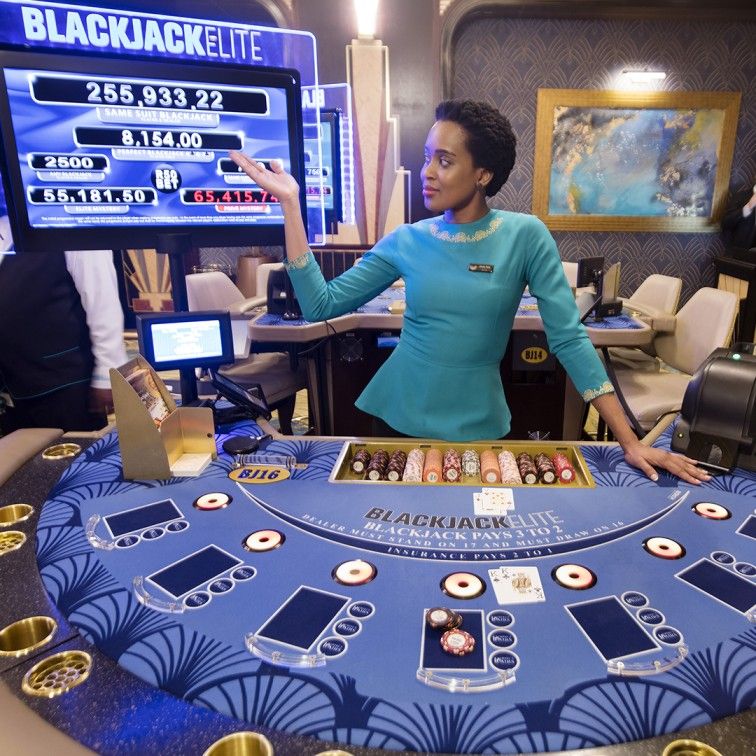
Progressive jackpots are categorized by the scope of the player network that funds them, which directly influences the potential prize size and frequency of wins. The three primary structural types are standalone, local, and wide-area network progressives. A standalone progressive jackpot is contained within a single game on a single terminal or online casino account. Its growth depends solely on the wagers placed on that specific instance. A local progressive, also called an in-house progressive, links multiple instances of the same game within a single casino operator's platform, creating a larger shared pool from a broader but still limited player base. The largest prizes come from wide-area network progressives, which pool contributions from players across many different online casinos or land-based venues running the same game through a provider's network. This vast pool of contributors allows the jackpot to grow rapidly into headline-grabbing, multi-million dollar sums. Games like Mega Moolah and Mega Fortune operate on this model. Progressive jackpots are not limited to slots and video poker. They can also be found in games like Caribbean stud poker, blackjack, roulette, and many lotteries.
- Standalone Progressive: Jackpot is funded only by wagers on one specific machine.
- Local (In-House) Progressive: Jackpot is shared across games within one casino operator's platform.
- Wide-Area Network Progressive: Jackpot is pooled from players across multiple casinos internationally.
- Other Games: Progressive jackpots can also be featured in poker, blackjack, roulette, and lotteries.
Must-Drop and Mystery Jackpots
A significant variation on the standard progressive model is the must-drop or mystery jackpot. In these games, the exact value of the jackpot is determined by a random number generator after the previous win and is stored within an encrypted system. The jackpot is publicly advertised to be within a specific range, with the top of that range being the must-hit-by amount. The prize is guaranteed to be awarded on the wager that causes the meter to reach or exceed this randomly selected threshold, regardless of the game's outcome on the main reels. This mechanic is why they are often billed as mystery jackpots, as the trigger is not a specific symbol combination but a hidden value. These games frequently feature multiple tiers of jackpots, such as mini, minor, and major, which differ in size and frequency of payout. The smaller tiers pay out often, providing regular player retention, while the largest tier drives acquisition. From an operator's perspective, a portion of the wagers directed to the jackpot only funds the amount within the published range, and the operator must seed the minimum amount from the house edge. To ensure the average payout is favourable, the mathematical formula for selecting the jackpot value is often skewed so the median payout is well above the midpoint of the advertised range, increasing the average amount wagered before a win.
Gameplay and Player Strategy
Playing progressive jackpot games involves understanding specific rules and managing expectations. A fundamental requirement on most traditional progressives is placing the maximum bet per spin to qualify for the jackpot. Players should always confirm the qualifying bet rules before playing. Budget management is critical, as the odds of hitting the top prize are extremely low. Players should decide on a loss limit beforehand and stick to it. Understanding a game's volatility is also important, as progressive slots typically have lower base-game return-to-player (RTP) percentages due to the jackpot contribution, meaning smaller wins may be less frequent. For games with a skill element, like video poker, a concept known as the break-even point becomes relevant. This is the jackpot size at which the game's expected return, with perfect strategy, reaches 100%, creating a positive expectation for the player. When the progressive jackpot exceeds this calculated threshold, advantage players may seek out the game, playing only when the long-term odds are in their favour. This break-even point is nearly impossible to calculate for slot machines due to unknown reel weights and symbol distributions. Also, for online games offered in multiple currencies, the break-even point can vary because the jackpot may be currency-adjusted while the qualifying wager is fixed, making one currency denomination more advantageous than another. Participating in a casino's player's club can reduce the break-even point due to the value of cash rebates or other perks.
- Always confirm the minimum bet required to qualify for the progressive jackpot.
- Set a strict budget for your gaming session and do not exceed it.
- Understand the game's volatility and its effect on base-game payouts.
- For poker-based games, learn and employ optimal strategy to maximize value.
- Be aware that jackpot odds are extremely long, and wins are rare events.
- Consider the impact of player's club rewards, which can effectively lower the break-even point.
Major Progressive Jackpot Games
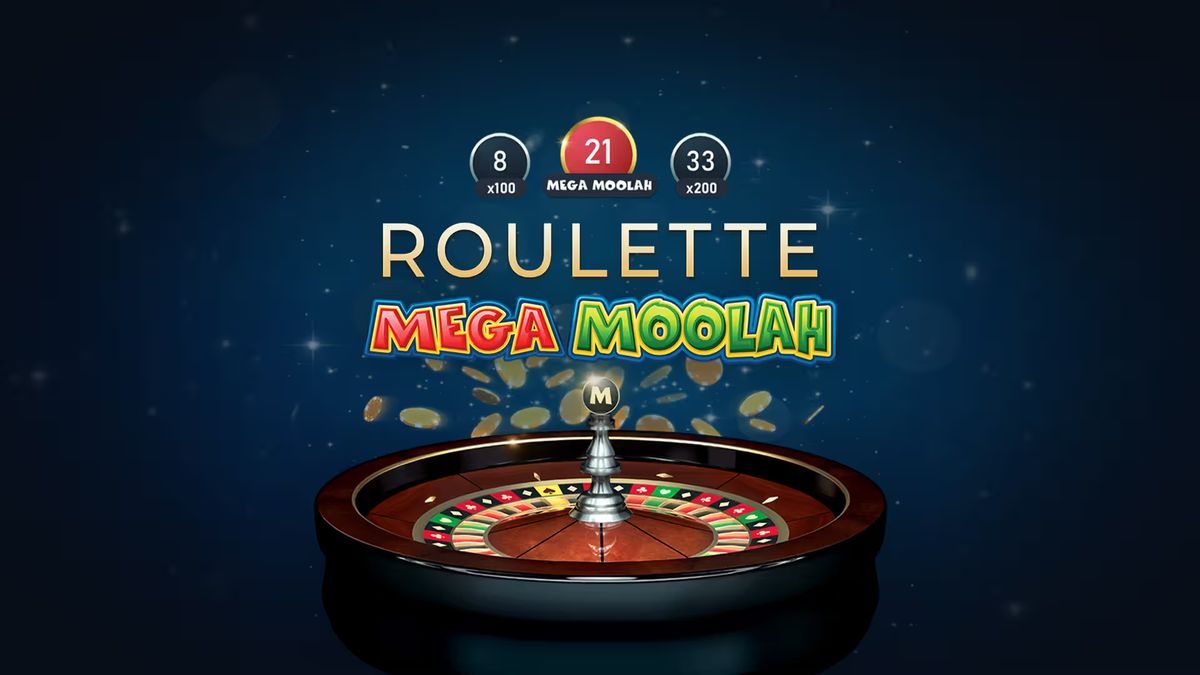
Several progressive jackpot slot games are well-known due to their large payouts and lasting popularity. Microgaming's Mega Moolah is very famous, holding the world record for the largest online slot jackpot ever won at $26,304,612.07. This African safari-themed game has a low volatility base game with an RTP of 93.42% and features four progressive jackpot tiers. NetEnt's Mega Fortune is another major title with a luxury theme, offering an RTP of 96.6% and medium volatility. Its progressive jackpots have also awarded multi-million dollar sums to players worldwide. Other notable titles include Playtech's Age of the Gods series, which ties its progressives to a Greek mythology theme and offers multiple bonus features, and Jackpot Giant, also from Playtech. RTG's Aztec Millions is a popular choice with high volatility gameplay. In 2026, a Canadian record win of $2.75 million was recorded on the Powerbucks Wheel of Fortune Ruby Riches progressive slot.
| Game Title | Provider | Notable Feature | Record Payout |
|---|---|---|---|
| Mega Moolah | Microgaming | African safari theme, four jackpot tiers | $26,304,612.07 (world record) |
| Mega Fortune | NetEnt | Luxury theme, high RTP | Multi-million euro wins |
| Age of the Gods | Playtech | Linked progressive network, Greek theme | Multi-million pound wins |
| Jackpot Giant | Playtech | 50 paylines, 50,000x multiplier in base game | Large progressive prizes |
| Aztec Millions | RTG | High volatility, 5,000x multiplier | Substantial progressive wins |
Economic and Operational Considerations
For casino operators, offering progressive jackpot games involves a calculated trade-off between gross gaming revenue (GGR) and player acquisition costs. The contribution taken from each wager for the jackpot pool directly reduces the operator's base-game hold percentage. For example, a game with a 96% headline RTP might allocate 4% to the jackpot pool, leaving only 92% for base-game returns that constitute the operator's theoretical GGR. The operator's bet is that the marketing pull of the large, advertised jackpot will generate enough additional wagering volume to offset this thinner margin and result in higher absolute retained revenue. Operators must also manage jackpot liability, which is the accounting recognition of the obligation to pay out the accumulated prize. For wide-area progressives, this liability is often shared or held by the game provider. For must-drop jackpots, the liability has a time or value ceiling, creating predictable payout windows that can be used for marketing but require careful financial planning. Seeding, or funding the initial minimum jackpot amount, is another cost, typically borne by the provider for network games or by the operator for in-house progressives. These financial dynamics make progressive jackpots a powerful but complex tool for driving player engagement and casino traffic.
Winning and Payouts
When a progressive jackpot is won, the process for receiving the prize varies. For smaller online wins, funds are typically credited instantly to the player's casino account. For the largest multi-million dollar jackpots, the payout process is more formal. While some lotteries pay annuities over decades, major progressive slot jackpots like Mega Moolah are usually paid as a single lump sum. The casino or game provider will often contact the winner directly to arrange payment via secure bank transfer or other methods. It is common for operators to request a publicity photo with a novelty-sized cheque, though winners can often opt for anonymity. The odds of winning a progressive jackpot are extremely low, as they are designed as rare, life-changing events. The probability depends on the specific game's mechanics, including the number of reels, symbols, and the random trigger algorithm. Since outcomes are determined by certified Random Number Generators, there is no strategy to influence the jackpot win. Players can only ensure they meet the qualifying bet criteria and understand that participation is a form of entertainment with a high-risk, high-reward profile. Responsible gambling resources are available for adults in all Canadian provinces.
- Small Wins: Typically credited instantly to the player's online casino account.
- Large/Million-Dollar Wins: Paid as a lump sum via secure bank transfer, arranged directly with the winner.
- Publicity: Operators may request a photo with a novelty cheque, but anonymity is usually an option.
- Payout Speed: Major slot progressives like Mega Moolah are paid promptly in one sum, not as annuities.
Questions about Progressive jackpot
What is a progressive jackpot?
A progressive jackpot is a top prize in a casino game that increases incrementally each time a qualifying wager is placed on a connected machine or network, but the jackpot is not won. A small percentage of each bet, typically between 0.5% and 2%, is added to the prize pool. When a player finally hits the required winning combination or triggers the prize, the jackpot is awarded and then resets to a predetermined minimum seed amount before beginning to grow again. This mechanic allows the prize to accumulate into multi-million dollar sums, making it a major attraction for players.
What is the difference between a standalone and a wide-area progressive jackpot?
A standalone progressive jackpot is isolated to a single gaming machine or terminal. Only wagers on that specific unit contribute to its prize pool. A wide-area network progressive links together identical games across multiple casinos, often internationally, through a software provider's network. This vast pool of contributors allows the jackpot to grow much larger and faster than a standalone prize. Games like Mega Moolah operate as wide-area progressives, which is why they can offer world-record jackpots exceeding $20 million. The network scope is the key factor determining potential jackpot size.
Do you have to bet the maximum to win a progressive jackpot?
On most traditional progressive slot and video poker machines, players must wager the maximum number of credits per play to be eligible to win the progressive jackpot. All wagers contribute to the jackpot's growth, but only maximum credit bets qualify for the top prize. For mystery or must hit by jackpot variants, winning conditions are often independent of the main game outcome. In these cases, winning may not require a maximum bet, though the odds of winning on a particular spin are usually proportional to the size of the wager. Players should always check the specific game rules before playing.
What was the biggest progressive jackpot ever won?
The largest recorded progressive jackpot win from an online slot is $26,304,612.07, won on Microgaming's Mega Moolah slot. This world record shows the massive potential of wide-area network progressives. In a Canadian context, a notable win of $2.75 million was recorded in 2026 on the Powerbucks Wheel of Fortune Ruby Riches progressive slot. These life-changing prizes are a key marketing feature for casinos. The first recorded progressive jackpot win was $4,988,842.17 on February 1, 1987, on the Megabucks slot machine.
How is a progressive jackpot paid out when you win?
Payout methods depend on the size of the win. Smaller progressive wins are usually credited directly to the player's online casino account immediately. For multi-million dollar jackpots, the process is more involved. The casino or game provider contacts the winner to arrange a secure lump-sum payment, often via bank transfer. Winners may be asked to participate in publicity, such as a photo with a large cheque, though anonymity is usually an option. Unlike some lotteries, major slot progressives like Mega Moolah are typically paid in one lump sum rather than annuities.
What is a must-drop or mystery jackpot?
A must-drop or mystery jackpot is a progressive jackpot variant where the exact winning amount is predetermined by a random number generator and hidden from players. The jackpot is advertised to be within a specific range and must be awarded by the time the meter reaches the top of that range. The prize triggers on the spin that causes the meter to meet or exceed the secret number, not on a specific symbol combination. These games often have multiple jackpot tiers that differ in size and payout frequency, such as mini, minor, and major prizes.
Sources and further reading
- Progressive jackpot (Wikipedia)
- Play Progressive Slots | Jackpot Slots Canada 2026 (casino.ca)
- Jackpot Slots: Progressive & Must-Drop Economics 2026 (track360.io)
- Best Progressive Jackpots & Slots for November 2026 (casino.org)
- Best Progressive Jackpot Slots for US Players, November 2026 (sportsbettingdime.com)
Checked by the Nosy Mag desk. Last updated 2026-11-10.