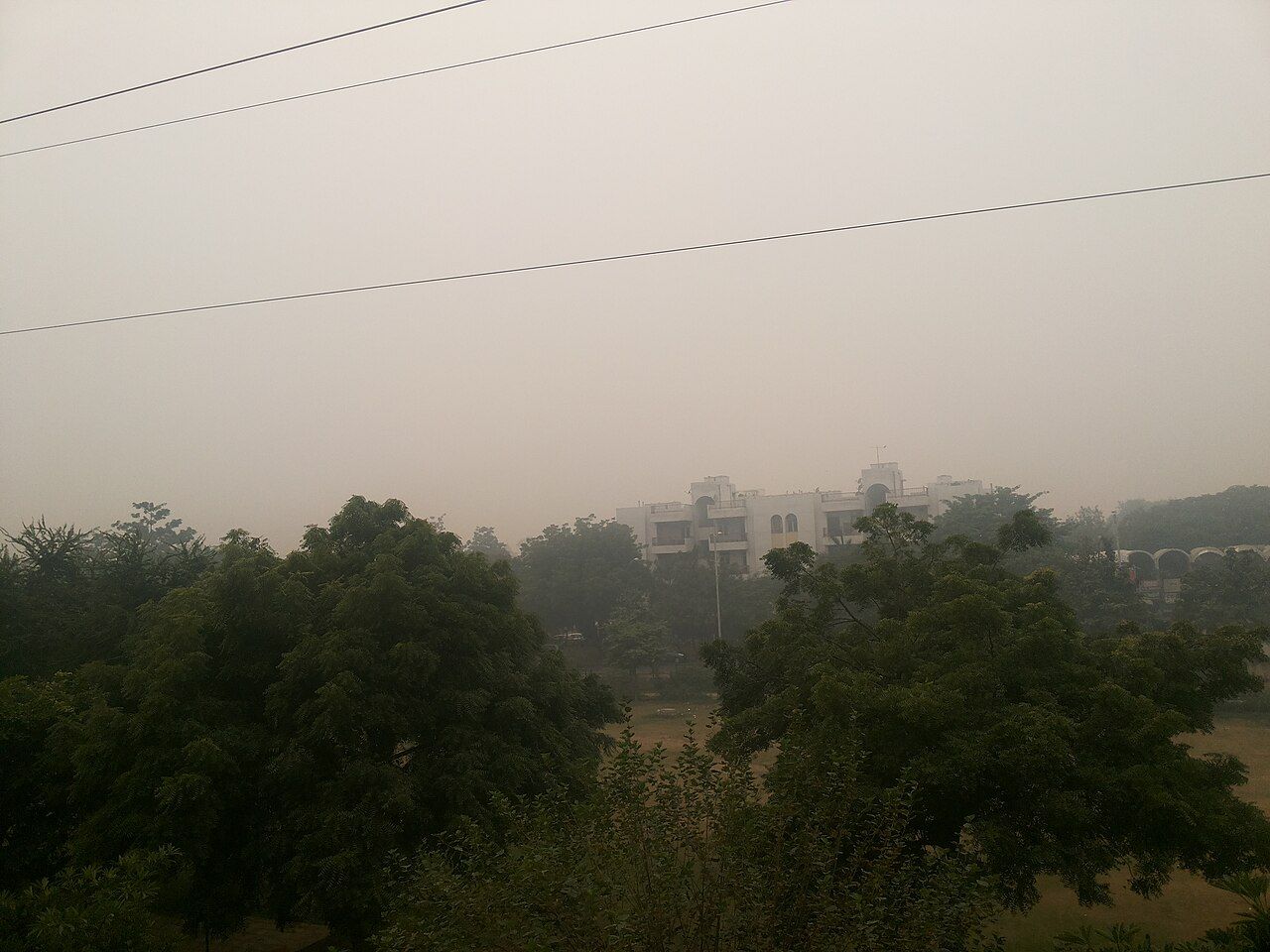
Smog blankets New Delhi after Diwali fireworks worsen seasonal pollution crisis
The Air Quality Index exceeded 350 in parts of the Indian capital, reaching the severe category on Monday.
NEW DELHI · Severe smog descended on New Delhi on Monday following Diwali celebrations the previous evening. Residents used firecrackers during the Hindu festival of lights despite existing restrictions. The resulting smoke and fine particulate matter pushed air quality readings into the hazardous range. The Air Quality Index surpassed 350 in multiple areas of the capital, a level classified as severe by monitoring agencies. This annual pollution crisis was intensified by the festive fireworks.
What rules governed fireworks this year?
India's Supreme Court issued an order in October aimed at reducing pollution from the festival. The ruling restricted conventional firecrackers and permitted only approved "green firecrackers" to be used. These were allowed under specified conditions during limited three-hour windows on Saturday and Sunday. While these products release fewer emissions, they are not pollution-free and still add particulate matter to the atmosphere. Local authorities also enforce other measures like limits on construction and diesel generators.
What makes winter pollution so severe in Delhi?
The metropolitan region of more than 30 million people is among the world's most polluted every winter. Several factors converge to create the crisis. Smoke from farmers burning crop residue in neighbouring Punjab and Haryana drifts into the city. This combines with emissions from vehicles, industries and construction dust. The problem peaks in late October and November when cool, stagnant air prevents pollutants from dispersing. Diwali fireworks add a significant extra layer of pollution during this critical period.
READ MORE: Trump says offer to UFC boss Dana White as press secretary was a joke
READ MORE: Israeli president tasks Gadi Eisenkot with forming government
How are people experiencing the smog?
Monitoring stations across New Delhi recorded dangerously high pollution levels on Monday morning. A thick gray haze reduced visibility, shrouding streets and buildings. Resident Isyad, who uses one name, said the smog was directly affecting his health. "Because of the pollution there is irritation in the throat and itching in the eyes," he said. The severe category of air quality poses significant health risks to the population.
What do critics say about the government's response?
Environmentalists argue that current interventions are insufficient to stop the yearly return of severe pollution. They advocate for long-term solutions like cleaner energy sources and stricter vehicle emission controls. Public health expert Shweta Narayan from the Global Climate and Health Alliance criticized the official approach. She described the government's response so far as "knee-jerk" and "temporary." "A lot of interventions happen only because the government is pressured or pushed in a corner to do something," Narayan said.
With files from CityNews, CBC News and CT Insider