Minister of Crown-Indigenous Relations
The Minister of Crown-Indigenous Relations is a senior minister in the Canadian government responsible for leading the renewal of the nation-to-nation, Inuit-Crown, and government-to-government relationships between Canada and First Nations, Inuit, and Métis peoples. The minister oversees Crown-Indigenous Relations and Northern Affairs Canada (CIRNAC), a department with a mandate to modernize federal structures to support Indigenous self-determination and lead government work in the North. This portfolio is distinct from the Minister of Indigenous Services, who focuses on the direct delivery of programs like health care and water to communities. The position is central to the federal government's reconciliation agenda and the implementation of the United Nations Declaration on the Rights of Indigenous Peoples.
Historical Evolution of the Portfolio
The origins of the portfolio trace back to the pre-Confederation Indian Department for British North America. Following Confederation in 1867, a Superintendent-general of Indian Affairs sat in the federal cabinet until 1936, when responsibility was transferred to the Minister of Mines and Resources. In 1950, the Indian Affairs branch moved to the Minister of Citizenship and Immigration. The modern precursor, the Minister of Indian Affairs and Northern Development, was created in 1966, consolidating responsibilities for Indigenous relations and northern development into a single portfolio. For much of its history, the department operated under the Indian Act. A significant shift began in 2011 when the department's name changed to Aboriginal Affairs and Northern Development, and again in 2015 to Indigenous and Northern Affairs Canada. The most substantial restructuring was announced by Prime Minister Justin Trudeau on August 28, 2017, with the intention to dissolve the old department and create two new ones. This change was formalized through the Budget Implementation Act, 2019, which repealed the Department of Indian Affairs and Northern Development Act and established the Department of Crown-Indigenous Relations and Northern Affairs Act and the Department of Indigenous Services Act.
Responsibility for northern affairs has periodically been separated from the Indigenous relations portfolio. Before 1966, northern development was under the Minister of Northern Affairs and National Resources. After a period of consolidation, a separate Minister of Northern Affairs existed again from 2018 to 2024. On December 20, 2024, the positions were consolidated, with Minister of Crown-Indigenous Relations Gary Anandasangaree becoming Minister of Crown-Indigenous Relations and Northern Affairs. This consolidation was short-lived, as on May 13, 2025, the northern affairs portfolio was again split off and established as the separate Minister of Northern and Arctic Affairs. The current version of the position was created alongside the Minister of Indigenous Services in 2017.
Mandate and Core Responsibilities
The mandate of Crown-Indigenous Relations and Northern Affairs Canada is to renew the nation-to-nation, Inuit-Crown, and government-to-government relationships. It is also to modernize Government of Canada structures to enable Indigenous peoples to build capacity and support their vision of self-determination. And to lead the Government of Canada's work in the North. The minister's work is guided by the United Nations Declaration on the Rights of Indigenous Peoples (UNDRIP), which Canada has committed to implementing, including the principle of free, prior, and informed consent. A key legislative responsibility is the administration of the Indian Act and other laws relating to Indians and lands reserved for the Indians under subsection 91(24) of the Constitution Act, 1867. The minister also plays a central role in negotiations related to treaties, self-government agreements, and specific claims.
The department's planned spending for the 2026-27 fiscal year is $11,868,639,770, supporting a staff of 1,634 full-time equivalents. This funding supports two main core responsibilities. The first is Crown-Indigenous Relations, which focuses on rights recognition, negotiation and implementation of treaties and agreements, and historical claims resolution. The second is Northern and Arctic Affairs, which involves supporting the political and economic development of the territories, advancing Arctic sovereignty, and addressing unique northern challenges. The minister works in partnership with the Minister of Indigenous Services, who is responsible for delivering federal health, social, and economic programs to Indigenous communities.
Key Priorities and Recent Initiatives
In the 2026-27 departmental plan, Minister Rebecca Alty outlined several key priorities informed by consultations with First Nations, Inuit, Métis, and Modern Treaty partners. A central theme is the urgency to act faster on community-identified needs, which often include infrastructure, housing, jobs, and economic development. The government has committed to building on Canada's commitment to UNDRIP and empowering Indigenous communities with tools and resources to exercise control over their futures. A specific priority is accelerating the Additions to Reserve (ATR) process, which transfers federal land to First Nations to support economic development and address housing needs. For example, in October 2025, Canada and the Snuneymuxw First Nation announced the addition of nearly 195 acres of federal land in Nanaimo, British Columbia, to the Nation's reserve for mixed-use development.
Budget 2025 included measures to support these goals, such as a three-year investment of $10.1 million to expand the Federal Initiative on Consultation. This funding will add three new Indigenous-led resource centres and support communities in participating in decisions that affect them. The department also plans to convene Northern and Indigenous partners, stakeholders, and leaders in March 2026 to identify actionable measures for northern and Arctic development. Other ongoing work includes implementing the Recognition and Implementation of Indigenous Rights Framework, which aims to enshrine Section 35 of the Constitution Act, 1982, in federal law and align policies with court decisions on Indigenous rights. The minister is also responsible for addressing legacy issues, such as residential schools.
Governance and Administrative Structure
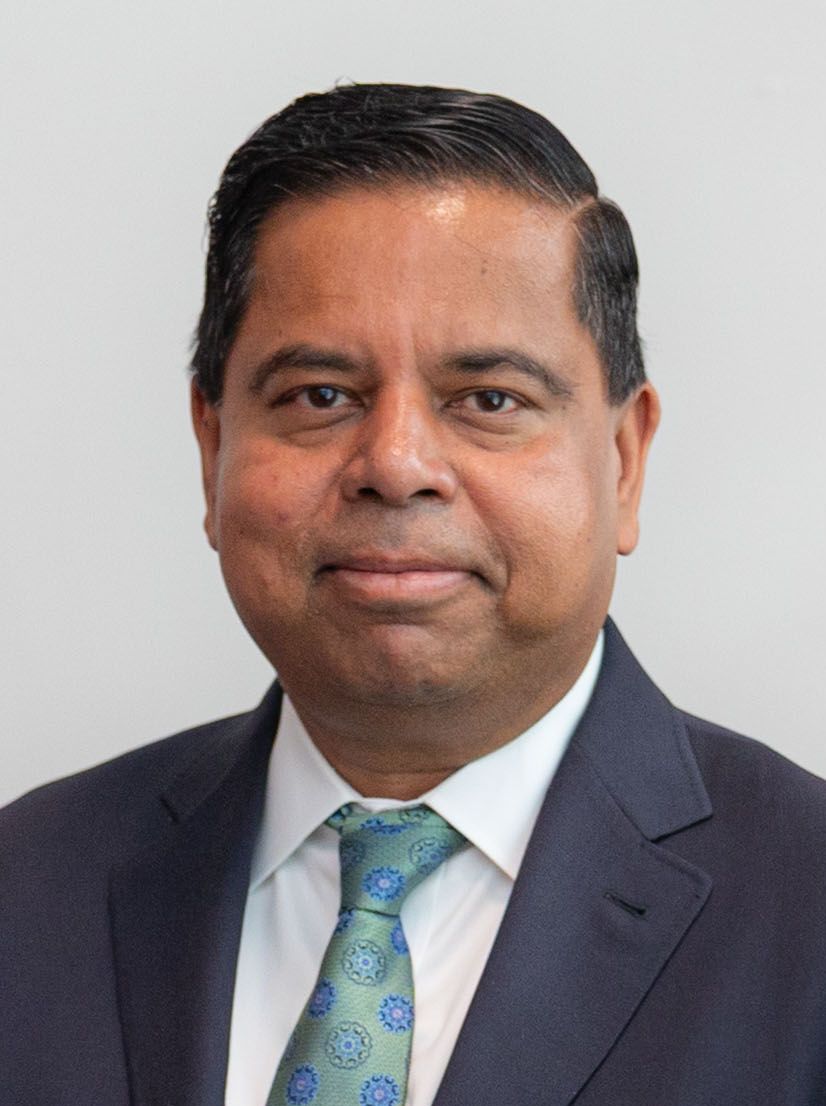
The Minister of Crown-Indigenous Relations is supported by parliamentary secretaries and a department headquartered in Ottawa. As of 2026, the Parliamentary Secretary to the Minister is Jaime Battiste. The department, CIRNAC, operates from Room 415 in the Wellington Building at 197 Sparks Street in Ottawa. The minister is the lead or responsible minister for several boards, commissions, and corporations, which play specific roles in the portfolio's mandate. These bodies help administer programs, conduct reviews, and manage resources in collaboration with Indigenous partners and northern governments.
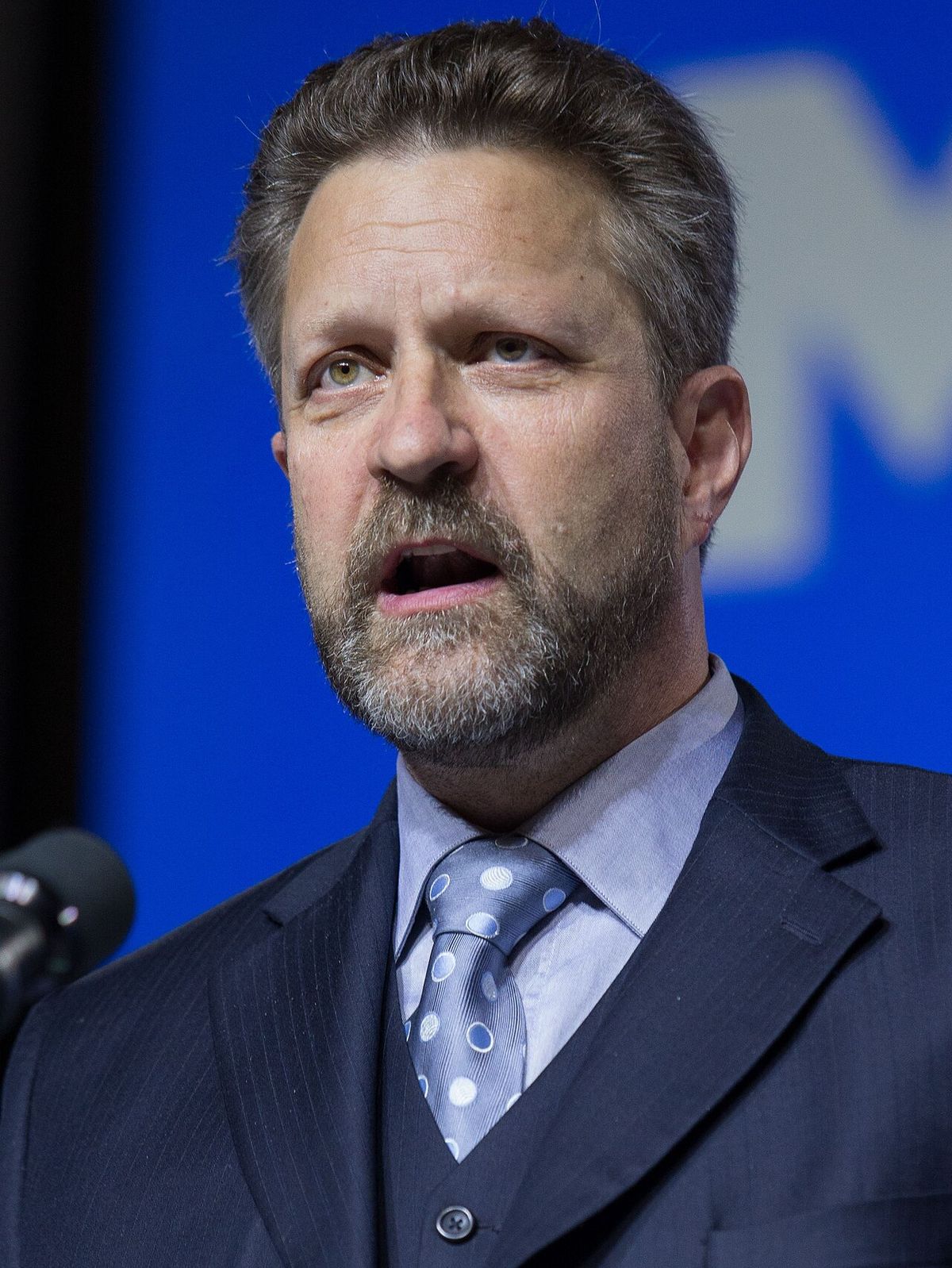
The minister is the lead or responsible minister for several boards, commissions, and other bodies. These include the Canadian Polar Commission, Indian Oil and Gas Canada, and the First Nations Statistical Institute. The portfolio also includes responsibilities for the Northwest Territories Commissioner and the Nunavut Commissioner. It further includes oversight of bodies like the Nunavut Impact Review Board and the Yukon Territory Commissioner.
- Canadian Polar Commission
- Corporation for the Mitigation of Mackenzie Gas Project Impacts
- First Nations Statistical Institute
- Indian Oil and Gas Canada
- Northwest Territories Commissioner
- Northwest Territories Water Board
- Mackenzie Valley Environmental Impact Review Board
- Nunavut Commissioner
- Nunavut Impact Review Board
- Nunavut Planning Commission
- Nunavut Water Board
- Yukon Territory Commissioner
The minister regularly appears before parliamentary committees to discuss departmental plans and spending. For the 2026 to 2027 fiscal year, the Main Estimates contained about $10.5 billion for programs under the minister's portfolio. These committee appearances involve detailed questioning from Members of Parliament on various topics. Questions can cover modern treaty implementation and specific land transfers. They also address funding for programs such as the Indian Residential School Resolution Health Support Program.
Legal and Policy Context
The minister's work operates within a complex legal framework shaped by the Constitution, court rulings, and historical reports. Subsection 91(24) of the Constitution Act, 1867, grants the federal parliament legislative authority over Indians and lands reserved for the Indians, which is the constitutional basis for the Indian Act. Section 35 of the Constitution Act, 1982, recognizes and affirms existing Aboriginal and treaty rights. The 1996 Report of the Royal Commission on Aboriginal Peoples (RCAP) was a landmark study that recommended deep changes to the relationship. The 2015 Truth and Reconciliation Commission's Calls to Action and the 2017 Principles Respecting the Government of Canada’s Relationship with Indigenous Peoples further guide the department's approach.
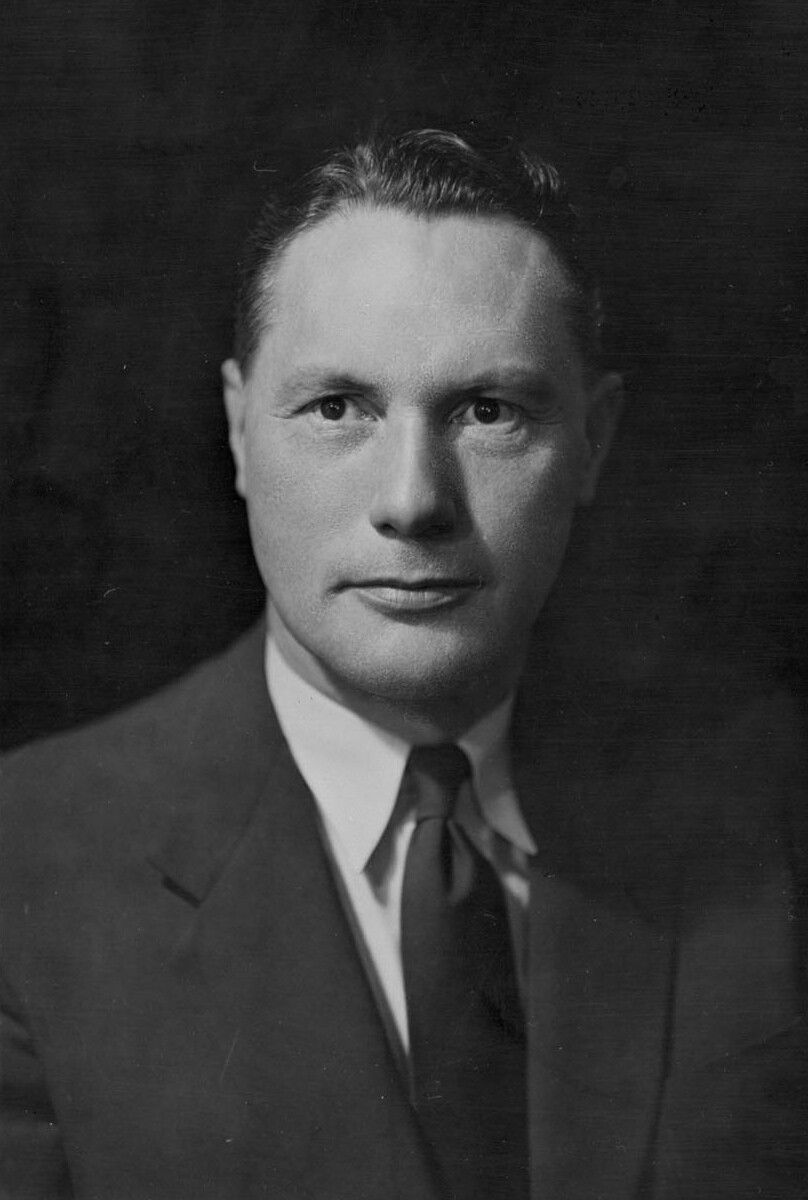
Significant legal changes have also influenced the portfolio. The federal government's adoption of the United Nations Declaration on the Rights of Indigenous Peoples requires the minister to ensure laws and policies are consistent with its articles. The Recognition and Implementation of Indigenous Rights Framework, announced in 2018, represents a policy effort to create new mechanisms for recognizing and implementing Indigenous rights outside the comprehensive land claims process. In 1983, the Penner Report by the Special Parliamentary Committee on Indian Self-Government, chaired by Liberal MP Keith Penner, had recommended the phasing out of the Indian Act and the Department of Indian Affairs and the introduction of Native self-government.
Terminology and Nomenclature
The language used by the department and the minister has evolved significantly over time, reflecting broader social and political changes. The term Indian remains in historical and legal documents, including the Constitution and the Indian Act, where it defines a legal category (Status Indian). However, since the 1970s, the term First Nation has been widely adopted to refer to the Indigenous peoples historically known as Indians, and it is also used to describe individual communities. The term Aboriginal is found in the Constitution as an umbrella term encompassing First Nations, Inuit, and Métis peoples. In contemporary government usage, Indigenous has become the preferred inclusive term for all three groups.
The department's nomenclature also involves specific concepts of governance and identity. A July 2018 CIRNAC document described an Aboriginal nation based on the RCAP model, defined as a sizeable body of Aboriginal people with a shared sense of national identity constituting the predominant population in a certain territory. This concept is central to discussions on self-determination and self-government. The department's legal name under its enabling act changed with the 2019 legislation, but its applied title under the Federal Identity Program uses Indigenous to reflect modern usage while the term Indian may persist in some statutory references. As of July 2004, the Minister of Indian Affairs and Northern Development has been assigned the role of Federal Interlocutor for Métis and Non-Status Indians concurrently.
Financial and Human Resources
The financial scale of the Crown-Indigenous Relations portfolio is substantial, reflecting the breadth of its responsibilities. The Main Estimates for 2026-27, which form the basis for parliamentary appropriations, initially set out approximately $10.5 billion specifically for the programs under the Minister of Crown-Indigenous Relations. The department's total planned spending for the 2026-27 fiscal year is $11,868,639,770. The department is also subject to government-wide spending restraint measures aimed at controlling operational spending growth.
Human resources are a critical component of delivering the department's mandate. CIRNAC plans to employ 1,634 full-time equivalent (FTE) staff in the 2026-27 period. These employees work across the country, including in headquarters in Ottawa and in regional offices, to support negotiation tables, claims research, policy development, and northern programming. The department's spending is distributed across its two core responsibilities. The majority of resources are directed toward Crown-Indigenous Relations, which includes funding for settling specific claims, implementing modern treaties, and supporting self-government agreements. A significant portion is also allocated to Northern and Arctic Affairs to support territorial governance, economic development, and science in the North.
| Core Responsibility | Planned Spending 2026-27 |
|---|---|
| Crown-Indigenous Relations | Primary share of $11,868,639,770 |
| Northern and Arctic Affairs | Significant portion of $11,868,639,770 |
These financial and human resources are used to advance the department's key goals. The goals include supporting Indigenous self-determination and renewing nation to nation relationships. Another goal is to foster prosperity in the North and Arctic. The funding supports grants and contributions to Indigenous communities and organizations. It also covers operational costs for the department and its oversight bodies. It allows for investments in northern infrastructure and scientific initiatives.
Questions about Minister of Crown-Indigenous Relations
What is the difference between the Minister of Crown-Indigenous Relations and the Minister of Indigenous Services?
The Minister of Crown-Indigenous Relations is responsible for overall relations between the Government of Canada and First Nations, Métis, and Inuit. This includes renewing nation to nation relationships and modernizing government structures to support self-determination. The Minister of Indigenous Services oversees the delivery of services like health care and water to Indigenous communities. This split was created in 2017 when the former department was restructured into two separate departments.
Who is the current Minister of Crown-Indigenous Relations?
Rebecca Alty has served as the Minister of Crown-Indigenous Relations since May 13, 2025. She is a member of the Liberal Party of Canada. The minister is supported by Parliamentary Secretary Jaime Battiste. The minister is appointed by the Governor General on the advice of the Prime Minister and is accountable to Parliament for the operations of Crown-Indigenous Relations and Northern Affairs Canada.
What is the main law the minister administers?
The minister administers the Indian Act and other legislation dealing with Indians and lands reserved for the Indians under subsection 91(24) of the Constitution Act, 1867. This is a core responsibility of the Department of Crown-Indigenous Relations and Northern Affairs. The minister also has responsibilities under the Department of Crown-Indigenous Relations and Northern Affairs Act, which formally replaced the old Department of Indian Affairs and Northern Development Act in 2019. The department's mandate includes leading the Government of Canada's work in the North, which is a key part of the minister's portfolio.
What are Additions to Reserve and why are they a priority?
Additions to Reserve (ATR) is a process where federal Crown land is added to an existing First Nation reserve. It is a top priority for the minister because it enables First Nations to create economic development opportunities and address critical needs like housing and commercial space on their own lands. This process supports the broader goal of renewing the nation-to-nation relationship and enabling Indigenous self-determination. For instance, in October 2025, nearly 195 acres of federal land in Nanaimo, British Columbia, were added to the Snuneymuxw First Nation's reserve to support mixed-use development.
What is the Recognition and Implementation of Indigenous Rights Framework?
The Recognition and Implementation of Indigenous Rights Framework was announced in 2018. It was intended to enshrine Section 35 of the Constitution Act, 1982, in federal law. The framework aimed to address gaps between federal government policies and court decisions on Indigenous rights. It was to be undertaken in full partnership with First Nations, Inuit, and Métis peoples. This initiative confirmed that changes were needed to align policies with evolving laws and the United Nations Declaration on the Rights of Indigenous Peoples.
How much does the Crown-Indigenous Relations portfolio spend annually?
For the 2026-27 fiscal year, the total planned spending for Crown-Indigenous Relations and Northern Affairs Canada is $11,868,639,770. The Main Estimates for that same year contain approximately $10.5 billion specifically allocated for programs under the portfolio of the Minister of Crown-Indigenous Relations. These financial resources support the department's mandate to renew the nation-to-nation, Inuit-Crown, and government-to-government relationships. The funding also aims to modernize Government of Canada structures to support Indigenous visions of self-determination.
Sources and further reading
- Minister of Crown-Indigenous Relations (Wikipedia)
- Crown-Indigenous Relations and Northern Affairs Canada's ... (rcaanc-cirnac.gc.ca)
- CIR, Supplemental Estimates (A) 2026 to 2027 (June 11, 2026) (cirnac.gc.ca)
Checked by the Nosy Mag desk. Last updated 2026-11-03.