History of Canada (1763 to 1867)
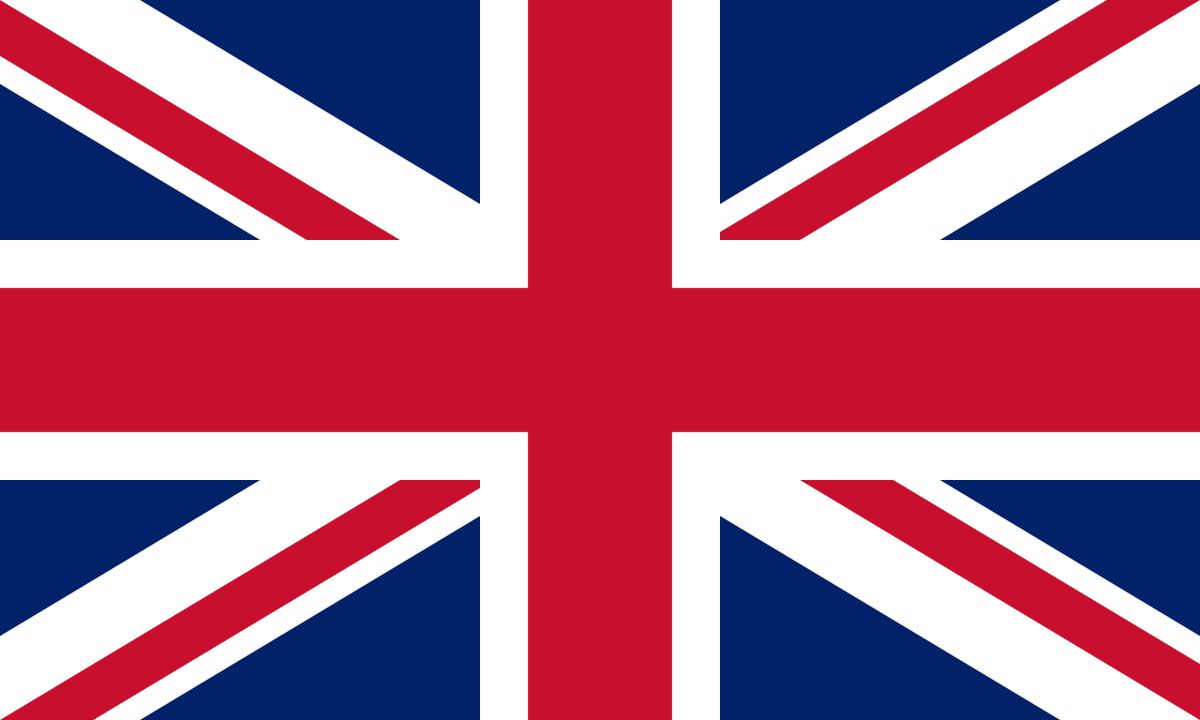
The period from 1763 to 1867 marks a foundational era in the shaping of modern Canada, beginning with the British conquest of New France and culminating in Confederation. Following the Treaty of Paris in 1763, the former French colony of Canada was integrated into the British Empire as the Province of Quebec, setting the stage for a complex century of political evolution, demographic change, and conflict. Key developments included the influx of United Empire Loyalists after the American Revolution, the political division into Upper and Lower Canada, and the expansion of British influence westward to the Pacific. This century of colonial administration, which included the War of 1812 and the political struggles leading to the Durham Report, ultimately forged the path toward a federal union, resulting in the creation of the Dominion of Canada on July 1, 1867.
The British Conquest and the Province of Quebec
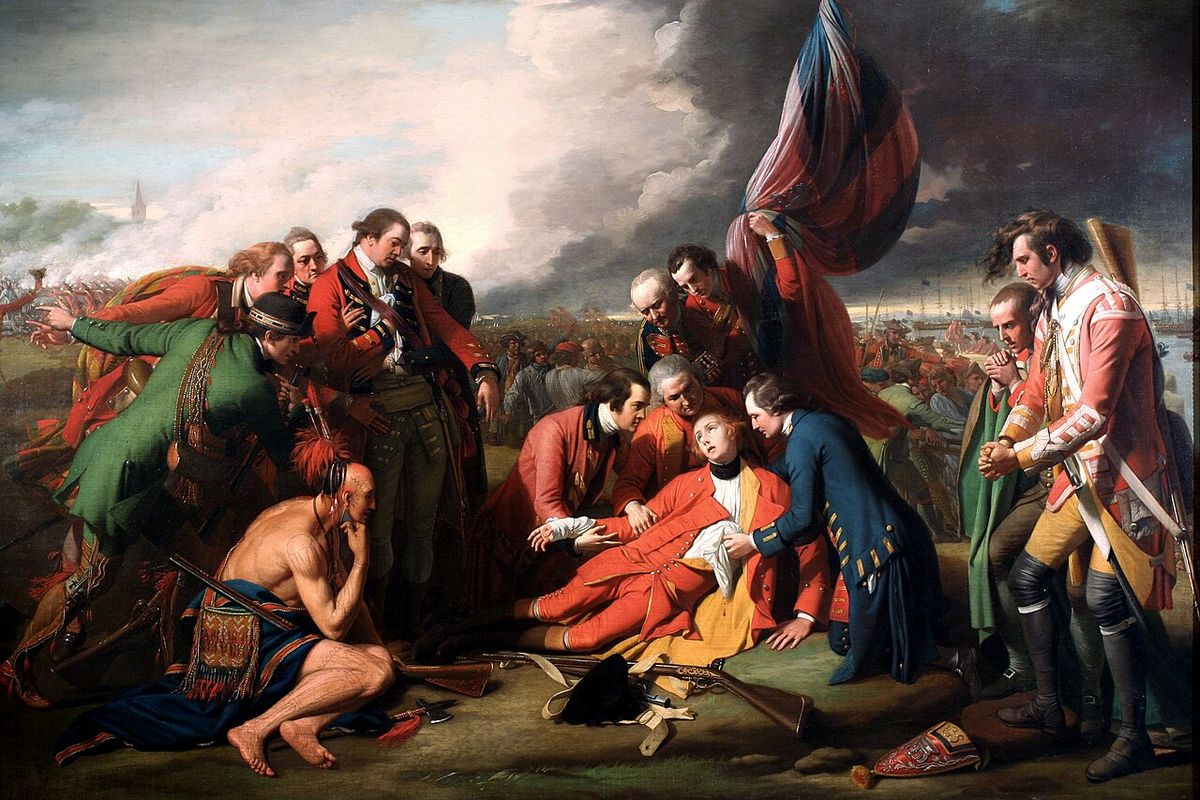
The Seven Years' War concluded with the Treaty of Paris on February 10, 1763, by which France formally renounced its claims to all its North American lands east of the Mississippi to Britain, with the exception of Louisiana which was ceded to Spain. Britain gained control of the St. Lawrence valley, a predominantly francophone and Roman Catholic society of at least 70,000 people. The Royal Proclamation of 1763 enlarged this territory, renaming it the Province of Quebec. In 1774, the Quebec Act significantly expanded the province's borders southwest to the Ohio River and provided a unique framework for governance. This act guaranteed French Canadians the right to practise their Catholic religion and retain their French civil law system. The Quebec Act's concessions to French Canadians were deeply resented by the American colonies to the south, contributing to the list of grievances known as the Intolerable Acts. In the Maritime region, British control was already established in Nova Scotia, which had been conquered in 1710, and Newfoundland, where an anglophone society had taken shape before 1763. The Acadian expulsion of 1755 had already reshaped the population, with New England Planters settling the vacated lands. The remaining Mi'kmaq and Wabanaki Confederacy had laid down arms and pledged loyalty to the Crown.
The American Revolution and Loyalist Migration
In 1775, American Patriot forces invaded Quebec, seeking to spread their revolution northward. Support among the habitants was mixed, with significant backing in areas like the region between Montreal and Saint-Jean, where militia companies were raised by James Livingston. The Patriots laid siege to Fort Saint-Jean, capturing it and Montreal in November 1775 but failed to take Quebec City after a failed assault on December 31. The arrival of British troops in May 1776 forced a full Patriot retreat from the province by June after a failed attempt at Trois-Rivières. Approximately 250 Québécois, organized into James Livingston's 1st Canadian Regiment and Moses Hazen's 2nd Canadian Regiment, left with the rebel army. In southwestern Quebec and the Great Lakes, Canadien volunteers were instrumental in American successes under George Rogers Clark, including the captures of Kaskaskia and Vincennes in 1778 and 1779. In Nova Scotia, resistance was limited and largely instigated by New England migrants, exemplified by the failed Battle of Fort Cumberland in November 1776 led by Jonathan Eddy and John Allan, who continued to trouble the frontier from Machias for several years. The war's end with the Treaty of Paris in 1783 forced a major demographic shift as Loyalists who had supported the Crown fled the new United States. The Maritime provinces were also affected by privateering raids on settlements like Charlottetown and Lunenburg.
An estimated 70,000 United Empire Loyalists, roughly 15 percent of the loyal American population, sought refuge in British North America. About 50,000 settled in the colonies of Newfoundland, Nova Scotia, Quebec, and Prince Edward Island, which had been created as a separate colony in 1769. This influx prompted significant political reorganization to accommodate the new English-speaking settlers. In 1784, the colony of New Brunswick was carved out of western Nova Scotia in response to Loyalist demands for political freedom from Halifax. In 1791, the Constitutional Act divided Quebec into two distinct provinces: English-speaking Upper Canada and predominantly French-speaking Lower Canada, permitting the 8,000 Loyalists in the southwest to live under British laws. Among the Loyalist migrants were people of African descent, including former slaves freed for service to the British and over 2,000 African slaves. In 1793, Upper Canada became the first British jurisdiction to move toward abolition with the Act Against Slavery, which provided for its gradual abolition.
Westward Expansion and the Fur Trade
Following the Nootka Crisis of 1789, a confrontation with Spain over the Pacific coast, British claims on the Pacific were secured by the Nootka Convention. This opened the way for British expansion, driven by the Montreal-based North West Company which sought a practicable river route to the Pacific to extend the fur trade. In 1792, explorer Alexander Mackenzie started an overland journey from Lake Athabasca via the Peace and Fraser Rivers. He reached the Pacific Ocean near present-day Bella Coola on July 20, 1793, becoming the first European to complete such a crossing north of the Rio Grande, preceding the Lewis and Clark Expedition by twelve years. His companion, John Finlay, soon established the first permanent European settlement in British Columbia at Fort St. John. Subsequent expeditions by David Thompson, starting in 1797, and later by Simon Fraser further mapped the Rocky Mountains, Interior Plateau, and all the way to the Strait of Georgia. These explorations were critical in expanding the geographic and economic scope of British North America westward and solidifying claims against other powers. The fur trade was a major economic venture, but by the 1830s changing fashions in Europe led to a steep decline in fur prices and a collapse of the market.
Colonial Administration and Military Structure
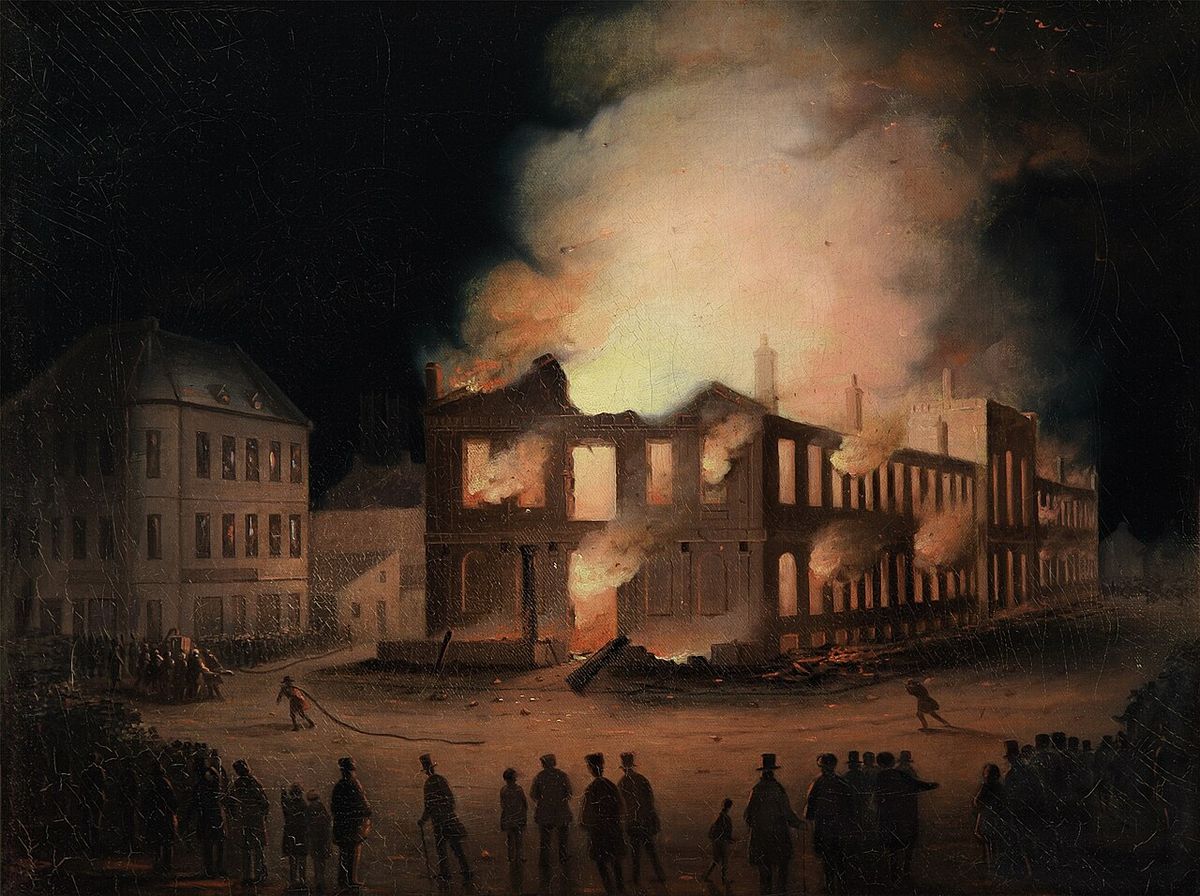
From 1783 through 1801, British North America was administered by the Home Office, then from 1801 to 1854 by the War and Colonial Office. In 1824, the British Empire was divided into four administrative departments, with the North America department including Upper Canada, Lower Canada, New Brunswick, Nova Scotia, Prince Edward Island, Bermuda, and Newfoundland. The Colonial Office and War Office were separated in 1854. Military command for the region was organized under the North America and North Atlantic station, with key garrisons at Quebec, Halifax, Kingston, and later New Westminster in British Columbia. Bermuda served as a crucial year-round naval headquarters for the North America and West Indies Station from 1821, having been established as a base in 1794. The British Army maintained significant garrisons in Bermuda and Halifax, which were designated Imperial fortresses, to defend naval bases and launch operations against the United States. These forces played a strategic role in conflicts, launching amphibious operations such as the Burning of Washington in 1814. The colonial church structure also reflected administrative ties, with Bermuda and Newfoundland sharing a bishop in the Diocese of Newfoundland and Bermuda from 1839, with the first bishop being Aubrey George Spencer, until the creation of a separate Bishop of Bermuda in 1919.
The War of 1812
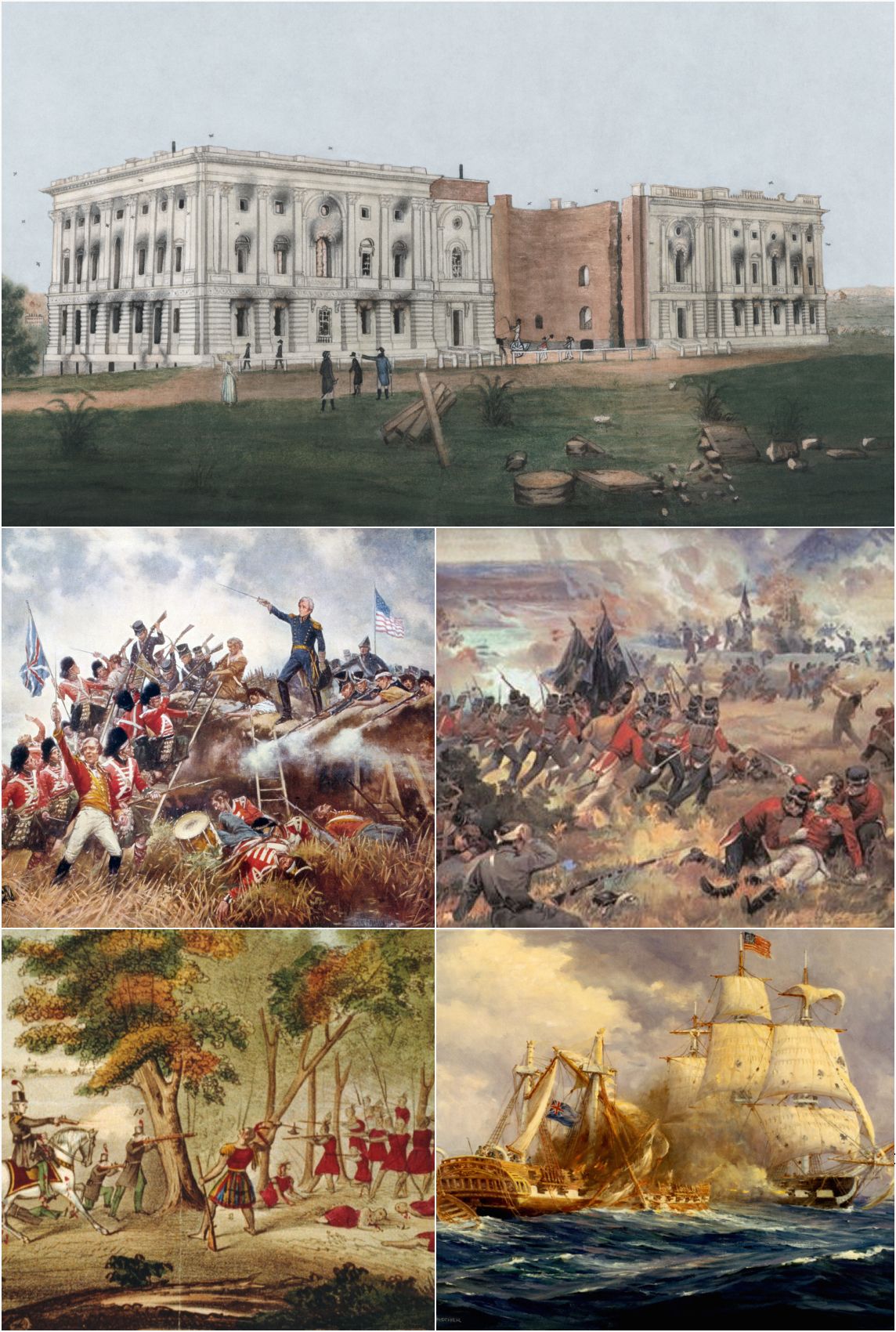
The War of 1812 saw the Canadas become a primary battleground between Britain and the United States. American strategy relied on an anticipated groundswell of support from colonists, many of whom were recent American settlers in Upper Canada. This support failed to materialize broadly. The first American invasion in October 1812 was repelled by General Isaac Brock at the Battle of Queenston Heights. A subsequent invasion in 1813 succeeded in capturing Fort York, present day Toronto. Later in the year, American forces took control of the Great Lakes after the Battle of Lake Erie and the Battle of the Thames. They had much less success in Lower Canada, where they were defeated at the Battle of Châteauguay and the Battle of Crysler's Farm. The Americans were driven out of Upper Canada in 1814 after the Battle of Lundy's Lane. The war ended in a stalemate with the Treaty of Ghent in 1814, but it fostered a stronger sense of collective identity and defiance against American expansionism in the British colonies. The conflict also involved actions from British bases in Bermuda, where forces were assembled for raids on the American coast.
Political Reform and the Path to Union
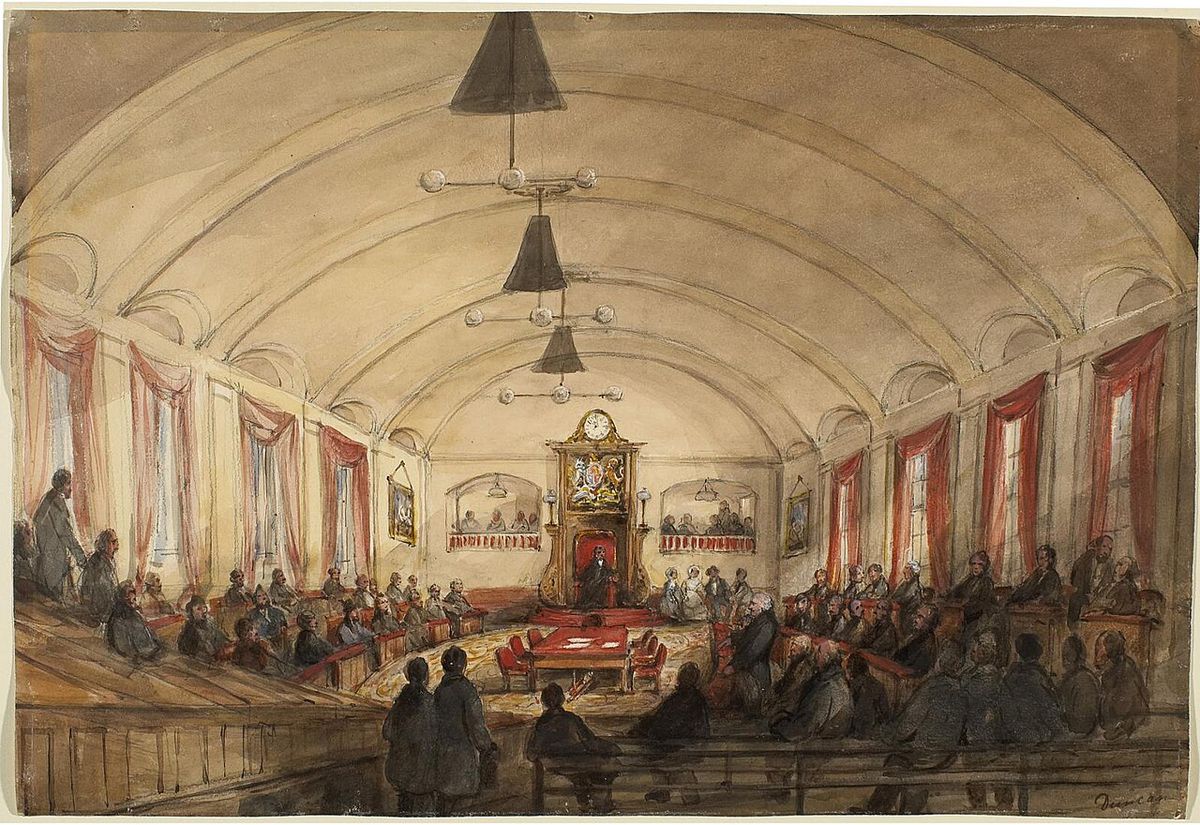
Discontent with the ruling oligarchies in both Upper and Lower Canada simmered for decades. In Lower Canada, the rebellion was led by Louis-Joseph Papineau and the Patriotes, largely driven by francophone nationalism and political exclusion. In Upper Canada, William Lyon Mackenzie led a revolt against the Family Compact. Although both rebellions were swiftly suppressed by British troops in 1837 and 1838, they prompted a major imperial investigation. The British government sent Lord Durham to examine the causes. His 1839 Report on the Affairs of British North America recommended the union of Upper and Lower Canada and the implementation of responsible government. The British Parliament passed the Act of Union in 1840, which came into effect on February 10, 1841, merging the two colonies into the single Province of Canada. The union period was characterized by political deadlock between Canada East and Canada West. The moderate reformers Louis-Hippolyte Lafontaine and Robert Baldwin fought to secure responsible government, which was implemented by Governor General Lord Elgin in 1848. By the 1860s, leaders from the Province of Canada began to look toward a broader federal union with the other British North American colonies as a solution. This movement was driven by several factors including political stalemate, economic pressures for larger markets and railways, and security concerns after the American Civil War and Fenian raids. The desire to assume control of the vast western territory of Rupert's Land from the Hudson's Bay Company was another major impetus. The British Parliament passed the British North America Act in 1867, uniting the Province of Canada (split into Ontario and Quebec), New Brunswick, and Nova Scotia into the Dominion of Canada, effective July 1, 1867.
Confederation and Its Immediate Aftermath
The British North America Act, 1867, created the federal Dominion of Canada, a new self-governing entity within the British Empire. The act outlined the division of powers between the federal Parliament in Ottawa and the provincial legislatures, and Sir John A. Macdonald became the first prime minister. The initial federation consisted of four provinces: Ontario, Quebec, New Brunswick, and Nova Scotia. However, several other British territories initially remained outside Confederation. Newfoundland and Prince Edward Island chose not to join in 1867. British Columbia was still a separate crown colony on the Pacific coast. The vast commercial territory of Rupert's Land, owned by the Hudson's Bay Company, was not part of the new dominion. The colony of British Columbia, created in 1858, was united with the Colony of Vancouver Island in 1866.
Key Events and Developments Timeline
The century from 1763 to 1867 was marked by a series of important events that defined the political and social trajectory of British North America. This period began with the 1763 Treaty of Paris, which transferred New France, including the colony of Canada, to the British Empire. The Royal Proclamation of 1763 then enlarged this colony as the Province of Quebec. The period concluded with the Confederation of four colonies into the Dominion of Canada in 1867, following the British North America Act.
- 1763: Treaty of Paris ends Seven Years' War. Britain gains New France, creating the Province of Quebec. Royal Proclamation of 1763 issued.
- 1774: Quebec Act passed, recognizing French language, Catholic religion, and civil law, and expanding Quebec's borders.
- 1775 to 1776: American Patriot invasion of Quebec. Capture of Montreal and failed siege of Quebec City.
- 1783: Treaty of Paris ends American Revolution. Influx of United Empire Loyalists begins.
- 1784: Colony of New Brunswick created from Nova Scotia.
- 1791: Constitutional Act divides Quebec into Upper Canada and Lower Canada.
- 1793: Alexander Mackenzie reaches the Pacific overland. Upper Canada passes Act Against Slavery.
- 1812 to 1814: War of 1812 fought between the United States and Britain, with major battles in the Canadas.
- 1837 to 1838: Rebellions in Upper and Lower Canada.
- 1839: Lord Durham's Report recommends union and responsible government.
- 1840: Act of Union passed.
- 1841: Act of Union unites Upper and Lower Canada into the Province of Canada.
- 1848: Responsible government implemented in the Province of Canada and Nova Scotia.
- 1867: British North America Act passed. Dominion of Canada proclaimed on July 1.
Population and Territorial Changes
The demographic and territorial composition of British North America underwent deep changes between 1763 and 1867. The conquest of New France brought a population of at least 70,000 francophone Roman Catholics under British control along the St. Lawrence River. After the American Revolution, roughly 50,000 United Empire Loyalists fled to British North American colonies. This Loyalist settlement led Britain to create the colony of New Brunswick in 1784 and to split Quebec into Lower Canada and Upper Canada in 1791. British expansion also pushed westward with expeditions by Alexander Mackenzie and others, reaching the Pacific Coast.
| Year | Territorial/Political Change | Key Demographic Impact |
|---|---|---|
| 1763 | New France ceded to Britain. Province of Quebec created. | ~70,000 francophone Catholics become British subjects. |
| 1775 to 1783 | American Revolution and subsequent Loyalist migration. | ~50,000 Loyalists settle in British North American colonies. |
| 1784 | New Brunswick established as a separate colony. | Loyalists in the Maritimes gain their own political unit. |
| 1791 | Constitutional Act creates Upper and Lower Canada. | Political separation formalizes linguistic and legal divisions. |
| 1793 | Exploration reaches Pacific coast (Mackenzie). | British claims and fur trade networks expand westward. |
| 1841 | Act of Union creates the Province of Canada. | Upper and Lower Canada are merged under one legislature. |
| 1867 | British North America Act creates Dominion of Canada. | Four colonies (Ontario, Quebec, NB, NS) unite as a federation. |
These changes show a clear evolution from a collection of separate colonies toward an integrated federal state. The population grew and diversified through Loyalist settlement, which included people of African descent and former slaves. The enduring presence of Indigenous nations continued. The final federal model was adopted with Confederation in 1867.
Questions about History of Canada (1763 to 1867)
What was the significance of the Treaty of Paris in 1763 for Canada?
The Treaty of Paris, signed on February 10, 1763, formally ended the Seven Years' War. Its most significant implication for Canada was the transfer of New France, including the colony of Canada, from France to Great Britain. This marked the beginning of British colonial rule in the region, which was renamed the Province of Quebec. The treaty established Britain as the dominant European power in northern North America.
Why did the Quebec Act of 1774 anger the American colonies?
The Quebec Act angered the thirteen American colonies for several reasons. It expanded the boundaries of the Province of Quebec into the Ohio River Valley, an area coveted by American land speculators. It recognized the French language, Catholic religion, and French civil law in Quebec, which the predominantly Protestant American colonists viewed as a threat. The act was listed among the Intolerable Acts that galvanized revolutionary sentiment.
What was the main recommendation of the Durham Report?
Lord Durham's 1839 report recommended two primary changes. First, he proposed the union of Upper and Lower Canada into a single province. Second, he advocated for the implementation of responsible government, where the executive council would be accountable to the elected legislative assembly. His push for responsible government became a fundamental principle of Canadian parliamentary democracy.
What caused the War of 1812 and what was the outcome for Canada?
The War of 1812 was fought between the United States and Great Britain, with British North America as a major theatre. Causes included British interference with American shipping and American desires to annex Canadian territory. American forces attempted to invade Upper Canada but were largely repelled. The war ended in a stalemate with the Treaty of Ghent in 1814. For the Canadian colonies, the successful defence fostered a stronger sense of local identity.
Which colonies originally formed the Dominion of Canada in 1867?
The Dominion of Canada was formed on July 1, 1867, by the British North America Act. It initially united four of the British North American colonies: the Province of Canada, New Brunswick, and Nova Scotia. The Province of Canada was split into the new provinces of Ontario and Quebec at Confederation. This first federation did not include Newfoundland, Prince Edward Island, British Columbia, or the large territory of Rupert's Land.
Who were the United Empire Loyalists and how did they change Canada?
United Empire Loyalists were American colonists who remained loyal to the British Crown during and after the American Revolution, with approximately 50,000 settling in British North America. Their migration significantly increased the English-speaking population. This influx led directly to the creation of New Brunswick in 1784. The Constitutional Act of 1791 divided Quebec into Upper Canada and Lower Canada to accommodate Loyalist settlers, establishing Upper Canada with British laws and institutions.
Sources and further reading
- History of Canada (1763 to 1867) (Wikipedia)
- Significant Events in Canadian History (thecanadianencyclopedia.ca)
- Explore the history of Canada Day | Blogs (kpl.org)
- Canada profile, Timeline (bbc.com)
Checked by the Nosy Mag desk. Last updated 2026-10-30.