Constitution of Canada
The Constitution of Canada is the supreme law in Canada. It outlines Canada's system of government and the civil and human rights of those who are citizens of Canada and non-citizens in Canada. It is an amalgamation of various codified acts, treaties between the Crown and Indigenous Peoples, and uncodified traditions and conventions. The constitution includes the Constitution Act, 1867 and the Constitution Act, 1982 with its Canadian Charter of Rights and Freedoms. It establishes Canada as a federal constitutional monarchy. The patriation of the constitution was achieved in 1982 with the passage of the Canada Act 1982 by the British Parliament, which included the Constitution Act, 1982 as a schedule.
Historical Development
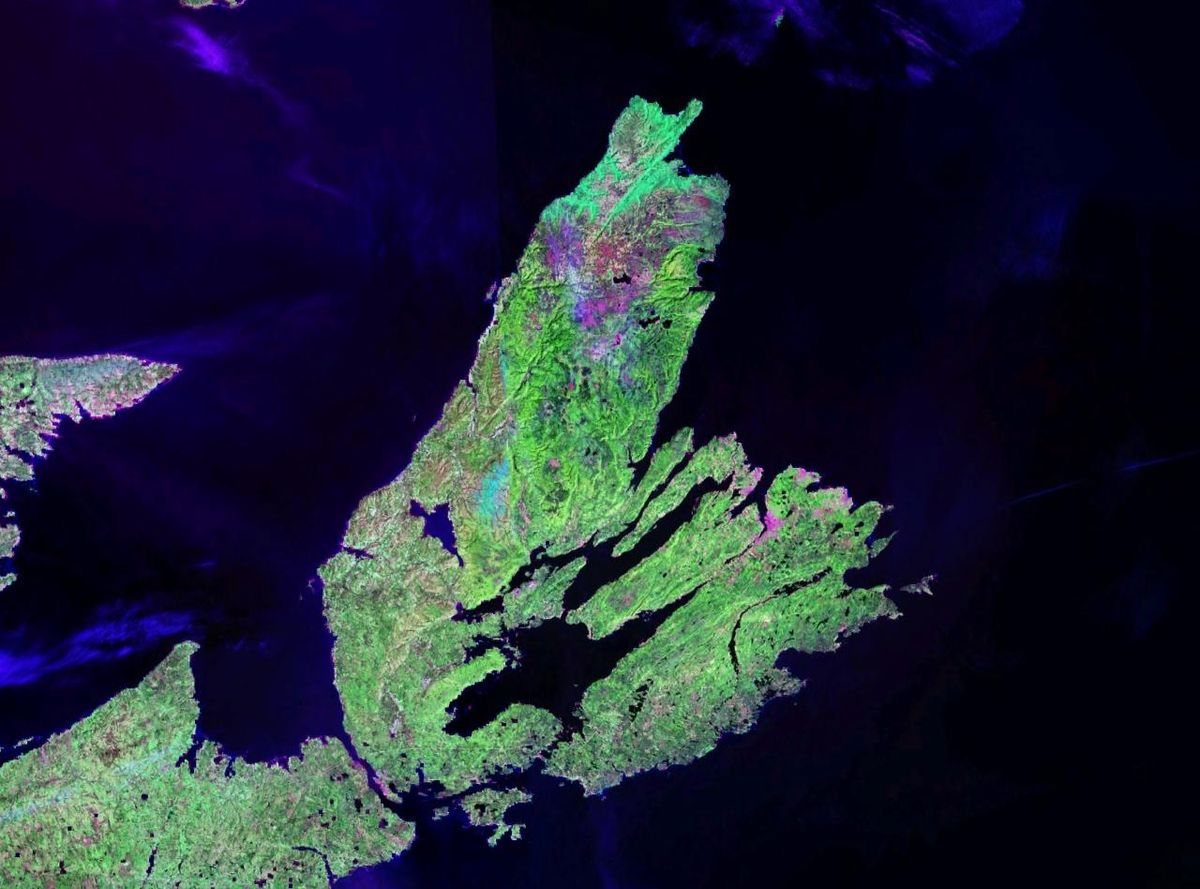
The constitutional history of Canada begins with the Royal Proclamation of 1763, which established British governance over the former French province of Quebec. The Quebec Act of 1774 expanded the province's boundaries to the Ohio and Mississippi Rivers and retained French civil law. The Treaty of Paris of 1783 ended the American War of Independence. In 1784, the provinces were divided: Nova Scotia was split into Nova Scotia, Cape Breton Island, Prince Edward Island, and New Brunswick, while Quebec was split into Lower Canada and Upper Canada. Rebellions in 1837 and 1838 led to the union of these colonies as the Province of Canada in 1841.
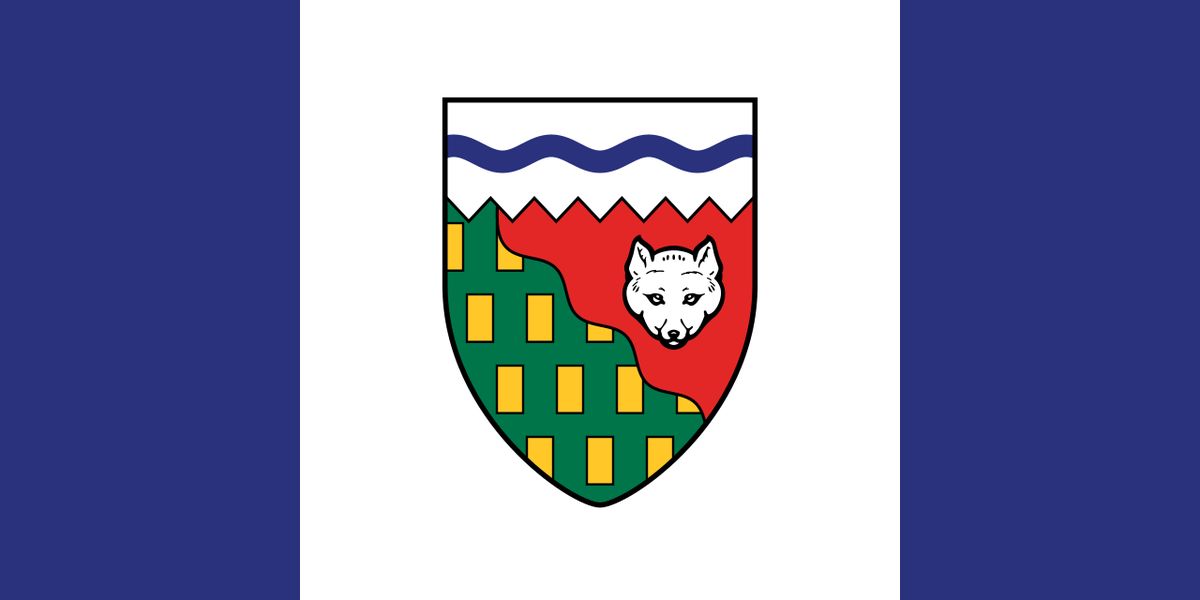
The British North America Act, 1867 established the Dominion of Canada as a federation. On July 1, 1867, four provinces entered into confederation: Canada West (now Ontario), Canada East (now Quebec), Nova Scotia, and New Brunswick. The Hudson's Bay Company transferred title to the Northwest Territories in 1870, out of which the province of Manitoba was created. British Columbia joined in 1871, followed by Prince Edward Island in 1873. The Yukon Territory was created in 1898, followed by Alberta and Saskatchewan in 1905. Newfoundland joined in 1949. Nunavut was created in 1999 from the Northwest Territories.
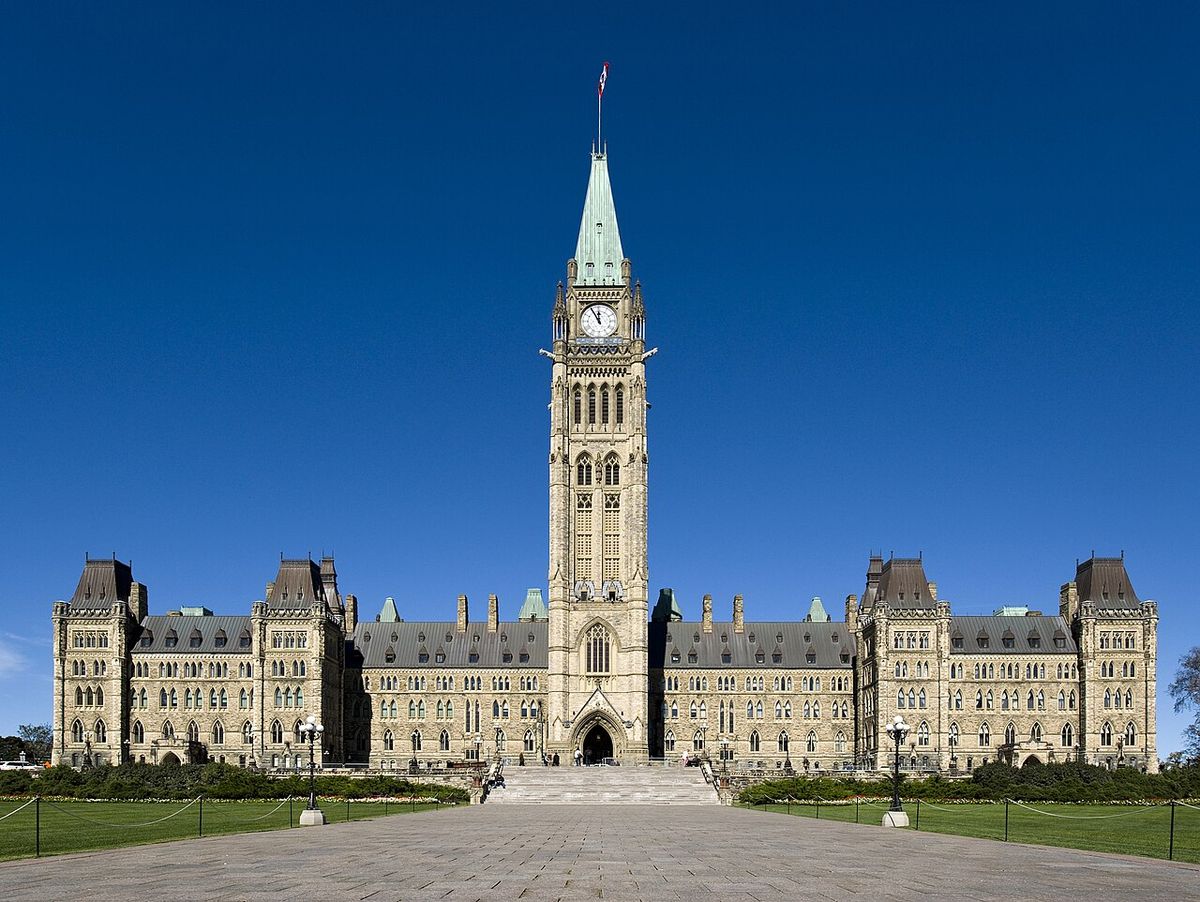
The Statute of Westminster in 1931 granted Canada full legislative autonomy, but an exception was made allowing the British Parliament to still amend Canada's constitution at Canada's request because governments could not agree on a domestic amending formula. For the next five decades, constitutional amendments required a request to the UK Parliament. The patriation of the constitution was finally achieved in 1982 with the passage of the Canada Act 1982 by the UK Parliament. Queen Elizabeth II proclaimed the Constitution Act, 1982 into law on Parliament Hill on April 17, 1982.
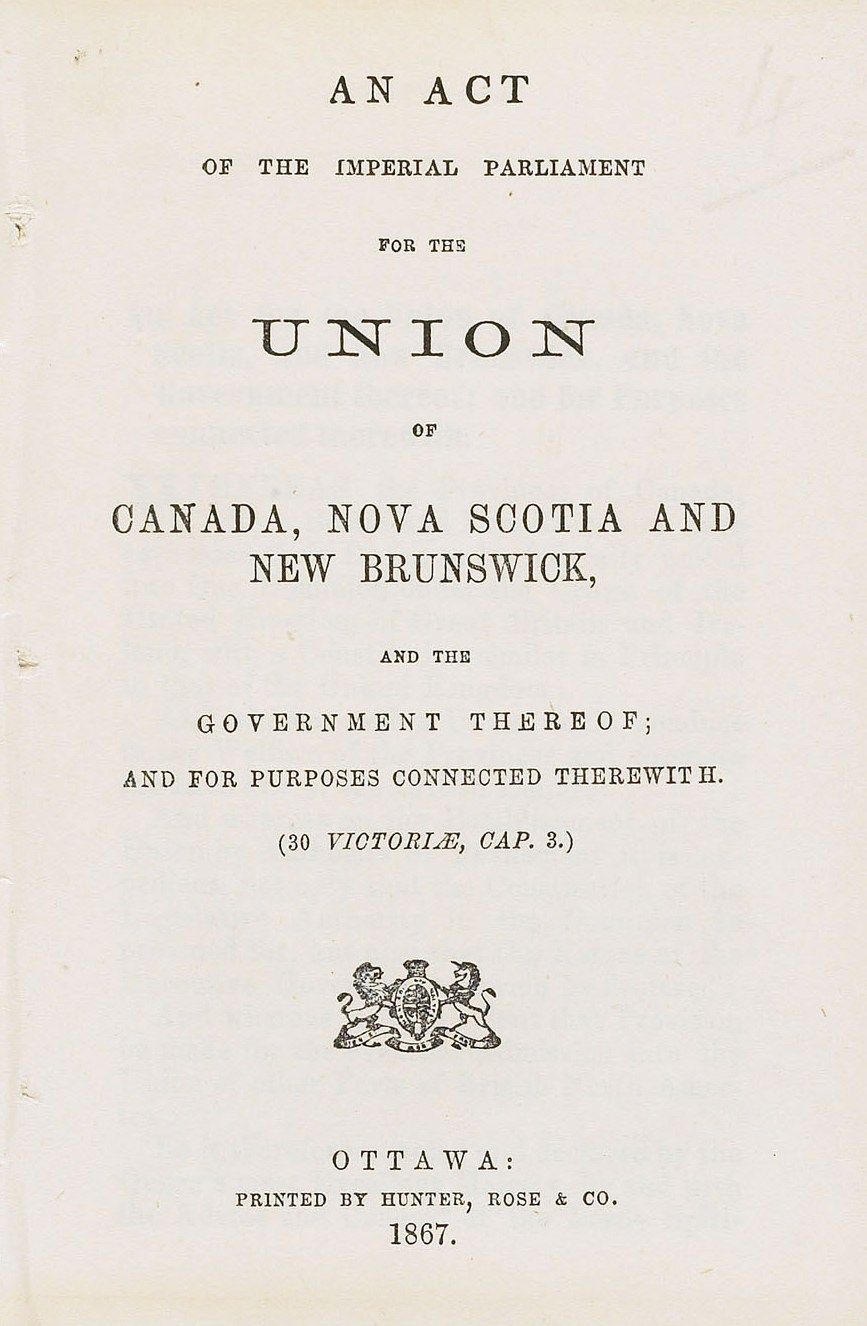
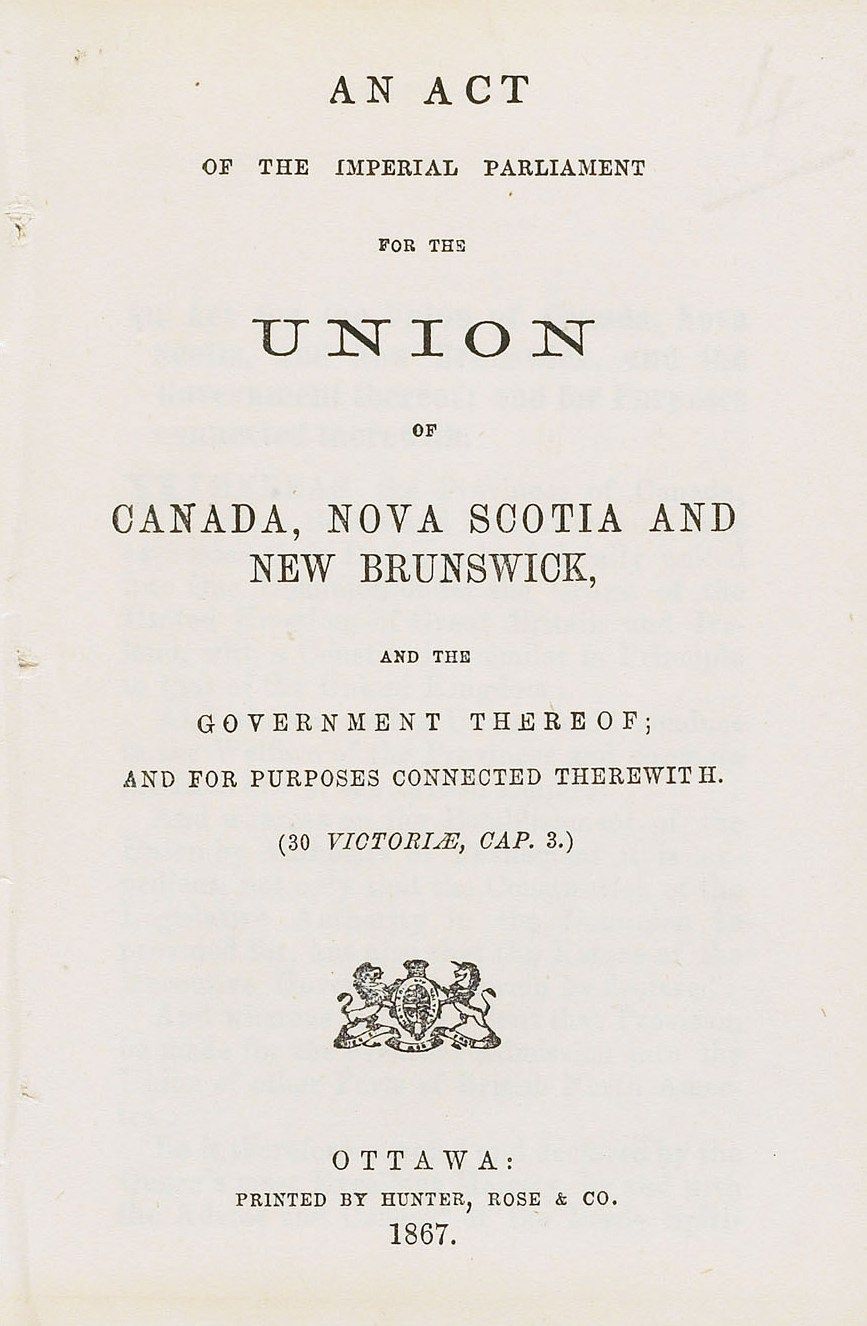
Core Written Documents
The written constitution is composed of several key statutes and documents listed in section 52 of the Constitution Act, 1982. The most important are the Constitution Act, 1867 and the Constitution Act, 1982. The Constitution Act, 1867, originally the British North America Act, establishes the framework of Canadian federalism and parliamentary government. It outlines the division of legislative powers between the federal Parliament and the provincial legislatures. The act also provides for a constitution similar in principle to that of the United Kingdom.
The Constitution Act, 1982 represents the culmination of the patriation process. Its most famous part is the Canadian Charter of Rights and Freedoms. The act also includes recognition of Aboriginal and treaty rights. Beyond the Charter, the Constitution Act, 1982 contains the domestic amending formula. It also formally renamed the British North America Act, 1867 to the Constitution Act, 1867. The Canada Act 1982 states that no further British acts of Parliament shall apply to Canada. The Supreme Court of Canada has held that the list in section 52(2) is not exhaustive. The constitution also includes pre-Confederation acts and the fundamental principles of federalism, democracy, constitutionalism, the rule of law, and respect for minorities. Other documents forming part of the written constitution include:
- The Manitoba Act, 1870.
- The Alberta Act and The Saskatchewan Act, 1905.
- The Statute of Westminster, 1931.
- The Terms of Union for provinces that joined after 1867.
- Modern land claims agreements and treaties with Indigenous peoples.
The Canadian Charter of Rights and Freedoms
Part I of the Constitution Act, 1982, the Canadian Charter of Rights and Freedoms, is a central component of Canada's constitutional framework. Before 1982, rights protections existed in various statutes like the Canadian Bill of Rights, but nothing was constitutionally entrenched. The Charter guarantees a comprehensive set of rights and freedoms that apply to all government action. It is written in plain language to be accessible to citizens. The Charter does not generally apply to private interactions unless the government is involved.
The Charter's guarantees are organized into several categories. Fundamental freedoms in section 2 include freedom of conscience, religion, thought, belief, expression, peaceful assembly, and association. Democratic rights in sections 3 to 5 guarantee the right to vote and run for office, and set maximum terms for legislatures. Mobility rights in section 6 protect the right to enter, remain in, and leave Canada, and to move and gain livelihood within any province. Legal rights protect life, liberty, and security of the person and rights in the legal process. Equality rights protect against discrimination. Part II of the Constitution Act, 1982 addresses the rights of Aboriginal peoples in Canada.
Unwritten Principles and Conventions
Alongside the written texts, the Constitution of Canada includes vital unwritten components. The existence of unwritten constitutional components was reaffirmed in 1998 by the Supreme Court in Reference re Secession of Quebec. These unwritten sources provide the necessary context and principles for interpreting the formal documents. They are derived from the preamble to the Constitution Act, 1867, which states the constitution is similar in Principle to that of the United Kingdom. The Supreme Court has identified several foundational unwritten principles that underlie the entire constitutional order, including federalism, democracy, constitutionalism and the rule of law, and respect for minorities. These principles are justiciable.
Constitutional conventions are another crucial unwritten source. These are established practices and traditions considered binding on political actors, though they are not legally enforceable in courts. Key conventions include the requirement that the prime minister and Cabinet command the confidence of the House of Commons, the practice that the governor general grants royal assent to bills passed by Parliament, and the convention that the prime minister resign or request an election upon losing a confidence vote. The royal prerogative, comprising residual executive powers of the Crown like declaring war or making treaties, also forms part of the uncodified constitution.
The Amending Formula
The patriation of the constitution in 1982 introduced a made-in-Canada amending formula in Part V of the Constitution Act, 1982. It sets out five different procedures for amendment, depending on the nature of the change. The general amending formula, found in section 38(1) and known as the 7/50 formula, applies to most changes. It requires resolutions passed by the Senate and House of Commons, plus resolutions passed by the legislative assemblies of at least two-thirds of the provinces that together represent at least 50 percent of the national population. This effectively requires the support of either Ontario or Quebec. This formula covers matters like the proportionate representation in Parliament and the composition of the Senate.
Other formulae are reserved for specific cases. Unanimous consent of all provincial legislatures and the federal Parliament is required for amendments relating to the Office of the King, the use of English and French, the Supreme Court of Canada, and the amending formula itself. Amendments that affect only one province, such as changes to provincial boundaries, require resolutions only from that province's legislature and the federal Parliament. The federal Parliament alone can amend provisions relating solely to the federal executive or Senate, while a provincial legislature can unilaterally amend its own provincial constitution, subject to certain limitations.
Provincial Constitutions and Quasi-Constitutionality
Unlike in most federations, Canadian provinces do not have single, comprehensive written constitutions. Provincial constitutions are a combination of uncodified constitution, provisions of the Constitution of Canada, and provincial statutes. The basic structures of provincial governments for the original provinces are outlined in Part V of the Constitution Act, 1867. For provinces that joined later, their Terms of Union, which are part of the national constitution, describe their governmental structures. Provinces created by federal statute, like Manitoba, Alberta, and Saskatchewan, have their structures defined in those federal acts.
All provinces have enacted legislation governing areas like elections and legislative procedure. Two provinces have explicitly listed such acts as being part of their provincial constitution: the Constitution of Quebec and the Constitution Act of British Columbia. A significant concept in provincial law is quasi-constitutionality. Certain provincial statutes, particularly human rights codes, are given this status by clauses stating they prevail over other provincial laws. This allows them to function like a provincial charter of rights. Quasi-constitutional laws exist in ten of Canada's thirteen provincial and territorial jurisdictions. Section 45 of the Constitution Act, 1982 allows each province to amend its own constitution. However, if a change requires an amendment to a document that is part of the national Constitution of Canada, the section 43 process involving the federal Parliament is triggered.
Interpretation and Contemporary Relevance
The Supreme Court of Canada is the ultimate judicial interpreter of the constitution. Its rulings define the scope of federal and provincial powers, the application of the Charter of Rights and Freedoms, and the meaning of unwritten principles. Landmark references, such as the 1998 Reference re Secession of Quebec, have elaborated on foundational principles like federalism, democracy, and the rule of law. Constitutional litigation remains a dynamic field. The constitution is a living framework that continues to evolve through judicial interpretation and, less frequently, formal amendment. As the supreme law, it sets the fundamental rules for Canadian democracy and protects individual and collective rights.
Key Constitutional Documents and Events
| Document/Event | Year | Significance |
|---|---|---|
| Royal Proclamation | 1763 | Established British governance in Quebec and outlined relationship with Indigenous nations. |
| Quebec Act | 1774 | Expanded Quebec's boundaries and retained French civil law. |
| British North America Act | 1867 | Created the Dominion of Canada through confederation of four provinces. |
| Statute of Westminster | 1931 | Granted Canada full legislative autonomy, with an exception for constitutional amendments. |
| Canada Act 1982 / Constitution Act, 1982 | 1982 | Patriated the constitution and entrenched the Charter of Rights and Freedoms. |
| Reference re Secession of Quebec | 1998 | Supreme Court elaborated on unwritten constitutional principles governing secession. |
| Creation of Nunavut | 1999 | Last major change to Canada's internal map, created from the Northwest Territories. |
Questions about Constitution of Canada
What is the Constitution of Canada?
The Constitution of Canada is the supreme law in Canada. It outlines Canada's system of government and the civil and human rights of those who are citizens of Canada and non-citizens in Canada. It is an amalgamation of various codified acts, treaties between the Crown and Indigenous Peoples, and uncodified traditions and conventions. Canada is one of the oldest constitutional monarchies in the world.
What does the Canadian Charter of Rights and Freedoms guarantee?
The Canadian Charter of Rights and Freedoms guarantees fundamental freedoms like conscience, religion, and expression. It guarantees democratic rights, mobility rights, legal rights, and equality rights. Part II of the Constitution Act, 1982 addresses the rights of Aboriginal peoples in Canada. The Charter applies only to government and government actions.
Do Canadian provinces have their own constitutions?
Canadian provinces do not have single, comprehensive written constitutions. Provincial constitutions are a combination of uncodified constitution, provisions of the Constitution of Canada, and provincial statutes. The basic structures of provincial governments are described in the Constitution Act, 1867 or in a province's Terms of Union. Some provinces have acts they label as their constitution, like Quebec and British Columbia.
How can the Constitution of Canada be amended?
Amending the Constitution requires following one of five formulae in Part V of the Constitution Act, 1982. The general 7/50 formula needs approval from the federal Parliament and two-thirds of the provincial legislatures representing at least 50 percent of the national population. Changes affecting the monarchy or official languages require unanimous consent. Other amendments may only require federal or provincial action alone.
What are unwritten constitutional principles?
Unwritten constitutional principles are part of the constitution and are justiciable. They are incorporated by the preamble of the Constitution Act, 1867. These principles include federalism, democracy, constitutionalism, the rule of law, and respect for minorities. Others include responsible government and judicial independence. Their existence was reaffirmed by the Supreme Court in 1998.
When did Canada patriate its constitution and why did it take so long?
Canada patriated its constitution in 1982. The British parliament passed the Canada Act 1982 at the request of the Canadian Parliament. This process took over 50 years after the Statute of Westminster in 1931. The primary delay was prolonged disagreement between the federal and provincial governments on a domestic amending formula. The stalemate persisted until the Constitution Act, 1982 was endorsed by all provinces except Quebec.
Sources and further reading
- Constitution of Canada (Wikipedia)
- Canadian Constitution Foundation: Home (theccf.ca)
- The Evolution of the Canadian Constitution (leg.bc.ca)
Checked by the Nosy Mag desk. Last updated 2026-11-03.