Peter MacKay
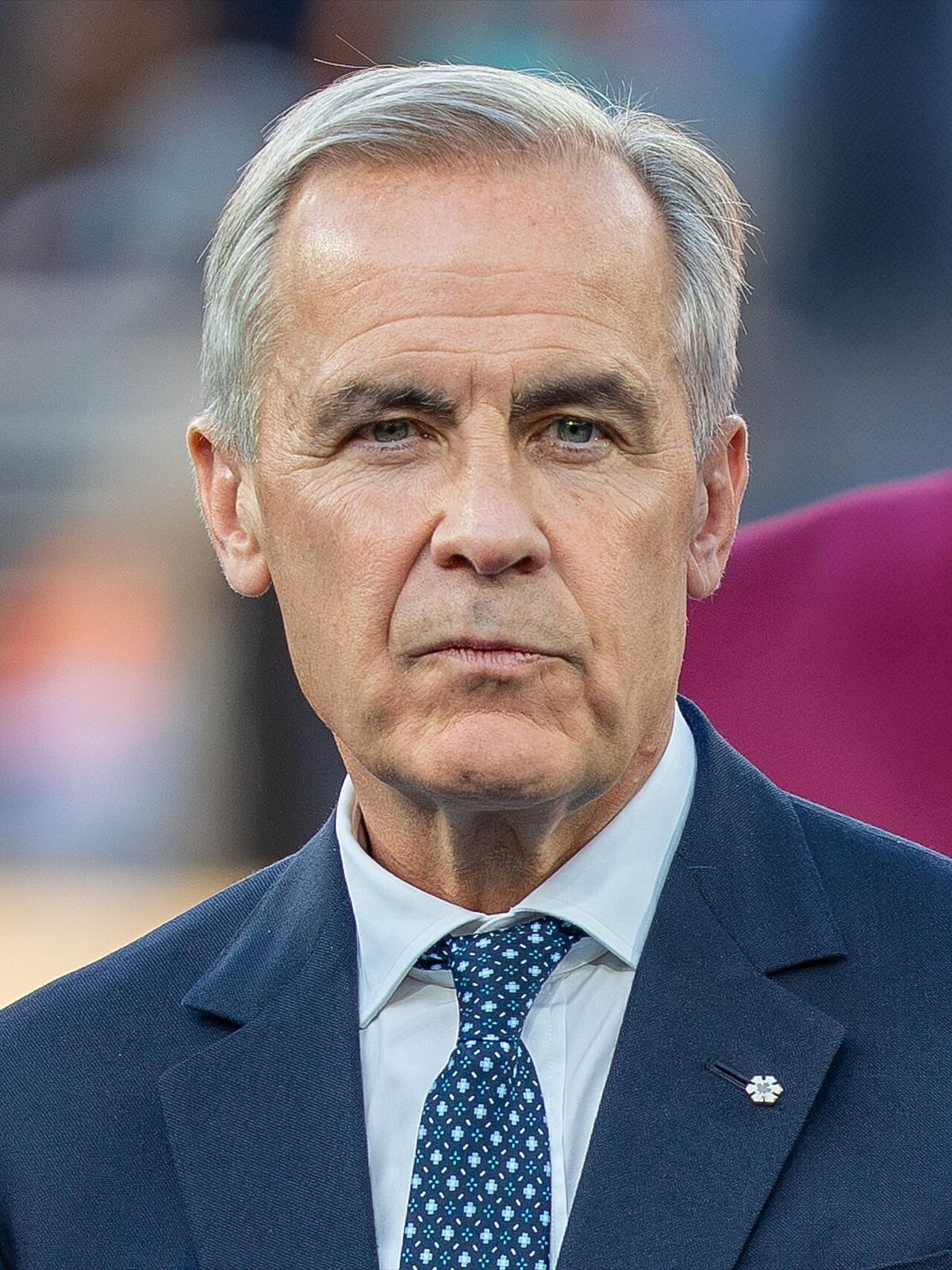
Peter Gordon MacKay is a Canadian lawyer and former politician who served as a Member of Parliament for 18 years, holding several senior cabinet positions in the government of Prime Minister Stephen Harper. His political career is most notably defined by his role as the final leader of the Progressive Conservative Party of Canada, a position from which he negotiated the party's historic merger with the Canadian Alliance to form the modern Conservative Party of Canada. After leaving federal politics in 2015, MacKay returned to legal practice and strategic advisory roles in the private sector. His continued involvement in public policy, particularly concerning national defence and Arctic strategy, maintains his profile as a significant figure in Canadian conservative politics.
Early Life and Legal Career
Peter Gordon MacKay was born on September 27, 1965, in New Glasgow, Nova Scotia, into a family deeply connected to law and politics. His father, Elmer MacKay, was a prominent Progressive Conservative Member of Parliament and cabinet minister who served until his death in 2026. His mother, Eirene Macha MacKay, was a psychologist and peace activist, and through her lineage, Peter MacKay is descended from British nobility including James Alexander, 3rd Earl of Caledon and James Grimston, 1st Earl of Verulam. MacKay grew up in Wolfville, Nova Scotia, with his three siblings and graduated from Horton High School in Greenwich, Nova Scotia, before pursuing higher education. He earned a Bachelor of Arts degree in 1987 through a joint program at Acadia and Carleton Universities, demonstrating an early interest in the broader Canadian context. MacKay then studied law at Dalhousie University and was called to the Nova Scotia Bar in June 1991, formally beginning his legal career.
Before entering politics, MacKay gained practical experience in both the private and public sectors. He worked for the steel producer Thyssen Henschel, with postings in Halifax and in Düsseldorf and Kassel, Germany, giving him international business experience early in his career. In 1993, he accepted a significant public service role as a Crown Attorney for the Central Region of Nova Scotia, prosecuting cases at all court levels including youth and provincial courts as well as the Supreme Court of Canada. MacKay has publicly stated that his frustrations with perceived shortcomings in the justice system, particularly a belief that courts did not adequately consider the impact of crime on victims, were a major impetus for his entry into federal politics. This foundational experience in prosecution shaped his later policy interests when he eventually became Minister of Justice and Attorney General more than two decades later, and he also worked as a general practitioner before his election to Parliament.
Entry into Parliament and Rise in the Progressive Conservative Party
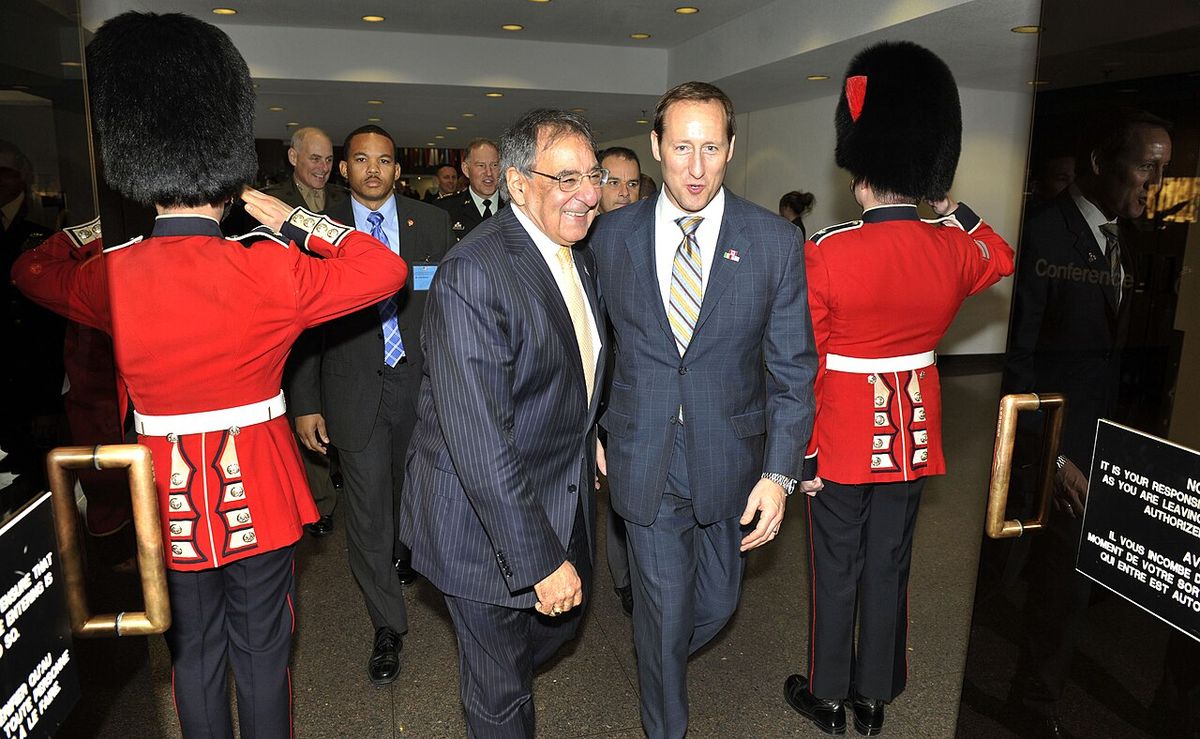
Peter MacKay was first elected to the House of Commons in the June 2, 1997 federal election, representing the riding of Pictou, Antigonish, Guysborough in northeastern Nova Scotia. He was immediately identified as part of a new generation of 'Young Turk' PC MPs under 35 years old, a group that included John Herron, André Bachand and Scott Brison, seen as future leadership material who could revitalize the struggling party. In his first term, MacKay was appointed Justice Critic and House Leader for the Progressive Conservative parliamentary caucus, roles that placed him at the centre of party strategy and debate. He also served on the Board of Internal Economy and the Standing Committee on Justice and Human Rights, while acting as an associate member of the Standing Committees on Canadian Heritage, Finance and the sub-committee on the Study of Sport. MacKay formally served as PC Party House Leader from September 23, 1997, to September 12, 2001, honing his skills in parliamentary procedure and negotiation over a six-year period.
Re-elected in the 2000 election, MacKay was frequently touted by the media as a possible successor to party leader Joe Clark, and when asked in a 2001 CBC documentary if he would run for the PC leadership, he quipped, 'If there's one thing I've learned in politics it's 'never say never.'' His strong performances in the House and personal magnetism were cited as key attributes, and he was voted the 'sexiest male MP in the House of Commons' by the Parliament Hill newspaper The Hill Times for six consecutive years. During this period, he also engaged in early, informal talks about conservative unity, participating in cooperation discussions with disaffected Canadian Alliance MPs in Mont-Tremblant, Quebec, in August 2001. This led to the formation of the PC-DR Parliamentary Coalition Caucus, for which MacKay served as House Leader when it was formally recognized on September 10, 2001, though this initiative collapsed by April 2002. When Joe Clark announced his impending resignation as party leader at the PC Party's bi-annual convention in Edmonton in August 2002, MacKay's name was among the first raised as a leadership contender, setting the stage for a chapter in his career that would determine the fate of his party.
2003 PC Leadership and the Merger with the Canadian Alliance
Peter MacKay formally launched his campaign for the leadership of the Progressive Conservative Party in his hometown of New Glasgow in January 2003. Positioned as a front-runner from the outset, his campaign focused on his leadership skills and a national organization rather than specific new policies, and he was largely viewed by political analysts as a Red Tory, a stance later evidenced by his vote in favour of same-sex marriage in 2006. The leadership convention, held on May 31, 2003, proved dramatic as MacKay entered the first ballot with roughly 41 percent of delegate support, but his support dropped to 39 percent on the second ballot. To win on the final ballot, his campaign team, managed by PC Senator Noël Kinsella, brokered a crucial backroom deal with rival candidate David Orchard, who commanded 25 percent of delegates largely from the Western prairie provinces. The agreement, later revealed and ribaldly referred to by Canadian Alliance MP Jason Kenney as 'a deal with the Devil,' included promises to review PC policies on NAFTA, to not merge or run joint candidates with the Canadian Alliance, and to redouble efforts to rebuild the party nationally, plus a request to 'clean up' the party's head office and fire the National Director.
Despite the 'Orchard deal,' political realities soon pressured MacKay toward unification as public musings suggested the divided PCs would be marginalized in a future election between Stephen Harper's Canadian Alliance and the popular Liberals. Facing this prospect, MacKay encouraged talks between high-profile members of both conservative parties, and on October 15, 2003, he and Harper signed an Agreement in Principle to establish the Conservative Party of Canada. MacKay successfully sold the merger to the PC membership, with 90.4 percent of elected delegates supporting it in a December 6 vote, though he was roundly criticized in some Red Tory circles for permitting a union under his watch. In the aftermath, several PC caucus members like Joe Clark and John Herron refused to join the new party and continued to sit as 'Progressive Conservatives,' while Scott Brison defected to the Liberals in December 2003. MacKay chose not to run for the leadership of the new party and was instead appointed deputy leader by Stephen Harper on March 22, 2004, and he was easily re-elected in the June 28, 2004 federal election in the newly redistributed riding of Central Nova.
- January 2003: Launches PC leadership campaign in New Glasgow, Nova Scotia.
- May 31, 2003: Wins PC leadership on final ballot with nearly 65% support after deal with David Orchard.
- July 2003: Strikes a 'Blue Ribbon PC Policy Review Panel' chaired by MP Bill Casey, with Orchard as a member, to reexamine NAFTA policy.
- October 15, 2003: Signs merger agreement with Canadian Alliance leader Stephen Harper.
- December 6, 2003: PC membership votes 90.4% in favour of the merger.
- March 22, 2004: Appointed deputy leader of the new Conservative Party by Stephen Harper.
Ministerial Career in the Harper Government
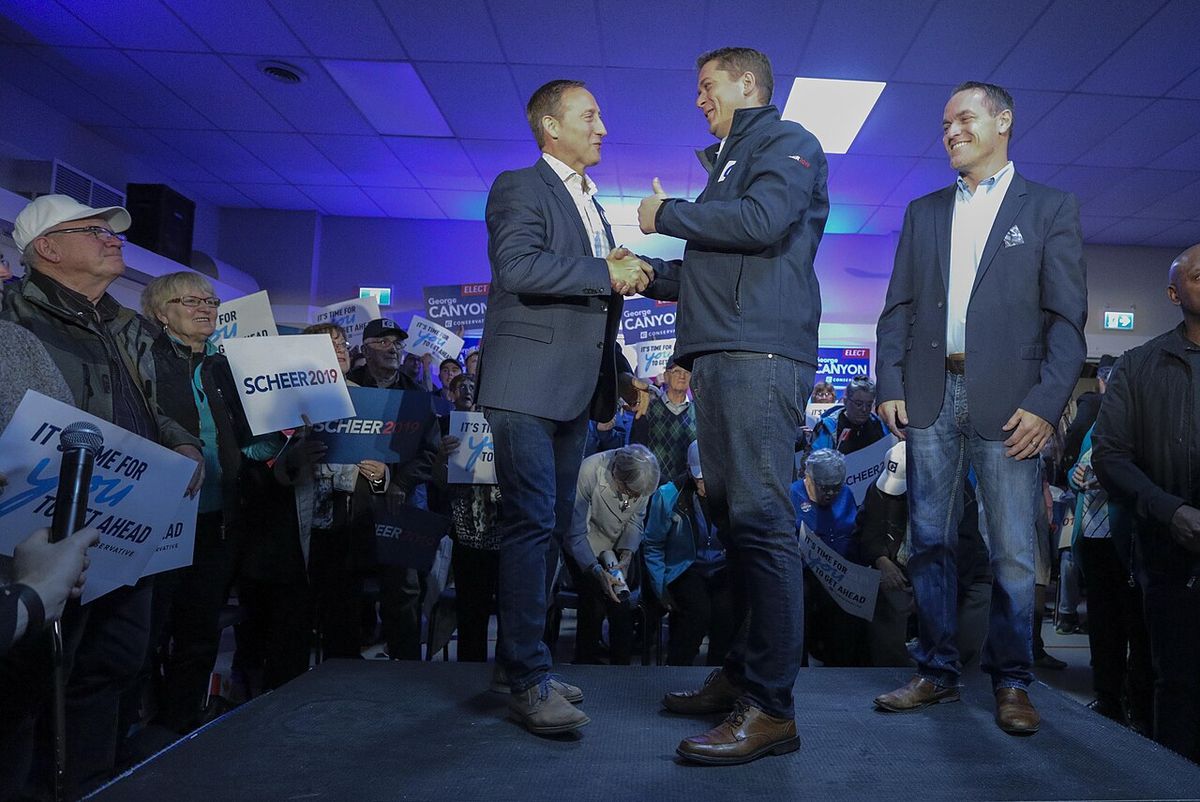
Following the Conservative victory in the January 2006 election, Prime Minister Stephen Harper appointed Peter MacKay as Minister of Foreign Affairs and Minister for the Atlantic Canada Opportunities Agency. He was also tasked as the political minister for Nova Scotia and Prince Edward Island, a regional responsibility his father Elmer had held between 1988 and 1993, creating a unique father-son continuity in representing Atlantic Canadian interests at the federal cabinet level. His early tenure was dominated by the 2006 Lebanon, Israel, Hezbollah conflict, during which he oversaw the evacuation of thousands of Canadians from Lebanon, responding to critics about the slow process by noting the boats had limited capacity. MacKay's strong statements in support of Israel and his description of Hezbollah, which Canada recognizes as a terrorist organization, as a 'cancer' generated significant national debate, particularly among Arab and Muslim Canadians, and his government joined the Bush Administration in opposing an initial UN call for a ceasefire. On August 14, 2007, Harper shuffled MacKay to the portfolio of Minister of National Defence, replacing Gordon O'Connor, and in this role MacKay announced a massive, long-term equipment upgrade program for the Canadian military in 2008, with projected spending over $400 billion across 25 years, though no detailed 'white paper' or breakdown was released, leading to widespread speculation that an election was coming.
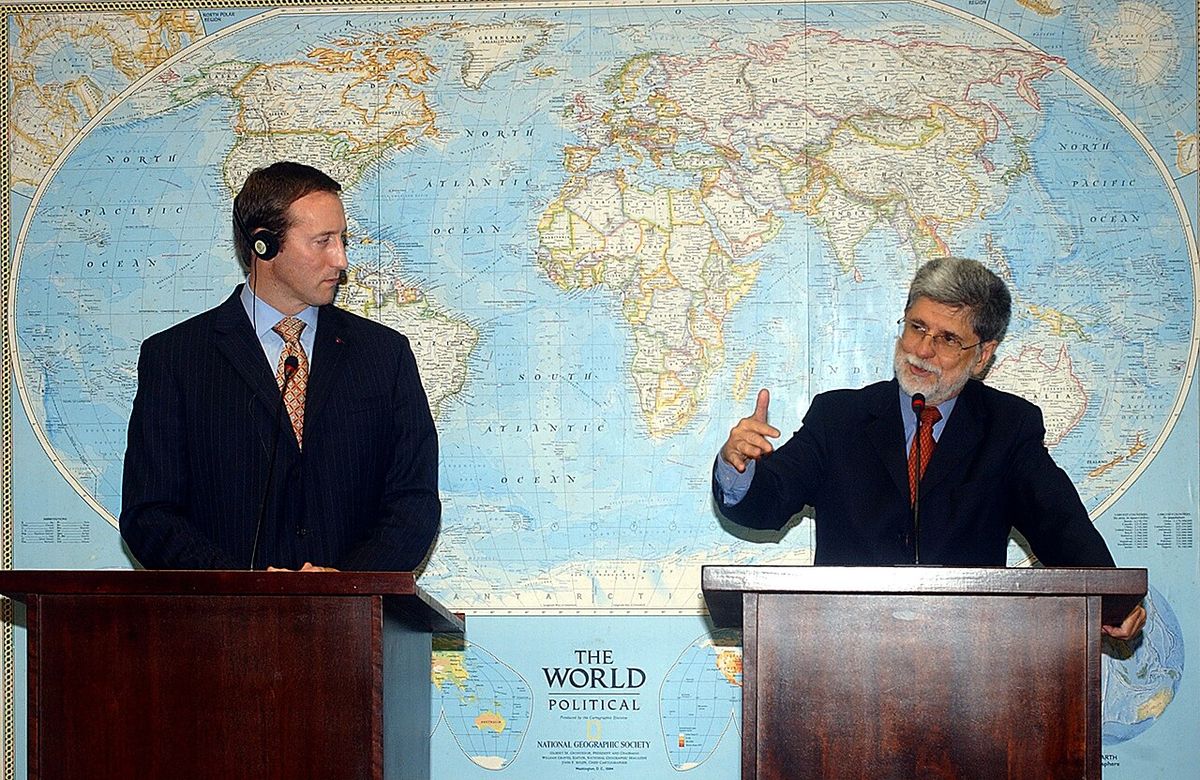
As Defence Minister, MacKay was directly involved in Canada's mission in Afghanistan, visiting troops and experiencing a rocket attack on Forward Operating Base Wilson near Kandahar City in November 2007, an incident on the same day as a deadly suicide bombing in Baghlan, though the events were not believed related. His tenure was not without controversy, including a July 2010 incident where he was accused of inappropriately using a Canadian Cormorant search and rescue helicopter for transport from a private fishing camp in Newfoundland, at an estimated cost of $16,000 to taxpayers, which he defended as shortening his stay to participate in a demonstration with 103 Squadron. In 2013, MacKay was moved to the role of Minister of Justice and Attorney General, serving until the Conservative government's defeat in the 2015 election. Throughout his nearly decade-long service in cabinet, he also chaired the government's national security committee for almost ten years, playing a central role in defence and security policy, and he undertook two days of basic military training in 2009 as part of a CBC Television program called Make the Politician Work to better understand the experiences of Canadian Armed Forces personnel.
Post-Political Career and 2020 Leadership Bid
After deciding not to run in the 2015 federal election, Peter MacKay left Parliament and joined the international law firm Baker McKenzie as a partner in its Toronto office, a role he held until 2020. During this period, he was widely considered a potential candidate to succeed Stephen Harper as Conservative leader following the party's 2015 defeat, but he did not enter the 2017 race. On January 15, 2020, MacKay officially announced his candidacy for the Conservative Party leadership, positioning himself as an experienced former minister capable of uniting the party's factions. The leadership election, conducted by mail-in ballot due to the COVID-19 pandemic, concluded in August 2020 with MacKay defeated by Erin O'Toole, the former minister of veterans affairs, on the third and final ballot of the leadership vote, marking his second unsuccessful bid for the party's top job after his successful run for the PC leadership in 2003.
Following his leadership defeat, MacKay moved back to his home province of Nova Scotia and resumed his legal career, joining the Atlantic Canadian law firm McInnes Cooper as senior counsel. In this role, he leverages his public service experience to advise on government relations, defence modernization, justice reform, and economic development, collaborating with firm professionals to bring strategic value to business and public sector leaders. Concurrently, he took on a role as a strategic advisor with Deloitte Canada, focusing on projects related to the firm's Government and Public Services Industry practice. In these capacities, MacKay has focused on emerging policy areas, notably taking a lead role in Arctic strategy development, a subject of increasing importance for Canadian defence and infrastructure as the Arctic rapidly transforms. He remains an active participant in public discourse, frequently speaking at conferences and events on national defence and security issues, as evidenced by his participation in forums like DEFSEC Atlantic and a dinner banquet with the Canadian International Council in Halifax in September 2026.
Volunteer Work and Personal Life
Beyond his professional endeavours, Peter MacKay maintains an active profile in charitable and community work, supporting local and national causes on many levels as a proud Canadian. He serves on the national boards of several organizations, dedicating his time to causes related to youth, veterans, and sport, and he volunteers his time with Children’s Aid Society, Covenant House, and the Canada-United States Law Institute. His volunteer roles reflect a long-standing commitment to public service outside the political arena, and he has been involved with his alma maters, Acadia and Dalhousie Universities, where he was honoured with a Doctor of Civil Laws degree from Acadia in recognition of his lengthy political career and co-founding of the Conservative Party. In his personal time, MacKay coaches minor sports in Pictou County, staying connected to his Nova Scotia roots, and the passing of his father, Elmer MacKay, in July 2026, was a significant personal event which MacKay acknowledged publicly on social media, noting the family's intention to carry on his legacy with a post that read, 'The Hon. Elmer MacIntosh MacKay, PC KC August 5 1936 - July 23, 2026 Rest easy, Pop. We will take it from here.'
MacKay's volunteer board memberships and roles include several high-profile national organizations where he has provided sustained leadership and support, focusing on areas aligned with his professional background in justice and defence. He has served as the co-chair of Boost Child & Youth Advocacy Centre and on the boards of Special Olympics Canada and Wounded Warriors Canada, organizations dedicated to supporting athletes with intellectual disabilities and veterans and first responders with mental health challenges respectively. His volunteer commitments also extend to Children’s Aid Society, Covenant House, Big Brothers Big Sisters, and his alma maters, Acadia and Dalhousie Universities. He contributes to the Canada-United States Law Institute and serves on the board of Integrity Initiatives International, an organization focused on combating grand corruption. This pattern of service demonstrates a focus on supporting vulnerable youth, assisting veterans and first responders, and promoting the rule of law, which aligns with his professional background in justice and defence.
- Former Co-chair: Boost Child & Youth Advocacy Centre.
- Board Member: Special Olympics Canada, Wounded Warriors Canada, Integrity Initiatives International.
- Volunteer: Children’s Aid Society, Covenant House, Big Brothers Big Sisters.
- Supporter: Acadia University, Dalhousie University, Canada-United States Law Institute.
- Community Role: Coach of minor sports in Pictou County, Nova Scotia.
- Honour: Recipient of a Doctor of Civil Laws degree from Acadia University.
Electoral Record and Riding Representation
Peter MacKay represented constituents in northeastern Nova Scotia for six consecutive federal elections, demonstrating consistent electoral support throughout his 18-year political career from 1997 to 2015. He was first elected in the June 2, 1997 election in the riding of Pictou, Antigonish, Guysborough, which he held through the November 27, 2000 election, establishing himself as a reliable representative for the region. His electoral performances were typically strong, reflecting his deep roots in the region as the son of a former MP and his high profile as a cabinet minister, and there was even speculation in September 2005 that he might return to provincial politics to run for Premier of Nova Scotia, though he decided to remain federally. MacKay's decision not to seek re-election in 2015 marked the end of his tenure in the House of Commons, closing a significant chapter for his riding which had been represented by a MacKay, either father or son, for decades.
Peter MacKay's representation was characterized by a focus on local issues. His ministerial roles often included responsibility for regional economic development agencies like the Atlantic Canada Opportunities Agency. This dual role as a local MP and a national figure allowed him to channel federal resources and attention to Atlantic Canada. He shared this regional responsibility with his father, Elmer MacKay, who had previously served as the political minister for the region. MacKay had an unbroken string of electoral successes in Nova Scotia under both the Progressive Conservative and Conservative party banners.
| Election Date | Riding | Party | Result |
|---|---|---|---|
| June 2, 1997 | Pictou, Antigonish, Guysborough | Progressive Conservative | Elected |
| November 27, 2000 | Pictou, Antigonish, Guysborough | Progressive Conservative | Elected |
| June 28, 2004 | Central Nova | Conservative | Elected |
| January 23, 2006 | Central Nova | Conservative | Elected |
| October 14, 2008 | Central Nova | Conservative | Elected |
This consistent record of re-election provided MacKay with political stability. It allowed him to ascend to senior cabinet roles. He was able to pursue major policy initiatives like the conservative merger and defence procurement. He maintained a secure base of support in his home province throughout the various political shifts of the era.
Controversies and Parliamentary Incidents
Peter MacKay's political career included several notable controversies and parliamentary incidents that attracted media scrutiny and opposition criticism, some of which had lasting impacts on his political relationships. One of the most persistent was the fallout from the secret 'Orchard deal' made during the 2003 PC leadership race, which prompted outrage among United Alternative supporters and led commentators like Rex Murphy to suggest in The Globe and Mail that MacKay's leadership arrived 'stillborn' and left the party grievously weakened and even less united than when it entered the convention. Later, as a minister, a 2006 exchange in the House of Commons became a significant point of contention when during a debate on the government's clean air plan, Liberal MP David McGuinty reportedly asked MacKay about the impact of pollution by asking, 'What about your dog?' a reference to photos of MacKay with a neighbour's dog after his break-up with MP Belinda Stronach. MacKay allegedly pointed to Stronach's vacant chair and replied, 'You already have her,' a comment Stronach called disrespectful to herself and Canadian women and for which Liberal MP Mark Holland lodged a complaint with the Speaker demanding an apology, though MacKay denied calling her a dog and the remark was not heard by Speaker Peter Milliken or recorded in Hansard.
As Minister of National Defence, MacKay faced criticism for a July 2010 incident involving a Canadian Forces Cormorant helicopter. He was accused of combining a search and rescue demonstration with personal transport from a private fishing camp in Newfoundland to Gander Airport at an estimated cost of $16,000 to taxpayers. He defended this by saying it shortened his stay to participate in the demonstration. Another controversy involved the plan to buy F-35 Stealth Fighters. It was revealed in June 2012 that a 2010 news conference announcing the plan to purchase 65 F-35s had cost $47,000. These episodes were frequent features of opposition questioning and media coverage during his time in high office.
Questions about Peter MacKay
What is Peter MacKay doing now in 2026?
As of 2026, Peter MacKay is a senior counsel with the Atlantic Canadian law firm McInnes Cooper and a strategic advisor with Deloitte Canada. In these roles, he provides advice on government relations, defence modernization, justice reform, infrastructure, and economic development, with a recent focus on Arctic strategy. He remains active in public policy discussions, frequently speaking at conferences and events related to national defence and security, such as DEFSEC Atlantic and a Canadian International Council dinner in Halifax in September 2026. MacKay also continues his extensive volunteer work with several national charitable organizations including Wounded Warriors Canada and Big Brothers Big Sisters, and he coaches minor sports in his home community of Pictou County.
Did Peter MacKay ever become Prime Minister?
No, Peter MacKay never became Prime Minister of Canada. He served as a senior cabinet minister under Prime Minister Stephen Harper for nearly a decade but never attained the top office. He made one bid for the leadership of the Conservative Party in 2020, hoping to become leader of the opposition and a future prime ministerial candidate, but was defeated by Erin O'Toole on the third ballot. His highest party leadership role was as the final leader of the Progressive Conservative Party of Canada in 2003, prior to its merger with the Canadian Alliance, a position that made him a kingmaker rather than a prime minister and where his main legacy was unifying the conservative movement.
What was Peter MacKay's role in creating the Conservative Party?
Peter MacKay played a central role as a co-founder of the modern Conservative Party of Canada. As the leader of the Progressive Conservative Party in 2003, he negotiated and signed the Agreement in Principle with Canadian Alliance leader Stephen Harper on October 15, 2003, to merge the two parties. MacKay then successfully convinced the PC membership to support the merger, which was approved by 90.4 percent of elected delegates in a December 6, 2003, vote. This historic unification ended a long-standing split on the political right and created the Conservative Party that forms government today, though it came after MacKay had promised in his PC leadership campaign not to pursue such a merger, making his reversal a subject of significant controversy at the time.
What cabinet positions did Peter MacKay hold?
Peter MacKay held three major cabinet portfolios during his nearly ten years in the Harper government from 2006 to 2015. He first served as Minister of Foreign Affairs and Minister for the Atlantic Canada Opportunities Agency from 2006 to 2007, where he handled the Lebanon evacuation and Canada's position on the Israel-Hezbollah conflict. He was then Minister of National Defence from August 14, 2007, to 2013, a tenure that encompassed Canada's mission in Afghanistan and major defence procurement announcements like the F-35 program and a $400 billion equipment upgrade plan. His final cabinet role was as Minister of Justice and Attorney General of Canada from 2013 until the Conservative defeat in the 2015 election, and he chaired the government's national security committee for almost a decade while serving on numerous other cabinet committees.
Why did Peter MacKay leave politics?
Peter MacKay left federal politics by choosing not to run in the 2015 federal election, after 18 years as an MP representing Nova Scotia ridings. His decision came as the Conservative government of Stephen Harper was defeated, and MacKay transitioned to a career in the private sector as a partner with the international law firm Baker McKenzie in Toronto. He later returned to political activity with an unsuccessful bid for the Conservative Party leadership in 2020, seeking to lead the party from outside Parliament. Following that defeat, he fully resumed his legal and advisory career in Nova Scotia, indicating a permanent move away from seeking elected office while remaining engaged in policy work from outside Parliament through speaking engagements and his roles at McInnes Cooper and Deloitte, where he focuses on defence and Arctic strategy.
Where did Peter MacKay go to university and law school?
Peter MacKay earned his Bachelor of Arts degree in 1987 through a joint program at Acadia University and Carleton University, graduating from Horton High School in Greenwich, Nova Scotia, before his university studies. He then attended law school at Dalhousie University in Halifax, Nova Scotia, one of Canada's leading legal institutions known for producing many prominent Canadian lawyers and politicians. After completing his legal studies, he was called to the Nova Scotia Bar in June 1991, beginning his career as a Crown prosecutor and general practitioner. His educational background in both the arts and law provided the foundation for his subsequent careers, and in 2026 he was awarded an honorary Doctor of Civil Laws degree from Acadia University in recognition of his service and his role as a co-founder of the Conservative Party.
Sources and further reading
- Peter MacKay (Wikipedia)
- Peter MacKay, PC, KC (mcinnescooper.com)
- Honourable Peter MacKay KC PC, Toronto (acg.org)
- Peter MacKay (integrityinitiatives.org)
Checked by the Nosy Mag desk. Last updated 2026-10-28.