Canadian International Council
The Canadian International Council (CIC) is a non-partisan, charitable organization dedicated to the study of Canada's foreign relations and international affairs. Founded in 1928, the CIC provides a national platform for public engagement on global issues through research, publications, and events. With 19 branches across the country and a pan-Canadian Young Professionals Network, it connects a diverse membership of academics, professionals, and interested citizens. The council's work aims to strengthen Canada's role in the world by fostering informed discussion on policy challenges ranging from democratic solidarity to climate change.
Historical Origins and Evolution
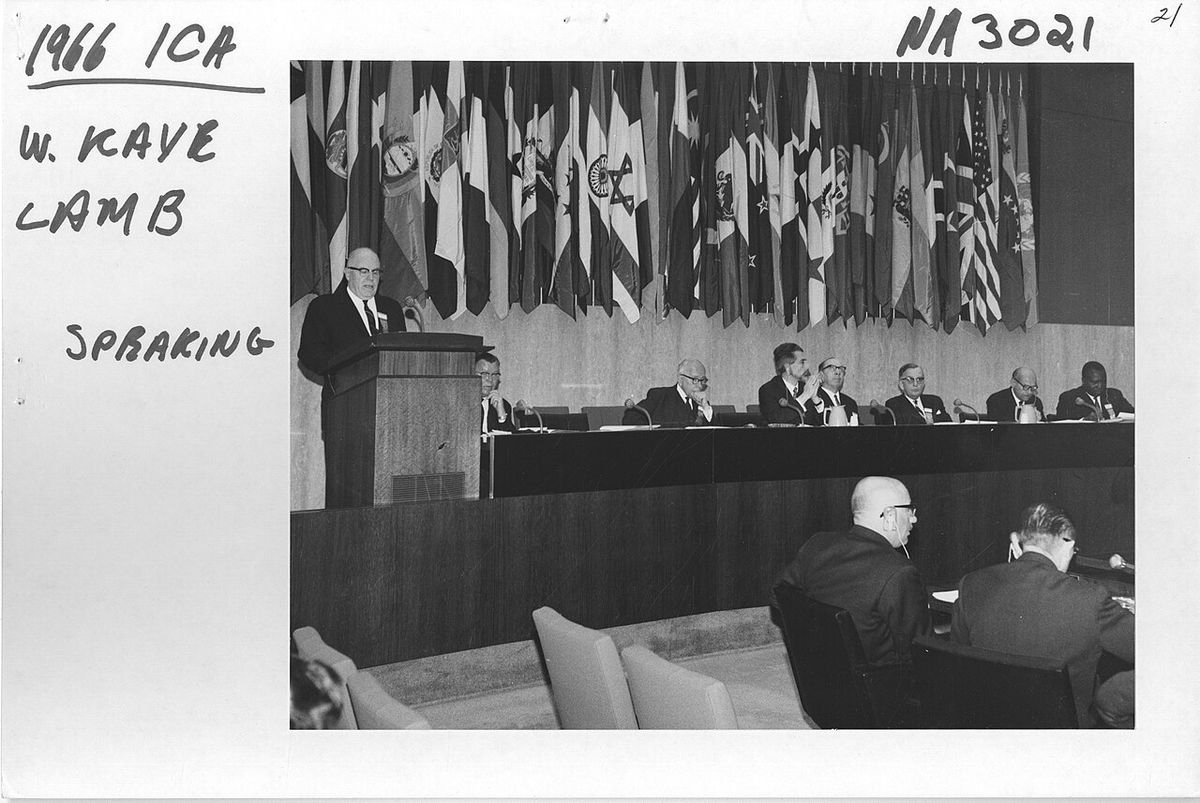
The Canadian International Council traces its institutional lineage directly to the Canadian Institute of International Affairs (CIIA), founded in 1928 by former Prime Minister Robert Borden. The CIIA's early work was characterized by neutral, apolitical research and the organization of annual study conferences, a model established by its first full-time national secretary, Escott Reid, appointed in 1932. Under the leadership of Edgar Tarr from 1938 to 1950, the institute's mission evolved to actively promote Canadian national autonomy and challenge British imperialism, aligning with a broader shift in Canadian foreign policy toward anti-colonialism. The name Canadian International Council first appeared in 1950 with objectives focused on Canada's dual role in the international community and the British Commonwealth.
The modern incarnation of the CIC was launched in October 2007 through a partnership initiated by Jim Balsillie, co-founder of Research In Motion, between the CIIA and the Waterloo-based Centre for International Governance Innovation (CIGI). Balsillie envisioned a research-based, non-partisan vehicle similar to the American Council on Foreign Relations. In November 2007, CIIA members voted to formally become the Canadian International Council. The council subsequently expanded by integrating other organizations, including the Canadian Institute of Strategic Studies in May 2008, which became its Strategic Studies Working Group, and the Couchiching Institute on Public Affairs in 2019, which continues as an annual conference hosted by the CIC. The online publication OpenCanada returned to CIC management in 2020.
Structure, Governance, and Reach
The Canadian International Council operates as a non-profit organization and a registered charity with the Canada Revenue Agency. It is funded through a combination of private sponsorship, membership fees, donations, and revenue from events. Governance is provided by a board of directors, which as of recent information is jointly chaired by Nicolas Rouleau and John English. From 2018 to 2022, the president and research director was Ben Rowswell, a former Canadian ambassador to Venezuela. The council's national office is headquartered in Toronto, Ontario.
The CIC maintains an extensive physical presence across the country through a network of 19 local branches. These branches are the primary engines for community engagement, organizing a wide array of events including academic lectures, panel discussions, study groups, conferences, seminars, and informal gatherings. The council also fosters connections among younger Canadians through its pan-Canadian Young Professionals Network. The scope of its programming is significant, with the organization hosting over 175 events annually, both in-person and online.
- Calgary
- Edmonton
- Halifax
- Hamilton
- Montreal
- Ottawa
- Nipissing (North Bay)
- Prince George
- Quebec City
- Regina
- Saskatoon
- Simcoe County
- Thunder Bay
- Toronto
- Vancouver
- Victoria
- Waterloo
- Whitehorse, Yukon
- Winnipeg
Research Initiatives and Projects
The CIC conducts policy-relevant research on critical international issues, with projects spanning topics such as climate change strategy, democratic threats, and technology's role in international relations. One major multi-year project launched in 2021, with support from the Konrad Adenauer Foundation Canada, was titled 'Renewing Our Democratic Alliance'. This initiative aimed to articulate a new form of mutual democracy promotion between Canada and Germany in response to global democratic backsliding. The research culminated in a 2022 conference at McGill University, co-hosted with Toronto Metropolitan University, where the CIC announced the creation of the Network for Democratic Solidarity, a group of nations committed to helping each other strengthen democratic institutions. This network became an independent organization in May 2023.
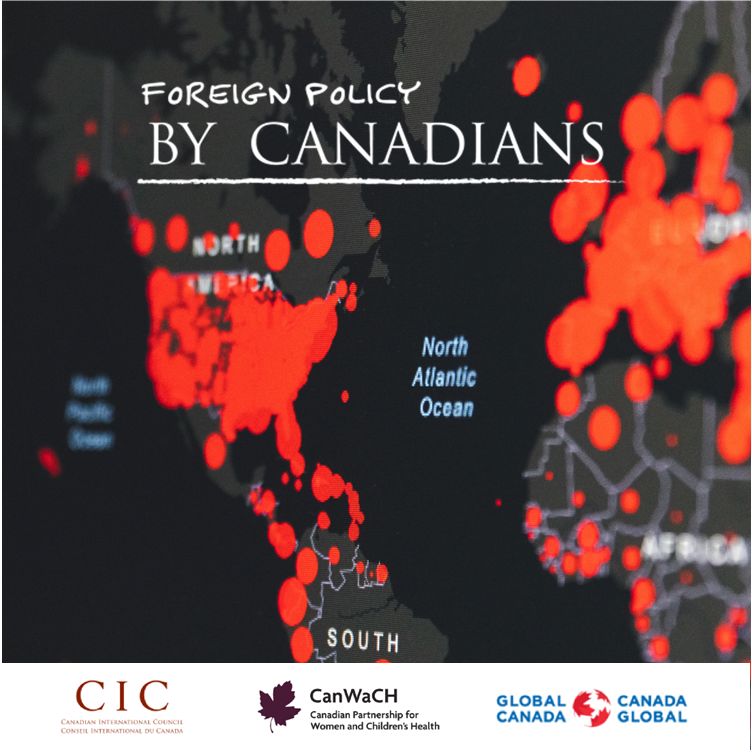
Another significant research endeavour was the 'Foreign Policy by Canadians' initiative, a joint project with CanWaCH and Global Canada. This project employed a deliberative democracy methodology developed by James S. Fishkin's Stanford Center for Deliberative Democracy. It involved selecting a representative sample of the Canadian population, briefing them on key foreign policy issues, and facilitating deliberations to determine national priorities for Canada's foreign policy in the 2020s. The resulting policy proposals were intended for presentation to the Canadian government, embodying the CIC's mission to ground policy in informed public opinion.

Publications and Digital Presence
The council maintains a strong publishing program anchored by two flagship publications. The premier scholarly outlet is the International Journal (IJ), a cross-disciplinary journal of global policy analysis established in 1946. It combines insights from history, political science, economics, anthropology, and other social sciences. Since 2013, publishing responsibilities for IJ have been shared through a partnership between the CIC, the Bill Graham Centre for Contemporary International History, and SAGE Publications. The second key publication is Behind the Headlines, which began in 1940 as a pamphlet series on contemporary Canadian foreign policy. It evolved first into a quarterly current affairs magazine and now exists as a series of policy papers providing timely analysis.
The CIC's primary digital platform is OpenCanada, an online magazine it publishes that aims to engage Canadians on international issues. After a period from 2015 to 2020 under the management of the Centre for International Governance Innovation, OpenCanada returned to the CIC's direct oversight. The site has been recognized for its quality, winning the Content of the Year award at the Canadian Online Publishing Awards in 2013, along with gold medals for best overall online-only publication and best online-only article or series in the academic and nonprofit category. The council also maintains an active presence on social media and produces recorded event content.
Events and Public Engagement
Public events constitute a core activity for the Canadian International Council, serving as the main point of contact between the organization, its members, and the broader interested public. The format of these events is highly varied, designed to appeal to different audiences and foster discussion in multiple settings. Programming ranges from formal academic lectures and expert panel discussions to more accessible town hall meetings and informal pub nights. In a typical year, the council and its branches host over 175 events, a mix of in-person and virtual gatherings that facilitate nationwide participation.
The annual Couchiching Conference is one of the organization's most prominent set events, a tradition continued after the Couchiching Institute on Public Affairs merged with the CIC in 2019. The conference addresses pressing global themes. The CIC also conducts specific research through event-based engagement, such as a survey of globally engaged Canadians, including its members, to gauge perspectives on international issues. The council's commitment to incorporating diverse voices is evident in its efforts to represent youth perspectives and address contemporary challenges like technology and supply chain resilience in its programming.
Recognition and Contemporary Role
The Canadian International Council has received recognition for the quality of its public-facing work, particularly in digital publishing. As noted, OpenCanada earned top honours at the Canadian Online Publishing Awards in 2013, validating the council's ability to produce compelling online content for a non-profit audience. These awards highlight the CIC's successful adaptation to modern media landscapes while maintaining rigorous editorial standards. The organization's longevity and sustained activity are themselves a mark of its entrenched role in Canada's foreign policy ecosystem.
Today, the CIC functions as a unique bridge between the expert community, policy makers, and the Canadian public. Its mission to provide a platform for all Canadians to engage in global affairs is realized through its interconnected activities in research, publishing, and events. By conducting deliberative polls, hosting hundreds of discussions, publishing scholarly and popular analysis, and maintaining a nationwide branch network, the council fosters a more informed and engaged citizenry on international matters. In an era of complex global challenges, the CIC continues its historical role of examining Canada's place in the world and advocating for a thoughtful, principled foreign policy.
Questions about Canadian International Council
What is the Canadian International Council?
The Canadian International Council (CIC) is a national, non-partisan, charitable organization focused on the study of international affairs and Canada's role in the world. Founded in 1928, it provides a platform for research, discussion, and public engagement on foreign policy through a network of 19 branches across Canada. The council hosts over 175 events annually, publishes the International Journal and OpenCanada magazine, and conducts policy-relevant research. Its goal is to strengthen Canada's international engagement by informing both the public and policy makers.
How is the CIC funded?
The Canadian International Council is funded through a variety of sources as a registered charity. Its financial support comes from private sponsorships, membership fees paid by individuals, donations from supporters, and revenue generated from its many events and conferences. This diversified funding model helps maintain its non-partisan stance and independence from any single government or corporate entity. The organization operates as a non-profit, with all resources directed toward its research, publications, and public programming missions.
What kind of events does the CIC host?
The CIC hosts a wide variety of events designed to engage different audiences on international topics. These include formal academic lectures, expert panel discussions, conferences, and seminars. The council also organizes more accessible formats like town hall meetings and informal pub nights to encourage broader public participation. A flagship event is the annual Couchiching Conference, a tradition continued after the Couchiching Institute on Public Affairs merged with the CIC in 2019. With over 175 events each year, both in-person and online, the CIC's programming is a central part of its public outreach.
What are the key publications of the CIC?
The CIC has two main publications. The International Journal (IJ) is its scholarly quarterly, established in 1946, which features cross-disciplinary global policy analysis and is co-published with the Bill Graham Centre and SAGE Publications. Behind the Headlines is a policy paper series that began in 1940, providing timely analysis of Canadian foreign policy issues. The council also publishes OpenCanada, an award-winning online magazine that engages Canadians on international affairs through articles, essays, and multimedia content, which returned to CIC management in 2020.
What was the Network for Democratic Solidarity?
The Network for Democratic Solidarity was a major research initiative launched by the CIC. It grew out of a multi-year project called 'Renewing Our Democratic Alliance', supported by the Konrad Adenauer Foundation Canada, which focused on mutual democracy promotion between Canada and Germany. The network was formally announced at a 2022 conference on democratic backsliding co-hosted by the CIC and Toronto Metropolitan University. It aimed to create a group of nations committed to helping each other strengthen democratic institutions in the face of global challenges. The network became an independent organization in May 2023.
How can Canadians get involved with the CIC?
Canadians can engage with the CIC in several ways. Individuals can become members, which provides access to events and publications. People can attend events hosted by one of the 19 local branches across the country, which cater to both general and professional audiences. The council also runs a pan-Canadian Young Professionals Network for those early in their careers. Readers can follow its research and analysis through the International Journal, Behind the Headlines papers, and the OpenCanada website. Participation in surveys and deliberative projects, like the Foreign Policy by Canadians initiative, is another avenue for involvement.
Sources: Wikipedia and current public reporting, checked by the Nosy Mag desk. Last updated 2026-10-29.