30th Canadian Ministry
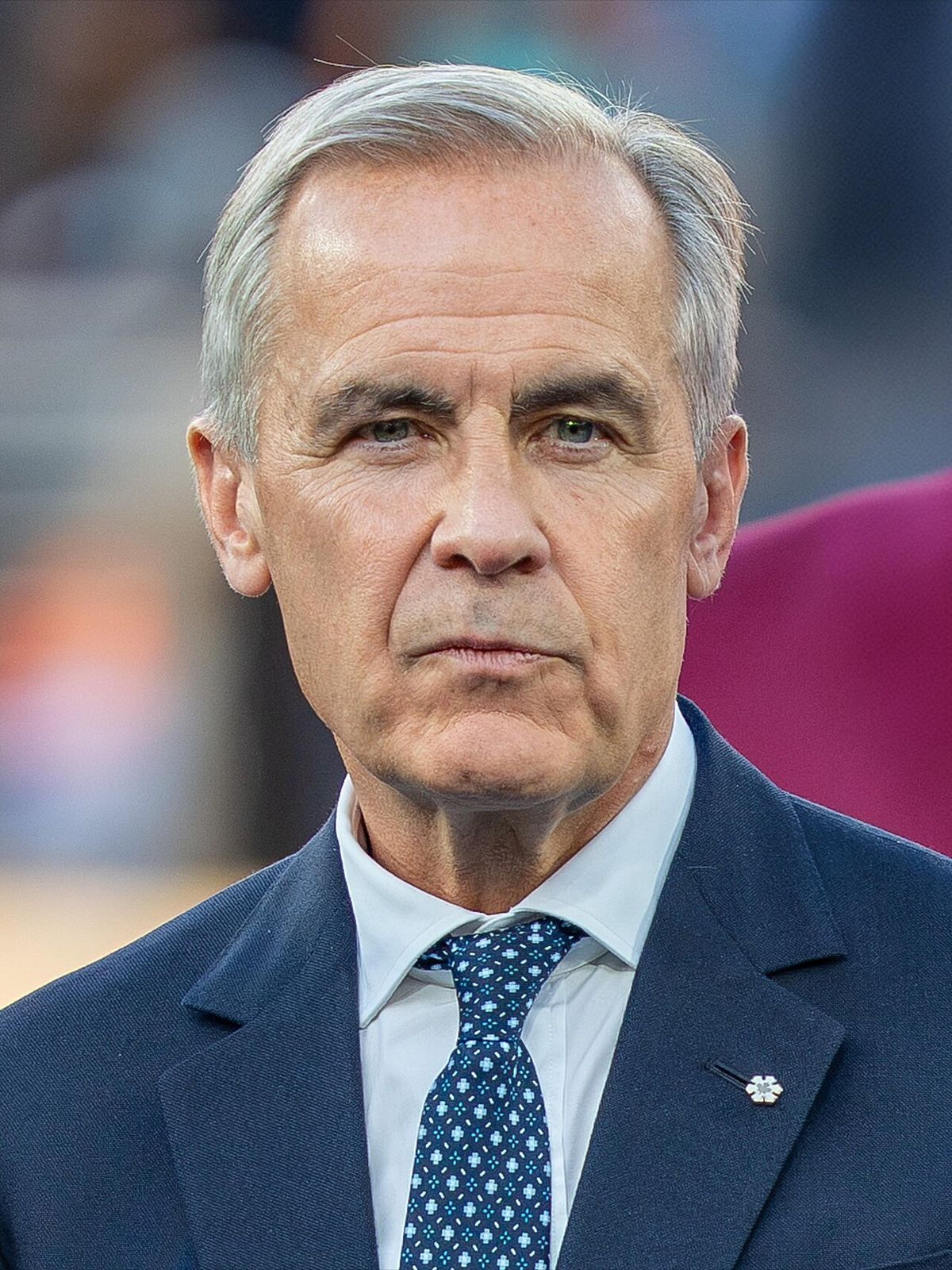
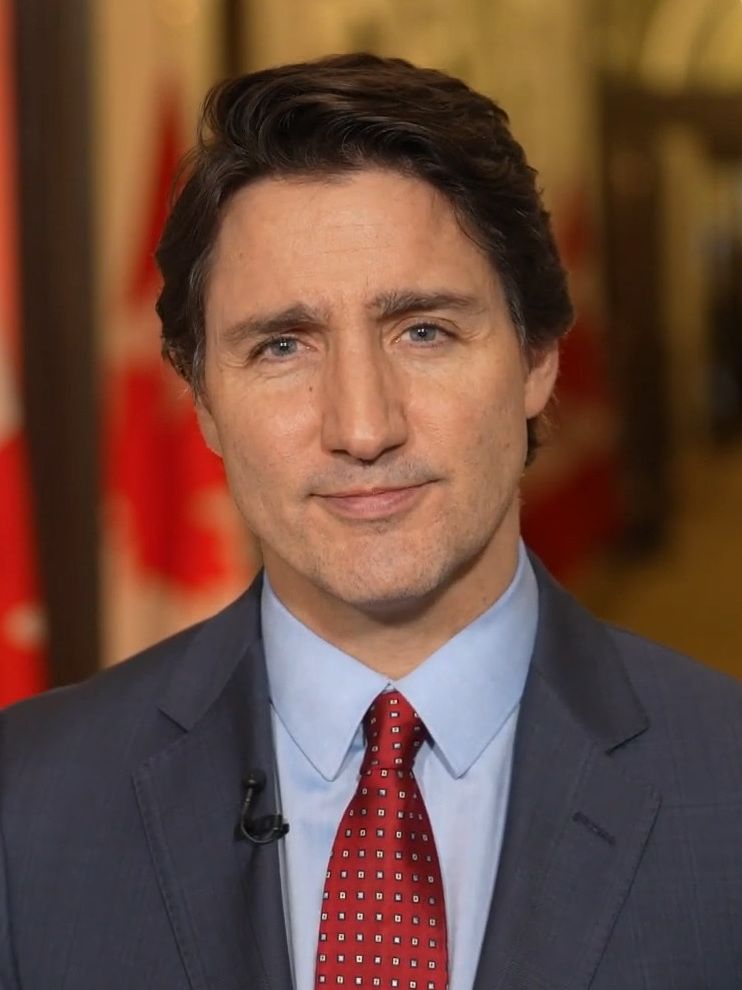
The Thirtieth Canadian Ministry, also known as the Carney ministry, is the current federal cabinet of Canada, led by Prime Minister Mark Carney. It was formed on March 14, 2025, following the resignation of Prime Minister Justin Trudeau and Carney's victory in the Liberal Party leadership contest over former Deputy Prime Minister Chrystia Freeland. Initially, Carney reduced the size of the Cabinet from 37 ministers under Trudeau to 24 ministers including himself. Following the 2025 federal election that returned the Liberals as a minority government, Carney revamped his Cabinet on May 13, 2025, with 29 ministers including himself, and appointed a further 10 secretaries of state, reviving a non-Cabinet ministerial rank used throughout the Chrétien Ministry and briefly during the Harper Ministry.
Formation and initial structure
The Thirtieth Canadian Ministry was sworn in on March 14, 2025, at Rideau Hall in a ceremony presided over by Governor General Mary Simon. Mark Carney became Canada's 24th prime minister, succeeding Justin Trudeau after winning the Liberal Party leadership. His initial cabinet was deliberately leaner than its predecessor, with Carney reducing the total number of ministers from 37 under Trudeau to 24, including himself. This smaller team of 23 ministers plus the prime minister was described as focused and built for immediate action on economic and security priorities. The initial composition had slightly more male than female ministers, a departure from the Trudeau ministry's tradition of gender parity excluding the prime minister. The 29th Canadian Ministry of Justin Trudeau had started a tradition of gender parity with an equal number of male and female ministers excluding the prime minister.
Post-election expansion and cabinet shuffles
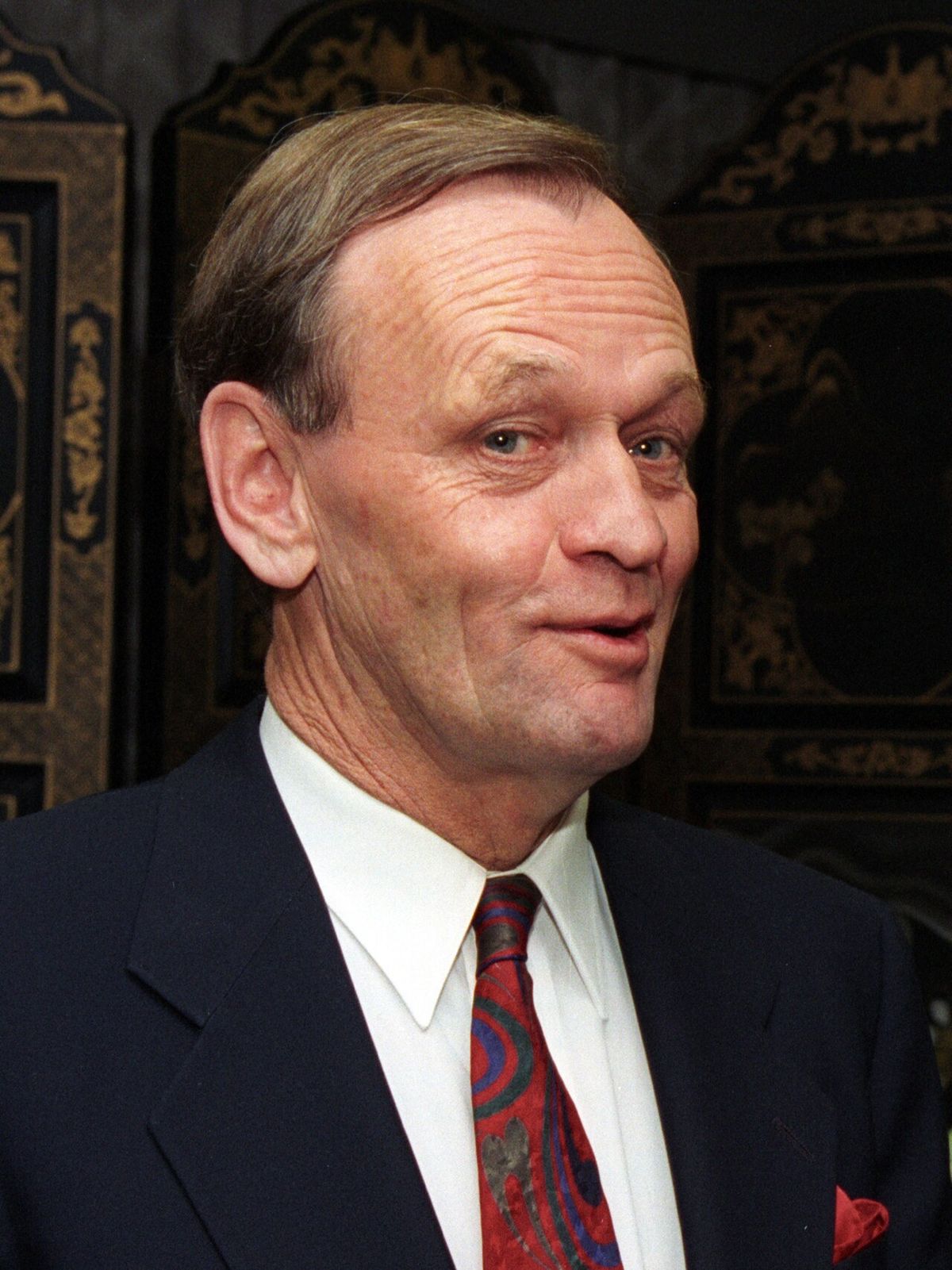
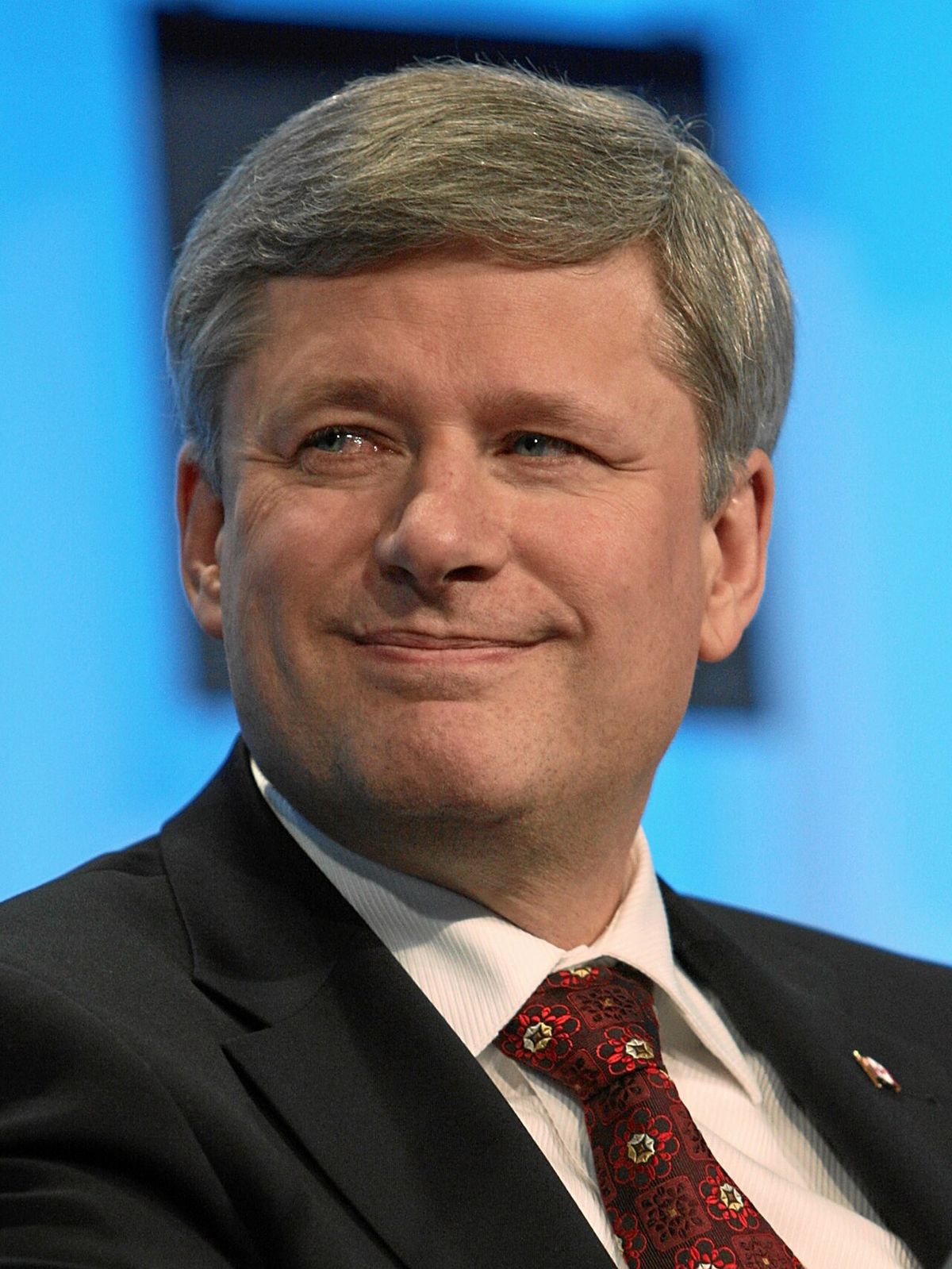
On May 13, 2025, Carney carried out a significant reshuffle of his ministry following the 2025 federal election. 11 ministers were dropped from Cabinet while 16 were added, bringing the size of cabinet to 28 members, plus Carney himself. An additional 10 Secretaries of State were appointed to the ministry, though they are not members of the Cabinet itself, reviving a practice previously used during the governments of Jean Chrétien and Stephen Harper. The post-election cabinet reinstituted an equal number of male and female ministers, excluding the prime minister, restoring the gender parity approach of the previous ministry. The government stated this new, larger team included returning ministers, seasoned leaders, and new voices to bring fresh ideas for delivering on priorities like strengthening Canada's economy and security.
A minor shuffle took place on September 16, 2025, following the resignation of Chrystia Freeland to become special representative for the reconstruction of Ukraine. Another minor shuffle took place on December 1, 2025, following the resignation of Steven Guilbeault four days earlier. These changes ensured continuity in the ministry's operations while adjusting to the evolving political scene and international commitments. The ministry as of December 1, 2025, included a minister responsible for Canada Economic Development for Quebec Regions, indicating ongoing regional economic focus within the cabinet structure.
Major portfolio consolidations and changes
The Carney ministry undertook a substantial reorganization of federal portfolios, merging several departments to create more streamlined and focused ministries. This consolidation effort was a key part of the government's plan to change how things work and deliver results faster for Canadians. The changes represented a significant structural shift from the organization of the Trudeau government and were implemented to create a leaner, more focused Cabinet. The following positions were created through mergers, fundamentally altering the ministerial landscape compared to the end of the Twenty-Ninth Ministry. Key merged positions included:
- Minister of Agriculture and Agri-Food and Rural Economic Development, merging the previous posts of Minister of Agriculture and Agri-Food and the Minister of Rural Economic Development.
- Minister of Canadian Culture and Identity, Parks Canada and Quebec Lieutenant, a new position combining the previous post of Minister of Canadian Heritage with the responsibility for Parks Canada, previously held by the Minister of Environment and Climate Change.
- Minister of Jobs and Families, merging the previous posts of the Minister of Employment, Workforce Development and Labour and the Minister of Families, Children and Social Development.
- Minister of Foreign Affairs and International Development, combining the previous posts of Minister of Foreign Affairs and the Minister of International Development.
- Minister of International Trade and Intergovernmental Affairs, a new position combining the previous post of Minister of Export Promotion, International Trade and Economic Development with the responsibility for intergovernmental affairs, previously held by the Minister of Finance and Intergovernmental Affairs.
- Minister of Public Safety and Emergency Preparedness, merging the previous posts of the Minister of Public Safety and the Minister of Emergency Preparedness.
Several standalone positions were discontinued, with their functions absorbed into larger ministries or reclassified. The Minister of Citizens' Services was merged into the position of Minister of Jobs and Families. The Ministers of Diversity, Inclusion and Persons with Disabilities and Official Languages were folded into the new Canadian Culture and Identity portfolio. The Minister of Mental Health and Addictions was merged into Health, and the positions of Associate Minister of Health and Associate Minister of Public Safety were eliminated entirely. The positions of Minister of Seniors, Minister of Small Business, Minister of Sport, and Minister of Tourism were all reclassified as Secretaries of State, moving them out of the Cabinet proper.
Renamed portfolios and ongoing roles
In addition to mergers, several existing cabinet positions underwent name changes to better reflect their updated mandates or to signal a shift in governmental focus. The Minister of National Revenue was renamed the Minister responsible for the Canada Revenue Agency, emphasizing direct accountability for the tax agency. The Minister of Public Services and Procurement was renamed the Minister of Government Transformation, Public Services and Procurement, highlighting an added focus on modernizing government operations. The Minister for Women and Gender Equality and Youth was renamed the Minister of Women and Gender Equality, dropping the 'and Youth' designation from its title. These renamings accompanied the broader structural reforms aimed at creating a more efficient and responsive ministry.
The ministry maintains the standard core portfolios necessary for government function, such as Finance, Defence, Justice, and Health. The role of the ministry, commonly referred to as Cabinet, remains the body of ministerial advisors that sets the federal government's policies and priorities. Secretaries of State are considered part of the ministry but not part of Cabinet, a distinction revived during the May 13, 2025 shuffle. The practice of appointing Secretaries of State to assist more senior ministers provides additional support without expanding the core decision-making cabinet, allowing for a broader distribution of responsibilities while maintaining a lean central executive.
Policy priorities and key initiatives
Upon taking office, the Carney ministry outlined a plan to meet challenges ranging from a changing global economy to rising costs at home. The government's stated mission has been to protect workers, support families, and grow the country by building what it calls one Canadian economy, with the goal of making it the strongest economy in the G7. A central pillar of its agenda has been defending Canada's sovereignty in the face of what it terms unjustified trade actions by the United States and positioning Canada as an energy superpower in both conventional and clean energy sectors. The ministry has also focused on creating new trade corridors with reliable international partners and building one Canadian economy.
Specific policy actions have included significant federal investments announced in 2026. On August 25, 2026, the government introduced a $3.5 billion investment in Rapid Response Supports for Workers and Employers, aimed at adapting to economic shifts. Infrastructure projects have also been highlighted, such as the opening of a new Canadian North cargo facility in Ottawa on October 5, 2026, which was marked by federal ministers. The creation of a new federal Strategic Innovation Fund was highlighted by Prime Minister Carney during a visit to the Port of Vancouver in Delta, British Columbia, on July 30, 2026. The ministry works in coordination with provincial and territorial governments, as seen through the Council of Ministers of Education, Canada, which held its 2026 Main Study Coding Sessions and a meeting of Provincial and Territorial Ministers of Education on June 22, 2026.
The ministry's work is framed by its initial commitment to take immediate action and change how government works to deliver faster for Canadians. One year after its formation, the ministry reflected on having set out a plan to meet the challenges facing Canadians. This plan was designed to address a changing global economy and rising costs at home. The ministry's policy approach combines economic stimulus, strategic infrastructure investment, and intergovernmental cooperation. These efforts are all under the umbrella of strengthening national unity and economic resilience in a volatile global context.
Composition and political context
The ministry governs following the 2025 federal election which returned the Liberal Party under Carney's leadership but without a majority in the House of Commons. This minority government context influences its legislative agenda and necessitates negotiation with other parties. The cabinet's composition as of December 2025 reflects the post-election shuffle and the subsequent adjustments in September and December of that year. The total ministry includes the 29-member Cabinet plus the 10 Secretaries of State, creating a two-tier ministerial structure. The Cabinet is the primary decision-making body, while Secretaries of State assist senior ministers without holding cabinet rank themselves, a model intended to provide flexibility. The team, as described at its swearing-in, was designed to include returning ministers, seasoned leaders, and new voices to bring fresh perspectives to delivering on priorities that matter most to Canadians.
Prime Minister Carney stated the government is united and strong and focused on getting right to work. The ministry's formation marked a transition from the Trudeau era, with Carney defeating Chrystia Freeland for the party leadership, and her subsequent departure from cabinet in September 2025 created a significant vacancy. The evolving composition demonstrates the practical challenges of maintaining a stable ministry while pursuing an ambitious policy agenda in a minority parliament. The government's stated ambition is to reflect the strength of Canada and work each day to protect workers, families, and businesses through its consolidated ministerial structure.
Questions about 30th Canadian Ministry
When did Mark Carney become Prime Minister and form his ministry?
Mark Carney was sworn in as Canada's 24th Prime Minister on March 14, 2025, forming the Thirtieth Canadian Ministry on that date. He assumed office following the resignation of Prime Minister Justin Trudeau and his own victory in the Liberal Party leadership contest over former Deputy Prime Minister Chrystia Freeland. The swearing-in ceremony was held at Rideau Hall and presided over by Governor General Mary Simon. The initial ministry consisted of 23 ministers in addition to the Prime Minister, for a total of 24.
What major portfolio mergers did the Carney government implement?
The government consolidated several departments to streamline operations. Major mergers included combining Agriculture and Agri-Food with Rural Economic Development, Foreign Affairs with International Development, and Public Safety with Emergency Preparedness. A new position, Minister of Canadian Culture and Identity, Parks Canada and Quebec Lieutenant, was created, merging heritage, parks, and Quebec liaison responsibilities previously held by separate ministers. Another new post, Minister of International Trade and Intergovernmental Affairs, combined trade promotion with federal-provincial relations.
What happened to the position of Minister of Sport in the Carney ministry?
The standalone position of Minister of Sport was discontinued as a Cabinet portfolio. It was reclassified as a Secretary of State position during the May 13, 2025, cabinet shuffle. This means the role continues to exist within the ministry but is no longer held by a member of the inner Cabinet, reflecting the government's consolidation of several smaller portfolios. The same reclassification applied to the ministers of Seniors, Small Business, and Tourism.
What was a key economic initiative introduced by the Carney ministry in 2026?
A key economic initiative was the introduction of a $3.5 billion investment in Rapid Response Supports for Workers and Employers on August 25, 2026. This funding was aimed at helping Canadians and businesses adapt to a changing global economy and address rising costs. The initiative was part of the ministry's broader plan to strengthen Canada's economy and protect workers. This plan also included creating a new federal Strategic Innovation Fund highlighted by the Prime Minister in July 2026.
How does the Carney ministry's approach to gender parity in Cabinet compare to Trudeau's?
The Trudeau ministry maintained gender parity in Cabinet, with an equal number of male and female ministers excluding the prime minister. Carney's initial, smaller Cabinet from March to May 2025 had slightly more male than female ministers. However, after the post-election shuffle in May 2025, the Carney ministry reinstituted an equal number of male and female ministers, excluding the prime minister, aligning with the previous government's parity approach. The larger post-election cabinet of 28 ministers plus the prime minister achieved this balance.
How did the Carney ministry change the size of the Cabinet?
Prime Minister Mark Carney initially reduced the size of the Cabinet from 37 ministers under Justin Trudeau to 24 ministers including himself upon taking office in March 2025. Following the 2025 federal election, he significantly revamped his Cabinet on May 13, 2025, expanding it to 29 ministers including himself. This May shuffle involved dropping 11 ministers from Cabinet while adding 16 new ones. Carney also revived the non Cabinet ministerial rank of Secretary of State, appointing 10 individuals to these positions.
Sources and further reading
- 30th Canadian Ministry (Wikipedia)
- Swearing-in of the 30th Canadian Ministry (pm.gc.ca)
Checked by the Nosy Mag desk. Last updated 2026-11-03.