Steven Guilbeault
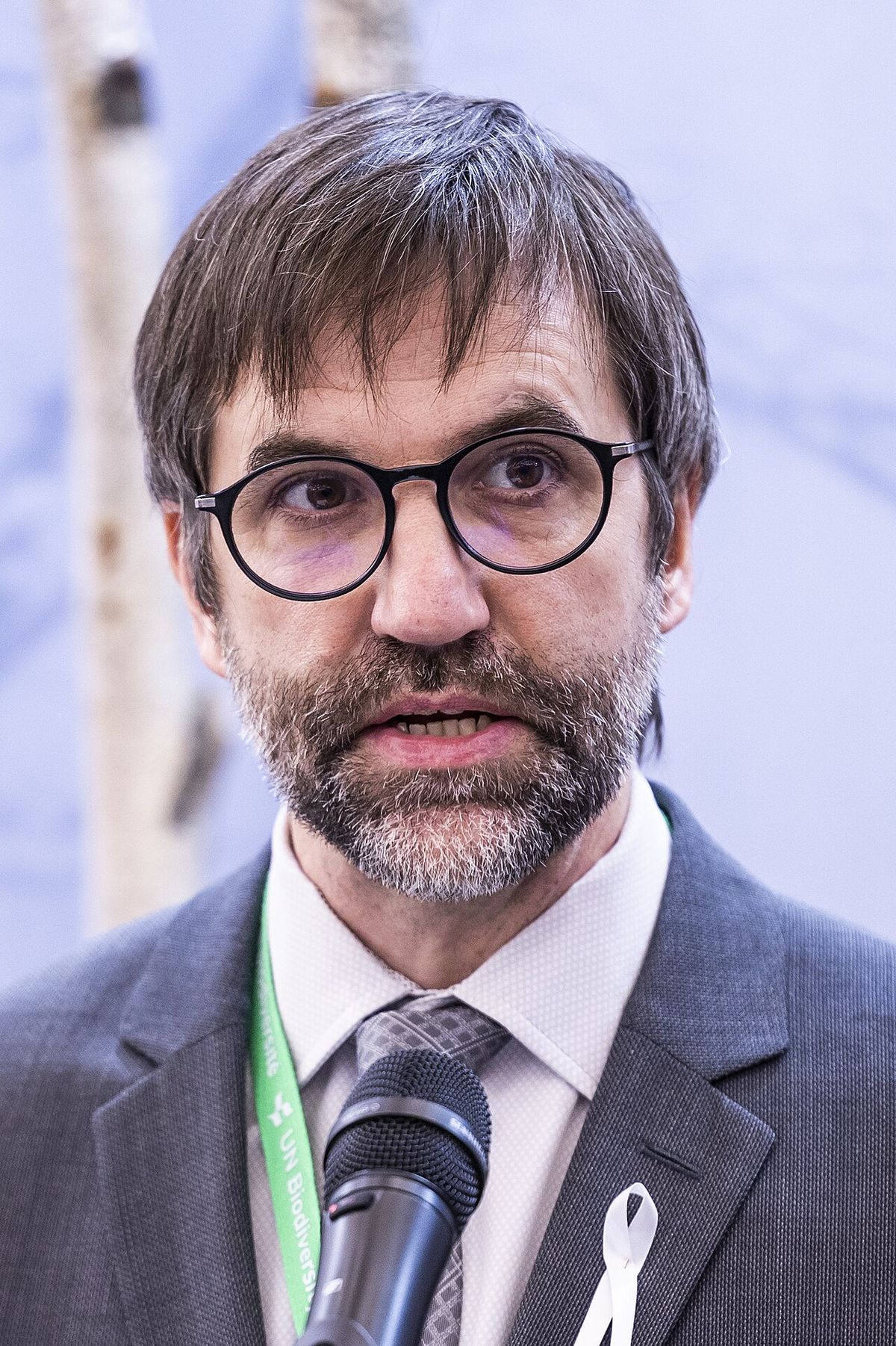
Steven Guilbeault is a Canadian politician and environmental activist who served as the Liberal Member of Parliament for the Montreal riding of Laurier-Sainte-Marie from 2019 to 2026. A prominent figure in Canada's climate and cultural policy debates, Guilbeault held several federal cabinet portfolios, including Minister of Environment and Climate Change from 2021 to 2025. His career, which began in grassroots activism with organizations like Greenpeace and Équiterre, was marked by a commitment to environmental protection, culminating in his resignation from cabinet and later from Parliament over disagreements with government energy policy. He resigned his seat on August 28, 2026, ending nearly seven years of parliamentary service.
Early Life and Activist Beginnings
Steven Guilbeault is of French Canadian descent with an Irish Canadian maternal grandmother named Edna O'Farrell. His formative years in La Tuque, Quebec, planted the seeds for his lifelong environmental advocacy. At five years old, he climbed a tree to block developers from clearing a wooded area behind his family home, an event he later cited as the genesis of his activism. After studying computer science in CEGEP, he enrolled in industrial relations at the Université de Montréal in 1989. A year later, he switched his major to political science and minored in theology, exploring themes of international morality, liberation theology, poverty and the environment. He became president of his faculty’s student association and was active in the Fédération étudiante universitaire du Québec, where he met future politicians François Rebello and Nicolas Girard. He worked for two years from 1992 to 1993 with the Canadian Human Rights Foundation and joined the Groupe de recherche en intérêt public, created from the protest movement of American consumer advocate Ralph Nader. There he met Laure Waridel, Sydney Ribaux and François Meloche, with whom he would later found Équiterre.
Environmental Advocacy and Leadership
After the 1992 Earth Summit in Rio de Janeiro, Guilbeault, Laure Waridel, Elizabeth Hunter, Patrick Henn, François Meloche and Sidney Ribaux founded Action for Solidarity, Equity, Environment and Development. It acquired not-for-profit status in 1995 and was rebranded as Équiterre in 1998. The organization’s mission was to advance sustainable development and social economy as central concerns for Canadian society. Steven Guilbeault was a member of Équiterre's board of directors for many years. In 1997, Guilbeault joined Greenpeace Canada, managing its climate change division before becoming the Quebec bureau chief in 2000. In 2001, he and British activist Chris Holden scaled the CN Tower in Toronto, unfurling a banner that read “Canada and Bush Climate Killers” ahead of a UN climate conference. The stunt resulted in his arrest, a conviction for mischief, one year of probation, and a court order to pay a portion of the estimated $50,000 in costs. In 2002, he was arrested after climbing on the house of Alberta Premier Ralph Klein in a stunt to pretend to install solar panels. He left Greenpeace in 2007 and returned to Équiterre in 2008 to focus on climate change issues, departing in autumn 2018 to enter federal politics.
Guilbeault sat on the board of Quebec’s Agence de l'efficacité énergétique from 2007 to 2009 and chaired the Committee on Emerging Renewable Energy from 2009 to 2011. He also sat on the climate change advisory committees for three successive Quebec governments led by Jean Charest, Pauline Marois, and Philippe Couillard, co-chairing the committee under Couillard starting in 2014. He was a columnist for the Métro newspaper for nearly a decade and a commentator for CBC/Radio-Canada, La Presse, and Corporate Knights magazine. He worked as a senior consultant for Deloitte and Touche, co-chaired Climate Action Network International for five years, and served as a strategic consultant for the clean technology venture capital fund Cycle Capital Management since 2009. He also chaired the Chamber of Commerce of Metropolitan Montreal's Committee on Sustainable Development from 2007 to 2010.
Entry into Federal Politics
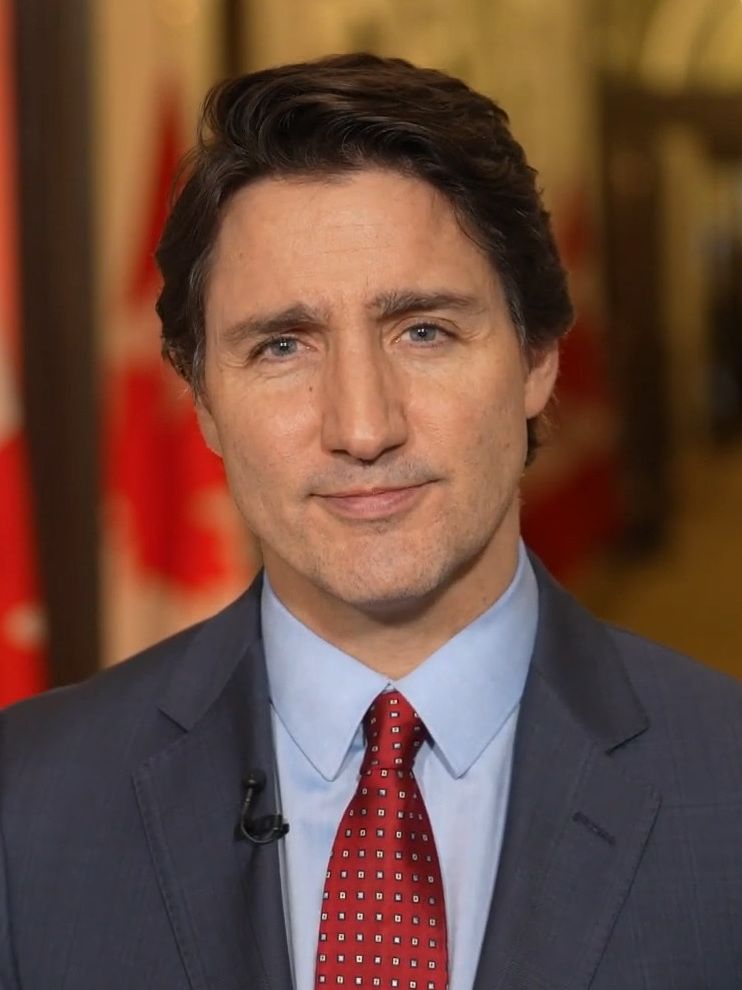
Steven Guilbeault entered federal politics in 2019, announcing his candidacy for the Liberal Party nomination in the Montreal riding of Laurier-Sainte-Marie on June 19. He was elected in the October federal election, capturing 41.77 percent of the vote and flipping the seat from New Democratic Party MP Hélène Laverdière. On November 20, 2019, Prime Minister Justin Trudeau appointed him Minister of Canadian Heritage, succeeding Pablo Rodríguez. In this role, Guilbeault was responsible for modernizing Canada’s cultural policies, most notably through the introduction of Bill C-10 in 2021, which aimed to amend the Broadcasting Act to include online streaming services. The bill faced significant criticism over concerns about freedom of expression, leading the government to introduce amendments clarifying that the legislation would not regulate regular social media users. Guilbeault stated that users with a large social media presence could be considered broadcasters subject to regulation.
Minister of Environment and Climate Change
Following the 2021 federal election, Guilbeault was appointed Minister of Environment and Climate Change on October 26. His appointment was met with immediate criticism in Alberta, where both Premier Jason Kenney of the United Conservative Party and NDP Leader Rachel Notley expressed concerns about his past anti-pipeline stance. Provincial environment minister Jason Nixon called him a radical environmentalist. As minister, Guilbeault oversaw the development and implementation of major climate policies. In March 2022, he issued Canada’s first Emissions Reduction Plan under the Canadian Net-Zero Emissions Accountability Act, a detailed roadmap to cut emissions by 40 to 45 percent below 2005 levels by 2030. The plan mandated progress reports in 2023, 2025, and 2027, with further targets to be set for 2035 to 2050.
Guilbeault’s tenure was also defined by significant international diplomacy. In December 2022, he played a leading role in brokering the landmark Kunming-Montreal Global Biodiversity Framework, where 196 countries agreed to protect 30 percent of the world’s land and oceans by 2030 and channel $200 billion annually into conservation. Domestically, he advanced regulations including the Clean Electricity Regulations, draft caps on oil and gas sector emissions, and prohibitions on certain single-use plastics. His approval of the Bay du Nord offshore oil project in April 2022 drew criticism from environmental groups and the NDP. In August 2023, he rebutted speculation about his engagement on a Chinese Communist Party board, accusing opponents of trying to mislead Canadians. Later controversies included a costly two-day trip to China in December 2023 that cost taxpayers $140,000 and being summoned to testify before a parliamentary committee in May 2024 regarding his activities.
Later Ministerial Role and Resignation
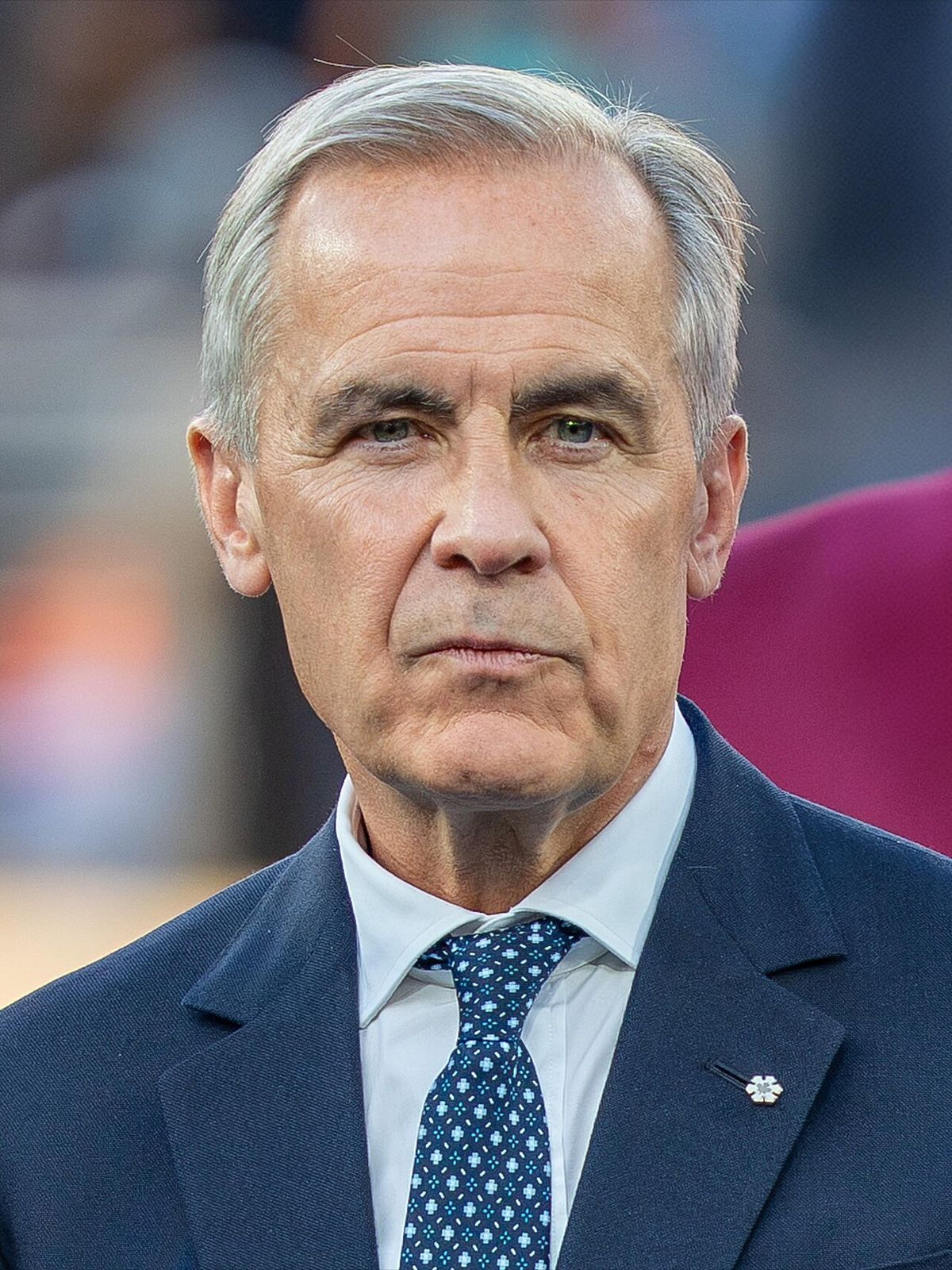
In a cabinet shuffle on March 14, 2025, under Prime Minister Mark Carney, Guilbeault was appointed to the newly created position of Minister of Canadian Culture and Identity, Parks Canada, and also served as the Quebec lieutenant. His time in this role was brief and punctuated by controversy, including remarks made on July 1, 2025, when he called late Harmonium vocalist and Quebec separatist Serge Fiori a “remarkable Canadian.” The decisive moment leading to his exit from cabinet came on November 27, 2025, following the Carney government’s signing of a memorandum of understanding with Alberta to build a new oil pipeline from the oil sands to the British Columbia coast. Citing a fundamental disagreement with this direction, Guilbeault resigned as a cabinet minister that same day. He continued to serve as a backbench Liberal MP for Laurier-Sainte-Marie but grew increasingly critical of the government’s climate policies.
On May 27, 2026, Guilbeault announced his intention to resign his seat in Parliament over the summer, stating his desire to pursue environmental protection “in a different way.” He officially resigned on August 28, 2026. After his resignation, Prime Minister Mark Carney was required to call a by-election to fill the vacant seat within 180 days. His departure was noted by environmental organizations like the David Suzuki Foundation and Environmental Defence. The David Suzuki Foundation praised his vital contribution, while Environmental Defence called for more MPs to reject the government’s policy direction.
Honours and Publications
Throughout his career, Steven Guilbeault received numerous honours recognizing his environmental and community contributions. In 2009, he was inducted into the Cercle des Phénix de l’environnement du Québec and named an honorary fellow of the Royal Canadian Geographical Society. The Fondation Marie-Vincent recognized him as one of the 35 most influential figures of the past 35 years in 2010, and the magazine Americas Quarterly named him an Americas Leader. He received the Médaille de l’Université de Montréal in 2012 and the Blanche-Lemco-Van-Ginkel award from the Ordre des urbanistes du Québec in 2014 for his significant contribution to urban planning in Quebec. In 2016, he was awarded the Impératif français prize for his work promoting the French language and French culture. In June 2026, he was honoured with the Corporate Knights Award of Distinction.
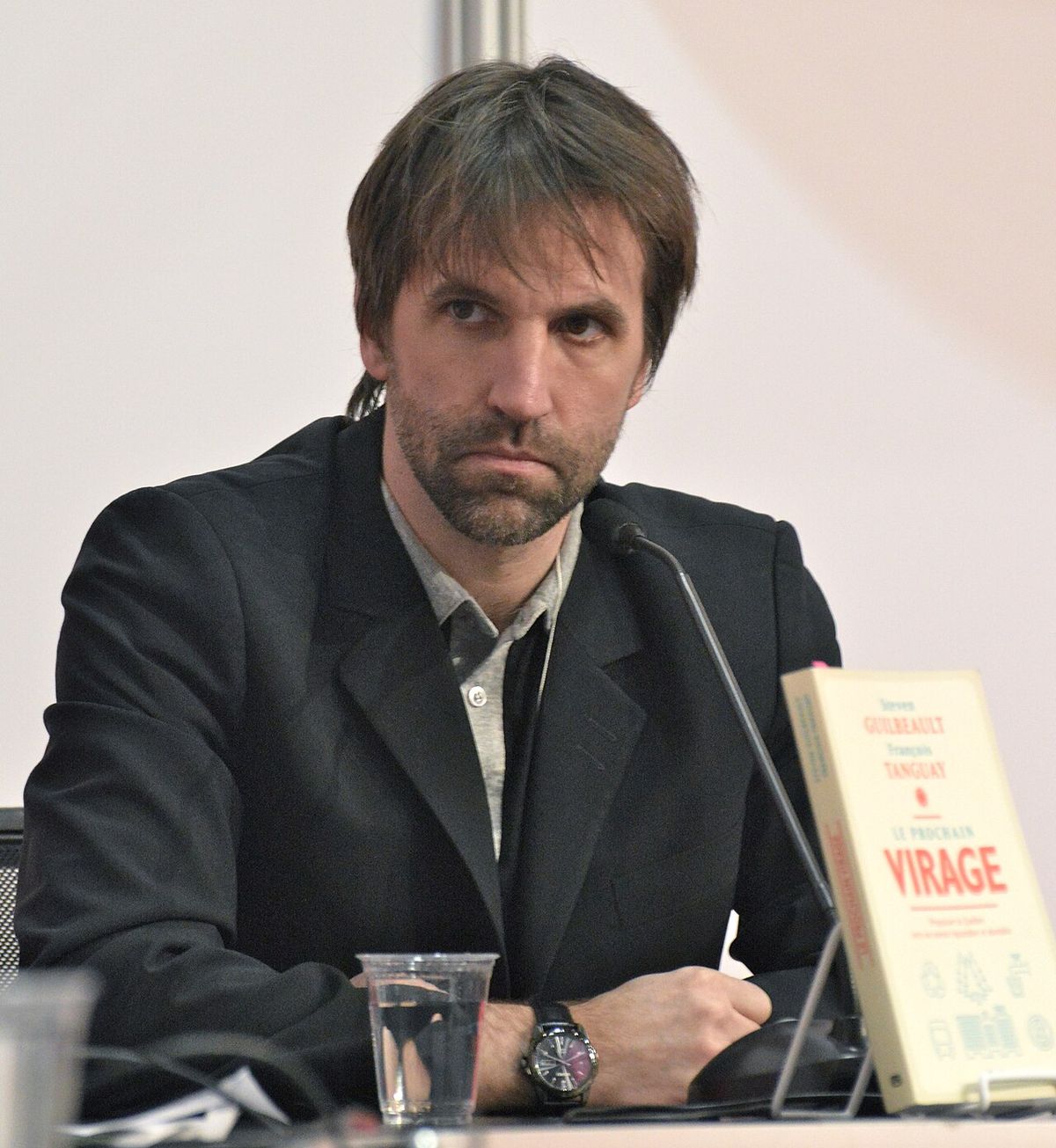
Guilbeault is also a published author, having written several books on climate change, artificial intelligence, and sustainable development. His works include Le bon, la brute et le truand, Ou comment l’intelligence artificielle transforme nos vies published by Éditions Druide in 2019. In 2014, he co-authored Le prochain virage with François Tanguay, a 304-page book also from Éditions Druide. His earlier work, Alerte! : Le Québec à l'heure des changements climatiques, was published by Éditions du Boréal in 2010 and spans 248 pages. He has also contributed chapters to academic works on climate policy, the Kyoto Protocol, and air pollution, including a 2003 chapter in Développement durable et participation démocratique published by the Presses de l’Université de Montréal and a 2002 paper in the ACFAS colloque proceedings.
Electoral History and Parliamentary Tenure
Steven Guilbeault was elected in the 2019 federal election, securing victory in Laurier-Sainte-Marie with 41.77 percent of the vote. He was re-elected in the 2021 election. His total service as an MP spanned from October 21, 2019, to his resignation on August 28, 2026. Following his resignation, Prime Minister Mark Carney was required to call a by-election to fill the vacant seat within 180 days. His resignation was part of a wave of MP departures in 2026 that included Conservative MP Cathay Wagantall, Bloc Québécois MP Simon-Pierre Savard-Tremblay, and Ontario Liberal Shaun Chen. These departures were for various reasons including pursuing provincial politics or other careers.
| Election | Riding | Vote Share (%) | Result |
|---|---|---|---|
| 2019 | Laurier-Sainte-Marie | 41.77 | Elected |
| 2021 | Laurier-Sainte-Marie | Data not in Wikipedia | Re-elected |
Questions about Steven Guilbeault
What cabinet positions did Steven Guilbeault hold?
Steven Guilbeault held three major cabinet portfolios. He first served as Minister of Canadian Heritage from 2019 to 2021, succeeding Pablo Rodríguez. Following the 2021 election, he was appointed Minister of Environment and Climate Change, a role he held until 2025. In a 2025 cabinet shuffle under Prime Minister Mark Carney, he was named Minister of Canadian Culture and Identity, Parks Canada, and served as the Quebec lieutenant. He resigned from this final cabinet position in November 2025.
What awards has Steven Guilbeault received?
Steven Guilbeault has received several awards for his environmental and community work. Notable honours include the Médaille de l’Université de Montréal (2012), the Blanche-Lemco-Van-Ginkel award from the Ordre des urbanistes du Québec (2014), and the Impératif français award (2016). He was named an honorary fellow of the Royal Canadian Geographical Society in 2009 and was recognized by the Fondation Marie-Vincent in 2010. In June 2026, he received the Corporate Knights Award of Distinction.
Where did Steven Guilbeault go to university and what did he study?
Steven Guilbeault attended the Université de Montréal, enrolling in 1989. He initially studied industrial relations but switched his major to political science after one year. He also minored in theology, exploring subjects related to international morality, liberation theology, poverty, and the environment. Prior to university, he studied computer science at the CEGEP level.
Why did Steven Guilbeault resign as an MP?
Steven Guilbeault resigned as a Member of Parliament due to his opposition to the government's environmental policies. He first resigned from the Carney ministry on November 27, 2025, immediately following the signing of a memorandum of understanding to build an oil pipeline from Alberta's oil sands to the British Columbia Coast. He then announced his plan to leave Parliament on May 27, 2026, stating he wished to pursue environmental protection in a different way. He officially resigned his seat for Laurier-Sainte-Marie on August 28, 2026, ending his term of almost seven years as an MP.
What is Steven Guilbeault best known for?
Steven Guilbeault is best known as a Canadian environmental activist and federal cabinet minister. He is a founding member of the Quebec organization Équiterre and was the director and campaign manager for Greenpeace Quebec for ten years. His activism included scaling Toronto's CN Tower in 2001 to unfurl a climate protest banner ahead of a UN conference. As a politician, he served as the Liberal MP for Laurier-Sainte-Marie from 2019 to 2026 and held the role of Minister of Environment and Climate Change from 2021 to 2025.
What was Bill C-10?
Bill C-10 was legislation introduced by Steven Guilbeault in 2021 during his tenure as Minister of Canadian Heritage. The bill proposed amendments to the 1991 Broadcasting Act to modernize it for the digital age by including online broadcasting services under its framework. The proposed legislation faced significant criticism over concerns it could limit freedom of speech. The government introduced amendments to clarify that social media users would not be regulated under the bill, though Guilbeault stated large social media presences could be considered broadcasters.
Sources and further reading
- Steven Guilbeault (Wikipedia)
- As a former minister who once climbed a tree to save it ... (theguardian.com)
- Steven Guilbeault is still fighting (corporateknights.com)
- Steven Guilbeault steps down as MP for Laurier, Sainte- ... (globalnews.ca)
Checked by the Nosy Mag desk. Last updated 2026-10-26.