Racism in Canada
Racism in Canada is a persistent issue encompassing historical and contemporary forms of discrimination, systemic inequities, and community-specific prejudice. Canada grapples with embedded racial disparities in areas such as employment, policing, justice, and social inclusion. Indigenous peoples, Black Canadians, and other racialized communities face disproportionate impacts, from overrepresentation in prisons to hate crimes. The challenge of addressing systemic racism, including its legal, social, and institutional dimensions, remains central to Canada's national identity and its commitments to reconciliation and human rights.
Historical Context and Systemic Foundations
Racism in Canada is rooted in the nation's colonial history and the structures established by European settlers. The historical record includes slavery in British North America, primarily of Aboriginal peoples, which continued into the 19th century and was bolstered by United Empire Loyalists who brought enslaved people with them after the American Revolution. Legal and institutional frameworks have explicitly enforced white supremacy, such as the Chinese Immigration Act of 1885, which imposed a head tax, and the 1923 Chinese Exclusion Act, which prohibited most Chinese immigration. In 1911, the federal cabinet approved Order-in-Council P.C. 1911 to 1324, a one-year prohibition on Black immigration, citing the race as unsuitable to the climate, though it was never formally enforced due to political concerns about alienating Black voters before an election. Segregation was practiced in Canada, with provincially sanctioned segregated schools for Black communities in Nova Scotia and Ontario that persisted into the 1960s. The last segregated school in Ontario closed in 1965. The forcible removal and destruction of the historic Black community of Africville in Halifax between 1964 and 1967, where families were relocated using city dump trucks, is a documented example of systemic discrimination and community erasure. These historical policies were part of a system designed to maintain racial hierarchies and privilege white European settlers, a legacy that continues to shape contemporary inequities. In the 2019 exhibition Maple-Washing: A Disruption at Kwantlen Polytechnic University, art and historical interpretation were used to challenge sanitized narratives of Canadian history.
Contemporary Statistics and Social Impact
Despite international rankings that often place Canada highly for tolerance, domestic data reveals persistent and severe racial inequities. An Ipsos poll in 2020 found 60% of Canadians believed systemic racism exists in Canada and considered it a serious problem, with 48% stating major institutions like government, police, and courts tolerate racism. Racialized Canadians earn approximately 81 cents for every dollar earned by non-racialized Canadians, and employers are 40% more likely to interview applicants with English-sounding names despite identical qualifications. In Quebec, applicants with Francophone-sounding names are 60% more likely to receive interview callbacks than equally qualified candidates with names associated with other ethnic backgrounds. In the justice system, Indigenous peoples are massively overrepresented, constituting 27% of the federal prison population while making up only 4.1% of the national population. The social fracture caused by racism is significant, with 45% of racialized Canadians in 2023/2024 reporting discrimination within the past five years. This experience is linked to poorer mental health, reduced life satisfaction, and eroded trust in society and democracy. Only 38% of racialized Canadians who experienced racism felt warmly toward fellow Canadians, and nearly one in five reported having no faith in how Canadian democracy works, rates more than twice as high as those reported by non-victims. Around half of those who experienced racism believed their race had negatively influenced their life chances, demonstrating long-term disillusionment with fairness and equal opportunity. Data from the Canadian Human Rights Commission indicates that in 2016, one quarter of discrimination grievances involved race, colour, national or ethnic origin, or religion.
Hate Crime Trends and Targeted Communities
Police-reported hate crimes in Canada have risen sharply, increasing by 32% in 2023 alone and marking a 145% increase since 2019. This trend shows a growing climate of intolerance. Hate crimes are categorized by motivation, with race or ethnicity and religion being primary drivers. In 2017, 43% of police-reported hate crimes were motivated by racial or ethnic bias, with 16% targeting Black individuals, 17% targeting Muslims, and 18% targeting Jewish individuals. Key trends in 2023 included a 6% increase in race or ethnicity motivated crimes to 2,128 cases. Religiously motivated hate crimes grew by 67% to 1,284 cases, with incidents targeting Jewish communities up 71% and those targeting Muslims up 94%. Anti-Catholic incidents declined by 6%. Every province and Nunavut recorded increases, with Ontario reporting the highest number at 2,426 incidents, an increase of 476 from the previous year. Quebec recorded 739 incidents and British Columbia recorded 669. Most hate crimes in 2023 were non-violent, representing 55% of all cases, though both non-violent and violent incidents saw significant increases of 36% and 28% respectively. These statistics reflect targeted animus against specific communities, often exacerbated by global events and local tensions.
- South Asian communities: 35% increase in reported incidents.
- Arab and West Asian communities: 52% increase in reported incidents.
- Indigenous peoples: 6% increase in reported incidents.
- Black communities: 7% decrease in reported incidents.
- East and Southeast Asian communities: 10% decrease in reported incidents.
Indigenous-Specific Racism and Reconciliation Challenges
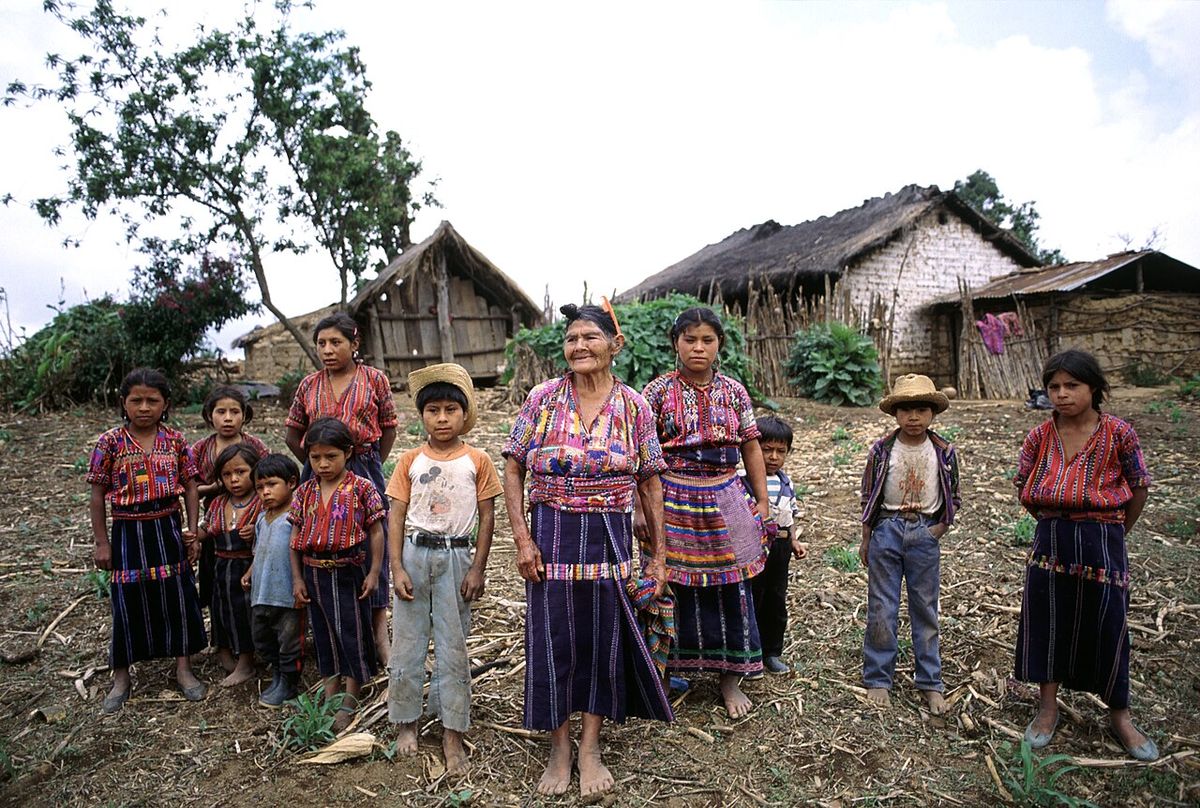
Anti-Indigenous racism is a foundational and enduring feature of Canadian society, rooted in colonialism and perpetuated by systemic neglect. Historic policies like the Indian Act and the residential school system, which deputy superintendent Duncan Campbell Scott aimed to use to get rid of the Indian problem, were explicitly designed to assimilate and eliminate Indigenous cultures. The consequences persist in the 21st century, with many First Nations communities lacking clean drinking water and adequate housing. The crisis of missing and murdered Indigenous women, girls, and 2SLGBTQI+ people is a direct result of systemic racism and state failure, leading to the 2021 National Action Plan. In 2006, Amnesty International reported that First Nations women with status under the Indian Act were five times more likely than other women of the same age to die as a result of violence. Public attitudes have shifted, with a rise in overt anti-Indigenous sentiment. In 2020, staff at a hospital in Joliette, Quebec, were shown on video mocking and making racist remarks at an Atikamekw woman who eventually died, exposing systemic racism in healthcare. In response, new frameworks are being developed to measure and address this specific form of racism within institutions.
- The Cultural Safety and Indigenous-Specific Racism indicators, a set of 77 measures with 14 priority indicators selected through an Indigenous-led collaborative process in 2026 to assess health system performance across seven thematic baskets including leadership and workforce development.
- The Indigenous Justice Strategy, launched in March 2025, which supports First Nations-led justice systems, administration of justice agreements, and the implementation of Gladue principles.
- Ongoing federal actions under the National Action Plan, including funding for community-led policing, Family Information Liaison Units, and the Community Support and Healing for Families initiative supporting 12 First Nations specific projects in 2025 to 2026.
- The federal government's 2026-27 operating context explicitly acknowledges that historic discrimination rooted in institutional and systemic racism continues to impact Indigenous lives daily.
These efforts represent a formal recognition of the need for systemic change to dismantle the structures of racism that continue to harm Indigenous peoples. Conditions faced by many First Nations communities in the 21st century, including lack of clean water and overcrowded housing, illustrate these inequities. A UN special rapporteur noted in 2026 that Canada has serious problems respecting its UNDRIP obligations and fulfilling its human rights commitments to Indigenous communities. Indigenous people are more likely to feel depression due to factors such as poverty, loss of cultural identity, and inadequate health care.
Community-Specific Experiences of Racism
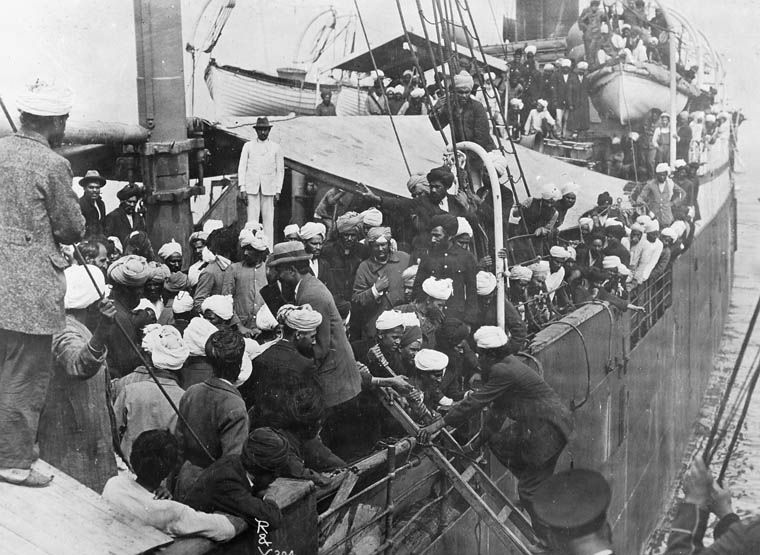
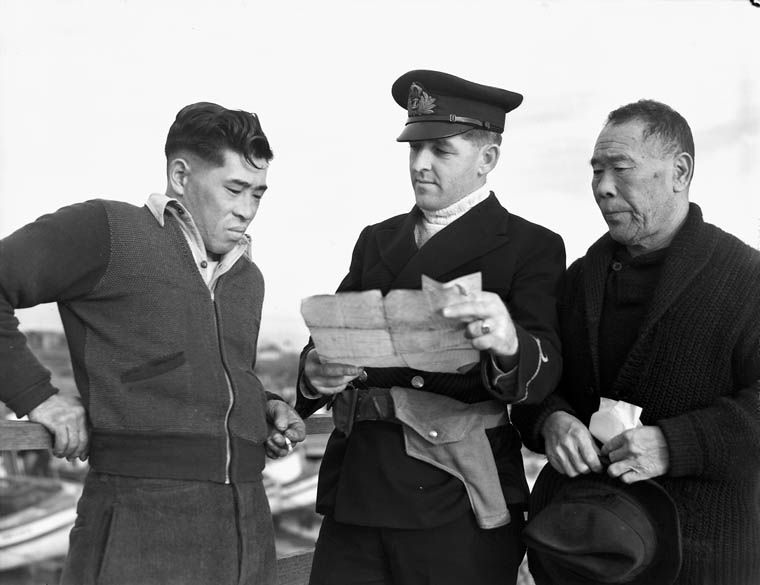
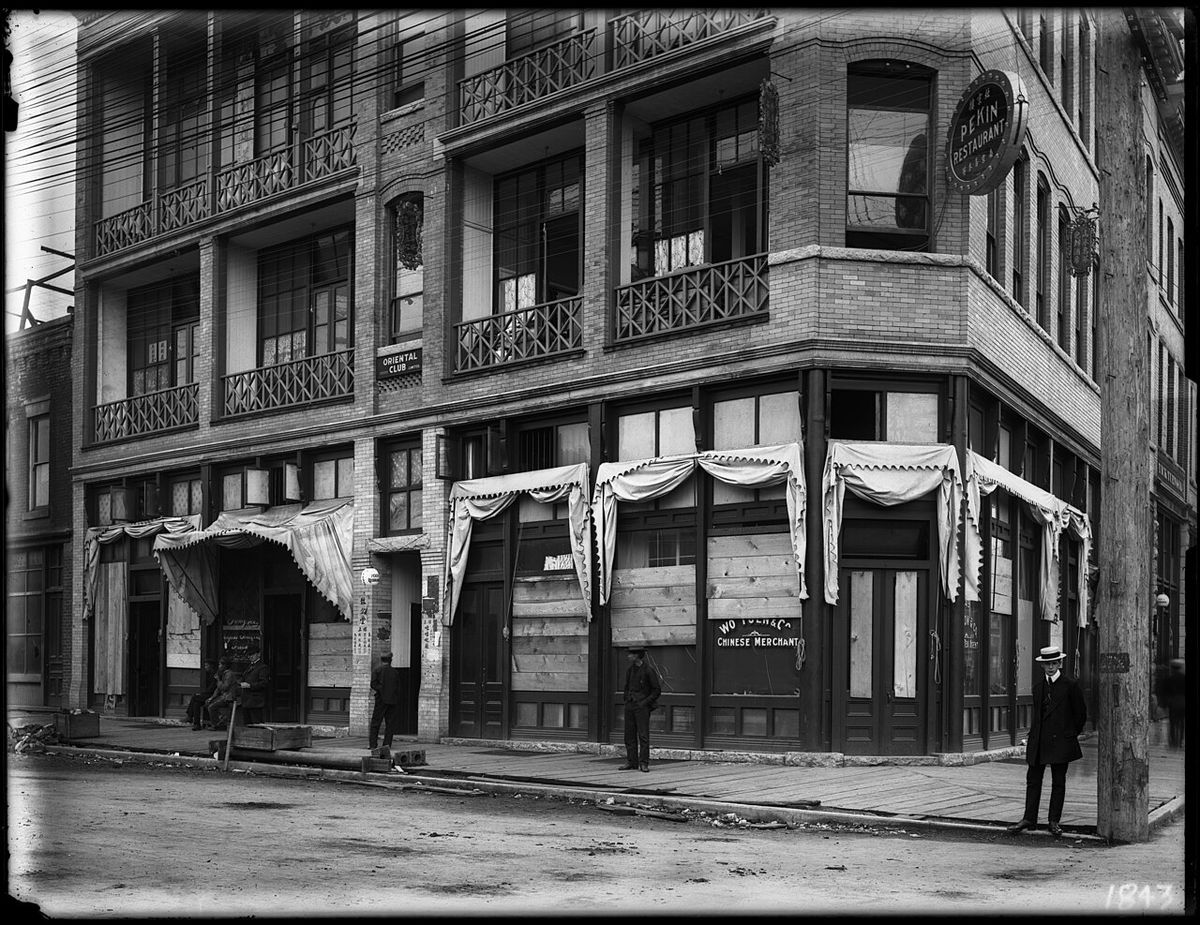
Different racial and ethnic groups in Canada have faced distinct historical and contemporary forms of racism. Black Canadians have endured slavery, segregation, discriminatory policing such as carding in Toronto where they were three times as likely to be stopped than white people, and community destruction as in Africville. They also faced the 1911 proposed immigration ban. Black people made up 3% of the Canadian population in 2016, and 9% of the population of Toronto. They lived disproportionately in poverty, and incarceration rates for Blacks were climbing faster than for any other demographic. A Black Lives Matter protest was staged at Toronto Police Headquarters in March 2016. Asian Canadians have been targeted through exclusionary laws and violence, beginning with Chinese workers brought to work on railways and mines in 1858, followed by the Chinese head tax and Exclusion Act, the 1907 Anti-Oriental Riots in Vancouver targeting Chinese and Japanese businesses, which led to the formation of the Asiatic Exclusion League. During the Second World War, Japanese Canadians were forcibly interned under the War Measures Act, their property seized and resold, and they were forced to pay for their own internment. Their fishing boats were seized and licenses were forcibly redistributed for white Canadians. South Asian Canadians, particularly Sikhs, face historical exclusion like the 1914 Komagata Maru incident and contemporary hate crimes and stereotypes. Following the Air India Flight 182 attack and the September 11 attacks, Sikhs in Canada experienced increased xenophobia and hate crimes, often being mistaken for Muslims. Other groups, including Jewish Canadians who faced quotas at universities like McGill, Greek Canadians targeted in the 1918 Toronto anti-Greek riot, and Romani people, have also been subject to discrimination and violence. During the COVID-19 pandemic, an Angus Reid survey in June 2020 found up to 50% of Chinese-Canadians had experienced verbal abuse.

Legal and Institutional Dimensions
Canadian law has both perpetuated and, more recently, attempted to remedy racism, with legal scholar Constance Backhouse documenting how explicit racism was enforced through law into the 20th century. Historically, laws explicitly enforced racial hierarchies, including the Chinese Immigration Act and the Jewish admissions quota at McGill University. The term visible minority, introduced in the 1995 Employment Equity Act to refer to people of colour excluding Aboriginal peoples, is still used officially but has been criticized by the UN Committee on the Elimination of Racial Discrimination as potentially offensive and recommended for reassessment. The legal system itself reflects systemic biases, as seen in the over-incarceration of Indigenous and Black people and the fact that in 2016, one quarter of discrimination grievances to the Canadian Human Rights Commission involved race, colour, national or ethnic origin, or religion. Efforts at reform include the Indigenous Justice Strategy and the application of Gladue principles, which require courts to consider the unique systemic factors affecting Indigenous offenders. In 2025, the federal government reported allocating $3.4 million to support foundational work on First Nations-led justice systems and administration of justice agreements. Beyond the justice system, other institutions like healthcare are implementing specific measures, such as the Cultural Safety indicators developed by the Cultural Safety Measurement Collaborative, to address systemic racism. These legal and institutional responses acknowledge that racism is embedded in systems and requires structural change, not merely individual attitude adjustment. Canada's Anti-Racism Strategy 2024 to 2028 states systemic racism is a threat to collective wellbeing, prosperity, safety, and security.
Government Strategies and Ongoing Challenges
The federal government has launched several strategies to combat racism, acknowledging it as a threat to collective wellbeing as outlined in the feedback that shaped Canada's Anti-Racism Strategy for 2024 to 2028. A central, ongoing challenge is the implementation of the United Nations Declaration on the Rights of Indigenous Peoples, with a UN special rapporteur noting in 2026 that Canada has serious problems respecting its obligations. The government's 2026-27 operating context for Indigenous Services Canada explicitly recognizes that historic discrimination rooted in institutional and systemic racism, and the lasting impacts of colonialism, continue to affect Indigenous peoples' everyday lives. Funding mechanisms like the Indigenous Health Equity Fund and programs under the Federal Pathway to address missing and murdered Indigenous women represent targeted investments. However, the effectiveness of these strategies is continually tested against rising hate crimes, political backlash, and the deep-seated nature of systemic inequities. False perceptions of inclusion and colour-blindness have been challenged by scholars who argue that white supremacy remains prevalent in Canadian institutions. According to some commentators, racism in Canada contributes to a self-perpetuating cycle of criminalization and imprisonment. The path forward requires sustained commitment, accountability, and a willingness to confront uncomfortable truths about Canada's past and present. Meaningful progress demands systemic change and the dismantling of colonial structures that have built and maintained racial inequities, recognizing that the relationship between Indigenous Peoples and the Crown was built on these harmful foundations.
Questions about Racism in Canada
Is racism a serious problem in Canada?
Yes, racism is a serious and persistent problem in Canada. While international surveys have sometimes ranked Canada highly for tolerance, domestic data shows deep systemic issues. In 2020, 60% of Canadians in an Ipsos poll believed systemic racism exists. Significant income gaps, discriminatory hiring practices, over-policing of racialized communities, and the severe overrepresentation of Indigenous peoples in prisons all point to entrenched racial inequities. Police-reported hate crimes have risen dramatically, increasing by 32% in 2023 alone and 145% since 2019.
What is systemic racism and how does it manifest in Canada?
Systemic racism refers to policies, practices, and entrenched patterns within institutions that perpetuate racial inequality, regardless of individual intent. In Canada, it manifests in numerous documented ways. Employers are 40% more likely to interview applicants with English-sounding names, and in Quebec, applicants with Francophone-sounding names have a 60% callback advantage. Indigenous peoples make up 27% of the federal prison population but only 4.1% of the national population. Black men in Toronto are three times more likely to be asked for identification by police. These outcomes result from historical and ongoing institutional biases in hiring, justice, policing, and other systems.
What was the Komagata Maru incident?
The Komagata Maru incident in 1914 was a stark example of institutional racism in Canadian immigration policy. The ship Komagata Maru arrived in Vancouver carrying 376 passengers from British India, predominantly Sikhs. Despite being British subjects, they were denied entry under continuous journey regulations designed to exclude Indian immigrants. After a two-month standoff, the ship was forced to return to India, where many passengers faced persecution and some were killed by colonial authorities. This event reflected official efforts to maintain a white Canada policy and remains a powerful symbol of historical exclusion.
What is being done about missing and murdered Indigenous women and girls?
In response to the National Inquiry into Missing and Murdered Indigenous Women and Girls, a National Action Plan was released in June 2021. The federal government's contribution, the Federal Pathway, supports initiatives like the Assembly of First Nations' distinctions-based action plan. Federal actions have included implementing the new Indigenous Justice Strategy, supporting community-led policing, funding Family Information Liaison Units, and financing First Nations-specific community healing projects. These efforts aim to address the systemic racism and colonial violence identified as root causes of the crisis.
How has racism against Asian Canadians evolved?
Racism against Asian Canadians has evolved from explicit legal exclusion to contemporary forms of discrimination and hate crimes. Historically, Chinese immigrants faced a head tax starting in 1885 and a complete exclusion act from 1923 to 1947. Japanese Canadians were interned and dispossessed during the Second World War, their fishing boats seized and licenses redistributed. In recent years, South Asian Canadians have reported increasing verbal attacks and stereotypes. Hate crime data for 2023 showed a 35% increase in incidents targeting South Asian communities, while incidents targeting East and Southeast Asian communities decreased by 10%. During the COVID-19 pandemic, up to 50% of Chinese-Canadians reported verbal abuse.
What are Cultural Safety and Indigenous-Specific Racism indicators?
Cultural Safety and Indigenous-Specific Racism indicators are a set of measures developed through an Indigenous-led collaborative process and announced in October 2026. They are designed to help health systems assess how well they are providing culturally safe care and addressing racism against Indigenous peoples. A total of 77 indicators were selected, with 14 identified as priority for initial implementation. Organized into seven thematic baskets, they focus on areas like leadership commitment and workforce development. The goal is to hold institutions accountable for creating systemic change, shifting responsibility away from Indigenous patients and onto the systems that serve them.
Sources and further reading
- Racism in Canada (Wikipedia)
- Cultural Safety and Indigenous-Specific Racism indicators (cihi.ca)
- Why Is Anti-Indigenous Racism on the Rise? (thewalrus.ca)
Checked by the Nosy Mag desk. Last updated 2026-11-01.