Acadia
Acadia was a colony of New France in northeastern North America, encompassing parts of the present-day Maritime provinces, the Gaspé Peninsula, and Maine to the Kennebec River. Established in the early 17th century with its first capital at Port-Royal in 1605, its history was defined by a 74-year period of colonial wars as British interests repeatedly attempted to capture the territory. The colony was ultimately conquered by Britain in 1710, leading to the traumatic deportation of its Acadian inhabitants beginning in 1755. Today, Acadia refers to the regions, descendants, and enduring culture of the original French settlers, with active communities and celebrations particularly in New Brunswick, Nova Scotia, Prince Edward Island, and Maine, as well as the Cajun diaspora in Louisiana.
Etymology and Early Settlement
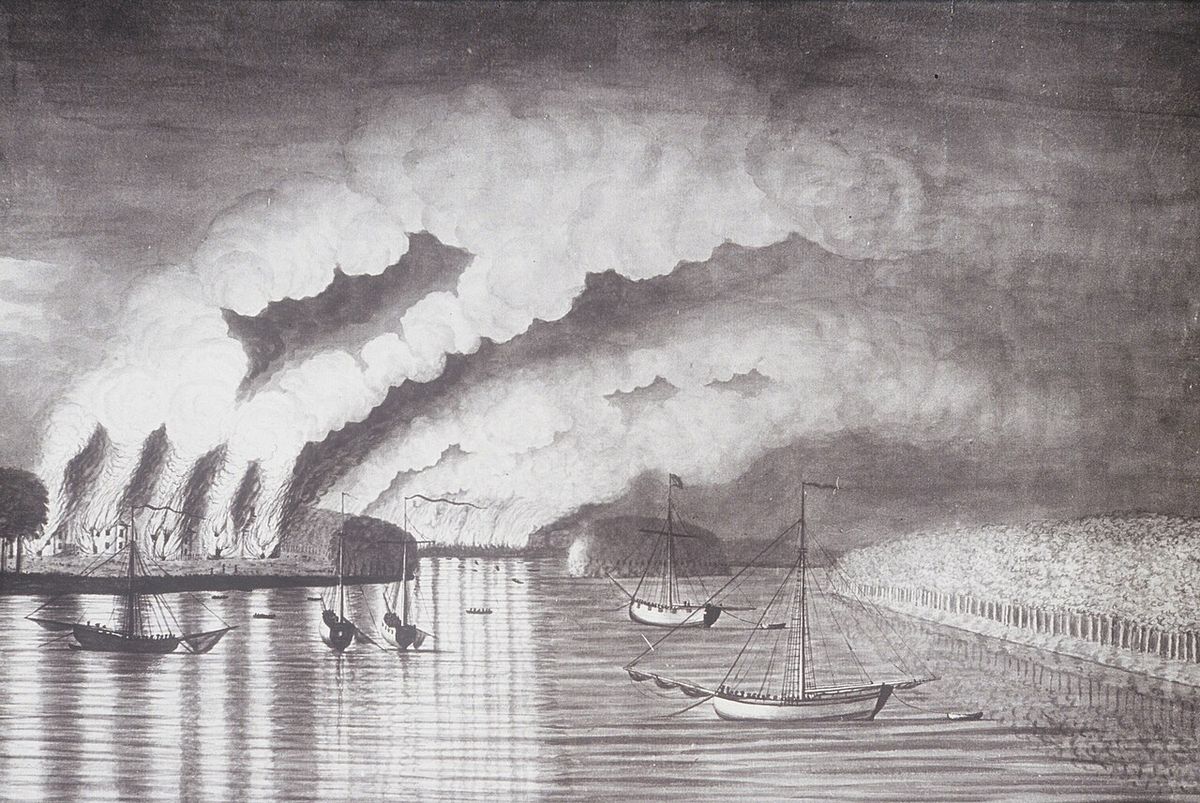
The name Acadia is credited to the Italian explorer Giovanni da Verrazzano, who applied the ancient Greek name 'Arcadia' to the Atlantic coast north of Virginia on his 16th-century map. The term, evoking an idyllic refuge, was later adapted by French cartographers, with Samuel de Champlain fixing the orthography as 'Acadie'. An alternative theory suggests the name may derive from the Mi'kmaw word 'Cadie', meaning fertile land. The first French settlement was established in 1604 by Pierre Dugua de Mons under the authority of King Henri IV on Saint Croix Island. After a harsh winter marked by scurvy, the colony was moved across the Bay of Fundy to Port Royal in 1605, where a fortified habitation was built. The early colony faced instability when the royal fur monopoly was revoked in 1607, leading to a temporary abandonment, though Mi'kmaw allies agreed to act as custodians of the site until the French returned in 1610. The habitation was attacked and burned by English forces under Captain Samuel Argall in 1613.
Colonial Conflicts and the Acadian Civil War
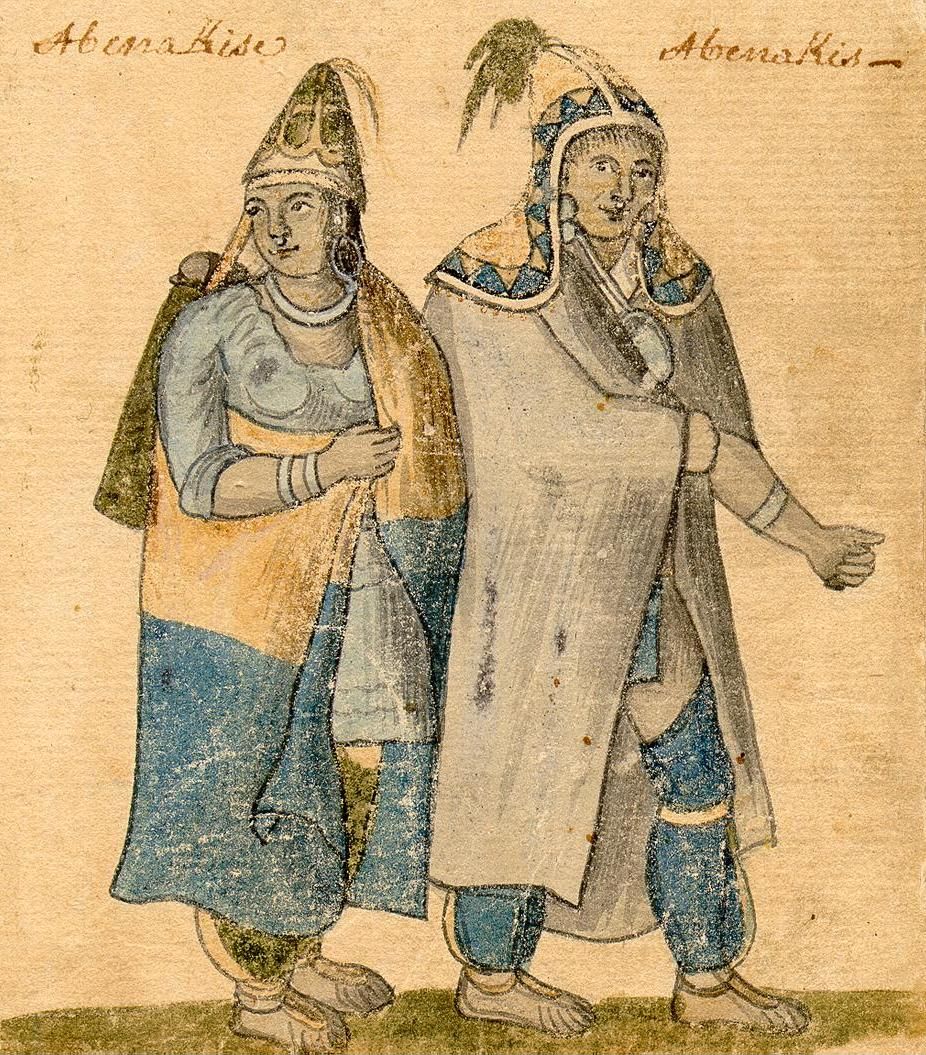
For the first eighty years of French presence, Acadia was a contested prize, with battles against English, Scottish, and Dutch forces occurring at Port Royal, Saint John, and Cap de Sable. From 1640 to 1645, the colony was plunged into an internal conflict known as the Acadian Civil War, fought between two rival governors. Charles de Menou d'Aulnay de Charnisay, stationed at Port Royal, battled Charles de Saint-Étienne de la Tour, based at present-day Saint John, New Brunswick. After four major battles, d'Aulnay ultimately prevailed. Later, during King Philip's War from 1675 to 1678, Acadian-based forces led by Jean-Vincent d'Abbadie de Saint-Castin worked with Abenaki allies to raid British settlements migrating over the border. In response to these New England conflicts, the Indigenous peoples of the region, including the Mi'kmaq, Maliseet, Passamaquoddy, and Abenaki, formed the Wabanaki Confederacy, creating a powerful political and military alliance with New France that would endure through six subsequent wars. The Confederacy referred to the region as Dawnland.
The Colonial Wars and British Conquest
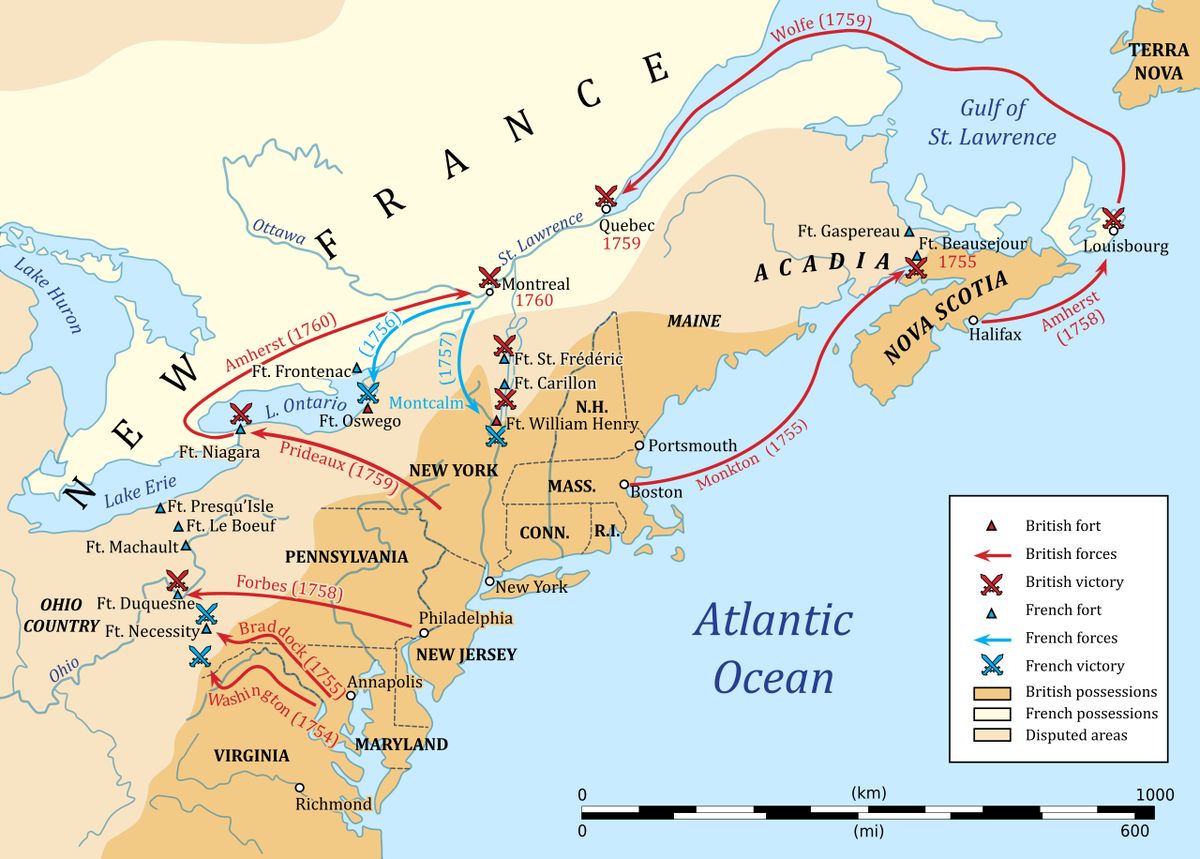
Acadia's location made it a persistent flashpoint in the imperial struggle between France and Britain, leading to six colonial wars over 74 years. The conflict began with King William's War in 1689, where Acadians, the Wabanaki Confederacy, and French priests defended the border, defined by France as the Kennebec River in southern Maine. New France and its allies raided New England settlements like Bristol, Maine, and Salmon Falls, while New Englanders retaliated by attacking Port Royal. The war ended with the Treaty of Ryswick in 1697, returning the territory to France. Queen Anne's War saw a repeat of border raids, including the famous Raid on Deerfield. The conflict culminated in the British siege and conquest of Port Royal in 1710. The 1713 Treaty of Utrecht confirmed British control over mainland Nova Scotia, while France retained Île Royale (Cape Breton) and Île Saint-Jean (Prince Edward Island). The British grew increasingly suspicious of Acadian loyalty, especially after France began constructing the formidable Fortress Louisbourg on Cape Breton.
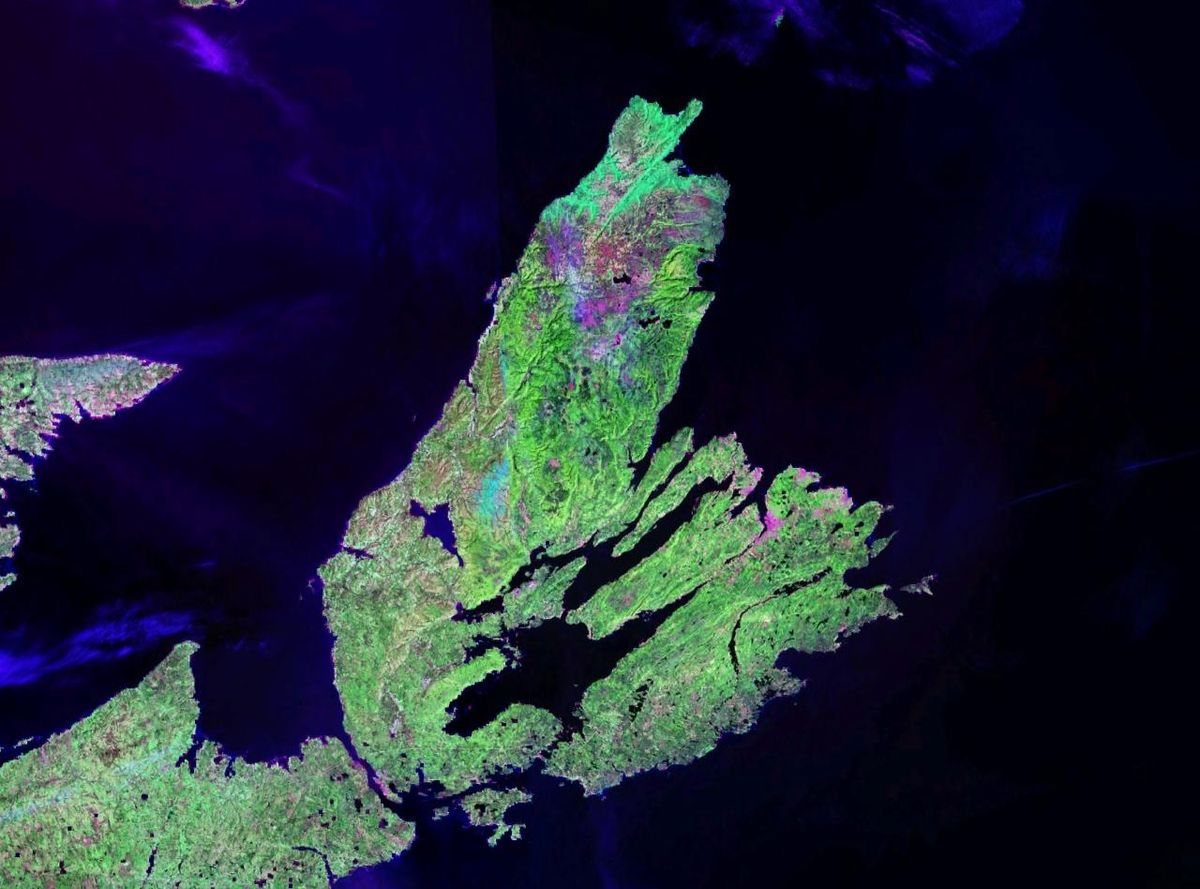
The contested border flared again during Dummer's War, also known as Father Rale's War, from 1722 to 1725. Hostilities began after Governor Samuel Shute launched a punitive expedition against Jesuit missionary Sébastien Rale at Norridgewock. The Wabanaki Confederacy responded with a blockade of Annapolis Royal and captured numerous vessels. The war concluded with Rale's defeat at Norridgewock and the retreat of Indigenous populations from the Kennebec and Penobscot rivers, cementing British control over central Maine. In the subsequent King George's War, beginning in 1744, French forces from Louisbourg immediately raided Canso and besieged Annapolis Royal. British colonial forces captured Fortress Louisbourg in 1745 after a siege of six weeks, though a massive French expedition to recover Acadia in 1746 failed disastrously. French officer Jean-Baptiste Nicolas Roch de Ramezay conducted the Battle at Port-la-Joye on Île Saint-Jean and the Battle of Grand Pré.
Father Le Loutre's War and the Great Deportation
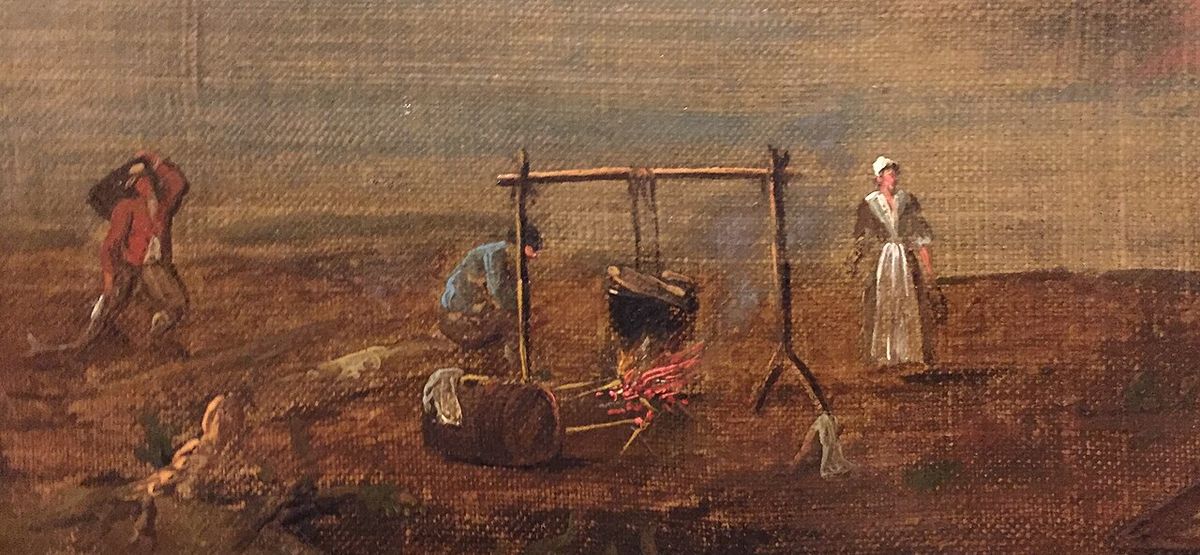
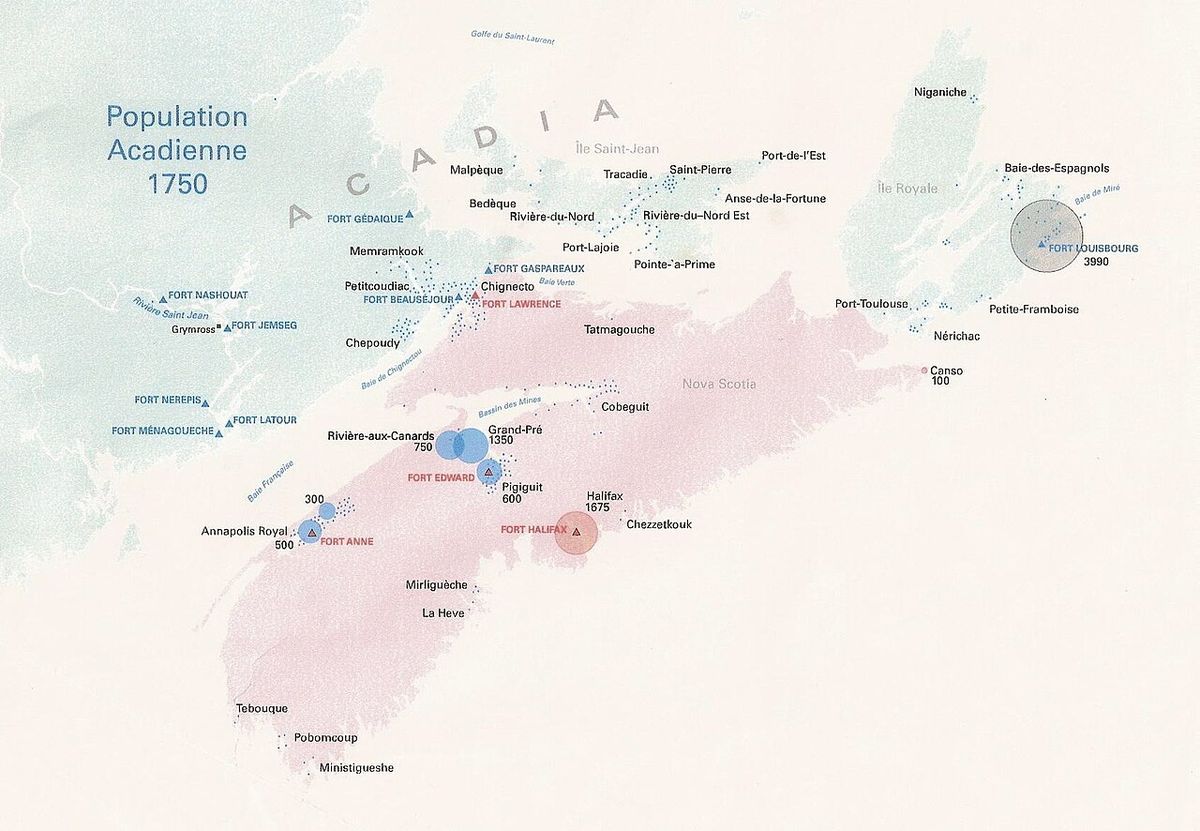
Despite the British political conquest, the population of Nova Scotia remained predominantly Acadian and Mi'kmaq. The founding of Halifax by Edward Cornwallis in 1749 ignited Father Le Loutre's War, a persistent guerrilla conflict as the British established Protestant settlements and the Mi'kmaq and Acadians, led by priest Jean-Louis Le Loutre, resisted. The British fortified Halifax, Dartmouth, and Lunenburg, while also building forts in major Acadian communities like Grand Pré and Chignecto. Throughout this period, Acadians refused to swear unconditional oaths of allegiance to the British crown, and some participated in militia actions supporting French forts. During the French and Indian War, the British decided to neutralize the Acadian military threat and sever their supply lines to Louisbourg. The deportation, known as the Grand Dérangement or Great Upheaval, began in 1755 after the British capture of Fort Beauséjour.
The expulsion was systematic and brutal. The Bay of Fundy Campaign saw between six and seven thousand Acadians forcibly removed from Nova Scotia and dispersed to other British American colonies. Some Acadians evaded capture by fleeing into the wilderness or to French-controlled Canada, founding communities like L'Acadie in Quebec. After the fall of Louisbourg in 1758, a second wave of deportations targeted Acadian settlements in the St. John River, Petitcodiac River, and Île Saint-Jean regions. Acadians and the Wabanaki Confederacy mounted significant resistance throughout, raiding British settlements like Lunenburg and Halifax. Any remaining French claims to Acadia ended with the fall of Montreal in 1760 and the 1763 Treaty of Paris, which permanently ceded the region to Britain. Many exiled Acadians later settled in Louisiana, where the term Acadian developed into Cajun.
Modern Acadia and Cultural Revival
Today, Acadia refers to the regions of North America historically associated with Acadian lands, descendants, and culture. The heart of contemporary Acadia is in the Canadian Maritime provinces, with significant populations in New Brunswick, Nova Scotia, Prince Edward Island, and the Magdalen Islands, as well as in Maine. The Acadian diaspora in southern Louisiana, known as Acadiana, gave rise to Cajun culture. Modern Acadian identity is vigorously celebrated through festivals, language, and public commemorations. National Acadian Day, celebrated every August 15 since 1881, was officially recognized by the federal and provincial governments in 2003 and 2004. The day is marked by the tintamarre, a joyous and noisy street parade where participants make a clamour with pots, pans, and noisemakers as an act of cultural affirmation. July 28 is observed as the Day of Commemoration of the Great Upheaval, with activities often held at the Grand-Pré National Historic Site in Nova Scotia. Acadian Heritage Month was proclaimed in Nova Scotia in 2023 and first celebrated in August 2024, honouring over 400 years of Acadian contributions, with the 2026 theme being 'Building Connections, Celebrating our Voices'. Every five years, Acadians from across the globe gather for the Congrès mondial acadien, a world congress first held in 1994 in New Brunswick. The Acadian Renaissance of the 19th century saw the founding of institutions like Saint Joseph's College in 1864 and newspapers like Le Moniteur Acadien in 1867.
Major Festivals and Annual Events
Acadian culture is kept alive through a rich calendar of festivals that blend centuries-old traditions with contemporary arts. The Festival acadien de Clare in southwestern Nova Scotia, established in 1955, is recognized as the world's oldest Acadian festival. Its 71st anniversary will be celebrated from August 1 to August 15, 2026, featuring concerts, comedy dinner theatre, a Cajun night, and a cultural expo. The festival culminates on National Acadian Day with a mass, children's games, and the notable tintamarre parade. In Cape Breton, the Festival de l’Escaouette and the Festival acadien de Petit-de-Grat offer deep cultural experiences. The Halifax region hosts Francofest, established in 2011, to celebrate Francophone diversity. Other significant annual events include Acadian Days at the Grand-Pré National Historic Site, scheduled for July 10-12, 2026, which brings the community together at this seminal memorial location. These events feature traditional music, local cuisine like lobster and gumbo, and family reunions that strengthen the Acadian diaspora's bonds.
- Festival acadien de Clare: August 1-15, 2026 (71st anniversary).
- National Acadian Day & Tintamarre: August 15 annually.
- Acadian Days at Grand-Pré: July 10-12, 2026.
- Day of Commemoration of the Great Upheaval: July 28.
- Francofest (Halifax): Annual summer festival.
- Congrès mondial acadien: Held every five years (next after 2026).
Geographic Distribution and Demographic Legacy
The Acadian legacy is geographically diverse, rooted in its original territory but spread globally through diaspora. In Canada, the strongest concentrations are in New Brunswick, particularly the Acadian Peninsula and the Moncton-Dieppe region, which serves as a modern cultural capital. Nova Scotia's Acadian communities are concentrated in the southwestern municipality of Clare (Baie Sainte-Marie), the Chéticamp area on Cape Breton Island, and the historic Annapolis Valley. Prince Edward Island and the Magdalen Islands also have significant Acadian populations. In the United States, northern Maine retains an Acadian presence, while southern Louisiana is home to the Cajun community, descendants of Acadians who settled there after the deportation. The following table illustrates the primary regions associated with modern Acadia and a key characteristic of each.
| Region | Key Characteristic |
|---|---|
| New Brunswick | Highest concentration of Acadians. Host to first Congrès mondial acadien (1994) |
| Nova Scotia | Site of first settlement (Port-Royal) and Grand-Pré National Historic Site |
| Prince Edward Island | Known as Île Saint-Jean during French period. Active festival scene |
| Maine, USA | Part of original Acadian territory. Maintains cultural connections |
| Louisiana, USA | Acadian diaspora evolved into distinct Cajun culture and Acadiana region |
It is estimated there are 300,000 French-speaking Acadians in contemporary Atlantic Canada, while the global Acadian diaspora includes over three million descendants. The original Acadian settlers primarily came from the Poitou-Charentes and Aquitaine regions of southwestern France, which is now known as Nouvelle-Aquitaine. The Acadian population grew rapidly through natural increase during the 18th century, with approximately 75 percent of Acadian children reaching adulthood. This strong demographic growth helped establish lasting Acadian communities in the Maritime provinces.
Questions about Acadia
What was the Grand Dérangement or Great Upheaval?
The Grand Dérangement, also known as the Great Upheaval, was the forced deportation of the Acadian people by British colonial authorities between 1755 and 1764. It began during the French and Indian War after the British captured Fort Beauséjour. Between six and seven thousand Acadians were expelled from Nova Scotia in the initial Bay of Fundy Campaign, with their homes often burned to prevent return. Many were dispersed to other British American colonies, while others fled to Quebec, France, or Louisiana. The deportation was a response to Acadian refusal to swear unconditional oaths of allegiance and their perceived military threat.
Where is Acadia located today?
Today, Acadia refers not to a political entity but to regions with a historical and cultural connection to the original French colony. The core areas are in the Canadian Maritime provinces, specifically New Brunswick, Nova Scotia, Prince Edward Island, and the Magdalen Islands. Parts of Maine in the United States are also included. The Acadian diaspora in southern Louisiana, a region known as Acadiana, represents a significant cultural branch where Acadians became known as Cajuns. The term can also refer abstractly to the existence of Acadian culture in any of these regions.
What is National Acadian Day and how is it celebrated?
National Acadian Day is celebrated every year on August 15, coinciding with the Feast of the Assumption. It was adopted as the Acadian national holiday at the first Acadian National Convention in 1881. The most well-known tradition is the tintamarre, a loud, joyful parade where participants make noise with pots, pans, horns, and drums to symbolically assert their cultural presence. Communities across Atlantic Canada host festivals, concerts, masses, and family events. The day was officially recognized by the Canadian federal government in 2003.
What is the oldest Acadian festival?
The oldest Acadian festival is the Festival acadien de Clare, held in the Municipality of Clare in southwestern Nova Scotia. It was established in 1955 and will celebrate its 71st anniversary from August 1 to August 15, 2026. The festival features a wide range of activities including musical concerts, Cajun nights, comedy dinner theatre, a cultural expo, and the traditional tintamarre on National Acadian Day. It is a fundamental event that draws visitors to experience Acadian culture in the Baie Sainte-Marie region.
Who were the Wabanaki Confederacy and what was their role in Acadia?
The Wabanaki Confederacy was a political and military alliance formed by Indigenous nations in the Acadian region, including the Mi'kmaq, Maliseet, Passamaquoddy, and Abenaki. Formed in response to conflicts with New England in the late 17th century, the Confederacy became crucial military allies to New France through six colonial wars. They defended the borders of Acadia, participated in raids on New England settlements, and mounted significant resistance during the British deportation campaigns. They referred to the Acadian territory as Dawnland and remained the dominant military force in the region until the French and Indian War.
What is the Congrès mondial acadien?
The Congrès mondial acadien is a major international gathering of Acadians held every five years to celebrate their shared culture and history. The first congress was held in 1994 across southeastern New Brunswick. Subsequent congresses have been held in Louisiana (1999), Nova Scotia (2004), the Acadian Peninsula of New Brunswick (2009), and the Acadie des terres et des forêts region spanning Quebec, New Brunswick, and Maine (2014). The most recent was in Summerside, Prince Edward Island in 2019. The events feature dozens of family reunions, cultural performances, and academic conferences, strengthening ties within the global Acadian diaspora.
Sources and further reading
- Acadia (Wikipedia)
- Acadian Celebrations and Commemorations (acadien.novascotia.ca)
Checked by the Nosy Mag desk. Last updated 2026-10-25.