King George's War
King George's War (1744 to 1748) was the North American theatre of the larger European War of the Austrian Succession, representing the third of the four French and Indian Wars fought between Great Britain and France for dominance on the continent. The conflict was characterized by brutal frontier raids, naval skirmishes, and a major colonial military expedition that culminated in the capture of the formidable French fortress of Louisbourg in 1745. For the British colonies, particularly Massachusetts, the war demanded immense human and financial sacrifice, with an estimated eight percent of that colony's adult male population lost in the campaigns of 1745-46. The Treaty of Aix-la-Chapelle that ended the war returned Louisbourg to France, a decision that outraged New Englanders and left underlying territorial tensions unresolved, directly setting the stage for the final and decisive French and Indian War a few years later.
Origins and European Context
The roots of King George's War lay in overlapping European dynastic struggles and colonial rivalries. The continental conflict, known as the War of the Austrian Succession, began in 1740 following the death of Holy Roman Emperor Charles VI. His daughter Maria Theresa inherited the Austrian throne under the Pragmatic Sanction of 1713, but her accession was challenged by Prussia, Bavaria, Saxony, Spain, and France, who saw an opportunity to seize Habsburg territories. Britain, fearing French dominance in Europe would threaten its commercial and colonial interests, allied with Austria in 1742. Open hostilities between Britain and France began at the Battle of Dettingen in southwest Germany in June 1743, leading to formal declarations of war in March and April 1744. Concurrently, the War of Jenkins' Ear between Britain and Spain had been raging since 1739, primarily in the Caribbean, adding another layer of imperial tension. The North American colonies of these European powers were inevitably drawn into the conflict, where it was known as King George's War, named for the British monarch George II. Massachusetts did not formally declare war against Canada and France until June 2, 1744, illustrating the delayed and disjointed nature of colonial mobilizations compared to European diplomacy.
Opening Hostilities in Acadia and Nova Scotia
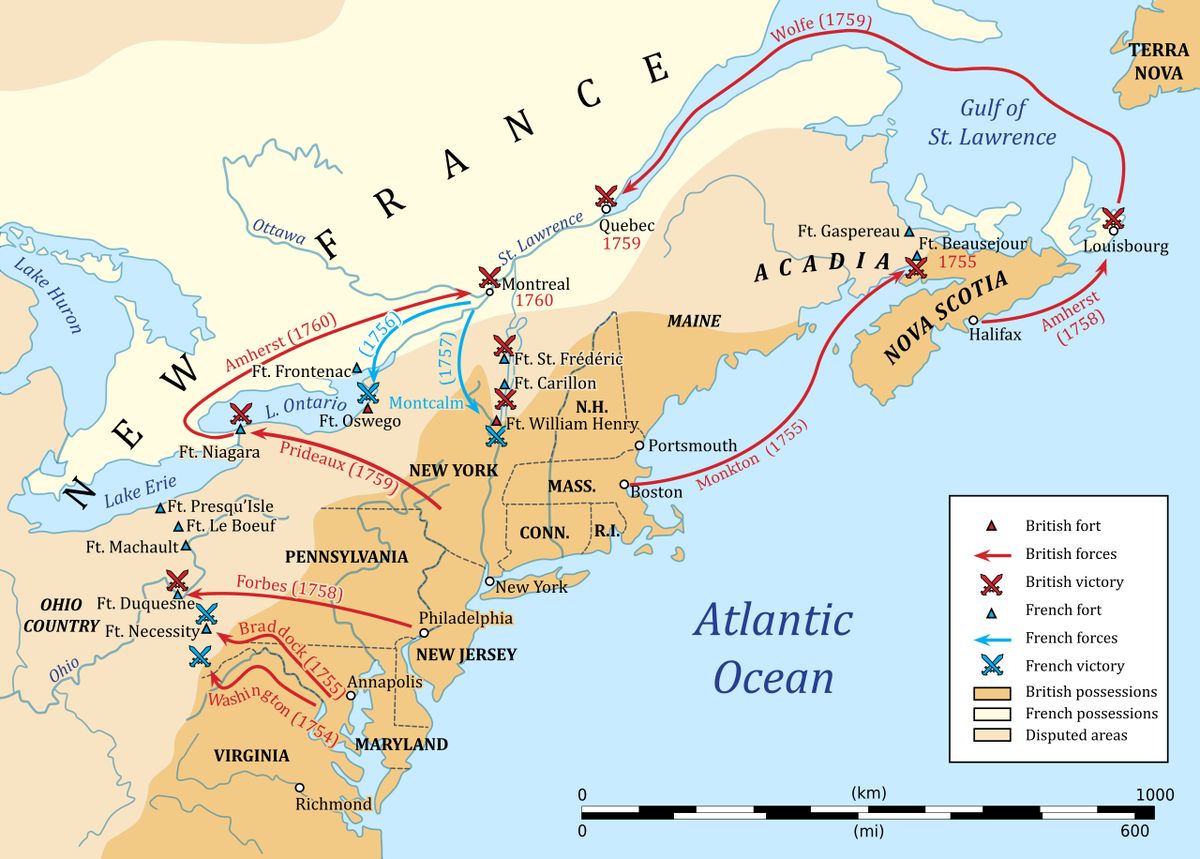
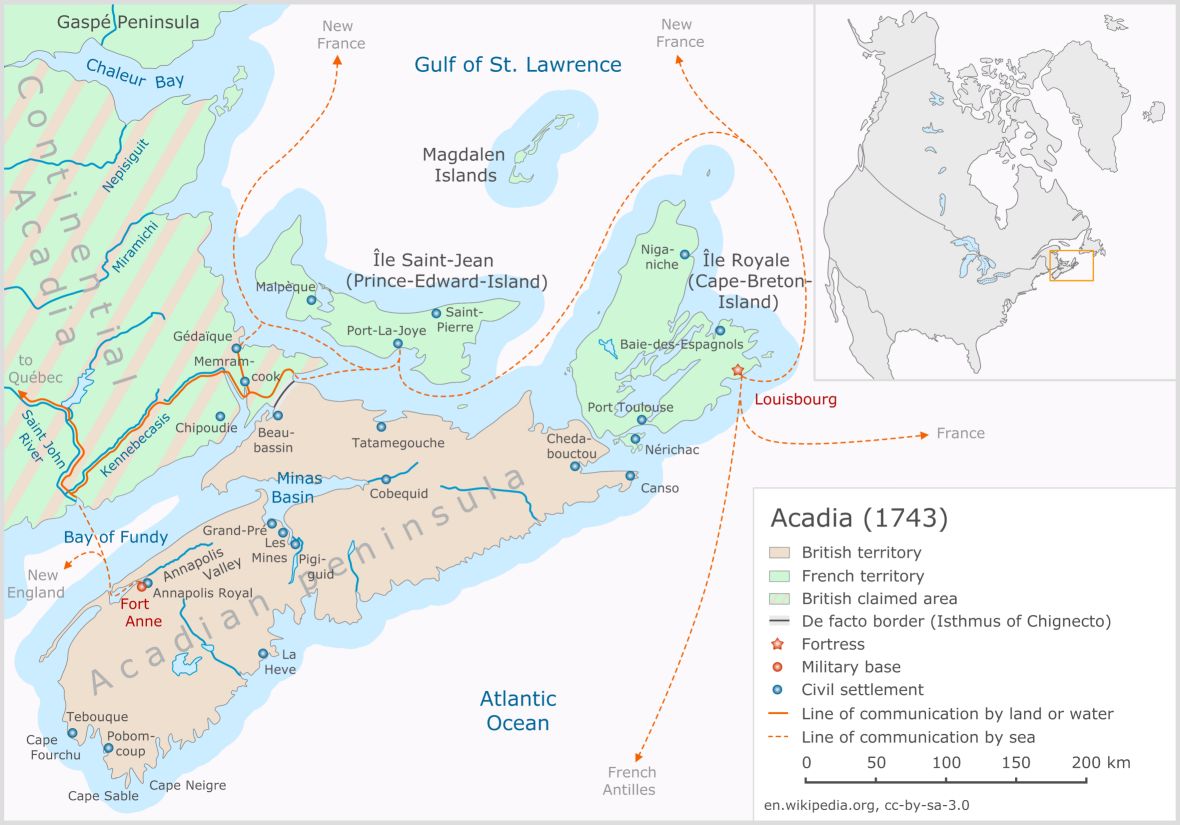
News of the war declaration reached the French at Louisbourg on May 3, 1744, giving them a critical head start over the British in Boston. The French commander at Louisbourg, Jean-Baptiste-Louis Le Prevost du Quesnel, moved swiftly to secure supply lines and weaken British positions. On May 23, a French force attacked the undefended British fishing port of Canso in Nova Scotia. The British garrison surrendered after a short bombardment. The French destroyed the settlement and fortifications, taking the garrison, their families, and some fishermen back to Louisbourg as prisoners. French privateers then began aggressively raiding New England fishing and merchant vessels, extending their reach down the New England coast. The French next targeted Annapolis Royal, the capital of Nova Scotia, aiming to reclaim the territory ceded in 1713. The first assault in early July 1744 was led by Mi'kmaq and Maliseet warriors, encouraged by French missionary Jean-Louis Le Loutre, who decided to attack Fort Anne on their own after French forces were delayed. Lacking artillery, they failed to capture the fort and withdrew upon the arrival of Massachusetts reinforcements. A larger French force arrived in mid-August and attempted a formal siege of Annapolis Royal beginning on September 8, but it too was broken after about a month by further colonial reinforcements from Massachusetts, which had been proactively sent by Governor William Shirley.
The Louisbourg Expedition of 1745
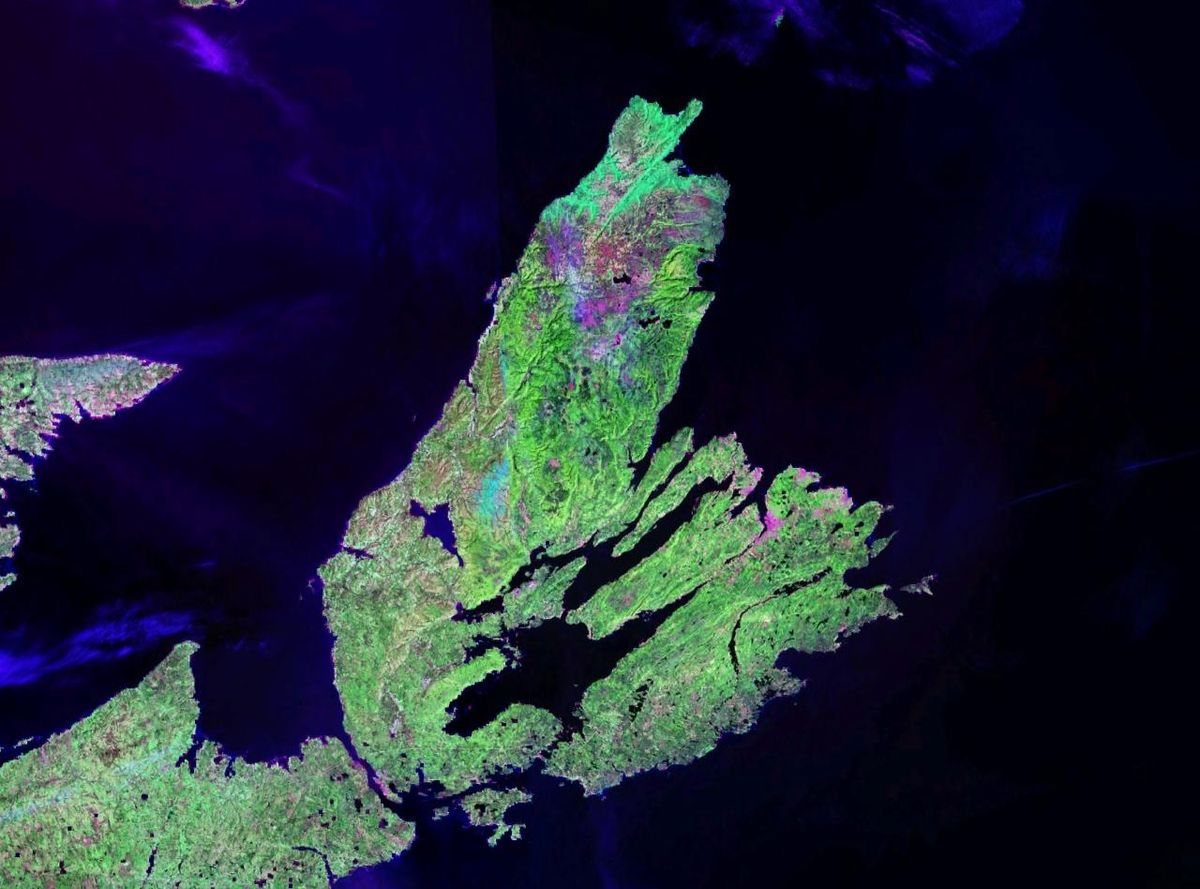
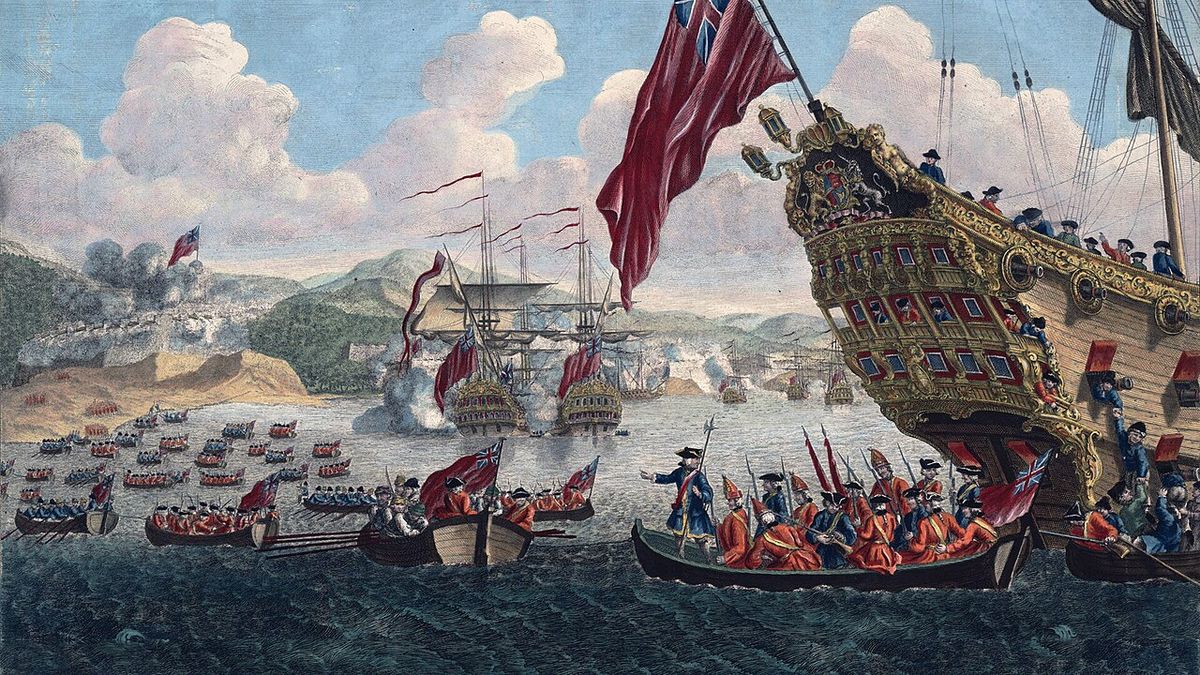
The most significant military action of the war was the New England expedition against Fortress Louisbourg, a massive French stronghold on Cape Breton Island. Organized by Massachusetts Governor William Shirley and funded largely by his colony, the operation was an unprecedented colonial undertaking. Command was given to Maine merchant-colonel William Pepperrell, who led a force of roughly 4,000 men primarily from Massachusetts, Connecticut, and New Hampshire, with financial and material support also coming from Rhode Island, New York, Pennsylvania, and New Jersey. The colonial armada arrived off Louisbourg in late April 1745 and began a siege, cutting off supply lines and bombarding the fortifications. After a gruelling six-week siege, and with a British naval squadron blockading the harbour, the French garrison surrendered on June 28, 1745. The victory was a stunning achievement for the colonial forces but came at a high cost. British losses during the campaign were heavy, with nearly 1,000 men perishing from exposure and disease in the harsh conditions, a devastating figure for the participating colonies. The capture of Louisbourg eliminated a major French naval base and privateering hub, providing a massive morale boost to the British colonies.
Frontier Raids and Retaliatory Campaigns
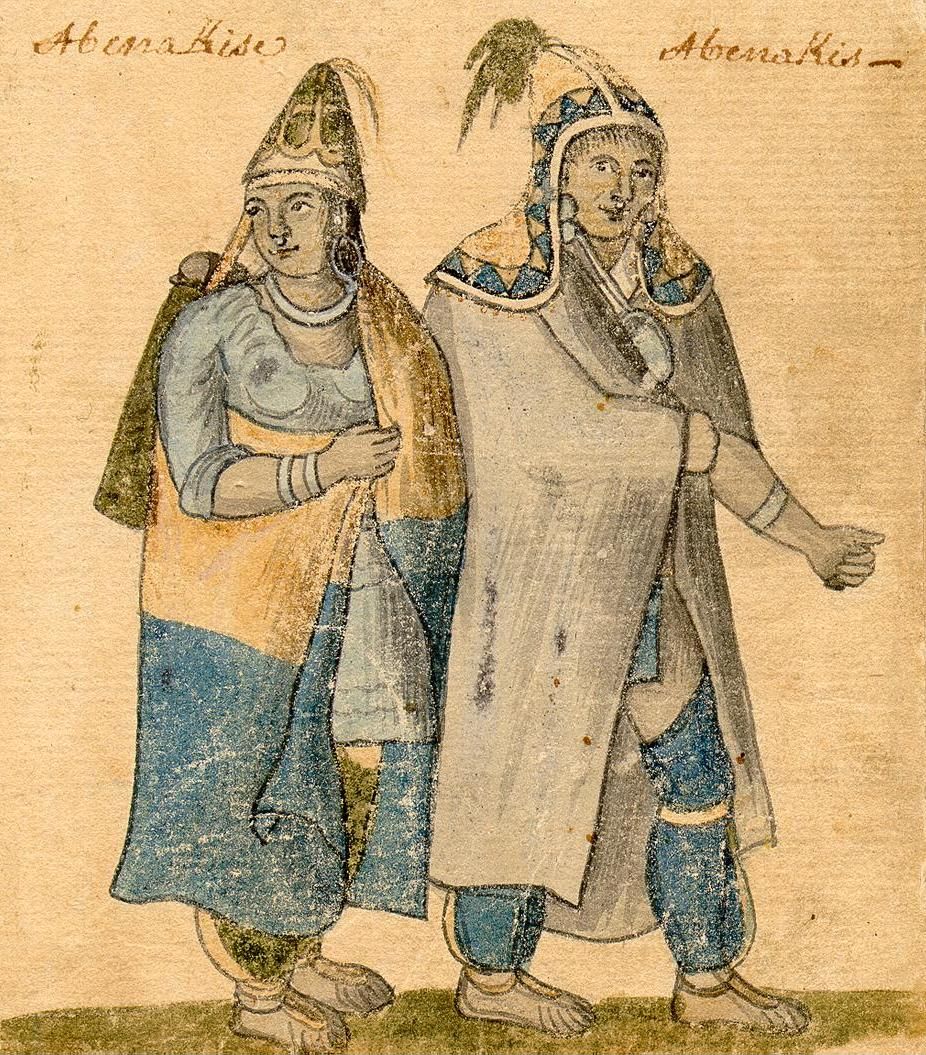
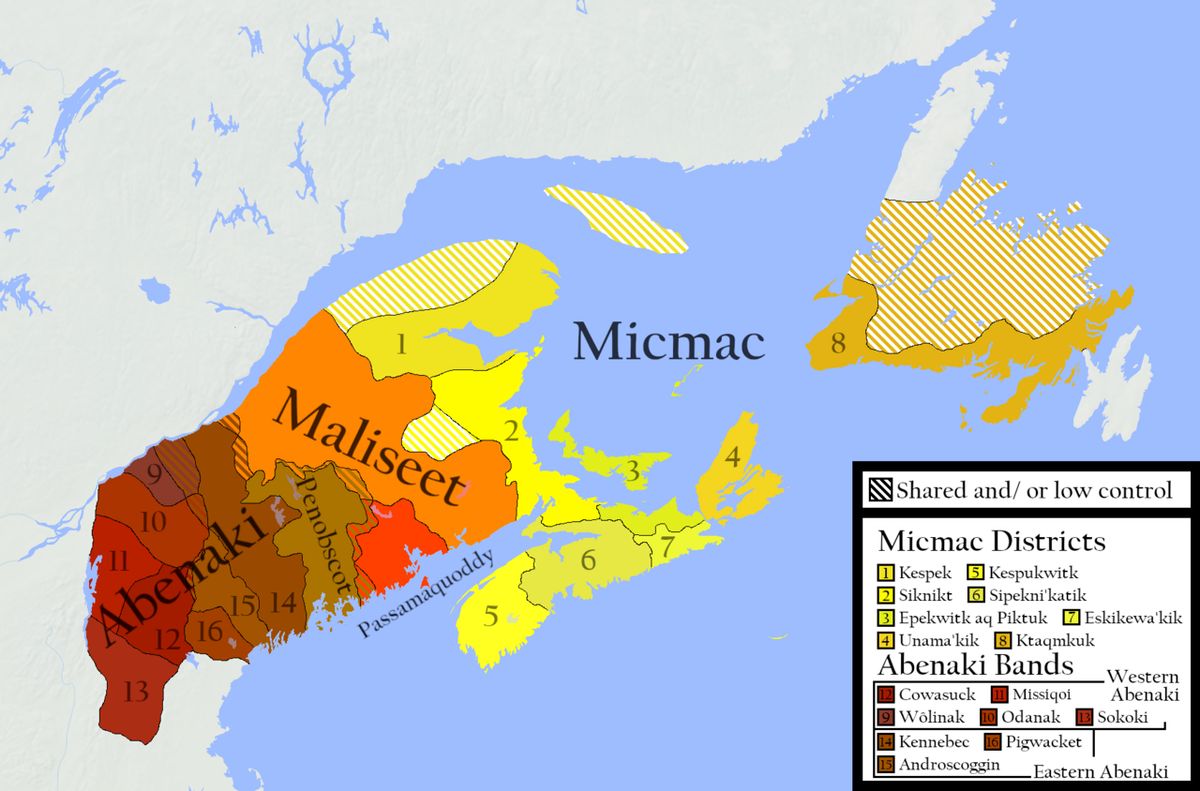
While the siege of Louisbourg was the war's centrepiece, much of the conflict consisted of brutal, small-scale raids along the frontier between New France and the northern British colonies. Both sides relied heavily on Native American allies, turning the conflict into a series of punishing attacks on isolated settlements where villages were raided and captives taken for ransom or adoption. In retaliation for the capture of Louisbourg, the Wabanaki Confederacy launched the Northeast Coast Campaign in 1745 against British settlements along the border of Acadia in northeastern Maine. On November 28, 1745, a combined force of French troops and Abenaki and Mi'kmaq warriors destroyed the village of Saratoga, New York, killing or capturing more than one hundred of its inhabitants. This attack prompted the British to abandon settlements north of Albany. In response to the frequent raiding, Governor Shirley ordered the construction of a chain of frontier outposts stretching from Massachusetts west to its border with New York. In July 1746 a large French and First Nations force mustered to raid in the upper Hudson River valley but instead raided in the Hoosac River valley, attacking Fort Massachusetts at present-day North Adams. This raid was in retaliation for the slaying of an Indian leader in an earlier skirmish. Other raids included a French and Mi'kmaq attack on Grand Pré, Nova Scotia, in 1747 and a raid against Schenectady, New York, by French-allied warriors in 1748. In September 1744, raids encouraged a migration of 300 to 400 Penobscot and Maliseet people to the Quebec area for greater safety.
- The Northeast Coast Campaign (1745) by the Wabanaki Confederacy against Maine settlements.
- The destruction of Saratoga, New York (November 28, 1745).
- The raid on the Hoosac River valley and capture of Fort Massachusetts (July 1746).
- The French and Mi'kmaq raid on Grand Pré, Nova Scotia (1747).
- The raid on Schenectady, New York (1748).
Failed French Counter-Offensives and Naval Campaigns
Determined to recover Louisbourg, France organized a major naval expedition in 1746 under the command of the Duc d'Anville. The fleet was one of the largest ever sent to North America by France, but its mission was plagued by misfortune from the start. The expedition was beset by severe Atlantic storms, which scattered the ships and caused significant delays. Disease, particularly typhus and scurvy, ravaged the crews and soldiers during the long transatlantic crossing, decimating their numbers. By the time the battered fleet began to regroup off the coast of Nova Scotia, the Duc d'Anville had died, and his successor died shortly thereafter. Demoralized and weakened, the surviving commanders decided against an assault on the now well-defended Louisbourg. The remnants of the fleet returned to France in tatters without ever engaging their primary objective. This catastrophic failure ended any serious French hope of regaining Louisbourg by force during the war and represented a massive waste of French resources and manpower. Alongside this major expedition, the war featured ongoing naval conflict, with French privateers initially successful in harassing New England shipping. However, British colonial privateers responded in kind and, by August 1744, had largely succeeded in bottling up French shipping within the harbour of Louisbourg, demonstrating the importance of colonial naval militias.
Treaty of Aix-la-Chapelle and Colonial Aftermath
The war was formally ended by the Treaty of Aix-la-Chapelle, signed on October 18, 1748. The European-focused treaty restored all conquered territories to their pre-war owners, which meant Louisbourg was returned to France. In exchange, France returned the Indian city of Madras, which it had captured from the British. This provision provoked fury and a sense of betrayal in New England, where colonists had sacrificed heavily for the victory. The British government eventually acknowledged this effort by compensating Massachusetts with a payment of £180,000, which the province used to retire its devalued paper currency. The treaty failed to resolve any of the fundamental territorial disputes in North America, leaving boundaries unsettled and enmity between the colonies and their mother countries intact. The peace was merely a truce, and tensions continued to simmer, particularly in Acadia and Nova Scotia where fighting persisted in what became known as Father Le Loutre's War from 1749 to 1755. The human cost of the war was staggering for the British colonies, especially Massachusetts, which lost an estimated eight percent of its adult male population in the campaigns of 1745 and 1746 alone. The war's financial burden and the bitter disappointment over Louisbourg's return fostered growing colonial disillusionment with imperial policy.
Strategic Consequences and Path to the French and Indian War
King George's War had strategic consequences that directly led to the final and decisive colonial conflict. The return of Louisbourg convinced many British American colonists that their interests were secondary to European diplomacy, fostering a growing sense of separate identity. For the French, the near-loss of Louisbourg highlighted the vulnerability of New France and spurred major investments in fortification networks in the Ohio Valley and elsewhere. The unresolved status of Acadia and Nova Scotia created a persistent flashpoint, with the British now more determined to solidify control. The war also intensified the frontier warfare patterns that defined colonial conflict, deepening alliances and animosities between European powers and Native American nations like the Mi'kmaq and Wabanaki Confederacy. Most importantly, the failure of the Treaty of Aix-la-Chapelle to establish clear borders made renewed conflict inevitable. In this way, King George's War was a critical precursor that set the military, diplomatic, and psychological stage for the struggle that would ultimately decide the fate of North America. The conflict demonstrated the capacity for large-scale colonial military cooperation, as seen in the Louisbourg expedition, while also revealing the limits of colonial influence over imperial peacemaking.
Notable Figures and Colonial Leadership
The war featured several key individuals whose decisions shaped its course. Governor William Shirley of Massachusetts was the driving force behind the British colonial war effort, rallying support for the defence of Annapolis Royal and masterminding the ambitious Louisbourg expedition. Colonel William Pepperrell of Maine, a merchant with little military experience, was chosen to lead the Louisbourg campaign, which proved a remarkable success. On the French side, Jean-Baptiste-Louis Le Prevost du Quesnel, governor of Cape Breton Island, launched the initial attacks on Canso and Annapolis Royal. The missionary Jean-Louis Le Loutre played a role as an intermediary, encouraging Mi'kmaq and Maliseet attacks on British positions, a role he would continue in Father Le Loutre's War. The Duc d'Anville commanded the ill-fated French expedition to retake Louisbourg in 1746, his death contributing to the mission's collapse. Among Native leaders, the war saw coordinated action by the Wabanaki Confederacy, which executed effective retaliatory raids against New England settlements.
Military Tactics and Colonial Warfare
The warfare of King George's War was a hybrid of European siege tactics and frontier guerrilla raids, reflecting the diverse geography and alliances of North America. The siege of Louisbourg demonstrated the colonists' ability to execute a complex European-style operation involving naval blockade, artillery bombardment, and infantry assaults. Conversely, the conflict along the New York and New England frontiers was defined by the raid, a tactic perfected by French-allied Native American warriors and adopted by Canadian militias. These raids aimed not to hold territory but to inflict economic damage, spread terror, and take captives, thereby destabilizing British colonial expansion. The war also highlighted the critical importance of supply lines and logistics, as seen in the French preoccupation with securing overland routes from Quebec and their initial attack on Canso to protect sea lanes from Acadian farms. Colonial forces, particularly from Massachusetts, showed significant logistical capability in sustaining long-distance expeditions and reinforcing distant outposts like Annapolis Royal. The conflict showed the necessity of frontier fortifications, leading directly to Governor Shirley's order for a chain of new outposts. Ultimately, the war proved that success in North America required adapting European military methods to local conditions and securing reliable alliances with Indigenous nations.
Questions about King George's War
What was King George's War and when did it take place?
King George's War was the North American theatre of the War of the Austrian Succession, fought between Great Britain and France from 1744 to 1748. It was the third of the four French and Indian Wars. The conflict involved military operations primarily in the British provinces of New York, Massachusetts Bay, New Hampshire, and Nova Scotia. In French, it is known as the Troisième Guerre Intercoloniale or Third Intercolonial War.
Why is the capture of Louisbourg significant?
The capture of Fortress Louisbourg in June 1745 was the most important victory of the war. Organized by Massachusetts Governor William Shirley and led by Colonel William Pepperrell, a colonial force of about 4,000 men besieged and captured the formidable French stronghold on Cape Breton Island after six weeks. This eliminated a major French naval base and privateering hub. The victory was later nullified when the Treaty of Aix-la-Chapelle returned Louisbourg to France in 1748 in exchange for Madras, India.
What role did Native Americans play in the war?
Native American nations were crucial allies to both European powers. The French were allied with the Wabanaki Confederacy, including Mi'kmaq, Maliseet, and Abenaki peoples. These allies conducted devastating raids, such as the attack on Saratoga, New York, in 1745 and the Northeast Coast Campaign against Maine. British colonies also had Native allies, particularly among the Iroquois Confederacy. An Iroquois and intercolonial force assembled in northern New York in July 1746 for a retaliatory attack that was later called off.
How did the war end and what were the terms?
The war ended with the signing of the Treaty of Aix-la-Chapelle on October 18, 1748. The treaty was a status quo ante bellum agreement, restoring all conquered territories to their original owners. Consequently, the French fortress of Louisbourg was returned to France in exchange for the British post of Madras in India. No territorial disputes in North America were resolved. The British government later compensated Massachusetts with £180,000 for its efforts.
What was the human cost of King George's War for the colonies?
The war took a severe toll on the British colonies, especially Massachusetts. The losses for Massachusetts men alone during the campaigns of 1745 and 1746 have been estimated at eight percent of the colony's adult male population. These casualties resulted from combat, disease, and the harsh conditions of expeditions like the siege of Louisbourg, where nearly 1,000 men died from exposure. Frontier raids also resulted in significant civilian casualties and captives.
How did King George's War lead to the French and Indian War?
King George's War directly led to the French and Indian War because the Treaty of Aix-la-Chapelle failed to resolve any outstanding territorial issues between Britain and France in North America. The peace treaty restored all colonial borders to their pre-war status, which did little to end the lingering enmity. Fighting continued in Acadia and Nova Scotia between 1749 and 1755 in Father Le Loutre's War. These simmering conflicts and disputes finally broke out again in 1754 with the start of the French and Indian War.
Sources and further reading
- King George's War (Wikipedia)
- History of King George's War (historyofmassachusetts.org)
- King George's War: Siege of Louisbourg (historynet.com)
- King George's War: Timeline & Summary (study.com)
Checked by the Nosy Mag desk. Last updated 2026-10-25.