Style and title of the Canadian sovereign
The style and title of the Canadian sovereign is the formal mode of address of the monarch of Canada. The current title, established by royal proclamation on 8 January 2024, is Charles the Third, by the Grace of God King of Canada and His other Fields and Territories, Head of the Commonwealth. This title was authorized by the Royal Style and Titles Act, which received royal assent on 22 June 2023. It distinctly identifies the monarch as King of Canada, emphasizing the separate and independent nature of the Canadian Crown.
The Current Title and Its Significance
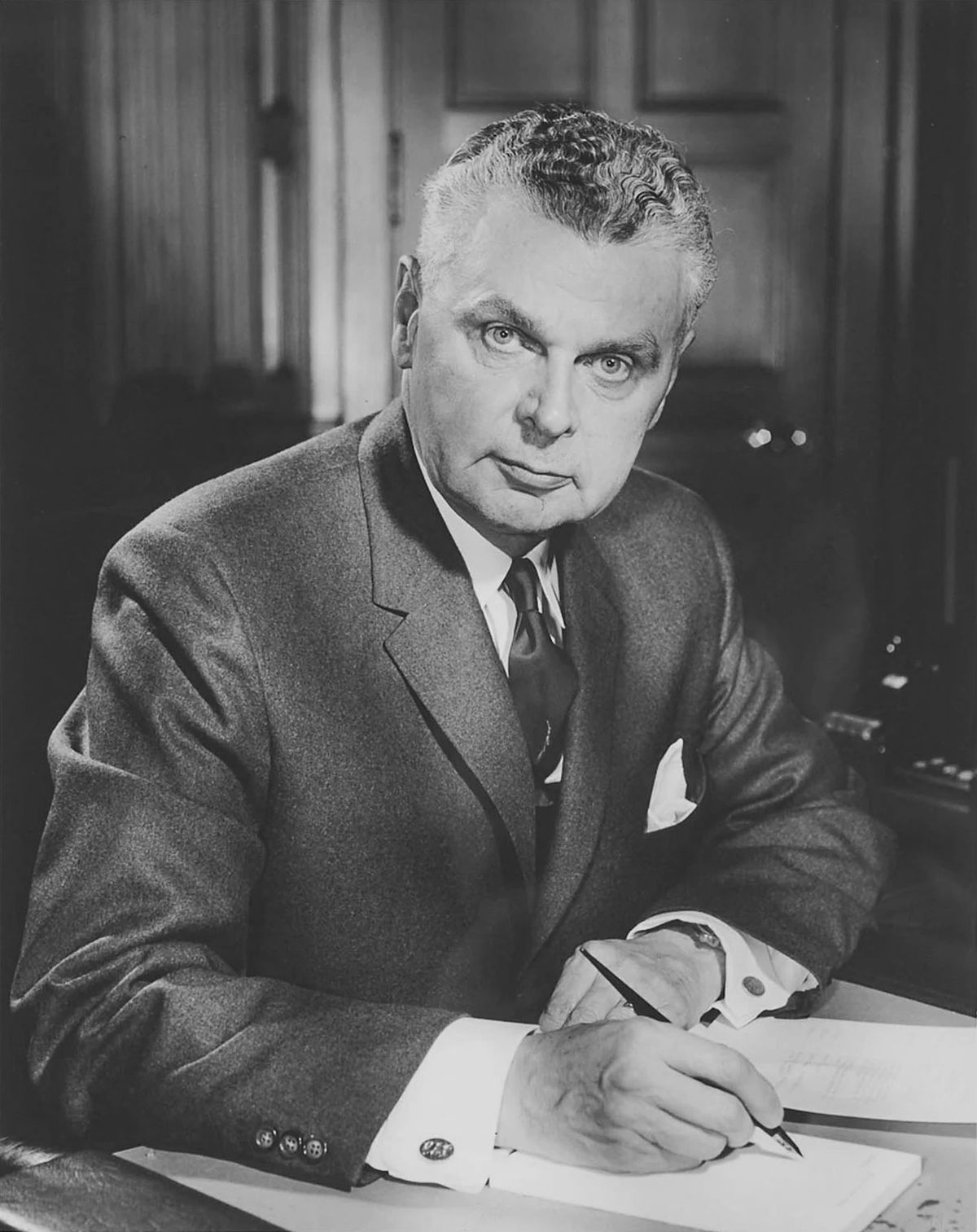
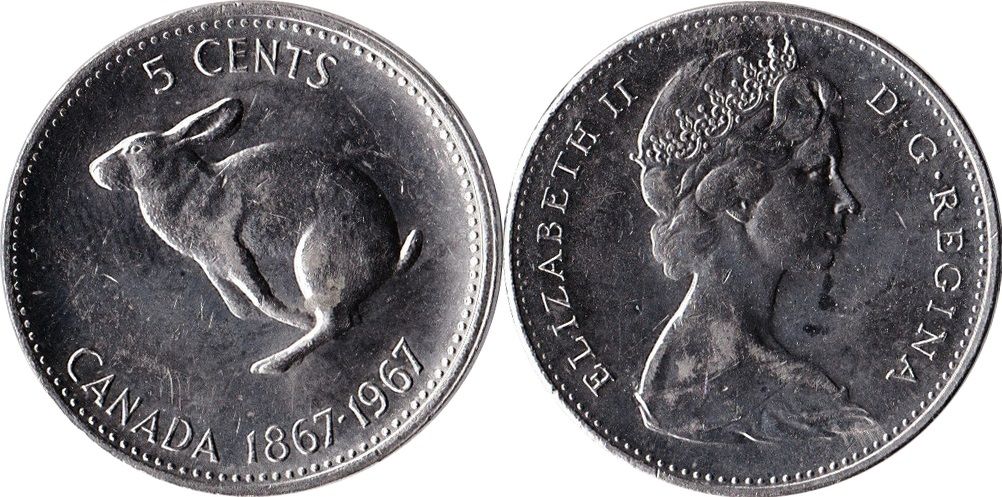
The formal title of the Canadian monarch, as established by royal proclamation on 8 January 2024, is Charles the Third, by the Grace of God King of Canada and His other Fields and Territories, Head of the Commonwealth. This title was authorized by the Royal Style and Titles Act, which received royal assent on 22 June 2023, and it replaced the previous title used since 1953. The new formulation was designed to clarify the distinct role of the monarch as King of Canada, constitutionally and legally independent from his role as King of the United Kingdom. The title is used in all official contexts and is intended to highlight Canada's status as an equal member among the Commonwealth countries that share the same person as monarch. The monarch is typically referred to by the title King of Canada and is expected to allude to himself as King of Canada when in or acting abroad on behalf of the country. For example, Queen Elizabeth II said in 1973, "it is as Queen of Canada that I am here. Queen of Canada and of all Canadians, not just of one or two ancestral strains." Since the title was adopted, the federal government has promoted its use as a signifier of Canada's sovereign and independent status. Prime Minister John Diefenbaker said of the title in 1957, "the Queen of Canada is a term which we like to use because it utterly represents her role on this occasion." The title is also included in the Oath of Allegiance, which forms a part of the Oath of Citizenship, and can be found as Charles III Dei Gratia Rex Canada on the obverse of Canadian medals.
Historical Evolution of the Title
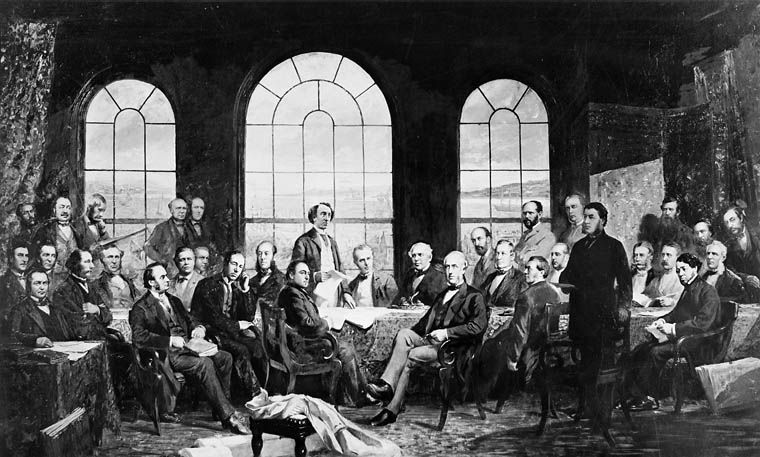
Following Canadian Confederation, Prime Minister John A. Macdonald was repeatedly heard to refer to Queen Victoria as the queen of Canada. In the lead up to the coronation of King Edward VII in 1902, Prime Minister Wilfrid Laurier desired to have the words king of Canada included in the royal title by the time of the ceremony. This wish was not fulfilled, and Canada inherited the full British title when the country gained legislative independence from the United Kingdom in 1931. Liberal Member of Parliament Eugène Marquis in 1945 tabled a motion in the House of Commons proposing that a change to the King's title be a subject of discussion at the next Commonwealth Prime Ministers' Conference. Marquis suggested that the title include each of the King's Dominions, giving him the designation king of Canada. The motion did not pass. The Canadian Parliament passed its own Royal Style and Titles Act in 1947 and an order-in-council was issued on 22 June 1948 to remove the term emperor of India from the sovereign's Canadian title. In 1949, it was suggested by Cabinet that the King's title be altered so that, in Canada, it would be George the Sixth, by the Grace of God, of Canada and the other nations of the British Commonwealth, King, but nothing came of the proposal. The proclamations of Elizabeth II's accession to the throne in February 1952 differed between Canada and the United Kingdom. This discrepancy prompted discussions among the Commonwealth prime ministers. Canada's then-prime minister, Louis St. Laurent, stated that it was important a new composition for the royal title be agreed upon to 'emphasise the fact that the Queen is Queen of Canada, regardless of her sovereignty over other Commonwealth countries.' Canada's preferred format was Elizabeth the Second, by the Grace of God, Queen of Canada and of Her other fields and territories, Head of the Commonwealth, Defender of the Faith. A compromise was reached that included the United Kingdom as well as, for the first time, reference to Canada separately. The Canadian Parliament passed the Royal Style and Titles Act in 1953, providing for the issuance of a royal proclamation changing the monarch's title, which was issued on 28 May 1953. In spring of 2023, the federal Cabinet introduced a bill changing the monarch's title by dropping the reference to the United Kingdom and the phrase Defender of the Faith. The bill received royal assent on 22 June 2023, and a royal proclamation of the new title was signed on 8 January 2024. As of February 2025, Prince Edward Island continues to issue proclamations referring to the United Kingdom and to Defender of the Faith, while Ontario continued this practice until late August 2024.
Titles Bestowed by Indigenous Peoples
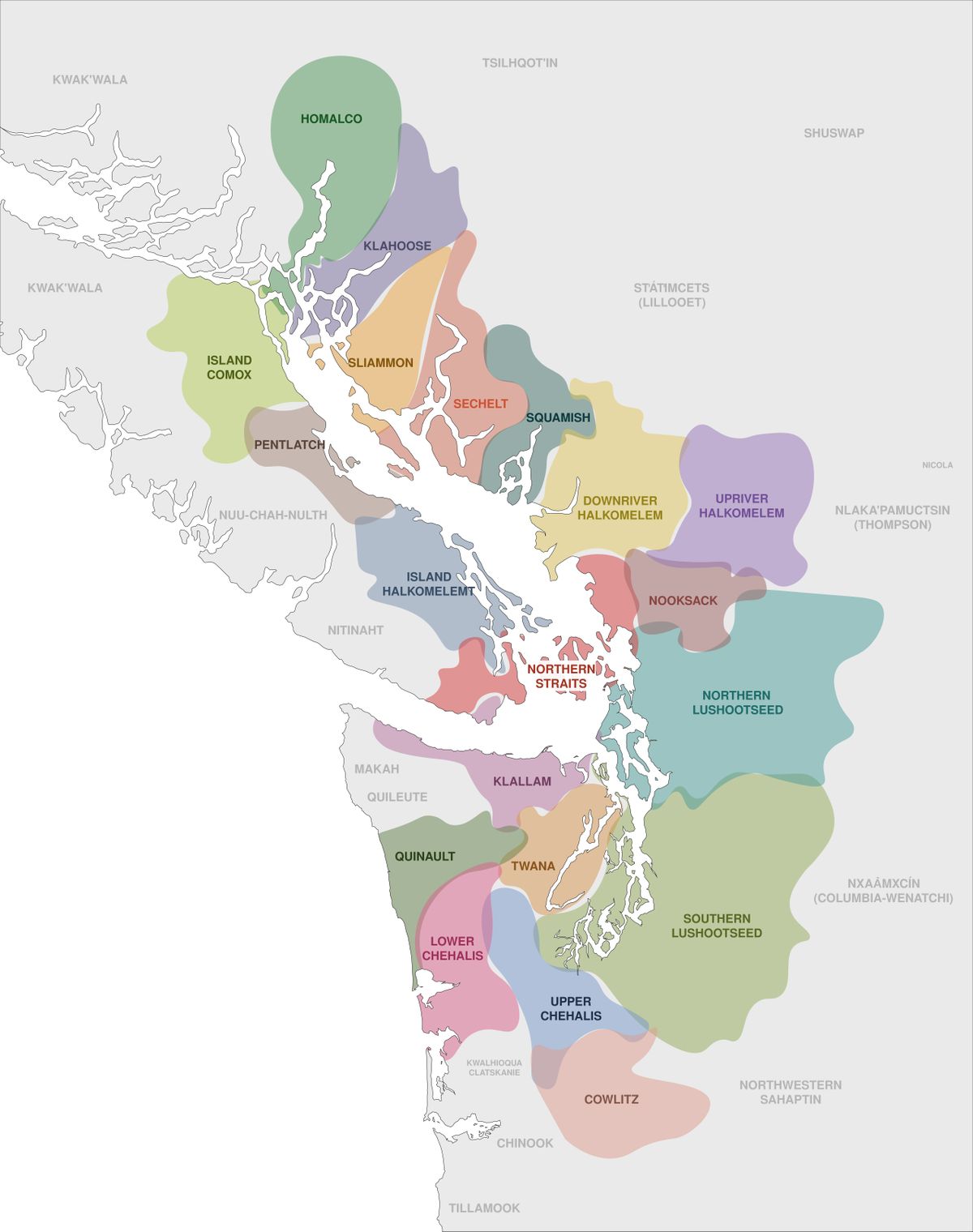
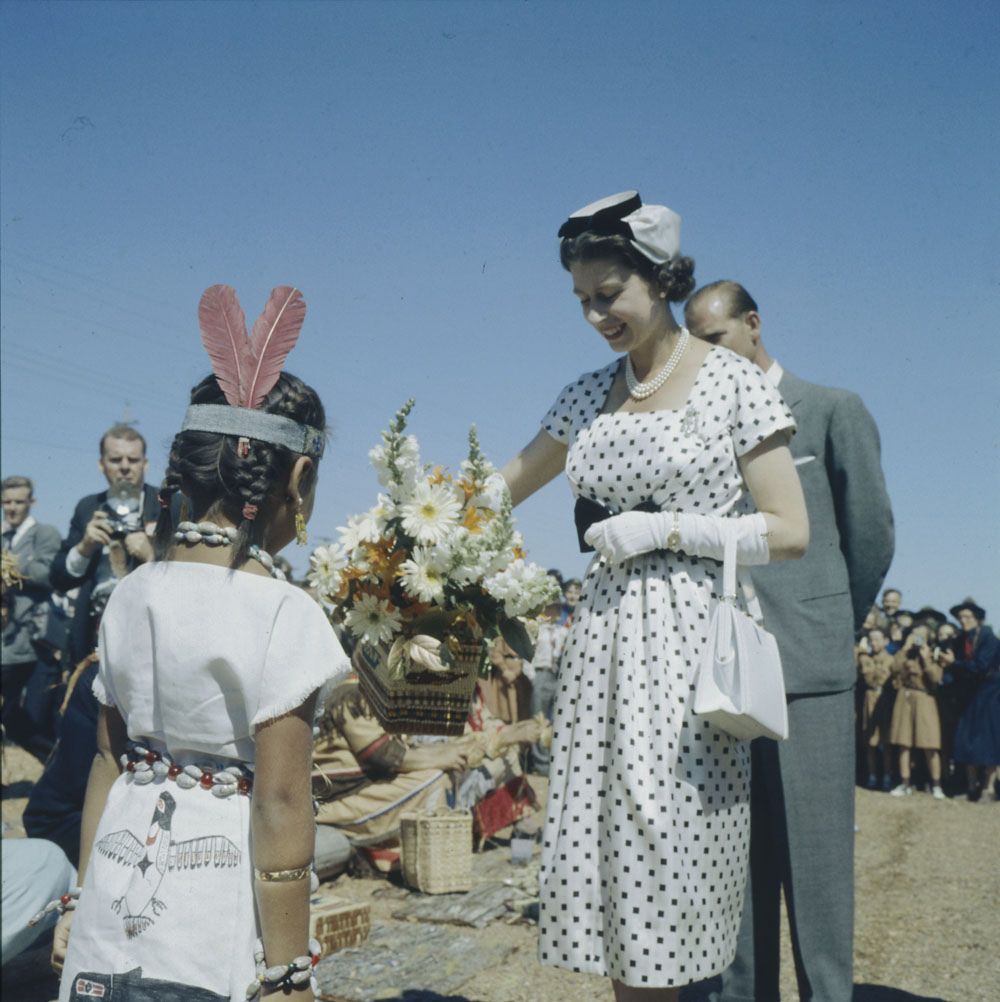
During treaty negotiations between First Nations and agents of the British Crown in the late 1700s and early 1800s, the term Great Father came to be used to refer to King George III. This was revived as the Numbered Treaties were being formed during the latter quarter of the 19th century, when Queen Victoria was spoken of in familial terms such as the Great Queen Mother and the Great White Mother. The informal titles, used in conjunction with the phrase Indian children for the aboriginals, were originally neither intended nor taken as an indication of Indigenous inferiority. Victoria's great-grandson, Edward, Prince of Wales was given the title Morning Star by Chief Little Thunder when he was invested as a chief of the Nakoda and Kainai nations in Banff, Alberta, in 1919. During a lengthy meeting with Coast Salish peoples near Nanaimo, British Columbia, while on her royal tour of Canada in 1959, Queen Elizabeth II was granted by the Salish leaders the title Mother of All People. Charles III, as heir to the throne, was given titles by various tribes. In 1976, the Inuit in the Northwest Territories bestowed on him the title Attaniout Ikeneego. Cree and Ojibway students in Manitoba named Charles Leading Star in 1986. The Cree in Saskatchewan honoured the prince with the title Kīsikāwipīsimwa miyo ōhcikanawāpamik, which translates as 'The Sun Watches Over Him in a Good Way.' This title was given in 2001 by Elder, Chief, and Sun Dance leader Gordon Oakes during ceremonies in Wanuskewin Heritage Park marking the 125th anniversary of the signing of Treaty 6.
Constitutional Role and Symbolism
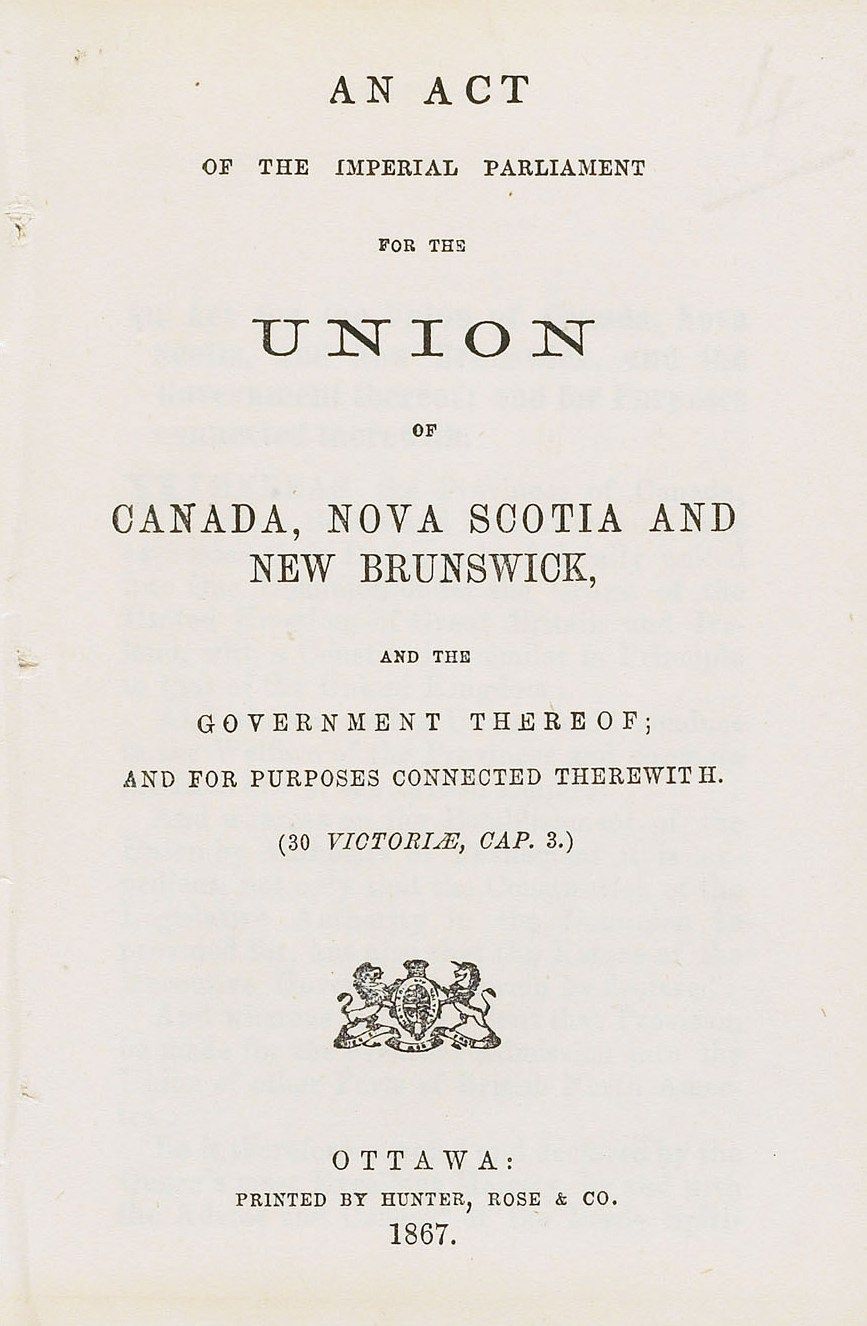
The sovereign's title is linked to their constitutional role as head of state of Canada, a role defined under the Constitution Act, 1867 which retained Queen Victoria and her heirs and successors as the source of executive authority and as one part of Parliament. In 1931, the Statute of Westminster codified the divisibility of the Crown, making the sovereign of Canada a separate office from other positions held by the monarch. George VI was the first sovereign to undertake duties as head of state on Canadian soil during his 1939 tour. The 1947 Letters Patent delegated nearly all of the sovereign power in the Canadian constitution to the governor general, who now exercises most authorities in the sovereign's name. The sovereign's duties include granting royal assent to legislation that has been passed by the House of Commons and Senate, opening parliament and reading the speech from the throne, holding the powers of commander in chief, and inviting the prime minister to form government, though these are typically performed by the governor general. The title 'King of Canada' legally embodies this role, and the citizenship oath requires individuals to profess loyalty to the sovereign. With the patriation of the Canadian constitution in 1982, the office of Queen was placed under the unanimous amending procedure, requiring the consent of Parliament and all provincial legislatures for any change. The sovereign serves as the embodiment of the Canadian state and a symbol of its continuity. The current sovereign of Canada is King Charles III, who succeeded to the throne on 8 September 2022 when his mother Queen Elizabeth II died. The sovereign is determined by a process of hereditary succession governed by the Act of Settlement of 1701, with the current heir being the King's eldest son William, Prince of Wales, followed by his son Prince George.
The Title in Comparative Context
The Canadian sovereign's title is unique among the Commonwealth countries, each of which has its own formulation for the shared monarch. The 2024 title deliberately omits any direct reference to the United Kingdom, a point of differentiation from titles used earlier in the reign of Elizabeth II. The removal of 'Defender of the Faith' also sets Canada apart from countries like the United Kingdom, where the term specifically relates to the monarch's role with the Church of England and Church of Scotland. In Canada the term had a more vague meaning alluding only to a belief in a higher power, as explained by Prime Minister St. Laurent in 1953. The consistent element across all these nations is the inclusion of 'Head of the Commonwealth,' a title held personally by the monarch since 1949. The table below illustrates the core elements of the Canadian title compared to its immediate predecessor, showing the key changes implemented in 2024.
| Element | Title (1953 to 2024) | Title (2024-Present) |
|---|---|---|
| Reference to United Kingdom | Included ('of the United Kingdom, Canada...') | Omitted |
| Primary Territorial Designation | 'of the United Kingdom, Canada and Her other Fields...' | 'King of Canada and His other Fields and Territories' |
| Religious Reference | 'Defender of the Faith' included | 'Defender of the Faith' omitted |
| Head of the Commonwealth | Included | Included |
The style and title of the Canadian sovereign is the formal mode of address of the monarch of Canada. As various Canadian territories changed ownership and then the country gradually gained independence, the style and title of the monarchs changed often. The new legislation conferred publicly and legally the reality of a unique constitutional monarchy for Canada. The title of the Canadian sovereign was discussed intermittently through the end of the 20th and early 21st centuries.
Questions about Style and title of the Canadian sovereign
What is the current official title of the King of Canada?
The current official title is Charles the Third, by the Grace of God King of Canada and His other Fields and Territories, Head of the Commonwealth. This title was established by a royal proclamation issued on 8 January 2024. It was authorized by the Royal Style and Titles Act which was passed by the Canadian Parliament in 2023. The title was composed to distinctly mention Canada and highlight the monarch's shared status across the Commonwealth fields.
Why was the royal title changed in 2024?
The title was changed to modernize it and more clearly reflect Canada's independent status. The federal Cabinet introduced the bill in 2023 to drop the reference to the United Kingdom and the phrase Defender of the Faith from the previous title used since 1953. This change was viewed as part of the evolution of the Canadian Crown as a distinctly Canadian institution. The bill received royal assent on 22 June 2023 and the new title was proclaimed on 8 January 2024.
How is the monarch typically addressed in Canada?
The monarch is typically addressed as 'His Majesty' or, in French, 'Sa Majesté.' This style of address using Majesty originated in the United Kingdom from the 12th century onward and was brought to North America during colonial times. It has continued in use since Canada became a field in 1867 and is now applied to the Canadian monarch. The sovereign in Canada is referred to simply as His Majesty, though sometimes the style 'His Canadian Majesty' is used for differentiation. Canadian styles of address are officially maintained by the Department of Canadian Heritage's Protocol Office.
When was the title 'Queen of Canada' first officially used?
The title 'Queen of Canada' was first officially and legally used following the accession of Queen Elizabeth II. It was formalized by the Royal Style and Titles Act of 1953 and a royal proclamation issued on 28 May 1953. The Canadian government had preferred this format to make the sovereign's role as monarch of Canada clear. Queen Elizabeth II herself stated in 1973 that 'it is as Queen of Canada that I am here.'
What is the significance of the title in the Oath of Citizenship?
The title forms a part of the Oath of Allegiance within the Oath of Citizenship. By swearing allegiance to the King of Canada, new citizens affirm their loyalty to the Canadian state and its constitutional system. The sovereign is the head of state and the legal foundation of the executive branch of government. The title also appears in Latin as 'Charles III Dei Gratia Rex Canada' on the obverse of Canadian medals like the King Charles III Coronation Medal.
Have Indigenous peoples given titles to Canadian sovereigns?
Yes. King George III was referred to as the Great Father. Queen Victoria was spoken of as the Great Queen Mother and the Great White Mother. In 1959, Queen Elizabeth II was granted the title Mother of All People by Coast Salish leaders. Charles III, as heir, received titles including Attaniout Ikeneego from the Inuit in 1976 and Leading Star from Cree and Ojibway students in 1986.
Sources and further reading
- Style and title of the Canadian sovereign (Wikipedia)
- Proclamation Establishing for Canada the Royal Style and Titles (laws-lois.justice.gc.ca)
- Sovereign (thecanadianencyclopedia.ca)
- The Governor General of Canada (gg.ca)
Checked by the Nosy Mag desk. Last updated 2026-11-03.