Vincent Massey
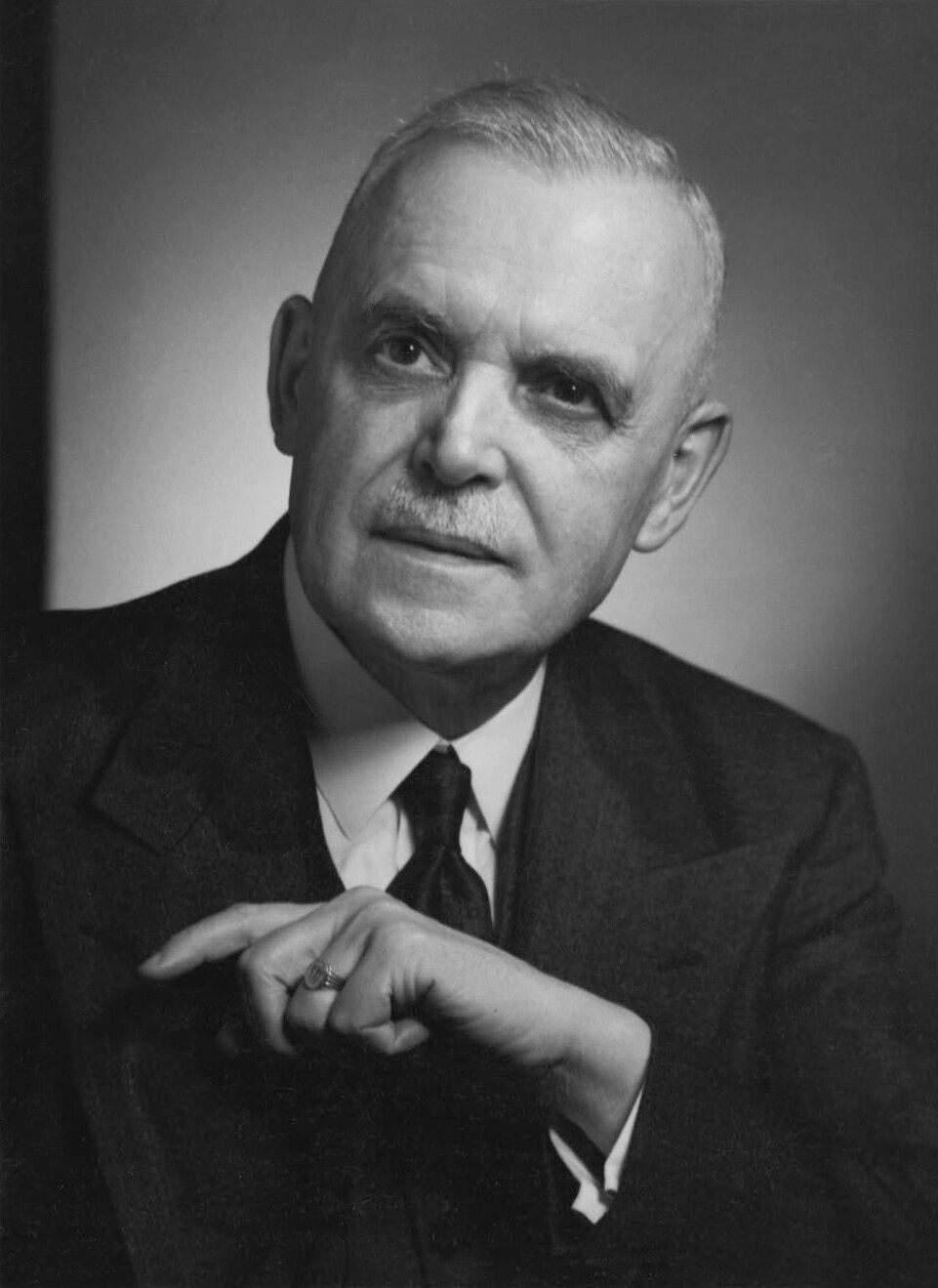
Charles Vincent Massey was a Canadian diplomat and statesman who served as the 18th governor general of Canada from 1952 to 1959. He was appointed by King George VI on the recommendation of Prime Minister Louis St. Laurent, succeeding the Viscount Alexander of Tunis. Massey was the first governor general of Canada to be born in Canada, marking a significant national milestone. His term concluded in 1959 when he was succeeded by Georges Vanier.
Early Life and Family Background
Vincent Massey was born on February 20, 1887, into one of Toronto's wealthiest and most influential families. His father was Chester Daniel Massey, the owner of the Massey-Harris farm implement company, a predecessor to Massey Ferguson. His mother was Anna Vincent, and his grandfather was the industrialist and philanthropist Hart Massey. The family's Methodist faith and substantial wealth directed them toward significant philanthropy, supporting institutions like Victoria University, Massey Hall, and the Metropolitan Methodist Church in Toronto. Massey was raised in the family mansion at 519 Jarvis Street and educated at St. Andrew's College in Aurora, Ontario, from 1902 to 1906. He had one notable sibling, his brother Raymond Massey, who would become a well-known Canadian-American actor. Despite the family's prosperity, they were not part of Toronto's traditional Anglican elite, a status that influenced Vincent Massey's lifelong dedication to cultural philanthropy and public service.
Education and Early Career
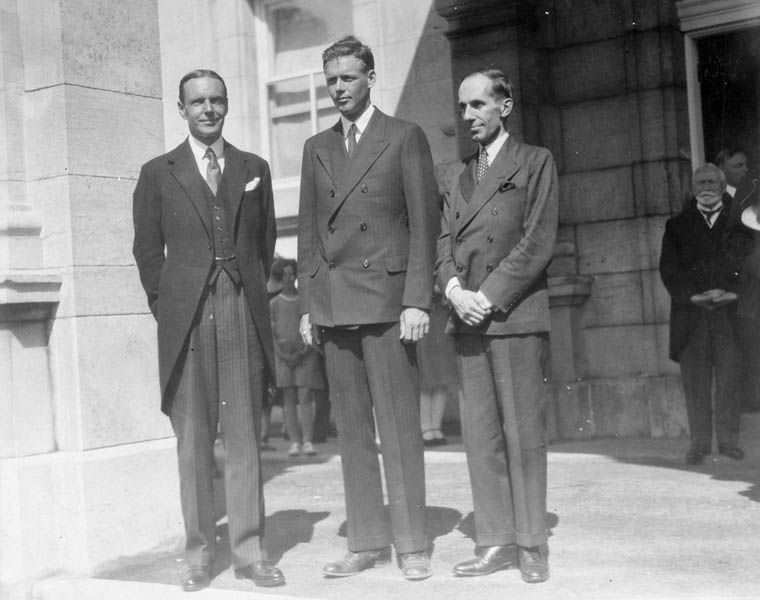
Massey attended University College at the University of Toronto, graduating with a Bachelor of Arts in history and English. While there, he enlisted in The Queen's Own Rifles of Canada in 1907 and joined the Kappa Alpha Society, where he first met future prime minister William Lyon Mackenzie King. He continued his studies at Balliol College, University of Oxford, earning a second in modern history in 1913. His time at Oxford cemented a lifelong appreciation for British traditions and institutions. Upon returning to Toronto in 1913, he became the first dean of men at Burwash Hall, a residence at Victoria University donated by his father, and lectured in modern history. When the First World War began, Massey was commissioned as an officer for Military District No. 2 and worked for the Cabinet war committee, though he did not serve overseas. On June 4, 1915, he married Alice Parkin, daughter of Sir George Robert Parkin, and they later had two sons, Lionel and Hart. In 1921, he became president of the family firm, Massey-Harris Co., a position he held until 1925. Massey's philanthropic interests were evident early on. In 1911, concerned about the lack of student facilities at the University of Toronto, he donated $16,290 to help build a student centre. In 1918, he established the Massey Foundation with other family members, creating Canada's first trust of its kind to support artistic and architectural projects and amass a significant art collection.
Political and Diplomatic Service
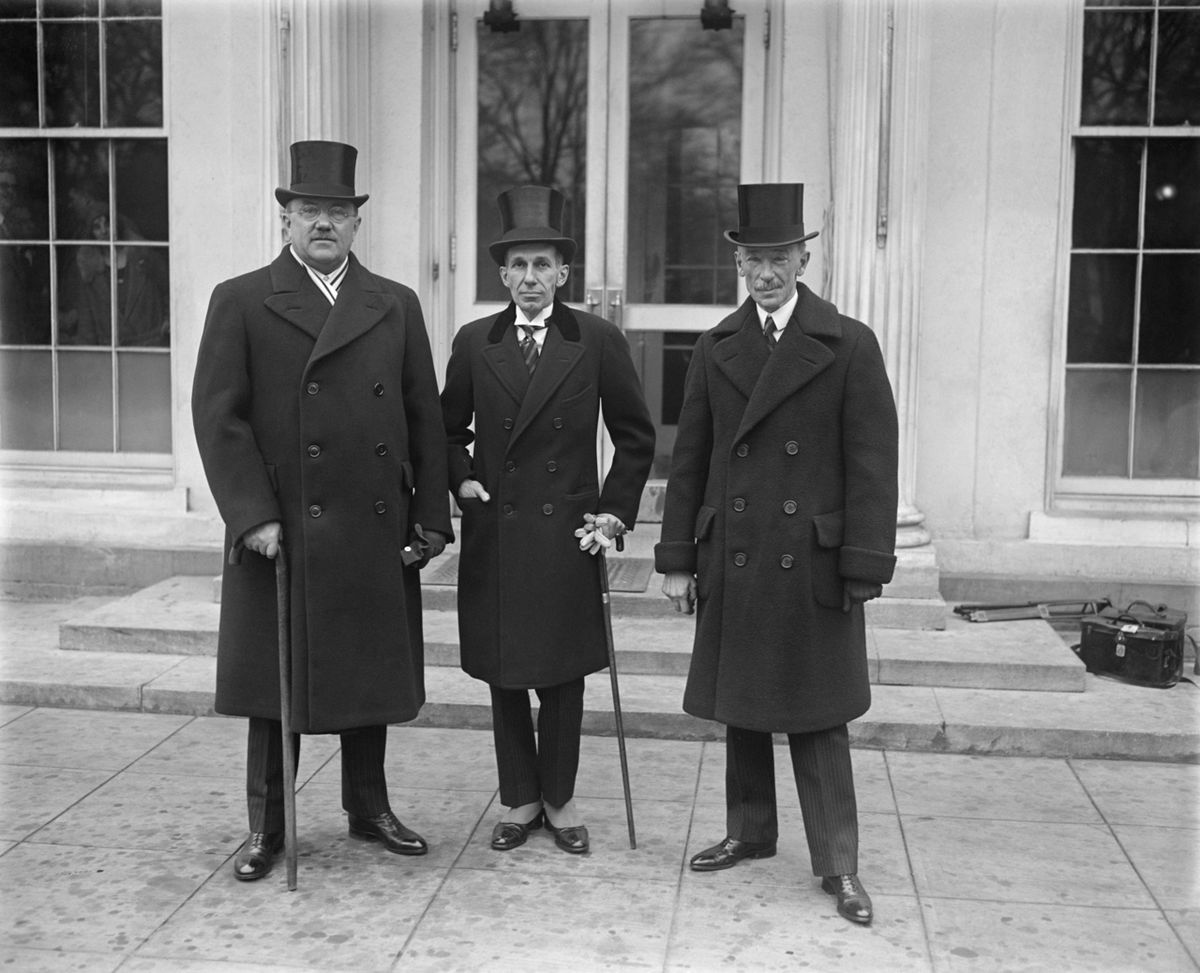
Finding corporate life unsuited to him, Massey resigned from Massey-Harris in 1925. Later that year, on September 16, he was appointed to the King's Privy Council for Canada by Governor General the Viscount Byng of Vimy and made a minister without portfolio in Prime Minister Mackenzie King's Cabinet. He ran for the House of Commons in the riding of Durham in the 1925 federal election but was defeated. Despite this setback, his diplomatic career began in earnest. On November 25, 1926, on King's advice, Massey was appointed as the first Canadian Envoy Extraordinary and Minister Plenipotentiary to the United States, making him Canada's first envoy with full diplomatic credentials to a foreign capital. He served in Washington until 1930. In 1932, he became the first president of the newly formed National Liberal Federation of Canada, helping to professionalize the party's national organization. He managed the Liberal campaign for the 1935 federal election, coining the slogan "It's either King or Chaos!" to portray Mackenzie King as a steady leader during the Great Depression.
In 1935, Mackenzie King appointed Massey as High Commissioner to the United Kingdom, a post he held until 1946. In London, he was joined by his secretary, Georges Vanier, who would later succeed him as governor general. Massey's tenure coincided with major events like the abdication crisis of King Edward VIII in 1936, during which he supported Prime Minister Stanley Baldwin. He also served as the Canadian delegate to the League of Nations in 1936. His diplomatic style was marked by a deep Anglophilia and connections to high British society, though this sometimes led to perceptions of snobbery. During the pre-war period, Massey held views sympathetic to the appeasement of Nazi Germany, believing the Treaty of Versailles was too harsh and that French alliances were destabilizing.
- 1925: Appointed to Cabinet as minister without portfolio.
- 1926: Became Canada's first minister to the United States.
- 1932: First president of the National Liberal Federation.
- 1935 to 1946: Served as High Commissioner to the United Kingdom.
- 1936: Canadian delegate to the League of Nations.
The Massey Commission and Cultural Advocacy
Upon returning to Canada in 1946, Massey turned his focus to cultural and educational leadership. He served as chancellor of the University of Toronto from 1947 to 1953 and as chairman of the board of trustees of the National Gallery of Canada from 1948 to 1952. In 1949, Prime Minister Louis St. Laurent named him chairman of the Royal Commission on National Development in the Arts, Letters, and Sciences, informally known as the Massey Commission. The commission was a seminal undertaking in Canadian cultural policy, holding 114 public hearings across the country and receiving 462 formal submissions from organizations and citizens. Its landmark report, published in 1951, argued for strong federal support for culture to counter American influence and foster a distinct national identity.
The Massey Report led directly to several major institutional foundations. Its key recommendations included the creation of a national arts funding body, which was realized in 1957 with the establishment of the Canada Council for the Arts. The report also provided the groundwork for the founding of the National Library of Canada. Massey's advocacy for a national festival of the arts helped pave the way for the eventual creation of the National Arts Centre in Ottawa. This work cemented his reputation as a central figure in shaping Canada's modern cultural infrastructure.
Governor General of Canada
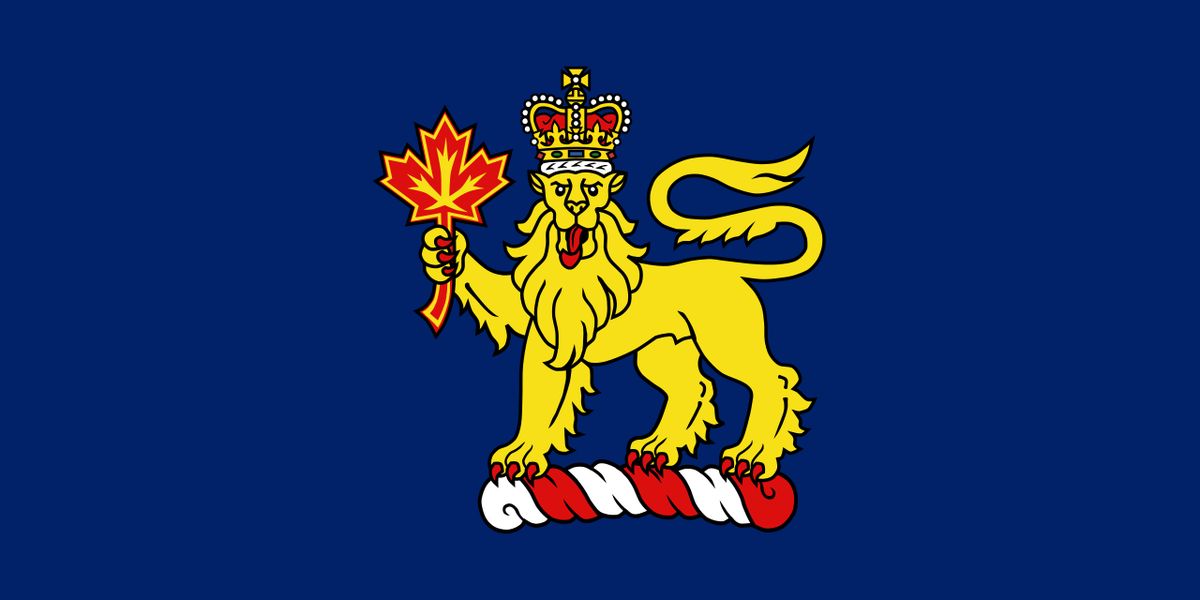
On February 1, 1952, it was officially announced that Vincent Massey would be appointed governor general of Canada, on the recommendation of Prime Minister Louis St. Laurent. He was sworn in on February 28, 1952, succeeding the Viscount Alexander of Tunis. Massey's appointment was historic, as he was the first Canadian-born individual to hold the office since Confederation, ending a tradition of 17 British-born viceroys. This change reflected Canada's growing autonomy and evolving national identity within the Commonwealth. Some traditionalists criticized the appointment of a Canadian commoner, but it was widely celebrated as a step toward a mature nationhood. Massey served as governor general under two monarchs, King George VI and Queen Elizabeth II, and worked with prime ministers Louis St. Laurent and John Diefenbaker during his term, which lasted until 1959.
As governor general, Massey brought his deep appreciation for ceremony and the arts to Rideau Hall. He and his wife, Alice, hosted numerous events to celebrate Canadian achievements. Massey travelled extensively across the country, fulfilling his constitutional and ceremonial duties. His term saw Canada continue its post-war growth and face the challenges of the early Cold War period. He emphasized the importance of national unity and the role of the Crown as a symbol above politics. Upon the conclusion of his term in 1959, he was succeeded by Georges Vanier, his former secretary from his days as high commissioner in London. Massey was the first governor general to be a widower, as his wife Alice died in 1950, and his daughter-in-law Lilias Massey acted as hostess.
Later Life, Honours, and Legacy
After leaving the viceregal office, Massey retired to his estate, Batterwood House, near Port Hope, Ontario. He remained active in public life through philanthropy and cultural projects. In 1961, he initiated the Massey Lectures, a major public lecture series. In 1963, he founded Massey College at the University of Toronto, appointing Robertson Davies as its first master. Massey was a lifelong patron of the arts, and his foundation continued to support numerous cultural initiatives. Throughout his life, Massey received numerous honours in recognition of his service. In 1946, King George VI made him a Companion of Honour. In 1960, Queen Elizabeth II awarded him the Royal Victorian Chain. In 1967, he was appointed a Companion of the Order of Canada. As a former governor general, he was entitled to use the style The Right Honourable for life. He died on December 30, 1967, in the United Kingdom and was given a state funeral in Canada. His legacy covers many areas, encompassing his role as a diplomatic pioneer, a cultural architect, and the first Canadian-born governor general. The institutions he helped create, from the Canada Council to Massey College, continue to shape Canadian cultural and academic life.
- Companion of Honour (1946).
- Royal Victorian Chain (1960).
- Companion of the Order of Canada (1967).
- Entitled to the style The Right Honourable for life.
- Chancellor, University of Toronto (1947 to 1953).
Historical Significance and Assessment
Vincent Massey's historical significance lies in his embodiment of Canada's transition from a British dominion to a modern, autonomous nation. His appointment as governor general was a deliberate symbolic break from the past, chosen by a Canadian prime minister to represent a Canadian to the Canadian people. This established the precedent that all future governors general would be Canadian citizens. His career spanned key moments in 20th-century Canadian history, from the Imperial conferences that defined dominion status to the post-war cultural awakening. As a diplomat, he helped professionalize Canada's foreign service and represented the country during the tumultuous pre-war and war years in London.
Massey's cultural impact is perhaps his most enduring contribution. The Massey Commission report provided the intellectual and policy foundation for federal government involvement in funding the arts and preserving national culture, a framework that endures today. His personal style, often described as aristocratic and Anglophile, was sometimes at odds with a more populist Canadian sensibility, yet it reflected a particular vision of Canadian identity that valued tradition and high culture. Historians recognize him as a complex figure whose advocacy for the arts and determined public service left an indelible mark on the nation's institutions and sense of self.
Questions about Vincent Massey
Why was Vincent Massey's appointment as governor general significant?
Vincent Massey's appointment in 1952 was significant because he was the first Canadian-born person to hold the office of governor general. Prior to his appointment, all 17 governors general since Confederation had been British subjects, often members of the aristocracy or military. His selection on the advice of Prime Minister Louis St. Laurent marked a major step in Canada's assertion of its autonomy and national identity within the Commonwealth. It established the precedent that the viceregal representative should be a Canadian citizen, a tradition that has been followed by all his successors.
What was the Massey Commission and what did it achieve?
The Massey Commission was the popular name for the Royal Commission on National Development in the Arts, Letters, and Sciences, which Massey chaired from 1949 to 1951. The commission travelled across Canada, gathering testimony on the state of Canadian culture. Its 1951 report warned of American cultural domination and argued for strong federal support. Its key achievements were recommending the creation of the Canada Council for the Arts, which was established in 1957 to fund artists and organizations, and laying the groundwork for the National Library of Canada. The commission's work fundamentally shaped Canada's cultural policy for decades.
What diplomatic posts did Vincent Massey hold?
Vincent Massey had a distinguished diplomatic career. In 1926, he became Canada's first Envoy Extraordinary and Minister Plenipotentiary to the United States, making him the country's first envoy with full diplomatic credentials to a foreign capital. He served in Washington until 1930. From 1935 to 1946, he served as Canada's High Commissioner to the United Kingdom, a senior posting in London where he dealt with major events like the abdication of King Edward VIII and the lead-up to the Second World War. In this role, he was also the Canadian delegate to the League of Nations in 1936.
What was Vincent Massey's connection to the Massey family business?
Vincent Massey was born into the wealthy Massey family, which owned the Massey-Harris farm implement manufacturing company, a predecessor to Massey Ferguson. His father, Chester Massey, ran the business, and his grandfather, Hart Massey, had built it into an international corporation. Vincent served as president of Massey-Harris from 1921 to 1925. However, he found corporate life unsuited to him and resigned to pursue a career in public service and diplomacy. The family's wealth, derived from this business, funded the Massey Foundation and allowed for significant philanthropic activities in arts and education.
What honours did Vincent Massey receive?
Vincent Massey received several high honours. In 1946, for his service as High Commissioner to the United Kingdom, King George VI appointed him a Companion of Honour, a prestigious order with very limited membership. In 1960, Queen Elizabeth II awarded him the Royal Victorian Chain. In 1967, he was appointed a Companion of the Order of Canada. Upon becoming governor general in 1952, he was sworn into the Privy Council. As a former governor general, he was entitled to use the style The Right Honourable for life.
What cultural institutions did Vincent Massey help found?
Vincent Massey was instrumental in founding several major Canadian cultural and educational institutions. He headed the Royal Commission on National Development in the Arts, Letters and Sciences from 1949 to 1951, which produced the Massey Report. This report led directly to the establishment of the National Library of Canada and the Canada Council for the Arts. Through his philanthropic Massey Foundation, established in 1918, he later founded Massey College at the University of Toronto in 1963. He also created the Massey Lectures in 1961. His early donation and leadership led to the construction of Hart House at the University of Toronto, a student social and athletic facility.
Sources and further reading
- Vincent Massey (Wikipedia)
- Former Governors General (gg.ca)
- The Evolution of the Selection and Appointment ... - HillNotes (hillnotes.ca)
- Vincent Massey (thecanadianencyclopedia.ca)
- Massey Becomes Canada's First Native-Born Governor- ... (ebsco.com)
Checked by the Nosy Mag desk. Last updated 2026-10-30.