Conscription Crisis of 1917
The Conscription Crisis of 1917 was a political and military crisis in Canada during World War I. It centred on the federal government's decision to impose mandatory military service to replenish overseas forces, a policy opposed by French Canadians. The crisis exposed ethnic and linguistic tensions between English Canadians, who largely supported the British Empire's war effort, and French Canadians, who felt no such imperial loyalty. It culminated in violent riots, a federal election, and national distrust that resurfaced in the Second World War. The crisis began after the Battle of the Somme when Canada needed to replace soldiers, and the Military Service Act was passed on August 29, 1917.
Background and Divergent War Attitudes
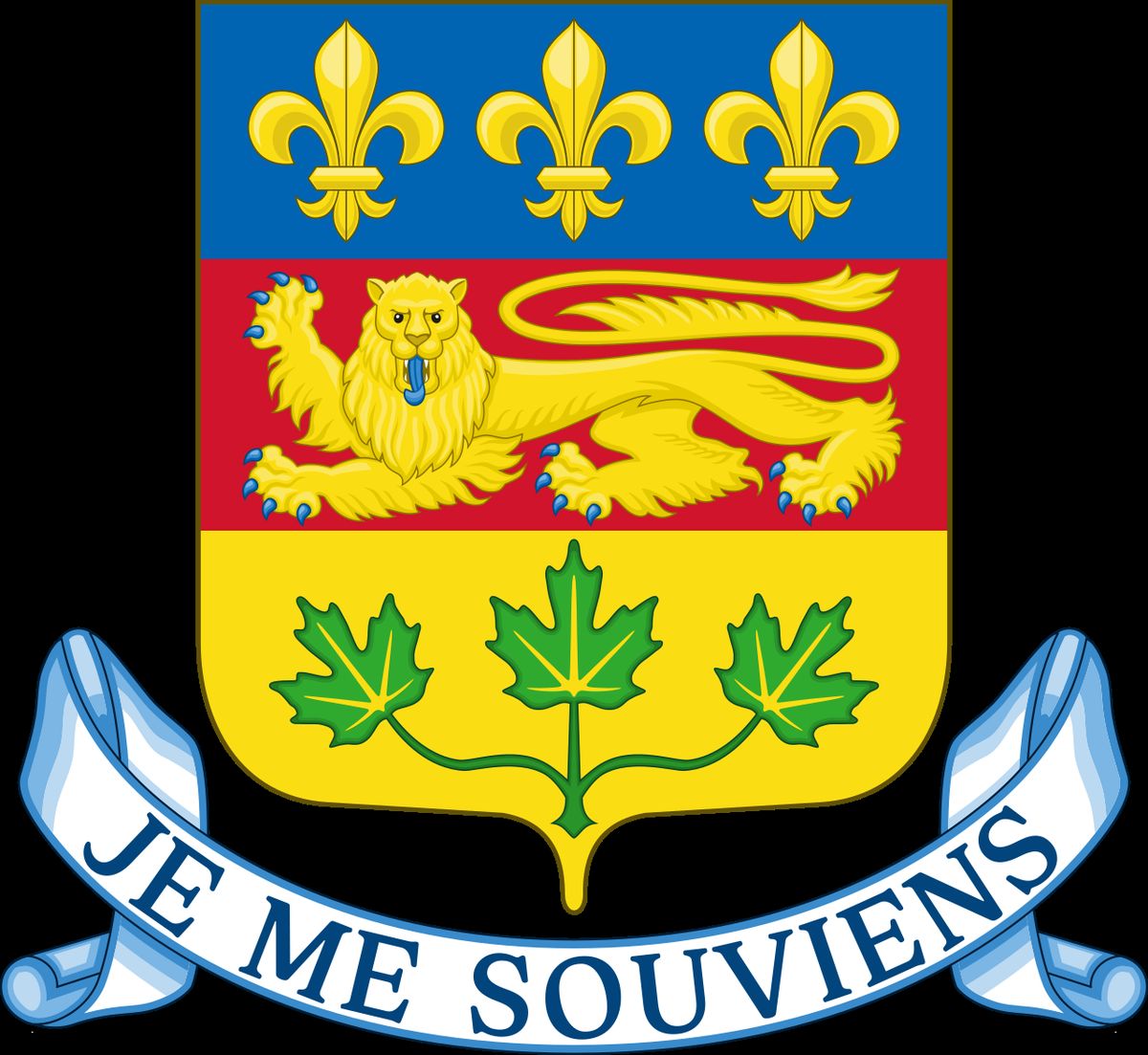
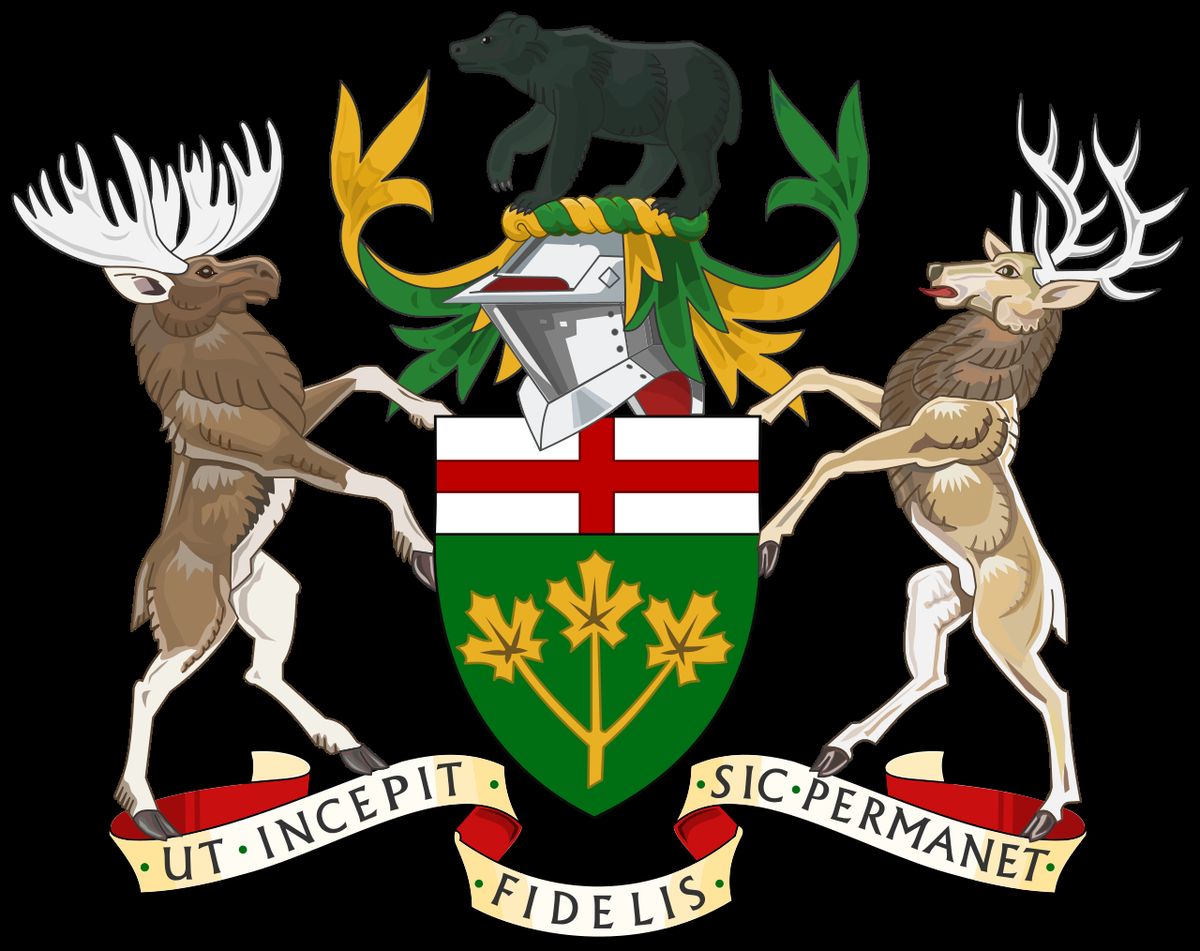
Canada entered World War I on August 4, 1914, alongside Britain, sparking patriotic fervour in English Canada. Volunteers, many of them recent British immigrants, flocked to recruiting stations under the direction of Minister of Militia Colonel Sam Hughes. On August 10, Hughes was permitted to create a militia of 25,000 men. He established a major training camp at Valcartier, Quebec, capable of housing 32,000 men. The first contingent of 31,200 Canadians, dubbed 'Canada's Answer', arrived in Britain on October 14 for continued training. Hughes moved with speed to create Canadian battalions which allowed Canadian troops to be kept together as units for the first time. The government's initial recruitment target was 150,000 men by 1915, but relied entirely on voluntary enlistment from a population of 8 million. In contrast, French Canada felt removed from what was perceived as a British and European conflict. French Canadians felt little attachment to the British Empire and viewed the Canadian army as an English Canadian institution. The experience of the first contingent suggested to French Canadians that they could expect poor treatment as French-speaking Catholics in English-speaking, predominantly Protestant battalions with officers unable to communicate with them. Young French Canadians seeking to serve chose the few traditional 'French' regiments of the Canadian militia, such as Les Fusiliers Mont-Royal, where barracks life was in French. They had to be turned away because the Minister of Militia and his subordinates refused to mobilize these traditionally French regiments or to create new ones. Political pressure in Quebec, along with public rallies, demanded the creation of French-speaking units. Montreal's La Presse editorialized that Quebec should create a contingent to fight as part of the French Army. When the government relented, the first new unit was the 22nd (French Canadian) Battalion, CEF. While a few other French-speaking groups were also allowed to be created, mostly by Reserve officers, they were all disbanded to provide replacements for the 22nd, which suffered close to 4,000 wounded and killed in the course of the war. By 1916, there were over 300,000 recruits, but voluntary enlistment began to falter as news of trench warfare casualties spread and employment opportunities increased at home. Prime Minister Robert Borden had promised 500,000 troops by the end of that year. In June 1917, Sam Hughes informed the House of Commons that of the 432,000 Canadian volunteers, fewer than 5% came from French Canada, which made up 28% of the population. Many prominent Canadian historians suggest that the Ontario government's move to disallow French language instruction in Regulation 17 was the main reason for the lack of Québécois volunteers.
The Military Service Act and the Political Crisis
After the Battle of the Somme in 1916, Canada was in desperate need to replenish its supply of soldiers as voluntary recruiting had effectively failed. The recruiting effort in Quebec had failed, and the Canadian government turned to its only remaining option: conscription. Prime Minister Robert Borden, who had initially promised no conscription, reversed his position following a visit to Britain for a meeting of First Ministers in May 1917. He faced immense pressure to increase Canada's contribution and was convinced that only conscription could make Canada's war effort respectable and secure its post-war influence. Borden announced the introduction of the Military Service Act on August 29, 1917. The Act was passed, allowing the government to conscript men aged 20 to 45 across the country if the Prime Minister deemed it necessary. The political crisis was immediate, causing a considerable rift along ethnic lines between Anglophones and Francophones. Almost all French Canadians opposed conscription, led by nationalist spokesman Henri Bourassa, who argued their only loyalty was to Canada, not Britain or France. English Canadians, feeling stronger ties to the British Empire, largely supported the measure. Borden's own cabinet was divided, with all of his English-speaking ministers supporting the idea, while his two French-Canadian ministers, who fully understood the explosive negative reaction the policy would provoke in Quebec, were hesitant. The Federal Conservatives had stated on numerous occasions that conscription would not be imposed, making Borden's reversal a deep breach of trust in French Canada. The nation was divided between English-speaking imperialists who supported the overseas war effort and French-speaking nationalists who believed conscription was a second attempt to impose the Conquest of 1760 and needed to be resisted at all costs.
The 1917 Federal Election and Wartime Franchise
To secure a mandate for conscription, Prime Minister Borden called a federal election for December 17, 1917, later dubbed the conscription election. He transformed his Conservative Party into a Unionist coalition, attracting many English-speaking Liberals who supported the war policy. His opponent was Liberal leader Sir Wilfrid Laurier, who opposed conscription. Laurier had opposed conscription from the beginning of the war, arguing that an intense campaign for volunteers would produce enough troops. He privately felt that if he joined the coalition government, Quebec would fall under the dangerous nationalism of Henri Bourassa, which might ultimately lead to Quebec leaving the Canadian Confederation. To solidify his electoral chances, Borden's government passed two highly controversial pieces of legislation. The Wartime Elections Act granted the vote to women who were wives, mothers, sisters, or daughters of men serving overseas, as they were seen as more patriotic and worthy of a public voice. This marked the first time women were permitted to vote in a Canadian federal election. Simultaneously, it disenfranchised conscientious objectors and recent immigrants from 'enemy countries' unless they had a family member in military service. The Military Voters Act extended the vote to all military personnel and nurses overseas, including women, regardless of their period of residence in Canada. It allowed these votes to be distributed to any riding, regardless of the voter's home constituency. These measures proved highly effective, with more than 90 percent of military votes going to the Unionists. The election results starkly illustrated the national divide. Borden's Unionist Party won a decisive majority with 153 seats, while Laurier's Liberals secured 82 seats, 62 of which came from Quebec. Borden's margin of victory was greater than the votes delivered by the franchise changes, but each act was successful in its aim to enfranchise allies and disenfranchise opponents, setting a controversial precedent for wartime democracy.
Enforcement, Exemptions and Civil Unrest
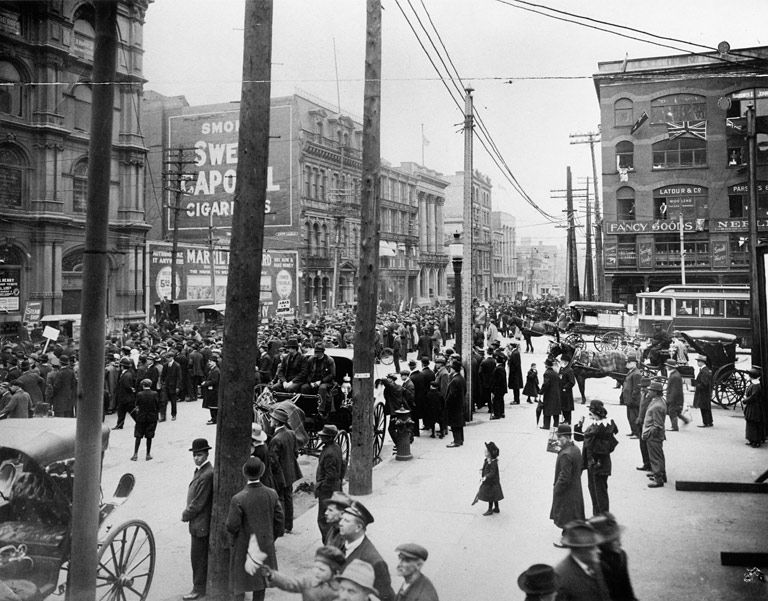
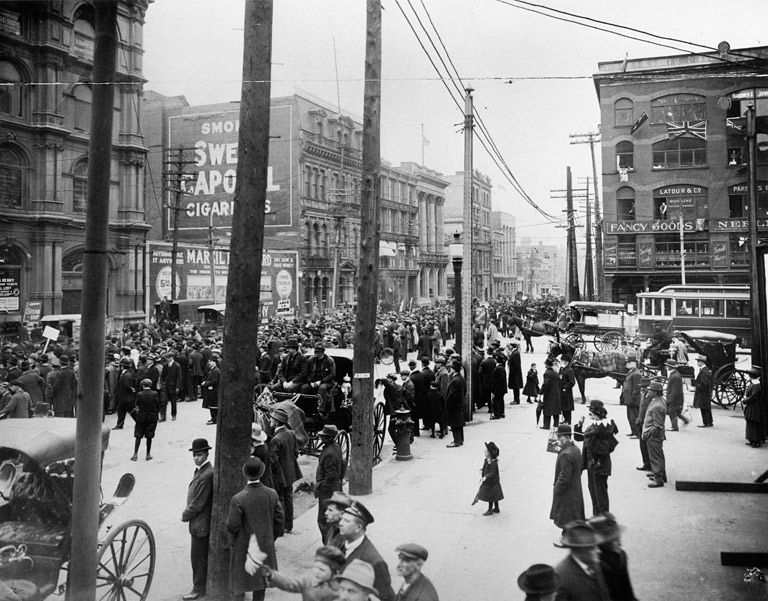
Enforcement of the Military Service Act began on January 1, 1918, making 404,385 men liable for service. The Act was initially vague and offered many exemptions, leading 385,510 men to apply for them. Almost all of these men were able to avoid service, even if they had supported conscription. Local tribunals were established to hear exemption claims, where a man could plead his case before a panel of two judges: one appointed by a board of selection named by Parliament, and the other by the senior county judge. If unsatisfied, he could appeal. The government was making an effort to be sympathetic toward those who refused to take part in military service. Conscientious objectors or unwilling soldiers sought exemption from combat. Many joined the Non-Combatant Corps, where they took on roles such as cleaning and other labour, dressed in uniform but without weapons. Often the conscientious objector was abused, deemed a coward, and stripped of basic rights. In the British House of Commons, a resolution for the disenfranchisement of conscientious objectors was defeated by 141 to 71. Lord Hugh Cecil, a well-known churchman and statesman, said he was 'entirely out of sympathy for conscientious objectors, but he could not force them to do what they thought was wrong'. The most violent opposition occurred in Quebec, where anti-war attitudes drawn from French-Canadian nationalism sparked the Easter Riots in Quebec City from March 28 to April 1, 1918. The disturbances began on a Thursday when Dominion Police detained a French-Canadian man who had failed to present his draft exemption papers. Despite the man's release, a mob of nearly 200 soon descended on the St. Roch District Police Station where he had been held. By Good Friday evening, an estimated 15,000 rioters had ransacked the conscription registration office as well as two pro-conscription newspapers within Quebec City, pitching files into the snow. This escalation prompted Quebec City Mayor Henri-Edgar Lavigueur to contact Ottawa and request reinforcements. Alarmed by the two days of rioting, the Borden government invoked the War Measures Act of 1914. Soldiers from Ontario were deployed to the city, with 780 initially and an additional 1,000 en route from Ontario and 3,000 from western provinces. By Easter Monday, the military presence had grown to about 1,200 soldiers, all from Ontario. On that day, after armed rioters began firing on troops from concealed positions, soldiers were ordered to fire on the crowds. Official reports name five men killed by gunfire and dozens more injured, with over 150 total casualties and $300,000 in damage. Thirty-two soldiers were injured, but none were killed. Monday, April 1, marked the end of the Easter Riots.
Military Results and Immediate Aftermath
The practical military results of conscription were limited, especially given the immense social and political cost. In the spring of 1918, the government amended the Act so that there were no exemptions, which left many English Canadians opposed as well. Even without exemptions, only about 125,000 men were ever conscripted under the Act. Of these, approximately 48,000 conscripts were sent overseas before the war ended, and only 24,132 of these actually served at the front lines. The war concluded with the Armistice on November 11, 1918, just months after the peak of the crisis. The immediate political fallout was severe. Prime Minister Borden retired in 1920, and his successor, Arthur Meighen, led the Conservatives to defeat in the 1921 election, partly due to the party's toxic reputation in Quebec. The Conservative Party became anathema in Quebec for a generation, finding it nearly impossible to win seats in the province. The Quebec Liberal Party held power in the province until August 1936. The crisis entrenched a legacy of mistrust between French and English Canada. It demonstrated the federal government's willingness to use extraordinary powers, like the War Measures Act, to enforce its will on a resistant province, resulting in an increase in state power. The military crackdown which lasted in Quebec until the end of the war was part of this increase. The issue of manpower and ensuring that the proper men were being relocated to the most appropriate roles overseas was an issue that lasted the duration of the war.
Long-Term Consequences and the Shadow on World War II
The Conscription Crisis of 1917 left an indelible mark on Canadian politics and inter-communal relations for decades, directly shaping the national debate during the Second World War. It solidified Quebec's alignment with the federal Liberal Party, as the Liberals under Laurier and later Mackenzie King were seen as more sympathetic to French-Canadian concerns. The Conservative Party's association with conscription crippled its fortunes in Quebec until the Diefenbaker era and beyond, creating a persistent electoral weakness. The crisis accelerated the development of a distinct Quebec nationalism that questioned its place within Confederation. Even though 35,000 French Canadians served overseas throughout the First World War, the conscription question resulted in French Canadians feeling more isolated than ever from the rest of Canada. For the first time in Canada's brief fifty-year history, there were substantial arguments being made in favour of revoking the Constitution Act of 1867. The memory of 1917 made conscription a toxic issue in Canadian politics leading up to and during the Second World War. Prime Minister Mackenzie King's Liberal government, keenly aware of this history, repeatedly promised in 1939 and 1940 not to impose overseas conscription. In 1942, under pressure for more troops, King held a national plebiscite to ask Canadians to release the government from its no-conscription pledge. The result starkly mirrored 1917: 71% of Quebec citizens voted against the proposal, while 70% in the rest of Canada supported it. Using this national majority, King's government passed Bill 80 in July 1942, which allowed for conscription for overseas service when deemed necessary. After heavy front-line losses in 1944, King's government, after considerable hesitation, finally imposed limited overseas conscription. This decision was supported by his Quebec lieutenant, Louis St. Laurent, but still provoked significant anger. Maurice Duplessis, the Quebec premier who regained power in 1944, was an ardent Quebec nationalist and his Union Nationale party strongly opposed conscription throughout the Second World War, using the issue for political gain. The shadow of 1917 ensured that the conscription issue in the 1940s was handled with extreme political caution. The conscription debates of both world wars highlight key recurring themes in Canadian history, including the challenge of bilingual and bicultural relations, the limits of federal power, and the use of emergency legislation. The clash between Henri Bourassa's nationalism and Robert Borden's imperialism set ideological battle lines. The use of the War Measures Act in 1918 set a precedent for federal emergency powers. The Wartime Elections Act's manipulation of the franchise created a model of strategic enfranchisement that was carefully studied and avoided in the 1940s. The service and sacrifice of the 22nd (French Canadian) Battalion in WWI was often cited in WWII debates to counter claims that Quebec did not contribute to the nation's defence.
Questions about Conscription Crisis of 1917
What was the main cause of the Conscription Crisis of 1917?
The immediate cause was the need to replenish overseas forces after voluntary enlistment dropped sharply by 1917, failing to meet Prime Minister Borden's promise of 500,000 troops. The deeper cause was a fundamental disagreement between English and French Canadians over loyalty. English Canadians, with strong ties to the British Empire, largely supported compulsory service. French Canadians, led by Henri Bourassa, felt no loyalty to Britain and viewed the war as a foreign conflict. They saw conscription as an oppressive measure imposed by an English-dominated government. Historians cite Ontario's Regulation 17 against French-language schools as a key reason for low francophone volunteer rates of fewer than 5% of the 432,000 volunteers.
How did the government win the 1917 election on conscription?
Prime Minister Robert Borden secured victory through coalition-building and controversial electoral law changes. He formed a Unionist government, merging his Conservatives with English-speaking Liberals who supported conscription. His government passed the Wartime Elections Act, which gave the vote to female relatives of soldiers while denying it to conscientious objectors and many immigrants from enemy nations. The Military Voters Act allowed all soldiers and nurses overseas to vote, and these votes could be assigned to any riding. Over 90% of military votes went to the Unionists, helping Borden win 153 seats to Laurier's 82, though he lost heavily in Quebec which returned 62 Liberal MPs.
What happened during the Quebec City Easter Riots?
The Easter Riots from March 28 to April 1, 1918, were violent protests against conscription. They began after Dominion Police detained a French-Canadian man for not having his exemption papers. A mob attacked the St. Roch District Police Station. By Good Friday, an estimated 15,000 rioters had ransacked the conscription registration office and two pro-conscription newspapers. After Mayor Henri-Edgar Lavigueur requested federal help, the government invoked the War Measures Act and deployed about 1,200 soldiers from Ontario. On Easter Monday, after armed rioters began firing on troops from concealed positions, soldiers were ordered to fire back. Official reports state five civilians were killed by gunfire and dozens injured, with over 150 total casualties and $300,000 in damage. Thirty-two soldiers were injured.
How many men were actually conscripted and sent to fight?
The Military Service Act made 404,385 men liable for service, but 385,510 sought exemptions. After amendments in spring 1918 removed most exemptions, only about 125,000 men were ever conscripted. Of these, approximately 48,000 conscripts were sent overseas before the war ended in November 1918. Only 24,132 conscripts actually served at the front lines. The war ended before the full force of conscription could be felt, but these conscripts provided crucial reinforcements during the final Allied offensives of the Hundred Days.
What was the political fallout in Quebec after the crisis?
The political fallout was severe and long-lasting. The Conservative Party was virtually wiped out in Quebec for a generation, contributing to its defeat in the 1921 federal election. The Quebec Liberal Party held provincial power until 1936. The crisis entrenched a deep distrust of the federal government on matters of defence and strengthened a distinct Quebec nationalism. This legacy directly influenced the conscription debates of the Second World War. Maurice Duplessis and his Union Nationale, who unseated the Quebec Liberals in 1936, were ardent Quebec nationalists who strongly opposed conscription throughout WWII, using the issue to regain power in 1944.
How did the 1917 crisis affect the conscription debate in World War II?
The memory of 1917 made conscription a toxic issue. Prime Minister Mackenzie King's government repeatedly promised not to impose overseas conscription. In 1942, facing pressure, King held a national plebiscite. Quebec voted 71% against, while the rest of Canada voted 70% in favour. Using this national majority, King passed Bill 80 in July 1942 allowing for conscription if needed. He finally implemented it in a limited form in late 1944 after heavy losses. The shadow of 1917 ensured the issue was handled with extreme caution, involving a plebiscite and gradual steps, and was a key reason the Liberal Party unseated Maurice Duplessis in Quebec in October 1939.
Sources and further reading
- Conscription Crisis of 1917 (Wikipedia)
- Conscription, 1917 | Canada and the First World War (warmuseum.ca)
- The Conscription Crisis (cbc.ca)
- Conscription, Louis S. St. Laurent National Historic Site (parks.canada.ca)
- The Conscription Issue in Canada's Two World Wars, NAOC (natoassociation.ca)
Checked by the Nosy Mag desk. Last updated 2026-10-29.