The Maritimes
The Maritimes, also known as the Maritime provinces, is a region of Eastern Canada consisting of three provinces: New Brunswick, Nova Scotia, and Prince Edward Island. The region, with a 2021 population of 1,899,324, is defined by its long Atlantic coastline, rich history of Indigenous and European settlement, and distinct cultural identity within Canada. The Maritimes are located northeast of New England, south of Quebec's Gaspé Peninsula, and southwest of Newfoundland. The region's historical significance is shown by the 1864 Charlottetown Conference, a meeting that set in motion the process of Canadian Confederation. The Maritimes had a population of 1,899,324 in 2021, which makes up 5.1% of Canada's population.
Geography and Climate
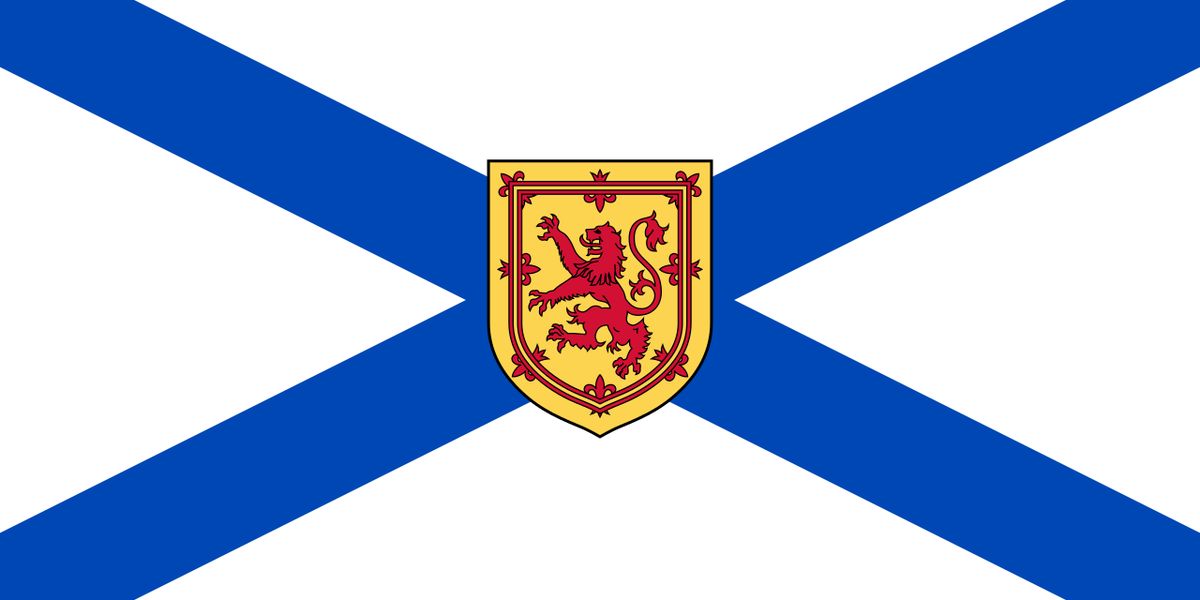
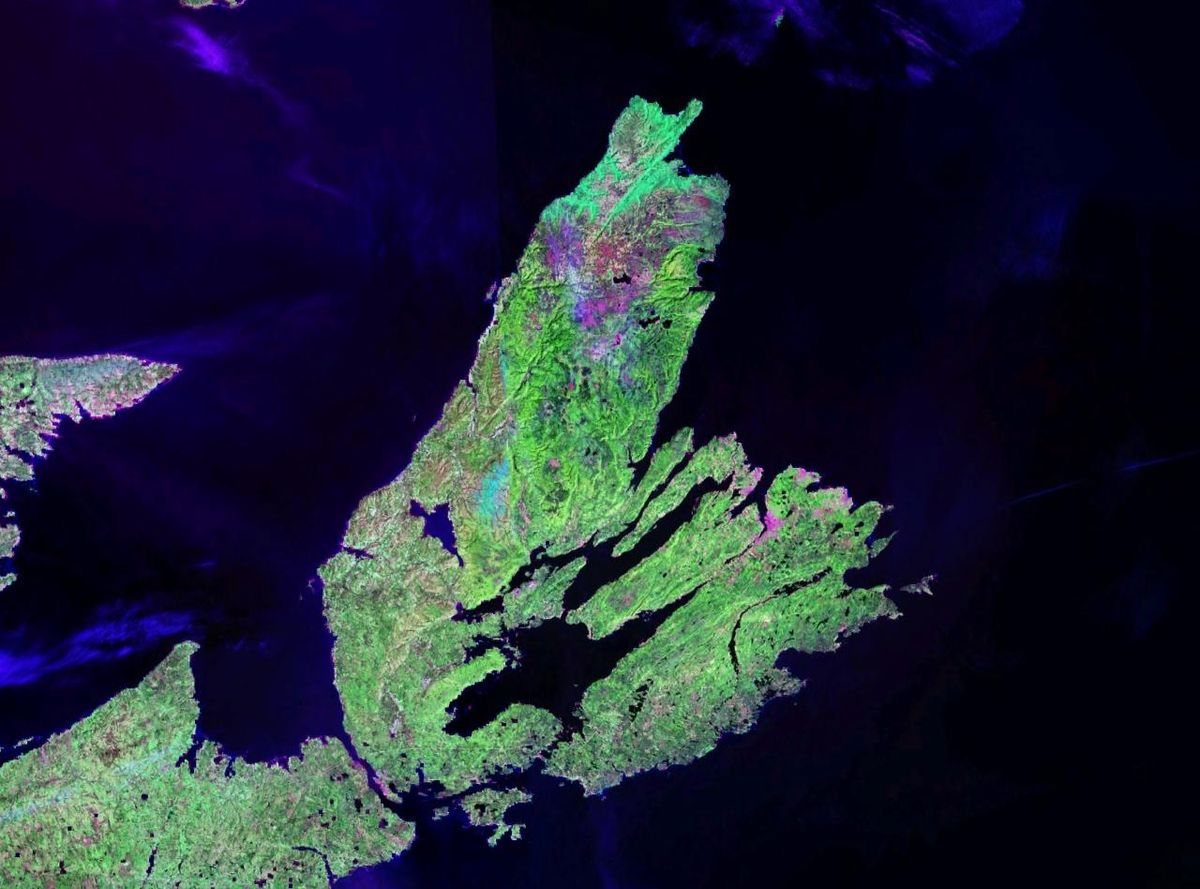
The Maritimes region encompasses the three Canadian provinces of New Brunswick, Nova Scotia, and Prince Edward Island, all of which border the Atlantic Ocean. The name derives from the Latin 'maritimus,' meaning 'of the sea,' reflecting the area's connection to coastal waters like the Gulf of Maine and the Gulf of Saint Lawrence. The region's geography is characterized by a heavily indented coastline, numerous bays, and a mix of low mountain ranges, rolling hills, and fertile valleys inland. Despite its maritime name, the climate across most of the region is officially classified as a warm-summer humid continental climate. Coastal areas, particularly in Nova Scotia, experience moderated temperatures with narrower differences between summer and winter compared to the rest of Canada. The inland areas of New Brunswick exhibit a more continental climate pattern, with colder winters and warmer summers, though marine influences still provide some tempering effect. This climatic variation supports diverse ecosystems and has historically influenced settlement patterns and economic activities such as forestry, agriculture, and fishing. The region is located along the Atlantic coast, with various aquatic sub-basins such as the Gulf of Maine and Gulf of St. Lawrence. Together with Newfoundland and Labrador, the Maritime provinces make up the region of Atlantic Canada.
Indigenous History and Early European Contact
Human settlement in the Maritimes began over 10,000 years ago with Paleo-Indians following the retreat of the Wisconsin glaciation. By the Late Period, beginning around 3,000 years ago, the region was organized into distinct Algonquian-speaking nations. The Mi'kmaq Nation inhabited Nova Scotia, Prince Edward Island, eastern New Brunswick, and the southern Gaspé, while the Wolastoqiyik (Maliseet) Nation settled the Saint John and Allagash River valleys. The Passamaquoddy Nation occupied the northwestern coastal regions of the Bay of Fundy. European contact began with possible Viking exploration around 1000 AD and later voyages by John Cabot and Giovanni da Verrazzano. The first detailed European reconnaissance was conducted by French explorer Jacques Cartier, who claimed the region for France. Permanent European settlement was established in 1604 by Pierre Dugua, Sieur de Mons, and Samuel de Champlain at Saint Croix Island, later moved to Port Royal. This French foothold laid the foundation for the colony of Acadia, which would become a focal point of European colonial rivalry in North America for the next 150 years.
The Acadian Era and Colonial Conflicts
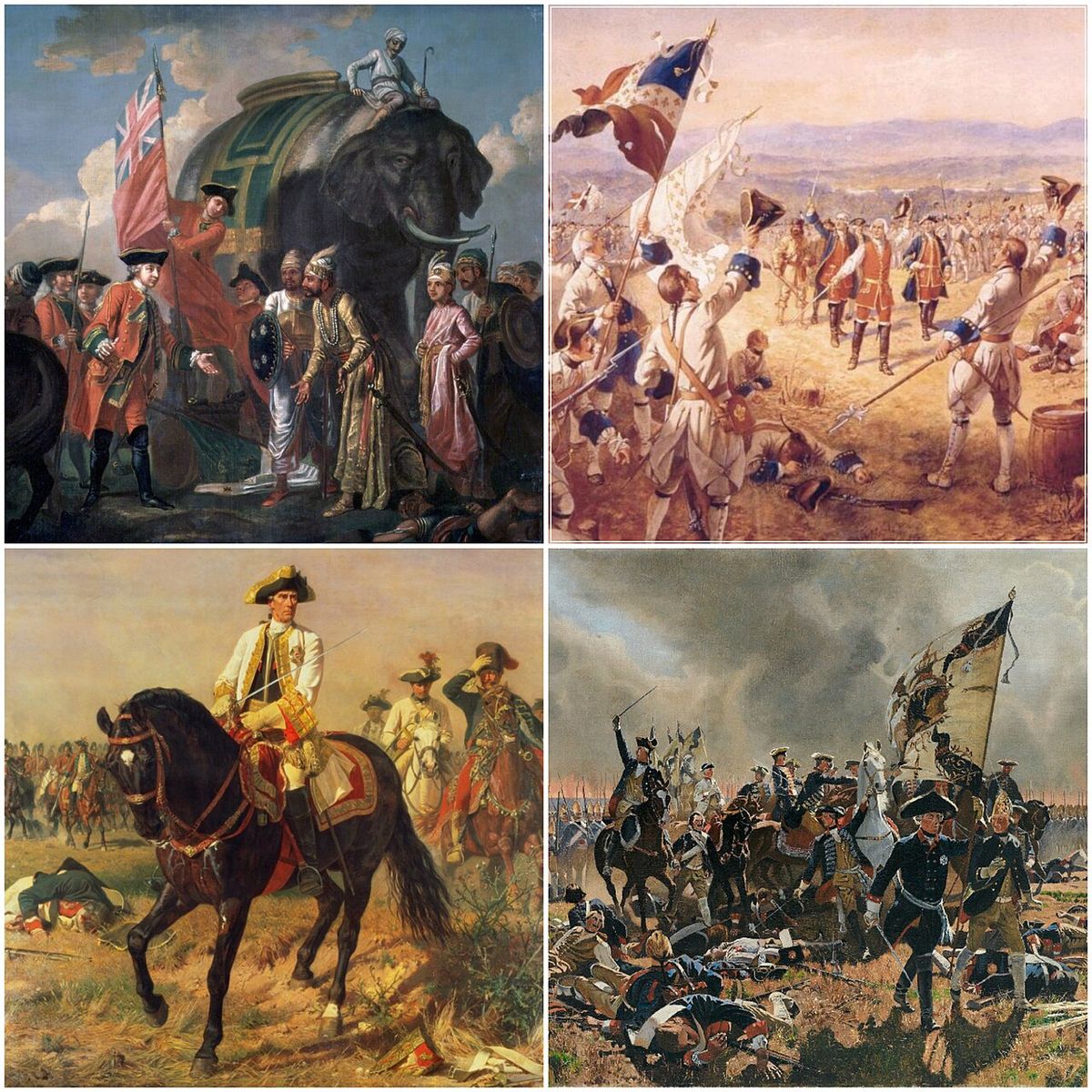
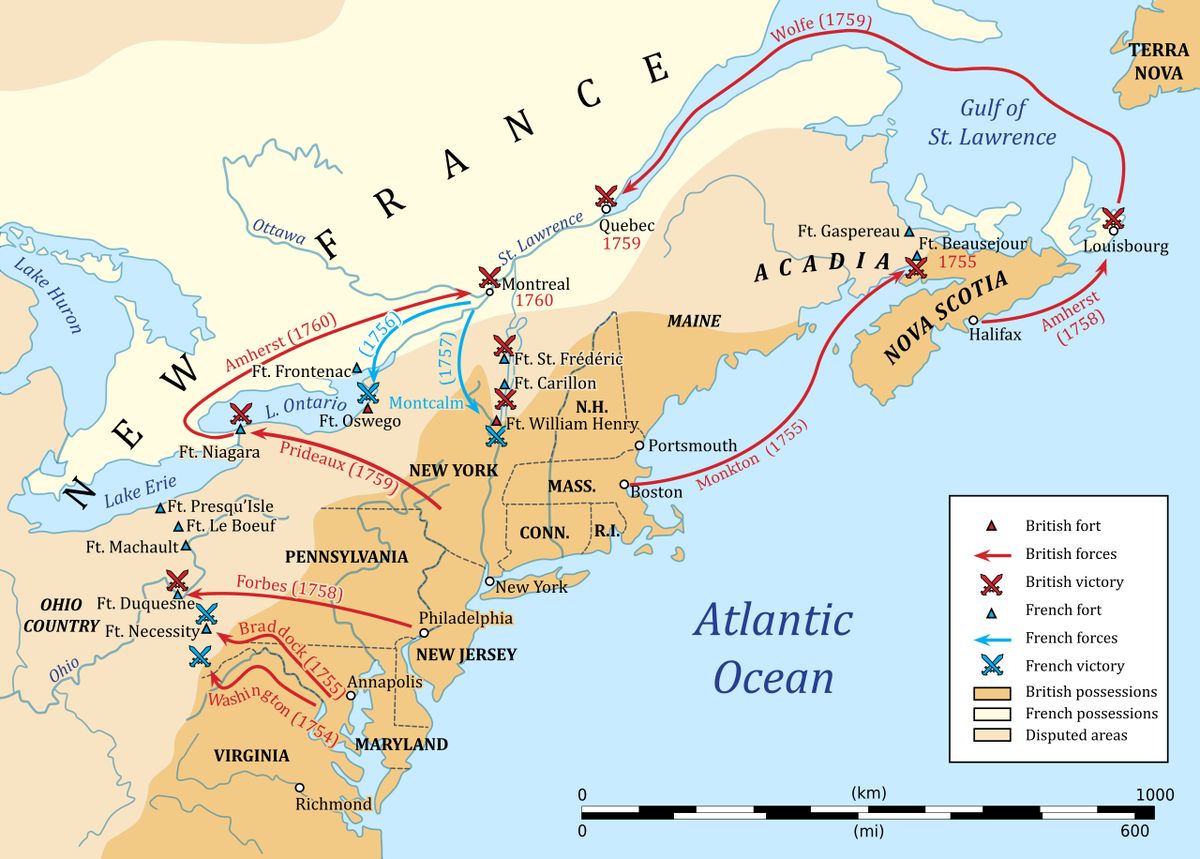
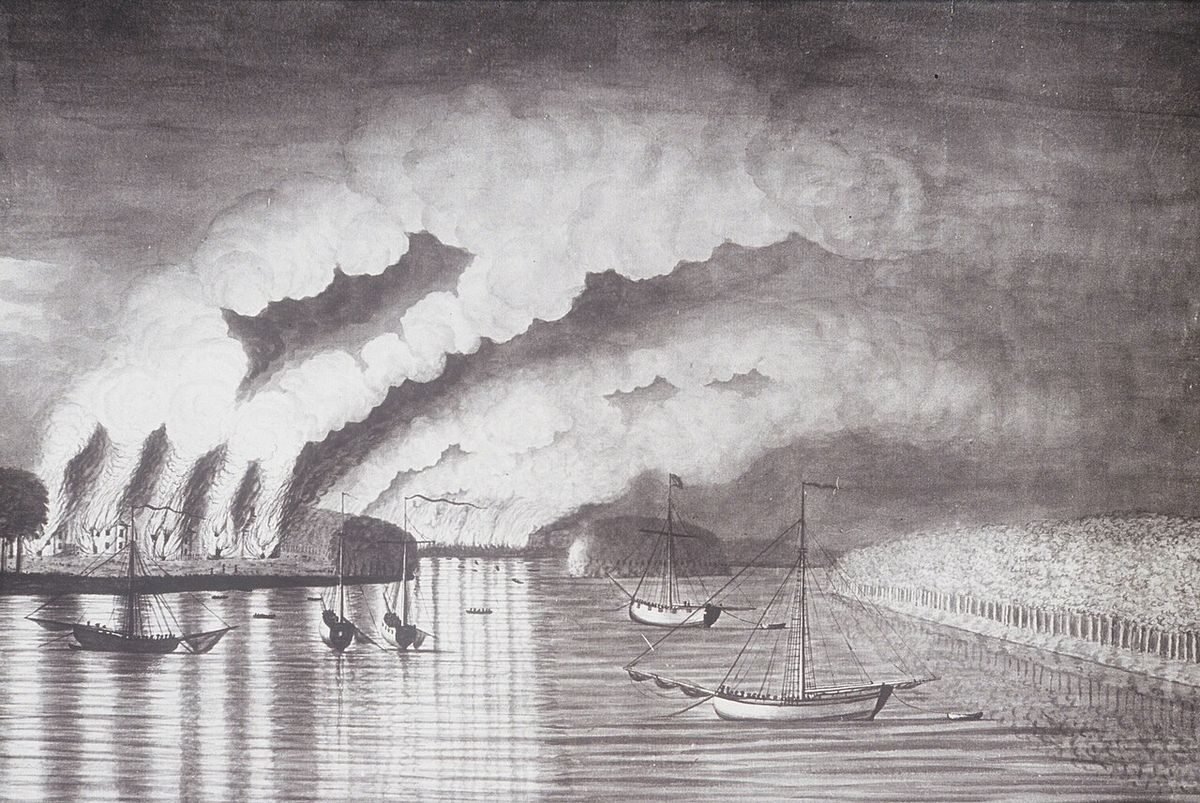
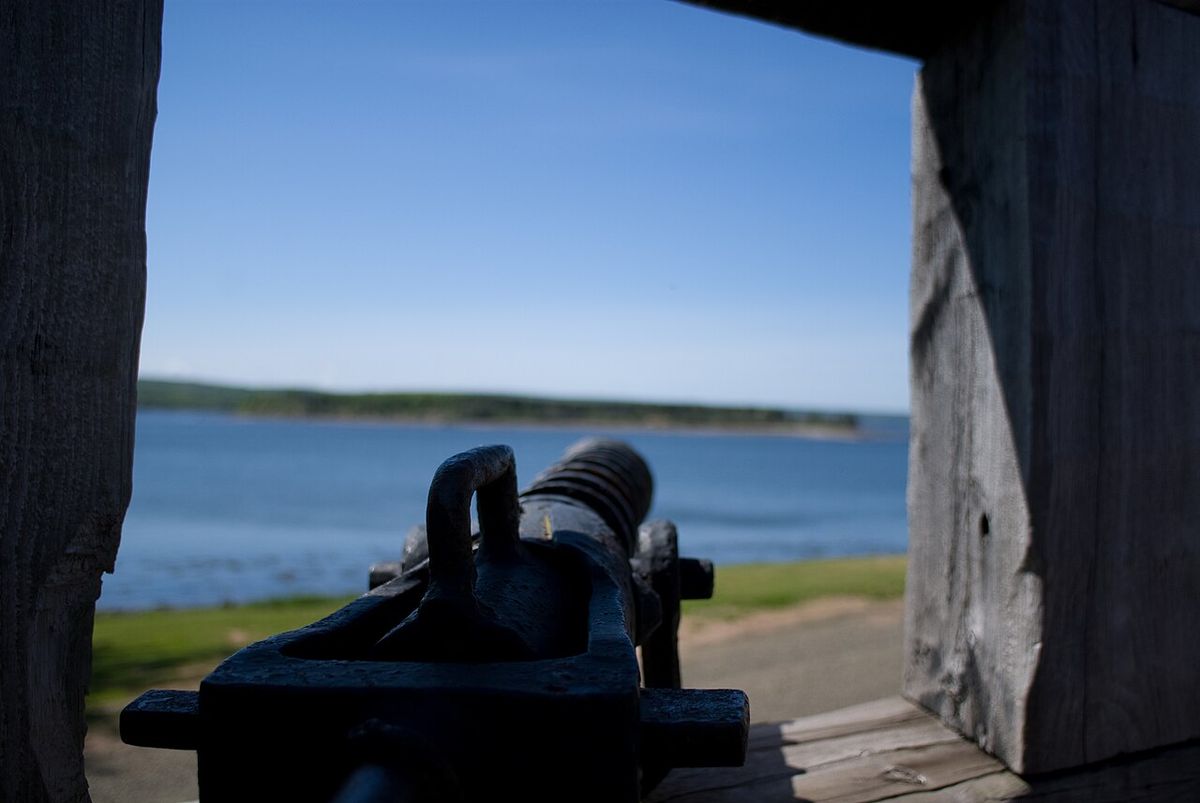
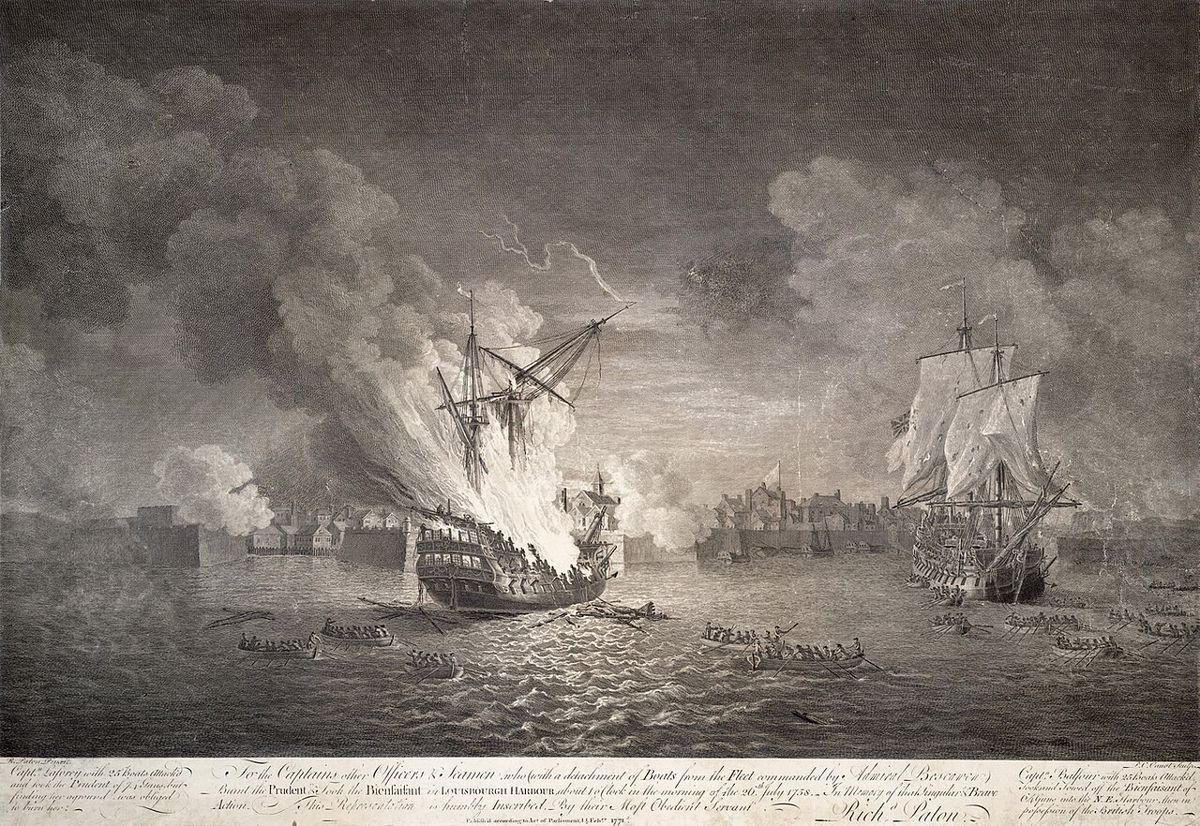
The French colony of Acadie (Acadia) grew from Champlain's initial success, with Acadian settlers populating the fertile marshes around the Bay of Fundy and establishing agrarian communities across present-day mainland Nova Scotia, New Brunswick, Prince Edward Island (Île-Saint-Jean), and Cape Breton Island (Île-Royale). Colonial administration by France was often a low priority compared to its interests in the interior of New France. Over 74 years, from 1689 to 1763, six colonial wars embroiled the region, pitting New England and its Iroquois allies against Acadia and its Wabanaki Confederacy allies. These wars included King William's War, Queen Anne's War, and the French and Indian War. During these conflicts, Acadian settlers were allied with the Wabanaki Confederacy against New England and the Iroquois Confederacy. Key events included the British Conquest of Acadia in 1710 and the French construction of the Fortress of Louisbourg on Île-Royale, begun in 1719. The final conflict, the French and Indian War, saw the decisive British capture and destruction of Louisbourg in 1758. This was preceded by the Bay of Fundy campaign of 1755, which began the Expulsion of the Acadians (Le Grand Dérangement), where over 12,000 of an estimated 15,000 Acadians were deported over nine years for refusing an unconditional oath of allegiance.
Post-Expulsion Settlement and the American Revolutionary Period
Following the Seven Years' War and the Acadian Expulsion, the British government actively encouraged new settlement in the region. The first major wave consisted of approximately 8,000 New England Planters, followed by immigrants from Yorkshire. Some Acadians eventually returned, predominantly settling along the eastern coasts of New Brunswick. The American Revolutionary War (1775 to 1783) affected the Maritimes largely through privateering, though American raiders also targeted communities like Charlottetown in 1775. The largest military action was the failed 1776 attack on Fort Cumberland (formerly Fort Beauséjour) by American sympathizers. The war's most significant demographic impact was the influx of Loyalist refugees, with about 34,000 arriving in the region. This population surge led to the partition of the Colony of Nova Scotia. In 1784, the colony of New Brunswick was created, and Cape Breton Island was split off as a separate colony. The Colony of St. John's Island was renamed Prince Edward Island on November 29, 1798. During the War of 1812, the strong Royal Navy presence in Halifax deterred major American attacks, though privateering disrupted trade, and the British captured the American frigate USS Chesapeake near Halifax.
19th Century Development and the Path to Confederation
The 19th century saw continued immigration that shaped the cultural character of the Maritimes. Significant numbers of Scottish migrants displaced by the Highland Clearances and Irish escaping the Great Irish Famine arrived, embedding Celtic heritages, particularly in Cape Breton and parts of Nova Scotia and Prince Edward Island. Scottish Gaelic and Irish Gaelic were widely spoken, particularly in Cape Breton, although they are less prevalent today. During the American Civil War, the Maritime shipping industry boomed by carrying supplies for the Union, though diplomatic tensions arose from some British support for the Confederacy. The immense size of the Union Army and the threat of Fenian raids from the United States raised security concerns among Maritimers in the early 1860s. Concurrently, declining British military and economic support prompted calls for a political union of the three Maritime colonies. A conference was scheduled for Charlottetown in September 1864. The Charlottetown Conference, however, was transformed by the arrival of delegates from the Province of Canada (present-day Ontario and Quebec), who successfully argued for a broader union. This led to the Quebec Conference and, ultimately, the British North America Act of 1867. Only Nova Scotia and New Brunswick initially joined the new Dominion of Canada. Prince Edward Island joined in 1873.
Major Population Centres and Contemporary Region
The Maritimes is home to several key urban centres that serve as economic, governmental, and cultural hubs. Halifax, the capital of Nova Scotia, is the region's largest city and a major Atlantic port with a deep historical naval connection. In New Brunswick, the major cities include Fredericton (the provincial capital), Saint John (a historic port and industrial centre), and Moncton (a commercial and transportation hub). Charlottetown, the capital of Prince Edward Island, is renowned as the 'Birthplace of Confederation' due to the 1864 conference. Other significant communities include the Sydney area in Cape Breton Island, Nova Scotia. Today, the Maritimes, together with Newfoundland and Labrador, forms the broader region of Atlantic Canada. The three provinces maintain distinct identities but share deep historical, economic, and cultural ties. The concept of a Maritime Union, which sparked the 1864 discussions, occasionally resurfaces in political discourse.
Statutory Holidays in the Maritimes
Statutory holidays in the Maritimes are governed by provincial legislation, leading to variations between New Brunswick, Nova Scotia, and Prince Edward Island. Each province mandates a core set of paid public holidays for eligible employees, with additional days sometimes recognized as retail closing days or by common practice. The federal government sets holidays for federally regulated workplaces, which serve as a baseline, but provincial rules differ. Eligibility for holiday pay also varies, with some provinces requiring a minimum period of employment. In Nova Scotia, for the 2026 calendar year, there are six core statutory holidays. Good Friday in 2026 falls on April 3. The province also observes a retail closing day on Remembrance Day under separate legislation. Prince Edward Island observes Islander Day on the third Monday in February, which in 2026 is February 16. The following list outlines the core statutory holidays for Nova Scotia in 2026. Days like Easter Monday, Victoria Day, and Thanksgiving are commonly given by some employers but are not statutory holidays under Nova Scotia's Labour Standards Code. The National Day for Truth and Reconciliation on September 30 is not a provincial statutory holiday in Nova Scotia, though it is observed federally. Similar complexities exist in New Brunswick and Prince Edward Island, where holidays like Family Day or Islander Day are recognized.
- New Year's Day: Thursday, January 1, 2026
- Heritage Day: Monday, February 16, 2026
- Good Friday: Friday, April 3, 2026
- Canada Day: Wednesday, July 1, 2026
- Labour Day: Monday, September 7, 2026
- Christmas Day: Friday, December 25, 2026
Comparison of 2026 Statutory Holiday Dates
The observance of statutory holidays can create long weekends and impact business operations across the Maritimes. While the dates for nationally shared holidays like New Year's Day and Canada Day are consistent, the timing of moving holidays like Good Friday and provincial-specific holidays differs. In 2026, Canada Day falls on a Wednesday, which does not create an automatic long weekend for Monday-to-Friday workers without taking additional leave. Good Friday and the associated Easter weekend occur in early April. The following table compares the dates of key statutory and common holidays across the Maritimes and federally for the year 2026, illustrating the regional alignment and differences. This table shows that while the three provinces share many core dates, distinctions exist, such as the treatment of the National Day for Truth and Reconciliation and Thanksgiving. Victoria Day in May is a statutory holiday in New Brunswick and Prince Edward Island but not in Nova Scotia. These provincial differences are important for residents and businesses operating in more than one Maritime province.
| Holiday | Nova Scotia (2026) | New Brunswick (2026) | Prince Edward Island (2026) |
|---|---|---|---|
| New Year's Day | Jan 1 (Thu) | Jan 1 (Thu) | Jan 1 (Thu) |
| Heritage/Islander/Family Day | Feb 16 (Mon) | Feb 16 (Mon) | Feb 16 (Mon) |
| Good Friday | Apr 3 (Fri) | Apr 3 (Fri) | Apr 3 (Fri) |
| Canada Day | Jul 1 (Wed) | Jul 1 (Wed) | Jul 1 (Wed) |
| Labour Day | Sep 7 (Mon) | Sep 7 (Mon) | Sep 7 (Mon) |
| National Day for Truth and Reconciliation | Not Statutory | Not Statutory | Not Statutory |
| Thanksgiving | Not Statutory | Oct 12 (Mon) | Oct 12 (Mon) |
| Remembrance Day | Retail Closing Day | Nov 11 (Wed) | Nov 11 (Wed) |
| Christmas Day | Dec 25 (Fri) | Dec 25 (Fri) | Dec 25 (Fri) |
Questions about The Maritimes
What provinces are included in the Maritimes?
The Maritimes consists of three Canadian provinces: New Brunswick, Nova Scotia, and Prince Edward Island. These provinces are all located along Canada's Atlantic coast and together had a population of 1,899,324 in 2021. The term is specifically applied to these three, which are distinct from the broader region of Atlantic Canada that also includes the province of Newfoundland and Labrador. The word maritime itself means 'of the sea,' and these provinces all border the Atlantic Ocean.
What was the significance of the Charlottetown Conference?
The Charlottetown Conference, held in September 1864, was initially convened to discuss a potential union of the Maritime colonies. It became historically significant when delegates from the Province of Canada arrived and successfully shifted the agenda towards creating a larger confederation of all British North American colonies. This meeting directly led to the Quebec Conference later that year and ultimately to the British North America Act of 1867, which established the Dominion of Canada. Of the Maritime provinces, only Nova Scotia and New Brunswick were initially party to this act, with Prince Edward Island joining Confederation later in 1873.
Who were the first inhabitants of the Maritimes?
The first inhabitants of the Maritimes were Indigenous peoples who arrived over 10,000 years ago following the last ice age. By the time of European contact, the region was home to several Algonquian-speaking nations. The Mi'kmaq Nation inhabited Nova Scotia, Prince Edward Island, eastern New Brunswick, and the Gaspé region. The Wolastoqiyik (Maliseet) Nation lived in the Saint John River valley, and the Passamaquoddy Nation occupied areas around the Bay of Fundy.
What was the Acadian Expulsion?
The Acadian Expulsion occurred during the French and Indian War, the North American theatre of the Seven Years' War. The British sought to neutralize the Acadian population, which had refused to swear an unconditional oath of allegiance to Britain. Over 12,000 Acadians were removed from their homes in Nova Scotia, New Brunswick, and Prince Edward Island, with many sent to other British colonies or back to France. Some eventually returned, resettling primarily in New Brunswick.
Is Nova Scotia Heritage Day a statutory holiday?
Yes, Nova Scotia Heritage Day is a provincial statutory holiday observed on the third Monday in February each year. In 2026, it falls on February 16. This holiday was established to celebrate the province's history, heritage, and culture. Eligible employees in Nova Scotia are entitled to a paid day off or holiday pay in accordance with the provincial Labour Standards Code.
What time zone are the Maritimes in?
The Maritimes region is located within the Atlantic Time Zone (AST). This puts the region one hour ahead of Quebec and the New England region of the United States, which are in the Eastern Time Zone. For part of the year, from the second Sunday in March to the first Sunday in November, the region observes Atlantic Daylight Time (ADT). The time zone is consistent across the three provinces of New Brunswick, Nova Scotia, and Prince Edward Island.
Sources and further reading
- The Maritimes (Wikipedia)
- Holiday and Retail Closing Day Charts | novascotia.ca (novascotia.ca)
Checked by the Nosy Mag desk. Last updated 2026-10-27.