Governor General of Canada
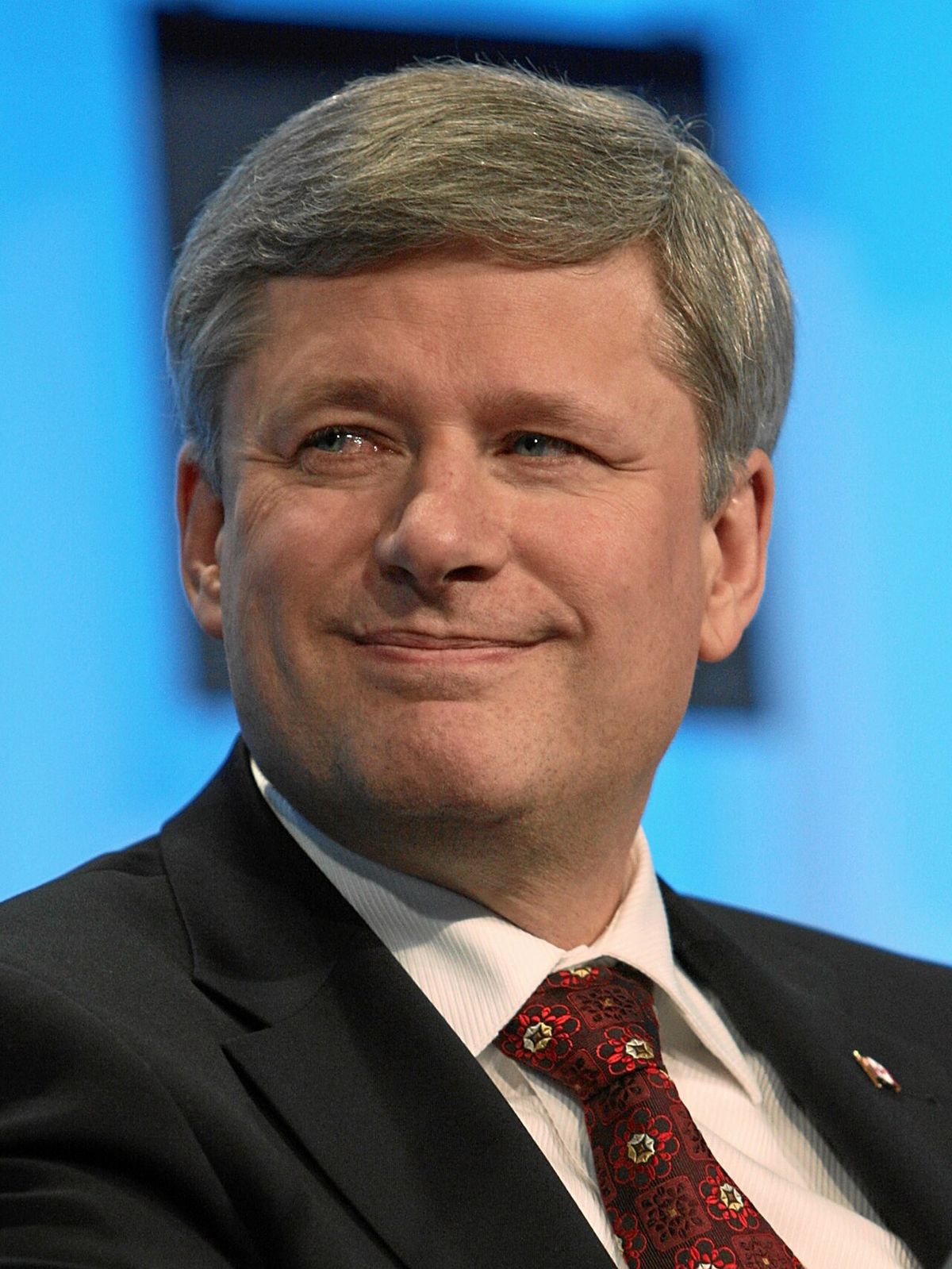
The Governor General of Canada is the federal representative of the Canadian monarch, currently King Charles III, and carries out the constitutional and ceremonial duties of the head of state. Appointed by the monarch on the advice of the prime minister, the governor general serves as a nonpartisan guarantor of continuous governance within Canada's constitutional monarchy and parliamentary democracy. The office is the oldest continuous institution in Canada, with origins dating back to the French governors of the colony of Canada in the 17th century. The 31st and current governor general is Louise Arbour, who was sworn in on June 8, 2026.
Constitutional Role and Duties
The governor general exercises most of the executive, legislative, and judicial power vested in the monarch on a day-to-day basis, acting almost always on the formal advice of the prime minister and Cabinet. Key constitutional duties include summoning, proroguing, and dissolving Parliament, granting royal assent to bills passed by the House of Commons and Senate, and issuing proclamations. The governor general also appoints lieutenant governors, senators, and Supreme Court justices, signs orders-in-council and commissions for officers of the Canadian Armed Forces, and calls federal elections. These powers are derived from the Constitution Act, 1867, and the Letters Patent issued by King George VI in 1947, which authorized the viceroy to exercise almost all powers on behalf of the monarch. The role operates within the principles of responsible government, meaning the governor general's actions are based on ministerial advice, ensuring the Crown's powers are used democratically.
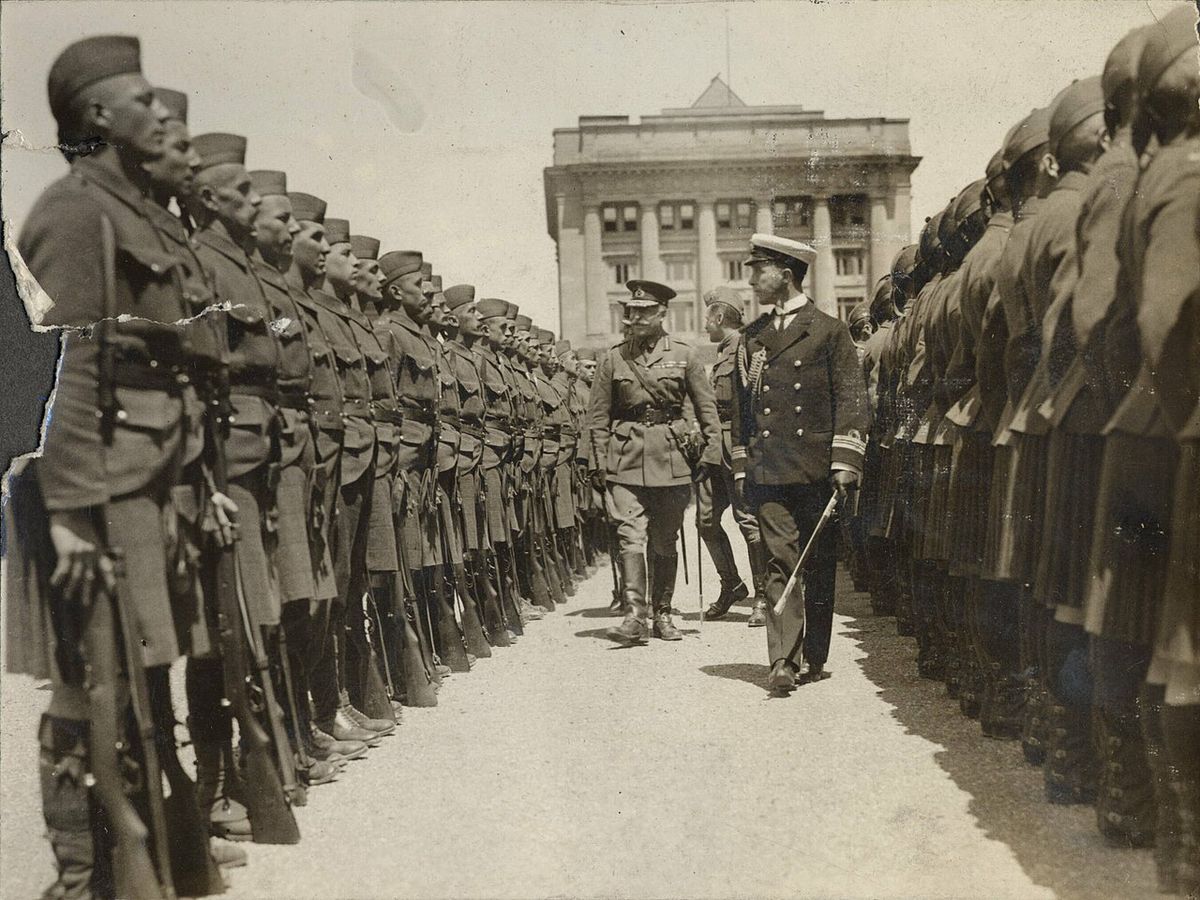
In addition to governmental functions, the governor general serves as the commander-in-chief of Canada, a role they assume by taking the Oath of Office as Governor General and Commander-in-Chief. They perform this duty in the monarch's name, reviewing troops and representing the Canadian Armed Forces at ceremonial events. The governor general also holds the position of Chancellor and Principal Companion of the Order of Canada, Chancellor of the Order of Military Merit, and Chancellor of the Order of Merit of the Police Forces. These roles involve presiding over honours ceremonies. The blending of constitutional responsibility with ceremonial leadership defines the office's unique position as both a practical instrument of government and a symbol of national continuity.
Appointment and Selection Process
The governor general is appointed by the monarch of Canada through a commission issued under the Great Seal of Canada, based on the recommendation of the Canadian prime minister. This process was solidified by the Statute of Westminster in 1931, which established that the monarch acts solely on the advice of Canadian ministers, ending the earlier practice of consultation with the British Cabinet. The prime minister typically engages in informal consultation with the monarch, often via the incumbent governor general, before tendering formal advice. For example, in 1945 Prime Minister Mackenzie King gave three names to King George VI, who chose Harold Alexander, while in 1952 Prime Minister Louis St. Laurent submitted only the name of Vincent Massey. The appointed individual, known as the governor general-designate, undergoes security checks by the Royal Canadian Mounted Police and the Canadian Security Intelligence Service before the appointment is finalized.
The selection process has evolved to reflect Canadian identity and independence. Until 1952, all governors general were British-born aristocrats or military officers. Vincent Massey became the first Canadian-born governor general that year. Since 1959, an informal convention has alternated appointments between francophone and anglophone Canadians. The process has also seen attempts at formalization through advisory committees. In 2010, Prime Minister Stephen Harper convened a special search group, later made permanent as the Advisory Committee on Vice-Regal Appointments, to find non-partisan candidates. This committee was disbanded in 2017 by Prime Minister Justin Trudeau, who later formed the Advisory Group on the Selection of the Next Governor General, which selected Mary Simon. The governor general serves at the monarch's pleasure, meaning there is no fixed term, but the typical tenure is five years. The governor general's salary is CAD$288,900.
- 1867 to 1931: Appointment by monarch on advice of British Cabinet.
- 1931: Statute of Westminster codifies appointment on advice of Canadian prime minister only.
- 1952: Vincent Massey becomes first Canadian-born governor general.
- 1959: Informal convention of alternating between francophone and anglophone appointees begins.
- 1999: Adrienne Clarkson becomes first governor general born outside Canada (Hong Kong) and first without political or military background.
- 2010: Governor General Consultation Committee established for selection of David Johnston.
- 2021: Proposal from Six Nations leaders to consult treaty nations before appointments.
Installation and Oaths of Office
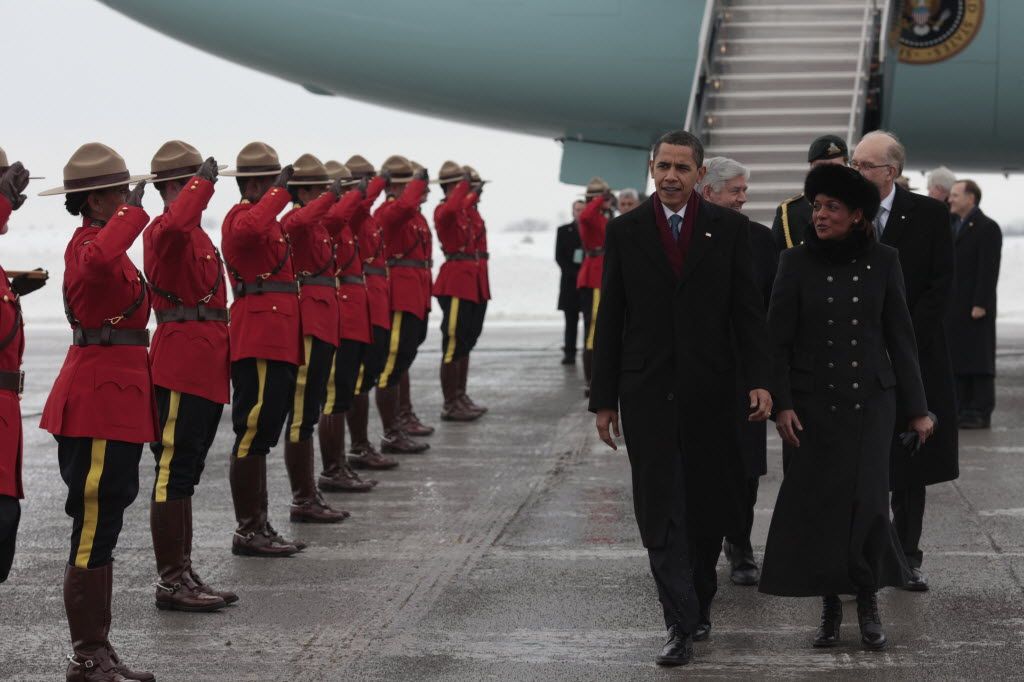
The swearing-in ceremony formally installs the governor general-designate and follows a dignified protocol centred on Parliament Hill. The ceremony begins with the arrival at 7 Rideau Gate of one of the ministers of the Crown, who then accompanies the governor general-designate to Parliament Hill, where a Canadian Forces guard of honour awaits to give a general salute. The Usher of the Black Rod then leads the party to the Senate chamber, which is assembled with Supreme Court justices, senators, members of Parliament, and other dignitaries. The secretary to the governor general reads aloud the royal commission of appointment, and a Supreme Court justice administers the required oaths.
The appointee must swear three oaths: the Oath of Allegiance to the monarch, the Oath of Office as Governor General and Commander-in-Chief, and the Oath as Keeper of the Great Seal of Canada. Upon signing these documents, the individual officially becomes governor general, triggering several symbolic acts. The flag of the governor general is raised on the Peace Tower, the Central Band of the Canadian Armed Forces plays the Vice Regal Salute, and the Royal Regiment of Canadian Artillery fires a 21-gun salute. The new governor general then receives the Great Seal of Canada, which is passed to the registrar general for protection, and the chains of office for the Order of Canada and the Order of Military Merit. The ceremony concludes with a speech from the new viceroy outlining their priorities, after which they issue a proclamation announcing they have entered upon the duties of the office.
Ceremonial and Community Functions
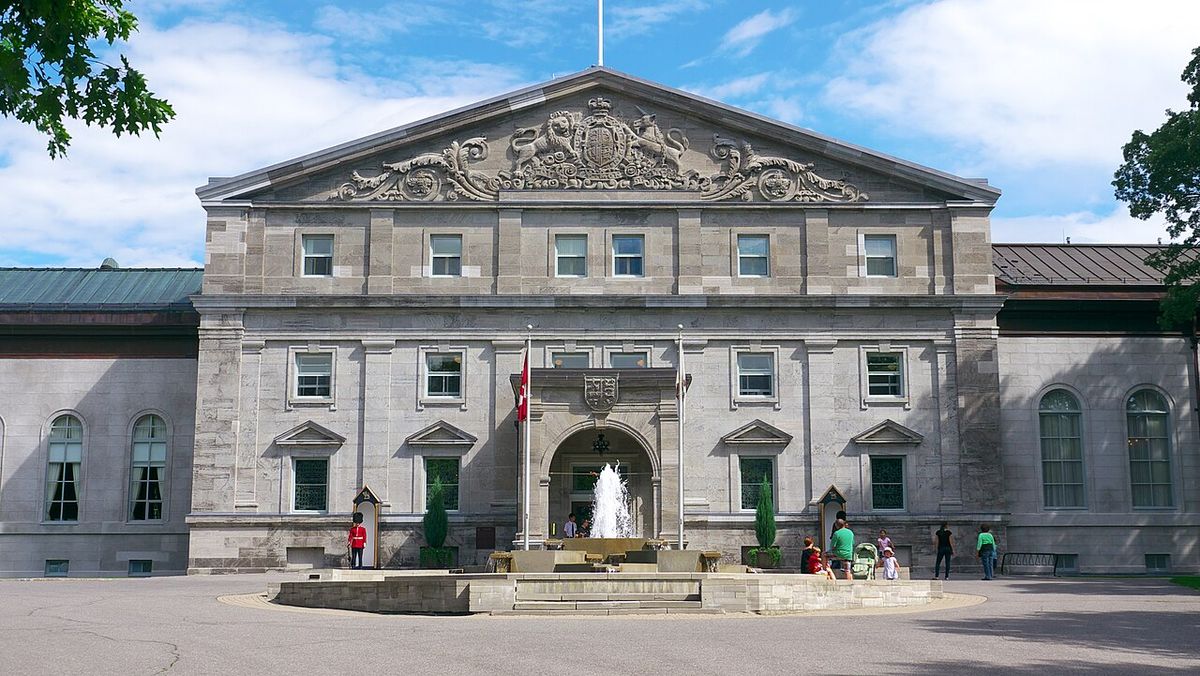
Beyond constitutional duties, the governor general undertakes a wide range of ceremonial and community roles that connect the institution to Canadian society. These include delivering the Speech from the Throne to open new sessions of Parliament, accepting the credentials of incoming ambassadors, and presiding over investiture ceremonies for national honours. The governor general also hosts foreign dignitaries at the official residences, Rideau Hall in Ottawa and the Citadelle in Quebec City, and undertakes official visits across Canada and abroad. These travels allow the viceroy to meet Canadians, recognize community achievements, and promote national unity and identity.
The governor general sponsors several key initiatives that encourage leadership, learning, and artistic excellence. One of the most prominent is the Governor General's Canadian Leadership Conference. Other longstanding programs include the Governor General's Literary Awards, the Governor General's History Awards, and the Governor General's Performing Arts Awards. By championing such causes, the office fosters civic engagement and celebrates Canadian talent. The governor general also serves as the patron of numerous charitable and service organizations, leveraging the visibility of the office to support philanthropic efforts. The governor general is further the honorary Colonel of three household regiments: the Governor General's Horse Guards, Governor General's Foot Guards and Canadian Grenadier Guards.
Historical Evolution of the Office
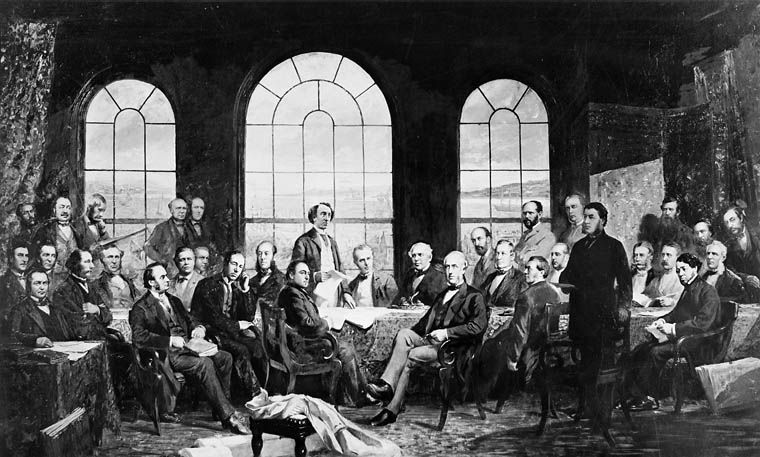
The office of governor general has its origins in the early colonial administration of New France, where Samuel de Champlain performed duties in the early 17th century. Following the British conquest in 1763, the British Crown appointed governors for the Province of Quebec, later the Canadas. The present office was formally established with Canadian Confederation on July 1, 1867, under the British North America Act (now Constitution Act, 1867). Initially, the governor general represented the British government, but the role was gradually Canadianized as the country moved toward full sovereignty. The Balfour Declaration of 1926 recognized the governor general as the direct representative of the Crown, not the British government, a principle codified in the Statute of Westminster, 1931. This established the modern, independent Canadian monarchy where the governor general acts on behalf of the Canadian sovereign.
In 1927, the Lord Willingdon made the first official international visit by a governor general, marking Canada's growing autonomy in foreign affairs. The Letters Patent of 1947 issued by King George VI granted the governor general authority to exercise almost all the monarch's powers in Canada. Throughout this evolution, the office has been held by individuals from increasingly diverse backgrounds, reflecting Canada's changing society. This progression demonstrates the office's adaptability and its role as a mirror of Canadian national development.
| Period | Key Development | Representative Figure |
|---|---|---|
| Early 17th century to 1763 | French governors of New France | Samuel de Champlain |
| 1763 to 1867 | British governors of the Province of Quebec/Canada | Lord Durham |
| 1867 to 1931 | Governor General as representative of British government | The Lord Monck |
| 1931 to 1952 | Post-Statute of Westminster, direct representative of Crown | The Earl of Bessborough |
| 1952 to present | Canadian-born and diverse appointees, full ceremonial and constitutional role | Vincent Massey, Jeanne Sauvé, Adrienne Clarkson, Michaëlle Jean, David Johnston, Mary Simon, Louise Arbour |
Continuity and Administration
To ensure the continuous operation of government, clear rules exist for succession when a governor general is unable to serve. Should the governor general die, resign, or be absent from the country for more than one month, the chief justice of Canada assumes the role of administrator of the government. If the chief justice is unavailable, the senior puisne justice of the Supreme Court steps in. The administrator exercises all powers and duties of the governor general until a new viceroy is appointed or the incumbent returns. This provision guarantees that the Crown's functions are never interrupted, a critical element in a system where the governor general's signature is required for many state actions. The only instance where a royal proclamation was used to end a governor general's incumbency was with the Earl Alexander of Tunis in 1952.
The governor general is supported by a professional staff and several key officials based primarily at Rideau Hall. The secretary to the governor general is a senior public servant who manages the office's operations and reads the royal commission during the installation ceremony. The governor general's office coordinates all official activities, including state visits, ceremonies, and the administration of honours. The viceroy also works closely with the prime minister and the Privy Council Office to ensure the smooth functioning of government. While the governor general serves at the monarch's pleasure, the transition between officeholders is meticulously planned to maintain stability. The outgoing and incoming governors general typically meet to ensure a smooth handover, and the new appointee often resides at 7 Rideau Gate during the transition period before being sworn in.
The Governor General in the Canadian System
The governor general occupies a unique and essential position within Canada's constitutional framework, acting as a nonpartisan safeguard and a symbol of state continuity. As the personal representative of King Charles III, the governor general allows Canada to function as an independent constitutional monarchy while sharing its monarch with other Commonwealth countries. The office embodies the principle that executive authority is derived from the Crown but exercised by responsible ministers, thereby separating the symbolic head of state from the political head of government. This division helps to insulate the state from partisan politics, as the governor general is expected to act with complete impartiality.
Debates occasionally arise about reforming the office, including proposals to make the appointment subject to parliamentary vote or public election. Groups like Citizens for a Canadian Republic have advocated for an elected head of state. However, many constitutional scholars and organizations like the Monarchist League of Canada argue that the appointed, non-elected nature of the office is an asset that preserves its impartiality. Any change to the office's fundamental nature, including its method of appointment, would require a constitutional amendment under the unanimous consent procedure, needing the approval of the Senate, the House of Commons, and every provincial legislative assembly. The office's enduring strength lies in its ability to evolve while maintaining its core constitutional functions, adapting to reflect Canadian society, as seen in the increasing diversity of its holders, without compromising its foundational role as the representative of the Crown.
Questions about Governor General of Canada
How is the Governor General chosen?
The governor general is appointed by the monarch of Canada on the advice of the Canadian prime minister. This process was formalized by the Statute of Westminster in 1931. While the prime minister makes the formal recommendation, there is typically informal consultation with the monarch beforehand. In recent years, prime ministers have sometimes used advisory committees to help identify non-partisan candidates, though this practice is not a formal requirement. The appointed individual undergoes security checks by the RCMP and CSIS.
What are the main duties of the Governor General?
The governor general carries out constitutional and ceremonial duties. Constitutional duties include appointing lieutenant governors, Supreme Court justices, and senators, signing orders-in-council, and granting royal assent to bills. They also summon, prorogue, and dissolve parliament, call elections, and sign military commissions. Ceremonial duties involve delivering the speech from the throne, accepting letters of credence from ambassadors, and distributing national honours and awards.
How long does a Governor General serve?
A governor general serves at the pleasure of the monarch, meaning there is no fixed term. By convention, the typical term is approximately five years, though some have served for longer periods. The prime minister may recommend to the monarch that a governor general's term be extended. The office continues until the governor general dies, resigns, or a successor is appointed. The salary for the position is CAD$288,900.
Has a Governor General ever been Canadian-born?
Yes. Vincent Massey became the first Canadian-born governor general when he was appointed in 1952. Prior to that, all governors general were British-born aristocrats, military officers, or diplomats. Massey's appointment marked a significant step in the Canadianization of the office. Since 1959, an informal tradition has alternated appointments between francophone and anglophone Canadians.
Who is the current Governor General of Canada?
The current Governor General of Canada is Her Excellency the Right Honourable Louise Arbour. She is the 31st governor general and was sworn in on June 8, 2026. The governor general is the federal representative of the Canadian monarch, currently King Charles III. The monarch, on the advice of the Canadian prime minister, appoints a governor general to administer the government in the monarch's name. The commission is for an indefinite period, usually five years.
Sources and further reading
- Governor General of Canada (Wikipedia)
- The Governor General of Canada (gg.ca)
- Proclamation by the Right Honourable Louise Arbour ... (gazette.gc.ca)
Checked by the Nosy Mag desk. Last updated 2026-10-25.