Royal Canadian Legion
The Royal Canadian Legion is a non-profit veterans' organization founded in Winnipeg, Manitoba, in November 1925 and incorporated by an Act of Parliament on 17 July 1926. Originally formed to support veterans of the First World War, the Legion has grown into a national institution with branches in communities across Canada, providing support to veterans, serving members of the Canadian Armed Forces and RCMP, and their families. It is best known for its annual poppy campaign leading up to Remembrance Day and for operating Legion halls that serve as community hubs. In 1960, the organization received royal patronage from Queen Elizabeth II, becoming the Royal Canadian Legion, and in 2026 it marks the 100th anniversary of its incorporation.
Founding and early history
The Royal Canadian Legion emerged from a period of post-war consolidation among veterans' groups. Following the First World War, numerous organizations were formed to support returning soldiers, with the Great War Veterans Association being the largest among approximately fifteen such groups. In 1925, Field Marshal Douglas Haig, 1st Earl Haig, founder of the British Empire Service League, visited Canada and urged these disparate organizations to merge. This led to the formation of the Dominion Veterans Alliance, which served as the immediate precursor to the Legion. The Canadian Legion was formally founded in Winnipeg, Manitoba, in November 1925, under the name the Canadian Legion of the British Empire Services League. It was incorporated by a special Act of Parliament on 17 July 1926, establishing its legal foundation and national scope. The organization grew steadily through the economic hardships of the 1930s as it supported veterans and their families. Its membership expanded rapidly following the Second World War, as a new generation of service personnel sought support and camaraderie. In recognition of its national service, Queen Elizabeth II granted the organization royal patronage in 1960, after which it became known as the Royal Canadian Legion.
Structure and membership categories
The Legion is organized into provincial Commands, each containing local branches that are numbered within their own provincial sequence. For example, Branch 99 can refer to locations in Belleville, Ontario, Cowansville, Quebec, Lipton/Dysart, Saskatchewan, Coronation, Alberta, Sicamous, British Columbia, or Emo, Ontario, illustrating the decentralized numbering system. Membership, which was originally restricted to ex-service members, has broadened significantly to include a wider cross-section of the community. There are now four primary categories of membership designed to be inclusive while honouring service. Ordinary membership is open to those with military or police service, including serving and former members of the Canadian Forces, allied forces, the Merchant Navy, the RCMP, and various police services. Associate membership is available to individuals connected to the military community, such as family members of those eligible for ordinary membership, former cadets with three years of service, or civilian cadet instructors. Affiliate membership is open to Commonwealth subjects or citizens of allied nations who support the Legion's aims. To mark its 2026 centenary, the Legion offered free membership to any new members joining that year, inviting all Canadians to become part of its story.
The criteria for ordinary membership are extensive and detailed. Eligibility extends to anyone who served in the Canadian Forces or His Majesty's Forces, including regular or reserve forces. It also includes veterans of allied forces in any war, conflict, or police action where Canada was involved, and members of the Merchant Navy or non-military services in an actual theatre of war involving Canada. Service in the Royal Canadian Mounted Police or the Royal Newfoundland Constabulary for at least one year qualifies, as does service in the forces of a NATO or NORAD ally, or the forces of the United States. Veterans of the Vietnam War who served with the armed forces of the US, Australia, New Zealand, South Korea, or South Vietnam and were Canadian citizens or Commonwealth subjects at the time are also eligible. Officers or crew of the Canadian Coast Guard with two or more years of active service on the high seas or inland waterways, and police officers from city, municipal, or provincial forces with at least one year of service, can join as ordinary members.
National programs and campaigns
The Legion administers several enduring national programs that support veterans and foster remembrance. Its most visible public campaign is the annual poppy distribution in the lead-up to Remembrance Day. The Legion has held the trademark for the poppy image in Canada since 1948, protecting it from misuse and ensuring its association with remembrance. Plastic lapel poppies are distributed through an honour system at retail outlets, workplaces, and Legion branches, with donations funding support for veterans in need. The current lapel poppy design has been manufactured since 1922, originally under the sponsorship of the Department of Soldiers Civil Re-establishment. Until 1996, the poppy material was produced at sheltered workshops operated by Veterans Affairs Canada. From 1962 until 2019, the Legion operated a summer sports camp at the International Peace Garden, founded by George H. Phillips and Fred Taylor, which served over 60,000 school-age athletes over a five-week period each summer. The organization also supports skills conversion for veterans, exemplified by a donation of $830,000 in 2015 to the BCIT School of Business to fund the Legion Military Skills Conversion Program. The Legion provides critical assistance to veterans and their families with appeals for disability pensions and awards before the Veterans Review and Appeal Board, often collaborating with the Bureau of Pensions Advocates. The Legion also supports the Lest We Forget Project in cooperation with the Canadian War Museum.
Community presence: halls and bands
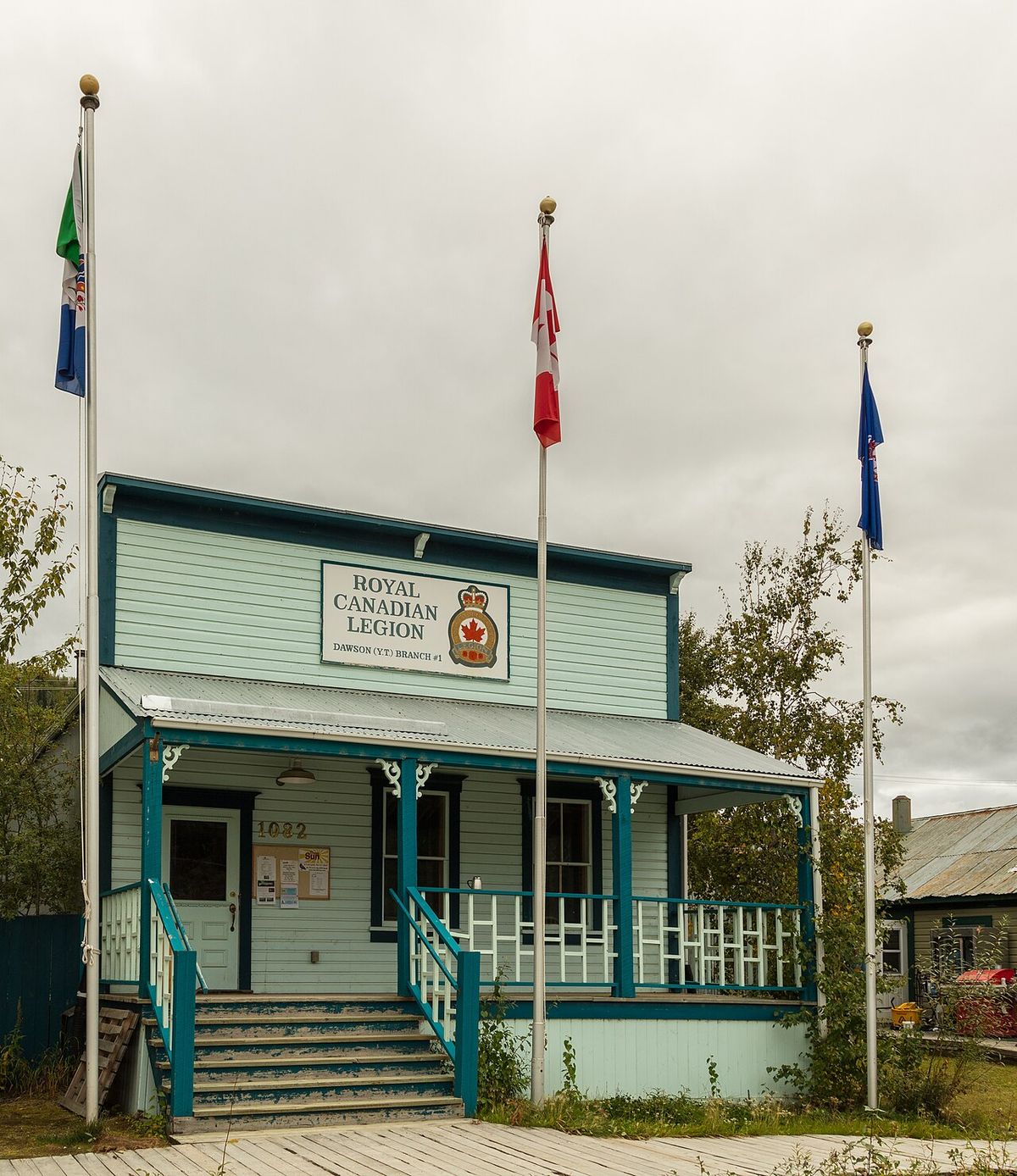
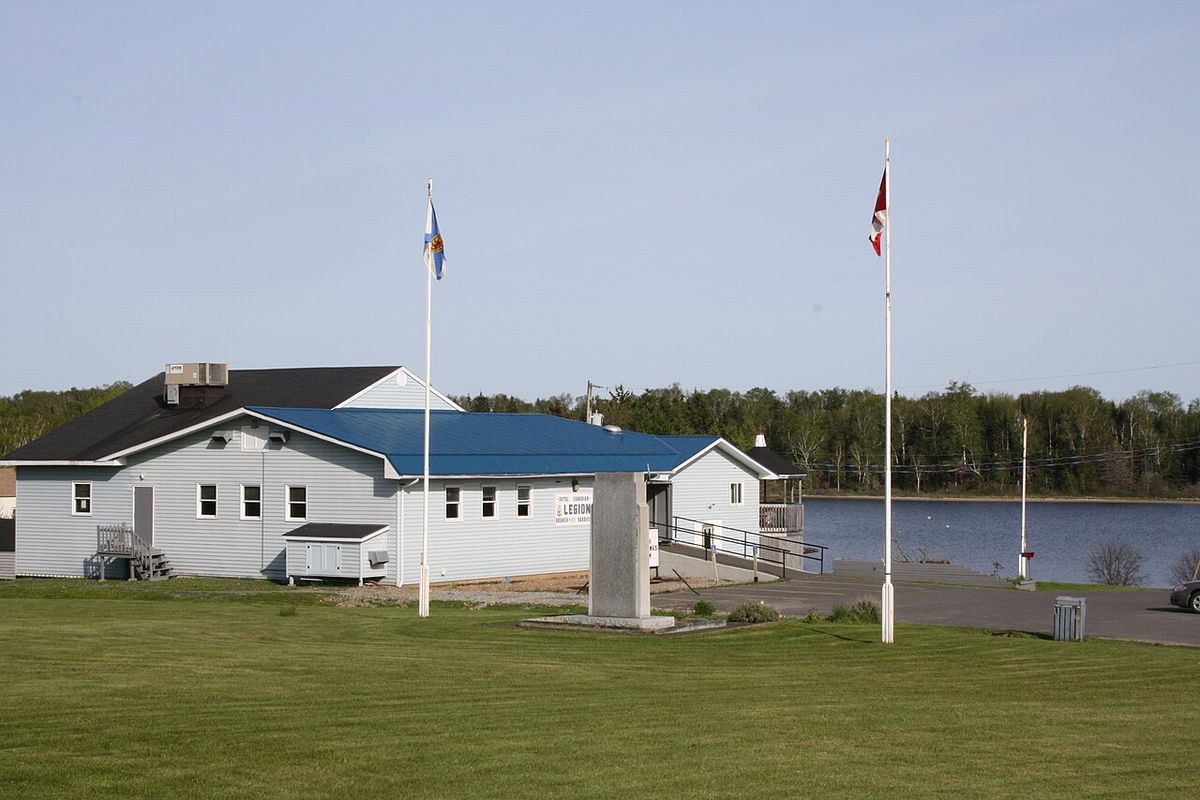
Legion halls are a ubiquitous feature of Canadian communities, serving as vital social and recreational centres. Most small towns and villages have at least one Legion branch, with its hall functioning as a community hub that combines the roles of a pub, pool hall, dance hall, bingo hall, and banquet facility. These halls are central to local life, hosting events and providing a gathering place for members and the public. There is also a Royal Canadian Legion Maple Leaf Post-84 located in Royal Oak, Michigan, serving members in the United States. The Legion also has a strong musical tradition, with many independently run bands attached to local branches. These include full concert bands and marching bands that perform in their communities. The Royal Canadian Legion Concert Band in Toronto, active for over a century, is one of the oldest. Many bands were led by former military bandsmen, such as James Gayfer, director of the Band of the Canadian Guards from 1953 to 1961, who founded the Petawawa Legion Community Band in 1978. In May 1978, legion bands congregated at Montreal's Olympic Stadium for Legion Day celebrations, creating one of the largest combined legion activities on record. A number of military museums are also co-located and affiliated with Royal Canadian Legions across the country, further cementing their role as centres of military heritage.
Commemoration, recognition, and the 2026 centenary
The Legion plays a central role in national acts of commemoration and has itself been recognized by the state and municipalities. The National Headquarters in Ottawa features several commemorative artworks, including a three-metre-long stainless steel sword by André Gauthier installed in 2006 and other works by the same artist on themes of remembrance, such as a piece on the Tomb of the Unknown Soldier from 2001 and a 2003 bas-relief of Canadian World War II soldiers titled 'Of Such as These'. The Legion has also been granted the Freedom of the City by several municipalities, a ceremonial honour acknowledging its service to the community. The Legion's centenary in 2026 is being marked by special initiatives, an interactive historical website, and funding for 76 community projects across Canada through the federal Commemorative Partnership Program. The organization launched a national campaign collecting thousands of handwritten messages of remembrance on sticky notes from Canadians through hundreds of branches. Key dates for the centenary include the Legion's 100th birthday on 17 July 2026, the launch of the historical website on 10 March 2026, and the official start of the centenary anniversary on 14 January 2026.
- 18 November 1986: Kamloops, British Columbia (Branch 52)
- 16 October 2005: Port Moody, British Columbia (Port Moody Branch 119)
- 1 July 2016: Courtenay, British Columbia (Courtenay Branch 17)
- 1 July 2016: Bonnyville, Alberta (Bonnyville Branch 183)
- 22 June 2019: Armstrong, British Columbia (Armstrong Branch 35)
- 19 September 2026: Parksville, British Columbia (Mount Arrowsmith Branch 49)
- Maple Ridge, British Columbia (Maple Ridge Branch 88)
Archival record and historical resources
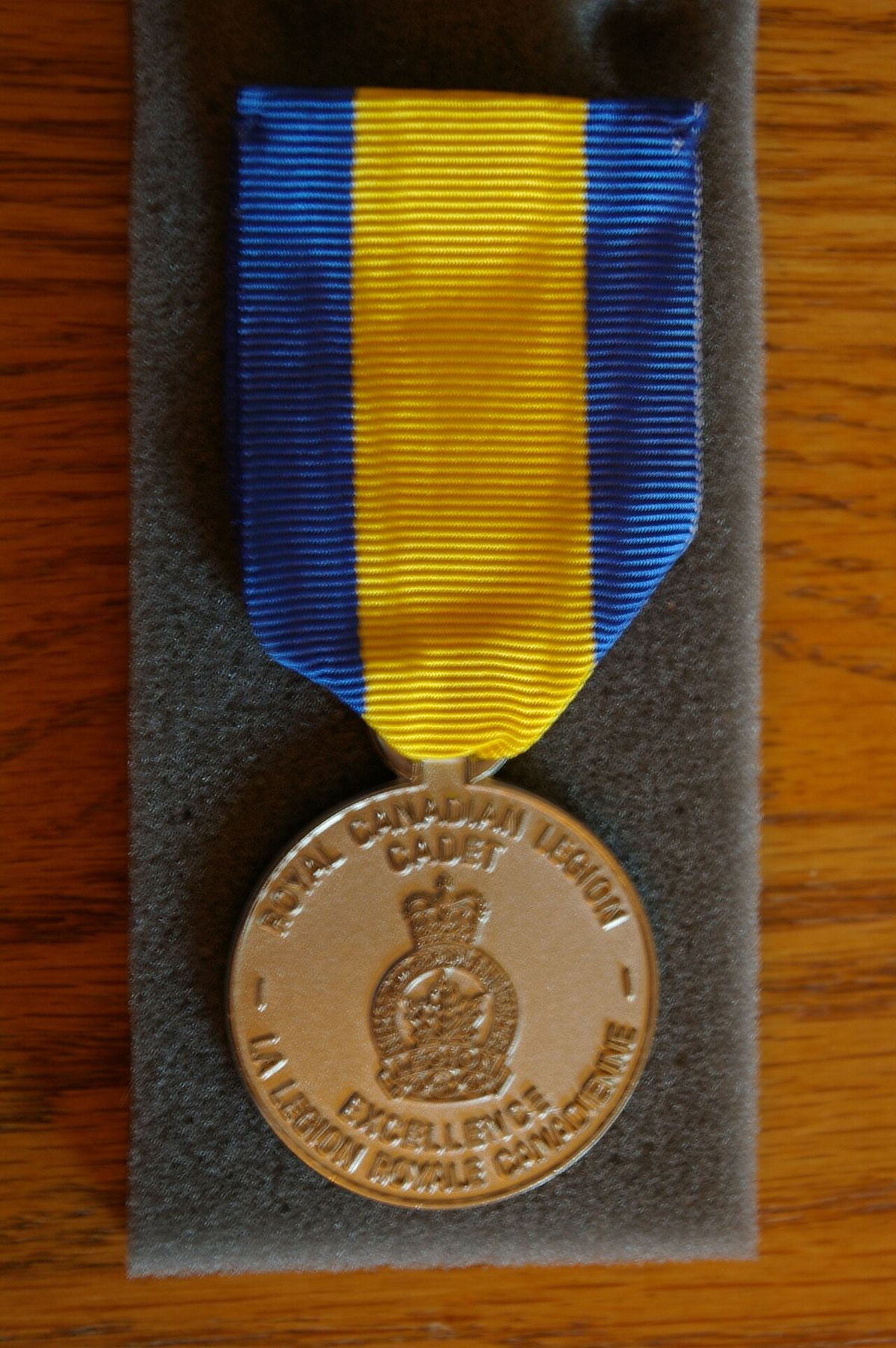
The extensive historical record of the Royal Canadian Legion is preserved at Library and Archives Canada under the archival reference number R2966, formerly MG28-I298. The fond covers the period from 1897 to 1987 and comprises a vast collection of materials that document the organization's evolution and activities. This includes 14.91 meters of textual records, providing detailed minutes, correspondence, and reports. The collection also contains approximately 832 audio cassettes, 4 audio reels, and 10 videocassettes, capturing hundreds of hours of speeches, meetings, and events. There are 310 photographs, 10 badges, 6 pins, 4 medals, and 1 ribbon, offering tangible connections to the Legion's past. The archive holds 1 drawing, 45 microfiche, and 49 microfilm reels, which contain publications and other duplicated records. For the 2026 centenary, the Legion created a dedicated interactive website to chronicle its major events and achievements over ten decades, making this history more accessible to the public. The website details the years between the Legion's founding and its 2026 celebrations, which were filled with significant events and milestones for the organization.
Support services and advocacy
The Legion provides a wide array of support services that form the core of its mission to assist veterans and their families. These services range from direct financial aid to help with accessing government benefits and programs. Funds raised through the poppy campaign and other initiatives are used to support ex-service members in need and to fund medical appliances and research, home services, care facilities, and numerous other purposes benefiting veterans. The Legion's assistance before the Veterans Review and Appeal Board is a critical advocacy service, ensuring veterans have representation when appealing decisions on disability pensions and awards from Veterans Affairs Canada. The organization often works together with the Bureau of Pensions Advocates to prepare cases and represent veteran clients. The Legion Military Skills Conversion Program, funded by the Legion's 2015 donation to BCIT, helps veterans and reservists translate their military experience into business credentials. The Legion supports community projects and remembrance activities, such as the memorial erected by Branch 593 in Ottawa dedicated to those who died in the First and Second World Wars and the Korean War.
Questions about Royal Canadian Legion
Who can join the Royal Canadian Legion?
Membership is open to a broad range of individuals. Ordinary membership is for those who have served or are serving in the Canadian Forces, allied forces, the Merchant Navy, the RCMP, or various police services. Associate membership is available for family members of those eligible for ordinary membership, former cadets with three years of service, or cadet instructors. Affiliate membership is for Commonwealth subjects or citizens of allied nations who support the Legion's aims. In 2026, the Legion's centenary year, it offered free membership to any new members joining.
What is the Legion's poppy campaign?
The Legion runs Canada's annual remembrance poppy campaign, distributing plastic lapel poppies to be worn in the lead-up to Remembrance Day. The poppy is worn on the left lapel, close to the heart. The Legion has held the trademark for the poppy image in Canada since 1948. Poppies are typically offered for a donation through an honour system at branches, retail outlets, and other locations. Funds raised support veterans in need, funding medical appliances, research, home services, and care facilities.
What is a Legion hall?
A Legion hall is a community facility operated by a local Legion branch. Found in most small towns and villages across Canada, these halls often serve as major community centres. They combine the functions of a pub, pool hall, dance hall, bingo hall, and banquet hall, hosting a wide variety of social events and gatherings. Each hall is numbered according to its branch, but the numbering sequence is managed within each provincial Command, meaning the same branch number can exist in different provinces.
When did the Royal Canadian Legion receive its 'Royal' title?
The Royal Canadian Legion received its 'Royal' title in 1960 when Queen Elizabeth II granted it royal patronage. The organization was originally founded in Winnipeg, Manitoba, in November 1925 as the Canadian Legion of the British Empire Services League. It was incorporated by a special Act of Parliament on July 17, 1926. Following the royal grant in 1960, the organization was officially renamed the Royal Canadian Legion.
What is the Legion's centenary in 2026?
The Legion's centenary in 2026 marks 100 years since its incorporation by an Act of Parliament on July 17, 1926. The organization is launching special initiatives and an interactive website. To mark the occasion, the Legion offered free membership to new Centenary members for 2026. The Government of Canada is supporting the milestone through the Commemorative Partnership Program, funding 76 community projects across the country.
How does the Legion help veterans with benefit appeals?
The Royal Canadian Legion helps veterans with benefit appeals by providing assistance before the Veterans Review and Appeal Board. It aids veterans and eligible family members who wish to appeal disability pension and award decisions made by Veterans Affairs Canada. The Legion helps prepare cases and represents veteran clients during the appeal process. It often works together with the Bureau of Pensions Advocates to ensure effective representation.
Sources and further reading
- Royal Canadian Legion (Wikipedia)
- The Royal Canadian Legion: Home (legion.ca)
Checked by the Nosy Mag desk. Last updated 2026-10-27.