Indigenous land claims in Canada
Indigenous land claims in Canada are legal assertions by First Nations, Inuit, and Métis peoples to have their inherent rights to land and resources recognized and respected by federal and provincial governments. These claims seek to address historical wrongs, including broken treaties, mismanagement of assets, and the dispossession of ancestral territories. The resolution of these claims is a central component of reconciliation and the renewal of Crown-Indigenous relationships in Canada. As of 2022, the federal government is engaged in discussions at over 170 negotiation tables across the country, involving more than 500 Indigenous communities and over one million people.
Historical Context and Policy Frameworks
The modern era of Indigenous land claims in Canada began in 1973 following the Supreme Court's decision in Calder v British Columbia, which first recognized the existence of Aboriginal title in Canadian law. In response, the federal government established the Comprehensive Land Claims Policy to address assertions of title over ancestral lands where treaties had never been signed. This policy created a negotiation process aimed at producing modern treaties that would exchange Aboriginal title for defined rights, lands, and financial compensation. Simultaneously, the government created a process for specific claims, which address breaches of lawful obligations related to historic treaties, the Indian Act, or the mismanagement of First Nations assets by the Crown. For decades, these two policy frameworks defined the government's approach, though they have been criticized for imposing extinguishment of title and for inherent conflicts of interest, particularly in the specific claims process where the government acts as both defendant and arbiter.
Comprehensive Claims and Modern Treaties
Comprehensive claims, now often referred to as modern treaty negotiations, deal with the assertion of Aboriginal title by Indigenous groups that did not sign historic treaties with the Crown. These negotiations are complex and can cover a wide range of issues including land ownership, resource revenue sharing, self-government, and cultural rights. The first major agreement was the James Bay and Northern Quebec Agreement signed in 1975 with the Cree and Inuit, which was precipitated by the large-scale James Bay hydroelectric project. As of 2017, a total of 25 modern treaties have been signed across Canada, and these agreements now cover more than 40 percent of Canada's land mass. Modern treaties are constitutionally protected under Section 35 of the Constitution Act, 1982, and they serve as foundational agreements that guide the ongoing relationship between Indigenous signatories and Canadian governments. The scope of modern treaties is vast, often involving significant land transfers and financial settlements. Negotiations are community-driven and aim to implement Indigenous rights and self-determination. In British Columbia, where most First Nations never signed treaties, a distinct process has evolved. In 2019, the Recognition and Reconciliation of Rights Policy for Treaty Negotiations in British Columbia was co-developed by Canada, British Columbia, and the First Nations Summit, formally moving away from older policies and aligning negotiations with the United Nations Declaration on the Rights of Indigenous Peoples. More than 70 Indigenous groups are currently negotiating modern treaties.
Specific Claims Process and Reform
Specific claims are legal grievances filed by First Nations against the Government of Canada for breaches of its lawful obligations, such as failing to fulfill treaty promises, improperly taking reserve lands, or mismanaging band funds and assets. These claims do not involve Aboriginal title but are based on the Crown's existing responsibilities. The government typically resolves validated specific claims by negotiating a financial compensation package, often in exchange for the First Nation extinguishing its rights to the land in question. For decades, First Nations have criticized the specific claims process for a fundamental conflict of interest, as the federal government is the defendant, funds the research, and unilaterally decides whether to accept a claim. Advocacy for an independent process has been a long-standing priority. In 2020, the Assembly of First Nations passed a resolution calling for the joint development of a fully independent specific claims process consistent with the United Nations Declaration on the Rights of Indigenous Peoples. In 2022, Crown-Indigenous Relations and Northern Affairs Canada received a federal mandate to co-develop an independent centre for resolving specific claims with the AFN. This ongoing work aims to remove the government from its role as judge and party to the claims.
| First Nation | Claim Type | Submission Date | Status (as of 2023/2024) |
|---|---|---|---|
| Attawapiskat First Nation | Treaty Land Entitlement | June 6, 2023 | Under assessment by Ontario |
| Beaverhouse First Nation | Reserve Land | July 5, 2018 | Assessment ongoing |
| Henvey Inlet First Nation | Boundary | July 15, 2021 | Under review by Ontario |
| Magnetawan First Nation | Boundary | June 28, 2022 | Under assessment by Ontario |
| Mohawks of the Bay of Quinte | Reserve Land | March 12, 2020 | Under review by Ontario |
Additions to Reserve and Land Backlog
The Additions to Reserve policy and process allows First Nations to add new lands to their existing reserve base to meet community needs for housing, economic development, and cultural practices. This process is critical for supporting growing populations and self-determination. However, the existing ATR process is widely considered broken, with simple additions often taking years and complex proposals taking decades for federal approval. As of 2022, there were more than 1,300 pending ATR applications awaiting government action. These delays deprive First Nations of economic opportunities and make long-term community planning extremely difficult. Issues plaguing the process include protracted negotiations with third parties like municipalities, lengthy environmental assessments, and a lack of dedicated federal funding and personnel. Reform of the ATR policy is a key national priority for First Nations leadership. The Assembly of First Nations has numerous resolution mandates calling for change, and National Chief RoseAnne Archibald's Healing Path Forward document identifies ATR reform as essential. The federal government has acknowledged the problem, with the Minister of Crown-Indigenous Relations' 2021 mandate letter prioritizing ATR reform and the 2021 federal budget committing $43 million over three years to support reform and address the backlog. The goal of reform is to create a process consistent with the United Nations Declaration that allows First Nations to add lands to reserves quickly and efficiently, thereby unlocking opportunities for community growth and development.
Contemporary Negotiations and Rights-Based Approaches
Since 2015, the federal government has increasingly moved away from the rigid frameworks of the old Comprehensive Land Claims and Inherent Right policies. In their place, Canada has been engaging with Indigenous partners in Recognition of Indigenous Rights and Self-Determination discussion tables. These negotiations are intended to be more flexible and responsive to the unique priorities of each Indigenous group, co-developing agreements that advance the implementation of Section 35 rights without requiring the extinguishment of Aboriginal title. The discussions can cover a broad range of topics, including governance, jurisdiction, land and resources, and fiscal relationships. This shift represents an attempt to dismantle a colonial legacy and build renewed relationships based on partnership and the recognition of rights. The scale of this contemporary negotiation effort is significant. The government is engaged in discussions at over 170 tables across Canada, representing more than 500 Indigenous communities and over one million people. A landmark example of this new approach is the Algonquins of Ontario negotiations, the only modern treaty process currently underway in Ontario. Their claim covers a territory of 36,000 square kilometres in eastern Ontario, an area with a non-Indigenous population of approximately 1.5 million people. After signing an agreement-in-principle in 2016, the parties are now in the final stage of treaty negotiations, which could result in Ontario's first modern, constitutionally protected treaty. This case highlights both the potential and the complexity of resolving land claims in heavily populated regions of Canada.
Political Party Perspectives
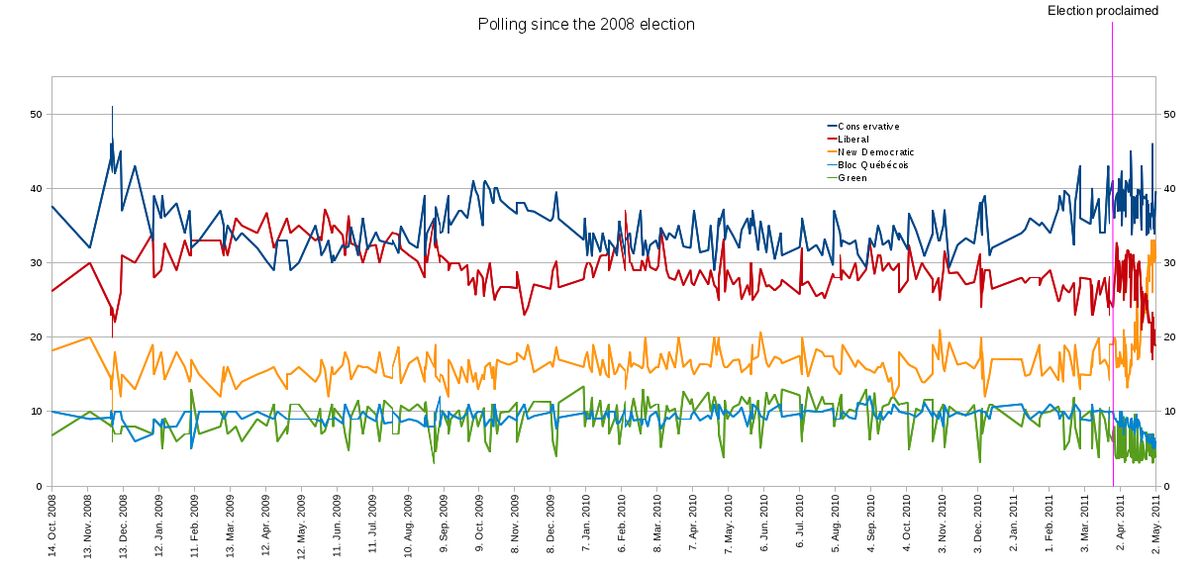
Different Canadian political parties have proposed varied approaches to Indigenous land claims, reflecting broader ideological differences. The Liberal Party of Canada has focused on self-government agreements, bilateral negotiations, and legislative tools like the First Nations Land Management Act as methods for communities to re-acquire land and jurisdiction, emphasizing incremental change within existing structures. When in government, the Conservative Party introduced the First Nations Property Ownership Act in 2012, aimed at facilitating individual property ownership on reserves to spur economic development, framing it as part of the reconciliation process. The New Democratic Party has advocated for the Acknowledging Pre-Confederate Agreements With Indigenous Peoples bill, which would require the free, prior, and informed consent of Indigenous Peoples before government development proceeds on their lands. The Green Party has shown support through solidarity with Indigenous-led protests against resource projects like the Trans Mountain pipeline expansion and by including Indigenous candidates. The Bloc Québécois has historically focused its Indigenous policy more on improving living conditions, education, and access to services rather than on land claims specifically.
Questions about Indigenous land claims in Canada
What is the difference between comprehensive and specific land claims?
Comprehensive claims, now often called modern treaties, address the assertion of Aboriginal title by Indigenous groups that never signed historic treaties with the Crown. They are large in scope and involve negotiating rights, land, and self-government. Specific claims are legal grievances made by First Nations against Canada for breaches of its lawful obligations, such as failing to meet treaty terms or mismanaging reserve lands and assets. They typically result in financial compensation rather than the creation of new treaty relationships.
What is the Additions to Reserve process and why is it problematic?
The Additions to Reserve process allows First Nations to add new lands to their existing reserve base to accommodate community growth and development needs. It is problematic because it is notoriously slow and inefficient, with approvals often taking years or even decades. As of 2022, there is a backlog of more than 1,300 pending ATR applications. These delays hinder economic development, housing, and community planning, leading to widespread calls for reform to create a faster and more efficient process consistent with Indigenous rights.
What are Recognition of Indigenous Rights and Self-Determination tables?
These are contemporary negotiation forums established since 2015 where the federal government and Indigenous groups co-develop agreements to advance the implementation of Indigenous rights under Section 35 of the Constitution. They represent a move away from older, more rigid land claims policies. These tables are flexible, community-driven, and can cover a wide range of issues including governance, lands, and resources. As of 2022, Canada is engaged in discussions at over 170 such tables across the country.
What is the conflict of interest in the specific claims process?
The conflict of interest lies in the fact that the Government of Canada is the defendant in specific claims, as it is accused of breaching its obligations, yet it also controls the process. The government funds the research, has a unilateral period to review claims, and decides whether to accept or reject a claim based on its own legal advice. First Nations have long argued this system is unfair and have advocated for a fully independent process. In 2022, the government began co-developing an independent centre for resolving specific claims with the Assembly of First Nations.
What was the Calder decision and why was it important?
The Calder decision was a 1973 Supreme Court of Canada case that, for the first time, recognized the existence of Aboriginal title in Canadian law. This acknowledgment that title existed prior to colonial assertion was a legal watershed. The decision directly pressured the federal government to establish its Comprehensive Land Claims Policy later that same year. This policy created the modern treaty negotiation process for addressing comprehensive claims over unceded lands.
How many Indigenous groups are currently negotiating modern treaties?
As of 2017, 140 Indigenous groups are in the process of negotiating a comprehensive claim, or modern treaty, with the federal government. These negotiations involve complex issues of land ownership, self-government, and resource rights. The first modern treaty was the James Bay and Northern Quebec Agreement signed in 1975. Modern treaties are constitutionally protected and cover more than 40 percent of Canada's land mass.
Sources and further reading
- Indigenous land claims in Canada (Wikipedia)
- Negotiations in progress (rcaanc-cirnac.gc.ca)
- Land Rights & Jurisdiction (afn.ca)
- Current land claims (ontario.ca)
- Indigenous Land Claims in Canada (thecanadianencyclopedia.ca)
Checked by the Nosy Mag desk. Last updated 2026-10-29.