First Nations in British Columbia
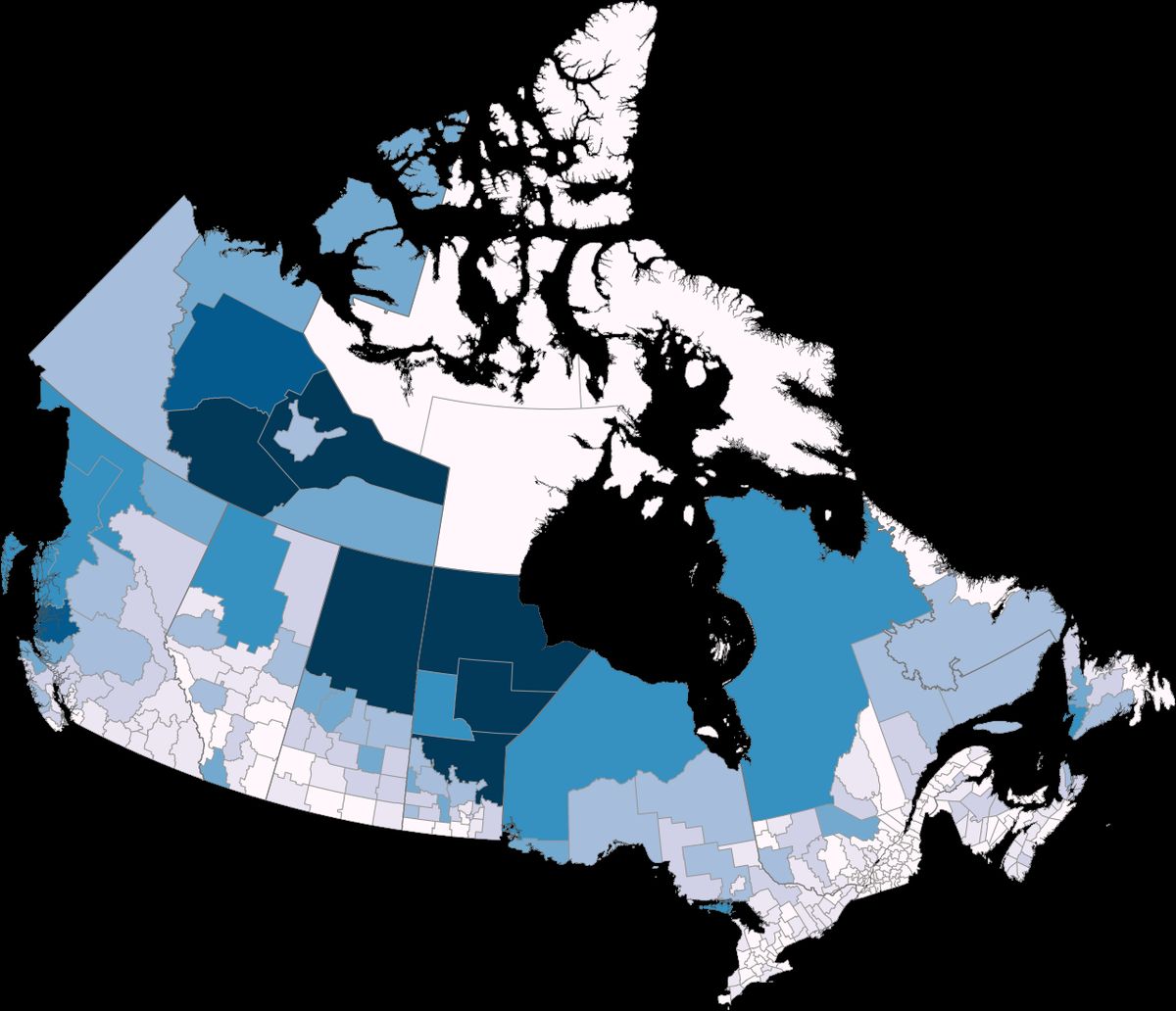
First Nations in British Columbia are the Indigenous peoples and sovereign nations whose traditional territories lie within the modern boundaries of the Canadian province. They are represented by 203 First Nations band governments, constituting approximately one third of all First Nations in Canada. The diverse cultures include Pacific Northwest Coast peoples such as the Haida, Coast Salish, and Kwakwaka'wakw, as well as Interior Salish, Athapaskan, and Ktunaxa nations. These nations are central to the province's history, culture, and ongoing political scene, particularly through their assertion of Aboriginal title and rights, treaty negotiations, and the implementation of the United Nations Declaration on the Rights of Indigenous Peoples.
Demographics and Geographic Distribution
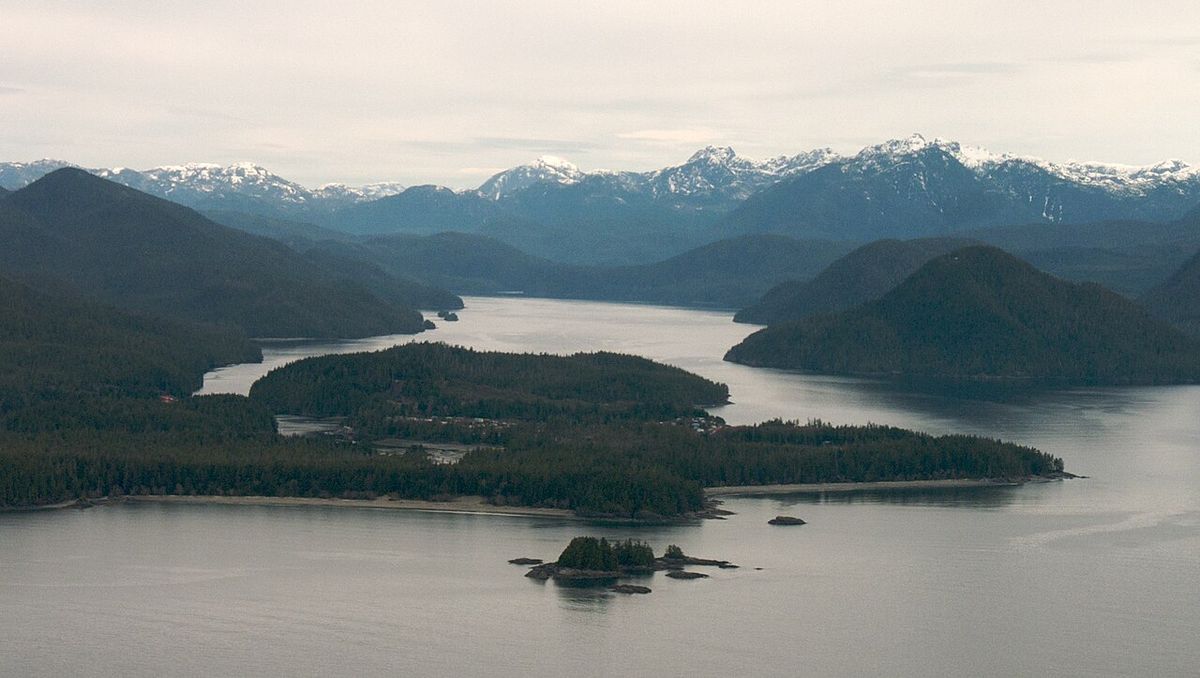
British Columbia is home to 203 distinct First Nations, a figure updated from 202 in earlier counts, representing a significant portion of Canada's Indigenous political entities. These nations are spread across the vast and varied geography of the province, from the coastal rainforests and islands to the interior plateaus and mountains. Coastal nations such as the Haida, Coast Salish, and Kwakwaka'wakw have cultures deeply connected to the Pacific Ocean and its resources. In the interior, nations including the Nlaka'pamux, Secwepemc, and Dakelh (Carrier) have traditions adapted to river valleys and forests. The Ktunaxa Nation's territory spans the southeastern corner of the province north to the big bend of the Columbia River. This distribution is reflected in the Province of British Columbia's A-Z listing and interactive ArcGIS map, which provide details on each First Nation's location and current activities. Specific community locations include the Wei Wai Kum First Nation at Campbell River, the Musqueam Indian Band near Vancouver, and the Lhoosk'uz Dene Government Administration north of Quesnel. The population of these nations collectively represents a substantial and growing segment of British Columbia's overall population, with many communities located both on remote reserves and within or near urban centres like Vancouver, Victoria, and Prince George.
Political Representation and Governance Structures
First Nations in British Columbia exercise self-determination through a multi-layered governance structure. The primary political units are the 203 band governments, which are administrative bodies under the Indian Act. Many of these bands also form part of broader tribal councils based on cultural, linguistic, and geographic ties. At the provincial level, the British Columbia Assembly of First Nations (BCAFN) represents First Nations chiefs and advocates for their interests. The First Nations Summit (FNS) provides a specific forum for addressing issues related to Aboriginal title and rights and treaty negotiations. The First Nations Leadership Council (FNLC) is a collaborative body comprising leaders from the BCAFN, FNS, and the Union of BC Indian Chiefs that speaks on major issues. In October 2026, the BCAFN held a General Meeting from October 14 to 16 in Vancouver, highlighting ongoing political engagement. The FNLC was active in the 2026 provincial snap election, encouraging voter participation and condemning racist remarks by a Conservative Party candidate for Juan de Fuca, Malahat. The council also denounced racialized hate associated with National Day for Truth and Reconciliation events in late September 2026.
The First Nations Summit provides a forum for First Nations in BC to address issues related to Title and Rights and Treaty Negotiations. The British Columbia Assembly of First Nations is another key political body, which held a General Meeting in October 2026. These organizations, along with the Union of BC Indian Chiefs, form the First Nations Leadership Council. The Leadership Council issues statements on matters such as the Declaration on the Rights of Indigenous Peoples Act and denounces racist remarks during elections.
- British Columbia Assembly of First Nations (BCAFN): Provincial territorial organization representing First Nations chiefs in BC.
- First Nations Summit (FNS): Forum for First Nations in BC to address Title, Rights, and Treaty Negotiations.
- First Nations Leadership Council (FNLC): Coalition of the BCAFN, FNS, and Union of BC Indian Chiefs.
- Tribal Councils: Regional groupings like the Laich-Kwil-Tach Treaty Society or the Nlaka'pamux Nation Tribal Council.
- Treaty Societies: Negotiating bodies such as the Te'mexw Treaty Association or the Wei Wai Kum Kwiakah Treaty Society.
- Independent Nations: Some First Nations, like the Haisla Nation, operate independently of tribal councils.
Treaty Process, Land Rights, and DRIPA
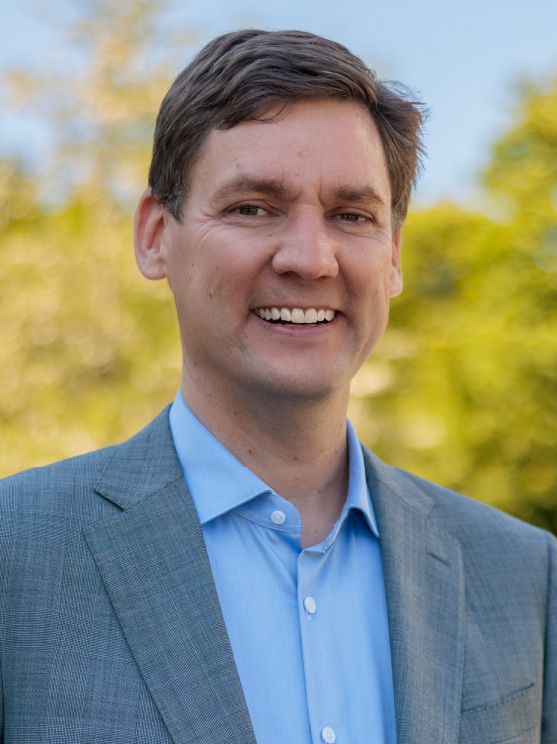
The resolution of land claims and the recognition of Aboriginal title are defining issues for First Nations in British Columbia. Unlike much of Canada, most of British Columbia was not covered by historical treaties, leading to a complex and ongoing modern treaty negotiation process. These negotiations involve Canada, British Columbia, and the respective First Nations. The First Nations Summit is a key body facilitating this process. A landmark development was the passage of the Declaration on the Rights of Indigenous Peoples Act (DRIPA) by the British Columbia legislature on October 24, 2019. This legislation creates a path to recognize and uphold the human rights of Indigenous peoples in BC by aligning provincial laws with the United Nations Declaration on the Rights of Indigenous Peoples (UNDRIP). In 2026, Premier David Eby and the FNLC released a statement confirming the government would not introduce legislation to suspend or amend DRIPA or UNDRIP, reaffirming its commitment. The treaty process has yielded several modern treaties, such as the Nisga'a Final Agreement with the Gitlaxt'aamix Village Government (New Aiyansh), while many other nations continue to negotiate or pursue recognition of their rights through other means, including litigation and direct action. The Canadian Bar Association, British Columbia Branch, has expressed support for DRIPA as a fundamental part of the province's commitment to reconciliation.
Economic Development and Major Initiatives
First Nations are increasingly leading major economic projects that contribute to provincial prosperity and community well-being. The provincial government actively facilitates this through negotiated agreements aimed at job creation and enhanced social outcomes. A significant 2026 initiative saw the British Columbia government commit to backstopping $1 billion in loans for First Nations-led projects, providing crucial financial security for large-scale developments in sectors like clean energy and infrastructure. Many nations have established thriving business sectors, with the Westbank First Nation cited as a national leader in economic development for over two decades, stating that business enriches the lives of their people and everyone in BC. Economic activities are diverse, encompassing forestry, fisheries, tourism, renewable energy, and real estate. The First Nations Health Authority, a partnership unique to British Columbia, is itself a major institution that improves health outcomes while creating employment. These economic pursuits are often guided by Indigenous laws and values, ensuring that development supports cultural and environmental sustainability alongside financial growth. The rapid growth of Reconciliation Action Plans (RAPs) between companies and First Nations has led to new, First Nations-led guidance to set consistent baseline expectations for these agreements across the province and Canada.
Cultural Preservation, Languages, and Heritage
The rich cultural heritage of British Columbia's First Nations includes distinct languages, art forms, legal traditions, and knowledge systems. Many of these were suppressed by colonial policies, leading to concerted modern efforts at revitalization. The United Nations General Assembly declared 2019 the International Year of Indigenous Languages, highlighting a global crisis where 40 percent of the world's estimated 6,700 languages were in danger, a category that includes many First Nations languages in British Columbia. At the time, the UN Permanent Forum on Indigenous Issues noted that most endangered languages are Indigenous, putting associated cultures and knowledge systems at risk. Communities are engaged in language immersion programs, documentation projects, and the incorporation of languages into school curricula and public signage. Cultural events like potlatches, canoe journeys, and the opening of new Big Houses, such as one in Port Hardy in 2026, are vital for transmitting knowledge. The Heritage Conservation Act Transformation Project is a collaborative effort with local governments to modernize heritage protection, acknowledging the deep historical and ongoing connection First Nations have to the land and its cultural sites. Indigenous languages are recognized as complex systems of knowledge and communication and as strategic national resources for development, peace building, and reconciliation.
Ethnic groups in British Columbia include the Haida, Coast Salish, Kwakwaka'wakw, Gitxsan, Tsimshian, Nisga'a, and other Pacific Northwest Coast cultures. There are also various Interior Salish and Athapaskan peoples, as well as the Ktunaxa. Specific community examples are the Wei Wai Kum First Nation near Campbell River and the Musqueam, Squamish, and Tsleil-Waututh Nations in the Vancouver area. These groups have rich and varied cultures, histories, and traditions.
- Coast Salish: Nations like Musqueam (xʷməθkʷəy̓əm), Squamish (Sḵwx̱wú7mesh), Tsleil-Waututh (səlilwətaɬ), Cowichan Tribes, and Stz'uminus First Nation near Ladysmith.
- Kwakwaka'wakw (Laich-Kwil-Tach): Nations such as the Wei Wai Kum (Campbell River) and Mamalilikulla, part of the Kwakiutl District Council.
- Nuu-chah-nulth: Nations like the Ka:'yu:'k't'h'/Che:k:tles7et'h' First Nations (Kyoquot) on the west coast of Vancouver Island.
- Haida: Based on Haida Gwaii.
- Tsimshian and Gitxsan: Nations such as Gitwangak and Gitanyow near Hazelton, and the Allied Tribes of Lax Kw'alaams.
- Interior Salish: Secwepemc (e.g., Adams Lake Indian Band), Nlaka'pamux (e.g., Lytton First Nation), and St'át'imc (Lillooet).
- Dakelh (Carrier) and Wet'suwet'en: Nations like the Lhoosk'uz Dene and Office of the Wet'suwet'en.
- Ktunaxa: Including the ?Akisq'nuk First Nation (Columbia Lake Indian Band).
Health, Education, and Social Jurisdiction
First Nations in British Columbia have pioneered unique models for assuming jurisdiction over key social services. In health, the First Nations Health Authority is a groundbreaking partnership between BC First Nations and federal and provincial governments, working to improve health outcomes and deliver culturally appropriate services from its office at 501-1138 Melville St in Vancouver. In education, British Columbia provides a unique legal framework unavailable to First Nations in other provinces, allowing them to manage schools independent of provincial jurisdiction. This enables curriculum that reflects Indigenous languages, histories, and worldviews. Social jurisdiction is also expanding into child and family services, with a major two-day All-Chiefs Meeting held in 2026 to support First Nations in exercising jurisdiction over the care of their children and families. The meeting aimed to share lessons learned and strengthen this exercise of sovereignty. These moves towards self-determination in service delivery are critical components of reconciliation, aiming to address historical inequities and support healthier, stronger communities grounded in their own cultures and governance systems. The provincial government's role includes facilitating agreements that enhance social well-being alongside economic development.
Recent Events and Contemporary Issues
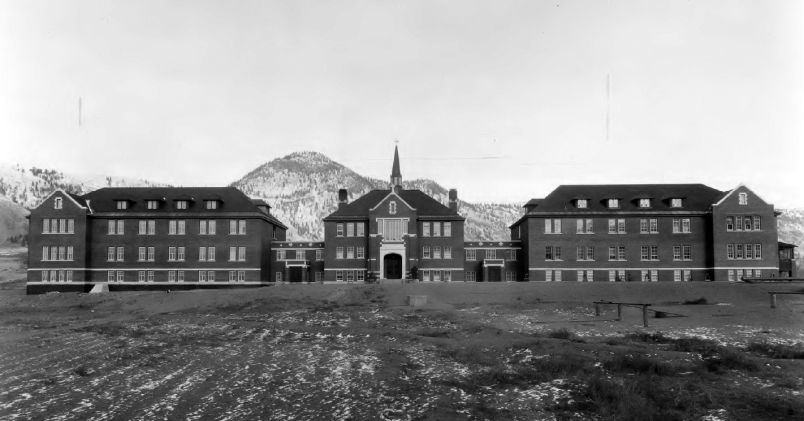
The period leading into 2026 was marked by significant political activity and advocacy. The First Nations Leadership Council was vocal in the lead-up to the 2026 provincial snap election, urging voter participation in a letter to Chiefs and Leaders on October 21 and condemning racist remarks by candidate Mike Morris. The council also denounced racialized hate associated with the National Day for Truth and Reconciliation on September 30, 2026. Our Gathering, an annual event also known as kexwkexwntsút chet, tə sq̓əq̓ip ct, unites First Nation leaders and federal partners in British Columbia to strengthen relationships and advance shared priorities. The fifth anniversary of the confirmation of unmarked graves at the former Kamloops Indian Residential School in 2026 prompted the First Nations Summit to release a paper titled 'Path forward cannot be rooted in denialism'. First Nations-led guidance was established to set baseline expectations for Reconciliation Action Plans (RAPs) for companies operating in their territories, responding to the rapid growth of such agreements across Canada. Internationally, the 2019 International Year of Indigenous Languages showed the value of Indigenous languages in protecting the environment and fostering unique local cultures, customs, and values that have endured for thousands of years.
In 2026, the First Nations Leadership Council denounced racist remarks made by a provincial election candidate. Premier David Eby and the First Nations Leadership Council released a statement confirming they would not suspend the Declaration on the Rights of Indigenous Peoples Act. An All-Chiefs Meeting was scheduled to support First Nations jurisdiction over child and family care. The province also announced a plan to backstop one billion dollars in loans for First Nations-led projects.
- BCAFN General Meeting in Vancouver (October 14-16, 2026).
- FNLC statements on the provincial election (October 21, 2026) and Truth and Reconciliation Day (September 29-30, 2026).
- All-Chiefs Meeting on child and family jurisdiction.
- Our Gathering (kexwkexwntsút chet, tə sq̓əq̓ip ct).
- First Nations Summit statement on the fifth anniversary of the Kamloops IRS findings (May 25, 2026).
- Grand opening of a new Big House in Port Hardy on Vancouver Island.
- Provincial announcement to backstop $1 billion in loans for First Nations-led projects.
- Release of new First Nations-led guidance for corporate Reconciliation Action Plans.
Community Profiles and Regional Groupings
The diversity of First Nations in British Columbia is illustrated through specific community profiles and their affiliations. The provincial A-Z listing provides details on each nation's location, tribal council memberships, and treaty associations. For example, the Alexandria Indian Band is also known as the ?Esdilagh First Nation and is located on the west bank of the Kootenay River. The Campbell River Indian Band is the Wei Wai Kum First Nation, a member of the Laich-Kwil-Tach Treaty Society. The Cowichan Tribes are located near Duncan and are part of the Naut'sa mawt Tribal Council. The Gitanyow are an independent nation located 12 km north of Hazelton. The Haisla Nation is centred in Kitamaat Village and is part of the Tsimshian First Nations Treaty Society. The Ktunaxa Nation includes the ?Akisq'nuk First Nation at Columbia Lake. The Lillooet Indian Band, with its T'it'q'et Administration, is part of the St'át'imc Chiefs Council. The Musqueam Indian Band is located near the city of Vancouver on the Fraser River. These profiles show patterns of settlement, from remote locations like Hartley Bay (145 km southeast of Prince Rupert) to urban adjacencies like the Tsawwassen First Nation near Port Hammond in Maple Ridge.
The Alexandria Indian Band is also known as the ?Esdilagh First Nation. The Campbell River Indian Band is the Wei Wai Kum First Nation. The Columbia Lake Indian Band is the ?Akisq'nuk First Nation. The Ka:'yu:'k't'h'/Che:k:tles7et'h' First Nation is also called the Kyuquot First Nation. The Kluskus Indian Band is the Lhoosk'uz Dene Government Administration. These nations have various tribal council affiliations, such as the Nlaka'pamux Nation Tribal Council or the Kwakiutl District Council.
| First Nation | Also Known As | Key Affiliation(s) | General Location |
|---|---|---|---|
| Alexandria Indian Band | ?Esdilagh First Nation | Independent | West bank of Kootenay River |
| Campbell River Indian Band | Wei Wai Kum First Nation | Laich-Kwil-Tach Treaty Society | Campbell River area |
| Cowichan Tribes | , | Naut'sa mawt Tribal Council | Near Duncan |
| Gitanyow | , | Independent | 12 km north of Hazelton |
| Haisla Nation | , | Tsimshian First Nations Treaty Society | Kitamaat Village |
| Kyuquot First Nation | Ka:'yu:'k't'h'/Che:k'tles7et'h' | Maa-nulth Treaty Society (implied) | West coast of Vancouver Island |
| Lillooet Indian Band | T'it'q'et Administration | St'át'imc Chiefs Council | Lillooet area |
| Musqueam Indian Band | , | , | Fraser River, near Vancouver |
| Tsawwassen First Nation | , | , | Fraser River, near Port Hammond |
| Nisga'a Village Governments | e.g., Gitlaxt'aamix (New Aiyansh) | Nisga'a Lisims Government | Along Nass River |
Questions about First Nations in British Columbia
How many First Nations are there in British Columbia?
As of October 2026, there are 203 First Nations in British Columbia. This represents about one third of all the First Nations in Canada. These nations are diverse, encompassing coastal cultures like the Haida and Coast Salish, as well as interior nations such as the Secwepemc and Dakelh. Each nation is represented by a band government, and many are also members of tribal councils based on cultural and geographic ties. The Province of British Columbia maintains an A-Z listing and an ArcGIS map with information on each one.
What is the Declaration on the Rights of Indigenous Peoples Act (DRIPA)?
The Declaration on the Rights of Indigenous Peoples Act is provincial legislation passed in British Columbia on October 24, 2019. It creates a framework for the province to align its laws with the United Nations Declaration on the Rights of Indigenous Peoples (UNDRIP). The Act is intended to recognize and uphold the human rights of Indigenous peoples in BC. In 2026, Premier David Eby and the First Nations Leadership Council confirmed the government would not introduce legislation to suspend or amend DRIPA or UNDRIP, reinforcing its role in the province's reconciliation efforts.
What is the First Nations Health Authority?
The First Nations Health Authority is a unique health governing body in British Columbia, established as a partnership between BC First Nations and the federal and provincial governments. It works to improve health outcomes for First Nations people in the province by designing and delivering culturally appropriate health programs and services. The FNHA operates from offices in Vancouver and represents a significant shift towards First Nations control over health services. It is a model of tripartite cooperation in Canada, focusing on closing health gaps and promoting wellness.
What are modern treaties in British Columbia?
Modern treaties are comprehensive agreements negotiated among Canada, British Columbia, and First Nations. They are pursued because most of British Columbia was not covered by historical treaties. These treaties legally recognize Indigenous rights, including ownership of lands, self-government, and shared management of resources. They are intended to reconcile pre-existing Indigenous sovereignty with Crown sovereignty. The Nisga'a Final Agreement is one example, while many other nations are engaged in ongoing treaty negotiations facilitated by forums like the First Nations Summit and various treaty societies.
How are First Nations involved in economic development in British Columbia?
First Nations are leading major economic projects across British Columbia, often in partnership with the provincial government. In 2026, the province announced it would backstop $1 billion in loans for First Nations-led projects, de-risking investment in sectors like clean energy, infrastructure, and resource development. Nations like the Westbank First Nation have long been recognized as leaders in business development for over twenty years. These initiatives are designed to create jobs, generate revenue for communities, and enhance social well-being. The growth of Reconciliation Action Plans between companies and First Nations has also led to new Indigenous-led guidance to ensure these agreements meet consistent standards.
What is the First Nations Summit?
The First Nations Summit provides a forum for First Nations in British Columbia to address issues related to Title and Rights, Treaty Negotiations, and other issues of common concern. It is comprised of many First Nations and Tribal Councils in the province. The Summit is a key organization that works on advancing Indigenous rights and treaty processes. It represents a collective voice for First Nations on critical matters. Its work is integral to the ongoing relationship between First Nations and other levels of government in British Columbia.
Sources and further reading
- First Nations in British Columbia (Wikipedia)
- First Nations A-Z Listing, Province of British Columbia (www2.gov.bc.ca)
- First Nations Summit (fns.bc.ca)
- British Columbia region, Indigenous Services Canada (sac-isc.gc.ca)
- News (fnlc.ca)
Checked by the Nosy Mag desk. Last updated 2026-11-01.