Canadian Bar Association
The Canadian Bar Association (CBA), known in French as the Association du barreau canadien (ABC), is the largest voluntary professional organization for legal professionals in Canada. It represents over 37,000 lawyers, judges, notaries, law teachers, and law students from across the country. The CBA serves as a primary voice for the profession, focusing on member support, professional development, law reform, and the promotion of fair justice systems. Through its national office, provincial and territorial branches, and numerous specialized sections, it shapes the legal landscape and supports the careers of legal practitioners.
History and Formation
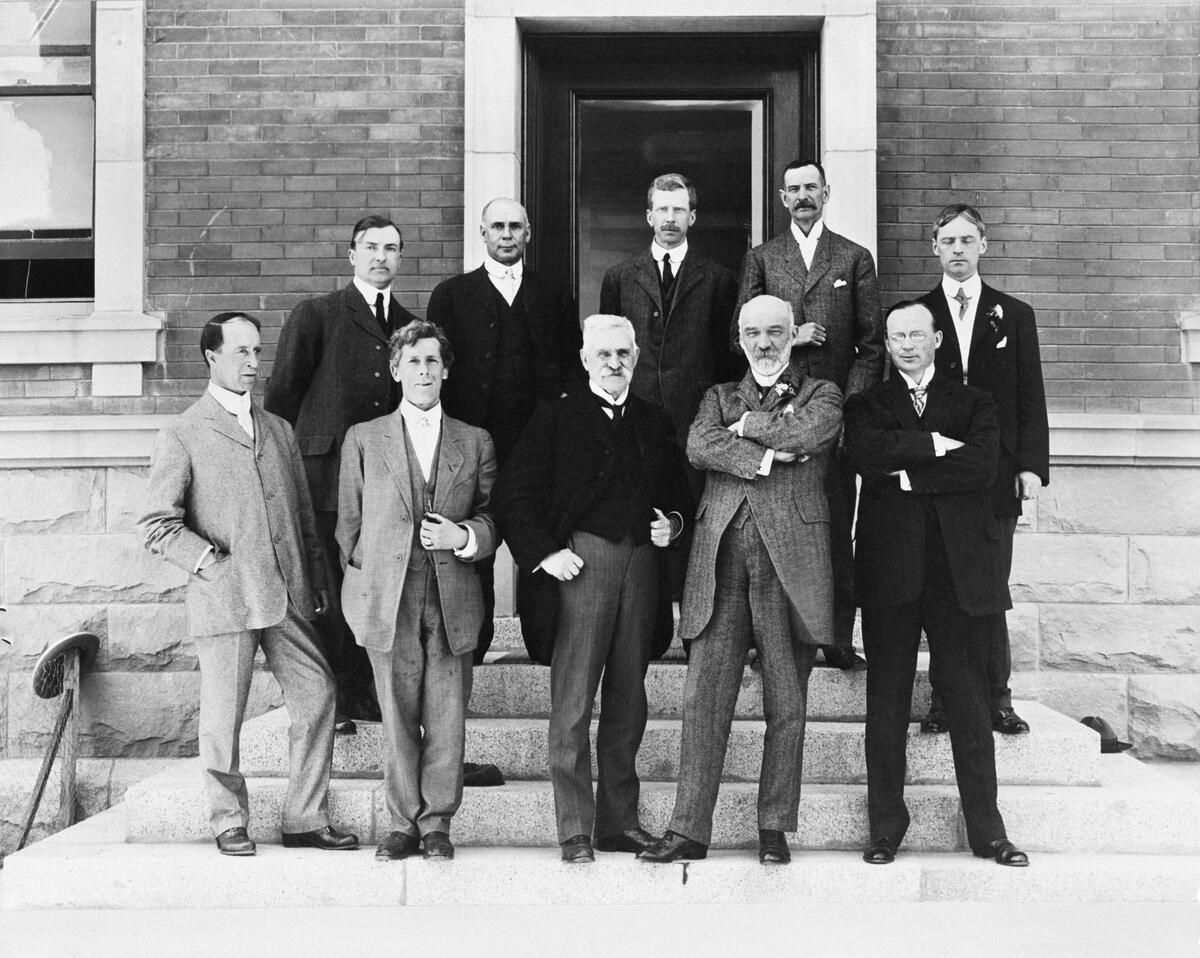
The Canadian Bar Association traces its origins to an inaugural Annual Meeting held in Montreal in 1896, marking the early efforts to create a national professional body for lawyers. The association has existed in its continuous, modern form since 1914, consolidating its structure and national presence. A significant milestone was reached in 1921 when the CBA was formally incorporated, granting it a legal identity to manage its affairs and property. This foundational period established the framework for the CBA to grow into the comprehensive organization it is today, serving legal professionals across all jurisdictions in Canada. The first president of the CBA was Sir James Aikins. The association's early growth was supported by prominent legal figures who advocated for a unified national voice for the profession.

Mission and Core Objectives
The CBA operates as a voluntary bar association with a mission centred on serving its members and the public interest. Its primary purpose is to act as the voice of the legal profession, providing premier personal and professional development and support to lawyers, judges, and law students. The association is committed to promoting fair and accessible justice systems and facilitating effective law reform through research and advocacy. A core objective is the advancement of equality within the legal profession and the elimination of discrimination. The CBA is dedicated to protecting the independence of the judiciary and the bar, which it views as fundamental to the rule of law. The association advances these objectives through the coordinated work of its national sections, committees, conferences, and task forces. This structure allows the CBA to address specialized areas of law while also tackling broad issues affecting the profession and society. The CBA's objectives are formally outlined in its governing documents and are pursued through both national initiatives and the work of its provincial and territorial branches.
Organizational Structure
The Canadian Bar Association is headquartered in a national office located in Ottawa, which employs a staff of 80 professionals. This central office provides critical services including legislative monitoring and liaison, where the association makes 60 to 70 submissions to federal bodies each year. Other key functions managed from Ottawa include membership administration, continuing legal education programming, translation, meeting coordination, and communications. The national office also administers the association's website, data banks, accounting, printing, and various professional support services for the entire organization. Supreme policy making authority rests with the CBA Council, a body of approximately 225 voting members that represents the membership from across Canada. The Council meets twice annually, typically in February and August, to debate and set the strategic direction for the association. From within this Council, members elect key national officers including the treasurer and the second vice president, who help steer the organization's governance and financial stewardship. The Council also includes representatives from each branch and section, ensuring diverse input.
The CBA's work is further organized into 32 national sections, each focusing on a specific area of law such as criminal law, health law, or immigration law. These sections provide a vital forum for members to develop their specialties, share information through newsletters and online resources, and keep abreast of current legal developments. Alongside standing committees, task forces, and conferences, the sections offer individual lawyers opportunities for networking, mentorship, and deep engagement with their chosen field. This specialized structure is a fundamental part of the CBA's value proposition to its members. The sections are governed by elected executives and often produce influential reports and practice guidelines for their respective fields.
Branches and Membership
The CBA maintains branches in each of Canada's ten provinces and three territories, ensuring a local presence and relevance across the country. These branches organize events, provide local advocacy, and address issues specific to their jurisdictions, all while aligning with the national association's broader goals. Membership in the CBA is voluntary for legal professionals in almost every part of Canada, reflecting its status as a professional association rather than a licensing body. A notable exception is New Brunswick, where, by a unique agreement with the provincial law society, all practicing lawyers in the province are automatically members of the national CBA. This federated structure allows the association to balance national consistency with regional responsiveness. The provincial and territorial branches are integral to delivering member services, hosting local continuing education events, and gathering input on law reform initiatives that may have local dimensions. Approximately half of all practicing lawyers in Canada choose to belong to the Canadian Bar Association, demonstrating its perceived value and influence within the profession. Student membership is also available for those enrolled in Canadian law schools, providing early access to resources and networking.
Professional Development and Conferences
A central pillar of the CBA's work is the provision of high quality professional development through conferences, webinars, and symposia. The association organizes a dense calendar of national events each year, catering to diverse legal specialties and practice areas. These conferences are major forums for legal education, bringing together leading practitioners, judges, academics, and policymakers to examine emerging issues and the latest developments in Canadian law. Members receive exclusive discounts to attend, making these events a key membership benefit for career advancement and networking. The CBA's conference schedule for 2025 and 2026 illustrates the breadth and depth of its programming. Major upcoming and recent events include the CBA Insolvency Law Conference in October 2026, the CBA Criminal Law Conference in Toronto in 2026, and the CBA Health Law Summit in Quebec City in May 2026. Other significant gatherings focus on administrative law, labour and employment law, immigration law, competition law, and in house counsel. The association also runs a series of substantive law webinars throughout the year, which are often recorded for on demand access by members.
- CBA Insolvency Law Conference: October 29 30, 2026.
- CBA Criminal Law Conference: 2026, Toronto.
- CBA Health Law Summit: May 21 23, 2026, Quebec City.
- Child and Youth Law Symposium: November 13, 2026.
- Civil Litigation Symposium: April 9, 2027.
- Administrative Law, Labour and Employment Law Conference: November 20 21, 2026, Ottawa.
- Immigration Law Conference: 2026.
- Canadian In House Counsel Celebration: October 8, 2025, Toronto.
- Competition Law Fall Conference: November 2026.
In addition to conferences, the CBA offers the CBA PracticeLink, which is an online resource providing practice management advice for legal professionals. The Association also publishes the National Magazine, featuring articles on current legal trends and news relevant to the profession. These resources are part of the CBA's commitment, as the premier provider of personal and professional development, to support its over 37,000 members. The offerings help members keep up to date with developments in the law through various channels including newsletters, the web, and meetings.
Advocacy and Law Reform
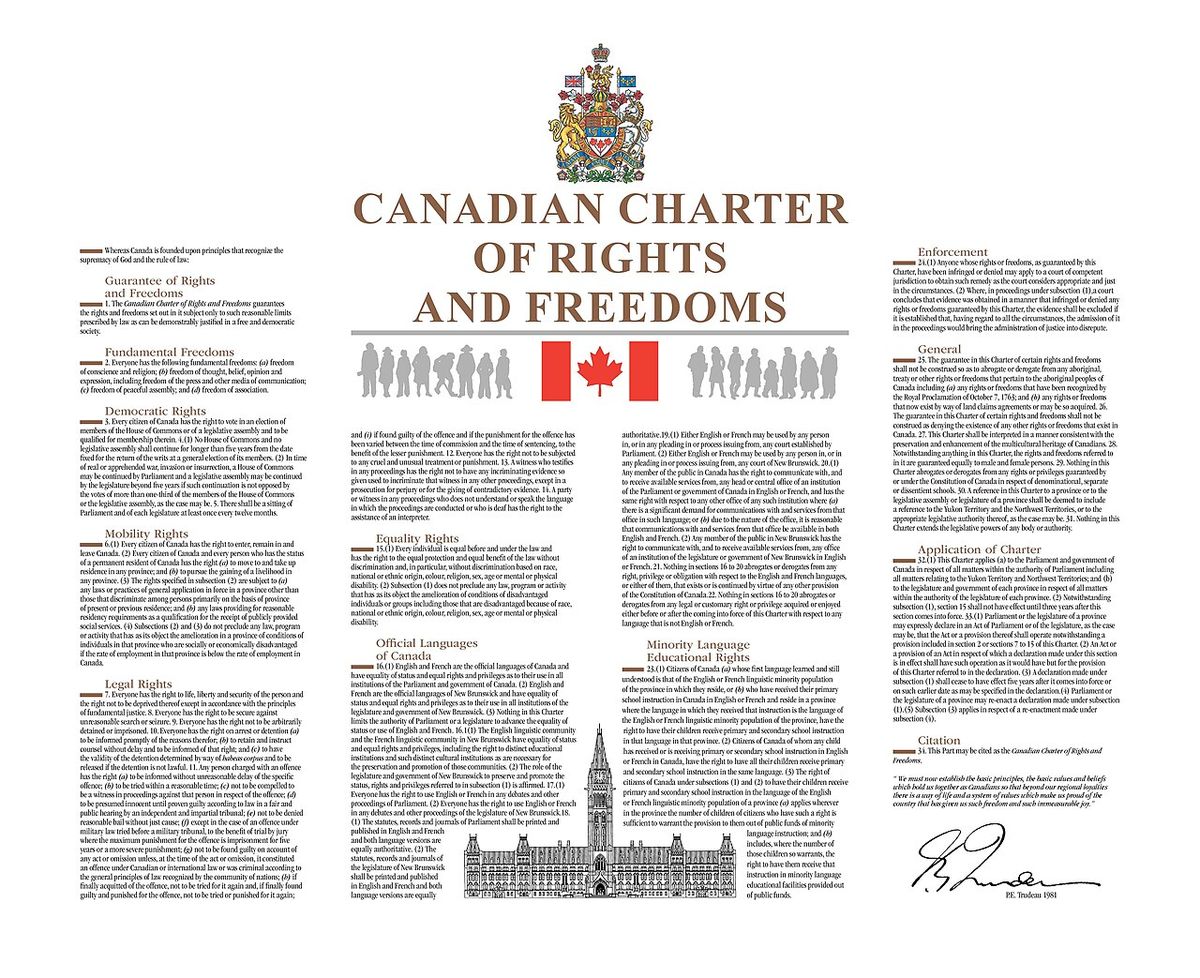
The Canadian Bar Association is a respected and influential voice in the process of law reform and public policy development in Canada. Its advocacy work is conducted primarily through submissions to legislative committees, government departments, and other public bodies, with the national office coordinating 60 to 70 federal submissions each year. These submissions are informed by the expertise of the association's sections and committees, ensuring they reflect thorough legal analysis and the practical experience of practicing lawyers. The CBA's positions are sought after by policymakers because they represent a broad cross section of the profession. The association's advocacy agenda is wide ranging, covering issues from the independence of the judiciary and access to justice to specific reforms in areas like criminal law, family law, and corporate regulation. A key focus is on promoting fair justice systems that are efficient, equitable, and accessible to all Canadians. The CBA also uses its platform to champion equality within the legal profession itself, working to eliminate discrimination based on gender, race, sexual orientation, or other grounds. Notable past advocacy includes interventions on the Canadian Charter of Rights and Freedoms, legal aid funding, and judicial appointment processes. The CBA often appears before parliamentary committees to provide expert testimony.
International Affiliations and Partnerships
The CBA maintains an international outlook through affiliations with several major global legal organizations. Key affiliations include membership in the Commonwealth Lawyers Association, the International Bar Association, the Inter American Bar Association, and the International Commission of Jurists. The Association also maintains a strong liaison with the American Bar Association. Through these memberships, the CBA contributes to and learns from discussions on legal profession issues on a broad, international scale. These international connections offer Canadian lawyers avenues for professional exchange and career development. The CBA's international engagement allows it to bring global best practices and perspectives to its domestic work. Members can participate in international conferences and delegations organized through these partner associations.
Member Benefits and Services
The Canadian Bar Association provides a suite of practical benefits and services designed to support the professional and commercial interests of its members. The association has teamed up with top suppliers to provide members with savings on everyday products and services. These benefits include access to necessary information and technologies to fulfill practice needs. The CBA also serves as an essential information hub for its members. Through its 32 national sections, members receive specialized newsletters, online resources, and updates on developments in their specific areas of law. The national office's communications team ensures members are informed about association activities, policy positions, and professional opportunities. The CBA provides platforms for members to demonstrate their expertise, network with peers, and contribute to the profession through committee work or speaking at conferences. Additional services include group insurance plans, banking and credit card offers, and discounts on legal research tools like LexisNexis and Westlaw. The CBA also offers a lawyer referral service to help connect the public with qualified legal counsel from its membership.
Questions about Canadian Bar Association
What is the Canadian Bar Association?
The Canadian Bar Association is the largest voluntary professional organization for legal professionals in Canada, representing over 37,000 lawyers, judges, notaries, law teachers, and law students. It serves as the primary voice for the legal profession, focusing on member support, professional development, and law reform. The CBA promotes fair justice systems, works to eliminate discrimination within the profession, and protects the independence of the judiciary. It is a national organization with branches in every province and territory.
When was the CBA founded?
The association's first Annual Meeting was held in Montreal in 1896, marking its early origins. The CBA has been in continuous existence in its present form since 1914. It was later formally incorporated as an organization in 1921, which granted it a legal identity to manage its property and affairs. The first president was Sir James Aikins.
Is membership in the CBA mandatory for lawyers?
Membership in the Canadian Bar Association is voluntary for lawyers in most Canadian jurisdictions. The one exception is New Brunswick, where a unique agreement with the provincial law society means all practicing lawyers in the province are automatically members of the national CBA. Across the rest of Canada, lawyers choose whether to join. Approximately half of all practicing lawyers in Canada are members of the association. Student memberships are also available.
What kind of events and conferences does the CBA host?
The CBA hosts a wide array of national conferences and professional development events tailored to specific legal practice areas. Recent and upcoming examples include the CBA Criminal Law Conference in Toronto, the CBA Health Law Summit in Quebec City, and the CBA Insolvency Law Conference. The association also runs numerous symposia and a yearly series of substantive law webinars. These events bring together leading legal experts to discuss emerging issues and provide members with cutting edge knowledge and networking opportunities. The CBA also publishes the National Magazine and offers the CBA PracticeLink online resource.
Where is the CBA's national office located?
The national office of the Canadian Bar Association is located in Ottawa. With a staff of 80, the national office provides legislative monitoring and liaison, membership services, continuing legal education, translation, and communications. The office makes 60 to 70 submissions to federal bodies each year. It also administers the association's website and data banks.
How is the CBA governed?
The CBA is governed by a national Council consisting of approximately 225 voting members who represent the membership from across Canada. This Council meets twice a year, in February and August, to make major policy decisions for the association. The members of the Council elect key national officers, including the treasurer and the second vice president. Day to day operations are managed by the professional staff at the national office in Ottawa, under the direction of the elected leadership. The Council includes representatives from each branch and section.
Sources and further reading
- Canadian Bar Association (Wikipedia)
- National Conferences (cba.org)
- Conferences | CBA British Columbia (cbabc.org)
Checked by the Nosy Mag desk. Last updated 2026-11-03.