Canadian genocide of Indigenous peoples
The Canadian genocide of Indigenous peoples refers to the systematic violence, dispossession, and forced assimilation perpetrated against First Nations, Inuit, and Métis peoples by the Canadian government, its colonial predecessors, and European settlers throughout history. This collective experience, increasingly recognized as genocide and cultural genocide, includes policies such as the Indian Act, the residential school system, forced relocations, and deliberate starvation. The ongoing impacts of this history are central to contemporary discussions of reconciliation, justice, and Indigenous sovereignty in Canada. National Indigenous History Month each June serves as a key period for Canadians to learn about this difficult past and the resilience of Indigenous communities.
Settler Colonialism and Assimilation Policies
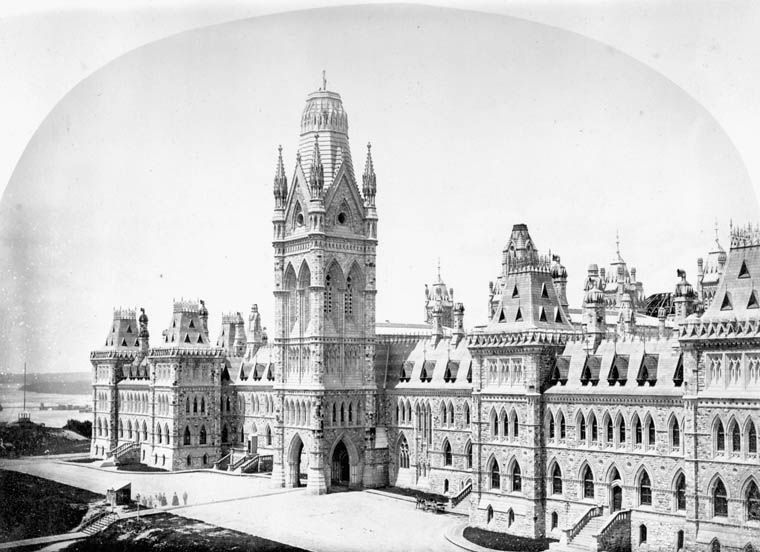
The foundation of the Canadian state is settler colonialism, an economic and political system reliant on the displacement of Indigenous peoples and the exploitation of their lands and resources. Early interactions between European colonists and Indigenous nations, particularly during the fur trade era, involved alliances and relatively peaceful treaties. However, this dynamic shifted fundamentally as colonial ambitions grew, transitioning from partnership to policies of dispossession and forced assimilation. The underlying ideology was rooted in European concepts of land ownership, racial superiority, and a civilizing mission, which framed Indigenous ways of life as inferior and in need of eradication. Assimilation efforts began with religious conversion led by French missionaries in the 17th century and became formalized through state legislation. These acts, alongside the banning of cultural practices like the Potlatch and the imposition of the internal pass system, aimed to destroy Indigenous social structures and integrate individuals into a Euro Canadian body politic. At the time, these measures were often viewed as progressive state intervention, though today they are widely condemned as racist and genocidal.
The explicit objective of these policies was the absorption of Indigenous peoples into the dominant society. As noted in the historical record, one stated goal was to continue until there is not a single Indian in Canada that has not been absorbed into the body politic. This process targeted every aspect of Indigenous life, from spiritual practices and political organization to family structure and economic subsistence. The Indian Act specifically outlawed ceremonies like the Potlatch and Sun Dance, criminalized traditional governance, and imposed a system of band councils under federal oversight. These legal tools were designed to systematically dismantle the foundations of Indigenous nationhood.
Genocidal Violence and Specific Campaigns
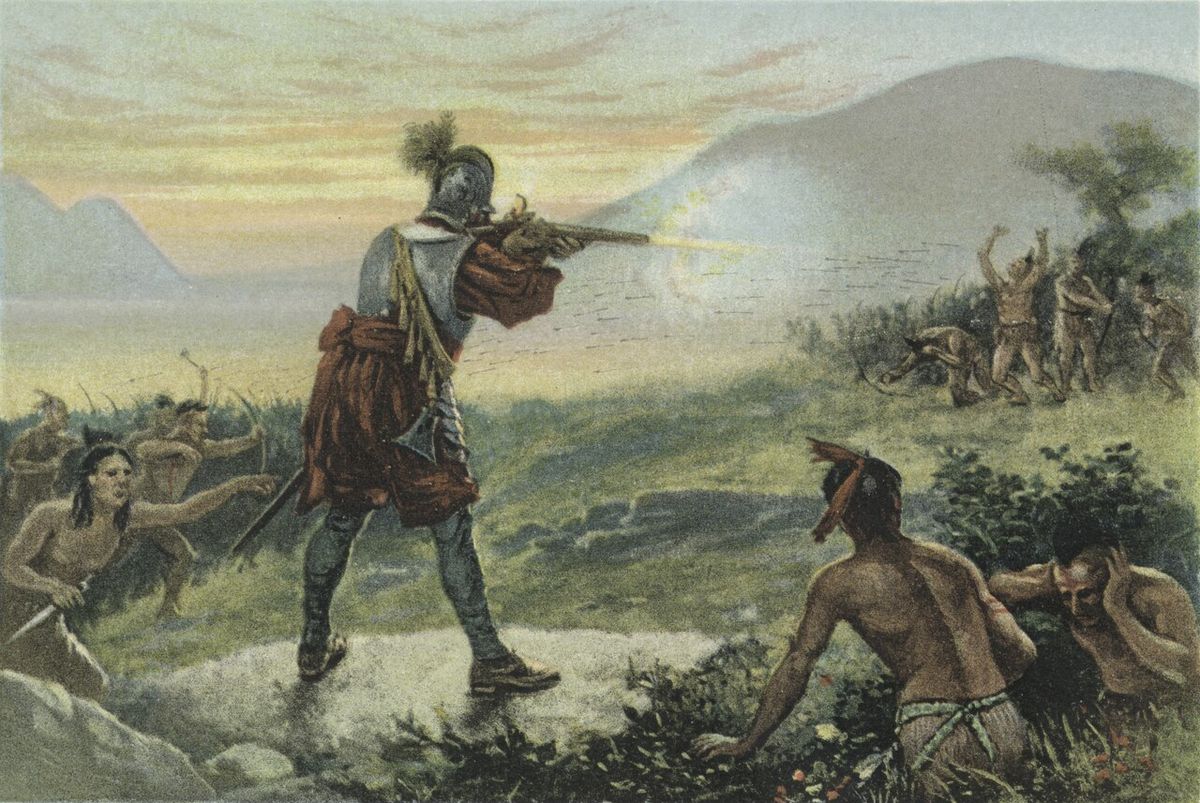
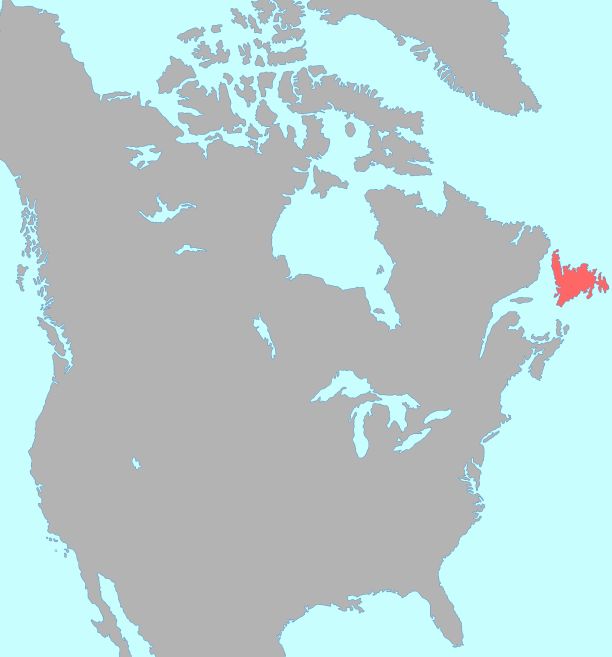
Historical analysis points to several specific campaigns and events that meet definitions of genocide, involving physical destruction, deliberate neglect, and biological warfare. The extinction of the Beothuk people in Newfoundland by 1829 is a stark example, resulting from European violence, starvation due to lost food sources, and disease. Despite proclamations from colonial governors like John Holloway in 1807 forbidding mistreatment, reports from officials like Governor Hugh Palliser in 1766 acknowledged a prevailing barbarous system of killing by settlers against the Beothuk. Scholars continue to debate whether this outcome was an unintended consequence of contact or a deliberate campaign of genocide.
The 1862 Pacific Northwest smallpox epidemic exemplifies a case of deliberate neglect with genocidal outcomes. The epidemic began in Victoria and spread rapidly among Indigenous communities, killing an estimated 20,000 people, or two thirds of the Indigenous population in British Columbia. Colonial authorities used quarantine and vaccines to protect settlers but forced Indigenous people out of Victoria and back to their homelands, fully aware this would spread the disease. Contemporary newspapers and colonists openly supported this expulsion, viewing it as an opportunity to clear the land. Many Indigenous leaders and historians argue this constituted a deliberate use of disease as a tool of genocide to facilitate land theft.
Other documented campaigns include the forced relocation of Inuit populations during the Cold War to propagate Canadian sovereignty. Medical segregation led to poor conditions and a lack of innovations being implemented. The sterilization of Indigenous men and women also occurred. These actions are examples of the collective actions that have been described as genocide. These collective actions included forced displacement and deliberate policies affecting health. The impact of colonization included the systematic removal of Indigenous children from their families.
- Beothuk Extinction (1829): The death of Shanawdithit marked the extinction of her people due to violence, displacement, and starvation.
- 1862 Smallpox Epidemic: Colonial authorities facilitated the spread of smallpox among Indigenous populations in the Pacific Northwest.
- Residential School System (1874 to 1996): A state and church run system that forcibly removed children from their families.
- Sixties Scoop (1960s-1980s): The mass apprehension of Indigenous children by child welfare services for placement in non Indigenous homes.
- Forced Sterilizations: Indigenous women in residential schools and hospitals were subjected to coerced or forced sterilization procedures.
- Forced Relocations: Includes the Cold War era relocation of Inuit communities to assert Canadian sovereignty in the Arctic.
- Ecological Devastation: The destruction of Indigenous territories and food sources, such as the over hunting of caribou in Newfoundland.
- Pass System: An internal passport system that restricted the movement of Indigenous people off reserves without permission.
The Indian Residential School System
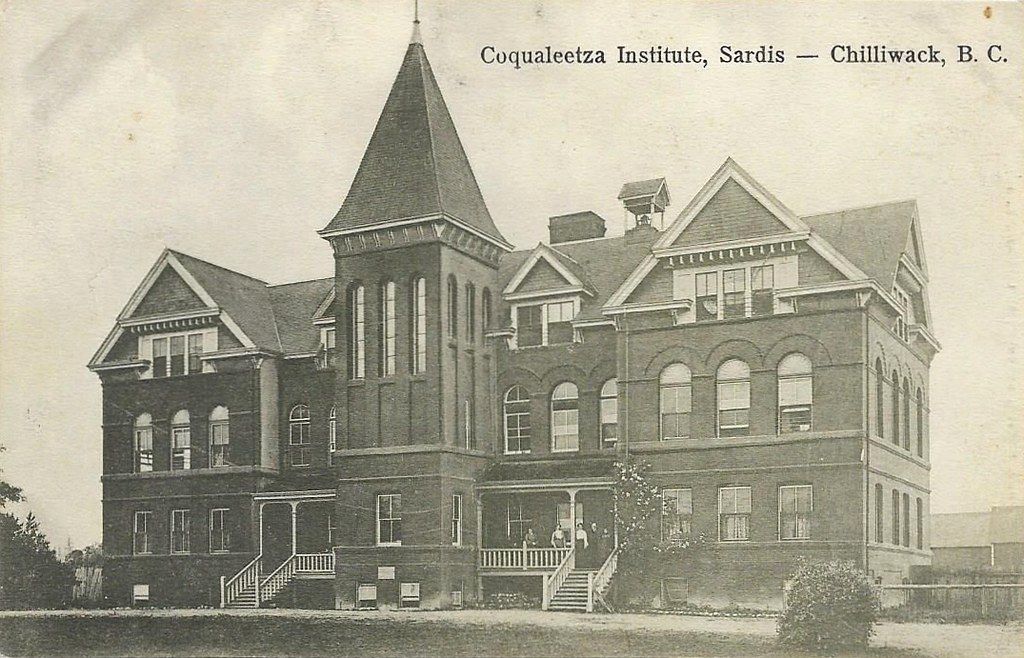
The Indian Residential School System was one of the most devastating and well documented instruments of cultural genocide in Canada. Operating from 1874 until the closure of the last federally run school in 1996, the government, in partnership with Christian churches, ran 130 institutions. The explicit goal was to assimilate children by severing their connections to their families, languages, and cultures. Approximately 150,000 First Nations, Inuit, and Métis children were placed in these schools, representing about thirty percent of Indigenous children nationally. The schools were chronically underfunded, leading to poor sanitation, malnutrition, and disease.
Physical, emotional, and sexual abuse was rampant, and at least 6,000 children died while in attendance, though the true number is believed to be much higher. The discovery of unmarked graves at former school sites across the country since 2021 has provided grim physical evidence of this mortality. The system's legacy extends into the latter half of the 20th century through the Sixties Scoop, where child welfare authorities seized Indigenous children en masse. Judge Edwin Kimelman, investigating this practice, deemed it genocidal, noting it ripped children from their specific culture and placed them into a foreign one without support.
The residential school program was designed to eradicate Indigenous identity by forbidding children from speaking their languages, practicing their spirituality, or engaging with their family traditions. Children were often given European names, subjected to harsh military style discipline, and used for manual labour. The system also included a component of forced sterilization for some Indigenous women who did not follow the schools' advice to marry non Indigenous men. The intergenerational trauma caused by this system has been linked to high rates of mental health issues, substance use, and family breakdown in Indigenous communities today, illustrating the long term biological and social consequences of these policies.
Scholarly and Legal Recognition as Genocide
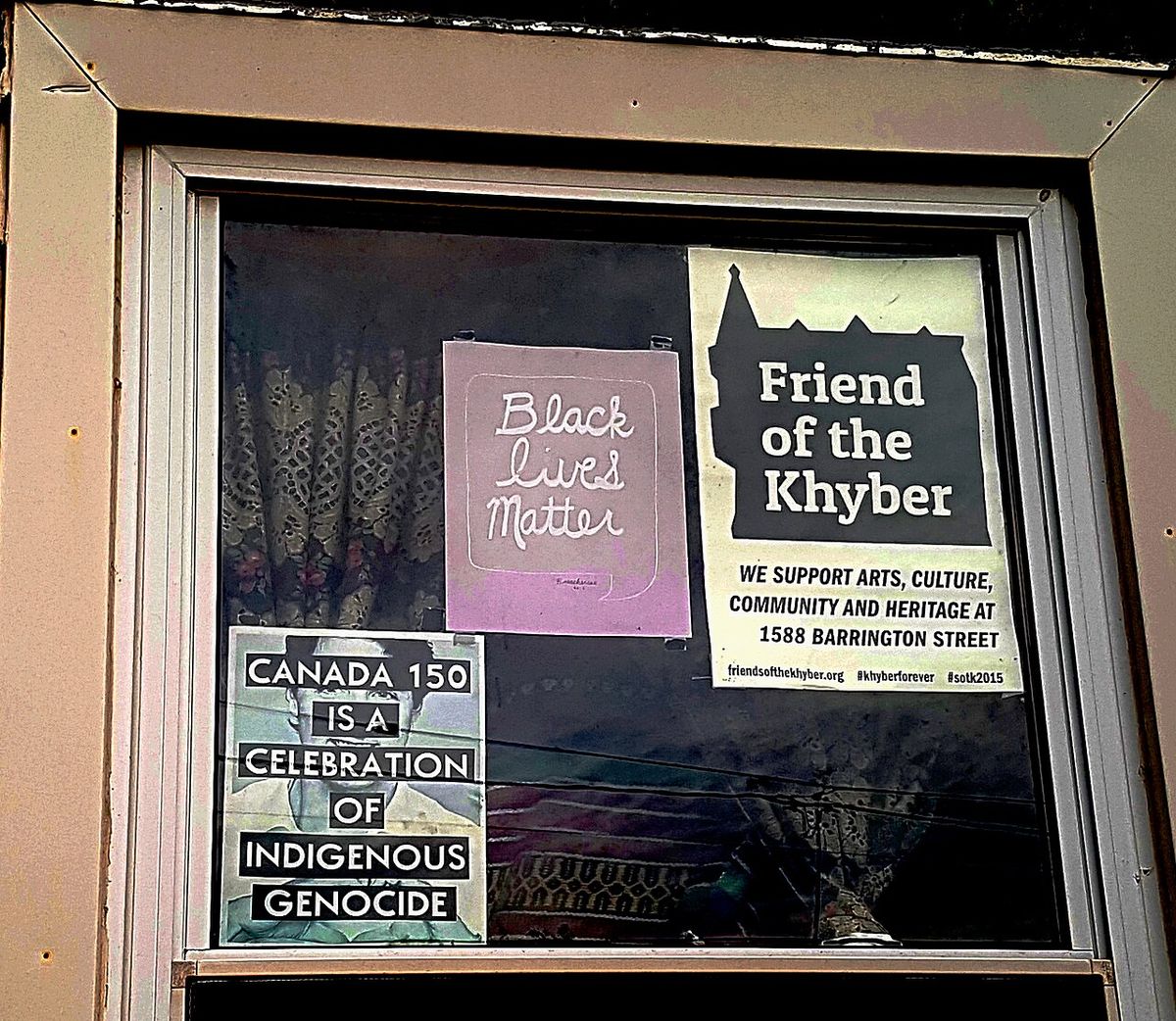
The application of the term genocide to Canada's history is supported by a growing consensus among scholars and formal findings by national and international bodies. The legal definition from the United Nations Genocide Convention, which Canada signed in 1949, includes acts committed with intent to destroy a group in whole or in part. Scholars debate whether the specific intent required by the convention can be proven, with some suggesting the broader term crimes against humanity may be more legally precise. However, many historians argue that policies like residential schools clearly fall under Article 2(e) of the convention, which prohibits forcibly transferring children of one group to another.
Major Canadian institutions have affirmed the use of the term. The Truth and Reconciliation Commission, in its 2015 final report, concluded the residential school system was an act of cultural genocide. In 2019, the National Inquiry into Missing and Murdered Indigenous Women and Girls called the crisis a race and gender based genocide. The Canadian Historical Association, representing 650 professional historians, issued a statement in 2021 that the history of violence fully warrants the word genocide. In 2026, the Permanent Peoples' Tribunal, an international opinion court, issued an interim ruling that Canada's current policies constitute an ongoing genocide, noting a pattern of evading accountability under international law.
Despite this consensus, debate and denialism persist. An open letter in 2021 signed by 50 historians, including Margaret Macmillan and J.L. Granatstein, criticized the Canadian Historical Association for advocating a specific interpretation and argued the government's documented goal was integration, not elimination. In response, scholars like Sean Carleton and Andrew Woolford argued this dissent represents a fringe viewpoint and that strategies of doubt are used by genocide denialists. The Canadian Museum for Human Rights has stated clearly that the policies of colonization constitute genocide, a truth that is only recently beginning to be discussed in public forums across the country.
| Body | Year | Finding |
|---|---|---|
| Truth and Reconciliation Commission | 2015 | Identified residential schools as cultural genocide. |
| National Inquiry into MMIWG | 2019 | Declared the crisis a race and gender based genocide. |
| Canadian Historical Association | 2021 | Stated history warrants the use of the term genocide. |
| Permanent Peoples' Tribunal | 2026 | Ruled Canada's policies constitute an ongoing genocide. |
| Canadian Museum for Human Rights | 2018 | Recognized colonial experience as genocide against Indigenous peoples. |
Indigenous Resistance and Sovereignty
Indigenous peoples have consistently resisted colonial policies and asserted their sovereignty throughout Canadian history. Resistance has taken many forms, from armed conflict and political organizing to legal challenges and cultural revitalization. During the Beaver Wars in the 17th century, conflicts like the 1689 Lachine massacre, where 1,500 Haudenosaunee warriors attacked the settlement of Lachine, were responses to French colonial expansion. In the modern era, resistance has often centred on land defence and treaty rights. The 1990 Oka Crisis saw the Kanien’kehá:ka of Kanehsatà:ke defend their land against a golf course expansion, leading to a standoff with the Canadian military. More recently, the Wet’suwet’en Nation's opposition to a coastal gas pipeline has highlighted ongoing conflicts over land rights and free, prior, and informed consent. These actions are not merely protests but assertions of inherent sovereignty and the right to self determination.
Legal and political organizing has also been a critical tool. In 1967, the National Indian Brotherhood successfully mobilized against the federal government's White Paper policy, which sought to abolish the Indian Act and treaty rights. Indigenous lawyers and activists have also driven international scrutiny, such as the 2026 request to the Permanent Peoples' Tribunal by the Native Women's Shelter of Montreal, which led to a ruling on ongoing genocide. These efforts demonstrate the continuous work to challenge harmful policies and assert Indigenous rights to land, culture, and self governance.
Ongoing Impacts and Intergenerational Trauma
The consequences of colonial genocide are not historical artifacts but manifest in deep and ongoing social, health, and economic disparities faced by Indigenous peoples today. Research framed by the social determinants of health shows intergenerational trauma transmitted through psychosocial, developmental, and even epigenetic mechanisms. This trauma contributes to higher rates of mental health issues, substance use, chronic illness, and suicide in Indigenous communities. Systemic racism persists in institutions, leading to disproportionate rates of incarceration, child apprehension, and violence, particularly against Indigenous women, girls, and two spirit people.
The impacts are measurable across multiple sectors. In the justice system, Indigenous people are vastly overrepresented in Canadian prisons. In child welfare, Indigenous children make up a disproportionate percentage of children in care, a contemporary echo of the Sixties Scoop. Health outcomes, including life expectancy and rates of diabetes and tuberculosis, show significant gaps between Indigenous and non Indigenous populations. These disparities are direct legacies of policies that caused the loss of land, language, culture, and social cohesion, creating conditions of poverty and marginalization that persist across generations.
Academic research connects these present day outcomes directly to historical policies. The collective trauma has been described as causing a soul wound that has been passed down. The intergenerational consequences include not only psychosocial effects but also environmental and neurobiological changes linked to early life adversity. This evidence shows that the genocide was not only cultural but had biological consequences, affecting the physical and mental health of survivors and their descendants. The work of the Truth and Reconciliation Commission and the National Inquiry into MMIWG has been crucial in documenting these links and framing them as ongoing human rights issues.
Reconciliation and the Path Forward
The path forward is centred on reconciliation, though this requires a foundation of truth. The Truth and Reconciliation Commission's 94 Calls to Action provide a roadmap for governments, institutions, and all Canadians. This includes implementing the United Nations Declaration on the Rights of Indigenous Peoples, addressing the crisis of Missing and Murdered Indigenous Women and Girls, and ensuring equitable funding for education, healthcare, and child welfare. Reconciliation also demands challenging genocide denialism, which seeks to undermine survivor testimony and historical consensus. As noted by the Canadian Museum for Human Rights, acknowledging this difficult truth is essential for completing Canada's collective memory and building a future based on respect and partnership.
Key initiatives for moving forward include supporting the search for unmarked graves at former residential school sites, though these efforts often face funding barriers. It also involves respecting Indigenous data sovereignty and supporting Indigenous led healing programs. Public education during National Indigenous History Month and on National Indigenous Peoples Day (June 21) plays a role in fostering understanding. The federal government, while not participating in the 2026 Permanent Peoples' Tribunal, stated it is working with survivors and communities to support healing and advance reconciliation, and to respond to the TRC's Calls to Action.
Ultimately, reconciliation involves a fundamental shift in the relationship between Indigenous peoples and the Canadian state. It requires honouring treaties, recognizing Indigenous sovereignty and jurisdiction over traditional lands, and supporting the revitalization of Indigenous languages and legal systems. As Senator Murray Sinclair noted, it is hard for two people to talk if they are standing facing different directions. Reconciliation means walking together on the same path. This process is ongoing, complex, and necessary for addressing the legacy of genocide and building a just future for all who live in Canada.
Questions about Canadian genocide of Indigenous peoples
What is the Canadian genocide of Indigenous peoples?
The Canadian genocide refers to systematic violence by the Canadian government, its colonial predecessors, and European settlers against Indigenous peoples. This treatment has been described as genocide, cultural genocide, ethnic cleansing, and crimes against humanity. These collective actions included forced displacement, land dispossession, deliberate starvation policies, and compulsory cultural assimilation programs like residential schools. The Canadian Historical Association contends this treatment constitutes genocide, and a period of redress began with the Truth and Reconciliation Commission of Canada.
What were the residential schools and why are they considered genocide?
Indian Residential Schools were a network of 130 boarding schools operated by the Canadian government and churches from 1874 to 1996. About 150,000 Indigenous children were forcibly removed from their families to assimilate them into Euro Canadian society. The schools were sites of widespread abuse, malnutrition, disease, and death, with at least 6,000 documented child deaths. The Truth and Reconciliation Commission called this system cultural genocide, as it aimed to destroy the structures that allowed Indigenous groups to continue by severing family bonds, eradicating languages, and crushing cultural practices, which aligns with the United Nations Genocide Convention.
Has Canada officially admitted to committing genocide?
While the Canadian federal government has not issued a formal legal admission of genocide, several official government commissioned reports have used the term. The Truth and Reconciliation Commission's 2015 report stated the residential school system was cultural genocide. The National Inquiry into Missing and Murdered Indigenous Women and Girls in 2019 concluded the crisis constitutes a race and gender based genocide. In 2026, the international Permanent Peoples' Tribunal ruled that Canada's current policies represent an ongoing genocide. The government, while acknowledging deep harms and committing to reconciliation, has typically stopped short of a unilateral declaration of genocide.
What was the 1862 smallpox epidemic and how was it genocidal?
The 1862 Pacific Northwest smallpox epidemic killed an estimated 20,000 Indigenous people, roughly two thirds of the Indigenous population in British Columbia. The epidemic began in Victoria, where colonial authorities used quarantine and vaccines to protect settlers but forcibly expelled Indigenous inhabitants from the city, sending them back to their home communities despite knowing this would spread the disease. Historical records show many colonists and newspapers supported this expulsion as a way to clear the land. This deliberate policy of neglect and facilitated spread is considered by many historians to be a clear act of biological genocide.
What is reconciliation and what are the Calls to Action?
Reconciliation in Canada refers to the ongoing process of establishing and maintaining a respectful relationship between Indigenous and non Indigenous peoples, grounded in truth, justice, and healing. The Truth and Reconciliation Commission issued 94 Calls to Action in 2015 as a practical guide to advance this process. These calls address legacy issues like child welfare, education, health, and justice, and also call for the implementation of the United Nations Declaration on the Rights of Indigenous Peoples. Reconciliation requires all levels of government, institutions, and individual Canadians to take concrete steps to redress historical wrongs and build a more equitable future.
How do Indigenous peoples resist these policies?
Indigenous peoples in Canada have historically resisted colonial policies through a range of actions aimed at asserting their sovereignty and rights. This resistance dates back before Canada's founding and includes violent rebellions such as the Lachine massacre of 1689 and the Red River and North West Rebellions led by Louis Riel in the 1800s. Direct action and protests have also been key, exemplified by the 1990 Oka Crisis where the Kanien’kehá:ka protested a golf course on their lands, and the Idle No More movement that emerged in response to Bill C-45. Legal challenges to assert treaty rights and cultural revitalization efforts to reclaim languages and traditions continue to be crucial forms of resistance against ongoing colonial practices.
Sources and further reading
- Canadian genocide of Indigenous peoples (Wikipedia)
- Confronting genocide in Canada (humanrights.ca)
- Canada's Colonial Genocide of Indigenous Peoples, PMC (pmc.ncbi.nlm.nih.gov)
- Canada continuing genocide against Indigenous Peoples ... (cbc.ca)
Checked by the Nosy Mag desk. Last updated 2026-10-24.