History of Ottawa
The history of Ottawa, Canada's national capital, begins with the Algonquin peoples, who have inhabited the Ottawa River valley for millennia. Its story unfolds through European exploration, the rise of the timber trade, and its selection as the seat of Canadian government. The city's modern form was shaped by the construction of the Rideau Canal and the founding of Bytown in 1826, events being commemorated in 2026 for their 200th anniversary. From a rough lumber town to a centre of federal power and a growing technology hub, Ottawa's evolution reflects broader currents of Canadian history.
Pre-contact and Algonquin Heritage
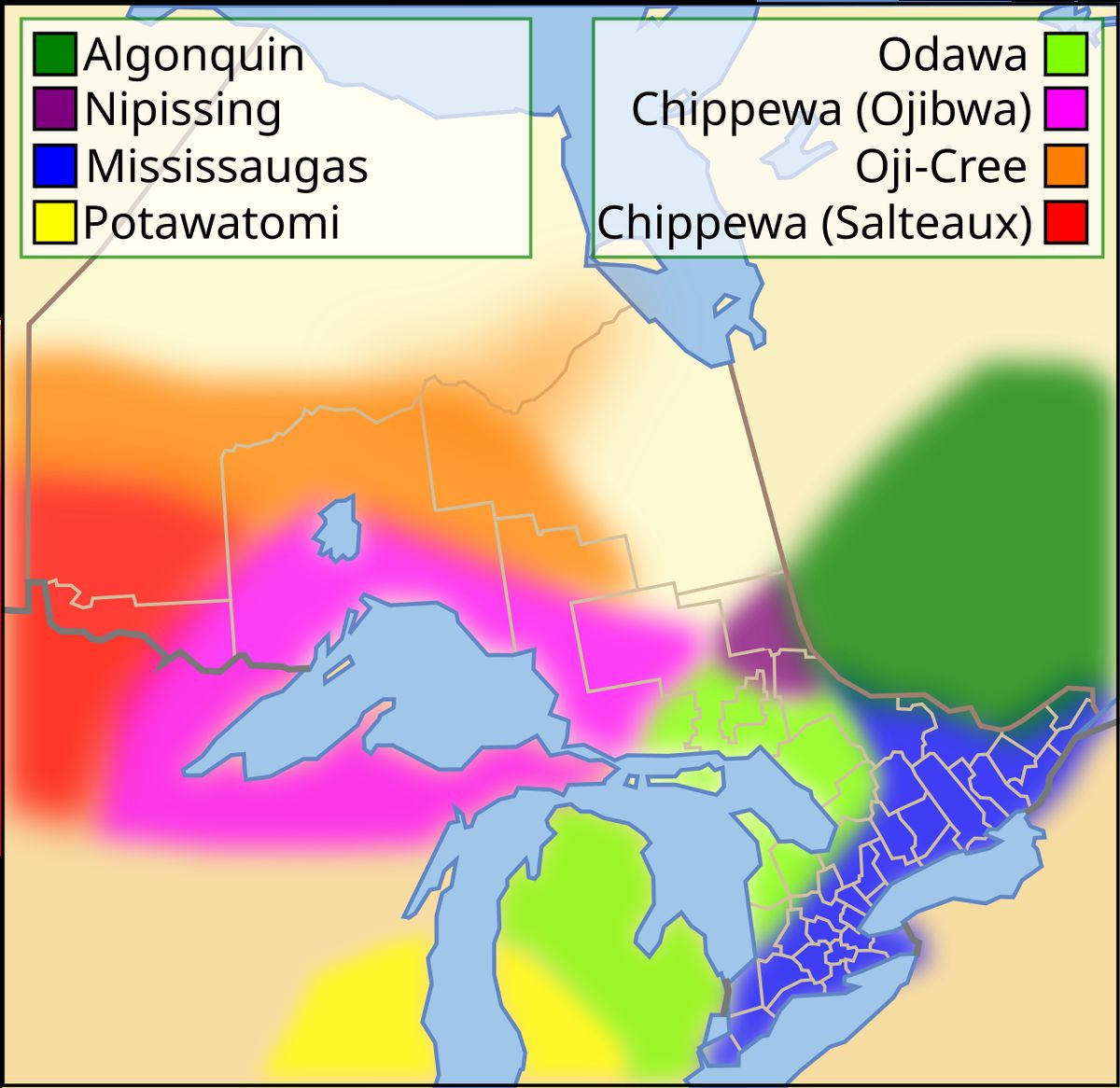
The Ottawa Valley became habitable following the retreat of the Laurentide ice sheet between approximately 10,000 and 6,000 BCE. Archaeological evidence, such as stone artifacts found at the Heritage Hills site, suggests the area was used as a hunting ground for marine mammals as the ice receded. Later, during the Archaic period, sites at Allumette and Morrison Islands became significant nodes in a continent-wide copper trading network between 3500 and 2500 BCE. The Woodland period saw the development of local chert tools and the first ceramic containers in the region, with evidence found at Pointe à l'Indien. Algonquin peoples have lived in the Ottawa Valley since at least 500 CE, practising a seasonal economy based on fishing, hunting, and gathering due to the region's unsuitability for agriculture. These Algonquin groups migrated throughout the region, congregating annually in summer for social, economic, and religious activities.
A central gathering place was Chaudière Falls, known to them as Akikodjiwan, where people met to trade and socialize. The Ottawa River, called Kitchisibi, held spiritual and community significance. According to Algonquin oral histories, families left tokens of gratitude called mìgwechiwìhiwe near rock carvings along the riverbank to honour ancestors and the river itself. These carvings were considered sites where manitou could move between worlds, with some believed to guide travellers along the waterway.
European Contact and Colonial Rivalry
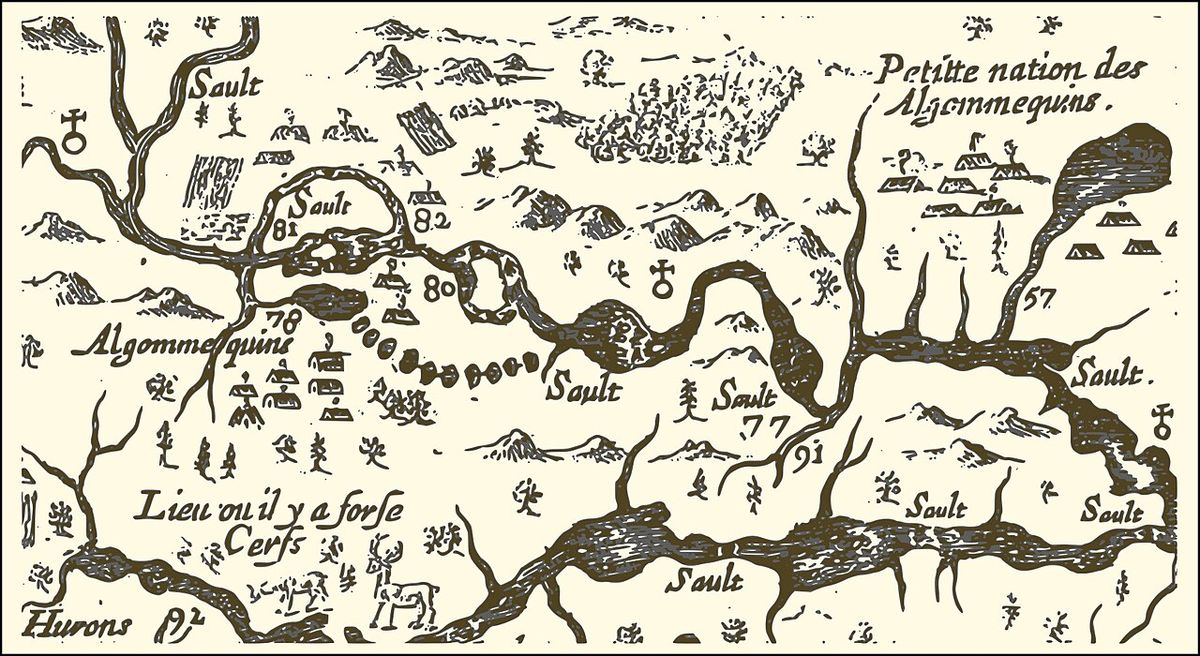
French missionaries Étienne Brûlé and Nicolas de Vignau, sent by Samuel de Champlain, became the first Europeans to explore the Ottawa River in 1610. Champlain himself travelled up the river in 1613 after Vignau reported finding the remains of an English ship. During this expedition, Champlain identified six Algonquin groups in the region and named the Rideau River for its curtain-like falls. The Kichesipirini Algonquin, under Chief Tessouat, initially maintained a de facto monopoly on trade along the river, preventing French fort construction. This control was disrupted by the Beaver Wars, a conflict pitting the Algonquin and Wendat, allied with the French, against the Haudenosaunee, or Iroquois, allied with the British. Haudenosaunee raids and introduced epidemics forced many Algonquin and Wendat people to flee the valley, though the Haudenosaunee were driven out by 1700.
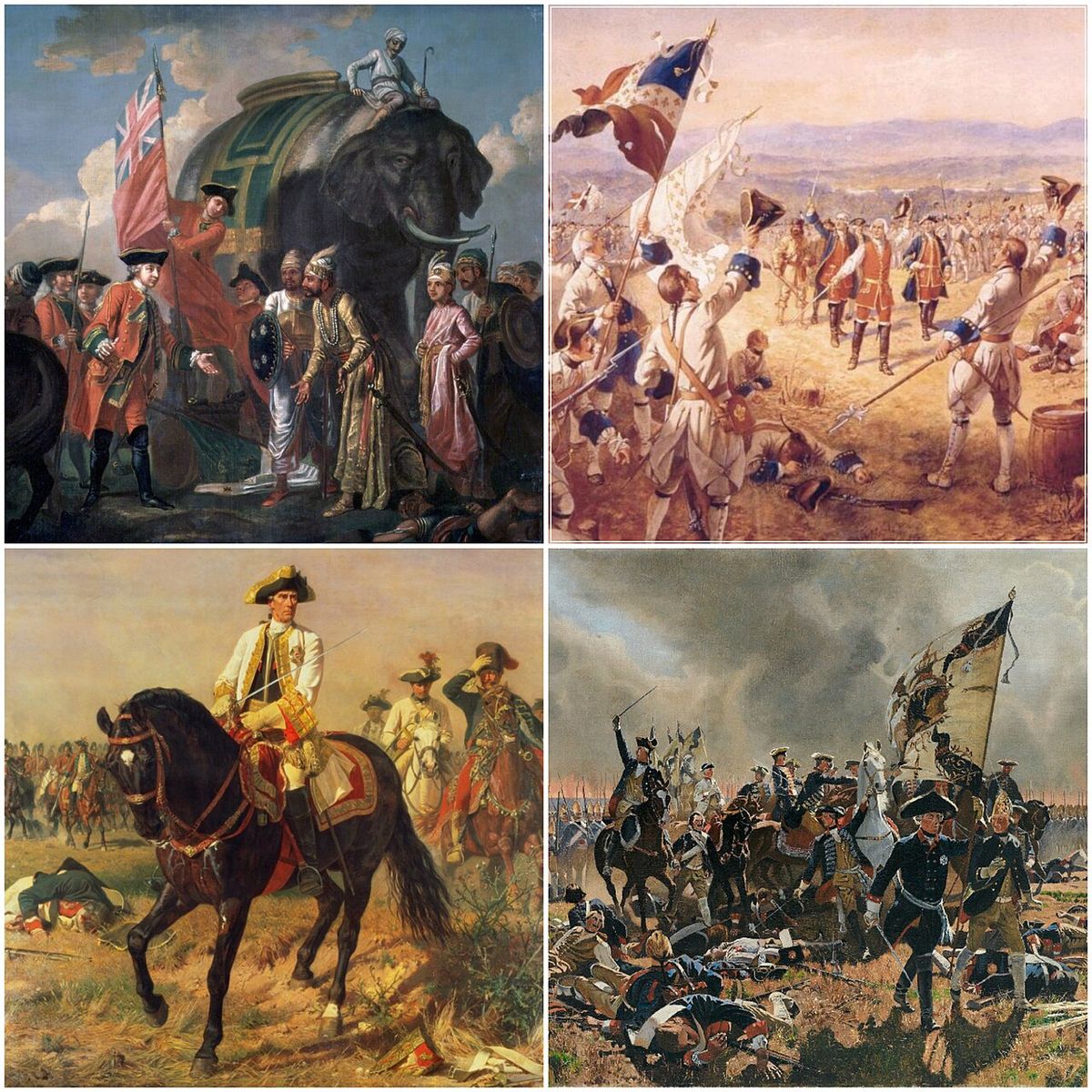
The wars concluded with the Great Peace of Montreal in 1701. The British conquest of New France during the Seven Years' War, finalized by the Treaty of Paris in 1763, brought the Ottawa Valley under British claim as part of the Province of Quebec. The European population remained small until after the American Revolutionary War, when Loyalist refugees swelled numbers from about 2,000 to about 25,000 between 1780 and 1784. The Constitutional Act of 1791 later split the province, with the Ottawa River forming part of the boundary between Upper and Lower Canada. Lower Canada refused to recognize the territorial rights of First Nations along the river, arguing the land north of it was French territory that had become British.
Timber, Land, and the Rideau Purchase
The Ottawa Valley's dense forests and powerful waterways created ideal conditions for a timber industry. The first sawmill was installed by William Merrick in Merrickville, and Philemon Wright founded the first major European settlement at Hull near Chaudière Falls in 1800. Wright's farming ambitions quickly gave way to more profitable timber operations, and by 1806 he was selling timber to Quebec City. The industry boomed as Britain sought naval supplies during the Napoleonic Wars and the War of 1812, attracting other merchants like Joseph Papineau, David Pattee, and Thomas Mears. Concurrently, Algonquin and Nipissing groups consolidated control over islands in the Ottawa River, issuing leases and collecting rents by 1802.
In May 1819, British negotiators concluded the Rideau Purchase with 257 Mississauga people in Kingston. They purchased 2.7 million acres of Algonquin-controlled land in the Ottawa Valley, including much of the modern National Capital Region, for £642 10s, plus gifts of blankets, hats, jewellery, and telescopes. The Algonquin peoples who actually used the land were not consulted and never ceded their rights. Throughout the 1820s, conflicts over hunting rights erupted between these Algonquins, their Nipissing allies, and encroaching Haudenosaunee and Abenaki groups, with petitions to the British government being refused.
The Rideau Canal and the Founding of Bytown
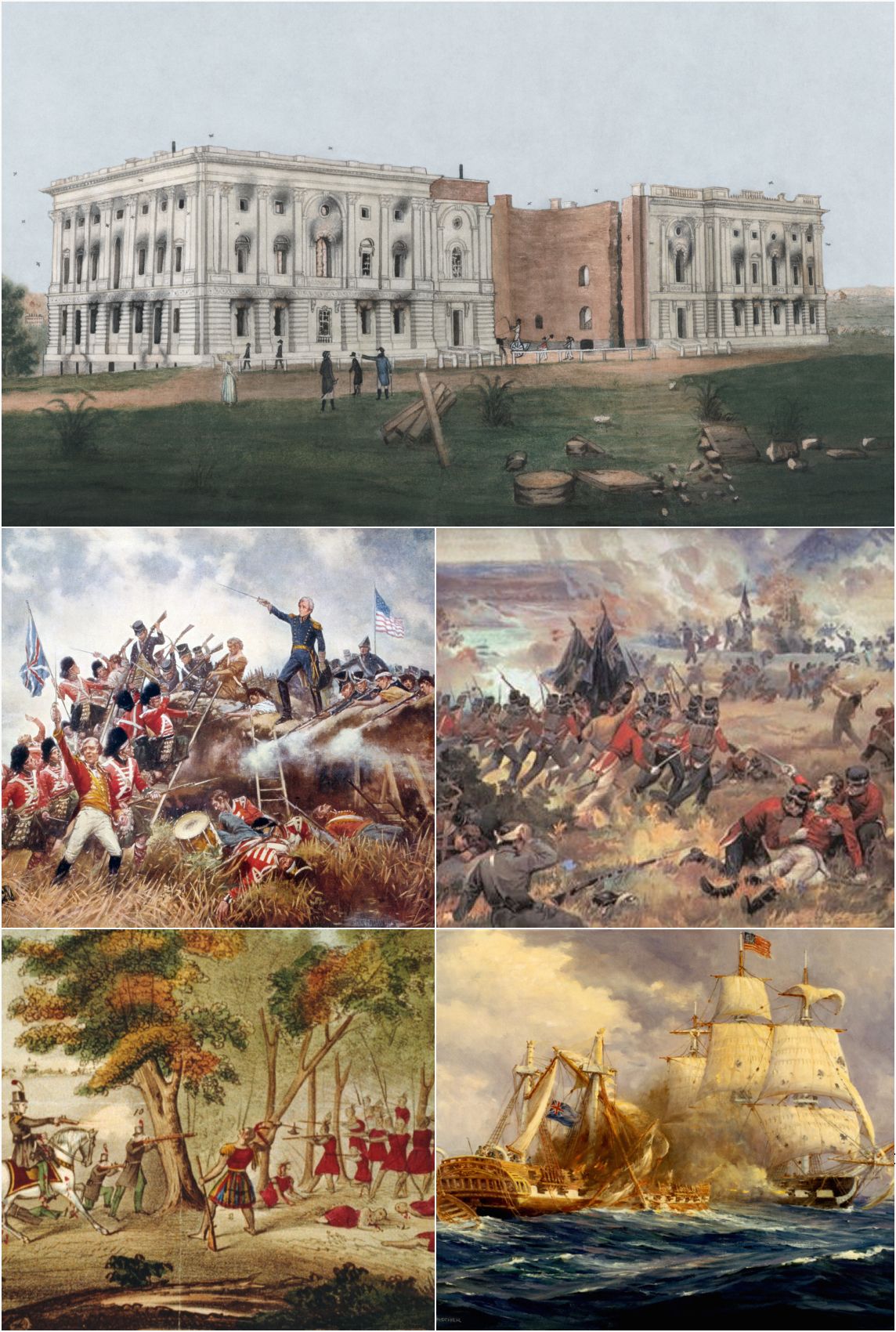
Fears of American invasion after the War of 1812 prompted British plans for a secure inland waterway between Kingston and Montreal. After surveys and land acquisition, the Duke of Wellington authorized the Rideau Canal as a military project in 1826. Lieutenant Colonel John By of the Royal Engineers was assigned to lead construction. To support the effort, the settlement of Bytown was founded in 1826 on land belonging to the British Board of Ordnance. By parcelled the land in 1827, naming streets like Bank, Rideau, Sparks, Sussex, and York. Construction of the canal was a massive manual undertaking.
- The workforce ranged from 2,000 to 5,000 at any given time, comprising English, French, Irish, and Scottish labourers, supplemented by the Royal Sappers and Miners.
- Workers typically laboured 16-hour days, six days a week, living in shanty towns around Bytown and Kingston.
- The project was plagued by outbreaks of malaria, cholera, dysentery, influenza, smallpox, tuberculosis, and typhoid fever.
- Dangerous gunpowder explosions during excavation claimed several lives.
- Despite the hardships, the canal was completed in 1832, with Colonel By and his family travelling its full length by boat in May of that year.
After the canal's completion, unemployed Irish workers led by Peter Aylen formed a violent gang known as the Shiners, targeting French Canadian workers to drive them from the labour market. Their tactics included raids, destruction of property, and attacks on civilians. In response, Colonel By deployed the Royal Sappers and Miners as a street patrol. The conflict, known as the Shiners' War, subsided after Aylen sold his assets and moved to Aylmer, Quebec later that year.
Path to Capital Status and Early Growth
The union of Upper and Lower Canada into the Province of Canada in 1840 left the capital unspecified. After brief periods in Kingston and Montreal, the search for a permanent seat of government intensified. Bytown was considered a strong candidate by local notables like John By and Thomas McKay, as well as newspapers like the Bytown Gazette, Montreal Herald, and Quebec Gazette. The city's incorporation on January 1, 1850, and its renaming to Ottawa in 1855 marked its growing stature. A key moment was the 1849 Stony Monday Riot, sparked by Tory opposition to the Rebellion Losses Bill. When Governor General Lord Elgin visited Bytown that September, armed Tories from Upper Town clashed with working-class Reformers from Lower Town, killing one and injuring 24, though the riot was ultimately quelled. The burning of the Montreal Parliament Buildings during the same crisis showed the need for a stable, neutral capital.
The city's growth was aided by the 1843 Ordnance Vetting Act, which allowed property ownership instead of mandatory renting from the Board of Ordnance, fostering a new class of landowners. Institutions like the College of Bytown, now the University of Ottawa, and a city hospital were founded. The logging industry dominated the economy, with the Ottawa Valley producing more raw timber than the rest of Canada combined by the 1840s. This expansion displaced Algonquin communities, who petitioned for land reserves throughout the 1840s, leading to the creation of reserves at Maniwaki and near Témiscaming in 1851. In 1873, the Golden Lake Reserve was also established.
Ottawa in the 20th and 21st Centuries
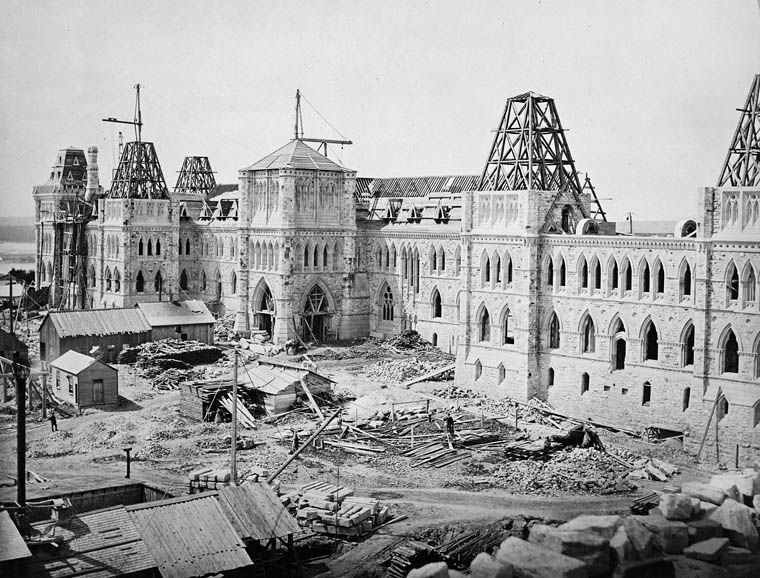
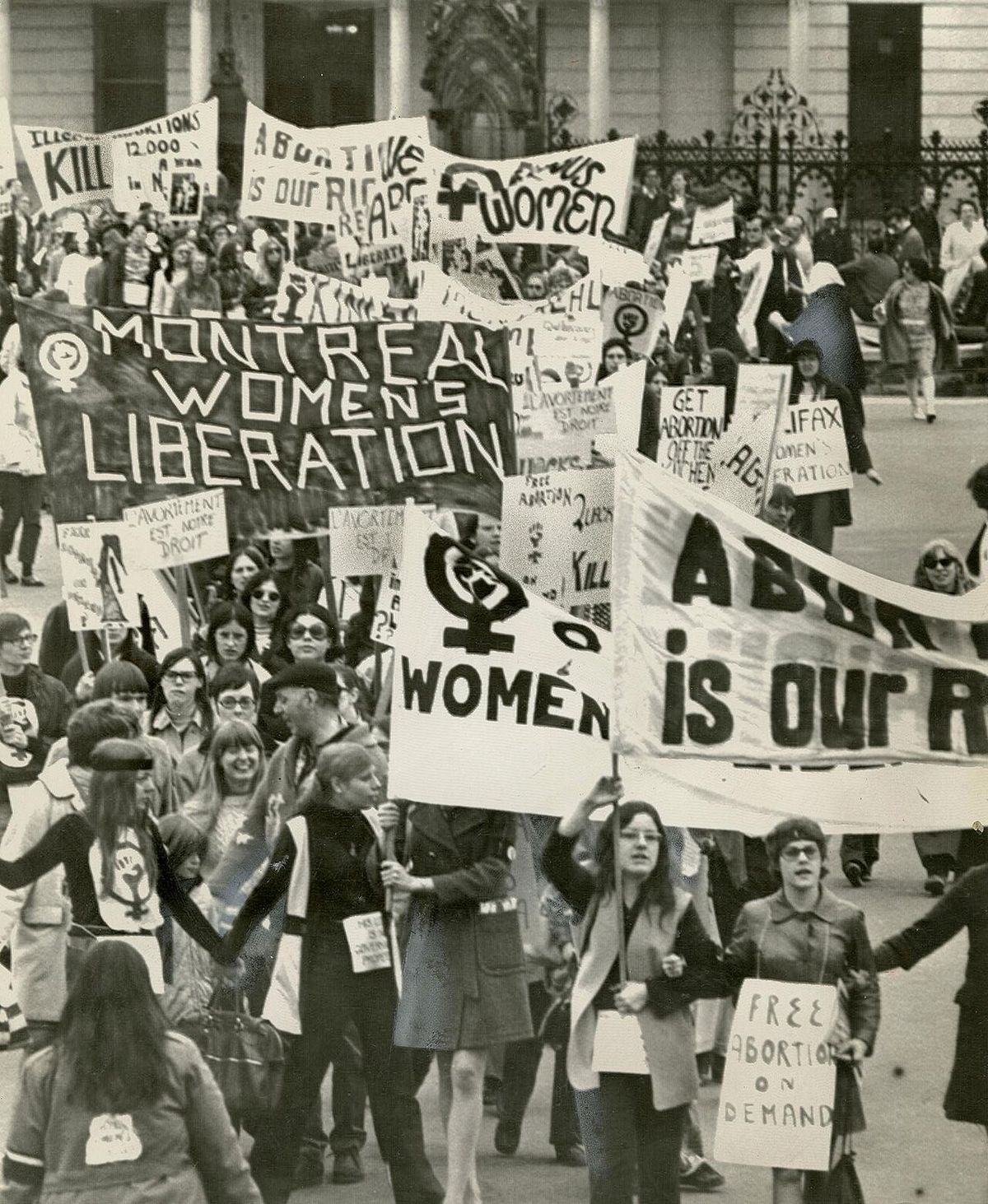
The selection of Ottawa as the permanent capital of Canada led to the construction of Parliament Hill in the 1860s and 1870s, spurring major population growth. While processed lumber remained central, production began to decline in the 1880s. The city faced modernization pressures after disasters like a major fire in 1900 and typhoid epidemics in 1911 and 1912. Following the upheavals of World War I, the Great Depression, and World War II, the city was reshaped by the Gréber Plan, which decentralized its layout. As the national capital, it became a focal point for protests and social movements throughout the mid-20th century. In 1969, it became part of the Regional Municipality of Ottawa-Carleton.
Subsequent decades saw substantial growth in the private sector, particularly in technology. Major cultural institutions were established, including the Ottawa Senators hockey team, Ottawa Bluesfest, the CityFolk Festival, and the Ottawa Fringe Festival. A major municipal restructuring in 2001 saw Ottawa annex neighbouring communities, vastly increasing its land area. The city's public transit system expanded with the construction of Lines 1 and 2, though the latter project by the Rideau Transit Group attracted controversy over alleged mismanagement. In 2022, a large protest against federal COVID-19 vaccination mandates led to a weeks-long occupation of the city's downtown, culminating in the federal government's invocation of the Emergencies Act.
Ottawa's population more than doubled from 7,760 in 1851 to 14,669 in 1861 as workers arrived to build Parliament. The city's first streetcars appeared in 1870, carrying 273,000 passengers in their first year. The 1900 fire destroyed over 1,900 buildings in Ottawa, leaving between 8,000 and 14,000 people homeless. The 1911 and 1912 typhoid epidemics infected nearly 2,400 people and killed 174. During World War II, the civil service population tripled. The city annexed large sections of Nepean and Gloucester in 1950. The 2001 amalgamation caused short-term budget shortfalls and increased labour costs.
Ottawa 200: The Bicentennial in 2026
The year 2026 marks the 200th anniversary of the founding of Bytown in 1826. A citywide celebration, dubbed Ottawa 200, features a wide array of events, cultural programming, and historical reflections organized by community partners. The Bytown Museum is presenting 'Ottawa 200+ Portraits, Places, People,' an immersive outdoor gallery with archival images and projections. The Ottawa International Animation Festival is marking its 50th anniversary with 'O-Town Animated,' a public art trail featuring animated short films created from archival Bytown photos. Public art installations by Kitigan Zibi Anishinābeg artist Jay Odjick will be displayed at the National Arts Centre and the Ottawa Art Gallery.
- Doors Open Ottawa returns on June 6 and 7, 2026, offering access to historic and cultural sites like the Advanced Research Complex, the Bytown Museum, and the ByWard Market Building.
- Capital Pride in August 2026 will feature a drag performance celebrating Ottawa's history through queer artistic expression.
- Qamaniq Records will host events on July 11 and November 8, 2026, celebrating Inuit musical culture.
- A retrospective of Métis artist Jim Logan will be at S.A.W. Gallery from May 1 to June 27, 2026.
- A five-part classical concert series with bilingual narration will explore different eras of Ottawa's history from July 4 to 17, 2026.
The Historical Society of Ottawa is the city's oldest historical organization. It continues to promote public knowledge of the city's history through various events. These events include a talk on 'The Era of Bytown'. The society also organizes a Colonel By Day celebration at the Bytown Museum on August 3, 2026. This celebration will feature costumed interpreters for the public.
Historical Landmarks and Institutions
Ottawa's physical landscape is a repository of its layered history, from pre-contact sites to modern institutions. The Billings Estate, with its main house considered one of the oldest in Ottawa, served as a family home for five generations and is now a museum. The ByWard Market, established in 1848, has been a focal point of Lowertown commerce for nearly two centuries. The Arts Court, originally the Carleton County Court House built in 1870-71, was saved from demolition in 1980 and reopened as a municipal arts centre in 1988. Religious and community buildings also tell important stories, such as the former All Saints Anglican Church, now 'Allsaints,' a heritage property in Sandy Hill, and a church built on the eve of World War II that served as a bomb shelter.
Federal institutions dedicated to preservation and innovation are key parts of Ottawa's modern identity. The Canadian Conservation Institute, created in 1972, operates from a building with over 20 laboratories dedicated to preserving national heritage. The city's infrastructure, like the Britannia Water Treatment Plant constructed in 1961, illustrates the ongoing development of municipal services. New venues continue to emerge, with the HISTORY Ottawa live music venue scheduled to open in the ByWard Market in 2026, planning to host hundreds of concerts annually. These sites collectively chronicle the evolution from a canal worksite to a national capital, a story that will be explored by thousands during the Doors Open Ottawa event in June 2026.
Questions about History of Ottawa
What is the significance of the Rideau Canal to Ottawa's history?
The Rideau Canal was constructed as a military project, authorized in 1826 to protect against potential American attack. Lieutenant Colonel John By was assigned to construct the canal, and Bytown was founded to support this effort. The canal was built by a large workforce and completed in 1832. Its construction directly led to the founding of the settlement that became Ottawa. The canal is now a UNESCO World Heritage Site.
Who were the original inhabitants of the Ottawa area?
Algonquin people have lived along the Ottawa River since at least 500 CE. They practised fishing, hunting, and gathering, migrating seasonally. They frequently met at Chaudière Falls, known to them as Akikodjiwan, to socialize and trade. The Ottawa River, known as Kitchisibi, was of central importance to their community and religious rituals. Archaeological sites like Allumette and Morrison Islands show they were part of a major copper trading network as early as 3500 BCE.
What was the Shiners' War?
After the Rideau Canal's completion in 1832, a group of unemployed Irish workers led by Peter Aylen formed a gang called the Shiners. The Shiners used violent tactics to drive skilled French Canadian workers out of the local labour market. In response, Lieutenant Colonel John By employed members of the Royal Sappers and Miners to act as a street patrol. Later that year, Aylen sold his assets and moved away. The conflict caused many people to be driven out of Bytown.
When was Ottawa founded and what was its original name?
The predecessor to Ottawa, named Bytown, was founded in 1826 to support the British Board of Ordnance during the construction of the Rideau Canal. Lieutenant Colonel John By of the Royal Engineers was assigned to construct the canal, and the settlement was established to house military engineers and coordinate with private contractors. Bytown's land was parcelled off in 1827, with streets like Sparks and Sussex receiving their names. The settlement officially incorporated on January 1, 1850, and was renamed Ottawa in 1855, later becoming the permanent capital of Canada.
Why was Ottawa chosen as Canada's capital?
Ottawa was chosen as Canada's capital after the capital changed locations several times in the mid 19th century. Following the burning of the Parliament Buildings in Montreal by rioting Tories in 1849, Governor General Lord Elgin sought a more secure location. Ottawa's position on the border between Upper Canada and Lower Canada, with the Ottawa River forming part of the boundary, was a strategic and symbolic factor. Local notables and some press outlets had long argued for Bytown as a candidate. The city's growth, spurred by the timber trade and the Rideau Canal, along with its inland location away from the American border, contributed to its final selection. Queen Victoria approved the choice on December 31, 1857.
Sources and further reading
- History of Ottawa (Wikipedia)
- The Historical Society of Ottawa: Home (historicalsocietyottawa.ca)
- Ottawa 200: Events and Experiences Not to Miss in 2026 (viarail.ca)
Checked by the Nosy Mag desk. Last updated 2026-10-27.