French and Indian Wars
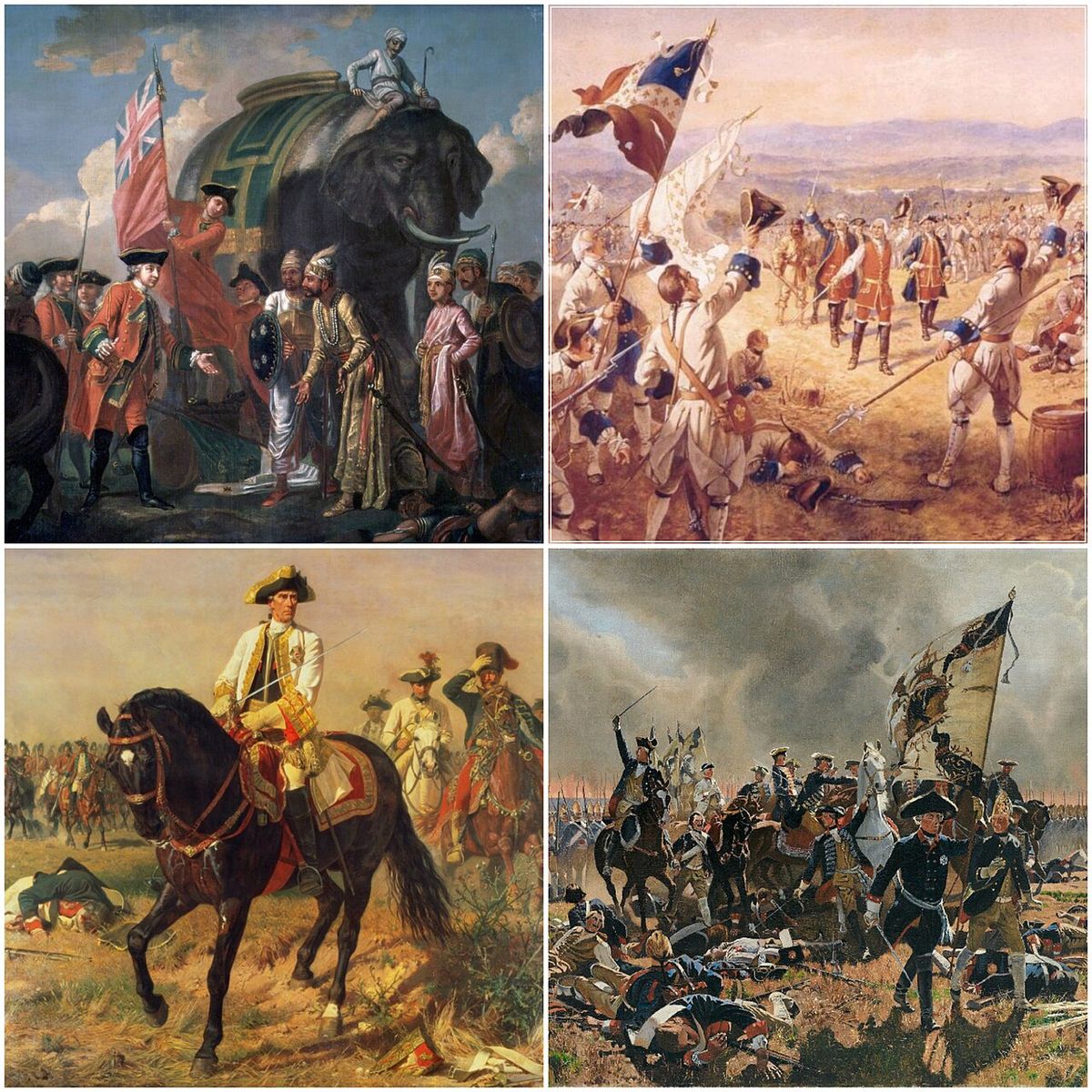
The French and Indian Wars were a series of interconnected military conflicts fought in North America between 1688 and 1763, primarily pitting Great Britain and its American colonies against France and its colony of New France, with extensive involvement from numerous Indigenous nations. These wars were the North American theatres of larger European dynastic struggles, culminating in the decisive French and Indian War of 1754 to 1763. The outcome reshaped the continent, resulting in British conquest of New France and the removal of France as a major power from mainland North America. This victory contributed to colonial discontent that led to the American Revolution and set the stage for the future development of Canada.
The Sequence of Conflicts
The French and Indian Wars encompass four major North American conflicts that corresponded with European wars over a seventy five year period. The first was King William's War (1689 to 1697), known in Europe as the War of the Grand Alliance, which featured frontier raids and the capture of Port Royal in Acadia by New England forces. This was followed by Queen Anne's War (1702 to 1713), the North American theatre of the War of the Spanish Succession, which concluded with the Treaty of Utrecht. That treaty saw France cede Acadia, Newfoundland, and Hudson Bay to Britain. The third conflict was King George's War (1744 to 1748), part of the War of the Austrian Succession, notable for the New England capture of the fortress of Louisbourg, which was later returned to France. The final and most decisive war began in 1754, two years before the official start of the global Seven Years' War in Europe. This war, specifically known as the French and Indian War, ignited in North America over control of the Ohio River Valley.
The naming convention for these wars differs between the United States and Canada. American historiography traditionally names the conflicts after the reigning British monarch. In Canadian and broader historical contexts, they are often referred to collectively as the Intercolonial Wars or identified by the name of the larger European war. The progression of these wars saw a gradual shift in military advantage toward the British side. This trend was driven by the greater population and economic capacity of the British colonies compared to the sparsely settled French territories. The British also had greater ability to resupply their colonies and project military power by sea.
Causes and Strategic Objectives
The underlying cause of the French and Indian Wars was the intense imperial rivalry between Britain and France for dominance in North America. Both nations sought to control the continent's interior territories and the lucrative fur trade, which depended on networks stretching from the Atlantic coast to the Mississippi River. The region around Hudson Bay was also a persistent flashpoint. Control of major transportation and trade routes, including key river systems and the Great Lakes, was a primary operational goal for both sides. The belligerents constructed fortified positions at strategic hubs like Niagara, Detroit, and Crown Point and actively sought alliances with Indigenous nations. This competition created a complex web of relationships where European imperial ambitions became entangled with longstanding intertribal rivalries.
The immediate spark for the final French and Indian War was the contest for the Ohio River Valley, a vast region claimed by both France and the British colonies. French authorities began building a series of forts in the region in the early 1750s to solidify their claim. In 1754, the governor of Virginia dispatched a young militia lieutenant colonel, George Washington, to assert British claims. Washington's surprise attack on a French diplomatic party at Jumonville Glen and his subsequent defeat and surrender at Fort Necessity marked the beginning of open hostilities in North America. These frontier clashes escalated into a full scale war that soon merged with the global Seven Years' War.
Military Forces and Warfare
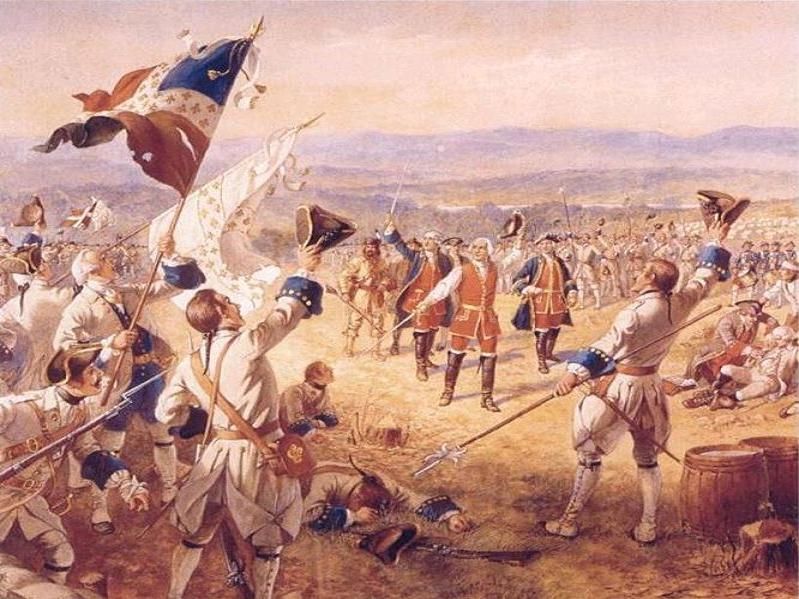
The military forces involved were a mix of European regulars, colonial troops, and Indigenous allies, each employing different tactics. The British military effort consisted of three main components. The British Army contributed regular regiments sent from Europe and independent companies permanently garrisoned in colonial forts. Provincial troops were temporary regiments raised by the individual colonies. Each colony also maintained its own militia, composed in theory of all able bodied men, though in practice mustering for local defense only. The French forces were centered on the Compagnies Franches de la Marine, colonial marines who were adept at wilderness warfare. Only during the final war were battalions of the French Royal Army, such as those from the regiments Languedoc and La Reine, sent to reinforce Canada. The Canadian colonial militia was notably more effective and motivated than its British counterparts, especially when fighting in a defensive or irregular role close to home.
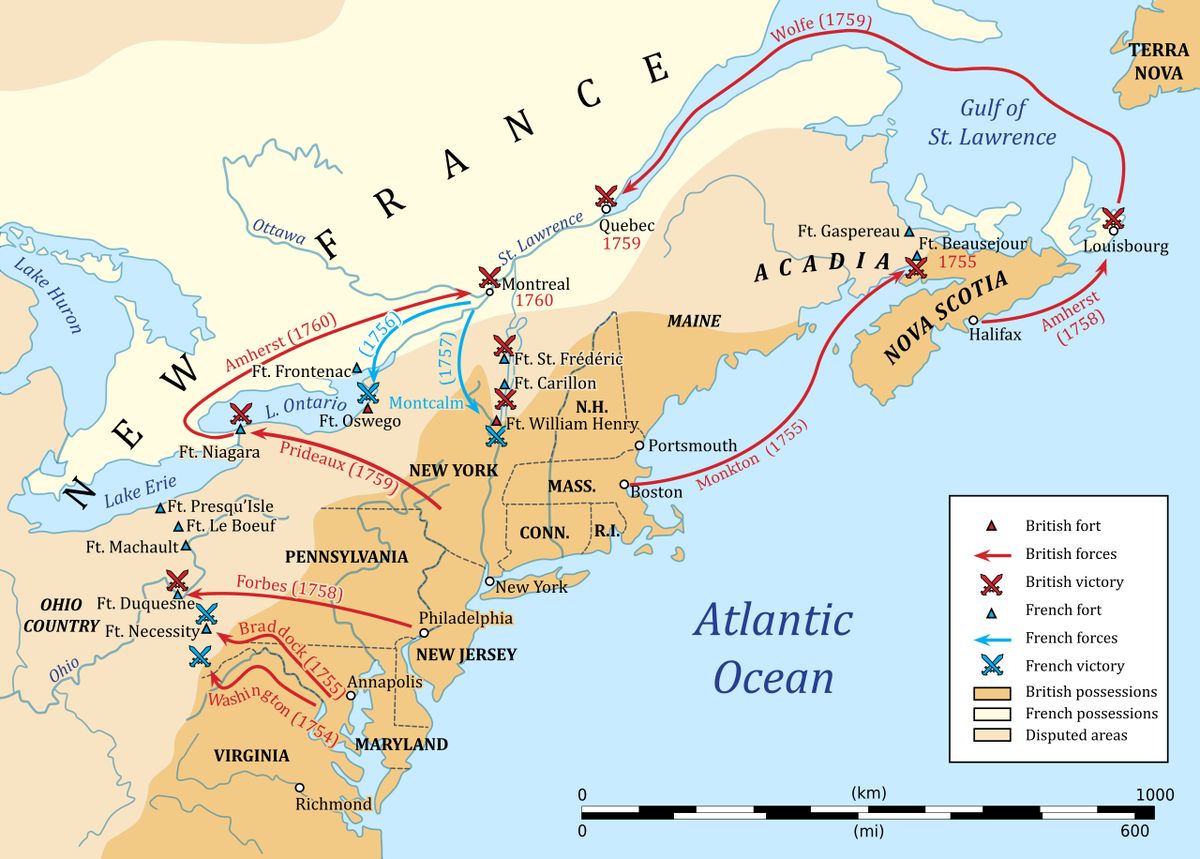
Warfare during these conflicts was a hybrid of European and North American methods. The French, often outnumbered, employed guerrilla tactics known as la Petite guerre effectively with their Indigenous allies. They achieved notable successes like the ambush of General Edward Braddock's army at the Monongahela in 1755. However, the wars were ultimately decided by the application of traditional European military power. The British victories that concluded the conflict, including the sieges of the fortress of Louisbourg in 1758 and the European style battle on the Plains of Abraham in 1759, were achieved through conventional siegecraft and open field combat. British naval supremacy and overwhelming numerical and logistical superiority eventually proved decisive.
Indigenous Alliances and Involvement
Indigenous nations were central, independent actors whose alliances were sought after and crucial to both European powers. Their involvement was driven by complex economic ties, particularly the fur trade, and the need for powerful allies against rival Indigenous nations. The British alliance was anchored by the Covenant Chain with the Iroquois Confederacy, a diplomatic and commercial compact. The Iroquois strategy often involved maintaining a position of calculated neutrality or playing the European powers against each other to maximize their own advantage.
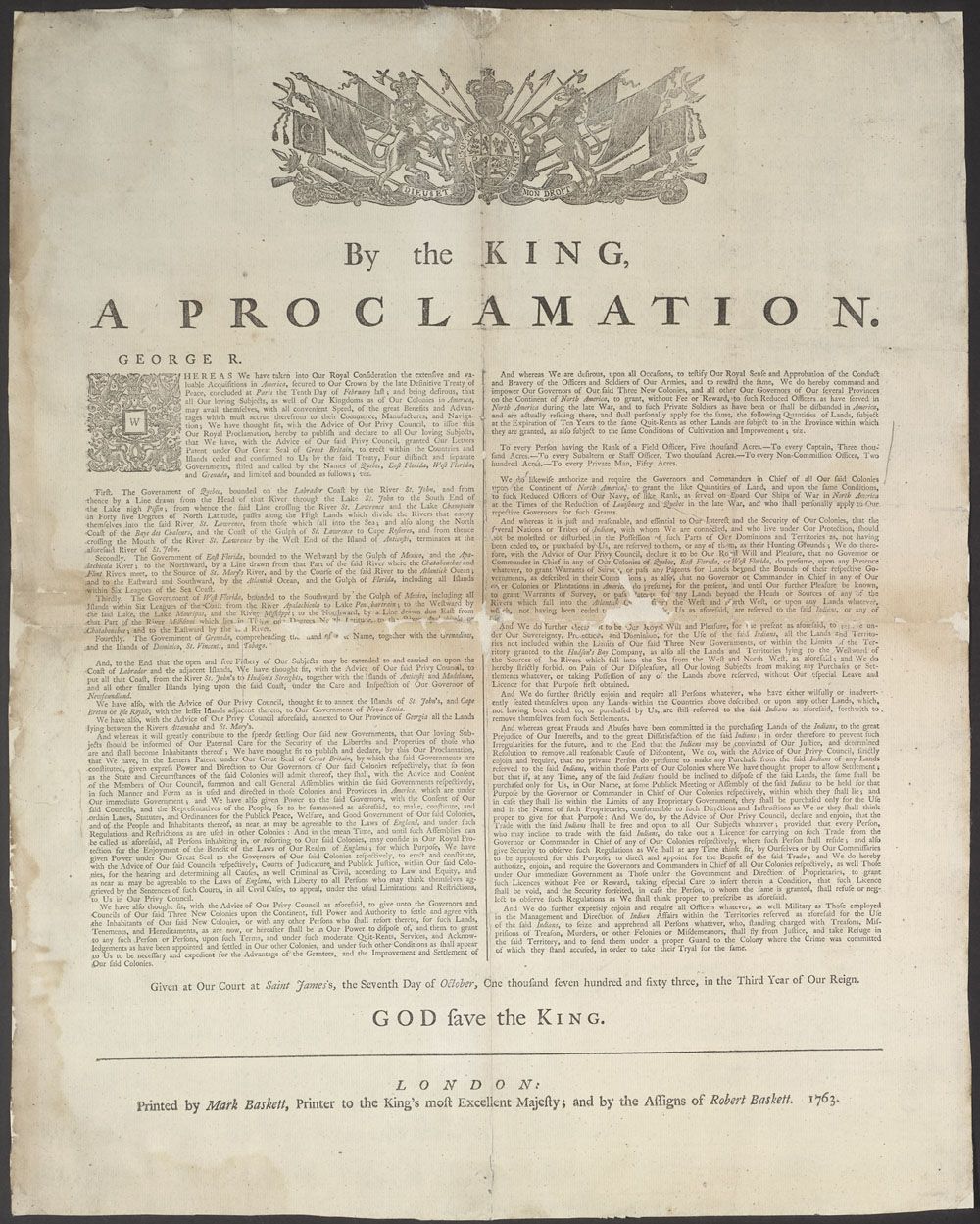
The French alliance network was more extensive in the northern theatre. France claimed sovereignty but recognized tribal independence, positioning itself as a protector. Key allies included the Mi'kmaq and Abenaki in Acadia and New England, and the indiens domiciliés living at Catholic missions in New France. Many of these were Mohawk who had relocated from New York. By the war's end, these communities were united in the confederation known as the Seven Nations of Canada. The nature of frontier warfare, with raids on settlements and the taking of captives, led to widespread violence against civilians on all sides. The conflict's conclusion did not bring peace to Indigenous peoples, as British postwar policies, symbolized by the Proclamation of 1763, and subsequent encroachment led directly to Pontiac's War in 1763.
- Iroquois Confederacy (Haudenosaunee) Allied with Britain through the Covenant Chain. Played a powerful diplomatic and military role.
- Mi'kmaq and Abenaki Key French allies in the Maritimes and New England. Engaged in ongoing conflict with British settlers.
- Huron (Wendat) and Algonquin Longstanding French trading partners and military allies in the Great Lakes region.
- Seven Nations of Canada Confederation of Indigenous communities, including mission residents, allied with France.
- Ottawa and Western Nations Allied with France in the Ohio Valley and Great Lakes. Led by Pontiac in the 1763 uprising against the British.
The Decisive French and Indian War (1754 to 1763)
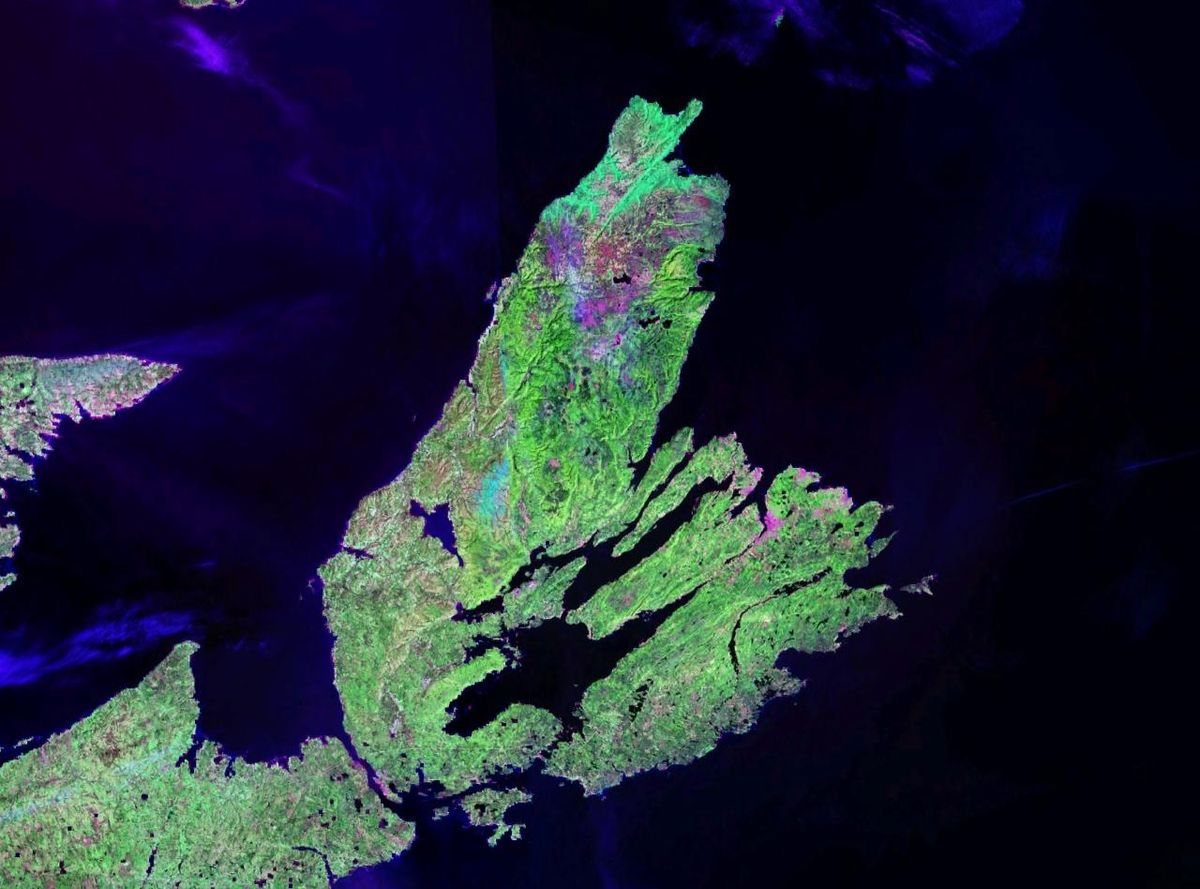
The French and Indian War began with George Washington's defeat at Fort Necessity in 1754 and escalated with the disastrous British expedition under General Braddock in 1755. The early years favoured France and its allies, who successfully defended frontiers from Pennsylvania to New York. The tide turned after 1757, when British Prime Minister William Pitt committed massive resources to the North American campaign. A series of major British victories followed. In 1758, forces under General Jeffery Amherst captured the strategic fortress of Louisbourg on Cape Breton Island, opening the St. Lawrence River to invasion. That same year, the British suffered a costly defeat at Fort Carillon but took Fort Frontenac on Lake Ontario, severing French supply lines to the Ohio Valley.
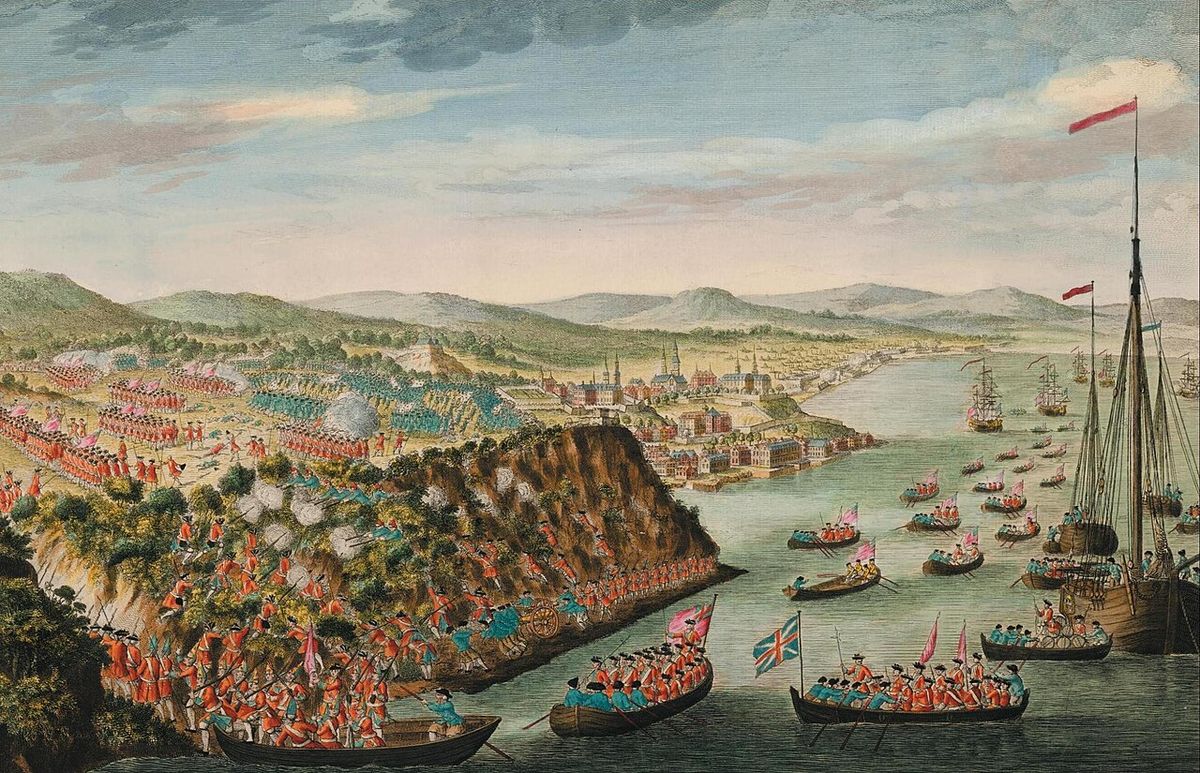
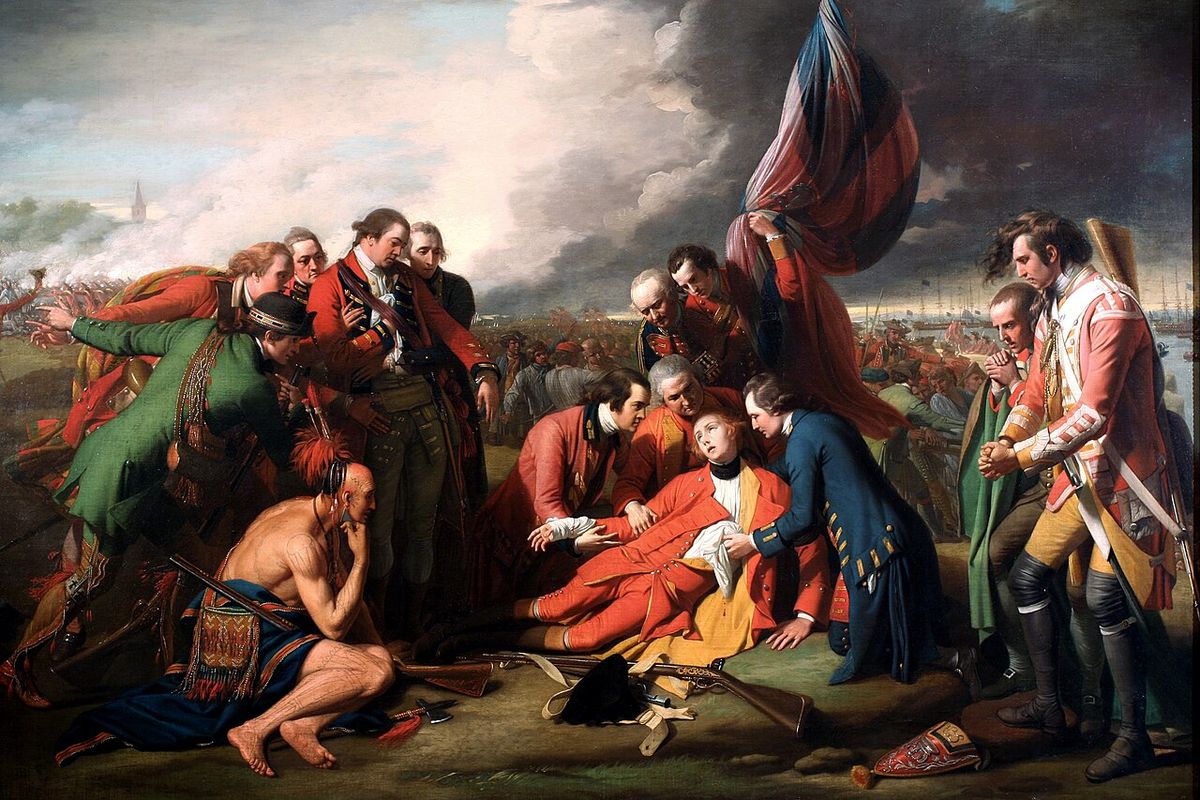
The climactic campaign occurred in 1759. A British army commanded by General James Wolfe sailed up the St. Lawrence and besieged Quebec, the heart of New France. After a prolonged stalemate, Wolfe's troops scaled the cliffs to the Plains of Abraham on September 13. In the ensuing battle, both Wolfe and the French commander, the Marquis de Montcalm, were mortally wounded, and the British secured a decisive victory. Quebec surrendered days later. The war expanded globally, and Spain's entry on the side of France in 1762 led to British campaigns against Havana and Manila. By 1763, all parties were exhausted, leading to peace negotiations.
| Year | Key Event | Outcome |
|---|---|---|
| 1754 | Battle of Jumonville Glen and Fort Necessity | Washington defeats French patrol, then surrenders. War begins. |
| 1755 | Battle of the Monongahela | Braddock's army ambushed and defeated near Fort Duquesne. |
| 1758 | Siege of Louisbourg | British capture key fortress, opening St. Lawrence. |
| 1758 | Battle of Fort Carillon | French under Montcalm repel massive British attack. |
| 1759 | Battle of the Plains of Abraham | British under Wolfe defeat French under Montcalm. Quebec falls. |
| 1763 | Treaty of Paris Signed | France cedes Canada and lands east of Mississippi to Britain. |
The Treaty of Paris and Immediate Consequences
The Treaty of Paris, signed on February 10, 1763, formally ended the Seven Years' War and with it the French and Indian War. The terms were a sweeping victory for Great Britain. France ceded all of its territories in mainland North America east of the Mississippi River to Britain, with the exception of New Orleans. This included Canada and all of the disputed Ohio Valley. France also ceded Louisiana west of the Mississippi to its ally Spain as compensation for Spain's loss of Florida to Britain. France retained only the tiny islands of Saint Pierre and Miquelon off Newfoundland as fishing bases. This treaty removed France as a colonial power from mainland North America, fundamentally redrawing the political map of the continent.
The British victory created immediate and severe problems for the British Empire. The enormous cost of the war left Britain with a massive national debt, leading Parliament to seek new revenues from the American colonies through taxes like the Stamp Act. The British government issued the Royal Proclamation of 1763, which attempted to organize the new territories and stabilize relations with Indigenous nations by prohibiting colonial settlement west of the Appalachian Mountains. This angered American colonists and land speculators who had fought the war expecting to expand westward. With the French threat eliminated, the colonies felt less need for British military protection, and resentment over taxation and frontier policy grew. These tensions directly fueled the colonial unrest that culminated in the American Revolution just over a decade later.
Historical Sites and Modern Commemoration
Numerous historic sites and parks across eastern North America preserve the memory of the French and Indian Wars, particularly the climactic conflict of 1754 to 1763. These locations serve as educational resources and tourist destinations, often featuring reconstructions, museums, and living history demonstrations. In Pennsylvania, Fort Necessity National Battlefield marks the site of George Washington's first command and defeat. The reconstructed Fort Ligonier and the Fort Pitt Museum in Pittsburgh interpret the struggle for the Forks of the Ohio. In New York State, a dense concentration of sites exists around the Lake George and Lake Champlain corridor, which formed the major invasion route between the colonies and Canada.
Key sites in this region include Fort William Henry, famously besieged in 1757, Fort Ticonderoga, and Fort Crown Point. In Quebec City, the Plains of Abraham is now a national historic park commemorating the decisive 1759 battle. Ongoing public interest is demonstrated by events like Siege Week at Fort William Henry, scheduled for August 3 to 9, 2026, and historical tours led by experts. New scholarship continues to emerge, as seen with historian Marie Danielle Annette Williams's book The French and Indian War in the Adirondacks and her associated speaking event at the Saratoga County History Center on July 22, 2026.
- Fort Necessity National Battlefield (Pennsylvania) Site of Washington's 1754 surrender.
- Fort Ligonier (Pennsylvania) Reconstructed British fort on the Forbes Road.
- Fort Ticonderoga (New York) Site of 1758 French victory.
- Fortress of Louisbourg (Nova Scotia) Extensive reconstruction of French fortress captured in 1758.
- Plains of Abraham (Quebec City) National Historic Site of the 1759 battle.
- Fort Niagara (New York) Strategically vital French fort captured by British in 1759.
Questions about French and Indian Wars
What were the French and Indian Wars?
The French and Indian Wars were a series of four major conflicts fought in North America between 1688 and 1763. They were the colonial theatres of larger European wars between Great Britain and France. The first three, King William's War, Queen Anne's War, and King George's War, corresponded with European wars. The final and most important war, specifically called the French and Indian War, began in North America in 1754 over control of the Ohio Valley and expanded into the global Seven Years' War.
Why is it called the French and Indian War?
The name French and Indian War is used primarily in the United States for the conflict from 1754 to 1763. It refers to the two main opponents of the British colonists, the forces of New France and their various Indigenous allies. In Canada, these conflicts are more commonly referred to collectively as the Intercolonial Wars. The war of 1754 to 1763 is also the North American theatre of the worldwide Seven Years' War.
What was the main cause of the French and Indian War?
The fundamental cause was the imperial rivalry between Britain and France for territorial and economic dominance in North America. The immediate spark was the contest for the Ohio River Valley. Both nations claimed the territory. In the early 1750s, the French began building forts to secure their claim. In 1754, a Virginia militia force under Lieutenant Colonel George Washington clashed with French troops at Jumonville Glen, igniting the war two years before the formal start of the Seven Years' War in Europe.
What was the outcome of the French and Indian War?
The war ended in a decisive British victory, formalized by the Treaty of Paris in 1763. France ceded all of its mainland North American territories east of the Mississippi River to Great Britain, including Canada and the Ohio Valley. France also gave Louisiana west of the Mississippi to Spain. Britain gained Spanish Florida. This treaty removed France as a major power from mainland North America, leaving Britain as the dominant colonial power.
How did the war affect Indigenous peoples?
Indigenous nations were central participants, fighting as allies of both sides based on their own strategic and economic interests. The British victory disrupted long standing French alliance networks and trading relationships. The subsequent British occupation of former French territories, coupled with a surge of colonial settlers, led to widespread Indigenous discontent. This erupted in 1763 as Pontiac's War. In response, the British government issued the Proclamation of 1763, which attempted to reserve lands west of the Appalachians for Indigenous peoples.
Where can I visit sites related to the French and Indian War?
Many well preserved and reconstructed historic sites are open to the public. Key locations include Fort Necessity National Battlefield in Pennsylvania and the corridor of forts along Lakes George and Champlain in New York, such as Fort Ticonderoga. In Canada, the Fortress of Louisbourg in Nova Scotia and the Plains of Abraham in Quebec City are major national historic sites. Special events and tours are regularly offered, such as Siege Week at Fort William Henry in August 2026.
Sources and further reading
- French and Indian Wars (Wikipedia)
- French and Indian War/Seven Years' War, 1754-63 (history.state.gov)
- The French and Indian War in the Adirondacks (brooksidemuseum.org)
- The French and Indian War of 1754 -1863 Tour (theculturalexperience.com)
- The French and Indian War (1754 to 1763): Causes and ... (battlefields.org)
Checked by the Nosy Mag desk. Last updated 2026-10-26.