Plains of Abraham
The Plains of Abraham is a historic area within the Battlefields Park in Quebec City, Quebec, Canada. It is the site of the 1759 Battle of the Plains of Abraham, a decisive British victory in the Seven Years' War that led to the fall of New France. Established on March 17, 1908, the site is administered by the federally-run National Battlefields Commission. Today, the 98-hectare park is used by approximately four million visitors and tourists annually for sports, concerts, and activities.
Origins of the Name and Early Land Use
The name 'Plains of Abraham' is likely derived from Abraham Martin, a fisherman and river pilot also known as L'Écossais or The Scot. Martin arrived in Quebec City in 1635 with his wife Marguerite Langlois and received a land grant of 32 acres from the Company of New France, with property divided between the lower town and the promontory. His name appears in Quebec City's toponymy during the French regime, with 17th and 18th century deeds referencing the 'coast of Abraham' and a 1734 plan noting an 'Abraham Street'. By the time of the 1759 battle, French military journals referred to the 'Heights of Abraham' and British soldiers' diaries used 'Plains of Abraham'. For centuries prior to preservation, the land was used for grazing, housing, and minor industrial purposes. The site remained nondescript fields after the battle, with only a monument to General Wolfe as a physical reminder, and hundreds of acres were built over as the city expanded.
The Decisive Battle of 1759 and Its Aftermath
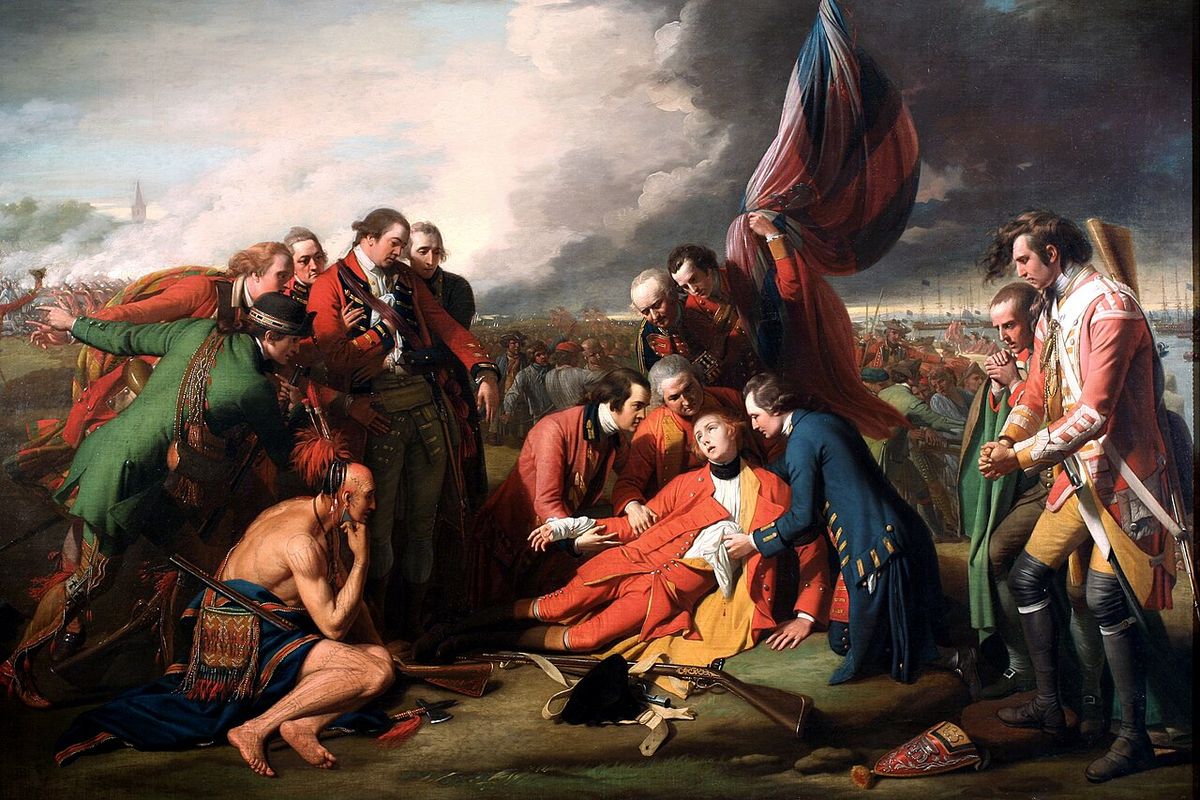
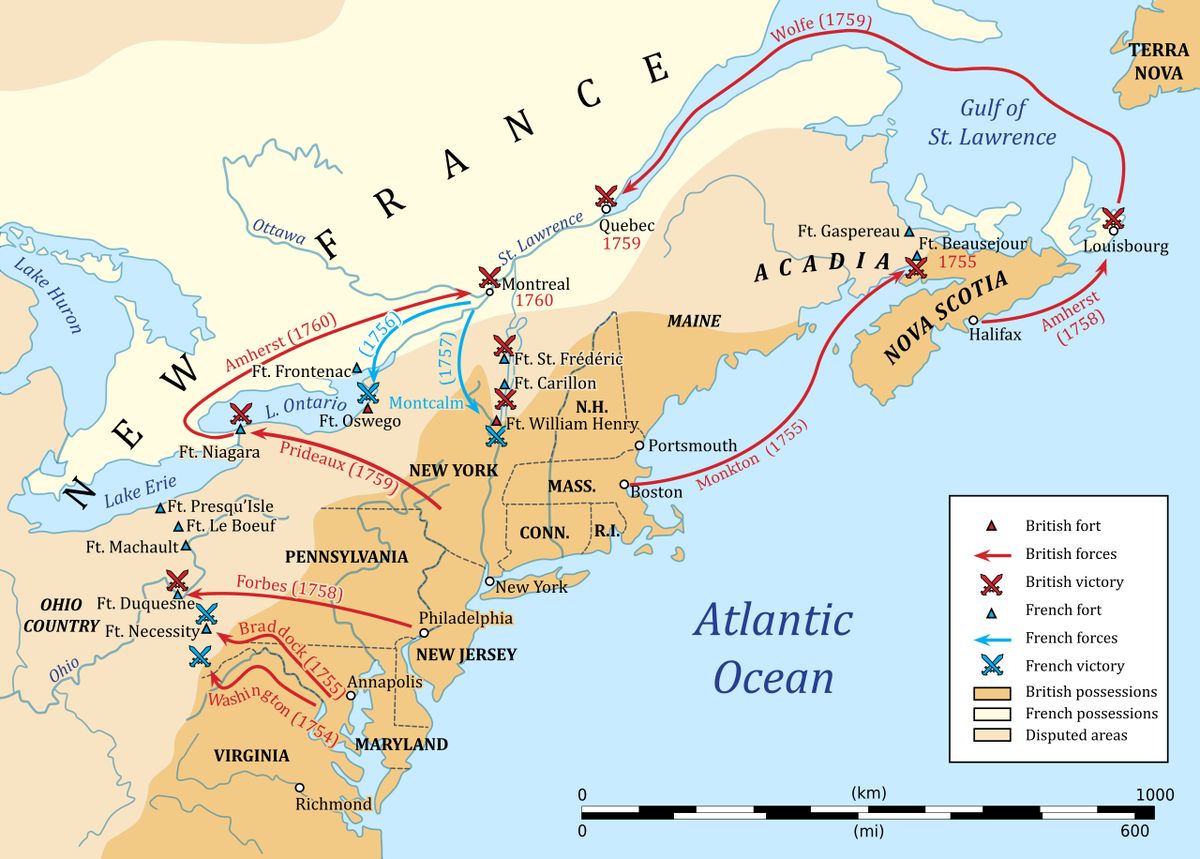
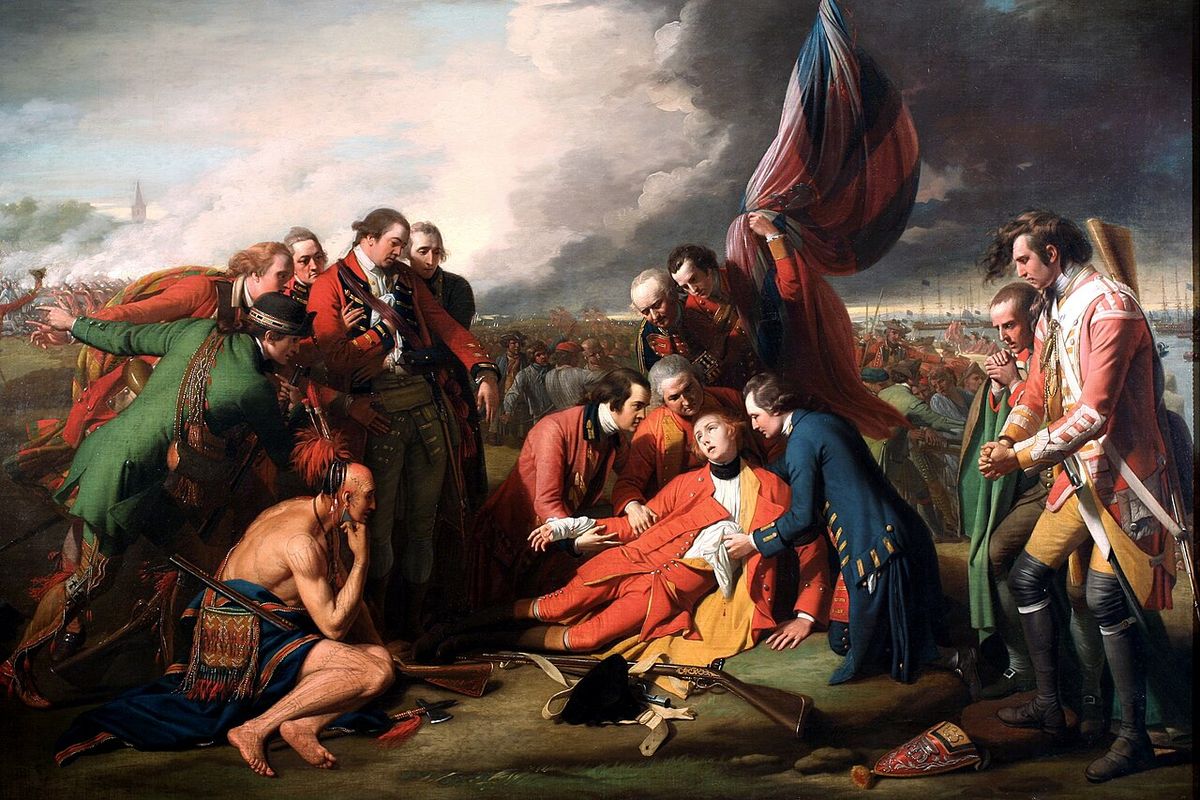
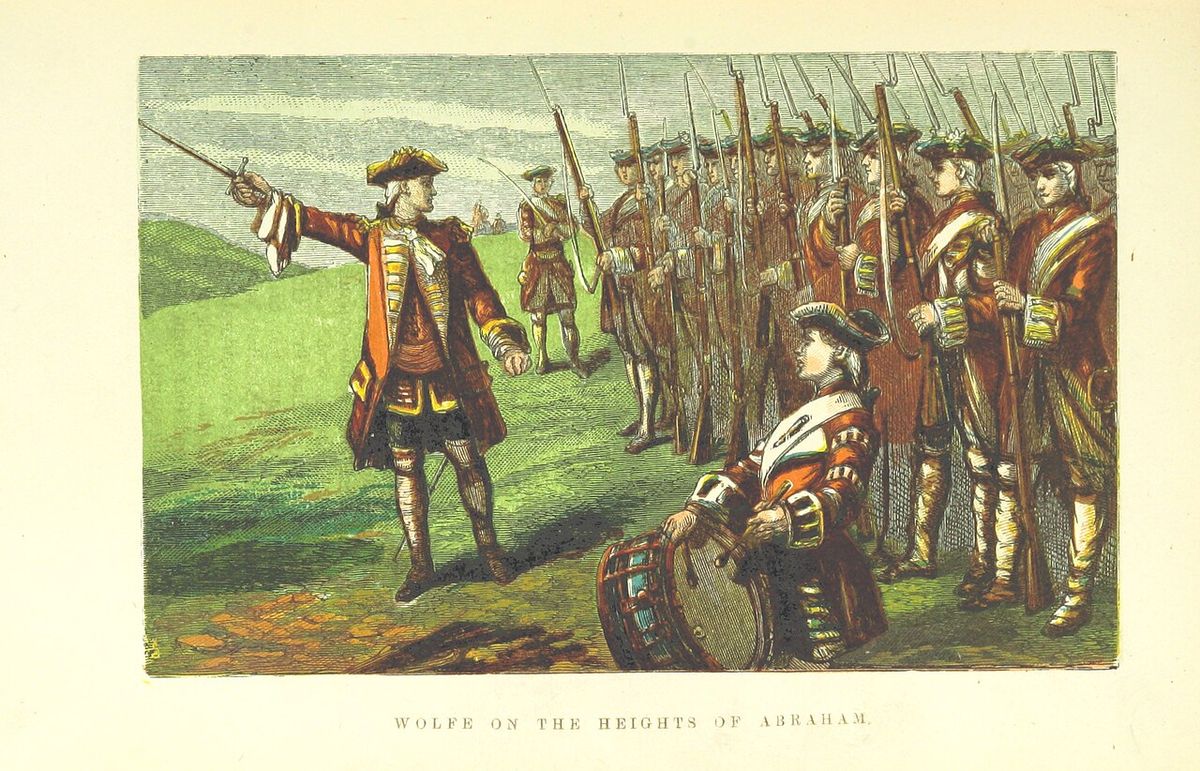
The Battle of the Plains of Abraham, fought on September 13, 1759, was a critical engagement within the French and Indian War, which became a theatre of the global Seven Years' War. British forces under General James Wolfe executed a daring night manoeuvre, scaling the steep cliffs under the city to deploy on the plains. The battle was decided largely by a single, devastating volley of musket fire from the British lines. The conflict lasted less than thirty minutes and resulted in the mortal wounding of both commanding generals, Wolfe and the French Marquis de Montcalm. This victory gave the British control of Quebec City, a conquest that was solidified the following year and led to the eventual British takeover of Canada. The battle's outcome ended French imperial ambitions in the region and set the stage for the future development of British North America.
The Movement for Preservation and Park Creation
As Quebec City grew in the 19th century, development of the plains proceeded without restriction, and hundreds of acres were built over. A crucial intervention came in 1901 when the proposed subdivision of 88 acres was halted by the purchase of the land by the Dominion Crown. Public protest continued when another section of the plains was taken for a Ross rifle factory, which included a water tank built on an existing Martello tower. The preservation movement gained influential supporters, including Governor General the Earl Grey, who visited and stated he would not rest until the site became a national heirloom. By 1904, the Literary and Historical Society of Quebec was permitted to place plaques at significant spots. In 1908, as part of Quebec City's 300th-anniversary celebrations, Mayor Jean-Georges Garneau appointed a landmark commission chaired by Chief Justice François Langelier. This commission recommended nationalizing the Quebec battlefields and building a museum of Canadian history. Prime Minister Wilfrid Laurier championed the preservation of the plains themselves as a more fitting tribute. The National Battlefields Commission was specifically formed to administer the site, which was officially created on March 17, 1908, as Canada's first National Historic Site. The park was formally dedicated on July 24, 1908, by Prince George, Prince of Wales, who presented the title deeds to the Governor General. The official memorial record of the anniversary, The King's Book of Quebec, was published in 1911 with King George V's assent. The commission, following the lead of King Edward VII, began to collect historical data relating to the plains and the battles.
- 1901: Dominion Crown purchases 88 acres to halt subdivision.
- 1904: Literary and Historical Society of Quebec places commemorative plaques.
- 1908 (17 March): Park officially created as Canada's first National Historic Site.
- 1908 (24 July): Dedication ceremony by Prince George, Prince of Wales.
- 1911: Publication of The King's Book of Quebec.
- 1913: National Battlefields Commission erects a commemorative column and replica Cross of Sacrifice.
Park Features, Monuments, and Hidden Infrastructure
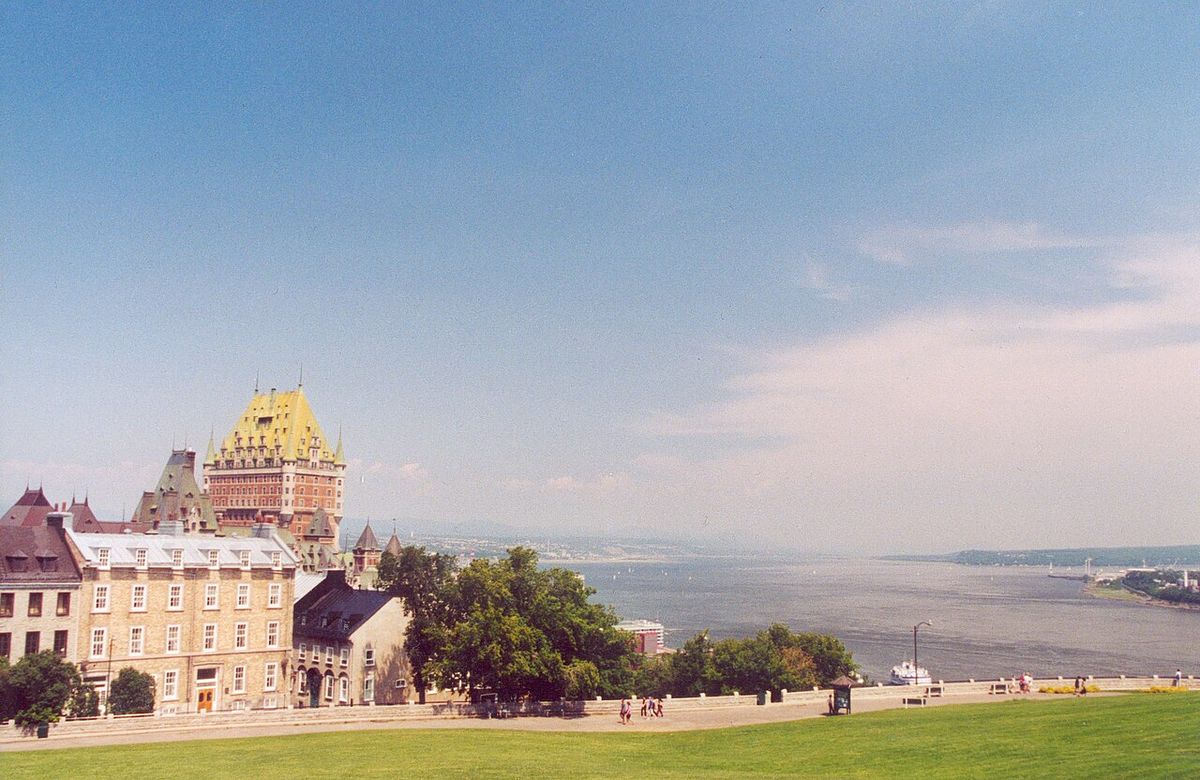
The Plains of Abraham park today occupies an area approximately 2.4 kilometres long by 0.8 kilometres wide, extending westward from the Citadelle of Quebec and the walls of Quebec City along a plateau above the Saint Lawrence River. It forms a part of The Battlefields Park. An interpretive centre and walking trails have been built on the site. Several monuments and markers commemorate different eras. An astronomical meridian marker was erected in 1790 by Major Holland, the Surveyor-General of Canada, on the reputed spot where General Wolfe died. In 1913, the National Battlefields Commission placed a column identical to one built in 1849. A replica Cross of Sacrifice was also constructed to commemorate soldiers lost in the First World War, and it remains the focal point for annual Remembrance Day ceremonies. The park's infrastructure includes a major hidden feature: a drinking water reservoir built beneath the surface between 1931 and 1933. This reservoir holds approximately 136 million litres of water and supplies the districts of Saint-Roch, Saint-Sauveur, Champlain, and parts of Saint-Jean-Baptiste and Limoilou. Its construction required the temporary removal and replacement of the soil, and the vault is supported by about 900 columns and accessed by supply grilles camouflaged by shrubs. The reservoir's base lies about two metres under the surface of the Plains.
- 1790 Wolfe Monument: Astronomic meridian marker placed by Major Holland.
- 1849/1913 Column: A column erected in 1913 as a replica of the 1849 original.
- Cross of Sacrifice: Replica built in 1913 for First World War remembrance.
- 1931 to 1933 Reservoir: Underground water reservoir holding 136 million litres.
- Interpretive Centre & Trails: Built for visitor education and access.
- Martello Tower: Existing tower used as base for a water tank for the Ross rifle factory prior to preservation.
The Plains of Abraham Museum and Exhibitions
Located at 835 Wilfrid-Laurier Avenue, the Plains of Abraham Museum serves as the park's information and reception centre. It is open year-round and functions as the starting point for guided tours while also housing a gift shop. The museum's multimedia exhibition focuses on the siege of Quebec and the battles of 1759 and 1760 fought on the plains, and other displays present the site's history through archaeological artifacts discovered within the park. The museum regularly updates its programming and offers special admission promotions, such as from June 19 to September 7, 2026, when youth aged 17 and under receive free admission and others receive a 50 percent discount. Admission is free for all visitors on Canada Day, July 1, and the museum's standard hours are from 9 a.m. to 5 p.m. A new exhibition titled 'Natura & Historia' debuted on June 13, 2026, inviting visitors to explore the relationship between the natural environment and human history on the park lands, and the museum also features an interactive map showing points of interest, monuments, trails, and services within the park.
Cultural Role, Events, and Commemorations
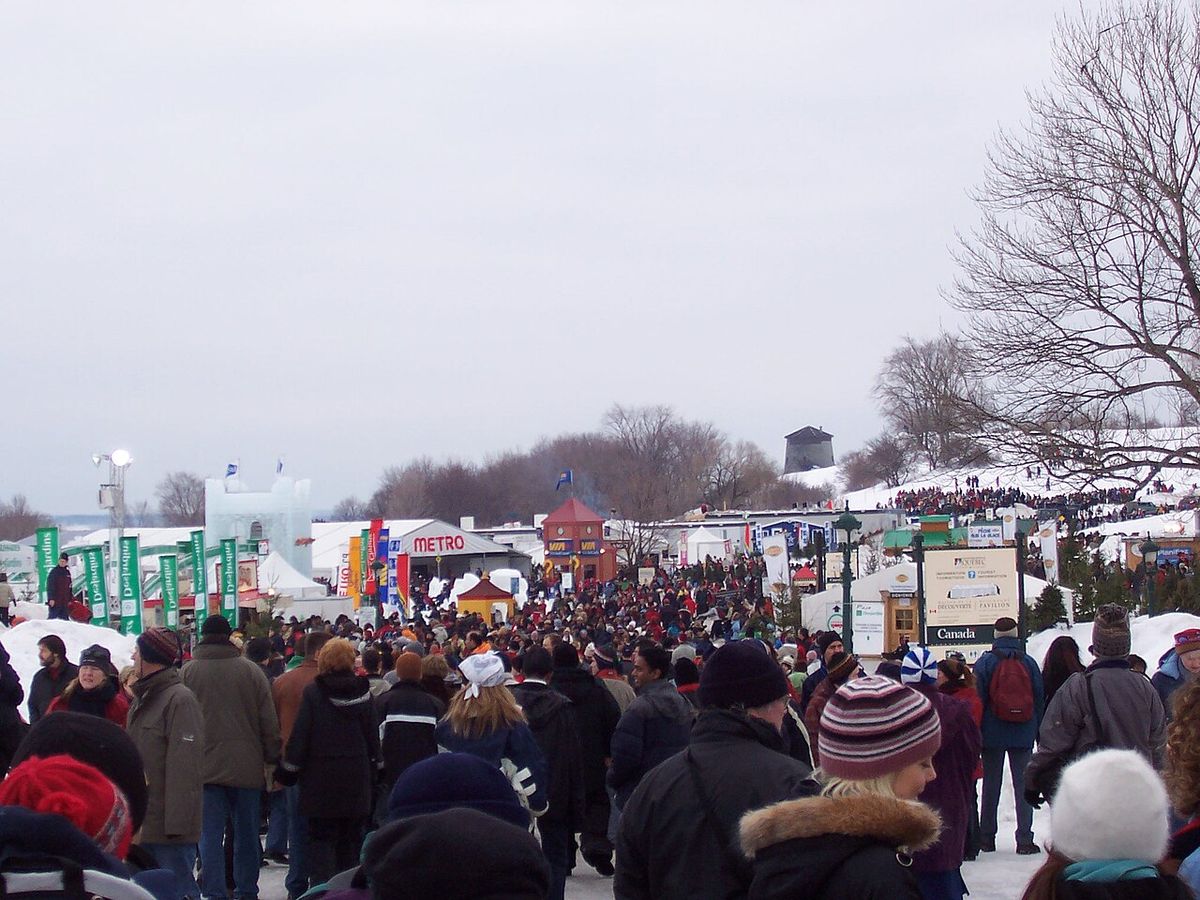
The National Battlefields Commission has compared the park's urban function to that of Central Park in New York or Hyde Park in London. It is a hub for year-round recreational activities like running, walking, cycling, and cross-country skiing on its extensive trail network. The park is also a premier venue for large-scale cultural events that draw local and tourist crowds, including the Quebec City Summer Festival, the Quebec Winter Carnival, and celebrations for the Fête nationale du Québec. Its cultural significance extends into the arts, having been referenced in several notable Canadian songs. The site was also commemorated on a 5¢ postage stamp issued by Canada Post on September 10, 1959, designed by Ephrum Philip Weiss with engraving by Yves Baril and lettering by Donald J. Mitchell, and it was printed by the Canadian Bank Note Company and perforated 12. The stamp was titled 'Plains of Abraham, 1759 to 1959'. Major annual and recent events held at the Plains of Abraham include the Fête nationale du Québec, the Quebec Winter Carnival, and the Quebec City Summer Festival. The park hosts historical reenactments. Seasonal activities such as Halloween on the Plains of Abraham run from September 29 to November 8, 2026.
- Quebec City Summer Festival: Major multi-day music and arts festival.
- Quebec Winter Carnival: Major winter celebration with parades and activities.
- Fête nationale du Québec: Provincial holiday celebrations on June 24.
- Remembrance Day Ceremonies: Held annually at the Cross of Sacrifice.
- Halloween on the Plains (2026): Seasonal decorations and events from September 29 to November 8, 2026.
The Plains of Abraham has been referenced in multiple Canadian musical compositions. The site is mentioned in the 1975 song "Acadian Driftwood" by The Band, as well as in Daniel Lanois's song "The Maker". Gordon Lightfoot also references the location in his 1971 song "Nous Vivons Ensemble". Geddy Lee mentions the Plains of Abraham in his song "My Favourite Headache" from his solo album of the same name released in the year 2000.
- "Acadian Driftwood" by The Band (1975)
- "The Maker" by Daniel Lanois
- "Nous Vivons Ensemble" by Gordon Lightfoot (1971)
- "My Favourite Headache" by Geddy Lee (2000)
Administration, Visitation, and Recent Programming
The Plains of Abraham is administered by the National Battlefields Commission, a federal agency created specifically to manage this site and the surrounding battlefields. The park is used by approximately four million visitors and tourists each year for sports, concerts, and activities. Recent programming highlights the site's dual identity as a historical landmark and an active urban park. The interactive online map provided by the commission details points of interest, monuments, trails, and services. Special event pricing and schedules are published annually, with the museum frequently serving as the hub for educational activities. The park's role was cemented during the 1908 tercentenary of Quebec City and continues to be a point of national pride and a key destination within the province. The events of 1908 were popular with residents, leading Prime Minister Laurier to observe that Quebecers were 'monarchical by religion, by habit, and by the remembrance of past history.' The commission maintains the park as a national historic site under the Historic Sites and Monuments Act.
Questions about Plains of Abraham
What was the Battle of the Plains of Abraham and why was it important?
The Battle of the Plains of Abraham was a decisive military engagement fought on September 13, 1759, between British and French forces during the Seven Years' War, specifically within the North American theatre known as the French and Indian War. British General James Wolfe's troops scaled the cliffs to surprise the French army under the Marquis de Montcalm. The battle lasted less than thirty minutes and resulted in the deaths of both commanders. Its importance lies in the British victory, which led to the capture of Quebec City and ultimately the fall of New France, permanently shifting the control of Canada to Britain.
Where is the Plains of Abraham located and how big is it?
The Plains of Abraham is located in Quebec City, Quebec, forming a central part of the Battlefields Park. It stretches along a plateau above the Saint Lawrence River, extending westward from the Citadelle of Quebec. The park itself covers an area of 98 hectares (240 acres), measuring about 2.4 kilometres in length and 0.8 kilometres in width. It is situated entirely within the city, making it a significant urban green space.
Is there a museum at the Plains of Abraham and what can I see there?
Yes, the Plains of Abraham Museum is located at 835 Wilfrid-Laurier Avenue and serves as the park's information centre. It features a multimedia exhibition focused on the 1759 and 1760 battles and the siege of Quebec. Visitors can also see archaeological artifacts found in the park and learn about the site's broader history. The museum is open year-round, offers guided tours, and includes a gift shop. Special admission rates, such as free entry for youth, are often available during summer months.
What major events are held at the Plains of Abraham?
The park hosts numerous major cultural and recreational events throughout the year. These include the large-scale Quebec City Summer Festival, the Quebec Winter Carnival, and Fête nationale du Québec celebrations. Historical reenactments are also popular. Seasonal activities, such as 'Halloween on the Plains of Abraham', run from late September into November. The park is also used for sports, concerts, and serves as the location for the city's annual Remembrance Day ceremony at the Cross of Sacrifice.
When was the Plains of Abraham park created and who manages it?
The Plains of Abraham was officially established as a park on March 17, 1908, making it Canada's first National Historic Site. It was created as part of Quebec City's 300th-anniversary celebrations. The park is managed by the National Battlefields Commission, a federal agency specifically formed to administer this site and other nearby battlefields. The commission is responsible for preservation, programming, and maintenance of the grounds.
Can you visit the Plains of Abraham for free?
Access to the park grounds themselves is free and open to the public year-round. There may be fees for certain special events or for admission to the Plains of Abraham Museum. However, the museum frequently offers promotional periods, such as free admission for youth 17 and under from June to September 2026, and 50 percent off for others. Admission to the museum is also free for all visitors on Canada Day, July 1.
Sources and further reading
- Plains of Abraham (Wikipedia)
- Plains of Abraham: History, Nature, and Culture in Quebec City (plainsofabraham.ca)
Checked by the Nosy Mag desk. Last updated 2026-10-24.