Stéphane Dion
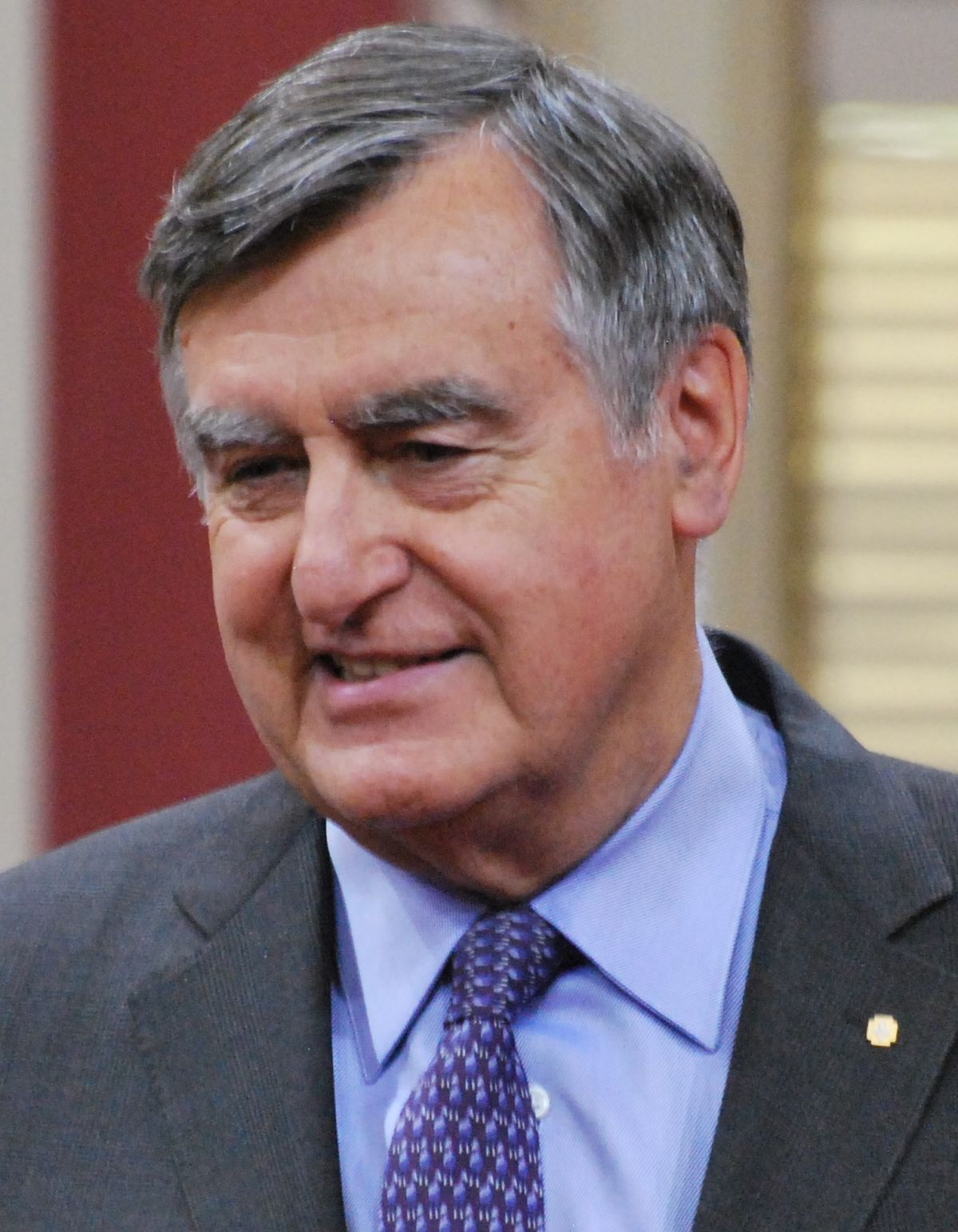
Stéphane Dion is a Canadian diplomat, academic and former politician whose career has spanned federal cabinet roles, party leadership, and senior diplomatic postings in Europe. He is best known to Canadians as the architect of the Clarity Act, landmark legislation that established the legal framework for any future provincial secession referendum. After a lengthy political career representing the Montreal riding of Saint-Laurent, Dion served as Canada's ambassador to Germany and later to France and Monaco, concluding his diplomatic service in December 2025. He has since returned to academic life as the inaugural diplomat in residence at the Université de Montréal.
Early Life and Academic Foundations
Stéphane Maurice Dion was born in Quebec City on 28 September 1955, the second of five children in a secular family. His father, Léon Dion, was a prominent political science professor at Université Laval who co-founded its department, and his mother, Denyse Kormann, was a Paris-born real estate agent, which granted Dion dual French-Canadian citizenship. Raised in a modest home on boulevard Liégeois in the Sillery neighbourhood, Dion was first exposed to Quebec's sovereignty movement as a teenager attending a Jesuit college and later as a university student campaigning for Parti Québécois candidate Louise Beaudoin in the 1976 election. His intellectual journey away from separatism began during lengthy evening discussions with his federalist father, who respectfully refuted his arguments, and was further influenced during a five-hour discussion with a federalist household while canvassing door-to-door for the PQ. Dion studied political science at Université Laval, where he met his future wife, Janine Krieber, a fellow student who would become an expert in strategic studies and counter-terrorism and later teach at Royal Military College Saint-Jean.
Dion obtained his Bachelor of Arts in 1977 and his Master of Arts in 1979, with a thesis analyzing the evolution of Parti Québécois electoral strategies. He then departed for Paris with Janine Krieber, living in the Montmartre district for four years while earning a doctorate in sociology from the Institut d'études politiques de Paris (Sciences Po) under the supervision of noted sociologist Michel Crozier. After a brief stint as a teaching assistant at the Université de Moncton in 1984, he began his academic career as an assistant professor of political science at the Université de Montréal, specializing in public administration and organizational theory. A decisive moment in his conversion to federalism occurred around 1990 during a sabbatical as a guest scholar at the Brookings Institution in Washington, D.C., as he prepared a presentation that crystallized his views on Canadian unity. Following the failure of the Meech Lake Accord, Dion directed his scholarly work toward critiquing Quebec nationalist arguments about federal inefficiency, publishing a number of books and articles and making media appearances on programs like Le Point that eventually caught the attention of Aline Chrétien, who urged the Prime Minister to recruit him.
Entry into Politics and the Clarity Act
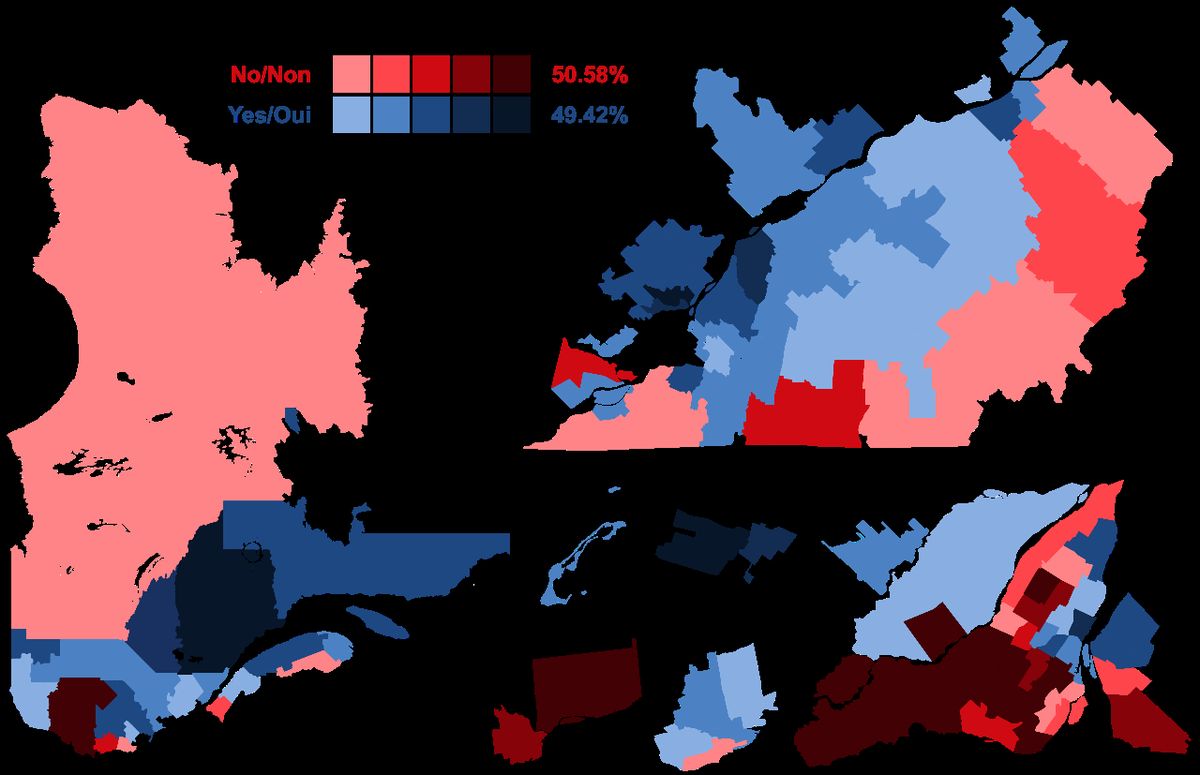
Prime Minister Jean Chrétien recruited Dion as a star candidate in early 1996, appointing him directly to Cabinet as Minister of Intergovernmental Affairs on 25 January 1996 alongside Pierre Pettigrew before a by-election in the safe Liberal riding of Saint-Laurent, Cartierville. Dion was easily elected on 25 March 1996 and would hold the seat through seven subsequent general elections until 2017, making his first statement as minister on 27 January 1996 that a strong majority on a clear question would create a moral obligation to negotiate. His immediate mandate was to formulate a strong federal response following the near-victory of the sovereignty option in the 1995 Quebec referendum, which was decided by a margin of 50.58 percent to 49.42 percent. Dion's approach was grounded in legal and democratic principles, leading him to initiate the Supreme Court Reference re Secession of Quebec on 30 September 1996 by submitting three questions on unilateral secession under Canadian and international law. The Court's landmark opinion on 20 August 1998 stated Quebec could not secede unilaterally under Canadian or international law, but that the federal government would have a political obligation to negotiate if a clear majority on a clear question voted for independence, with the Canadian Parliament having the power to judge the clarity of the question.
Dion engaged in a vigorous public debate with sovereigntist leaders through a series of three open letters published in major newspapers between 1997 and 1998. His first letter, to Bloc Québécois leader Lucien Bouchard in 1997, argued against the legality of unilateral secession, challenged the sufficiency of a simple majority vote, and highlighted the potential for Quebec's own borders to be contested. The second letter to Quebec's intergovernmental affairs minister Jacques Brassard in November 1997 expanded on the inconsistency of arguing Canada is divisible but Quebec is not, and the difficulties of gaining international recognition for a unilateral declaration. The third letter to Premier Lucien Bouchard in August 1998 criticized the selective acceptance of the Supreme Court ruling. These letters and the Court's opinion formed the intellectual foundation for his most enduring legislative achievement, the Clarity Act (Bill C-20), which was presented to the House of Commons on 13 December 1999 and passed on 15 March 2000, receiving royal assent on 29 June 2000.
- September 1996: Submits the Secession Reference questions to the Supreme Court of Canada on unilateral secession under domestic and international law.
- August 1998: Supreme Court delivers its opinion confirming no unilateral right to secede but a political obligation to negotiate after a clear vote.
- October 1999: Hosts the First International Conference on Federalism in Mont Tremblant, featuring a closing speech by U.S. President Bill Clinton that supported federalism and warned about the seriousness of secession.
- December 1999: Presents the Clarity Act to the House of Commons, establishing requirements for a clear question and clear majority.
- March 2000: The Clarity Act is passed by the House of Commons.
- June 2000: The Clarity Act receives royal assent, becoming the law of the land.
The Clarity Act stipulates that for the federal government to enter into secession negotiations, a provincial referendum must ask a clear question focused solely on whether the province should cease to be part of Canada and become an independent state. It specifies that a question cannot be considered clear if it merely focuses on a mandate to negotiate, as in the 1980 referendum, or envisages other possibilities like economic arrangements with Canada, as in 1995. The Act also requires that the result must represent a clear majority, as determined by the House of Commons after assessing the size of the majority and other relevant circumstances, not merely 50 percent plus one. The third section of the Act states that any secession would require a constitutional amendment negotiated with the federal government and all provincial governments.
Minister of the Environment and Liberal Leadership
Dion returned to the backbenches in December 2003 when Prime Minister Paul Martin succeeded Jean Chrétien and dropped several ministers, but was brought back into Cabinet after the 2004 election as Minister of the Environment on 20 July 2004. In this role, he was tasked with implementing Canada's commitments under the Kyoto Protocol on climate change, developing policies to reduce greenhouse gas emissions. His tenure culminated in chairing the United Nations Climate Change Conference (COP 11/CMP 1) when it was hosted in Montreal in December 2005, a major international summit. Following the Liberal Party's defeat in the 2006 federal election and Martin's resignation, Dion campaigned for the party leadership on a platform emphasizing environmental sustainability and national unity.
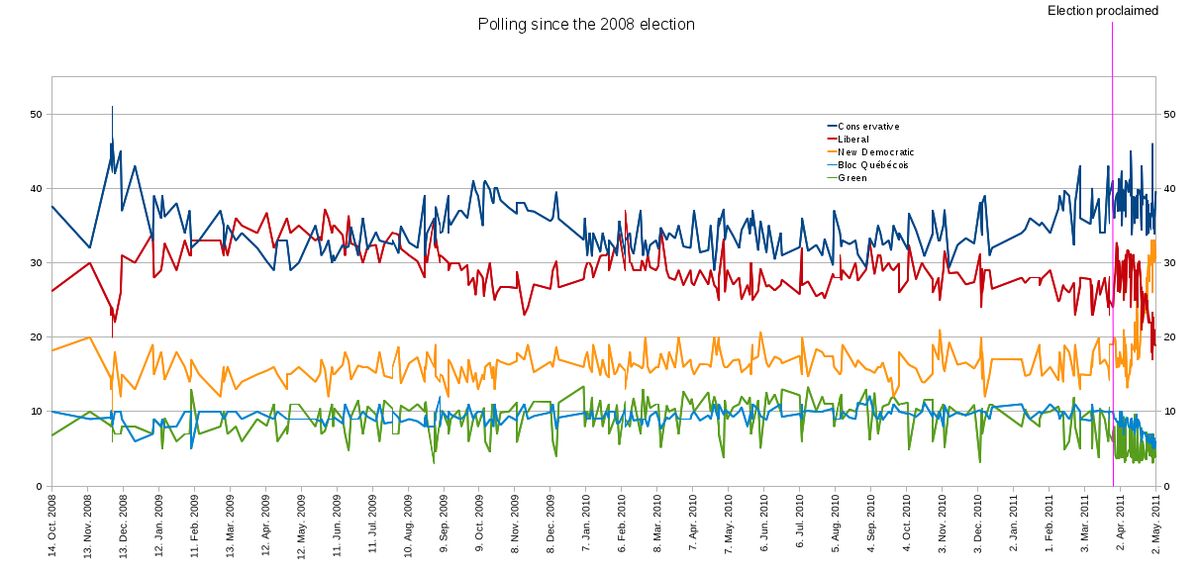
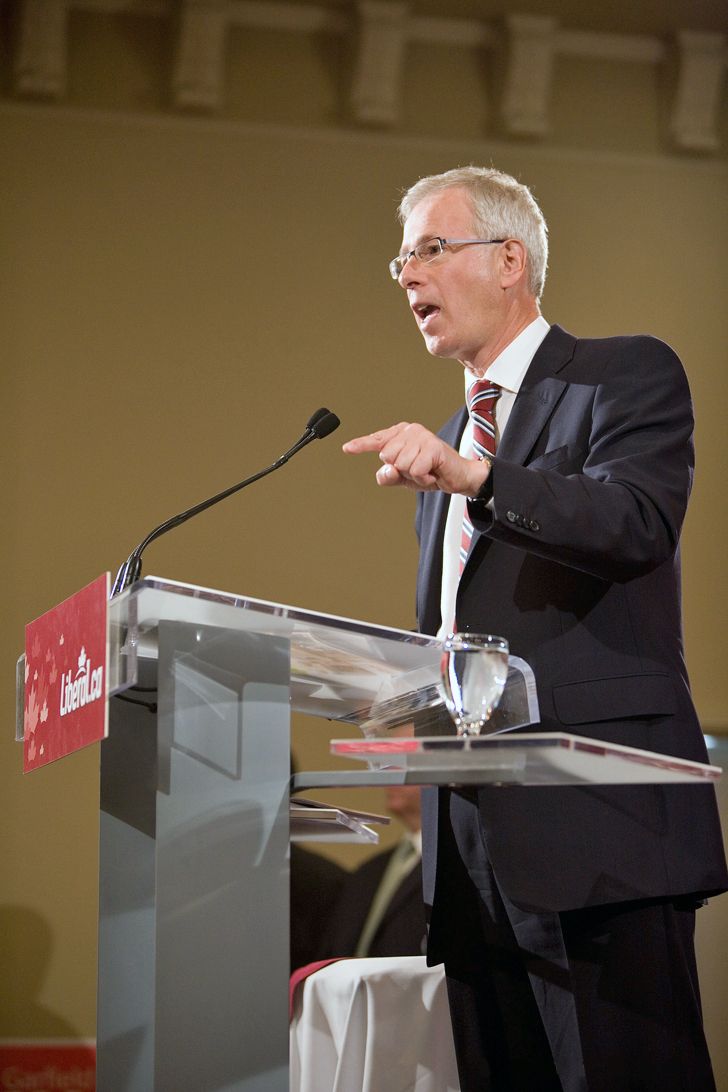
He won the leadership convention in December 2006, becoming Leader of the Liberal Party and Leader of the Opposition in the House of Commons. As leader, Dion championed an ambitious environmental platform centred on a carbon tax proposal known as the Green Shift, which aimed to tax pollution while cutting income taxes. This policy became the centrepiece of the Liberal campaign for the 2008 federal election. The Liberals were reduced to 77 seats and 26.2 percent of the popular vote in that election. A subsequent parliamentary dispute over a proposed coalition government with the NDP, supported by the Bloc Québécois, further weakened Dion's position, and he resigned as leader on 10 December 2008, succeeded by Michael Ignatieff. Dion remained the Member of Parliament for Saint-Laurent throughout this period and returned to the backbench.
Return to Cabinet and Diplomatic Career
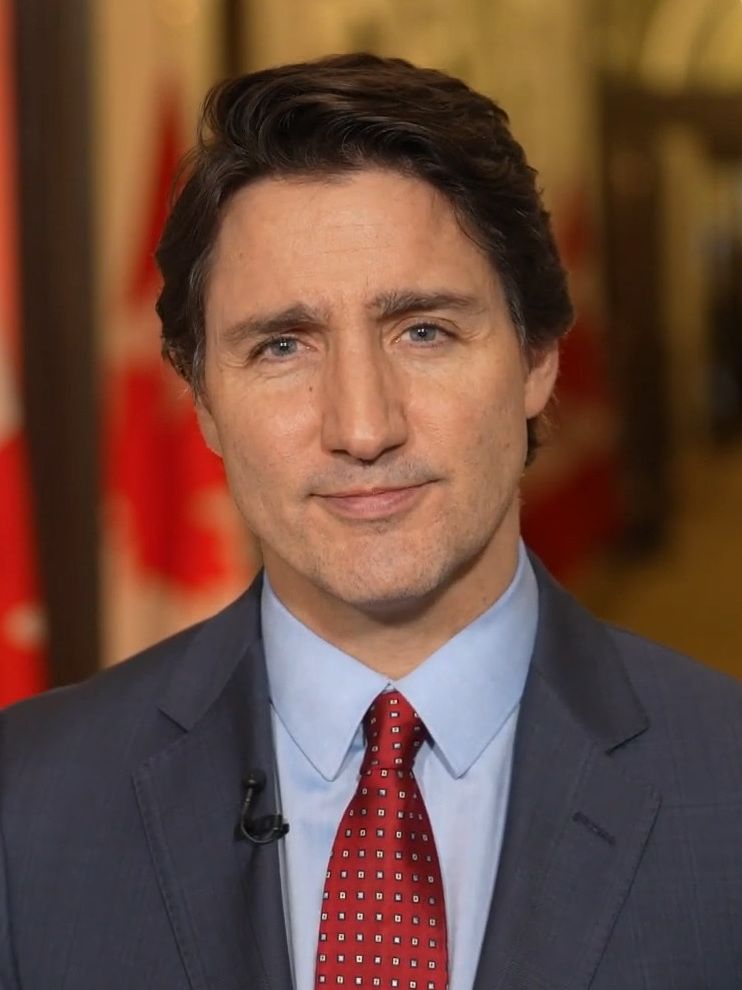
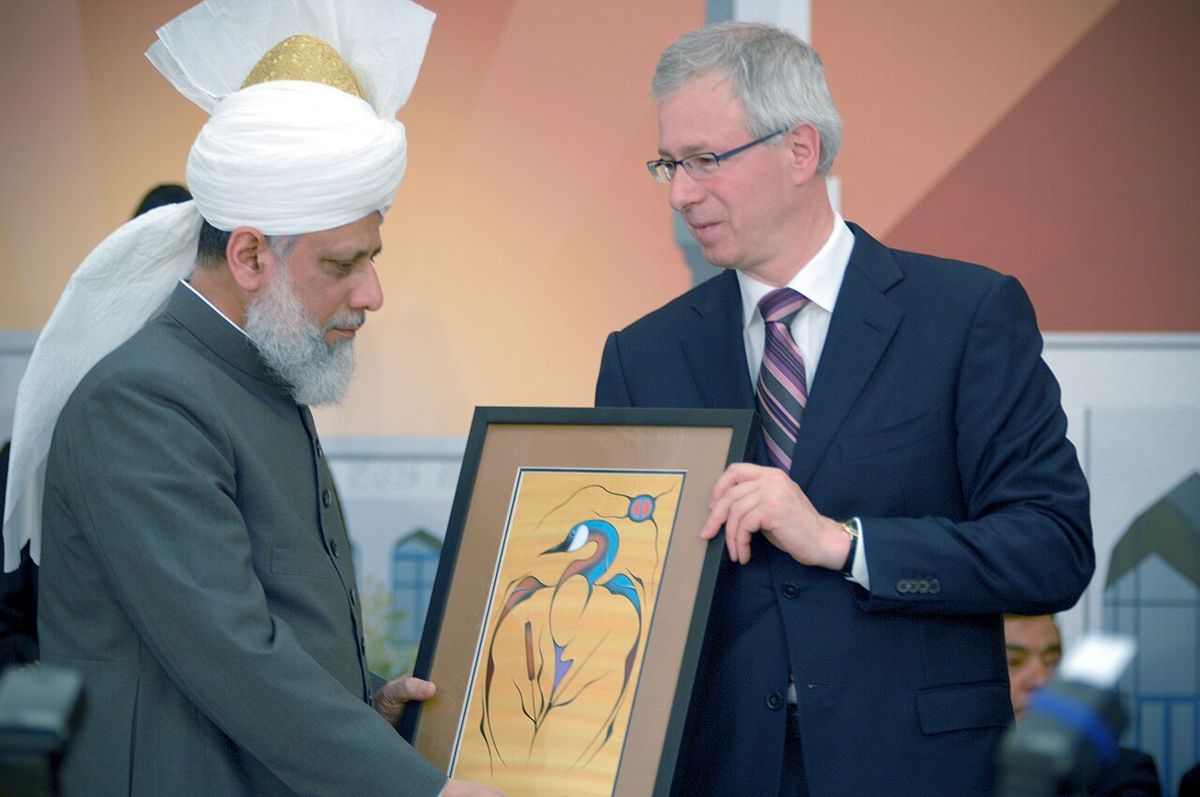
When the Liberal Party, under new leader Justin Trudeau, won the 2015 election, Dion was appointed Minister of Foreign Affairs on 4 November 2015. He served in this role for two years, managing Canada's international relations and foreign policy until January 2017, overseeing a period of re-engagement with multilateral institutions. At that point, he left elected politics after 21 years in the House of Commons to begin a diplomatic career. Prime Minister Trudeau appointed Dion as Canada's ambassador to Germany, a posting that lasted from 2017 to 1 June 2022, where he worked to strengthen bilateral ties. Concurrently, from 2017 onward, he served as the Prime Minister's special envoy to the European Union and Europe.
In 2022, Dion's diplomatic portfolio was expanded and he was appointed Canadian ambassador to France and Monaco on 1 June 2022, while continuing his role as special envoy to the EU until the end of his mandate. He served in these capacities until December 2025, concluding nearly a decade of diplomatic service in Europe. During his postings, he was a vocal advocate for deeper Canadian engagement with European institutions. His diplomatic tenure concluded at the end of 2025, after which he and his wife returned to Montreal.
Post-Diplomatic Life and Academic Return
In 2026, Stéphane Dion returned to the Université de Montréal, where he had previously been a professor from 1984 to 1996, to assume a newly created role as diplomat in residence within the Faculty of Arts and Science. In this capacity, he makes himself available to students and faculty to share his expertise on foreign policy, political leadership, public administration, and global environmental issues. University rector Daniel Jutras and dean Frédéric Bouchard highlighted the unique value Dion's practical experience brings to the academic community, noting his availability at research centres like CÉRIUM. Dion himself noted that a return to university life is a natural step for political scientists after public service.
Dion remains an active commentator on Canadian unity and federalism, continuing to defend the principles of the Clarity Act he authored. In September 2026, he participated in a public discussion at Temple Emanu-El-Beth Sholom in Westmount, warning that a Quebec provincial election featuring a competitive Parti Québécois becomes what he calls a double election where the issue of a potential sovereignty referendum is added to the usual ballot choices. He analyzed the challenges of strategic voting in such a scenario. Dion also believes Canadians across the country should care deeply about sovereignist movements in Quebec and Alberta, framing national unity as a mutual concern that binds the federation together.
In his private life, Stéphane Dion enjoys snowshoeing at the family cottage near Nominingue in the Laurentians. He continues to write analytical pieces, such as a 2026 article for Policy Magazine titled The Clarity Act: A Timely Refresher. In the article, he reiterates the law's three core requirements for any legitimate secession process. These requirements are a clear question focused only on independence, a clear majority as judged by the House of Commons, and a completed constitutional negotiation involving all provinces and the federal government. He emphasizes that the Act's authors hoped it would never have to be used.
Electoral Record and Political Legacy
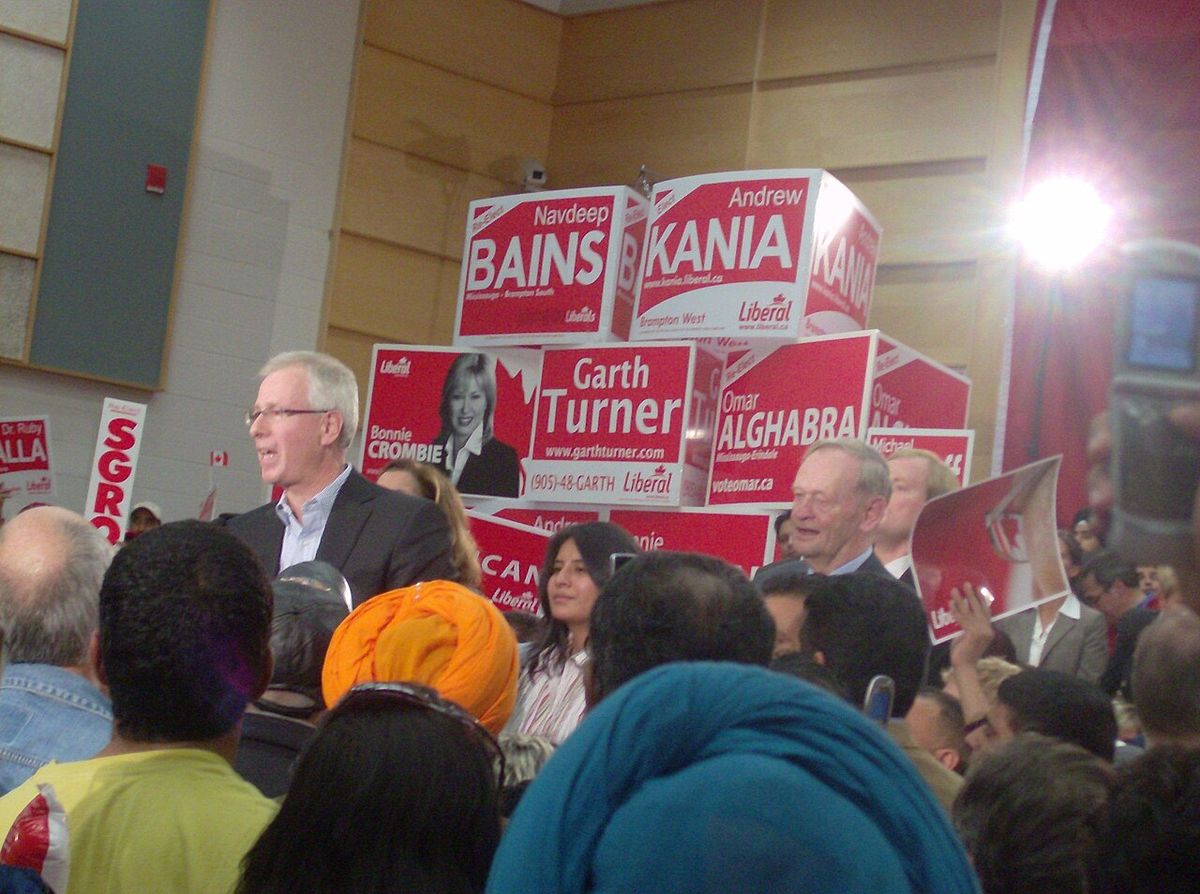
Stéphane Dion represented the Montreal riding of Saint-Laurent, Cartierville, later renamed Saint-Laurent, for over two decades from 1996 to 2017. He was first elected in a by-election in March 1996 after being appointed to Cabinet and was re-elected in every subsequent general election, demonstrating remarkable electoral consistency in a safe Liberal seat. His electoral strength in the riding provided a stable base throughout his political career, including during his tenure as party leader and through various cabinet postings under three different prime ministers. The table below outlines his election results and political context during his time as an MP, showing his uninterrupted service and the different roles he held with each mandate.
| Election Year | Vote Share (%) | Result and Political Context |
|---|---|---|
| 1996 By-election | Elected | First elected to Parliament after appointment as Intergovernmental Affairs Minister under Jean Chrétien |
| 1997 General | Re-elected | Held seat while serving as Minister under Prime Minister Chrétien and working on the secession reference |
| 2000 General | Re-elected | Held seat while piloting the Clarity Act through Parliament and seeing it become law |
| 2004 General | Re-elected | Returned to Cabinet as Minister of the Environment under Prime Minister Paul Martin |
| 2006 General | Re-elected | Held seat. Became Liberal Party Leader and Official Opposition Leader after the election defeat |
| 2008 General | Re-elected | Held seat despite the party's national defeat under his leadership and the failure of the Green Shift platform |
| 2011 General | 43.43% | Re-elected as a backbench MP after stepping down as leader, during a Conservative majority government. This was the highest vote share for a Liberal in Quebec. |
| 2015 General | Re-elected | Held seat and was appointed Minister of Foreign Affairs under Prime Minister Justin Trudeau |
Dion's political legacy is defined by his intellectual defence of Canadian federalism and his concrete contributions to the country's constitutional framework. His work on the Clarity Act provided a democratic and legal roadmap for addressing secessionist claims. As an academic-turned-politician, he brought a scholarly rigour to his cabinet roles, whether analyzing the intricacies of federal-provincial relations or developing environmental policy. His career arc from sovereigntist youth to federalist minister, party leader, and diplomat illustrates a lifelong engagement with the most fundamental questions of Canadian identity and governance.
Questions about Stéphane Dion
What is Stéphane Dion best known for?
Stéphane Dion is best known as the author of the Clarity Act, legislation he presented to the House of Commons in 1999. He is also known for his tenure as Minister of Intergovernmental Affairs from 1996 to 2003, a role he held under Prime Minister Jean Chrétien. Dion served as leader of the Liberal Party of Canada and Leader of the Opposition from 2006 to 2008. He held the diplomatic post of Canada's ambassador to France and Monaco from 2022 to 2025.
What is the Clarity Act and what does it do?
The Clarity Act is a Canadian law that gives effect to the Supreme Court's 1998 opinion on Quebec secession. It establishes that for the federal government to enter into secession negotiations, a provincial referendum must ask a clear question solely about whether the province should cease to be part of Canada and become an independent state. It also requires a clear majority in favour, as determined by the House of Commons, not merely 50 percent plus one. The law was designed to prevent ambiguous referendum questions like those used in 1980 and 1995.
Did Stéphane Dion ever support Quebec sovereignty and why did he change?
Yes, Stéphane Dion was involved with the sovereignty movement as a teenager and university student. He campaigned for a Parti Québécois candidate in the 1976 election. His involvement ended during a long discussion with a federalist household while canvassing. His decisive conversion to federalism occurred later in 1990 while preparing an academic presentation during a sabbatical at the Brookings Institution in Washington, D.C.
What diplomatic roles did Stéphane Dion hold after politics?
After leaving politics in 2017, Stéphane Dion entered the diplomatic service. He served as the Canadian ambassador to Germany from 2017 to 2022, following his term as Minister of Foreign Affairs. Dion was then appointed ambassador to France and Monaco and special envoy to the European Union, serving in these roles from 2022 to 2025. These appointments concluded his post-political career in Canadian foreign service.
What was Stéphane Dion's role in the 1995 Quebec referendum aftermath?
Following the razor thin defeat of the 1995 Quebec sovereignty referendum, Prime Minister Jean Chrétien appointed Stéphane Dion as Minister of Intergovernmental Affairs in January 1996. Dion's primary task was to address the legal and political uncertainties exposed by the close vote. He initiated the Supreme Court Reference on secession in September 1996, engaged in public debates through open letters, and later authored the Clarity Act. His work was a direct response to the perceived ambiguity of the 1995 question.
How did Stéphane Dion's academic background influence his political career?
Stéphane Dion was a professor of political science at the Université de Montréal from 1984 to 1996, specializing in public administration. His academic expertise directly shaped his political approach, particularly his critique of sovereigntist claims about governmental inefficiency in federal systems. After the Meech Lake Accord failed in 1990, he directed his research toward analyzing Quebec nationalism, which solidified his conversion to federalism. His scholarly work brought him to the attention of Prime Minister Jean Chrétien's wife, Aline, leading to his recruitment into politics.
Sources and further reading
- Stéphane Dion (Wikipedia)
- Stéphane Dion is UdeM's new 'diplomat in residence' (nouvelles.umontreal.ca)
- Stéphane Dion (centre.irpp.org)
- Stéphane Dion says 'it will not be easy to avoid' a Parti ... (montrealgazette.com)
- The Clarity Act: A Timely Refresher (policymagazine.ca)
Checked by the Nosy Mag desk. Last updated 2026-10-31.