Maxime Bernier
Maxime Bernier is a Canadian politician and the founder and leader of the People's Party of Canada (PPC). He was a member of Parliament for Beauce from 2006 to 2019 and served as a Cabinet minister in Prime Minister Stephen Harper's government. Bernier left the Conservative Party in 2018 to establish the PPC. He is known for his libertarian and populist political views, including advocacy for free-market economics, opposition to government COVID-19 mandates, and criticism of federal immigration and multiculturalism policies.
Early Life, Education, and Pre-Political Career
Maxime Bernier was born on January 18, 1963, in Saint-Georges, Quebec. He is the son of Doris Rodrigue and Gilles Bernier, a radio host who served as the Member of Parliament for Beauce from 1984 to 1997, first as a Progressive Conservative and then as an independent. Bernier is the second oldest child and has two sisters, Brigitte and Caroline, and a brother, Gilles Jr. In his teens, he played football for the Condors team of the Séminaire St-Georges, which won the Bol d'Or championship in 1980 at the Olympic Stadium. Bernier obtained a Bachelor of Commerce from the Université du Québec à Montréal and completed his law degree at the University of Ottawa. He was called to the Quebec Bar in 1990 and remains a member.
For 19 years before entering politics, Bernier worked in law, finance and banking. He was a lawyer at the firm McCarthy Tétrault and rose to become a branch manager at the National Bank of Canada. He served as Director of Corporate and International Relations at the Securities Commission of Québec. From 1996 to 1998, he was an adviser on fiscal reform in the office of Quebec Finance Minister and Deputy Premier Bernard Landry. Bernier was Vice-President of Corporate Affairs and Communication at Standard Life of Canada. Immediately prior to his political candidacy, he was the Executive Vice-President of the Montreal Economic Institute, a Quebec free-market think tank, where he authored a book on tax reform titled Pour un taux d'imposition unique in 2003.
Election to Parliament and Cabinet Tenure Under Harper
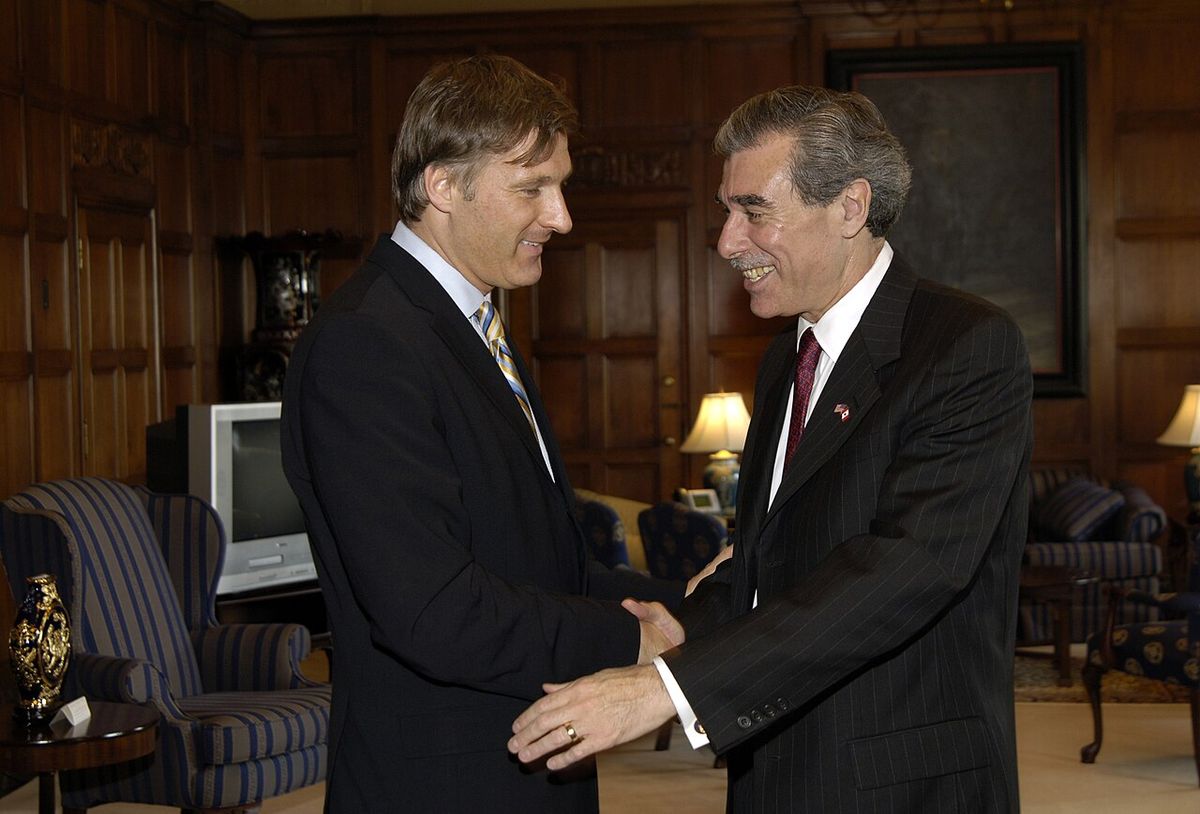
Bernier entered federal politics in 2005 when he became the Conservative candidate for Beauce. His father, whom party leader Stephen Harper had initially approached to re-enter politics, suggested his son run instead. In the 2006 federal election, Bernier won the seat with 67 per cent of the vote, the largest Conservative majority outside Alberta. His ties to Beauce and support for provincial jurisdiction, endorsed by former Social Credit leader Fabien Roy, were factors in his win. On February 6, 2006, Prime Minister Harper appointed him Minister of Industry and minister responsible for Statistics Canada. As Industry Minister, Bernier also served as the Registrar General. He initiated deregulation in the telecommunications sector, particularly on local phone service. McGill University professor Richard J. Schultz called him the best Industry Minister in thirty years on that file, and journalist James Cowan termed his tenure a golden age for Canadian business policy.
On August 14, 2007, Bernier was appointed Minister of Foreign Affairs, replacing Peter MacKay. His personality and charm received praise among foreign dignitaries early in his tenure. His term ended in May 2008 after he inadvertently left a confidential briefing book at the home of his then-girlfriend, Julie Couillard. Bernier resigned on May 26, 2008, acknowledging the seriousness of the security breach. He later stated the Prime Minister's Office tightly controlled foreign policy, limiting his ability to implement his views. After a period on the backbench, where he chaired the National Defence Select Committee and publicly opposed a proposed $175 million federal investment in the Centre Vidéotron in Quebec City, Bernier returned to cabinet following the 2011 election. On May 18, 2011, he was appointed Minister of State for Small Business and Tourism, a junior post he accepted to regain credibility. His responsibilities were expanded on July 15, 2013, to include agriculture, making him Minister of State for Small Business, Tourism, and Agriculture. During this time, he led the Red Tape Reduction Commission, which instituted a one-for-one rule on regulations. Bernier was re-elected in Beauce in the 2015 election that saw the Conservatives defeated.
Conservative Leadership Bid and Departure from the Party
After the 2015 election, Bernier served as the Conservative critic for Economic Development and Innovation before resigning on April 7, 2016, to run for the party's leadership. His 2017 campaign promoted libertarian policies based on principles of freedom, responsibility, fairness, and respect. Key proposals included ending corporate welfare, abolishing the capital gains tax, lowering corporate taxes to 10 per cent, and phasing out supply management for dairy and poultry. He also advocated for privatizing Canada Post, abolishing the Canadian Radio-television and Telecommunications Commission, transferring health care funding to provinces, and ending inter-provincial trade barriers. Bernier was one of few contenders to march in the Toronto Pride Parade after the party removed the traditional definition of marriage from its constitution. The leadership convention on May 27, 2017, resulted in a close race. Bernier led through twelve rounds of voting but was defeated in the thirteenth and final round by Andrew Scheer, who won 50.95 per cent to Bernier's 49.05 per cent.
Tensions grew after the race. In August 2017, Scheer re-appointed Bernier as critic for Innovation, Science and Economic Development. In April 2018, Bernier pre-released a chapter from his planned book Doing Politics Differently: My Vision for Canada, criticizing supply management and referring to Quebec's dairy farmer lobby as fake Conservatives. He agreed to delay publication but posted the chapter online in June. On June 12, 2018, Scheer dismissed Bernier from the shadow cabinet for violating the agreement. Commentator Andrew Coyne saw Bernier as a victim of a political setup. In August 2018, Bernier published a series of tweets criticizing extreme multiculturalism, specifically citing the naming of a park in Winnipeg after Muhammad Ali Jinnah, and countering Prime Minister Justin Trudeau's statement that diversity is Canada's strength. The tweets were defended by commentators like Mathieu Bock-Côté but led to calls for his expulsion from caucus. Citing fundamental disagreements, Bernier announced on August 23, 2018, that he was leaving the Conservative Party to found a new political movement, stating the party was too intellectually and morally corrupt to be reformed.
Founding and Leadership of the People's Party of Canada
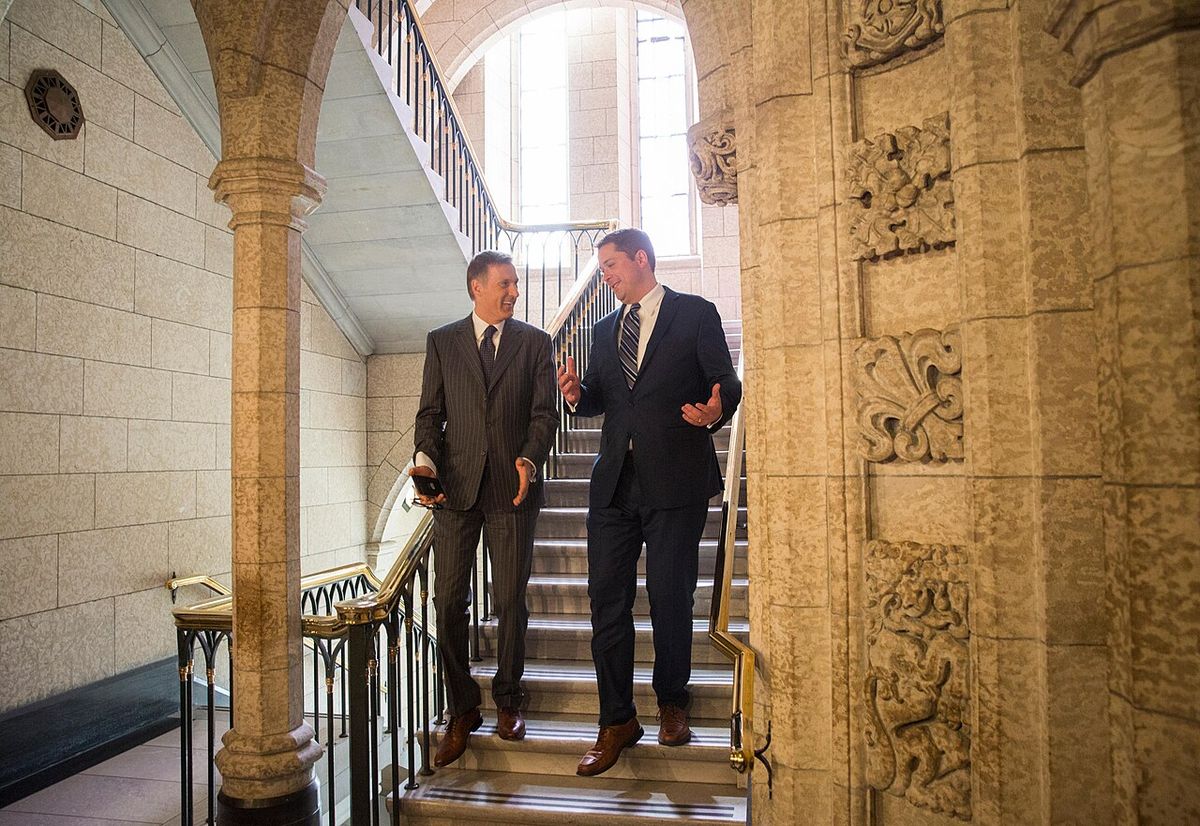
Maxime Bernier founded the People's Party of Canada (PPC) on September 14, 2018, advocating for smart populism based on freedom, responsibility, fairness, and respect. The party platform combines libertarian economics with populist and social conservative elements. It has been described as right-wing populist, libertarian, and far-right. In December 2018, some founding signatories were found to have ties to American white nationalist groups, with the party stating it lacked resources to vet them initially. Key policies include advocating for a significant reduction in immigration levels, repealing the Multiculturalism Act, and rejecting the scientific consensus on human-caused climate change. Bernier said he would do nothing on climate change and advocated withdrawing from the Paris Agreement. The party also supports stricter limits on abortion access, withdrawing Canada from the United Nations and NATO, and replacing the Indian Act.
The PPC contested the 2019 federal election. Bernier aligned the party with the anti-immigrant European New Right and campaigned on cutting immigration. In September 2019, he tweeted that Swedish climate activist Greta Thunberg was mentally unstable, later backpedaling after backlash. Bernier ran in Beauce but lost his seat to Conservative candidate Richard Lehoux, a dairy farmer, finishing with 28.3 per cent of the vote to Lehoux's 38.6 per cent. The party won 1.6 per cent of the national popular vote. After the election, Bernier launched a YouTube series and sued strategist Warren Kinsella for defamation in 2020, a lawsuit dismissed under anti-SLAPP legislation in 2021, with Bernier ordered to pay $132,000 in legal costs.
Bernier led the PPC in the 2021 election, campaigning against vaccine mandates, passports, and lockdowns. He ran again in Beauce and lost to Lehoux. The PPC increased its national vote share to nearly five per cent but won no seats. During the COVID-19 pandemic, Bernier attended anti-lockdown protests across Canada. He was ticketed in Peterborough, Ontario, in April 2021 and in Regina, Saskatchewan, in May. He was arrested by the Royal Canadian Mounted Police on June 11, 2021, in St-Pierre-Jolys, Manitoba, for violating public health orders at a rally. In a by-election in York Centre, Toronto, in October 2020, Bernier finished fourth with 3.56 per cent of the vote. He was a candidate in the 2025 federal election in Beauce, where he placed fourth with 5.8 per cent of the vote (3,628 votes). The PPC's national popular vote declined to less than 1 per cent.
Electoral Performance of the People's Party of Canada
The People's Party of Canada has contested three federal elections and several by-elections without winning a seat. Its national popular vote results are as follows. In the 2019 federal election, the party won 1.6 per cent of the popular vote. In the 2021 federal election, the party increased its share to nearly five per cent of the popular vote. In the 2025 federal election, the party's support declined to less than one per cent of the popular vote.
| Election | Popular Vote Share | Seats Won | Notes |
|---|---|---|---|
| 2019 | 1.6% | 0 | Bernier lost Beauce. No other candidate won more than 6%. |
| 2021 | Nearly 5% | 0 | Vote tripled from 2019. Attributed to anti-pandemic mandate stance. |
| 2025 | <1% | 0 | Bernier finished fourth in Beauce with 5.8%. |
Bernier personally lost his Beauce seat in 2019 after 13 years as MP. He also lost in Beauce in 2021 and 2025. In a by-election in Portage-Lisgar, Manitoba, on May 12, 2023, following the resignation of Candice Bergen, Bernier finished second with 17.16 per cent of the vote, losing to Conservative Branden Leslie who won 64.95 per cent. Bernier initially intended to run there again in the next general election but later returned to Beauce for 2025. The party's support has been geographically dispersed, preventing a breakthrough under Canada's first-past-the-post system. Bernier won a leadership review in July 2025 with 79.1 per cent support from a 32.7 per cent voter participation rate, a drop from his 2021 review result of 95.6 per cent support from 57 per cent participation. In August 2025, Bernier stated he would support a third Quebec referendum, having earlier expressed support for a Western independence referendum.
Political Philosophy and Policy Positions
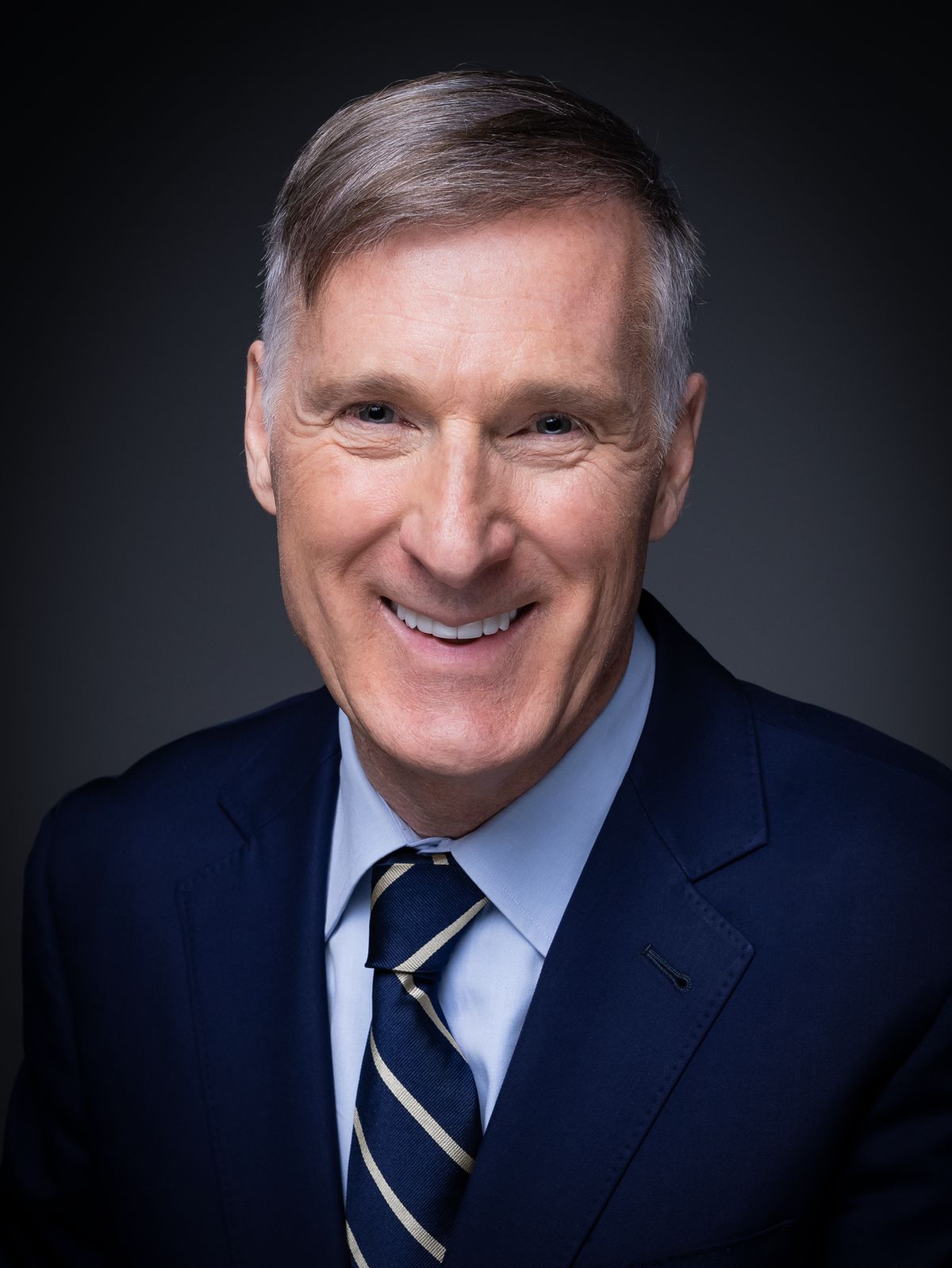
Maxime Bernier's political philosophy blends economic libertarianism, populism, and social conservatism. His core principles are freedom, responsibility, fairness, and respect. Economically, he advocates for free markets, minimal regulation, and low taxation. His proposals include abolishing supply management, eliminating corporate welfare and capital gains taxes, privatizing Canada Post, and allowing foreign ownership in the airline industry. He argues for removing inter-provincial trade barriers, cutting red tape for businesses, and balancing the federal budget within two years. Bernier also proposed reducing tax brackets from five to three and increasing the basic personal exemption from $11,474 to $15,000.
On social and identity issues, Bernier criticizes Canada's immigration levels and multiculturalism policy, arguing for reduced immigration, a greater emphasis on economic immigration, and repeal of the Multiculturalism Act to foster a common national identity. He rejects the scientific consensus on anthropogenic climate change, opposing carbon taxes and international climate agreements. During the COVID-19 pandemic, he opposed vaccine mandates and all public health restrictions. The PPC platform includes plans to restrict abortion access, withdraw from UN agreements, and reform the Indian Act in consultation with First Nations communities. Bernier also proposed streamlining the process for hiring specialized foreign workers and reforming temporary foreign worker programs.
Bernier's approach to federalism emphasizes provincial jurisdiction, supporting the transfer of tax points and control to provinces, including for health care via a transfer point system to replace the Canada Health Transfer. His foreign policy is non-interventionist and nationalist, favouring a Canada First approach that includes leaving NATO and the UN to pursue independent bilateral relationships. He also campaigned on stricter foreign aid standards and phasing out development aid. These comprehensive policies define the PPC as a distinct pole in Canadian politics.
Public Profile, Personal Life and Media Reception
Maxime Bernier is known for a direct communication style and extensive use of social media, particularly Twitter. He has been nicknamed Mad Max, the Bloc-buster, or the Albertan from Quebec by colleagues. Bernier has two daughters. In 2010, he began a relationship with Catherine Letarte, a ballerina and mental health community centre worker, and they married in the summer of 2019. He is fond of quoting economists James M. Buchanan, Friedrich Hayek, and Henry Hazlitt. In September 2013, Bernier ran an ultramarathon across his riding to raise funds for a food bank. In 2014, he participated in the Rodeo de Cochons after a challenge from a local mayor. At the time of the 2025 election, he lived on Nuns' Island (L'Île-des-Sœurs).
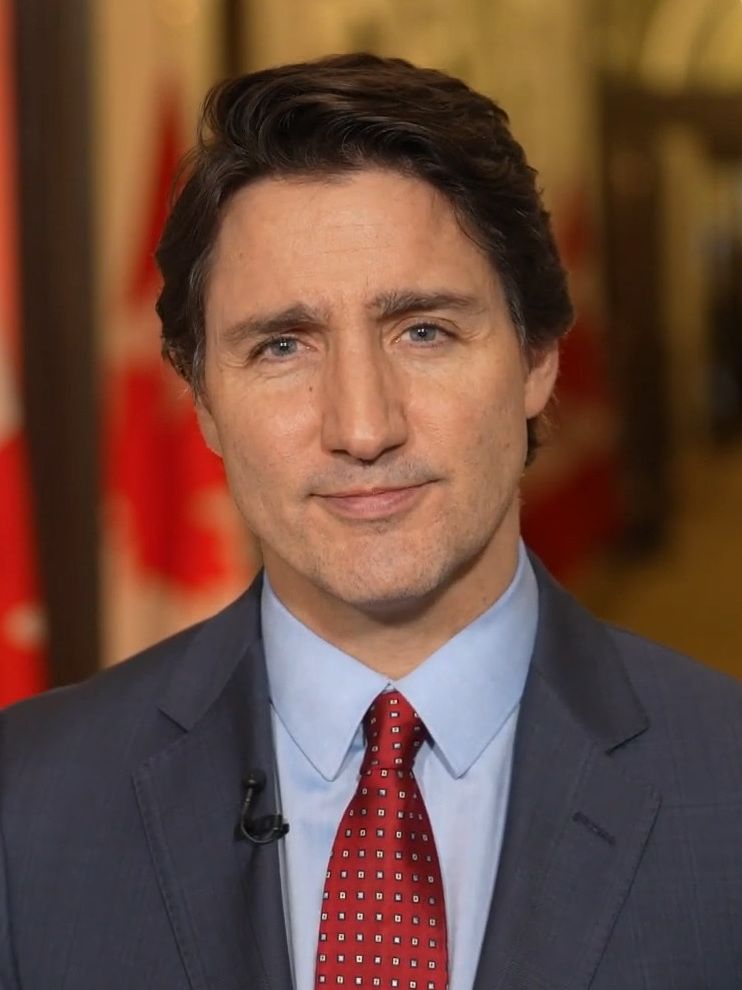
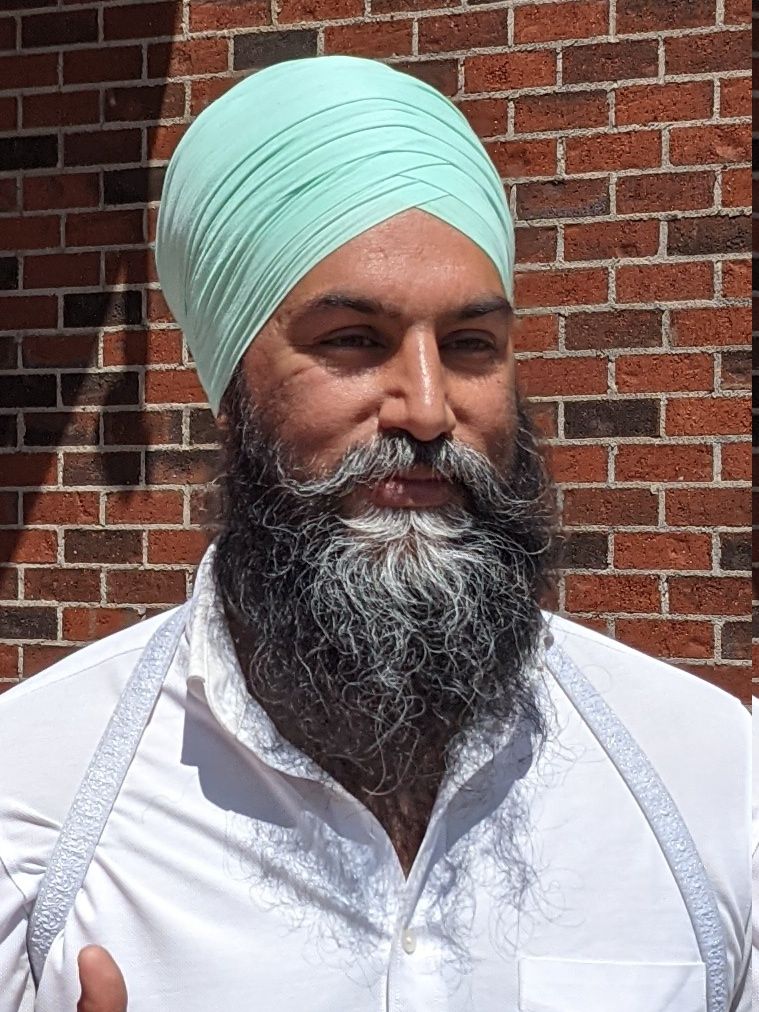
His career has generated significant media coverage, from his early role as a star candidate from Quebec to his founding of the PPC. Media reception has been polarized. Supportive commentators like Andrew Coyne and Christie Blatchford have praised his commitment to principle. As industry minister, he received positive reviews for telecommunications policy from academic Richard J. Schultz. After his 2018 demotion, Coyne suggested he was a victim of a political setup. Commentators in Quebec like Mathieu Bock-Côté and Lise Ravary defended his right to question multiculturalism. Conversely, his statements during the pandemic led to accusations of spreading misinformation. His 2021 arrest for violating health orders maintained his public presence. Bernier continues to engage in public speaking tours across Canada to promote the PPC platform. In July 2021, an affidavit alleged Bernier made a racist remark about NDP leader Jagmeet Singh, which he denied. He supported the 2022 Canada convoy protest and accused governments of violating human rights with pandemic measures.
Questions about Maxime Bernier
Why did Maxime Bernier leave the Conservative Party?
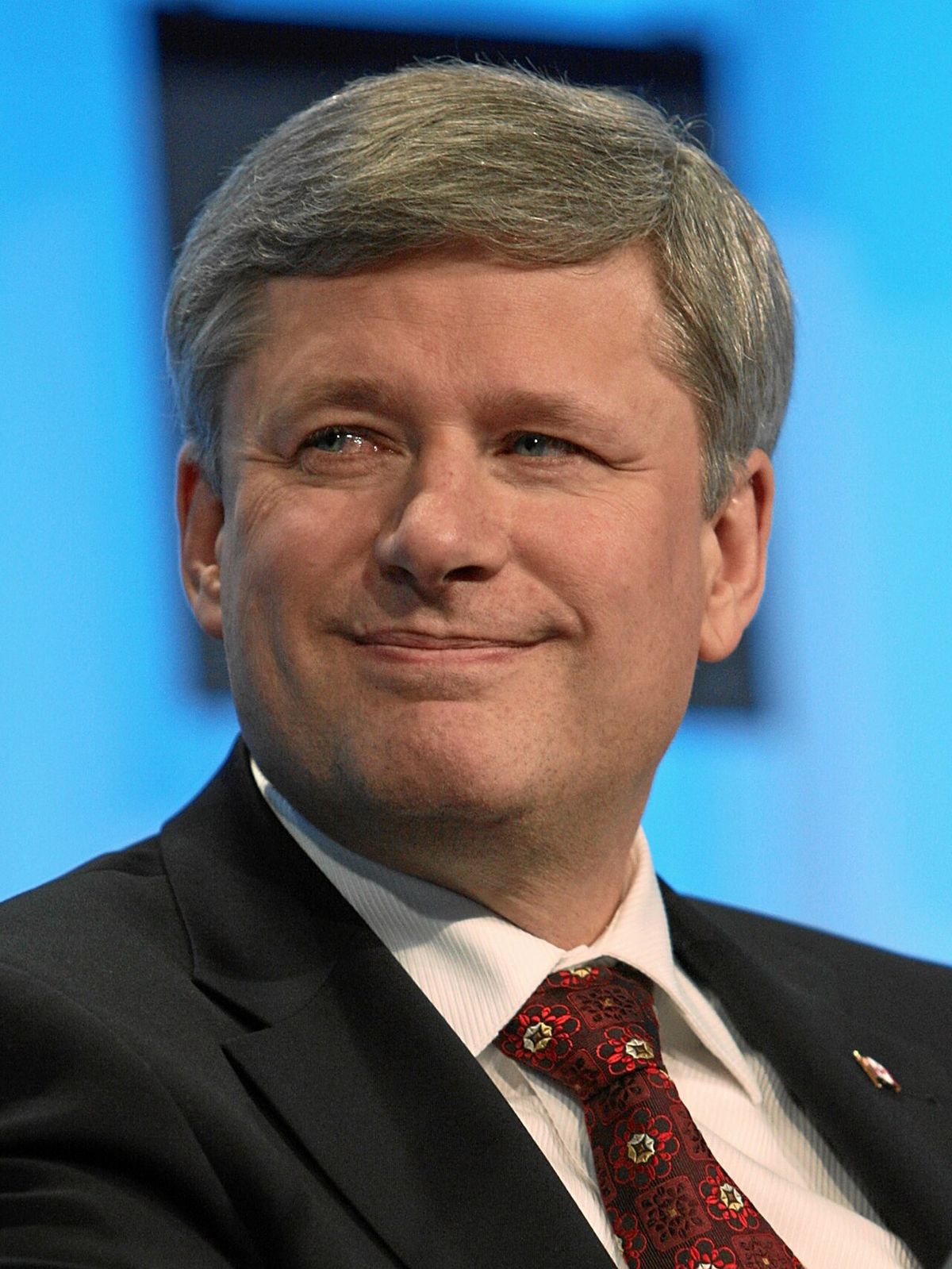
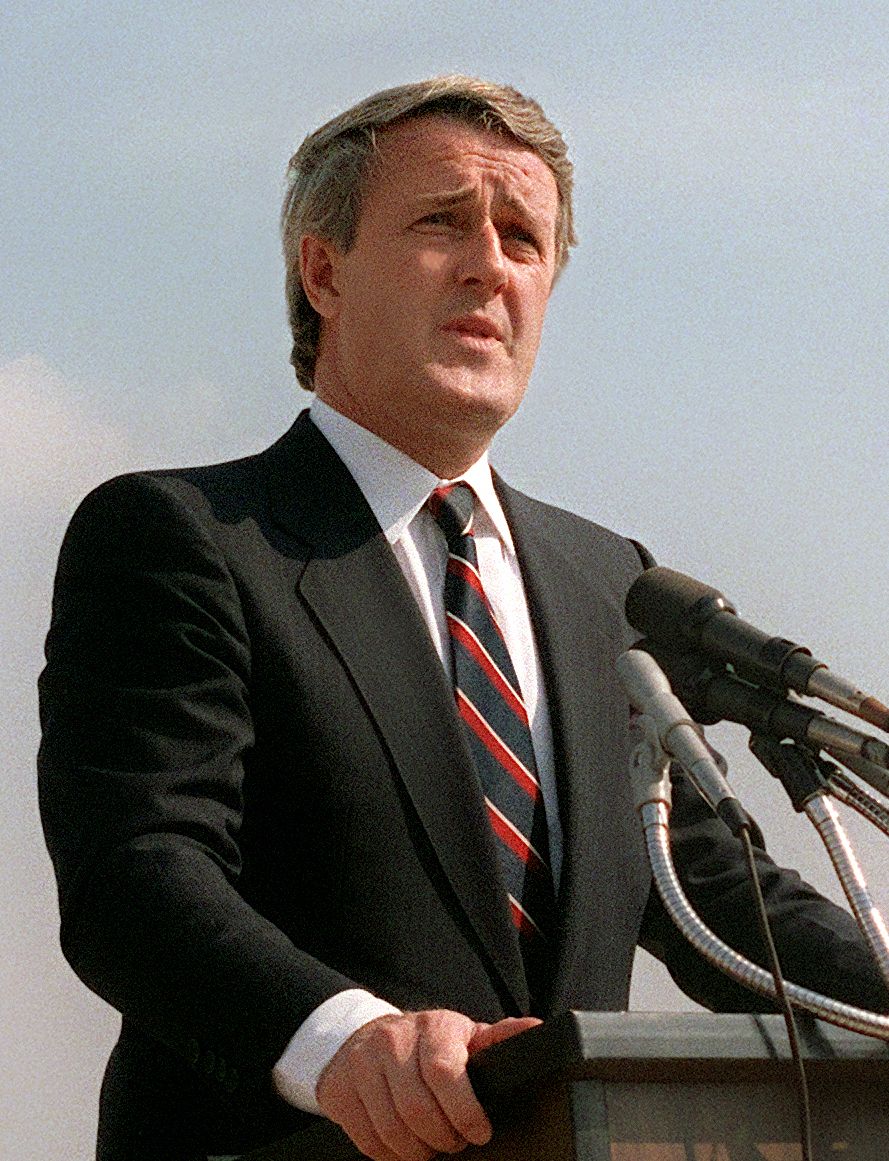
Maxime Bernier left the Conservative Party in August 2018 after disputes with leader Andrew Scheer. The immediate trigger was Scheer dismissing Bernier from the shadow cabinet for posting a book chapter critical of supply management in June 2018. Bernier stated he left because the party was too intellectually and morally corrupt to be reformed and he disagreed with its direction on issues like multiculturalism, corporate welfare, and identity politics. Former prime ministers Stephen Harper and Brian Mulroney criticized his departure.
What are the main policies of the People's Party of Canada?
The People's Party of Canada platform advocates for significantly reducing immigration levels and repealing the Multiculturalism Act. Economically, it proposes abolishing supply management, ending corporate welfare, privatizing Canada Post, and eliminating the capital gains tax. The party rejects mainstream climate science, opposes carbon taxes, and plans to withdraw Canada from the UN and NATO. It also supports restricting abortion access, withdrawing from the Paris Agreement, and replacing the Indian Act.
Has Maxime Bernier ever been arrested?
Yes, Maxime Bernier was arrested on June 11, 2021, in St-Pierre-Jolys, Manitoba, by the Royal Canadian Mounted Police. This arrest was for violating provincial public health orders while attending a rally against COVID-19 restrictions. Following the arrest, Bernier paid $1000 in bail and cancelled the remainder of his tour in Manitoba. He had previously received fines for attending similar anti-lockdown protests in Barrie and Peterborough, Ontario, in April 2021, and in Regina, Saskatchewan, in May 2021.
Did Maxime Bernier ever win a federal election after founding the PPC?
No, Maxime Bernier has not won a federal election since founding the People's Party of Canada. He lost his seat of Beauce in 2019 to Conservative Richard Lehoux. He was unsuccessful there again in 2021 and 2025, placing fourth in 2025. The PPC has not won any seats in the House of Commons in the 2019, 2021, or 2025 federal elections.
What cabinet positions did Bernier hold under Stephen Harper?
Maxime Bernier held three cabinet portfolios. He was Minister of Industry and minister responsible for Statistics Canada from February 2006 to August 2007. He then served as Minister of Foreign Affairs from August 2007 until his resignation in May 2008 following a security breach. After the 2011 election, he was appointed Minister of State for Small Business and Tourism on May 18, 2011, a role expanded on July 15, 2013, to include agriculture, serving as Minister of State for Small Business, Tourism, and Agriculture until the government's defeat in 2015.
How close did Bernier come to winning the Conservative leadership in 2017?
Maxime Bernier came very close to winning the 2017 Conservative leadership. He led through twelve rounds of ranked ballot voting but was defeated in the thirteenth and final round by Andrew Scheer. The final count was Scheer with 50.95 per cent of the points to Bernier's 49.05 per cent, a margin of less than two percentage points. Fellow candidate Michael Chong later said both their campaigns represented real change that the party rejected.
Sources and further reading
- Maxime Bernier (Wikipedia)
- Max Bernier (peoplespartyofcanada.ca)
Checked by the Nosy Mag desk. Last updated 2026-10-24.