List of prime ministers of Canada
The prime minister of Canada is the head of government, chair of the Cabinet, and the primary minister of the Crown. The office is a central part of Canada's constitutional convention, modelled after the British system at Confederation, and its holder is appointed by the governor general, typically the leader of the party with the confidence of the elected House of Commons. Since the first ministry under Sir John A. Macdonald began on 1 July 1867, twenty-four individuals have served as prime minister, forming thirty distinct ministries. The 24th and current prime minister is Mark Carney, who assumed office on 14 March 2025.
Constitutional Role and Appointment
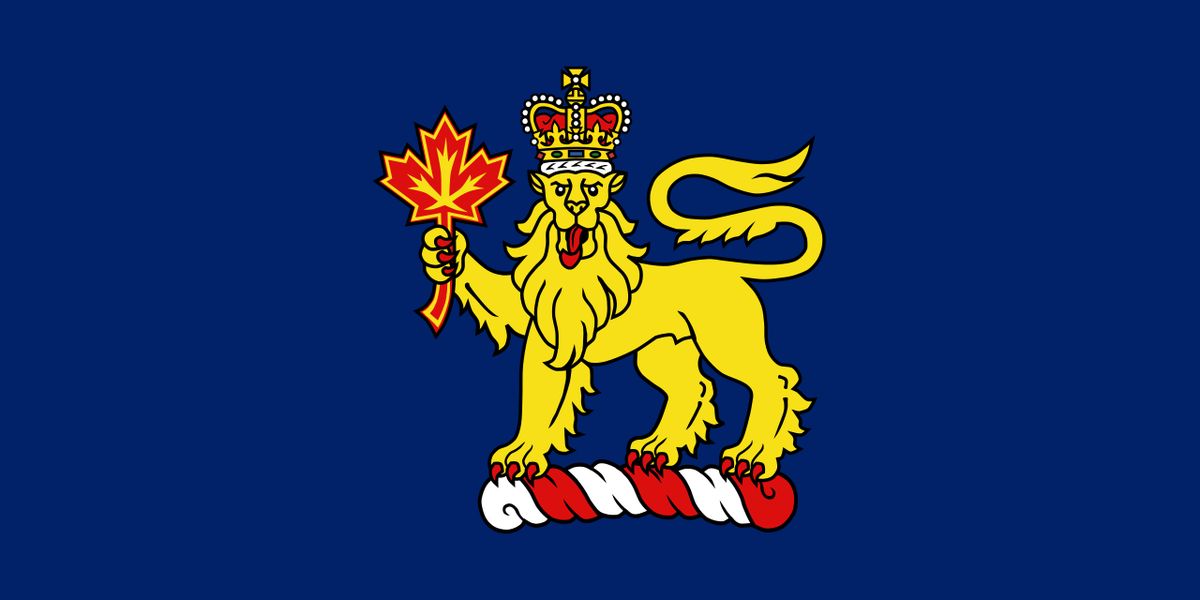
The office of prime minister is not defined in the written documents of the Constitution of Canada. Executive authority is formally vested in the sovereign, currently King Charles III, and is exercised on his behalf by the governor general of Canada. The prime ministership operates entirely within Canada's constitutional convention tradition, a system inherited from the United Kingdom at the time of Confederation in 1867. The governor general holds the formal power of appointment, but by strong convention, they must call upon the individual most likely to command the confidence of the elected House of Commons. This is almost always the leader of the political party that wins the most seats in a general election. In situations of a minority parliament, the governor general may be asked to consider whether an opposition leader can form a stable government if the incumbent resigns.
Another key convention is that the prime minister must hold a seat in Parliament, and since the early 20th century, this has specifically meant a seat in the House of Commons. The prime minister's central role is to lead the Cabinet, the committee of ministers that exercises the practical functions of government. The selection of ministers is the prime minister's responsibility, and the governor general follows the prime minister's advice in formalizing these appointments. The resignation of a prime minister triggers the resignation of the entire ministry, and a returning prime minister is considered to be forming a new ministry. The power dynamics ensure that while the governor general acts as the ceremonial head of state's representative, the democratic will of the House of Commons, as interpreted through party leadership, determines the government's leader.
Term and Tenure
A prime minister's term begins on the date they are sworn into office. Since 1957, all incoming prime ministers have sworn a specific oath as prime minister, though historically some were sworn into another portfolio first. There is no fixed term limit for the office. A prime minister serves without a set end date, meaning until they resign, are dismissed by the governor general, or die. In practice, prime ministers remain in office as long as they maintain the confidence of the House of Commons and their party. The tenure of a prime minister defines a ministry, and since Confederation, there have been 30 such ministries led by 24 different individuals.
The end of a ministry is marked by the prime minister's resignation, death, or dismissal. Since 1920, the convention has been that an outgoing prime minister only formally resigns when a new government is ready to be formed, usually just hours before the new ministry is sworn in. The Interpretation Act of 1967 clarifies that an appointment is considered to change at midnight the day before the swearing-in, a convention some sources apply back to 1917. Only two prime ministers have died in office: Sir John A. Macdonald in 1891 and Sir John Thompson in 1894, both of natural causes. All others have resigned, typically following an election loss or upon retirement from politics.
Historical Overview of Ministries
The history of Canada's prime ministers spans from the Confederation era to the present day, reflecting the nation's political and social evolution. The first prime minister, Sir John A. Macdonald, was commissioned by Governor General the Viscount Monck on 24 May 1867 and his ministry assumed office on 1 July 1867, the date of Confederation. Macdonald's long tenure, split into two ministries from 1867 to 1873 and 1878 to 1891, set many early precedents. The late 19th and early 20th centuries saw a series of relatively short ministries, including those of John Abbott, John Thompson, Mackenzie Bowell, and Charles Tupper, before the lengthy service of Sir Wilfrid Laurier from 1896 to 1911.
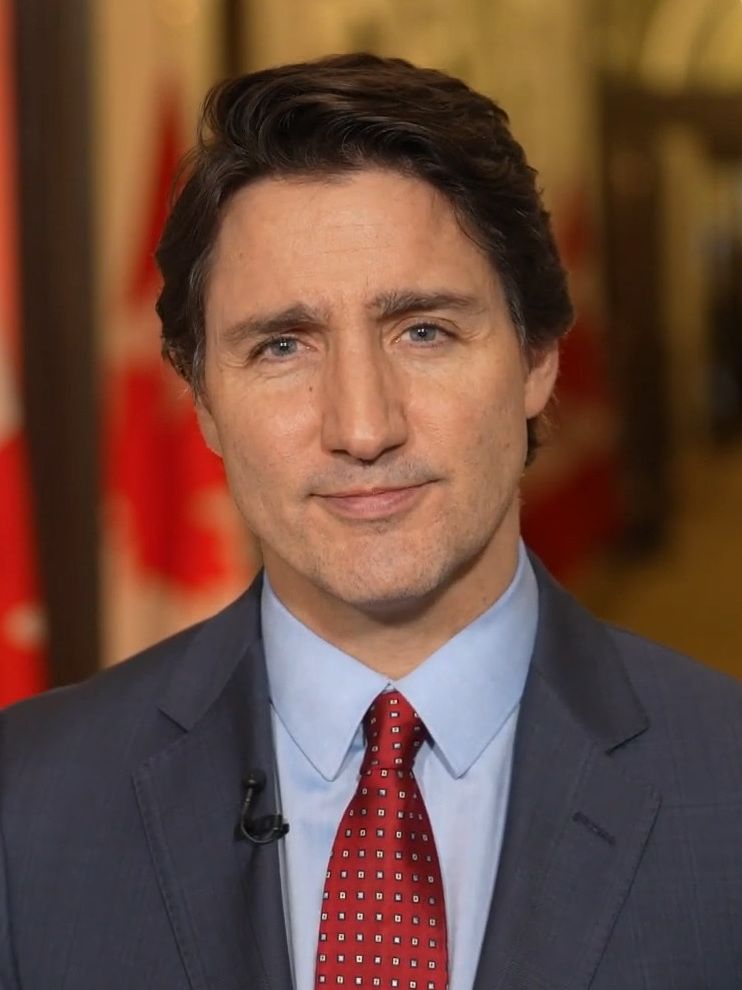
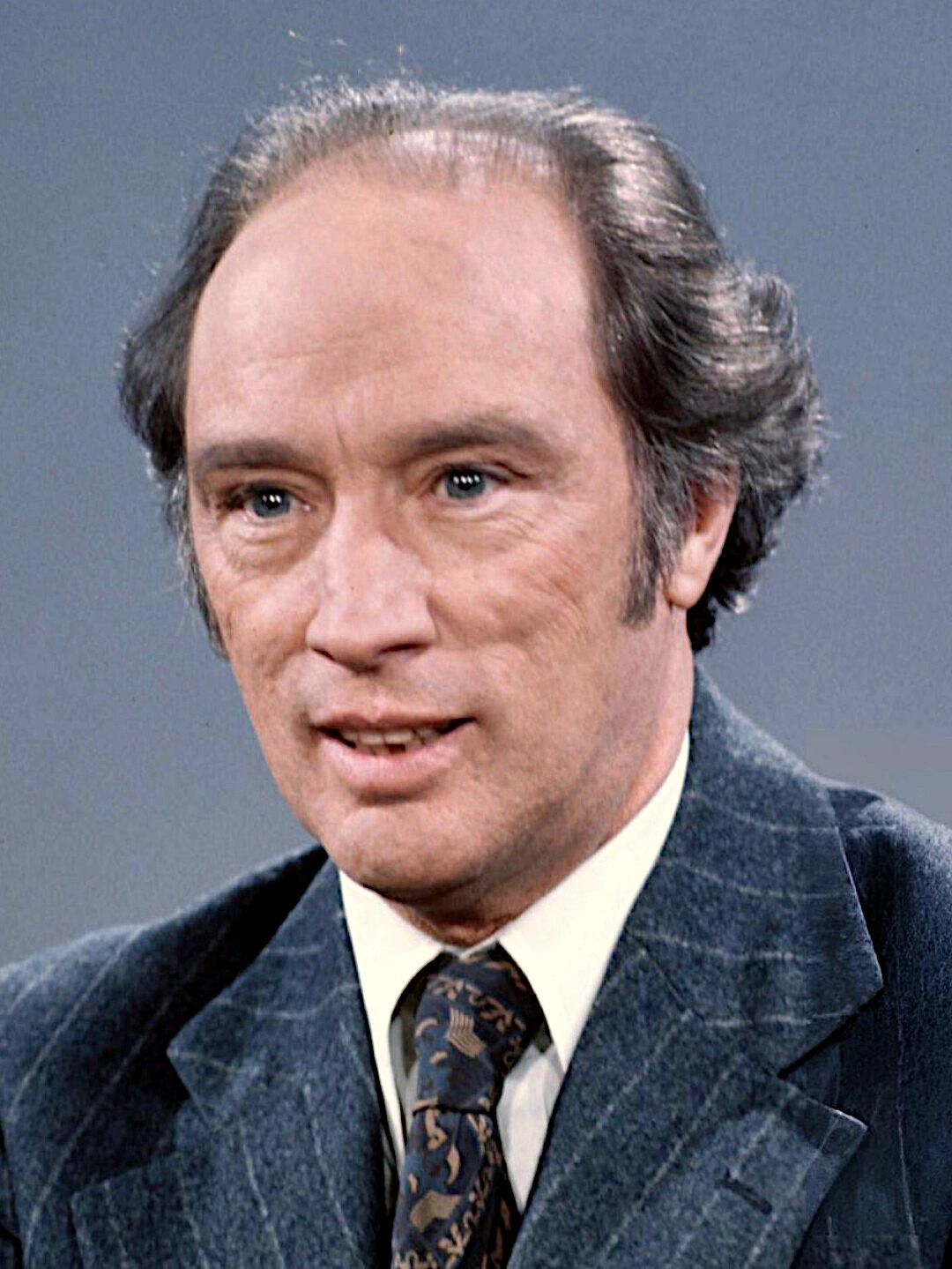
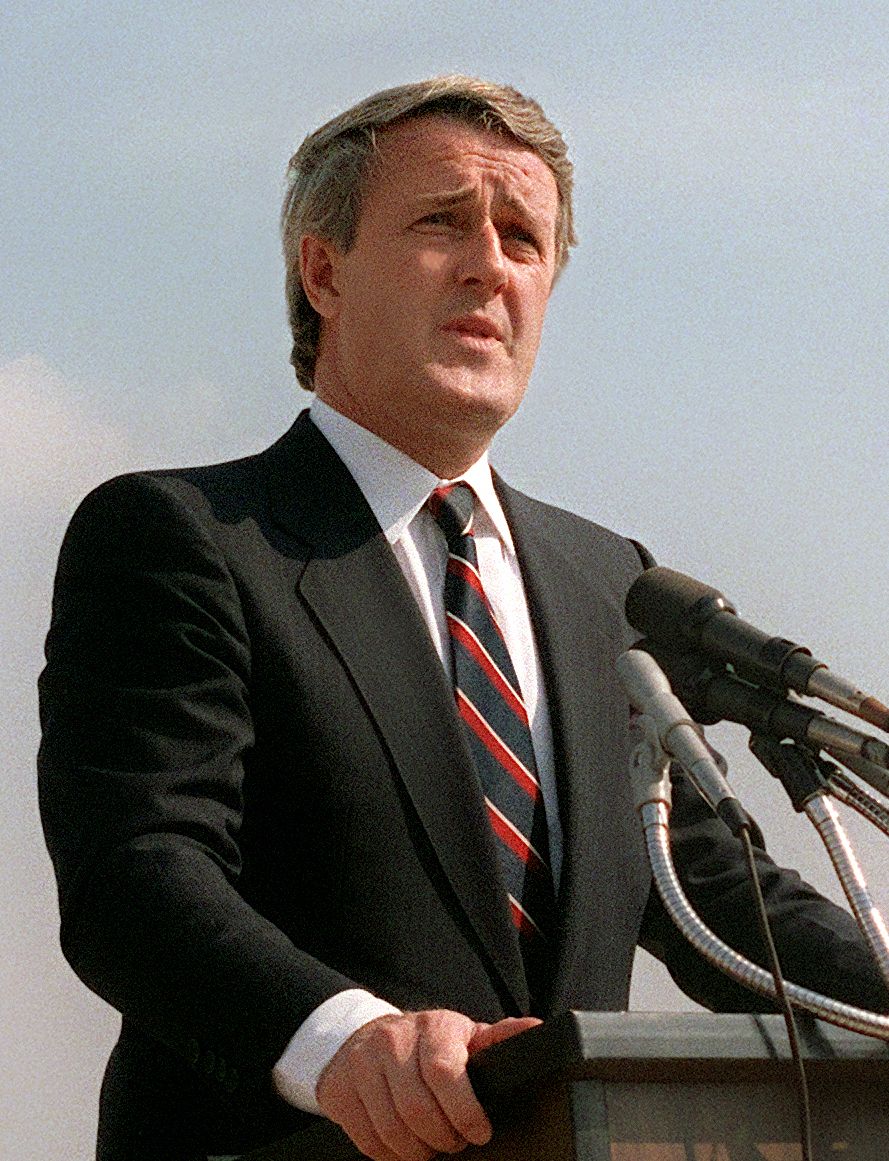
The 20th century was dominated by several long-serving prime ministers who shaped modern Canada. William Lyon Mackenzie King served three separate terms totalling over 21 years, the longest of any prime minister. Louis St-Laurent, John Diefenbaker, Lester B. Pearson, and Pierre Trudeau each led through periods of significant change, including post-war expansion, the patriation of the constitution, and the establishment of official bilingualism. The late 20th century saw the Progressive Conservative governments of Brian Mulroney and the short tenure of Kim Campbell, Canada's first and only female prime minister, in 1993. The subsequent Liberal era under Jean Chrétien and Paul Martin lasted until 2006, giving way to nearly a decade of Conservative government under Stephen Harper from 2006 to 2015. The most recent transitions saw Justin Trudeau lead the Liberal Party to victory in the 2015 election, serving as prime minister until 13 March 2025. On 14 March 2025, Mark Carney was sworn in as the 24th prime minister, forming the 30th ministry. His government has since focused on economic policies, including actions to protect workers from tariffs, as noted in an October 2026 announcement with Ontario Premier Doug Ford.
Notable Prime Ministers and Records
Several prime ministers hold notable records for their service and impact on Canadian history. Sir John A. Macdonald, as the first prime minister, is a foundational figure and is often highly ranked in historical surveys. William Lyon Mackenzie King holds the record for the longest total time in office, serving over 21 years across three non-consecutive ministries between 1921 and 1948. Sir Wilfrid Laurier, who served from 1896 to 1911, was the first francophone prime minister and championed a vision of a bilingual Canada. Pierre Trudeau, prime minister for most of the period between 1968 and 1984, left a deep legacy with the patriation of the Constitution and the Canadian Charter of Rights and Freedoms. The prime minister with the longest life is Sir John A. Macdonald, who lived 94 years and four months, a record that remains as of 2026. The following list highlights key milestones in the office's history.
- First Prime Minister: Sir John A. Macdonald, commissioned 24 May 1867, ministry began 1 July 1867.
- Longest-Serving Prime Minister: William Lyon Mackenzie King, total of over 21 years in office (1921 to 1926, 1926 to 1930, 1935 to 1948).
- First Francophone Prime Minister: Sir Wilfrid Laurier, served from 23 June 1896 to 6 October 1911.
- Only Female Prime Minister: Kim Campbell, served from 25 June 1993 to 3 November 1993.
- Prime Ministers Who Died in Office: Sir John A. Macdonald (1891) and Sir John Thompson (1894).
- Current Prime Minister: Mark Carney, assumed office 14 March 2025.
The Ministry and Government Formation
A ministry is the practical governing entity led by a prime minister, and its lifespan is coterminous with the prime minister's tenure. The process begins when the governor general calls upon an individual to form a government. This invitation is based on the governor general's assessment of who can command the confidence of the House of Commons. Once commissioned, the prime minister-designate selects the members of the Cabinet, and the governor general swears them into their respective offices. The entire ministry is sworn in, marking the official start of the new administration. The prime minister's power to advise the governor general on the appointment, dismissal, or acceptance of a minister's resignation is a central feature of the Westminster system. The dissolution of a ministry occurs upon the prime minister's resignation, death, or dismissal, and since 1920, the outgoing prime minister typically remains in office until their successor is ready to be sworn in, ensuring continuity of government.
Since Confederation, there have been 30 Canadian ministries formed by 24 prime ministers. A ministry is determined by the tenure of its prime minister, calculated from the day they take the oath of office to the day they resign, die, or are dismissed. This structure shows that while individuals may return to power, each ministry is a distinct administrative entity. The count of 30 ministries since 1867 highlights periods of stability and change, with some prime ministers, like John A. Macdonald, leading multiple separate ministries.
| Ministry Number | Prime Minister | Party | Dates of Ministry |
|---|---|---|---|
| Twenty-Ninth | Justin Trudeau | Liberal | 4 November 2015 to 13 March 2025 |
| Thirtieth | Mark Carney | Liberal | 14 March 2025 to present |
Selection Process and Party Leadership
The path to becoming prime minister almost invariably runs through leadership of a major political party. When a sitting prime minister resigns or dies while their party is in power, the governing party typically holds a leadership convention to choose a new leader. That new party leader is then called upon by the governor general to become prime minister and form a new ministry, as was the case for Louis St-Laurent in 1948, Pierre Trudeau in 1968, John Turner in 1984, Kim Campbell in 1993, and Paul Martin in 2003. This internal party process allows for a transition of power within the governing caucus without the need for an immediate general election. More commonly, a person becomes prime minister following a general election where their party wins a plurality or majority of seats in the House of Commons.
The governor general, by convention, invites the leader of that party to form a government. Examples include the elections of 1896 that brought Wilfrid Laurier to power, 1935 that returned William Lyon Mackenzie King, 1957 that elected John Diefenbaker, 1963 that brought Lester Pearson, 1984 that elected Brian Mulroney, 2006 that elected Stephen Harper, and 2015 that elected Justin Trudeau. In a minority parliament, the process can be more complex, as the governor general must ascertain which leader can secure the confidence of the House, sometimes leading to negotiations between parties. The selection process thus blends internal party democracy with the constitutional conventions governing the formation of a government.
The Prime Minister in Parliament
A fundamental constitutional convention requires the prime minister to hold a seat in Parliament. Since the early 20th century, this has specifically meant a seat in the House of Commons, the elected chamber. This convention ensures the prime minister is directly accountable to the elected representatives of the people and can participate in daily Question Period, defend government policy, and build support for legislation. While there is no legal barrier preventing a senator from being prime minister, the convention is now so entrenched that any prime minister without a Commons seat would be expected to seek one promptly through a by-election. The prime minister's role in the House is central to the operation of responsible government.
They lead the government's legislative agenda, announce major policies, and face scrutiny from opposition members. The prime minister's ability to maintain the confidence of the House is the ultimate test of their authority. If the government loses a vote of confidence, typically on a major budgetary matter, the prime minister is expected to resign or request the governor general to dissolve Parliament for an election. This direct link between executive power and legislative support is the bedrock of Canada's parliamentary democracy, ensuring the government remains answerable to the people's elected representatives on a continual basis.
Questions about List of prime ministers of Canada
Who is the current prime minister of Canada?
The current prime minister of Canada is Mark Carney. He assumed office on 14 March 2025, becoming the 24th person to serve as prime minister. Carney was appointed by the governor general to form the 30th Canadian ministry since Confederation. His appointment followed the resignation of the previous prime minister, Justin Trudeau.
How is the prime minister of Canada chosen?
The prime minister is officially appointed by the governor general of Canada. By constitutional convention, the appointed prime minister must have the confidence of the elected House of Commons. Normally, this person is the leader of the party caucus with the greatest number of seats in the house. In a minority parliament, the governor general may ask an opposition leader to form a government if they are persuaded that leader has the House's confidence.
How long can a prime minister serve?
There is no term limit for a prime minister in Canada. They serve until they resign, are dismissed by the governor general, or die. In practice, a prime minister remains in office as long as they maintain the confidence of the House of Commons. William Lyon Mackenzie King served the longest total time, over 21 years.
Who was the first prime minister of Canada?
The first prime minister of Canada was Sir John A. Macdonald. He was commissioned by the Viscount Monck, the governor general, on 24 May 1867 to form the first government of the Canadian Confederation. Macdonald's first ministry officially assumed office on 1 July 1867. He served two separate terms, from 1867 to 1873 and again from 1878 to 1891.
What is the difference between a ministry and a prime minister?
A ministry is the government administration formed by a prime minister upon taking office. Since Confederation, 24 individuals have served as prime minister, but they have formed 30 distinct ministries. This means some prime ministers, like John A. Macdonald, formed more than one ministry during their political careers. The term of a ministry begins when the prime minister and cabinet are sworn into office.
Has Canada ever had a female prime minister?
Yes, Canada has had one female prime minister. Kim Campbell served as the 19th prime minister from 25 June 1993 to 3 November 1993. She became prime minister upon the resignation of Brian Mulroney, having been chosen as leader of the Progressive Conservative Party on 13 June 1993. Of the 24 people who have served as prime minister, 23 have been men and one has been a woman.
Sources and further reading
- List of prime ministers of Canada (Wikipedia)
- Government Ministries and Prime Ministers of Canada ... (ourcommons.ca)
- Prime Ministers of Canada | Overview, Duties & Timeline, Lesson (study.com)
Checked by the Nosy Mag desk. Last updated 2026-10-26.