History of Quebec City
Quebec City, the capital of the province of Quebec, is one of the oldest European settlements in North America and a foundational site of French civilization in Canada. Founded as a permanent French trading post by Samuel de Champlain in 1608, its strategic location on the cliffs overlooking the St. Lawrence River shaped its destiny as a military stronghold, a seat of colonial government, and a vital economic port. The city's history, marked by major conflicts like the Battle of the Plains of Abraham in 1759 and the American siege of 1775, reflects the broader colonial struggles between France and Britain for control of the continent. Today, Quebec City is a UNESCO World Heritage Site, its preserved fortifications and historic districts offering Canadians a direct, tangible connection to over four centuries of national history.
Foundations and Early French Settlement
The site of Quebec City has been inhabited for thousands of years, first by First Nations peoples. The first recorded European contact was by French explorer Jacques Cartier, who visited the Iroquois settlement of Stadacona in 1535. In 1541, Cartier returned with some 400 persons to establish Fort Charlesbourg-Royal in present-day Cap-Rouge, the earliest known French settlement in North America, but it was abandoned a year later. Permanent European settlement began on July 3, 1608, when Samuel de Champlain, along with Pierre Dugua de Mons, established L'Habitation, a wooden fort and trading post at the narrows of the St. Lawrence River, a location whose Algonquin name, Kebec, gave the city its name. The initial winter was devastating, with 20 of the 28 men dying, but the outpost endured. The first successful French farmers, Louis Hébert and Marie Rollet, arrived in 1617, and the first French child born in Quebec was Hélène Desportes in 1620. Champlain built Fort Saint-Louis on the top of Cape Diamond starting in 1620, completing it in 1626.
Development Under the French Regime
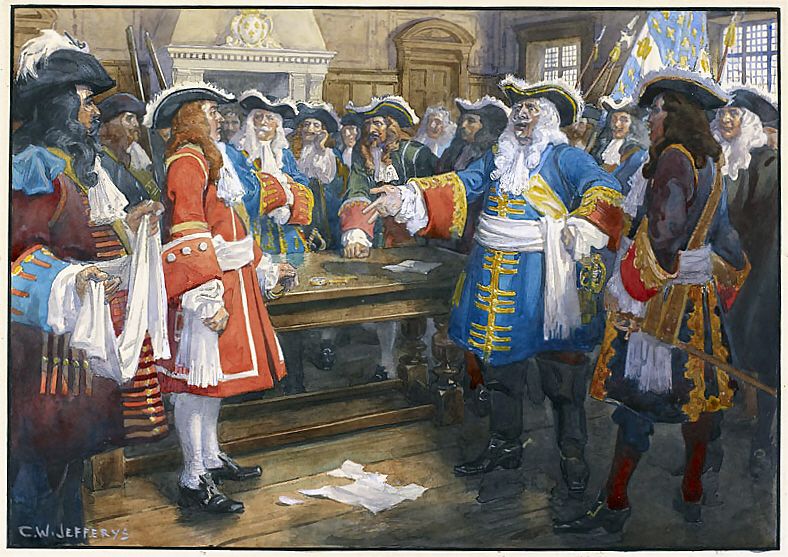
From its founding until 1663, Quebec City was the administrative centre for the Company of New France. Following the royal takeover by King Louis XIV in 1663, it became the capital of New France, housing the colonial government. This government was led by a Governor General, responsible for military and diplomatic affairs, and an Intendant, who managed justice and finance. Both reported directly to the French Minister of the Navy. Quebec also served as the seat of the Sovereign Council, a legislative and judicial body, and became the religious centre of the colony with the establishment of the Diocese of Quebec in 1674 under its first bishop, François de Laval. The city's population grew slowly but steadily from a handful of settlers to over 500 by 1663, and reached about 1,300 inhabitants by 1681. The society was stratified, with colonial elites and clergy residing in the Upper Town near centres of power, while merchants, sailors, and artisans populated the Lower Town. By 1700, two-thirds of the population lived in the Lower Town, but by 1744 the distribution became more even, with the Upper Town housing almost half the inhabitants.
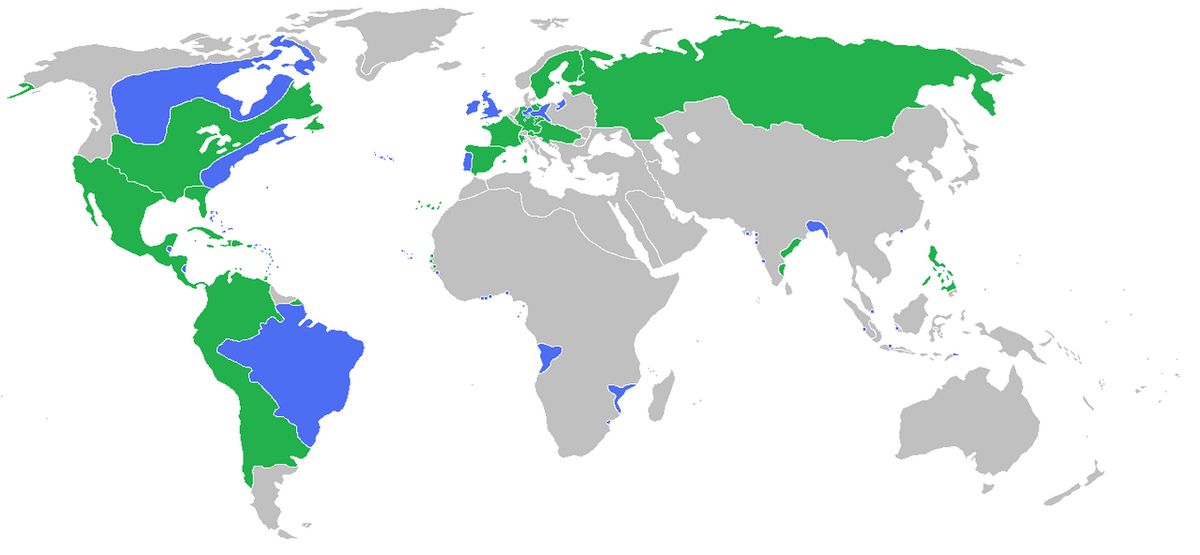
The economy of New France was tightly controlled by mercantilist policies, and Quebec City's deep-water harbour made it the colony's primary port. The city exported furs to France, and lumber and fish to the French West Indies, importing wine, textiles, metal goods, and luxury items from France, and sugar, molasses, and coffee from the Caribbean. A chronic shortage of hard currency led to the use of playing cards as money. The population was highly mobile, with many French immigrants returning home after several years. Only about 31.6 percent of the estimated 27,000 immigrants who came during the French regime remained permanently. Nevertheless, by the time of the British conquest in 1759, New France had a population of over 60,000, with Quebec City as its principal urban centre. During the peaceful early 1720s, the port saw an average of 40 ships arrive each year.
Military Conflicts and Sieges
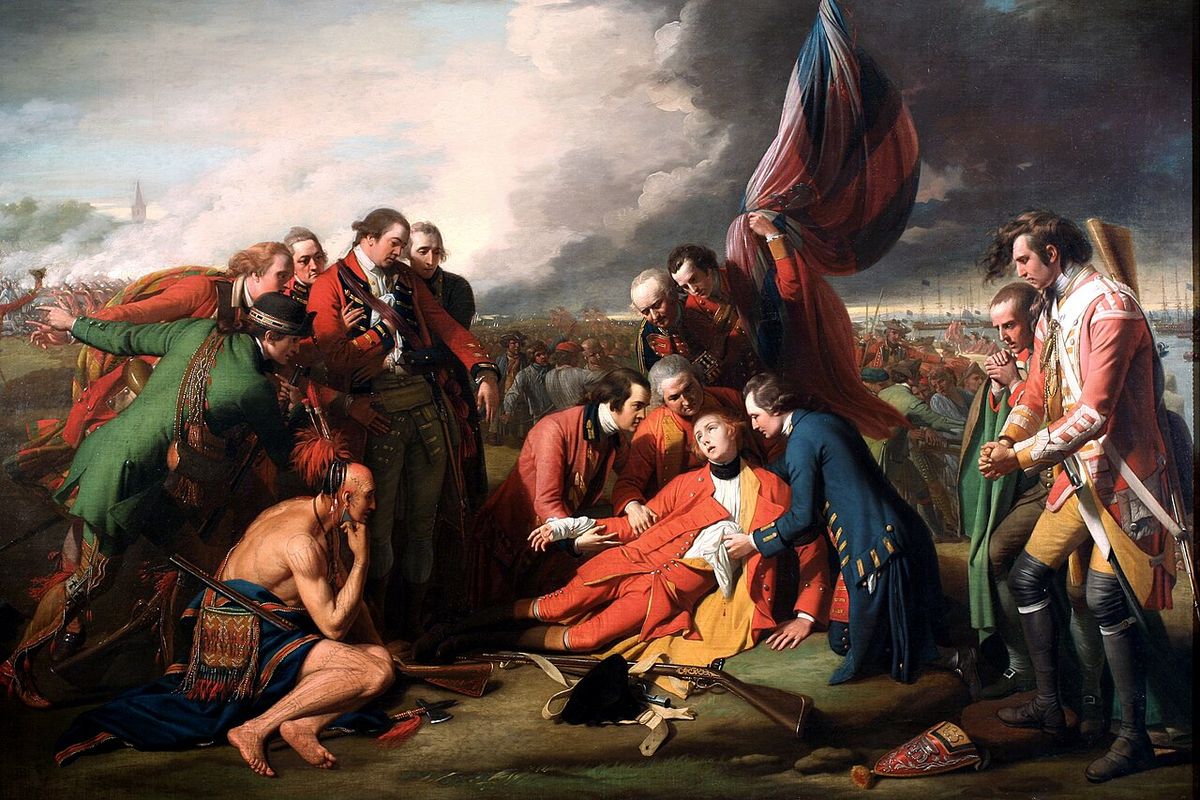
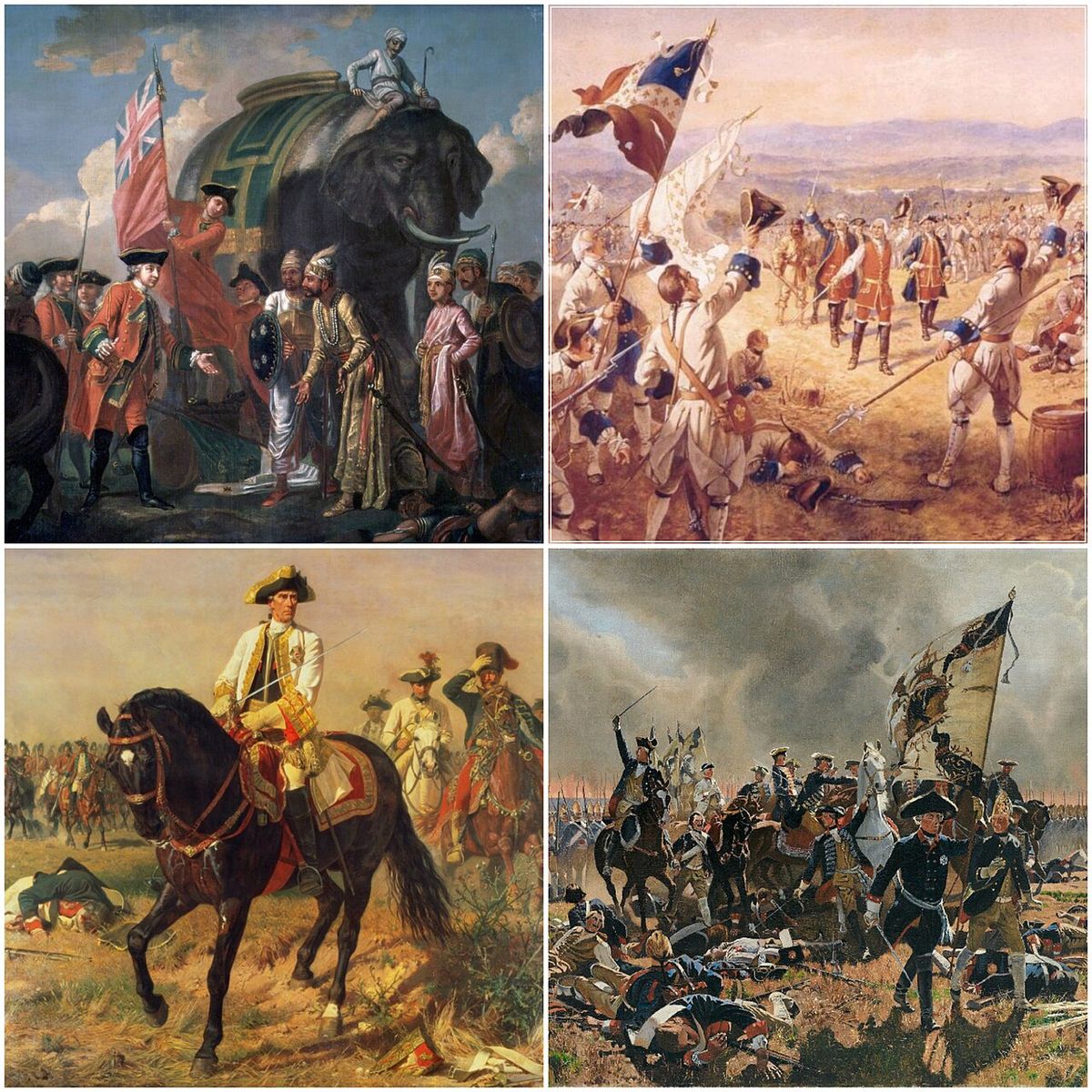
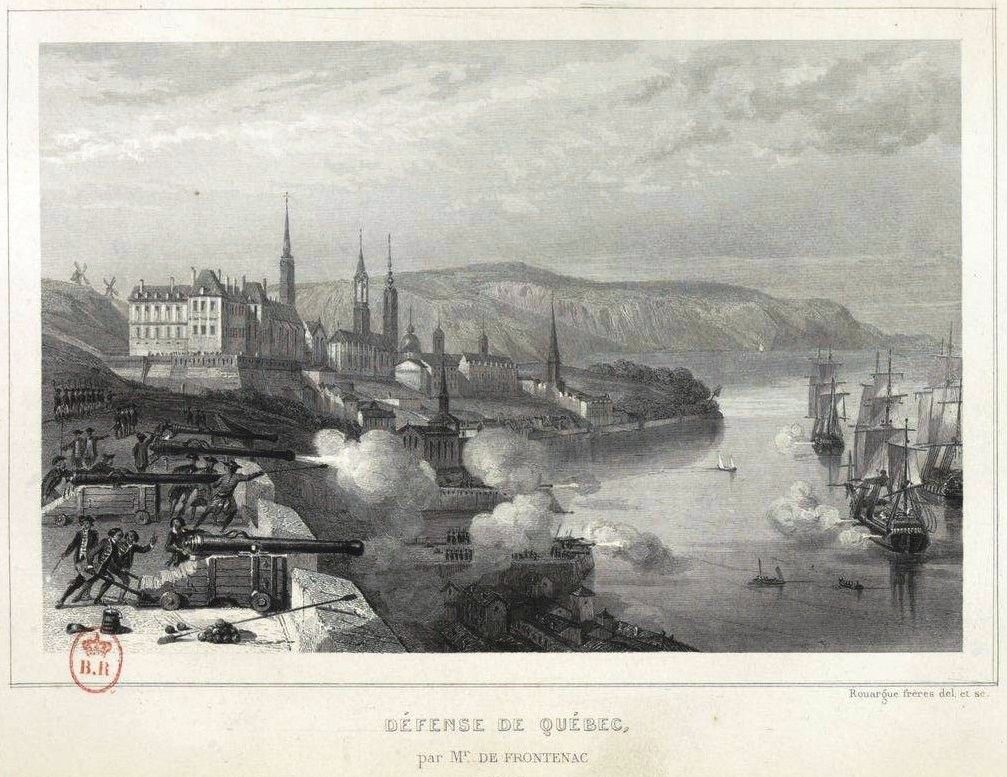
Quebec City's strategic location made it a frequent target in colonial wars. Its first capture occurred in 1629 when English forces led by the Kirke brothers took the town, holding it until it was returned to France by treaty in 1632. The city successfully repelled two major Anglo-American assaults in the late 17th and early 18th centuries. In 1690, during King William's War, an expedition led by Admiral Sir William Phips failed to capture the city after being met with heavy French artillery fire. In 1711, during Queen Anne's War, Admiral Hovenden Walker's invasion fleet was wrecked in the St. Lawrence River before reaching Quebec, resulting in the drowning of an estimated 740 soldiers. The defining military event was the Seven Years' War. The British, commanded by General James Wolfe, besieged the city for three months in 1759. The French army was led by the Marquis de Montcalm. The battle on the Plains of Abraham lasted approximately 15 minutes. Both Wolfe and Montcalm were mortally wounded, and the British victory led to the surrender of Quebec City.
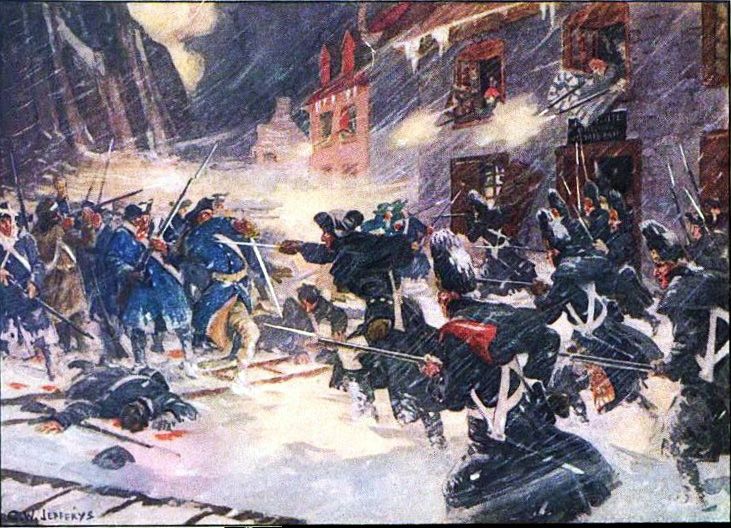
Under British control, the city faced another major attack during the American Revolutionary War. In late 1775, American forces led by General Richard Montgomery and Colonel Benedict Arnold invaded Canada, aiming to rally support against Britain. The main assault on Quebec City during a blizzard on December 31, 1775, failed, resulting in Montgomery's death and Arnold's injury. The Americans then maintained a siege until May 6, 1776, when the arrival of British reinforcements forced their retreat. Historical reenactments of these sieges, such as the Battlefields event focusing on 'Québec City under Siege' held on the Plains of Abraham in September 2025, continue to educate the public about these conflicts. The 2025 event featured over 200 reenactors depicting military and civilian life from the 17th and 18th centuries.
Transition and Growth Under British Rule
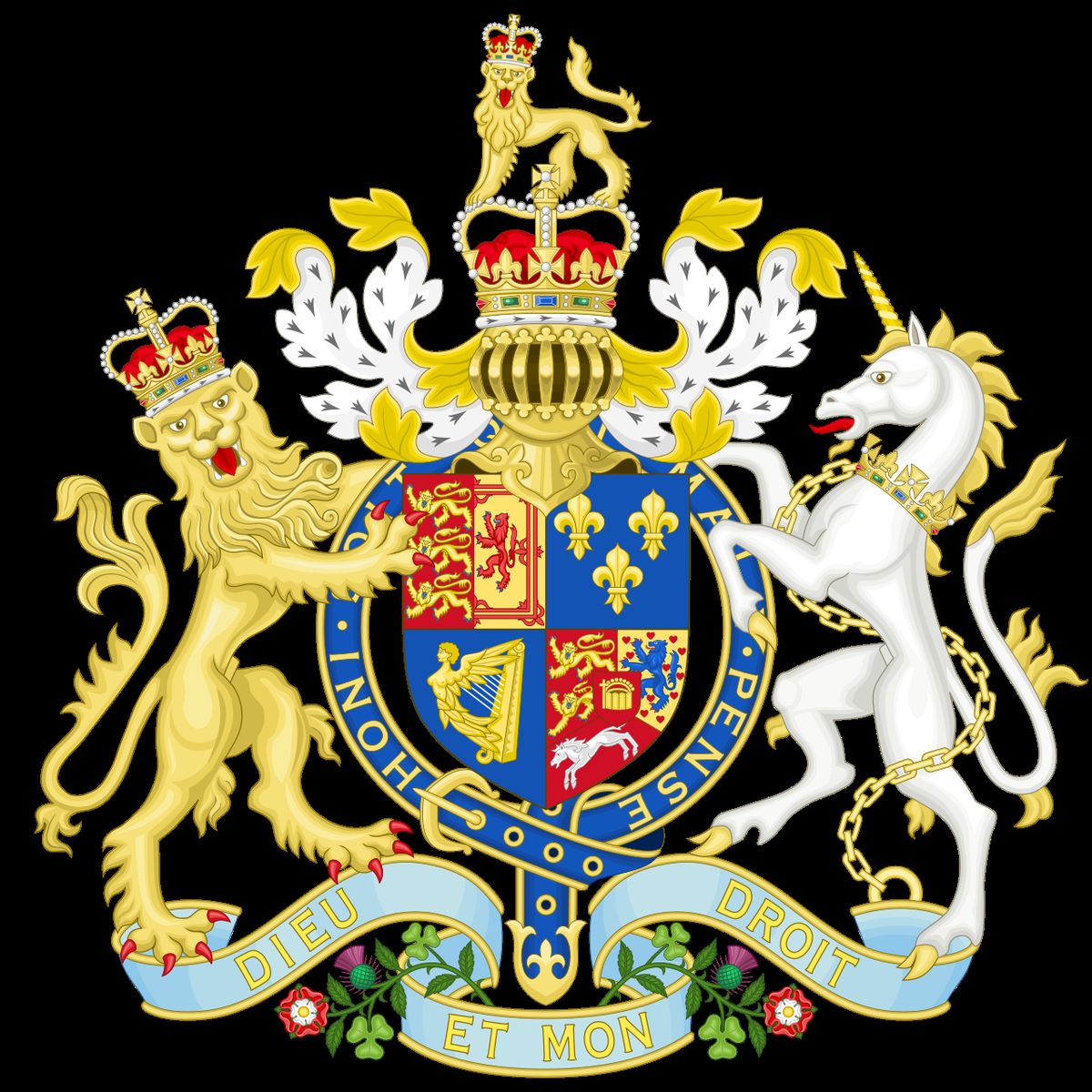
Following the Treaty of Paris in 1763, which formally ceded New France to Britain, Quebec City's predominantly French-speaking Catholic population came under Protestant British rule. The Quebec Act of 1774 was a crucial piece of legislation that allowed Canadiens to freely practice Catholicism and use French civil law, helping to secure their loyalty. The Constitutional Act of 1791 divided the Province of Quebec into Upper Canada (English-speaking) and Lower Canada (French-speaking), with Quebec City named the capital of Lower Canada. Throughout this period, the city's economy expanded significantly, driven largely by the timber trade. By the early 19th century, Quebec City had become the third largest port in North America, welcoming thousands of immigrants and experiencing a sustained business boom. The city was officially incorporated in 1832 and received its charter in 1840.
The 20th Century and Modern Era
The 20th century saw Quebec City develop its modern infrastructure and international profile. A major engineering feat, the Quebec Bridge, was completed in 1917 after a tragic construction process that included two collapses and the deaths of over 80 workers. It remains the world's longest cantilever bridge. During the Second World War, the city's Citadelle and the Château Frontenac hosted two Allied conferences. The first Quebec Conference in 1943 included U.S. President Franklin D. Roosevelt, British Prime Minister Winston Churchill, Canadian Prime Minister William Lyon Mackenzie King, and Chinese Minister of Foreign Affairs T. V. Soong. A second conference was held in 1944 with Churchill and Roosevelt. In 1972, the city founded a professional hockey team, the Quebec Nordiques, though the team relocated to Denver in 1995. A significant administrative change occurred on January 1, 2002, when Quebec City amalgamated with 11 surrounding municipalities, including Sainte-Foy, Beauport, and Charlesbourg. The city hosted the Summit of the Americas in 2001, where the Free Trade Area of the Americas was discussed, and the World Police and Fire Games in 2005, attracting approximately 11,000 athletes.
Cultural Heritage and Contemporary Life
Quebec City's rich history is its defining characteristic and a major driver of its tourism and cultural life. The historic district of Old Quebec, surrounded by 4.6 kilometres of fortifications, is a UNESCO World Heritage Site and the only remaining fortified city north of Mexico. It is divided into the Upper Town, dominated by the Château Frontenac and military installations, and the Lower Town, with its narrow streets and old port. The city celebrates its past through numerous festivals and events that attract both residents and visitors. The Fêtes de la Nouvelle-France (New France Festival), held annually since 1997, transforms Old Quebec into an 18th-century village with costumed interpreters, traditional music, and period crafts. The 2026 edition is scheduled for August 6 to 9. Battlefields Park, which includes the Plains of Abraham, hosts historical reenactments like the 2025 'Québec City under Siege' event, featuring demonstrations of 17th and 18th-century military life. The Plains of Abraham Museum frequently hosts related exhibitions, such as 'Québec 1775: Blizzards and Battle,' which ran until January 2026.
- The city's culinary scene has gained international recognition, with restaurants like Tanière³ earning two Michelin stars and several others receiving one star.
- Major annual events include the Grands Feux Loto-Québec fireworks festival, the Festibière de Québec beer festival, and the Plein Art craft fair.
- Beyond the old city, neighbourhoods like Saint-Roch, Limoilou, and Montcalm offer arts, dining, and community spaces.
- Natural attractions such as Montmorency Falls, Île d'Orléans, and Jacques-Cartier National Park provide opportunities for outdoor recreation just minutes from the urban core.
- The city also features modern leisure facilities like the Village Vacances Valcartier resort and the Baie de Beauport beach area.
The Catholic faith played a significant role in the settling and development of Quebec City. The Recollets were the first religious order to arrive in 1615, followed by the Jesuits in 1625, who founded a college in Quebec City by 1635. Female religious orders arrived by 1639, with the Ursulines providing education and the Augustinians servicing the Hôtel-Dieu de Québec. The city became a formal parish in 1664 and a diocese in 1674. After the English conquest, residents were permitted to continue practicing Catholicism under the Quebec Act of 1774.
Historical Population of Quebec City
| Year | Approximate Population | Notes |
|---|---|---|
| 1608 | 28 | Founding population of L'Habitation |
| 1627 | 100 | Fewer than a dozen were women |
| 1650 | >500 | City contained about 30 homes |
| 1663 | >500 | City contained about 100 homes |
| 1681 | 1,300 | Significant growth in the late 17th century |
| 1759 | Part of >60,000 | Population of all New France at the conquest |
Questions about History of Quebec City
When was Quebec City founded and by whom?
Quebec City was founded on July 3, 1608, by French explorer Samuel de Champlain, who established a permanent trading post called L'Habitation. This founding followed earlier, temporary French settlements in the area, including Fort Charlesbourg-Royal built by Jacques Cartier's expedition in 1541. Champlain chose the site at the narrows of the St. Lawrence River, a strategic location for trade and defence. The city is one of the oldest European settlements in North America.
Did the Americans ever try to capture Quebec City?
Yes, American forces invaded Canada and attacked Quebec City in 1775 during the early stages of the American Revolutionary War. An assault led by Generals Richard Montgomery and Benedict Arnold on December 31, 1775, was repulsed by British and Canadian defenders. Montgomery was killed and Arnold wounded. The Americans then maintained a siege of the city until the arrival of British reinforcements on May 6, 1776, forced them to retreat.
What major modern event changed Quebec City's boundaries?
A major municipal merger on January 1, 2002, changed Quebec City's boundaries. The city amalgamated with 11 surrounding towns to form a new, larger city. The merged municipalities included Sainte-Foy, Beauport, Charlesbourg, Sillery, Loretteville, Val-Bélair, Cap-Rouge, Saint-Émile, Vanier, and Lac-Saint-Charles. This consolidation created what is often called the 'New Quebec city' and significantly expanded its administrative area.
What historical festivals can visitors experience in Quebec City?
Quebec City hosts several immersive historical festivals. The premier event is the Fêtes de la Nouvelle-France (New France Festival), held annually in August, which transforms Old Quebec into an 18th-century village with costumed interpreters, traditional music, and artisan demonstrations. The 2026 edition runs from August 6 to 9. The National Battlefields Commission organizes events like Battlefields on the Plains of Abraham, featuring historical reenactments of sieges from 1690, 1759, and 1775.
What was the outcome of the Battle of the Plains of Abraham?
The outcome was a British victory and the surrender of Quebec City. This battle was a key moment during the Seven Years' War in 1759. The British forces, commanded by General James Wolfe, besieged the city for three months before engaging the French army led by the Marquis de Montcalm on the Plains of Abraham. The combat itself lasted approximately fifteen minutes. This decisive British victory led directly to the fall of Quebec City, a major step towards the British conquest of New France.
Why is Old Quebec a UNESCO World Heritage Site?
Old Quebec is a UNESCO World Heritage Site as it is the only fortified city north of Mexico whose walls remain largely intact. Founded in 1608 by Samuel de Champlain, it is one of the oldest European settlements in North America. The historic district features hundreds of historical monuments and a unique architecture that reflects both French and British institutions. Its urban framework, established as a traditional French 'ville', and its role as the capital of New France and later British colonial administration contribute to its outstanding universal value.
Sources and further reading
- History of Quebec City (Wikipedia)
- Time Travel to New France: Experience This Unique Event in ... (quebec-cite.com)
- Québec City under Siege: a free event accessible to the ... (plainsofabraham.ca)
- This tour is offered on a gratuity basis! (quebec1608.com)
Checked by the Nosy Mag desk. Last updated 2026-10-30.