Battle of the Plains of Abraham
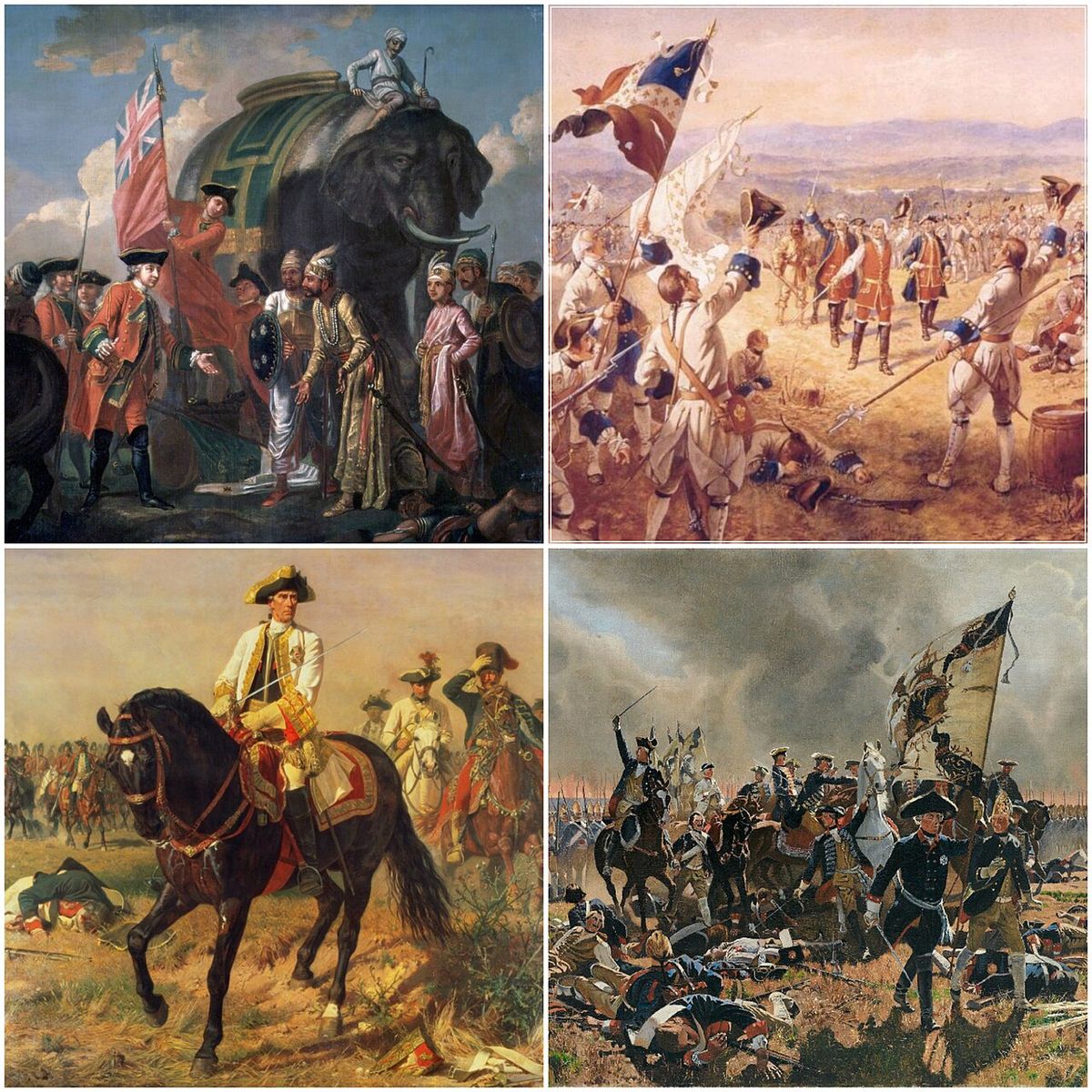
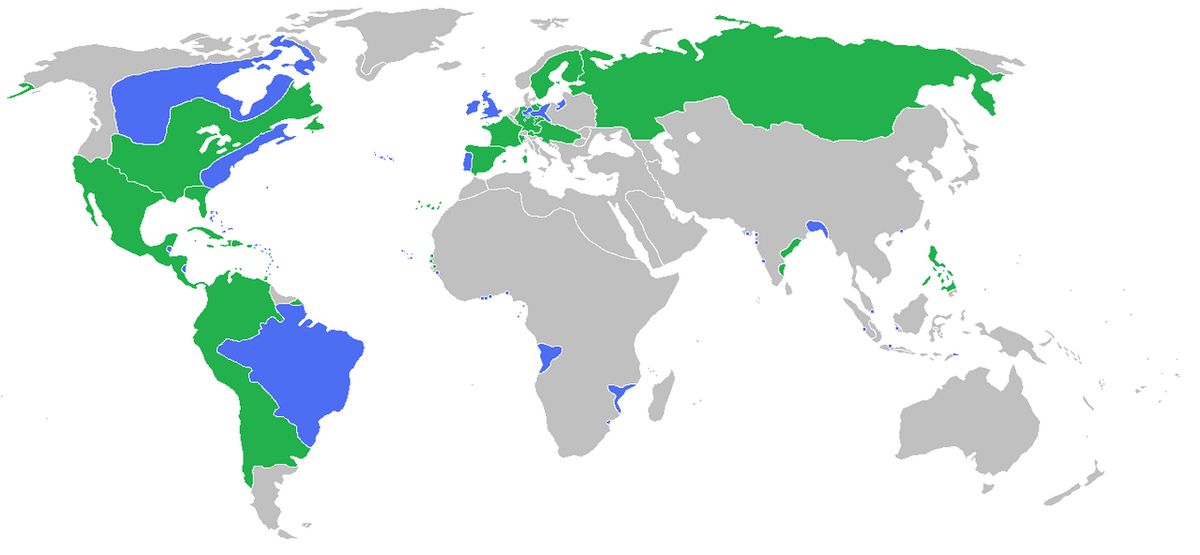
The Battle of the Plains of Abraham, fought on 13 September 1759, was a decisive military engagement in the Seven Years' War that determined the fate of New France. The battle saw a British invasion force under General James Wolfe defeat French troops commanded by the Marquis de Montcalm on a plateau just outside the walls of Quebec City. The clash, which lasted only about an hour, resulted in the mortal wounding of both commanding generals and the subsequent British capture of Quebec. This victory was a critical moment leading to the British conquest of Canada, fundamentally reshaping the political and cultural future of North America.
Strategic Context and Prelude to Battle
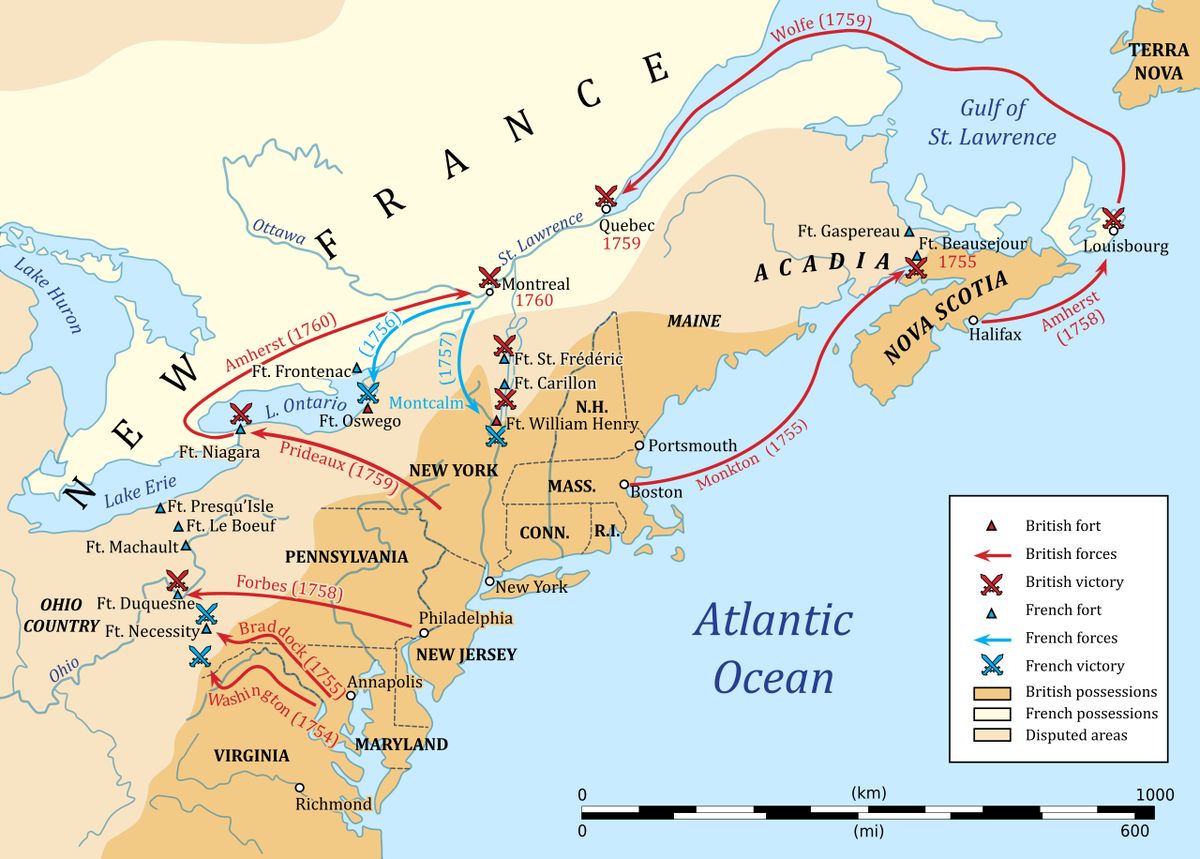
The Battle of the Plains of Abraham was the culmination of a prolonged British campaign to capture the fortress city of Quebec, the capital of New France. By 1759, the global Seven Years' War had seen British forces make significant gains in North America, including the capture of the French fortress of Louisbourg in 1758, which opened the St. Lawrence River to British naval power. General James Wolfe was appointed to command the British land forces, supported by a formidable naval squadron under Vice-Admiral Charles Saunders. Wolfe's army, which landed on the Île d'Orléans on 28 June 1759, eventually numbered over 8,000 regular soldiers, supplemented by American Rangers and Royal Marines. The French defenders, led by General Montcalm, were more numerous overall, with over 18,000 men including Canadian militiamen, French regulars, Troupes de la Marine, and nearly 1,800 Indigenous warriors from nations such as the Odawa, Wendat, and Abenaki. The French strategy relied on strong defensive positions along the Beauport shore east of the city, which repelled a major British assault at the Battle of Beauport on 31 July. Frustrated by Montcalm's refusal to engage in open battle, Wolfe resorted to destroying settlements along the St. Lawrence and blockading French ports in an attempt to draw the French army out.
British Preparations and the Daring Landing
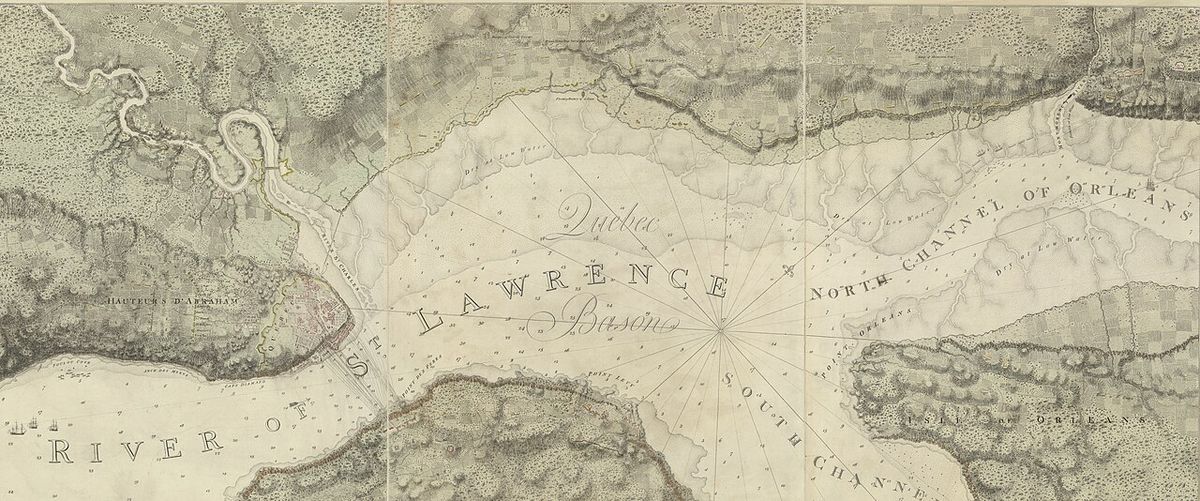
After the failed assault at Beauport and with the campaign season waning, General Wolfe and his brigadiers devised a new, audacious plan. In late August, they decided to land British forces upriver from Quebec, a move that would threaten Montcalm's supply lines to Montreal and force a confrontation. The chosen landing site was L'Anse-au-Foulon, a small cove at the base of a 53-metre cliff west of the city, guarded by a small French post. Wolfe's plan depended entirely on secrecy and surprise. On the night of 12 September, British troops began moving downstream in flat-bottomed boats. A French-speaking officer successfully answered a challenge from sentries who were expecting a French supply convoy. A vanguard of 24 volunteers led by Colonel William Howe scaled the cliff, overpowered the guard post commanded by Captain Louis Du Pont Duchambon de Vergor, and secured the narrow road. A diversionary naval bombardment by Admiral Saunders off the Beauport shore helped mask the true landing site from Montcalm.
Forces and Deployment on the Plains
The armies that faced each other on the morning of 13 September presented a stark contrast in composition and deployment. General Wolfe arrayed his British regulars in a thin, two-deep line stretching across the plain, a formation designed to maximize firepower. His right flank was anchored on the cliffs above the St. Lawrence, and his left near the woods above the St. Charles River. The British order of battle included several renowned regiments. The French forces available in the Quebec region were far larger, but Montcalm, shocked by the British deployment, chose to engage immediately with the troops at hand rather than wait for reinforcements. He marched out from Quebec with a mixed force of French regular army regiments, integrated Canadian troops, and militia. Montcalm's decision meant the battle would be fought primarily by professional soldiers, though the Canadian militia and Indigenous allies played a major role by engaging the British left flank from the woods, providing harassing fire throughout the engagement. The core regiments deployed by each side were as follows.
- British Centre: Louisbourg Grenadiers, 28th, 43rd, 47th, and 58th Regiments of Foot, and the 78th (Fraser's) Highlanders.
- British Left: 15th Regiment of Foot, and the 2nd and 3rd Battalions of the 60th (Royal American) Regiment.
- British Right & Reserve: 35th Regiment on the flank, with the 48th Regiment and Light Infantry in reserve.
- French Centre: Regiments of La Sarre, Languedoc, and Béarn.
- French Flanks: Guyenne and Royal Roussillon Regiments, supported by Montréal and Trois-Rivières militia.
The Hour of Battle and Its Aftermath
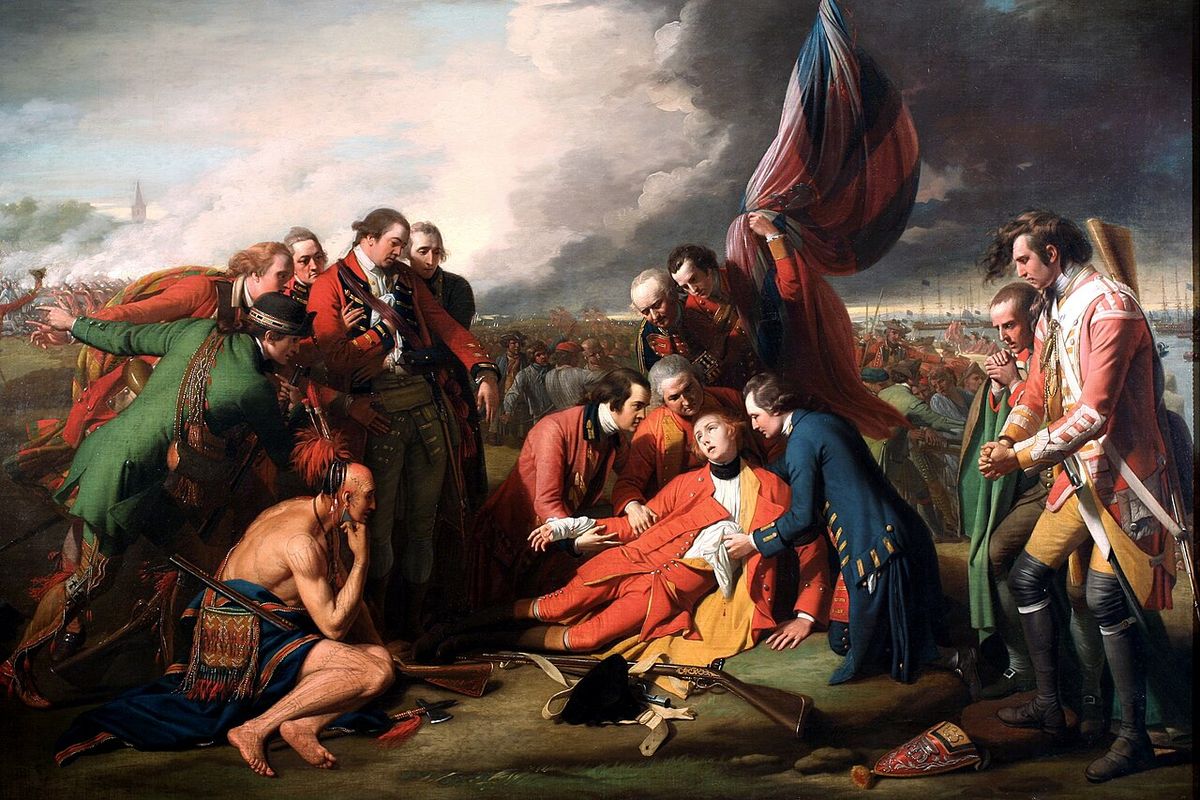
The battle commenced in the mid-morning of 13 September. Contrary to European custom, Montcalm ordered an immediate advance without fully forming his lines, sending his regulars forward in column formations. The British troops held their fire until the French were within close range, about 35 metres, then unleashed a devastating volley that shattered the French advance. A second volley caused further chaos, and the French line began to disintegrate. As the French retreated towards Quebec, both commanding generals were mortally wounded. General James Wolfe was struck by musket balls and died on the field as the French began to flee. The Marquis de Montcalm was hit by a musket ball below the ribs while trying to rally his troops. He was carried into the city and died the following morning. The battle itself lasted only about an hour. In its immediate wake, the French army evacuated Quebec City, which formally surrendered to the British five days later. The British victory, however, was not yet secure. The following spring, a French force under the Chevalier de Lévis defeated the British at the Battle of Sainte-Foy and laid siege to Quebec. The timely arrival of a British relief fleet forced the French to withdraw, ending the final major attempt to retake the city. The conquest was cemented with the surrender of Montreal in 1760 and formally recognized by the Treaty of Paris in 1763, which ceded New France to Great Britain.
Casualties and Historical Significance
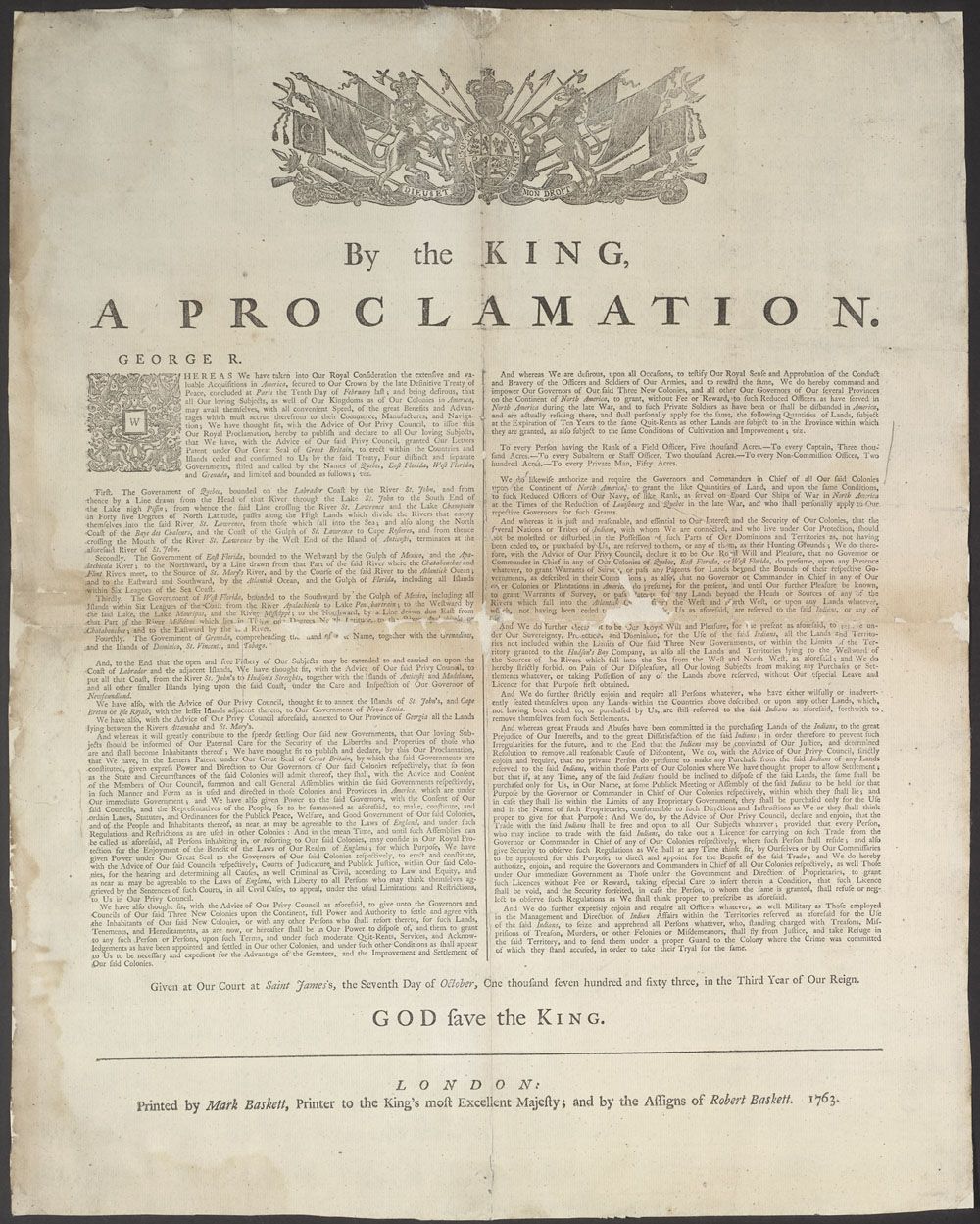
Total casualties from the brief but intense battle were significant for the British and lighter for the French in the initial engagement, though the strategic loss was catastrophic for France. The British suffered approximately 450 killed and wounded from their force on the plains. French casualties in the battle were reported to be around 60, but the defeat led to the loss of Quebec and ultimately the colony. The death of both charismatic leaders, Wolfe and Montcalm, instantly became a legendary part of the battle's narrative. The Battle of the Plains of Abraham is widely regarded as a decisive turning point in North American history. It marked the beginning of the end of French imperial ambitions on the continent and ushered in a new era of British dominance in what would become Canada. The victory was celebrated in Britain as part of the "Annus Mirabilis" of 1759, a year of multiple military successes. The battle's outcome directly led to the Royal Proclamation of 1763 and set the stage for the complex development of Canadian society, influencing the relationship between French and English colonists and the Indigenous nations who had been allies to both European powers.
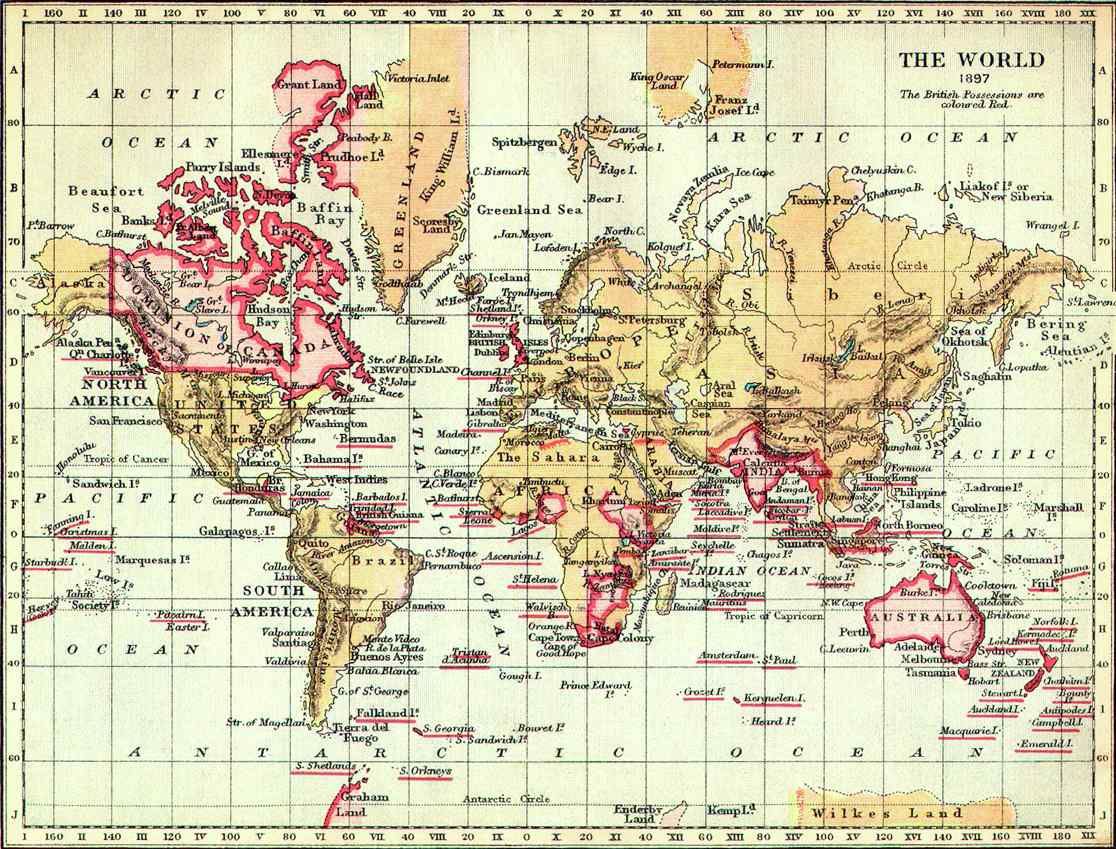
The Plains of Abraham Today
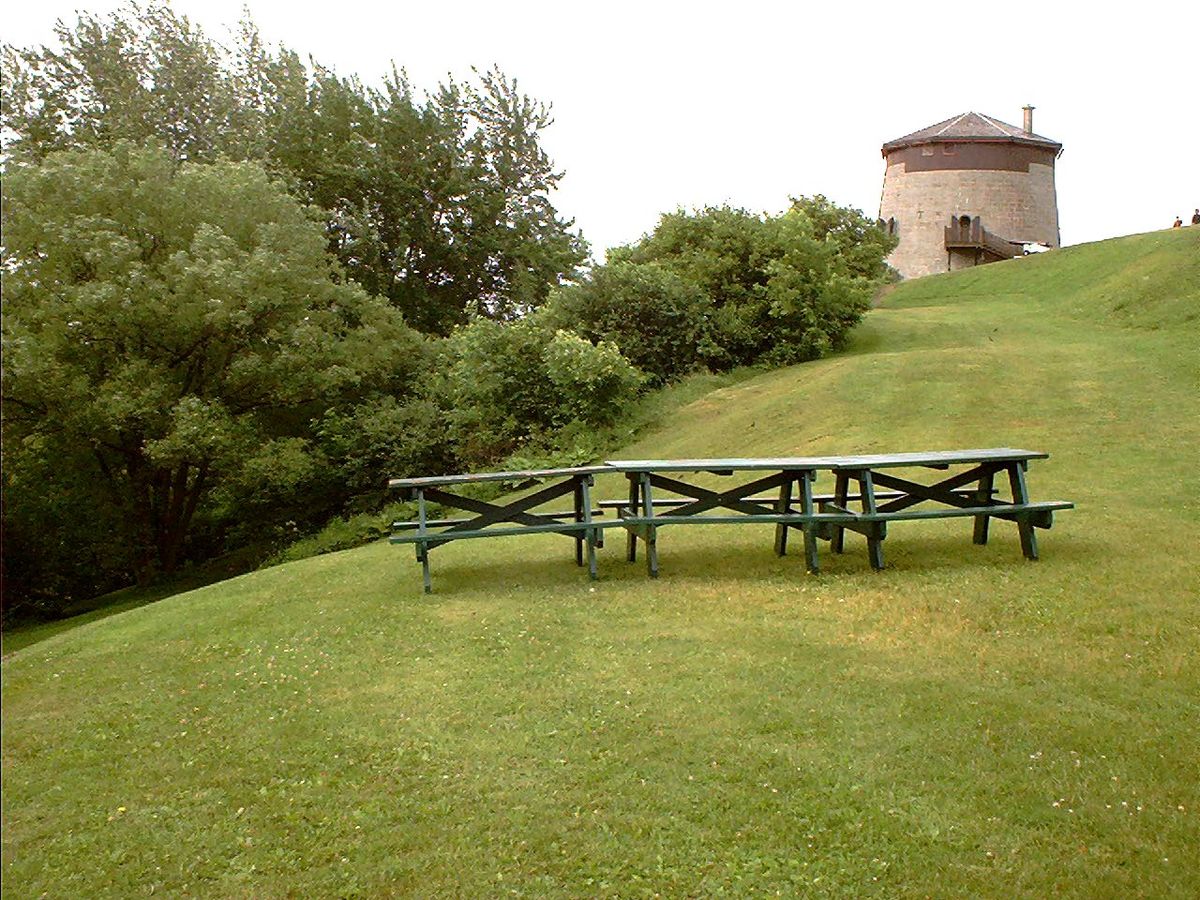
The Plains of Abraham, now a vast urban park within Quebec City, serve as a major historical, cultural, and recreational site. The battlefield is preserved as part of the Battlefields Park, managed by the National Battlefields Commission. It is a place of national remembrance and public enjoyment, featuring walking trails, monuments, and interpretive displays. The Plains of Abraham Museum offers extensive exhibits on the battles of 1759 and 1760, providing historical context through artifacts, models, and multimedia presentations. A notable interactive virtual tour, "1759: From the Warpath to the Plains of Abraham," allows visitors to explore the conflict from French, British, Canadian, and Indigenous perspectives through games, videos, and illustrated narratives. The site also hosts numerous public events, including historical re-enactments and commemorations. For instance, an event titled "Québec City under Siege" was scheduled for September 2025, and the museum frequently offers free admission periods, such as one planned for January 2026. These ongoing activities ensure the legacy of this critical battle remains a living part of Canada's historical consciousness.
Key Figures in the Conflict
The battle and the broader campaign were shaped by the decisions and personalities of several key military and political leaders. Their actions and fates have been extensively studied and romanticized in historical accounts. General James Wolfe was the 32-year-old British commander, known for his daring and sometimes erratic leadership. His successful but risky landing at L'Anse-au-Foulon and his deployment on the plains led to victory, though he died at the moment of success. Major-General Louis-Joseph, Marquis de Montcalm was the experienced French commander faced with defending a vast colony with limited resources. His decision to engage Wolfe immediately on the plains, rather than wait for reinforcements, is a focal point of historical debate. Vice-Admiral Charles Saunders was the British naval commander whose fleet transported, supplied, and supported Wolfe's army, and whose diversionary tactics were crucial to the success of the landing. Other significant figures included Major-General François de Gaston, Chevalier de Lévis, Montcalm's second-in-command who later led the French army to a victory at Sainte-Foy in 1760. Colonel Louis Antoine de Bougainville was a French officer tasked with monitoring the river upstream from Quebec. His absence from the landing site contributed to the British surprise. Governor Pierre de Rigaud, Marquis de Vaudreuil was the civilian governor of New France, whose relationship with Montcalm was often strained by disagreements over strategy.
- General James Wolfe: The 32-year-old British commander, known for his daring and sometimes erratic leadership. His successful but risky landing at L'Anse-au-Foulon and his deployment on the plains led to victory, though he died at the moment of success.
- Major-General Louis-Joseph, Marquis de Montcalm: The experienced French commander faced with defending a vast colony with limited resources. His decision to engage Wolfe immediately on the plains, rather than wait for reinforcements, is a focal point of historical debate.
- Vice-Admiral Charles Saunders: The British naval commander whose fleet transported, supplied, and supported Wolfe's army, and whose diversionary tactics were crucial to the success of the landing.
- Major-General François de Gaston, Chevalier de Lévis: Montcalm's second-in-command, who was not present at the battle but later led the French army to a victory at Sainte-Foy in 1760.
- Colonel Louis Antoine de Bougainville: A French officer tasked with monitoring the river upstream from Quebec. His absence from the landing site contributed to the British surprise.
- Governor Pierre de Rigaud, Marquis de Vaudreuil: The civilian governor of New France, whose relationship with Montcalm was often strained by disagreements over strategy.
Questions about Battle of the Plains of Abraham
What was the Battle of the Plains of Abraham and why was it important?
The Battle of the Plains of Abraham was a decisive clash fought on 13 September 1759 between British and French forces during the Seven Years' War. It was important because the British victory led directly to the capture of Quebec City, the capital of New France. This defeat marked a major turning point, effectively ending French control over its North American colonies and paving the way for British dominance in what would become Canada. The battle's outcome was formalized in the 1763 Treaty of Paris.
Who were the generals in the Battle of the Plains of Abraham and what happened to them?
The British army was commanded by Major General James Wolfe, and the French army by Major-General Louis-Joseph, Marquis de Montcalm. Both generals were mortally wounded during the battle. Wolfe was hit by musket balls and died on the field shortly after the French retreat began. Montcalm was struck by a musket ball below the ribs while trying to rally his troops. He was carried into Quebec City, where he died the following morning. Their simultaneous deaths became a legendary element of the battle's story.
Where exactly did the battle take place?
The battle was fought on the Promontory of Quebec, a plateau just outside the western walls of Quebec City. The land was originally owned by a farmer named Abraham Martin, which is the origin of the name "Plains of Abraham. The site is located along the St. Lawrence River, with the British right flank anchored on cliffs above the river and the left near the woods above the St. Charles River. Today, this area is preserved as part of the Battlefields Park in Quebec City.
How can I visit the Plains of Abraham battlefield today?
The Plains of Abraham are now a large urban park, the Battlefields Park, in the heart of Quebec City. Visitors can explore the grounds via walking trails, view monuments, and visit the Plains of Abraham Museum. The museum hosts the permanent exhibition "Battles 1759 to 1760" and offers an interactive virtual tour called "1759: From the Warpath to the Plains of Abraham. The park also hosts public events and historical re-enactments, such as the "Québec City under Siege" event scheduled for September 2025. Admission to the museum is occasionally free, such as during a period planned for January 2026.
Did the French try to retake Quebec after the battle?
Yes, the French made a significant attempt to recapture Quebec the following year. In April 1760, a French army under the Chevalier de Lévis defeated the British at the Battle of Sainte-Foy, just west of the city. Lévis then laid siege to Quebec. However, the arrival of a British relief fleet in May 1760 broke the siege and forced the French to retreat towards Montreal. This was the last major French offensive in Canada. Montreal itself surrendered to British forces in September 1760, ending the military conflict in New France.
Sources and further reading
- Battle of the Plains of Abraham (Wikipedia)
- Battle of the Plains of Abraham (thecanadianencyclopedia.ca)
- 1759: From the Warpath to the Plains of Abraham (plainsofabraham.ca)
Checked by the Nosy Mag desk. Last updated 2026-10-23.