French language in Canada
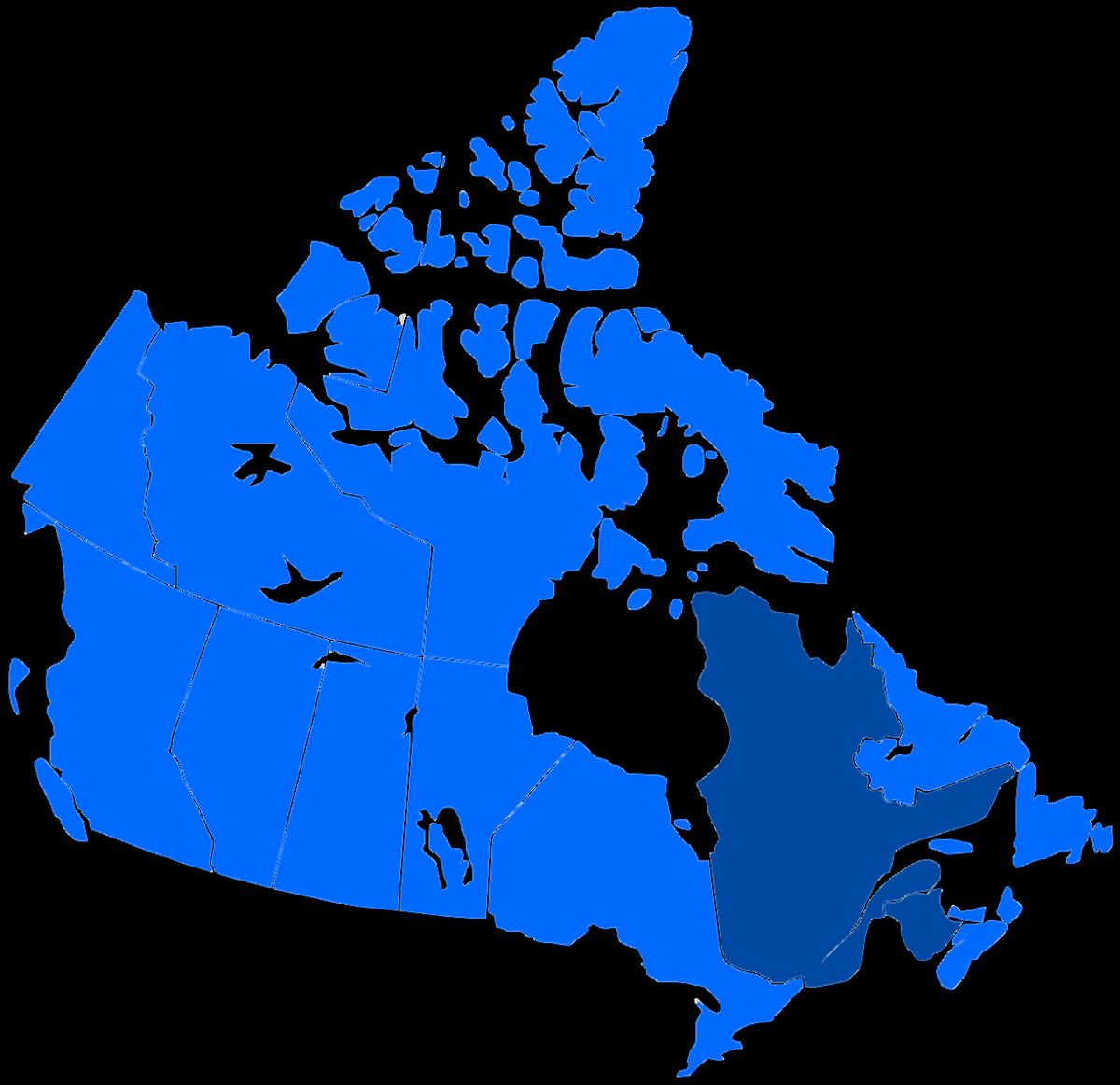
The French language is one of Canada's two official languages, alongside English. According to the 2021 Canadian census, French is the mother tongue of 7.8 million Canadians, representing 19.6 percent of the population. Its presence is a legacy of French colonization from the 16th to 18th centuries. French is the sole official language of Quebec and defines its distinct society. Francophone minority communities exist in every province and territory, most notably in officially bilingual New Brunswick. The language's status is sustained through constitutional protections, educational rights, and Canada's role in the international Francophonie.
Historical Foundations
The French language was implanted in North America beginning in the 16th century through exploration and settlement. King Francis I of France commissioned Jacques Cartier's voyages in 1534 and 1535, which led to the discovery of the Gulf of Saint Lawrence and the river of the same name. Permanent settlement began in the early 17th century with the founding of Port Royal in Acadia in 1605 by Pierre Dugua and Samuel de Champlain, followed by Quebec City in 1608. The colony of New France grew, with French serving as the language of all non-Indigenous inhabitants, supported by institutions like the Jesuit secondary school founded in Quebec in 1635. The British conquest was solidified by the Treaty of Paris in 1763. The Quebec Act of 1774 restored French civil law. The Confederation of Canada in 1867 included Quebec, where French regained official status.
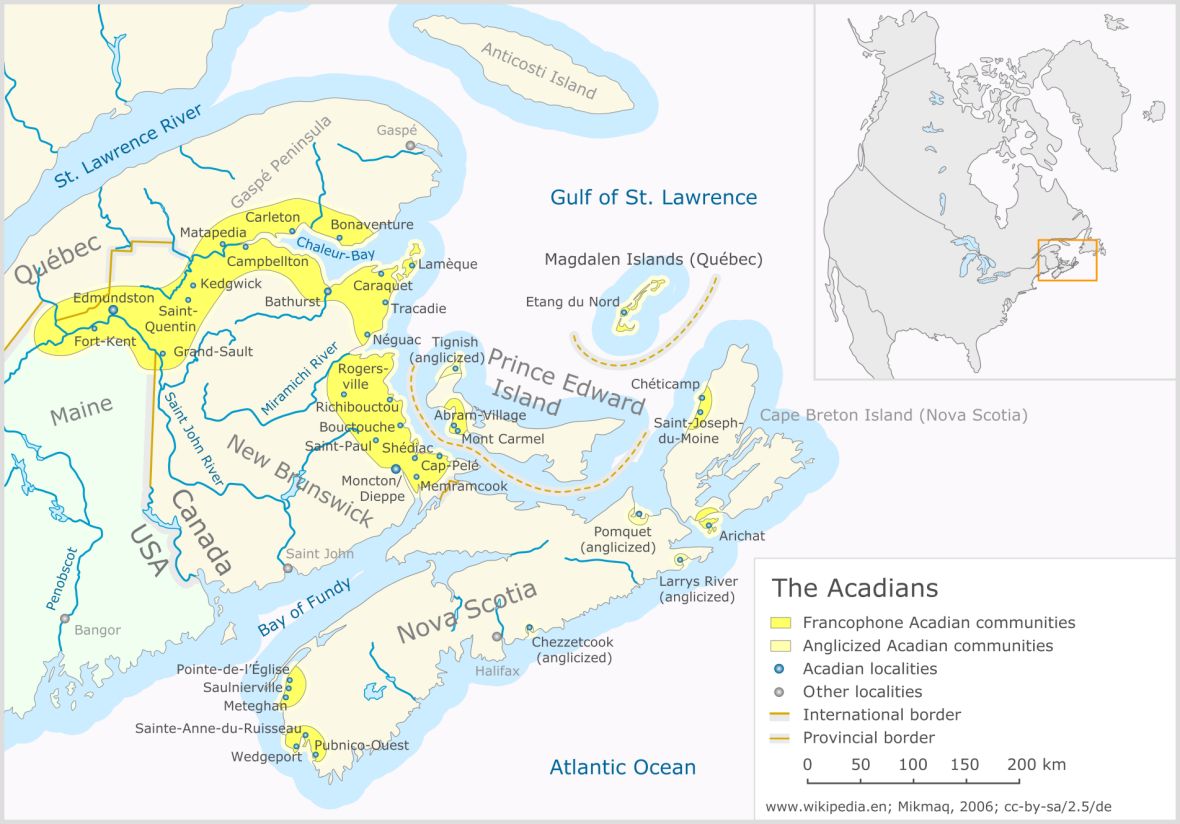
The 18th century was marked by conflict and deportation for many francophones. With the Treaty of Utrecht in 1713, Britain began its domination of eastern North America. In 1755 the majority of the French-speaking inhabitants of Nova Scotia, the Acadians, were deported to the Thirteen Colonies. After 1758, they were deported to England and France. The late 1960s and subsequent decades marked a modern turning point, particularly in Quebec. The province enacted the Charter of the French Language, commonly known as Bill 101, in 1977, making French the sole official language of Quebec. Federal legislation like the Official Languages Act of 1969 guaranteed French's status nationally.
Demographic Landscape
The demographic portrait of French in Canada is drawn from census data on mother tongue, knowledge of official languages, and language spoken at home. The 2021 census recorded 7,651,360 people declaring French as their mother tongue. The vast majority, about six million, reside in Quebec, where they constitute the main linguistic group and approximately 85 percent of residents are native francophones. Outside Quebec, slightly over one million native francophones are distributed across the other provinces and territories. The largest of these communities is in Ontario, with over 500,000 people, followed by New Brunswick, where about one-third of the population is francophone. Smaller communities exist in Manitoba, Alberta, Saskatchewan, and the Atlantic provinces.
Knowledge of French varies significantly by region. Nationally, 29.2 percent of Canadians reported being able to conduct a conversation in French in 2021. In Quebec, about 95 percent of residents speak French as a first or second language. Outside Quebec, the rate of French knowledge among non-francophones is about 10.3 percent. Francophones outside Quebec exhibit high rates of English bilingualism. Language retention at home also shows regional disparity, with near-total retention in Quebec but lower rates in other provinces. Franco-Ontarians have a home language retention rate of about 60 percent.
Major Dialects and Varieties
Canadian French is not monolithic but comprises several distinct dialects shaped by geographical seclusion and historical settlement patterns. These dialects share features that distinguish them from European French, having evolved from the regional languages and folk dialects of 17th and 18th century French colonists. The three main dialects are historically associated with the former colonies of New France. Quebec French, rooted in Parisian French of the colonial era and influenced by languages like Norman and Picard, is the most widely spoken. Acadian French, spoken in the Maritime provinces, shows influences from the langues d'oïl and has unique features like the alveolar 'r'. Newfoundland French has a distinct origin, influenced by Breton fishermen and later Acadian migrants.
In addition to these, a unique mixed language known as Michif exists, derived from Cree and French and spoken by Métis communities primarily in Manitoba and Saskatchewan. Post-World War II immigration has also brought francophone speakers from around the world. The differences between Quebec French and the French of France are noticeable in pronunciation and vocabulary but do not hinder mutual intelligibility. Within Quebec itself, regional varieties exist in areas like the Gaspé Peninsula, Saguenay, Lac-Saint-Jean, and Quebec City.
- Quebec French: The dominant dialect, based on 17th-18th century Parisian French with regional influences.
- Acadian French: Spoken in the Maritime provinces, particularly New Brunswick, with distinct phonetic traits.
- Newfoundland French: A lesser-spoken dialect with roots in Breton and Acadian settlement.
- Michif: A mixed language of Cree and French spoken by Métis communities in the Prairies.
Francophone Communities Across Canada
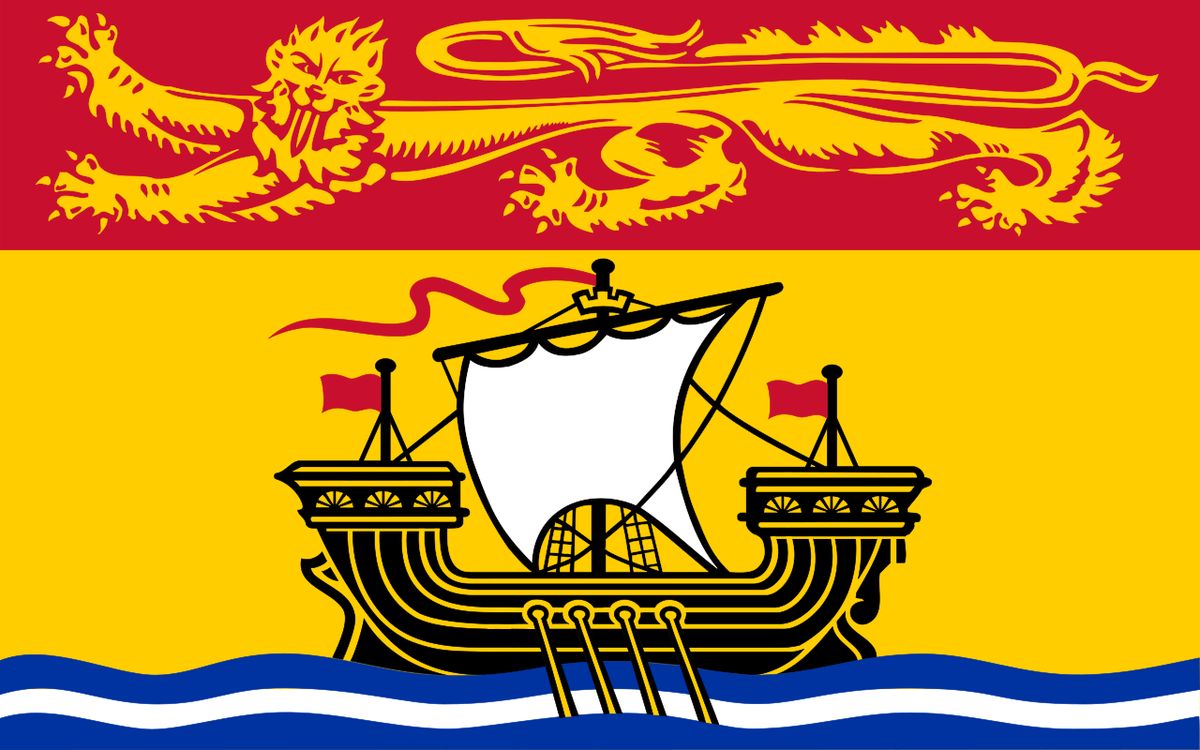
Francophone communities outside Quebec, often collectively termed Francophone Canadians, maintain distinct identities and cultural institutions. Franco-Ontarians, centred in Eastern and Northeastern Ontario, form the largest such community. The city of Ottawa has a significant population, and services in French are guaranteed by the French Language Services Act in 25 designated areas of the province. New Brunswick stands apart as Canada's only officially bilingual province, with a large Acadian community concentrated in rural areas along the Quebec border and the eastern coast. Moncton serves as a major Acadian centre, hosting the Université de Moncton.
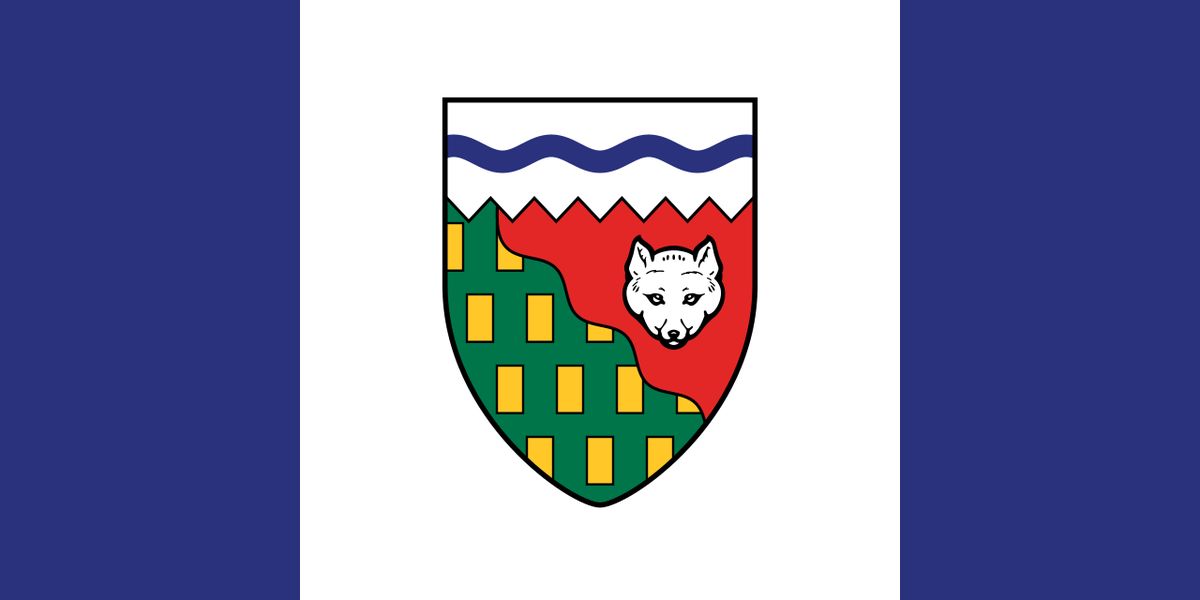
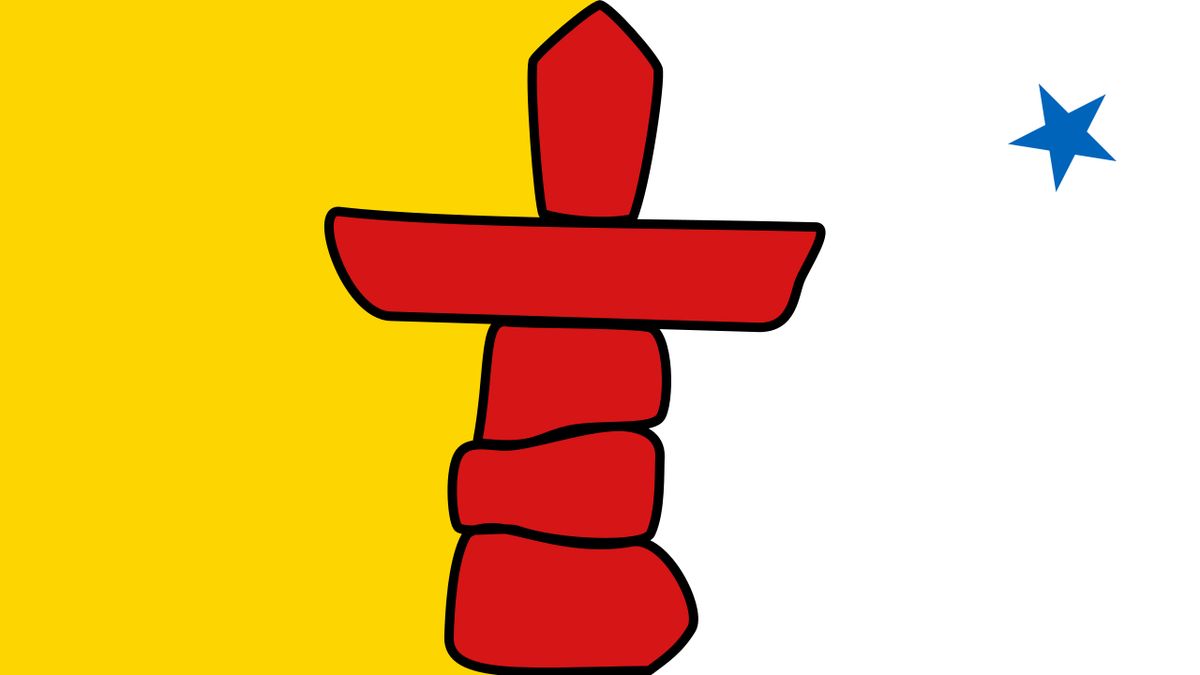
In Western Canada, Franco-Manitobans are centred in Winnipeg's St. Boniface neighbourhood, while Fransaskois and Franco-Albertan communities persist in Saskatchewan and Alberta. British Columbia is home to Franco-Columbians. All three northern territories, Yukon, the Northwest Territories, and Nunavut, recognize French as an official language, with communities of Franco-Yukonnais, Franco-Ténois, and Franco-Nunavois. In the Atlantic region, Acadian communities also exist in Nova Scotia, Prince Edward Island, and Newfoundland. These communities generally identify by provincial affiliation, with the exception of Acadians, who constitute a distinct cultural group rooted in the Maritimes.
| Community | Province/Territory | Key Centre |
|---|---|---|
| Franco-Ontarians | Ontario | Ottawa, Eastern Ontario |
| Acadians | New Brunswick, Nova Scotia, PEI | Moncton |
| Franco-Manitobans | Manitoba | Winnipeg (St. Boniface) |
| Fransaskois | Saskatchewan | Regina, Saskatoon |
| Franco-Albertans | Alberta | Edmonton, Calgary |
| Franco-Columbians | British Columbia | Vancouver |
| Franco-Yukonnais | Yukon | Whitehorse |
| Franco-Ténois | Northwest Territories | Yellowknife |
| Franco-Nunavois | Nunavut | Iqaluit |
Legal Status and Language Rights
The status of the French language in Canada is enshrined in a complex framework of federal and provincial laws. At the federal level, the Official Languages Act of 1969 declares French and English as the official languages of Canada, with equal status in all federal institutions. For minority francophone education rights, Section 23 of the Charter guarantees citizens the right to have their children receive primary and secondary school instruction in French where numbers warrant. Provincial language regimes vary significantly. Quebec's Charter of the French Language (Bill 101) makes French the sole official language of the province. New Brunswick's Official Languages Act makes it the only officially bilingual province. Ontario operates under the French Language Services Act. Manitoba and New Brunswick have constitutional obligations for bilingualism. All three northern territories include French among their official languages.
| Jurisdiction | Official Language Status for French | Key Legislation or Provision |
|---|---|---|
| Canada (Federal) | Official (with English) | Official Languages Act (1969), Canadian Charter |
| Quebec | Sole Official Language | Charter of the French Language (Bill 101, 1977) |
| New Brunswick | Official (with English) | Official Languages Act (Constitutional) |
| Ontario | Service Rights in Designated Areas | French Language Services Act |
| Manitoba | Official for Legislature/Courts | Constitutional Provision |
| Yukon, NWT, Nunavut | Official (among others) | Territorial Acts |
Canada and La Francophonie
Canada is a founding and active member of the International Organization of La Francophonie (IOF), a group of 90 states and governments united by the French language and shared values. Established in 1970, the IOF promotes the French language, cultural diversity, peace, democracy, education, and sustainable development. Canada is the second largest donor to the Francophonie's institutions, with contributions totalling nearly $43 million for the 2025 to 2026 period. The Honourable Anita Anand, Minister of Foreign Affairs, holds responsibility for La Francophonie, supported by Parliamentary Secretary Mona Fortier and the Prime Minister's personal representative, Sébastien Carrière, appointed in April 2023.
Canada's engagement is strengthened by the participation of its provinces. New Brunswick and Quebec are full member governments within the IOF, while Ontario and Nova Scotia hold observer status. Canada has hosted the Summit of La Francophonie three times, including in Quebec City in 2008. Nationally, the Rendez-vous de la Francophonie is celebrated every March, with the 2026 edition scheduled from March 1 to 31. Canada's actions within the IOF focus on promoting peace, human rights, the French language in the digital space, and economic cooperation across the Francophonie.
Contemporary Challenges and Vitality
The French language in Canada faces ongoing challenges related to demographic weight, assimilation, and digital presence, particularly outside Quebec. While the absolute number of francophones is stable or growing in some areas, their proportion of the national population has gradually declined. In provinces like Ontario and the Prairies, intergenerational language transmission is a concern. The omnipresence of English in media, commerce, and public life exerts constant pressure on these communities. However, the language also demonstrates notable vitality through strong institutions, cultural production, and political advocacy.
Francophone communities sustain themselves through a network of schools, community centres, theatres, and media outlets. Events like the Rendez-vous de la Francophonie and National Acadian Day on August 15 foster cultural pride and visibility. Immigration of francophones from Africa, Europe, and the Caribbean introduces new dynamism. The federal government's commitment, evidenced by its substantial financial support to La Francophonie and ongoing policy initiatives, aims to reinforce the language's place nationally and internationally. Francophones in Canada have historically faced linguistic discrimination through laws such as Regulation 17 in Ontario.
Questions about French language in Canada
Which Canadian provinces are officially bilingual?
At the provincial level, only New Brunswick is officially bilingual, recognizing both English and French as official languages with equal status. Quebec's sole official language is French. Ontario provides guaranteed French-language services in designated regions under its French Language Services Act. All three northern territories, Yukon, the Northwest Territories, and Nunavut, include French among their official languages.
What is the difference between Quebec French and French from France?
Quebec French and the French of France are mutually intelligible but have noticeable differences in pronunciation, vocabulary, and some aspects of grammar. Quebec French retains some archaic features from 17th and 18th century French and has incorporated borrowings from English. For example, a stop sign in Quebec says 'ARRÊT', whereas France uses 'STOP'. Pronunciation, particularly of vowels and the 'r' sound, is also distinct.
What is La Francophonie and what is Canada's role?
La Francophonie is an international organization of 90 member states and governments unified by the French language. Canada was a founding member in 1970 and remains a leading participant, being the second largest financial contributor. New Brunswick and Quebec are full members within the organization, while Ontario and Nova Scotia are observers. Canada promotes its values and highlights its francophone communities through this platform.
What are the main French-speaking communities in Canada outside Quebec?
The largest francophone community outside Quebec is in Ontario, with over 500,000 people. New Brunswick has the highest proportion, with about one-third of its population being francophone Acadian. Significant communities also exist in Manitoba, centred in Winnipeg's St. Boniface area, and in Alberta and Saskatchewan. Acadian communities are found in Nova Scotia, Prince Edward Island, and Newfoundland. All three northern territories have official francophone communities.
How many people speak French in Canada?
In 2021, 10,669,575 people in Canada, or 29.2 percent of the population, reported being able to conduct a conversation in French. Of this total, 7,651,360 people, or 20.8 percent of the population, declared French as their mother tongue. About six million native francophones live in Quebec. Outside Quebec, there are about one million native French speakers.
What are the rights for French-language education in Canada?
The right to French language primary and secondary education outside Quebec is guaranteed by Section 23 of the Canadian Charter of Rights and Freedoms for qualifying Canadian citizens. This applies to citizens whose first language is French, who received their own primary education in French in Canada, or who have a child who has received such instruction. Within Quebec, French is the sole official language and the language of instruction for most students under the Charter of the French Language. The 1969 Official Languages Act also recognizes French as an official language at the federal level alongside English, providing a framework for linguistic rights across the country.
Sources and further reading
- French language in Canada (Wikipedia)
- Canada and La Francophonie (international.gc.ca)
- French Language in Canada (thecanadianencyclopedia.ca)
- French In Canada Exhibit / Canadian Language Museum (beinspired.libcal.com)
Checked by the Nosy Mag desk. Last updated 2026-10-31.