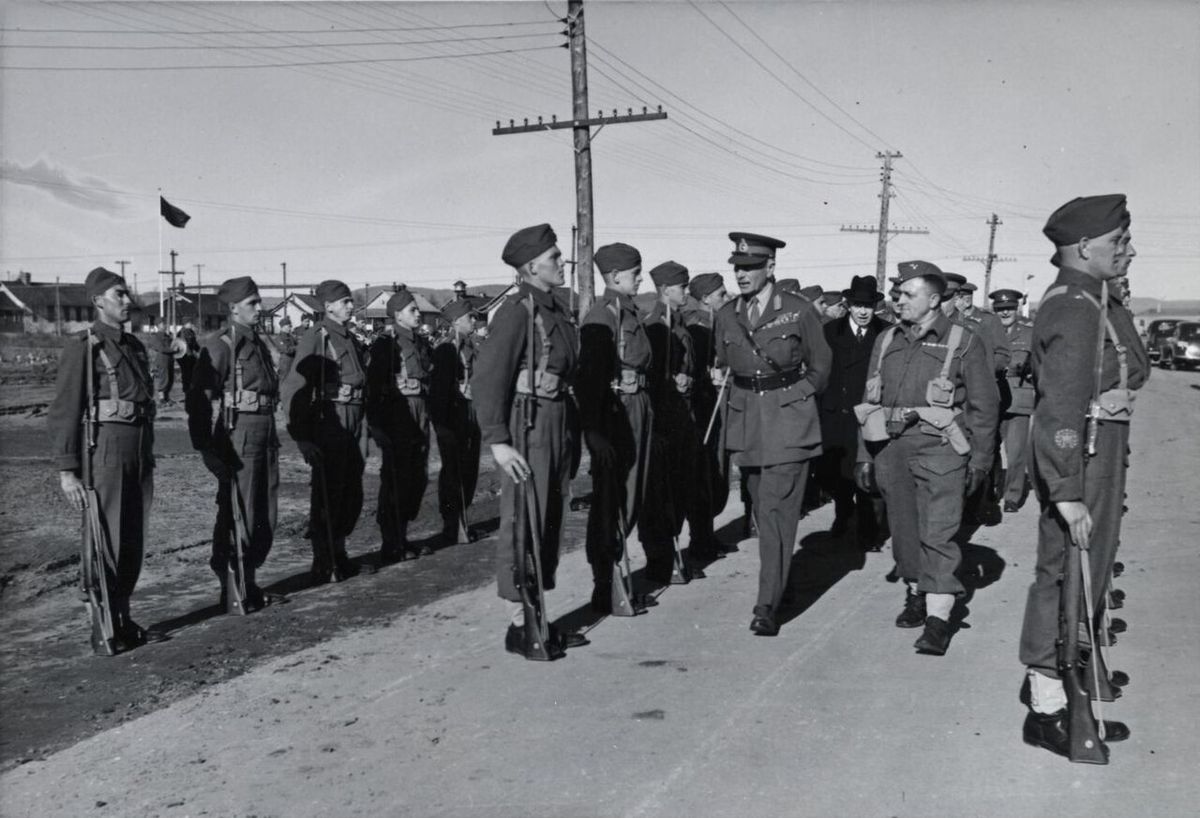
Canada in the War in Afghanistan
Canada's involvement in the War in Afghanistan, from 2001 to 2014, represents the nation's longest military engagement and its first major combat mission since the Korean War. Following the 11 September 2001 terrorist attacks, Canada joined a United States-led coalition to overthrow the Taliban regime in Afghanistan, which had harboured the Al-Qaeda terrorist network. Over more than twelve years, more than 40,000 Canadian Armed Forces personnel served in the region, undertaking combat, reconstruction, and training roles, primarily in Kandahar province. The mission resulted in significant sacrifice, with 159 Canadian soldiers killed in action and thousands more wounded, and cost an estimated $18.5 billion, leaving a complex legacy for Canada.
Origins and Initial Deployment (2001 to 2002)
Canada's military commitment to Afghanistan began swiftly after the 11 September 2001 attacks on the United States, which killed nearly 3,000 people including 24 Canadians. In October 2001, under Operation Apollo, Canadian Minister of National Defence Art Eggleton advised Governor General Adrienne Clarkson to authorize more than 100 Canadian Forces members on exchange programs to participate in US operations. The Canadian commitment was originally planned to last until October 2003. Approximately 40 Joint Task Force 2 (JTF2) soldiers were secretly deployed to southern Afghanistan in early December 2001, with some reports indicating the deployment occurred without Prime Minister Jean Chrétien's knowledge in early October. The main contingent of regular Canadian Armed Forces troops arrived in Kandahar in January and February 2002. Their initial missions focused on securing Kandahar Airfield and supporting American combat operations against Al-Qaeda and Taliban forces. In March 2002, Princess Patricia's Canadian Light Infantry (PPCLI) snipers fought alongside US Army units during Operation Anaconda in the Shah-i-Kot Valley, where they achieved record long-distance sniper kills. This was the first time since the Korean War that Canadian soldiers relieved American soldiers in a combat situation. Canadian forces also undertook Operation Harpoon in the same region. The first Canadian combat deaths occurred on 18 April 2002 in the Tarnak Farm incident, a friendly fire event where an American F-16 mistakenly bombed a Canadian night-training exercise on a designated live-fire range, killing four soldiers from the 3rd Battalion PPCLI and wounding eight others.
Shifting Focus: Kabul and Reconstruction (2003 to 2005)
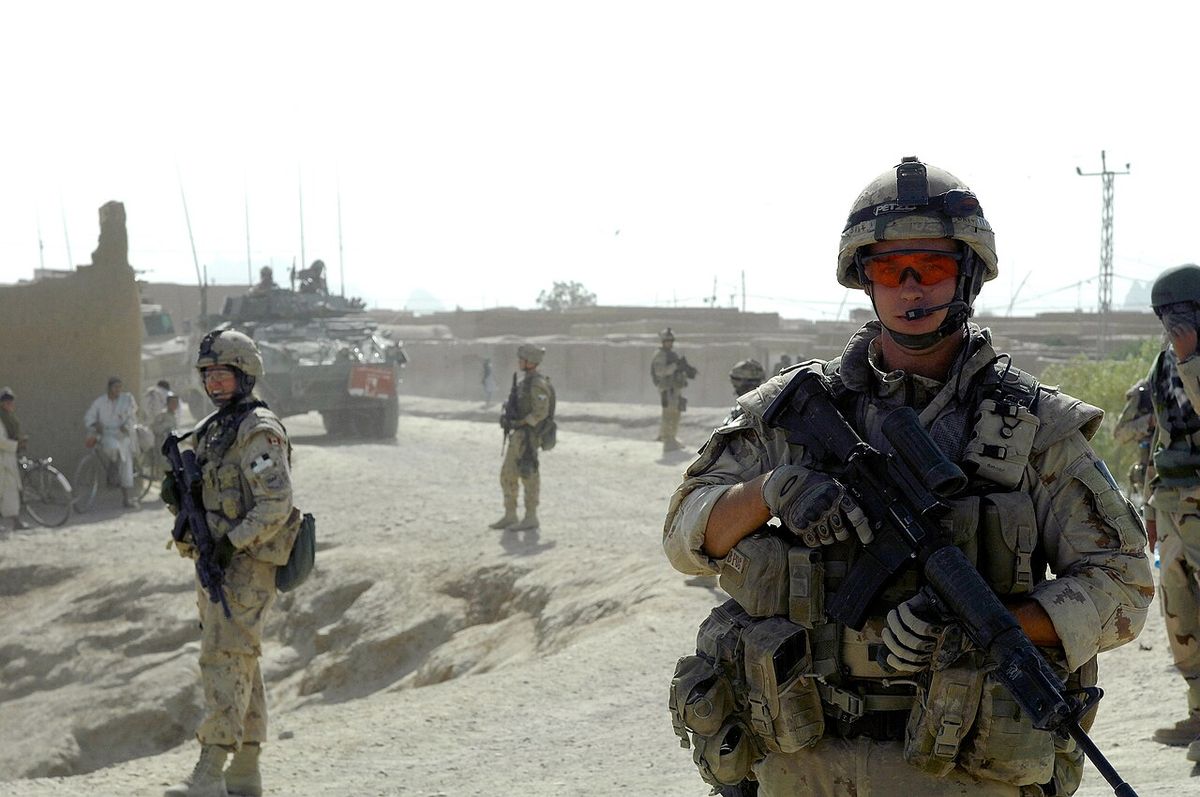
In August 2003, the Canadian Forces moved to the northern city of Kabul where it became the commanding station of the newly formed International Security Assistance Force (ISAF). Canada dubbed this Operation Athena and a 1,900-strong Canadian task force provided assistance for improving civilian infrastructure, such as well-digging and repair of local buildings. This approach was based on a model of cooperation with development organizations used in earlier peacekeeping missions. During this period, Canada also significantly increased its financial aid, committing $250 million in aid to Afghanistan in March 2004 and $5 million to support the 2004 Afghan election. On 13 February 2005, Defence Minister Bill Graham announced Canada was doubling the number of troops in Afghanistan from 600 to 1,200 by the coming summer. In spring 2005, officials announced that the Canadian Forces would return to Kandahar province, taking command of the region from US forces. Stage one of Operation Athena ended in December 2005 with the fulfillment of the stated aim of rebuilding the democratic process in Afghanistan. The mission in Kabul was part of Canada's post-Cold War shift towards peacekeeping and stability operations, shaped by experiences like the 1993 Medak Pocket incident.
The Kandahar Combat Mission (2006 to 2009)
Canada's role intensified dramatically in February 2006 with the start of Operation Archer, which placed Canadian forces under US military command. A battle group of 2,300 soldiers was based at Kandahar, and Canadian Brigadier-General David Fraser formally took command of the multinational Regional Command South from US forces on 28 February. In May 2006, the Canadian government extended Canadian military commitments to Afghanistan by two years, employing a whole of government approach. On 31 July 2006, the NATO-led ISAF assumed command of the south and the Canadian Task Force was transferred from Operation Archer to Operation Athena. The return to Kandahar coincided with a major Taliban offensive, leading to a record number of attacks and six Canadian deaths in the spring of 2006. Major combat operations followed, including Operation Mountain Thrust in the beginning of summer 2006, where Canadians of the 1 PPCLI Battle Group were leading combatants in the initial fighting of the Battle of Panjwaii. Operation Medusa was launched in September 2006 in an attempt to clear Taliban fighters from Panjwai, leading to a second, fiercer Battle of Panjwaii. Canadian forces engaged an estimated 1,500 to 2,000 dug-in Taliban fighters in a conventional style battle. On 15 September 2006, the government committed a squadron of Leopard C2 tanks from Lord Strathcona's Horse and an additional 200 to 500 troops. On 15 December 2006, the Canadians launched Operation Falcon Summit into Zhari District. In February 2007, the 2 RCR Battle Group took over combat operations. From July 2007 to February 2008, units from CFB Valcartier served in Kandahar, emphasizing clearing, holding and building in the districts of Panjwai and Zhari. In February 2008, Canadian Major-General Marc Lessard took command of Regional Command South for nine months. On 13 March 2008, Parliament voted to extend the military mission to 2011 with a focus on reconstruction and training.
Provincial Reconstruction and the Whole-of-Government Approach
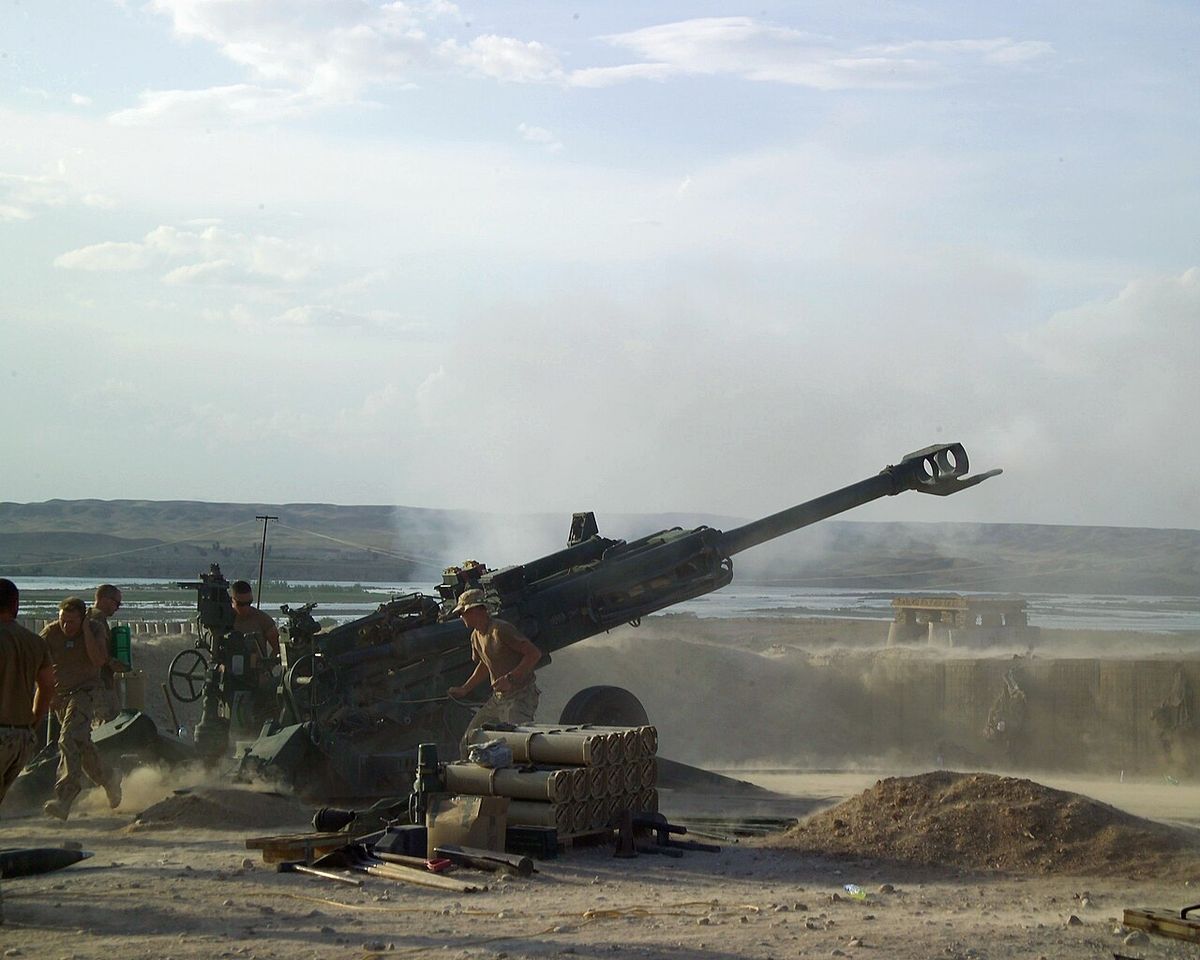
A key element of Canadian operations in Afghanistan was the Kandahar Provincial Reconstruction Team (KPRT), one of 25 provincial reconstruction teams (PRTs) throughout the country. Following NATO's involvement, command of some PRTs was transferred from the US to other nations under ISAF. The KPRT was announced in May 2006 as part of a whole of government approach. It typically comprised around 330 to 335 personnel, composed largely of Canadian Forces elements (approximately 315) and a few diplomats, development specialists, and Royal Canadian Mounted Police (RCMP) officers. It also included one US State Department official. The KPRT's dual mandate focused on providing security while overseeing reconstruction and governance projects. By 2007, the Canadian effort was following the National Solidarity Program (NSP), a strategy to empower local village councils. Major projects included the rehabilitation of the Dahla Dam and irrigation system, a three-year $50 million investment aimed at creating 10,000 seasonal jobs. Canada also invested $12 million over three years into improving education and up to $60 million for polio eradication. The 2008 Manley report recommended the KPRT be given more funding and placed under civilian leadership. The KPRT was transferred to a civilian command in April 2010, with Ben Rowswell as Director. With impending Canadian withdrawal, the KPRT transitioned from Canadian to American command in late 2010 to early 2011.
Final Combat Phase and the US Surge (2010 to 2011)
Following a major US troop increase announced on 1 December 2009, which sent another 30,000 troops to Afghanistan, Canadian troops remained mostly active in the districts around Kandahar City. On 10 August 2009, Brigadier-General Jonathan Vance of Task Force Kandahar transferred authority of some of Kandahar Province to the US Army's 5th Stryker Brigade. Canadian troops were then stationed primarily in Panjwai and Kandahar districts, as well as in Zhari and Daman. In February 2010, Canadian air forces and ground troops from 3PPCLI took part in the highly publicized Marja offensive. In early 2010, Task Force Kandahar contributed to creating the 3rd brigade of the 205th Afghan National Army Corps. In April 2010 the 1st Battalion Royal Canadian Regiment (1RCR), along with O Company of the 3rd Battalion Royal Canadian Regiment (3RCR), was deployed. Heavy fighting ensued in late May 2010 and continued for much of the summer. During this time, two major operations involving about 160 troops along with two platoons of Afghan soldiers were conducted under the name Operation Azida 1 and Operation Azida 2. Over three months, Canadian platoons confronted as many as 75 skirmishes with Taliban forces, and approximately 50 to 75 improvised explosive devices were found. On one occasion, a Chinook helicopter was struck by an RPG resulting in a hard landing. The violent clashes continued through the end of August. On 27 November 2010, in the tenth and final troop rotation, the 1st Battalion of the Royal 22e Régiment took over. Canada withdrew the bulk of its troops in 2011, with the Infantry Battle Group withdrawn by the end of July. Handover of battlespace was completed on 6 July, and all Canadian Forces personnel and equipment were withdrawn from Kandahar by the end of December 2011.
Training Mission and Final Withdrawal (2011 to 2014)
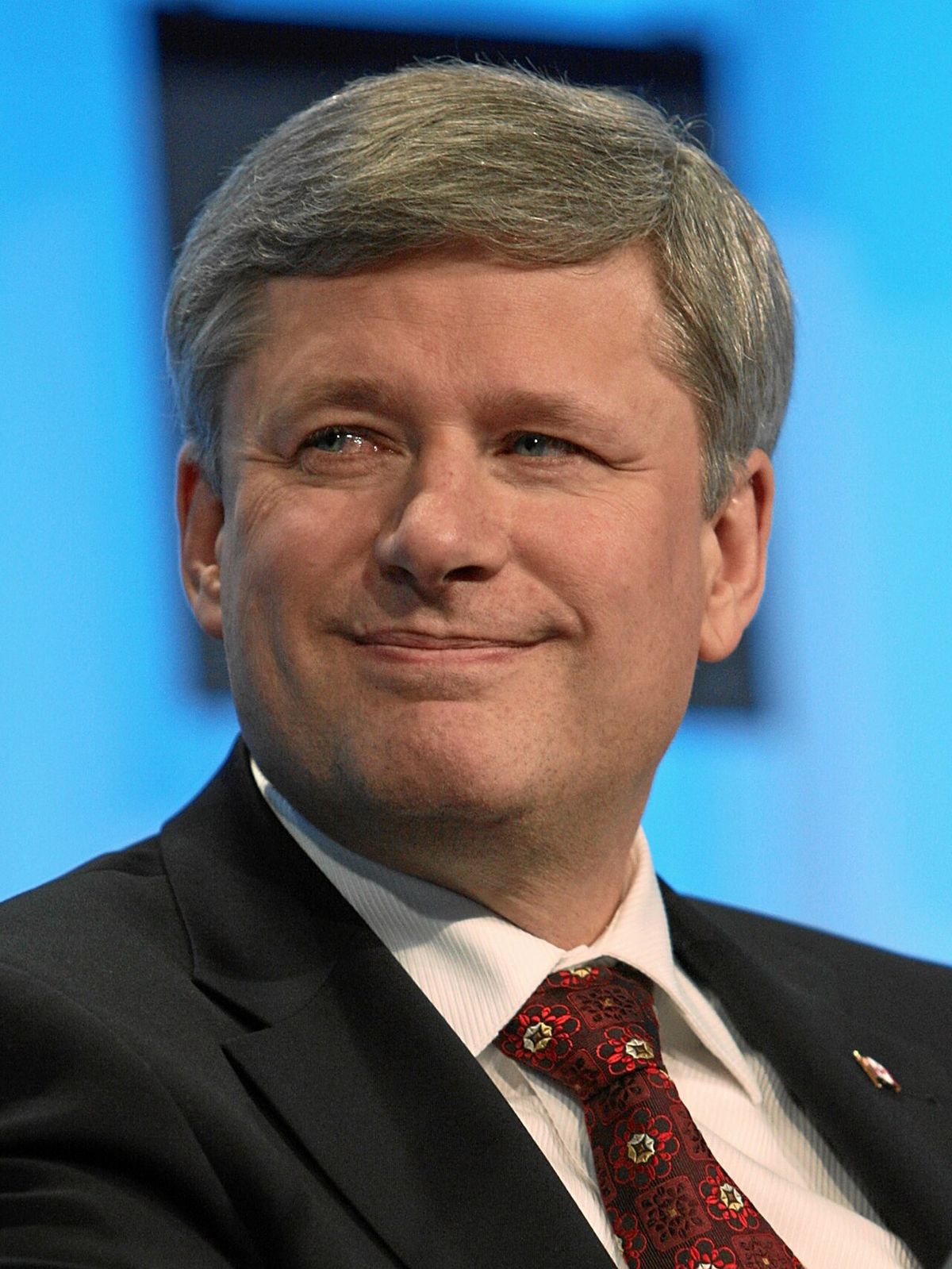
After the end of combat operations in July 2011, Canada transitioned to a NATO training mission. On 9 December 2010, it was announced that approximately 950 newly posted specialized CAF personnel would be posted to the NATO Training Mission-Afghanistan to continue training the Afghan National Army and Afghan National Police. Canada's contribution was dubbed Operation Attention. CAF personnel also provided force protection, SECFOR and quick reaction force elements to the ISAF mission. The training took place mostly around Kabul with some training occurring at Mazar-i-Sharif. This mission was part of Canada's broader involvement in civilian-led efforts like the United Nations Assistance Mission in Afghanistan, termed Operation ACCIUS. By late 2013, Canada began withdrawing its final soldiers from the training mission. In October, the force was down to 650 personnel from over 800. On 12 March 2014, the government announced the mission was formally completed with a flag-lowering ceremony held in Kabul. The last 84 soldiers left Afghanistan on 15 March 2014, ending Canada's twelve-year military presence in the country. This withdrawal fulfilled a pledge made by Prime Minister Stephen Harper in September 2008.
Casualties, Costs and National Legacy
The human and financial cost of Canada's war in Afghanistan was substantial. Between 2001 and 2014, 159 Canadian soldiers died while on missions in Afghanistan. Of these, 123 were due to hostile circumstances, including 95 due to improvised explosive devices or landmines, 21 due to rocket-propelled grenade, small arms or mortar fire, and 11 due to suicide bomb attacks. An additional 22 soldiers died in accidents or other non-combat circumstances, including 7 due to friendly fire. More than 2,000 soldiers were injured during the war between April 2002 and March 2014, with 635 injured in action and 1,412 injured in patrol or non-combat situations. The financial cost was estimated as high as $18.5 billion by 2011 according to the Parliamentary Budget Officer. Canada also spent $2.2 billion on development aid from 2001 to 2014. Public opposition to the war grew over time, with polls showing majority opposition by 2006. The legacy includes remembrance and ongoing care for veterans. The Government of Canada is constructing a national monument in Ottawa. Canada also assisted in decommissioning 10,000 heavy weapons and clearing about one third of the estimated 10 to 15 million mines in Afghanistan.
2021 Evacuation: Operation Aegis
Following the withdrawal of US forces and the collapse of the Afghan government in August 2021, the Taliban rapidly seized control during the August 2021 Taliban offensive. Canada launched Operation Aegis, redeploying members of the Canadian Special Operations Forces Command to Kabul. The mission's objectives were to evacuate Canadian citizens, close the Canadian embassy, and help facilitate the 2021 Kabul airlift from the international airport. Over a period of several days, Canadian personnel helped facilitate the evacuation of more than 3,700 people, including Canadians and vulnerable Afghans. The Canadian Armed Forces ended its airlift mission in Afghanistan on 26 August 2021. This emergency operation highlighted the uncertain future of Afghanistan after the departure of international forces.
Major Operations and Key Dates
Canada's involvement was defined by several distinct operational phases. Operation Apollo began in October 2001 as Canada's initial commitment. The first JTF2 soldiers arrived secretly in early December 2001. The Tarnak Farm incident occurred on 18 April 2002. Operation Athena started in August 2003. Operation Archer began in February 2006. Operation Medusa was launched in September 2006. Parliament voted to extend the mission in March 2008. The combat mission ended in July 2011. Operation Attention ran from 2011 to 2014. The last soldiers left on 15 March 2014. Operation Aegis was conducted in August 2021. Other notable operations included Operation Harpoon in 2002, Operation Mountain Thrust in 2006, Operation Falcon Summit in December 2006, and Operations Azida 1 and 2 in 2010. Canada's naval contribution was part of Combined Task Force 150 under Operation Apollo, Altair, and Saiph.
Comparative Overview of Canadian Mission Phases
| Time Period | Operation Name | Primary Location | Key Activities |
|---|---|---|---|
| 2001 to 2003 | Operation Apollo | Southern Afghanistan | Special forces operations, support to US combat missions, naval patrol in Arabian Sea |
| 2003 to 2005 | Operation Athena (Phase I) | Kabul | ISAF security, infrastructure reconstruction, support for elections |
| 2006 to 2011 | Operations Archer/Athena | Kandahar Province | Combat operations, Provincial Reconstruction Team, command of Regional Command South |
| 2011 to 2014 | Operation Attention | Kabul, Mazar-i-Sharif | Training Afghan National Army and Police, force protection for ISAF |
| August 2021 | Operation Aegis | Kabul | Emergency evacuation of citizens and allies during Taliban takeover |
In addition to these major phases, Canada conducted other operations. The Strategic Advisory Team, Afghanistan (Operation ARGUS) mentored the Afghan government on defence issues from September 2005 to August 2008. The Canadian Operational Mentoring and Liaison Team (OMLT) helped train the Afghan National Army. Canada's involvement also included significant non-military efforts through the Canadian International Development Agency and the Royal Canadian Mounted Police.
Questions about Canada in the War in Afghanistan
How many Canadians served and died in the War in Afghanistan?
More than 40,000 members of the Canadian Armed Forces served in Afghanistan from 2001 to 2014. A total of 165 Canadians lost their lives. This includes 159 Canadian soldiers killed and seven civilians. Of the soldiers, 123 died due to hostile circumstances and 22 in non-combat events. More than 2,000 soldiers were injured.
What was Canada's main role in Afghanistan?
Canada's role evolved significantly over the course of the war. It began in late 2001 with special forces support under Operation Apollo, which included the secret deployment of Joint Task Force 2 in October 2001. From 2003 to 2005, the mission shifted to security and reconstruction in Kabul under Operation Athena. Canada's role grew in 2006 when troops relieved US forces in Kandahar province, leading to intense combat and provincial reconstruction under Operations Archer and Athena until 2011. After the combat mission ended, Canada trained Afghan security forces under Operation Attention from 2011 to 2014. Canada also led the Kandahar Provincial Reconstruction Team and conducted the evacuation Operation Aegis in August 2021.
When did Canada's mission in Afghanistan start and end?
Military involvement began in October 2001 with Operation Apollo. The first special forces arrived in December 2001, with regular forces in early 2002. The Kandahar combat mission concluded in July 2011. The training mission, Operation Attention, ended in March 2014, with the last 84 soldiers leaving on 15 March 2014. Forces returned briefly for Operation Aegis in August 2021.
What was the cost of Canada's war in Afghanistan?
The total financial cost was estimated at $18.5 billion by 2011. This covered military operations, equipment, and development aid. Separately, Canada spent $2.2 billion on development aid from 2001 to 2014. Costs also included long-term care for injured veterans.
What happened in Operation Medusa?
Operation Medusa was a major Canadian-led NATO offensive launched in September 2006 during the Battle of Panjwaii. It was the largest Canadian combat operation since the Korean War. Canadian forces engaged an estimated 1,500 to 2,000 dug-in Taliban fighters in conventional battle in the Panjwai district. The operation involved weeks of intense combat with daily gun battles, ambushes, and mortar and rocket attacks, supported by artillery and airstrikes, which eventually cleared the area of Taliban forces.
What was the Kandahar Provincial Reconstruction Team (KPRT)?
The KPRT was a key part of Canada's whole of government approach, integrating military, diplomatic, development, and police resources. It comprised about 330 personnel and focused on security and reconstruction projects like the Dahla Dam, education, and polio eradication. It followed the National Solidarity Program to empower local councils. The KPRT transitioned to US command in late 2010.
Sources and further reading
- Canada in the War in Afghanistan (Wikipedia)
- Afghanistan (veterans.gc.ca)
- Canada and the War in Afghanistan (warmuseum.ca)
- Canada and the War in Afghanistan (Plain-Language ... (thecanadianencyclopedia.ca)
Checked by the Nosy Mag desk. Last updated 2026-10-31.