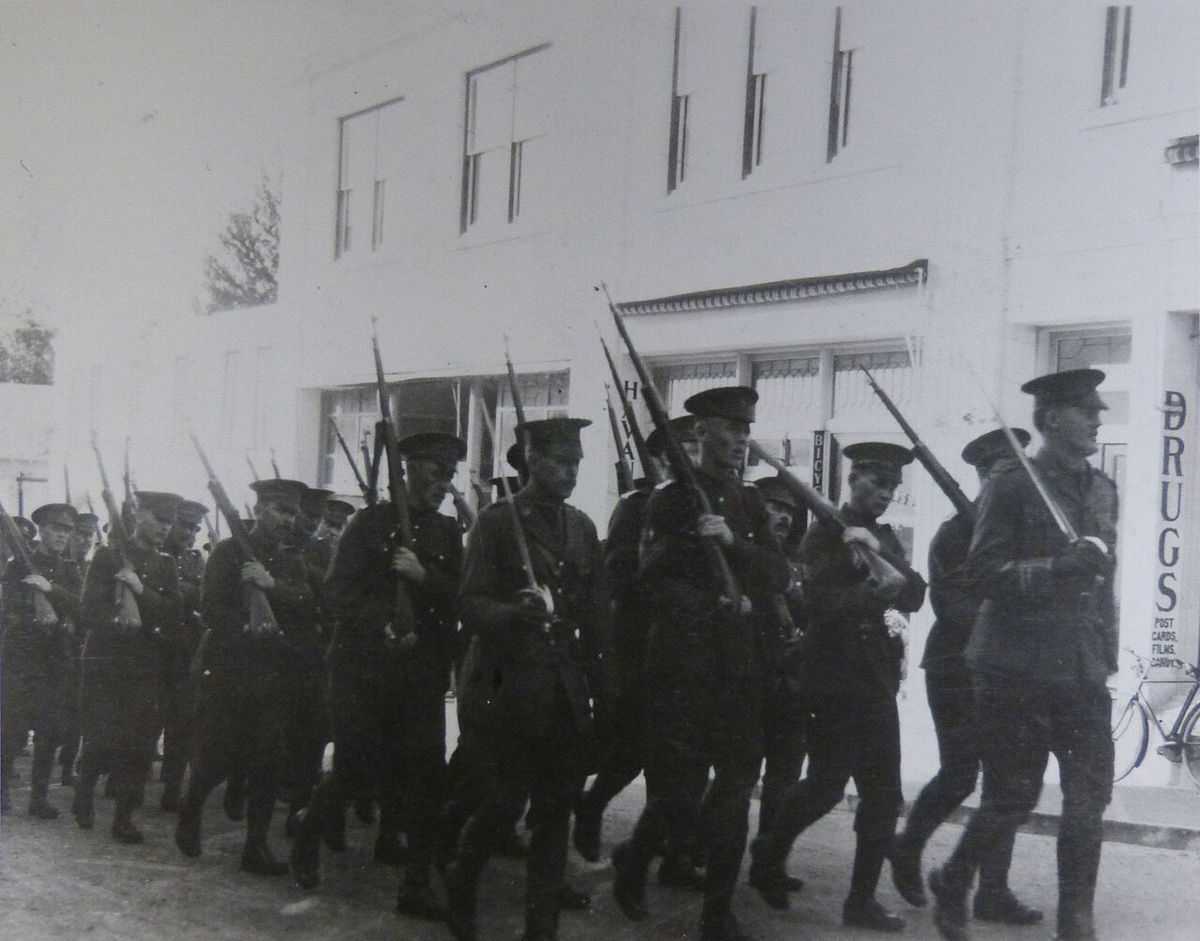
Royal Canadian Regiment
The Royal Canadian Regiment (RCR) is a senior infantry regiment of the Canadian Army and the country's oldest permanent force infantry unit. Originating in 1883 as the Infantry School Corps, the regiment has served in every major Canadian conflict from the North-West Rebellion to the war in Afghanistan. With its four battalions stationed in Ontario and New Brunswick, the RCR maintains a strong connection as the primary infantry regiment for anglophone eastern Canada. Its history is preserved at The Royal Canadian Regiment Museum in London, Ontario, located within the historic Wolseley Hall, a site continuously occupied by the regiment since 1888.
Origins and Early Service
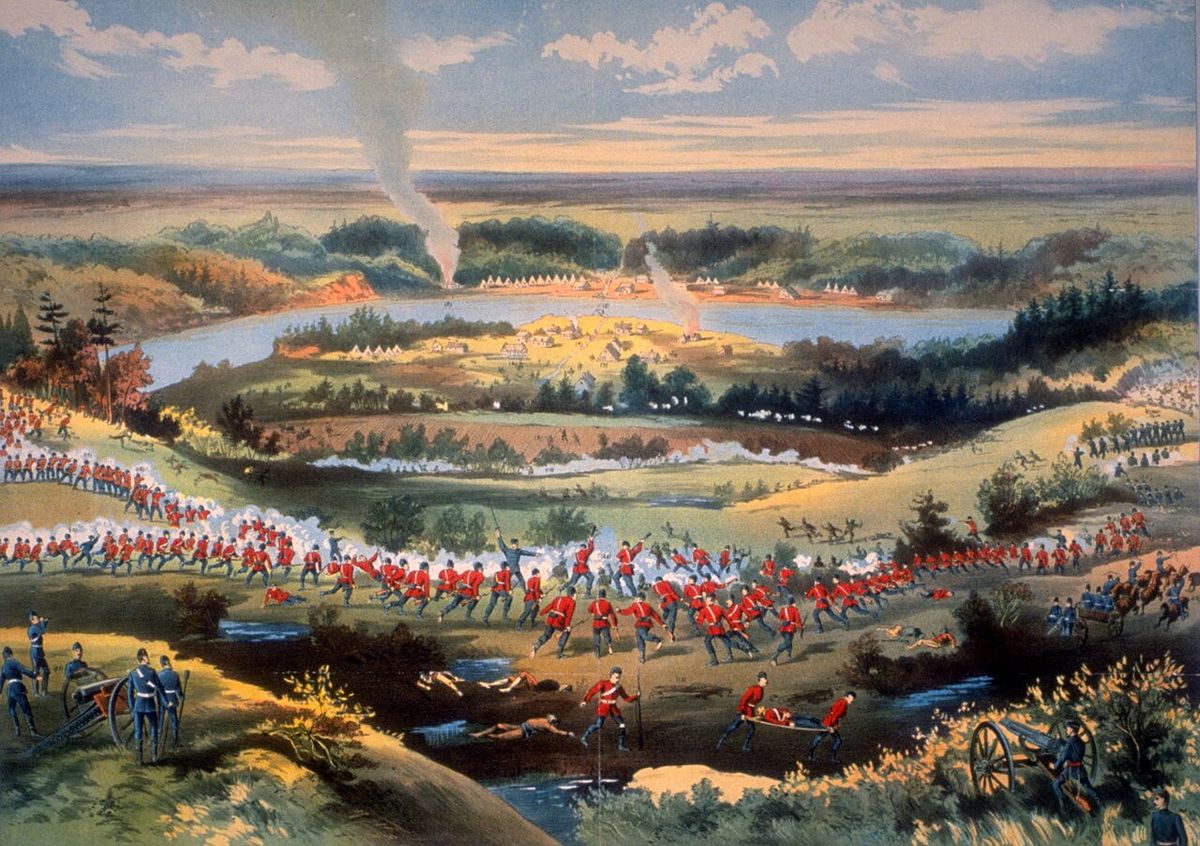
The Royal Canadian Regiment was originally authorized as the Infantry School Corps on 21 December 1883 under a Militia Act that also created the Cavalry School Corps. The school corps were established as regular units with the primary role of training the Canadian militia. The first three companies of the new corps were established in 1883 at Fredericton, New Brunswick, St Jean, Quebec, and Toronto, Ontario. A fourth company was authorized in 1887 and established the following year in London, Ontario, at what would become Wolseley Barracks, with construction of Wolseley Hall completed in 1888. The regiment earned its first battle honours during the North-West Rebellion in 1885, fighting at Batoche and Cut Knife Creek, which led to the honours 'Saskatchewan' and 'North West Canada, 1885'. The regiment's name changed several times in its early decades, from the Infantry School Corps to the Canadian Regiment of Infantry in 1892, the Royal Regiment of Canadian Infantry in 1893, and the Royal Canadian Regiment of Infantry in 1899, before settling on The Royal Canadian Regiment on 1 November 1901.
The South African War and Paardeberg
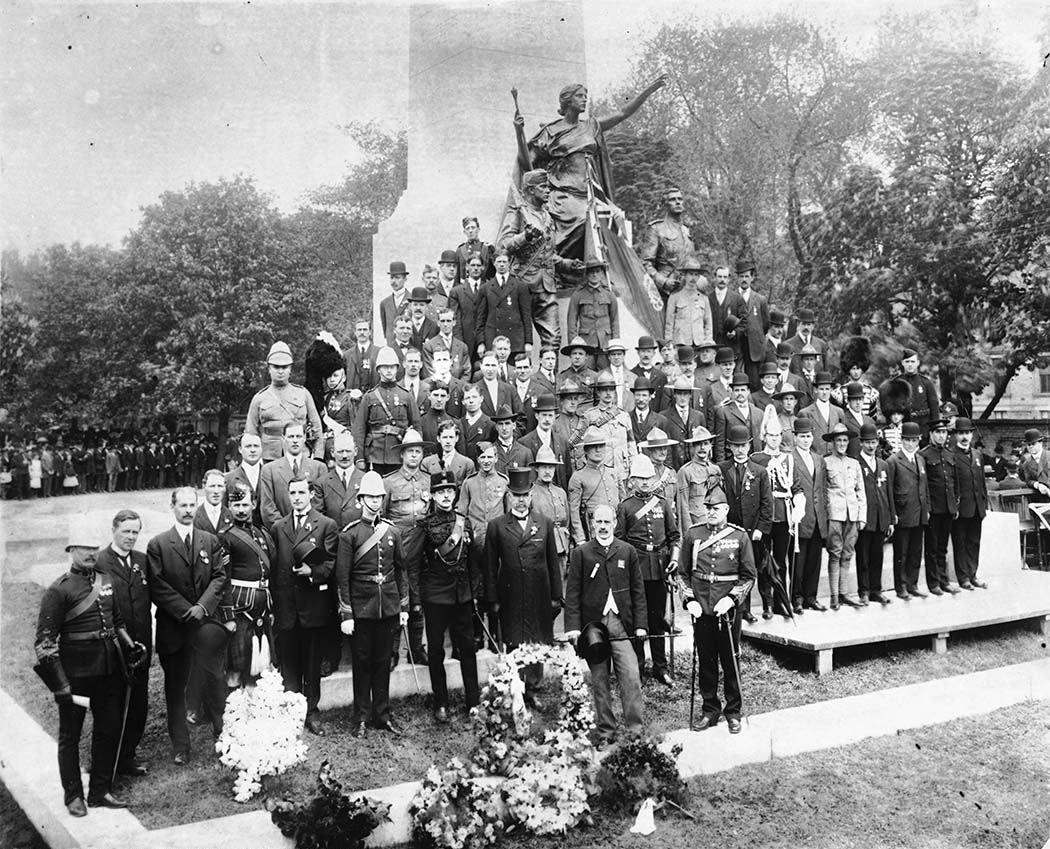
The regiment, redesignated the Royal Regiment of Canadian Infantry in 1893, saw its first major overseas combat in the South African War. Under the command of Lieutenant Colonel William Dillon Otter, formerly of The Queen's Own Rifles of Canada, the regiment's 2nd (Special Service) Battalion was raised as part of Canada's First Contingent. This battalion was considered by many British officers to be the best infantry battalion in the country, but it was quickly disbanded in 1900 upon its return to Canada. A 3rd (Special Service) Battalion was also raised in 1900 and served as a garrison force in Halifax until its disbandment in 1902. The Toronto company fought Canada's first overseas battle at Sunnyside, Cape Colony, on 1 January 1900, defeating a Boer commando in an action led by Australia's Queensland Mounted Infantry. The regiment played an instrumental role in the Battle of Paardeberg Drift from 18 to 27 February 1900. Canadian and British troops advanced by night to within 65 yards of the Boer lines, digging trenches on high ground. This action contributed directly to the surrender of the Boer force on 27 February, a date celebrated annually by the regiment as Paardeberg Day. The victory removed the commando blocking the way to the first Boer capital, Bloemfontein, and the regiment later arrived first at the gates of Pretoria. For his service in this war, Private Richard Rowland Thompson was awarded one of only eight Queen's scarves crocheted by Queen Victoria, four of which went to soldiers of the Dominions.
The First World War
The outbreak of the First World War saw the RCR initially deployed on garrison duty in Bermuda, replacing the 2nd Battalion, Lincolnshire Regiment, from September 1914 until August 1915. The regiment arrived in Bermuda on 3 September 1914 aboard HMCS Canada, escorted by HMCS Niobe. Upon returning to Halifax, the regiment was replaced by the 38th Battalion (Ottawa), CEF and reattested for overseas service with the Canadian Expeditionary Force. The RCR arrived in France in October 1915 and joined the 7th Canadian Infantry Brigade within the new 3rd Canadian Division, alongside Princess Patricia's Canadian Light Infantry and the 42nd and 49th Canadian Infantry Battalions. The regiment fought in many of the war's major battles, including Mount Sorrel, the Somme in 1916, Flers-Courcelette, Ancre Heights, Arras in 1917 and 1918, Vimy in 1917, Hill 70, Ypres in 1917, Passchendaele, Amiens, Scarpe in 1918, the Hindenburg Line, Canal du Nord, and the final Pursuit to Mons. Members of the regiment earned numerous decorations, including the Victoria Cross awarded to Lieutenant Milton Gregg. The regiment also perpetuates the legacy of Lieutenant Frederick William Campbell, VC, who served with the 1st (Western Ontario) Battalion, CEF, a unit now perpetuated by the RCR. The regiment's full list of First World War battle honours was expanded following the 1958 amalgamation to include those of the perpetuated CEF battalions.
The Second World War
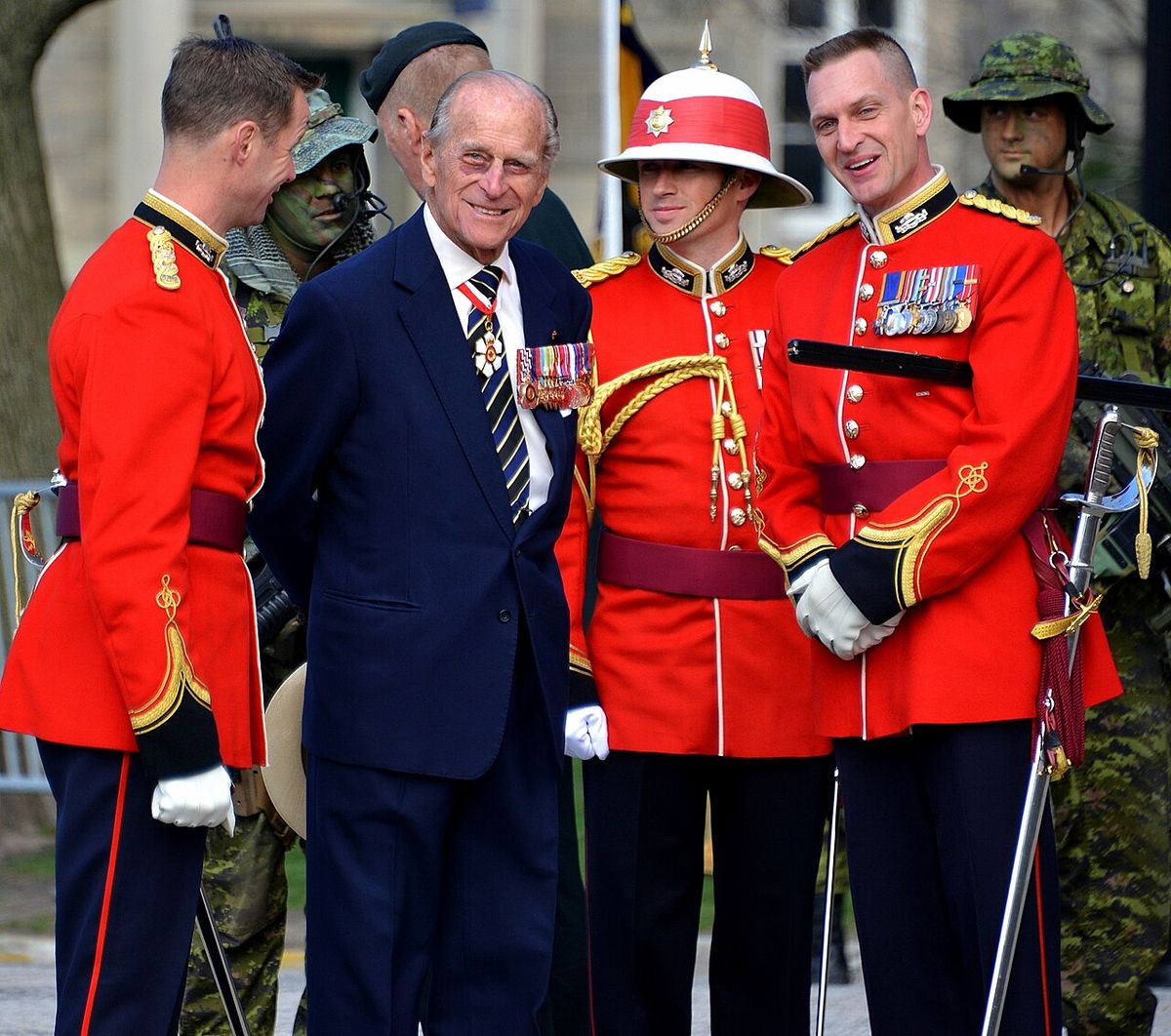
The RCR was mobilized on 1 September 1939 as part of the Canadian Active Service Force. Assigned to the 1st Canadian Infantry Brigade, a formation made up entirely of Ontario units, the regiment sailed for the United Kingdom in December 1939. After almost four years of training, the RCR landed at Pachino, Sicily, on 10 July 1943 in the opening waves of the Allied invasion. The last known member of the regiment to participate in these original waves, Private George F. Burrows of Chatham, Ontario, died in Windsor, Ontario in 2012 at age 88. The regiment fought through the 38-day Sicilian campaign alongside its sister units in the 1st Brigade, The Hastings and Prince Edward Regiment and the 48th Highlanders of Canada. The regiment then participated in Operation Baytown, the invasion of the Italian mainland at Reggio di Calabria in September 1943. In Italy, the RCR saw intense combat in the Moro River valley near Ortona in December 1943 and at the battles for the Hitler Line and Gothic Line in 1944. In February 1945, the regiment was transferred to northwest Europe during Operation Goldflake and helped liberate the Dutch city of Apeldoorn. For its service, the regiment was awarded 28 battle honours for the Second World War.
Korea, the Cold War, and Amalgamations
During the Korean War, the regiment expanded to a two-battalion, then a three-battalion, organization to contribute to Canada's Special Force. The 2nd Battalion was the first to deploy, helping to stabilize the 38th parallel, most notably in the Chail-li sector. The 1st Battalion fought the Chinese at the battle of Kowang-san, known as Hill 355 or Little Gibraltar, in October 1952. The 3rd Battalion replaced the 1st Battalion and took over the Jamestown Line on Hill 187, where it fought one of the last engagements before the armistice in 1953. After the war, the regiment was reduced to two battalions when the 3rd Battalion was disbanded in July 1954. A significant organizational change occurred in the 1950s through amalgamations with Militia units. In 1954, two London, Ontario, Militia regiments, The Canadian Fusiliers (City of London Regiment) (Machine Gun) and The Oxford Rifles, were amalgamated and redesignated The London and Oxford Fusiliers (3rd Battalion, The Royal Canadian Regiment). This unit was amalgamated with The Royal Canadian Regiment on 25 April 1958 and renamed the 3rd Battalion, The Royal Canadian Regiment (London and Oxford Fusiliers). This Militia battalion was renumbered as the 4th Battalion in 1970 when the Canadian Guards were reduced to nil strength and their 2nd Battalion's soldiers at CFB Petawawa became the new Regular Force 3rd Battalion, The RCR. Concurrently, the 2nd Battalion of The RCR was relocated to CFB Gagetown, New Brunswick, and reconstituted from the soldiers of the Black Watch (Royal Highland Regiment) of Canada. The designation of the Reserve battalion was shortened to 4th Battalion, The Royal Canadian Regiment on 22 May 1990. This amalgamation also expanded the regiment's perpetuations of First World War Canadian Expeditionary Force battalions to include:
- 1st Battalion (Ontario Regiment), CEF
- 33rd Battalion, CEF
- 71st Battalion, CEF
- 142nd Battalion (London's Own), CEF
- 168th Battalion (Oxfords), CEF
- 2nd Battalion, Canadian Machine Gun Corps, CEF
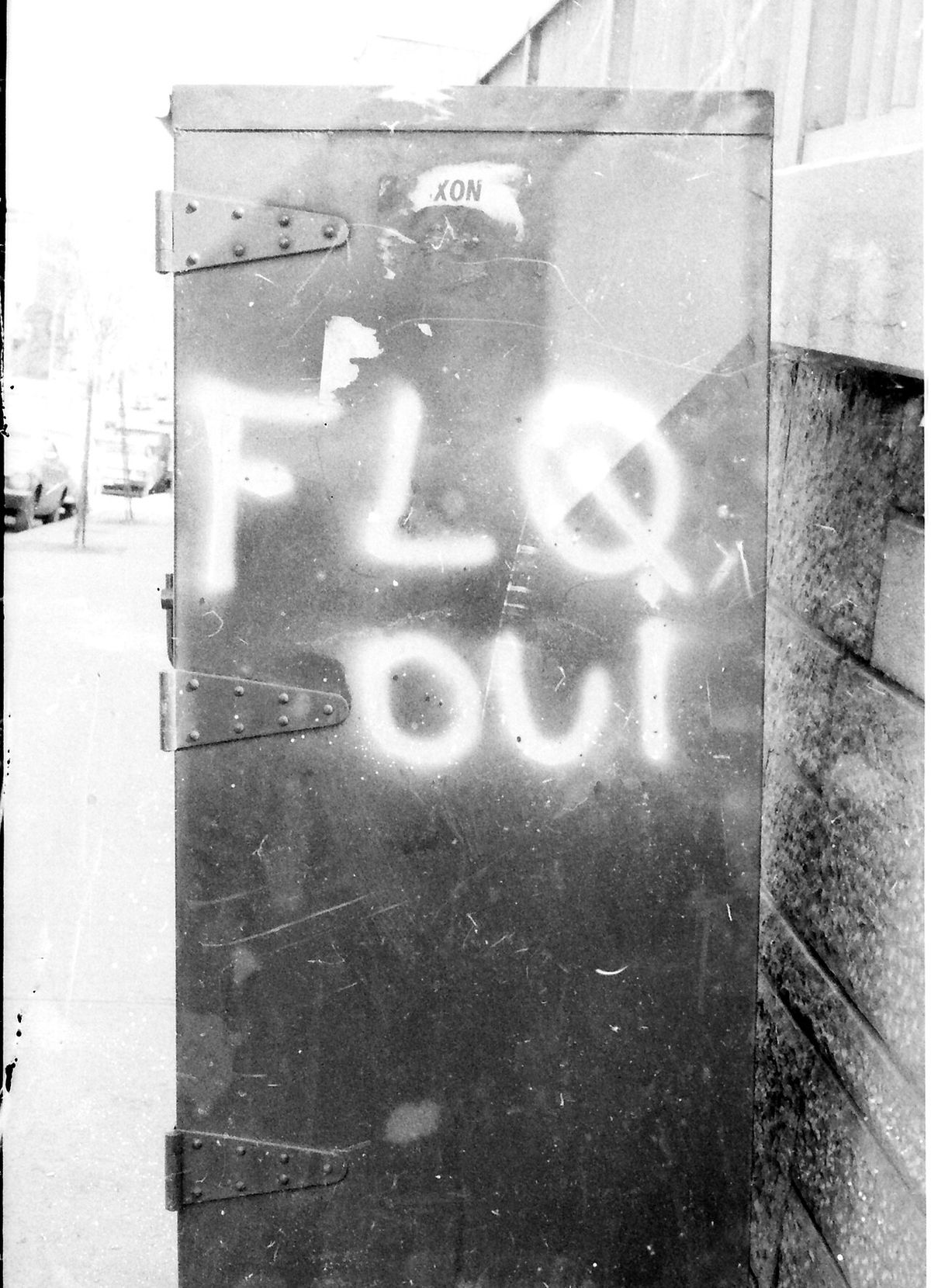
During the Cold War, RCR battalions were stationed in Germany as part of 4 Canadian Mechanized Brigade Group, with 1RCR deployed from 1955 to 1957 and 1962 to 1965, and 2RCR from 1953 to 1955 and 1965 to 1970. The 3rd Battalion was later deployed to CFB Baden-Soellingen in Germany from 1977 to 1984 and again from 1988 to 1993. The regiment undertook 13 six-month United Nations peacekeeping tours in Cyprus under Operation Snowgoose between 1966 and 1992. Domestically, all three Regular Force battalions were deployed during the 1970 October Crisis as part of the government's response to the FLQ and in support of the 1976 Summer Olympics in Montreal.
Modern Era, Structure, and Alliances
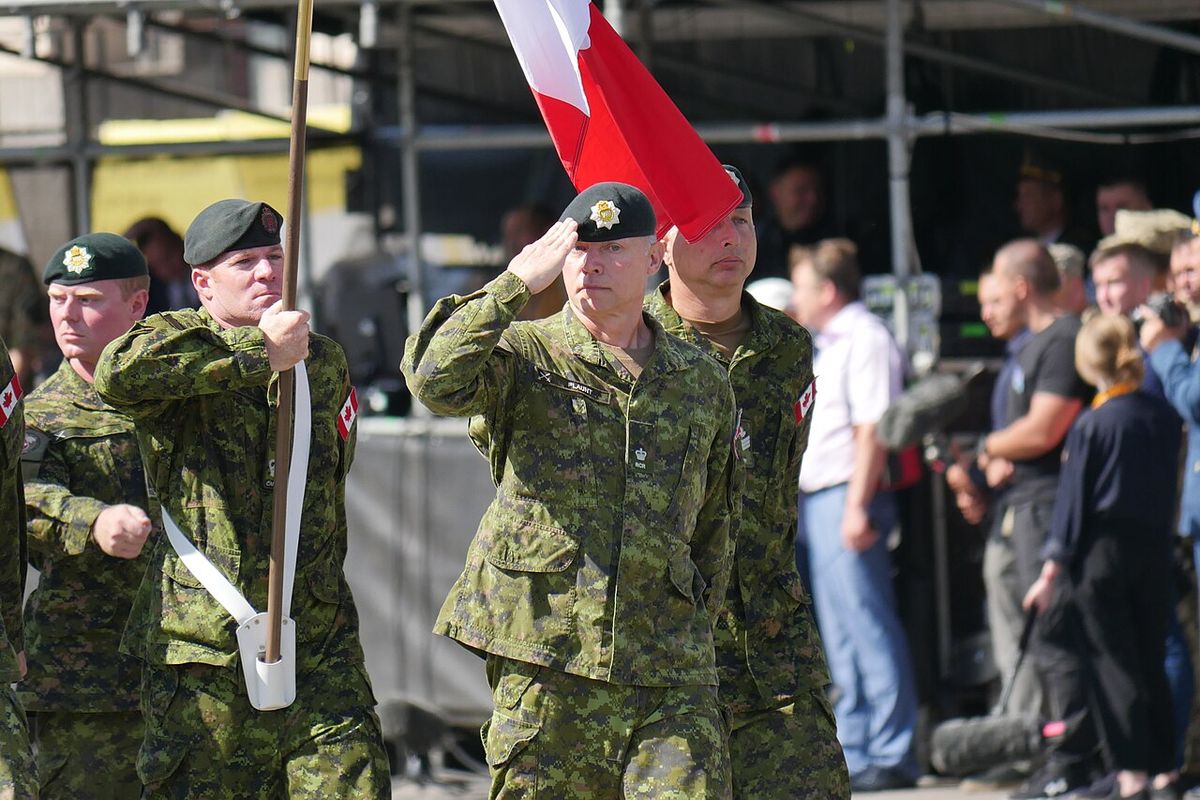
Today, The Royal Canadian Regiment consists of four battalions. The 1st, 2nd, and 3rd Battalions are Regular Force units, while the 4th Battalion is a Primary Reserve unit. The regiment maintains its Regimental Headquarters in Petawawa, Ontario, which handles regimental affairs outside the operational command of the battalions but holds no operational command role itself. The current battalion stations reflect the regiment's long-standing geographical ties, with many soldiers drawn from Ontario and the Atlantic Provinces in recent decades. The 1st Battalion is based at CFB Petawawa, the 2nd Battalion at CFB Gagetown, New Brunswick, and the 3rd Battalion at CFB Petawawa. The 4th Battalion remains at its traditional home of Wolseley Barracks in London, Ontario. The regiment is ranked first in the order of precedence among Canadian Army infantry regiments, though its 4th Battalion is ranked ninth due to rules of seniority. The RCR maintains several formal alliances with other regiments, a practice that fosters camaraderie and the exchange of traditions. Its alliances are with The Royal Regiment of Fusiliers and The Rifles in the United Kingdom, and with The Jamaica Regiment.
Battle Honours and Perpetuations
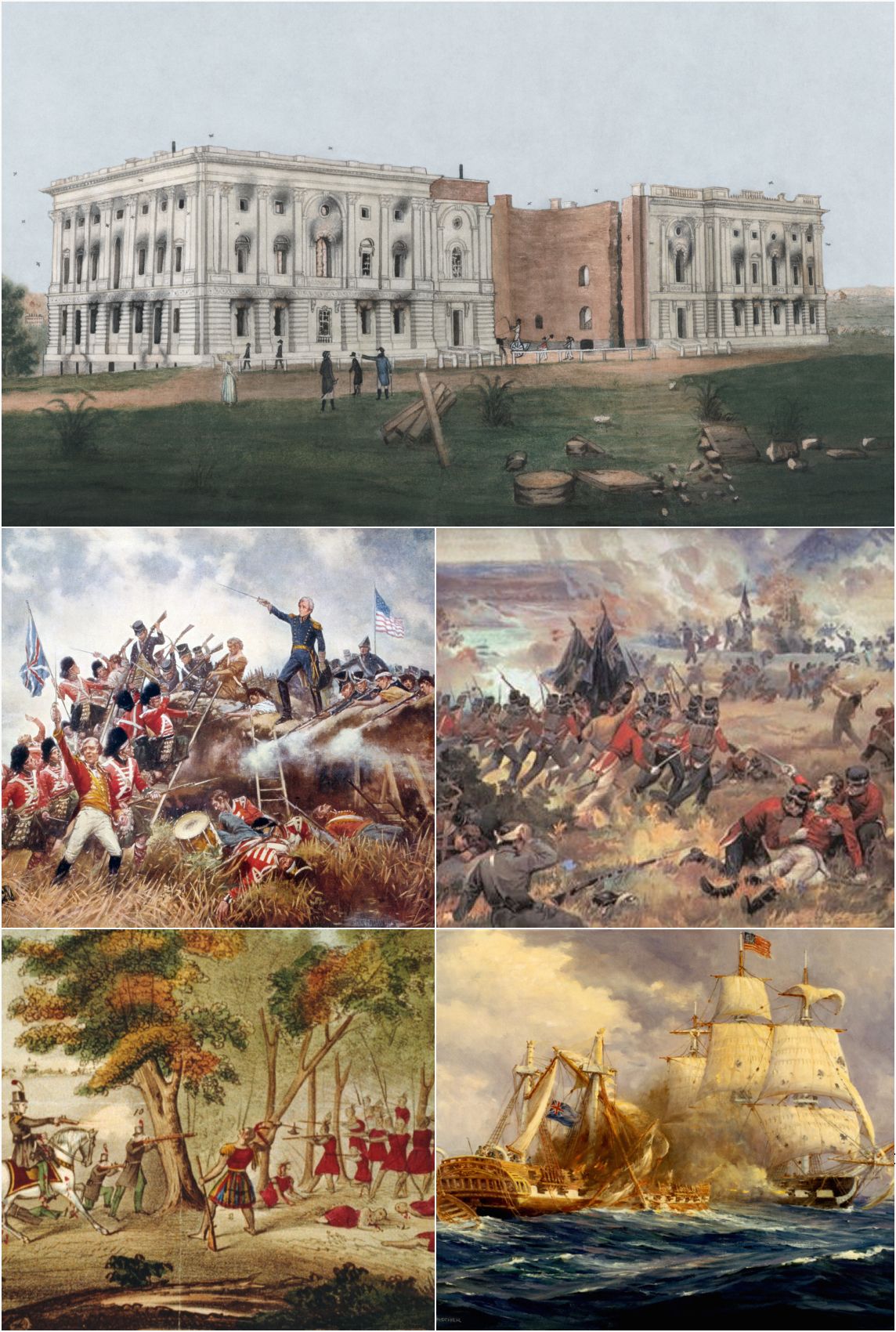
The Royal Canadian Regiment has been awarded a total of 61 battle honours throughout its history. These honours span conflicts from the War of 1812 to Afghanistan. In 2012, the regiment was assigned the perpetuation of several War of 1812 militia units, which granted it three battle honours from that conflict and a non-emblazonable honorary distinction. The regiment perpetuates the 1st Regiment of Middlesex Militia, the 1st Regiment of Oxford Militia, and The Loyal London Volunteers. The non-emblazonable honorary distinction is 'Defence of Canada, 1812 to 1815, Défense du Canada'. The regiment's battle honours for the North-West Rebellion and the South African War are emblazoned on its colours, as are selected honours from the World Wars, Korea, and Afghanistan. A selection of the regiment's emblazoned battle honours illustrates its wide-ranging service.
| Conflict | Battle Honours (Emblazoned Examples) |
|---|---|
| War of 1812 | Defence of Canada, Detroit, Niagara |
| North West Rebellion | Saskatchewan, North West Canada, 1885 |
| South African War | Paardeberg, South Africa, 1899 to 1900 |
| First World War | Mount Sorrel, Somme, 1916, Vimy, 1917, Passchendaele, Amiens |
| Second World War | Landing in Sicily, Moro River, Liri Valley, Apeldoorn |
| Korean War | Korea, 1951 to 1953 |
| Afghanistan | Afghanistan |
The Royal Canadian Regiment Museum and Heritage
The Royal Canadian Regiment Museum is located within the historic Wolseley Hall at Wolseley Barracks in London, Ontario. The museum occupies the west wing of the old Infantry School Building, constructed between 1886 and 1888, and visitors are welcomed through the old archway entrance, which has been upgraded for barrier-free access. Its detailed displays across two floors explore the national and international military commitments of Canada since 1883. The museum offers a vast collection of artefacts, partially available online, along with hands-on activities, educational programs, periodic events, and a customer-friendly gift shop. It serves as the central repository for the regiment's material history and provides public access to this heritage. The museum continues to host special events and workshops, such as a research workshop scheduled for 11 November 2026, to help the public understand military service records. Another plaque commemorating the regiment's centennial from 1883 to 1983 is located at the Royal Military College Saint-Jean, a site where elements of the regiment were garrisoned from 1884 to 1908 and again from 1924 onward.
Questions about Royal Canadian Regiment
What is The Royal Canadian Regiment?
The Royal Canadian Regiment is the oldest permanent force infantry regiment in the Canadian Army. It was originally formed as the Infantry School Corps in 1883 to train the militia. The regiment consists of four battalions, three in the Regular Force and one in the Primary Reserve, and it is ranked first in the order of precedence among Canadian infantry regiments. It has served in every major Canadian conflict and maintains a strong connection to communities in Ontario and the Atlantic provinces.
Where is The Royal Canadian Regiment based?
The regiment's battalions are stationed in Ontario and New Brunswick. The Regimental Headquarters is located at CFB Petawawa in Ontario. The 1st and 3rd Battalions are at CFB Petawawa, the 2nd Battalion is at CFB Gagetown, and the 4th Battalion, the Reserve unit, is based at the historic Wolseley Barracks in London, Ontario, a site the regiment has occupied since 1888. The Royal Canadian Regiment Museum is also located at Wolseley Barracks.
What was the regiment's role in the Battle of Paardeberg?
During the South African War, The Royal Canadian Regiment played a decisive role in the Battle of Paardeberg Drift from 18 to 27 February 1900. The regiment advanced by night to within 65 yards of the Boer lines, digging trenches on high ground. This action contributed directly to the surrender of the Boer force on 27 February, a date celebrated annually by the regiment as Paardeberg Day. The victory opened the way to the Boer capital of Bloemfontein.
Did The Royal Canadian Regiment serve in the World Wars?
Yes, the regiment served in both World Wars. In the First World War, after initial garrison duty in Bermuda, it fought on the Western Front from 1915 to 1918 in major battles including the Somme, Vimy Ridge, and Passchendaele. In the Second World War, the regiment landed in Sicily in July 1943, fought through the Italian campaign, and was transferred to northwest Europe in 1945, helping to liberate the Dutch city of Apeldoorn. It earned numerous battle honours for its service in both conflicts.
What is the regiment's connection to the Korean War?
During the Korean War, The Royal Canadian Regiment expanded to three battalions to contribute to Canada's forces. The 2nd Battalion helped stabilize the front along the 38th parallel. The 1st Battalion fought at the battle of Kowang-san (Hill 355) in October 1952, and the 3rd Battalion was in action on Hill 187 just before the 1953 armistice. After the war, the regiment was reduced to two Regular Force battalions, with the 3rd Battalion disbanded in 1954.
Can the public visit a museum dedicated to The Royal Canadian Regiment?
Yes, the public can visit The Royal Canadian Regiment Museum located in Wolseley Hall at Wolseley Barracks in London, Ontario. The museum features extensive displays on two floors covering Canadian military history from 1883 to the present. It offers educational programs, hands-on activities, and a gift shop. The museum also hosts special events and workshops to help visitors understand military history and service records.
Sources and further reading
- Royal Canadian Regiment (Wikipedia)
- Significant Events in Canadian History (thecanadianencyclopedia.ca)
- The Royal Canadian Regiment Museum (eventbrite.ca)
- Our history (legion.ca)
- The Black Watch (Royal Highland Regiment) of Canada ... (blackwatchcanada.ca)
Checked by the Nosy Mag desk. Last updated 2026-10-29.