Canadian Special Operations Forces Command
The Canadian Special Operations Forces Command (CANSOFCOM) is the unified command responsible for all special forces operations within the Canadian Armed Forces. Established in 2006, it provides the Government of Canada with agile, high-readiness forces capable of responding to terrorism and other threats to Canadian interests both domestically and internationally. The command coordinates specialized units for missions ranging from hostage rescue to chemical, biological, radiological, and nuclear (CBRN) crisis response. CANSOFCOM reports directly to the Chief of the Defence Staff and operates as a critical component of Canada's national security architecture, often working in conjunction with other government departments and allied special operations forces.
Mission and Strategic Tasks
The Canadian Special Operations Forces Command was created to consolidate and lead Canada's special operations capabilities under a single, responsive command structure. Its primary mission is counter-terrorism, which involves conducting rigorous and specialized training and working with local law enforcement agencies, as required, to protect Canadians from the threat of terrorism. The command is designed to be a high-readiness organization, capable of deploying on very short notice to address crises that affect national interests. CANSOFCOM's operations are characterized by their political sensitivity and strategic importance, relying on a flat organizational structure and direct access to senior defence and political decision-makers.
CANSOFCOM has five overarching strategic tasks that guide its activities and development. The command must provide expert advice on special operations to the Chief of the Defence Staff and other Canadian Armed Forces operational commanders. It is responsible for generating deployable, high-readiness special operations forces that can operate as part of broader military missions or independently. CANSOFCOM conducts and commands special operations forces operations directly on behalf of the Chief of the Defence Staff. A key task is the continuous development of special operations capabilities, tactics, and doctrine to stay ahead of evolving threats. Finally, the command maintains and promotes essential relationships with Canadian security partners and allied special operations forces around the world.
In support of its strategic tasks, CANSOFCOM personnel are organized, trained, equipped, and always ready to conduct operational tasks. These tasks include hostage rescue, direct action, and chemical, biological, radiological and nuclear (CBRN) crisis response. Other tasks are sensitive site exploitation, combating weapons of mass destruction, and maritime special operations. The command also conducts support to non-combatant evacuation operations, special protection operations, and defence, diplomacy and military assistance.
- Hostage rescue operations to recover Canadian or allied citizens.
- Direct action missions involving short-duration strikes and other small-scale offensive actions.
- Chemical, biological, radiological, and nuclear (CBRN) crisis response.
- Sensitive site exploitation to gather intelligence from locations of interest.
- Combatting the proliferation of weapons of mass destruction.
- Maritime special operations conducted in coastal and open ocean environments.
- Support to non-combatant evacuation operations for Canadian citizens abroad.
- Special protection operations for designated individuals or facilities.
- Defence, diplomacy, and military assistance to build partner capacity.
CANSOFCOM is capable of operating across the full spectrum of conflict, including in ambiguous grey zone activities. The command's 2020 strategic plan, Beyond the Horizon, recognizes shifts in warfare, including an increasing number of grey zone activities by state and non state actors. These are activities that fall just below the threshold of traditional armed conflict. The command advertises professionals who are able to excel as a military force at the National Defence and National Security nexus within the grey spaces of conflict.
Organization and Unit Composition
CANSOFCOM is organized into a central headquarters element and five distinct operational and support units. While there is some functional overlap, each unit possesses a primary mandate and specialized capabilities that contribute to the command's overall effectiveness. The headquarters, established in 2006, serves as the operational and institutional backbone, providing command, control, and administrative support to the subordinate units. This structure allows for integrated planning and the rapid assembly of tailored task forces for specific missions.
Joint Task Force 2 (JTF 2) is the command's premier unit, with its primary mandates being hostage rescue and counter-terrorism. Originally formed in 1993 to take over domestic counter-terrorism duties from the RCMP's Special Emergency Response Team, JTF 2 has evolved into a globally deployed force. The Canadian Special Operations Regiment (CSOR) focuses on direct action and foreign training and advisory roles, often leading coalition capacity-building efforts. The Canadian Joint Incident Response Unit (CJIRU) provides the command's technical expertise for nuclear, biological, and chemical response, forming the core of Canada's military CBRN capability.
The 427 Special Operations Aviation Squadron (SOAS) provides dedicated aviation support for special operations. The Canadian Special Operations Training Centre (CSOTC) is responsible for the selection and advanced training of all CANSOFCOM personnel. CANSOFCOM employs an integrated operating concept that combines the capabilities of all units in a special operations task force. Therefore, depending on the tasks at hand, various combinations of personnel from Joint Task Force 2, the Canadian Special Operations Regiment, 427 SOAS and the Canadian Joint Incident Response Unit are assembled into a task force to accomplish assigned missions.
Special Operations Task Forces
CANSOFCOM employs an integrated operating concept, frequently combining capabilities from across its units into tailored Special Operations Task Forces (SOTF). The commander selects which force or team to deploy based on the scope of the problem, required response time, desired effect, and level of precision needed. To meet specific standing tasks assigned by the government, CANSOFCOM has developed several standing SOTFs that are maintained at high readiness. The Immediate Response Task Force (IRTF) is the highest-readiness task force available to the Government of Canada, deployable on extremely short notice to address issues affecting national interests.
Composed of personnel from all CANSOFCOM units and led by JTF 2, the IRTF's primary focus is counter-terrorism operations, both domestic and international. The Chemical, Biological, Radiological and Nuclear (CBRN) Task Force is based on the personnel and capabilities of CJIRU and includes CANSOFCOM's contribution to the RCMP-led National CBRNE Response Team. This task force provides a short-notice technical response to CBRN incidents within Canada and can also conduct international counter-proliferation operations. Task Force Arrowhead is a scalable, agile force led by CSOR, able to respond to global threats on short notice for initial crisis response.
In addition to these standing task forces, CANSOFCOM also deploys small SOF teams for missions that fall outside the scope of the larger formations. These teams, typically deployed for periods not longer than six months, perform tasks such as defence diplomacy, military assistance, strategic advice, and liaison work. They are composed of personnel from all four operational units and often support the operations of other Government of Canada organizations. The IRTF, CBRN Task Force, Task Force Arrowhead, and SOF teams represent a core set of responsive options, but the command retains the ability to generate additional, mission-specific forces as required by evolving circumstances.
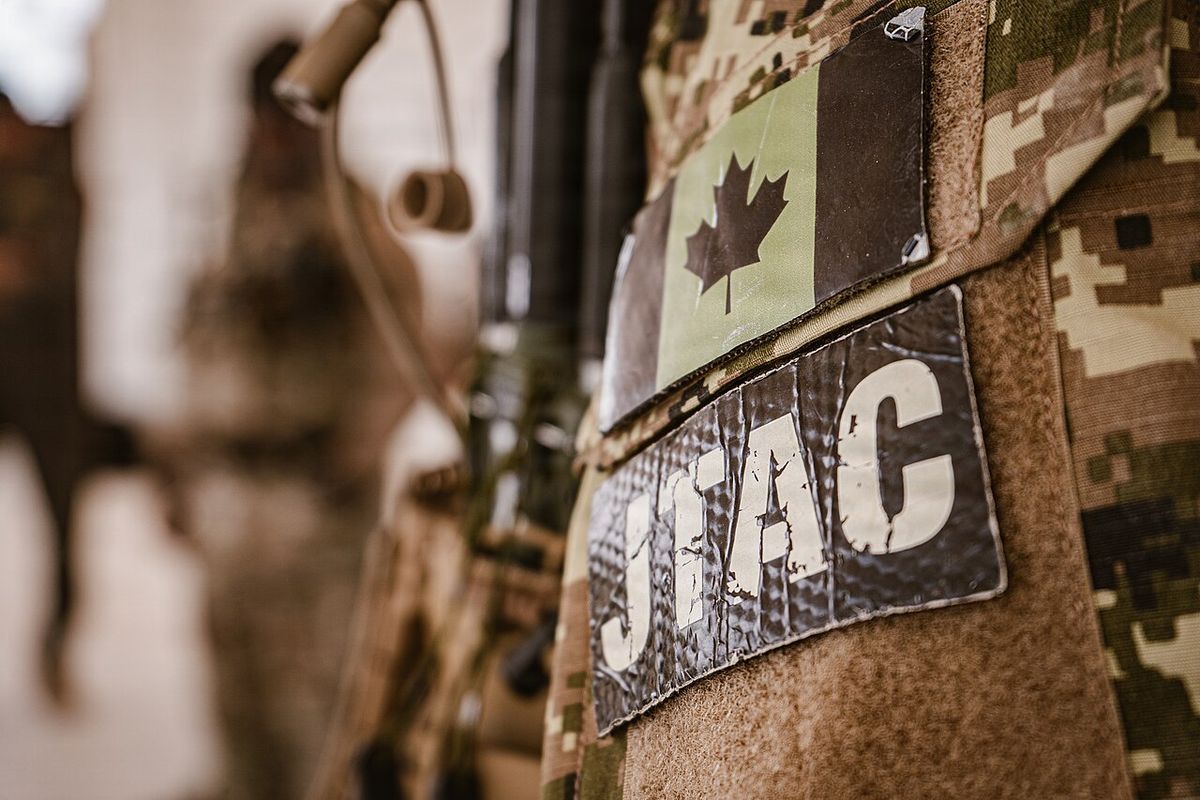
Personnel, Recruitment, and Training
The core strength of CANSOFCOM lies in its people, who are selected and trained to operate in high-stakes, complex environments. The command actively recruits for several critical operator occupations through periodic voluntary occupation transfer campaigns. In 2025, it called for applications for roles including Special Operations Assaulter (SOA), Special Operations Assaulter Officer, Special Operations Technical Collection Operator (SOTCO), CBRN Officer, Special Forces Operator (SF OP), and Special Forces Operator Officer. The recruitment process is stringent, with complete application files required by specific deadlines, such as October 17, 2025, for Regular Force members and December 12, 2025, for Primary Reserve members.
The assessment and selection phase for these roles is described as extremely demanding and difficult, with applicants allowed a maximum of three attempts, evaluated on a case-by-case basis. The command emphasizes that candidates must be physically, mentally, and personally prepared for the rigorous process. Successful candidates from the 2025 to 2026 recruitment cycle were slated to begin their respective CANSOFCOM Sub Unit Courses in the summer of 2026. Throughout the application process, maintaining operational security (OPSEC) is paramount, with applicants instructed to avoid discussing their applications outside their chain of command and on social media.
All training is centralized under the Canadian Special Operations Training Centre (CSOTC). The training continuum is designed to produce operators who are tactically proficient and capable of operating independently in small teams. This focus on elite human capital is a defining feature of CANSOFCOM. Its strategic planning commits to developing fully integrated, connected and empowered professionals capable of excelling at the nexus of national defence and national security. The assessment phase for new personnel is extremely demanding and difficult, and only three attempts are allowed.
Strategic Direction and the 'Grey Zone'
CANSOFCOM's strategic direction is articulated in publicly released plans that outline its vision and adaptation to the global security environment. The 2015 plan, 'Consolidating the Objective,' framed the command's growth from a small to a medium-sized military enterprise. The subsequent 2020 strategic plan, 'Beyond the Horizon,' reflects a command confident in its role within Canada's defence and security apparatus, particularly in addressing modern 'grey zone' conflicts. This plan was released by Deputy Minister for National Defence Jody Thomas and situates CANSOFCOM's work in a world where the boundaries between war and peace are increasingly blurred.
The 'grey zone' refers to competitive activities by state and non-state actors that fall below the traditional threshold of armed conflict, often involving hybrid and asymmetric tactics. In this space, threats blend economic, political, technological, informational, and military tools. CANSOFCOM positions itself as a 'gaps and seams' force operating between national defence and national security architectures to defeat these asymmetric threats. This role is supported by Canada's defence policy, 'Strong, Secure, Engaged,' which emphasizes a cooperative, joint, inter-agency, and multinational approach to operations where CANSOFCOM plays a central part.
CANSOFCOM maintains and promotes relationships with Canadian security partners and allied special operations forces. This whole of government approach is essential for addressing complex, transnational threats. For example, the Chemical, Biological, Radiological and Nuclear Task Force includes the CANSOFCOM contribution to Canada's National CBRNE Response Team, which is led by the Royal Canadian Mounted Police. Small SOF teams also provide strategic reconnaissance and security support to operations of other Government of Canada organizations.
- Global Affairs Canada for international policy and diplomacy.
- Public Safety Canada for domestic security coordination.
- Canadian Security Intelligence Service (CSIS) for intelligence.
- Communications Security Establishment (CSE) for cyber and signals intelligence.
- Royal Canadian Mounted Police (RCMP) for law enforcement and domestic crisis response.
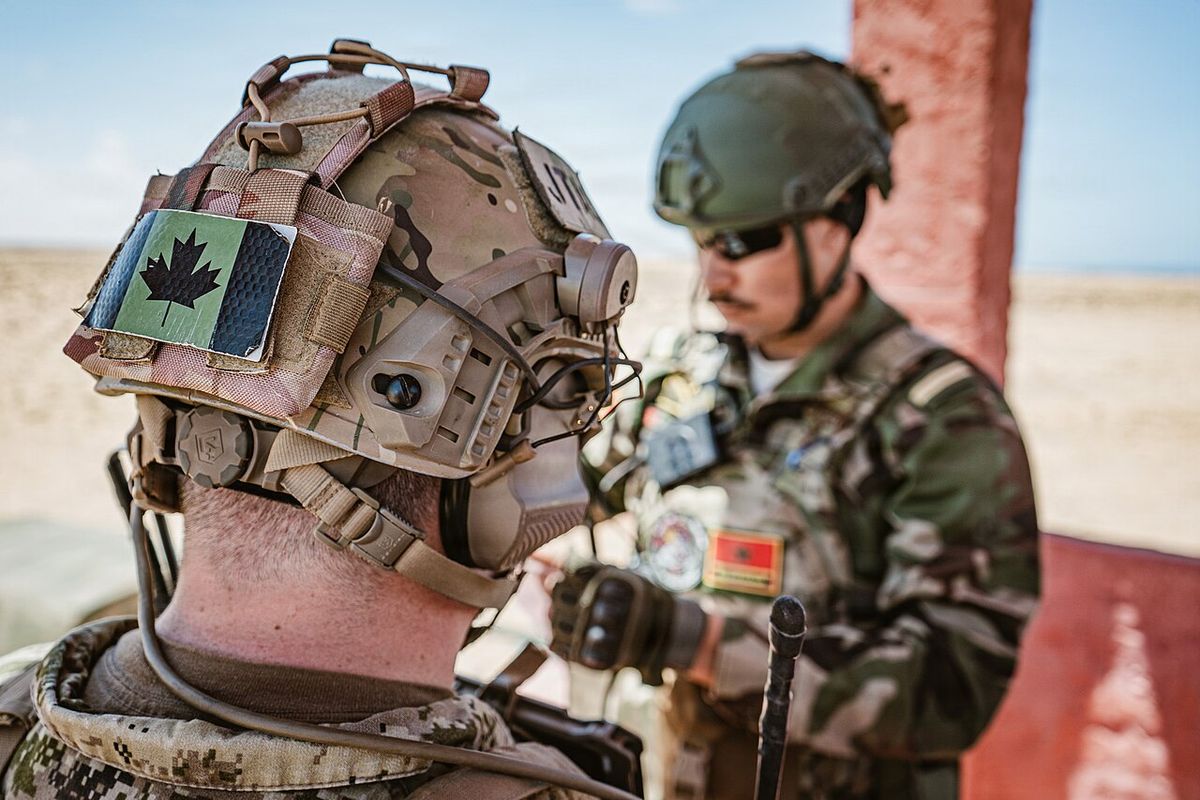
Uniform and Distinct Identity
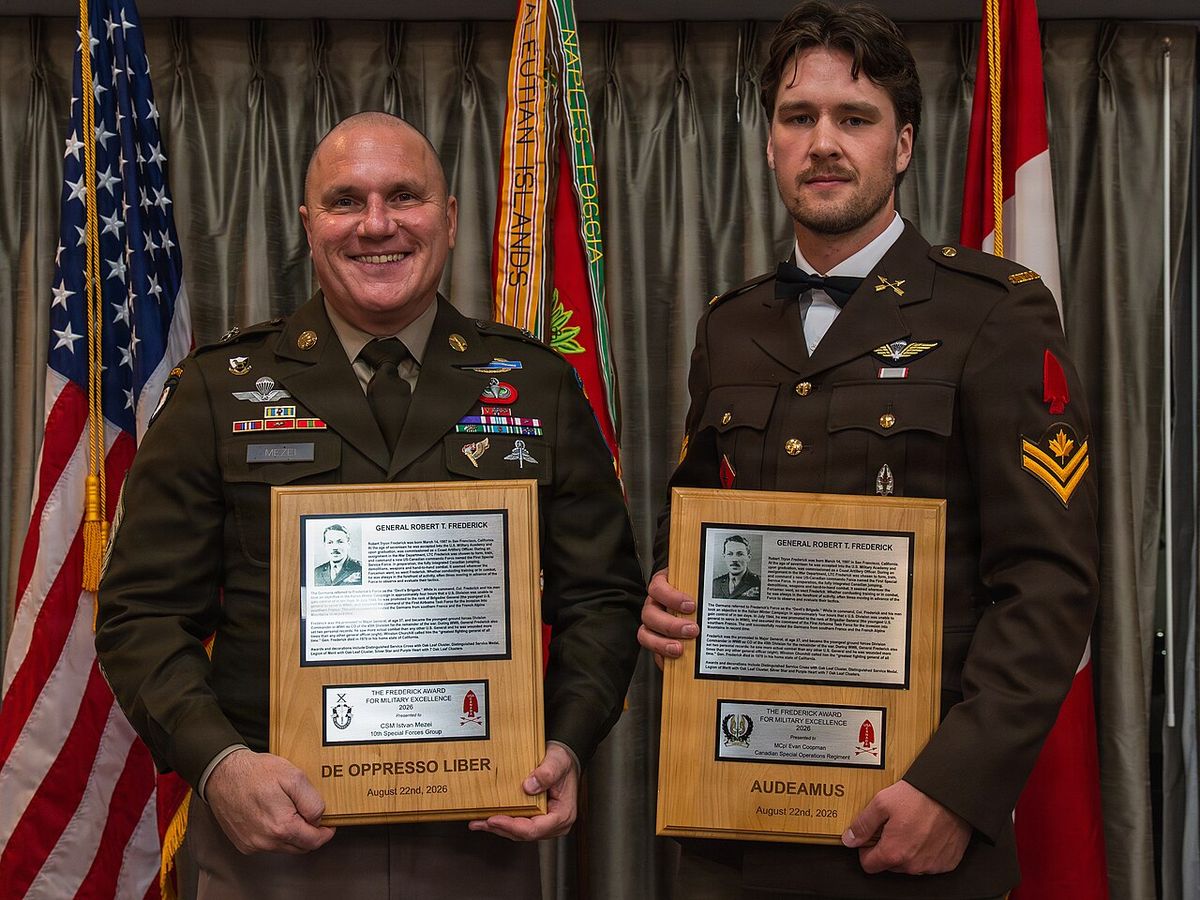
Members of CANSOFCOM share a distinct visual identity that sets them apart from the broader Canadian Armed Forces while signifying their unified command. On operational duty, all personnel, regardless of their original naval, army, or air force environment, wear the tan beret. With this beret, members wear the badge of their personnel branch, though members formerly of the Royal Canadian Armoured Corps or Royal Canadian Infantry Corps may wear their former regimental badge. This common headdress fosters a shared identity across the diverse special operations community.
In 2017, the command introduced a unique service dress uniform for the newly created Special Operations Forces Branch. This uniform further distinguishes CANSOFCOM personnel from their conventional force counterparts. The service dress consists of a dark olive, five-button jacket paired with light olive trousers that are bloused over black jump boots. The ensemble includes a light khaki shirt, an olive tie, and the signature tan beret. This distinctive uniform not only provides a clear visual marker of the special operations forces but also reinforces the elite and specialized nature of the command within the Canadian military structure.
Budget and Resource Considerations
CANSOFCOM operates with a significant but focused budget, which funds its high-end capabilities and small, professional force. As of recent reporting, the command oversees an annual budget of $218 million to support its approximately 2,550 personnel and five component units. This funding covers personnel costs, specialized training, unique equipment, and the operational expenses associated with maintaining a constant state of high readiness. Compared to the massive capital expenditures required for conventional force fleet replacements, CANSOFCOM's budgetary needs are modest, but they are critical for maintaining a technological edge.
Strategic analysis of the command often highlights that investment in special forces yields a disproportionate effect relative to cost. The capital expenditure is directed towards equipping the individual operator with the best possible tools, adhering to the philosophy that special forces 'equip the operator' rather than focusing on operating large, complex platforms. This investment ensures that CANSOFCOM personnel can operate effectively in congested, contested, and competitive environments against adaptive adversaries. The command's strategic plans argue for continued, careful investment in both personnel growth and technology to ensure it remains a relevant and decisive instrument of national power for the Canadian government in an uncertain future.
Allied and Partner Relationships
International cooperation is a fundamental element of CANSOFCOM's effectiveness, as modern special operations are rarely conducted in isolation. The command maintains and promotes deep relationships with allied special operations forces around the globe, facilitating interoperability, shared training, and combined missions. These partnerships allow for the exchange of tactics, techniques, and procedures and provide Canada with access to a wider network of intelligence and operational support. CANSOFCOM regularly exercises and operates with its closest allies, ensuring effective cooperation during real-world crises.
Key allied commands include the United States Special Operations Command (USSOCOM), the United Kingdom Special Forces (UKSF), Special Operations Command Australia (SOCOMD), and Germany's Kommando Spezialkräfte (KSK). Domestically, CANSOFCOM's closest brother unit within the Canadian Armed Forces is the Canadian Joint Operations Command (CJOC), which is responsible for most conventional force operations. The synergy between CANSOFCOM and CJOC allows for the integration of special operations into broader military campaigns when necessary. These relationships, both international and domestic, are actively managed as a strategic task and are vital for the command's ability to project power and protect Canadian interests in a collaborative security landscape.
Questions about Canadian Special Operations Forces Command
What is the main purpose of the Canadian Special Operations Forces Command?
The Canadian Special Operations Forces Command (CANSOFCOM) is the unified command responsible for all Canadian special forces operations. Its primary mission is counter-terrorism, and it exists to provide the Government of Canada with agile, high-readiness forces capable of conducting special operations to defend Canada and Canadian interests both at home and abroad. The command responds to threats including terrorism, chemical, biological, radiological, and nuclear incidents, and hostage situations. It reports directly to the Chief of the Defence Staff and operates within a framework of close oversight by the Department of National Defence.
What units make up CANSOFCOM?
CANSOFCOM is composed of a headquarters element and five main units. Joint Task Force 2 (JTF 2) is the premier unit focused on hostage rescue and counter-terrorism. The Canadian Special Operations Regiment (CSOR) specializes in direct action and foreign training missions. The Canadian Joint Incident Response Unit (CJIRU) handles chemical, biological, radiological, and nuclear (CBRN) crisis response. The 427 Special Operations Aviation Squadron (SOAS) provides dedicated aviation support for insertion, extraction, and resupply. Finally, the Canadian Special Operations Training Centre (CSOTC) is responsible for the selection and advanced training of all CANSOFCOM personnel.
How many people serve in CANSOFCOM and what is its budget?
The Canadian Special Operations Forces Command oversees approximately 2,550 military and civilian staff members. To support its operations, training, and high-readiness posture, the command has an annual budget of $218 million. This funding is allocated across its five units to cover personnel costs, specialized equipment, and the unique training requirements necessary for special operations. The command is considered a medium-sized enterprise within the Canadian Armed Forces, where investment in its elite personnel is prioritized to achieve a disproportionate operational effect.
How does someone join CANSOFCOM?
Joining CANSOFCOM requires a voluntary occupation transfer for already-serving Canadian Armed Forces members. The command periodically opens recruitment campaigns for specific operator occupations like Special Operations Assaulter, Special Forces Operator, and Technical Collection Operator. The application process is highly competitive and demanding, with strict deadlines for submission, such as October 17, 2025, for Regular Force members in a recent cycle. Candidates undergo an extremely rigorous assessment phase, for which only three attempts are generally permitted, and must be physically, mentally, and personally prepared. Successful applicants then proceed to extensive training at the Canadian Special Operations Training Centre.
What is a Special Operations Task Force (SOTF)?
A Special Operations Task Force (SOTF) is a tailored force assembled from across CANSOFCOM's units to accomplish a specific mission. The command maintains several standing SOTFs for rapid deployment. The Immediate Response Task Force (IRTF) is the highest-readiness force, led by JTF 2 for counter-terrorism. The CBRN Task Force, based on CJIRU, responds to chemical, biological, radiological, and nuclear incidents. Task Force Arrowhead, led by CSOR, is a scalable force for initial global crisis response. Additionally, small SOF teams are formed for shorter-duration missions like military assistance and strategic reconnaissance. The composition of any SOTF depends on the mission's specific requirements.
What does CANSOFCOM mean by operating in the 'grey zone'?
In its strategic planning, CANSOFCOM defines the 'grey zone' as the ambiguous space where state and non-state actors use competitive activities that fall below the traditional threshold of armed conflict. This involves hybrid warfare, blending military tools with economic, political, and informational tactics in a way that creates ambiguity. CANSOFCOM's 2020 strategic plan, 'Beyond the Horizon,' positions the command as a force that operates in the 'gaps and seams' between national defence and national security architectures to counter these asymmetric, grey-zone threats. This role involves close cooperation with other government agencies like CSIS, the RCMP, and Global Affairs Canada to address complex, transnational challenges.
Sources and further reading
- Canadian Special Operations Forces Command (Wikipedia)
- Canadian Special Operations Forces Command Accepting ... (cmfmag.ca)
- Understanding Canada's Special Operations Forces (ploughshares.ca)
- Canada's Special Forces (cgai.ca)
Checked by the Nosy Mag desk. Last updated 2026-10-23.