Lord Strathcona's Horse
Lord Strathcona's Horse (Royal Canadians) is a regular armoured regiment of the Canadian Army and one of the country's three full-time tank units. Founded in 1900 by the wealthy Scottish Canadian Donald Alexander Smith, 1st Baron Strathcona and Mount Royal, who raised and equipped the cavalry regiment at his own expense for the Boer War, it is one of the last regiments in the British Empire created by a private individual. Based in Edmonton, Alberta, as part of 1 Canadian Mechanized Brigade Group, 3rd Canadian Division, the regiment has fought in every major Canadian conflict since its inception, evolving from horse cavalry to a modern armoured force operating main battle tanks. Its storied history includes notable actions in both world wars, Korea, Afghanistan, and numerous peacekeeping missions, and it maintains unique ceremonial traditions like its mounted troop and pipe band.
Origins and the Boer War
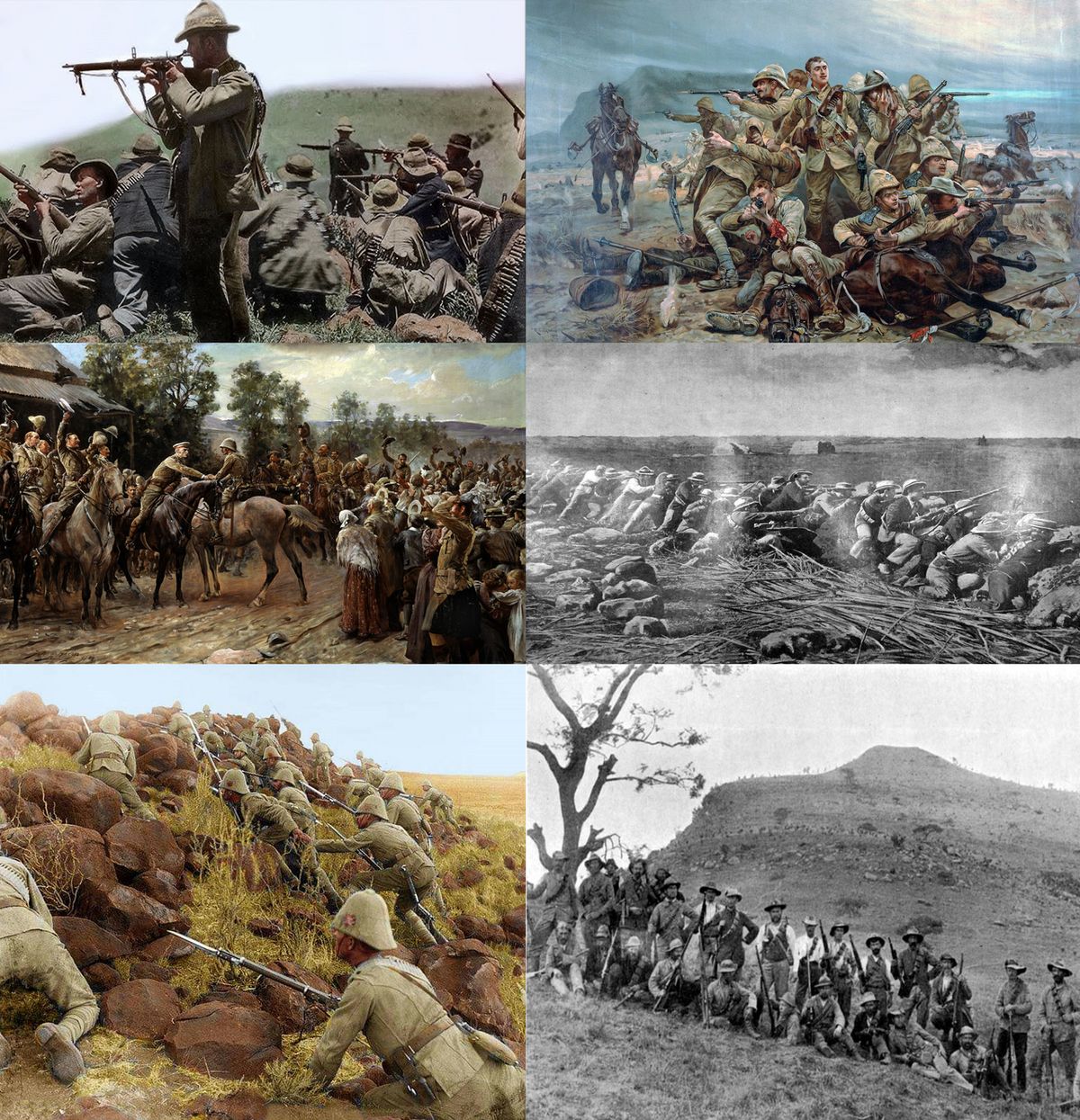
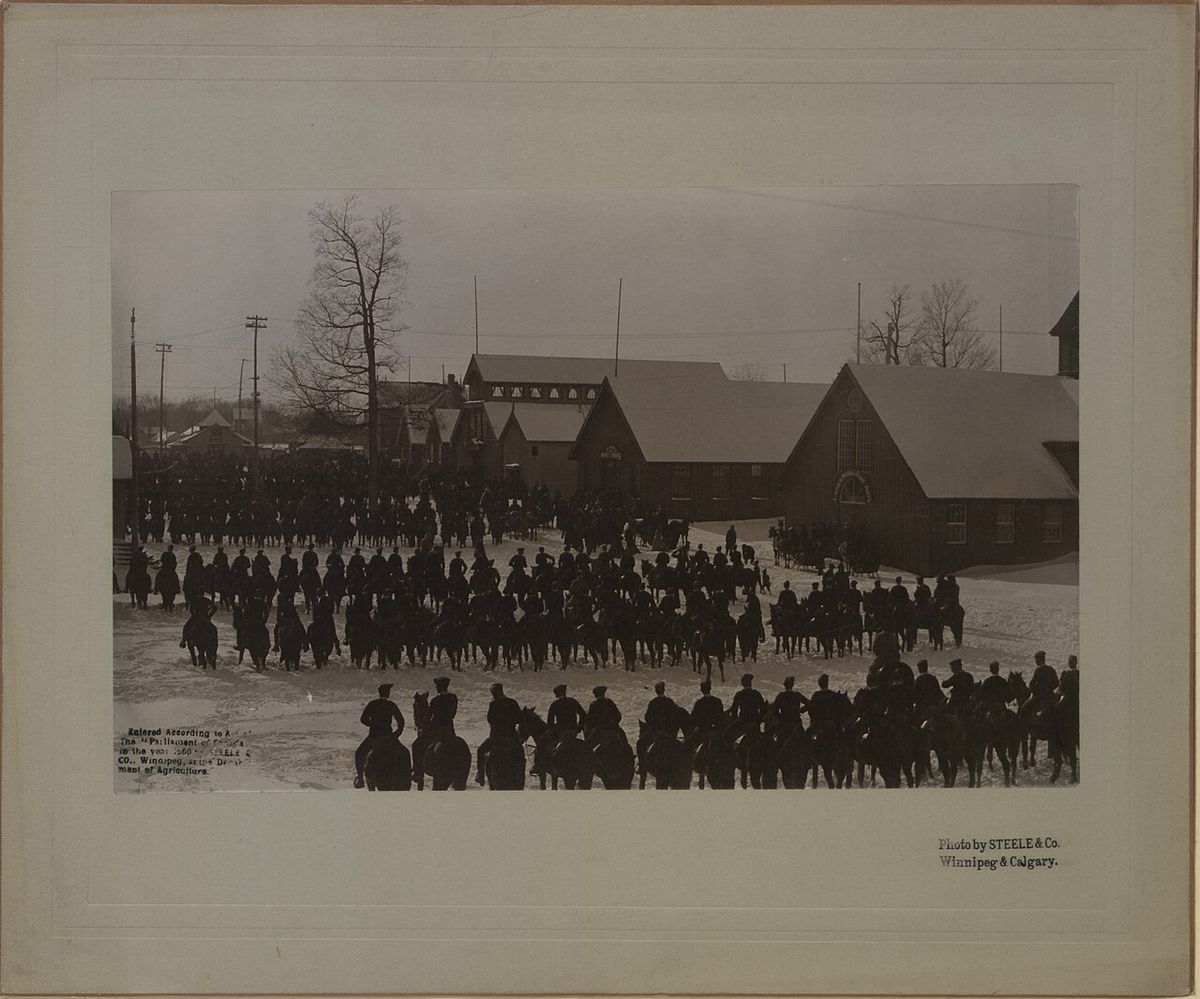
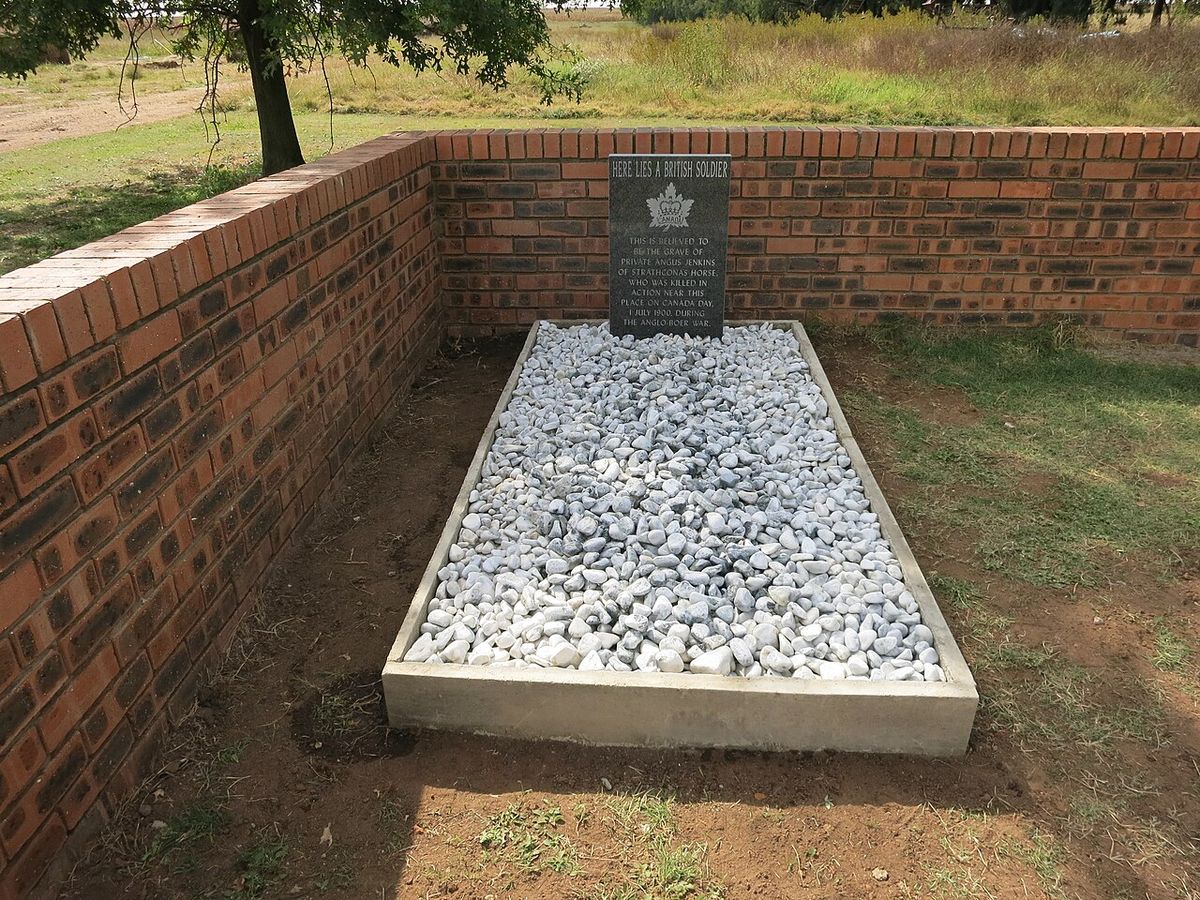
The regiment was born from the crisis of the Second Boer War, where British forces suffered defeats against highly mobile Boer commandos. In January 1900, Donald Alexander Smith, 1st Baron Strathcona and Mount Royal, a prominent financier, Hudson's Bay Company governor, and Canadian Pacific Railway builder, offered to raise and equip a mounted regiment at his personal expense. His offer was accepted, and Strathcona's Horse was authorized on 1 February 1900. Recruitment focused on skilled horsemen from Western Canada, including cowboys and members of the North-West Mounted Police, allowing for rapid training and deployment. The regiment of 537 officers and men, along with 599 horses, sailed from Halifax on 18 March 1900 and arrived in Cape Town on 10 April. In South Africa, the unit served with distinction as part of the 3rd Mounted Brigade and 4th Infantry Brigade, II Division, often employed for scouting ahead of the main British army and earning renown alongside The Royal Canadian Dragoons. The regiment's distinctive Stetson campaign hats, worn by all Canadians in Africa, were later adopted by British officer Robert Baden-Powell, who ordered 10,000 for his own troops after seeing them at the Relief of Mafeking. Strathcona's Horse boarded ship for home on 20 January 1901, arrived in London on 14 February to receive medals from King Edward VII and meet Lord Strathcona himself, and was disbanded upon its return to Canada on 9 March 1901.
Permanent Force and the First World War
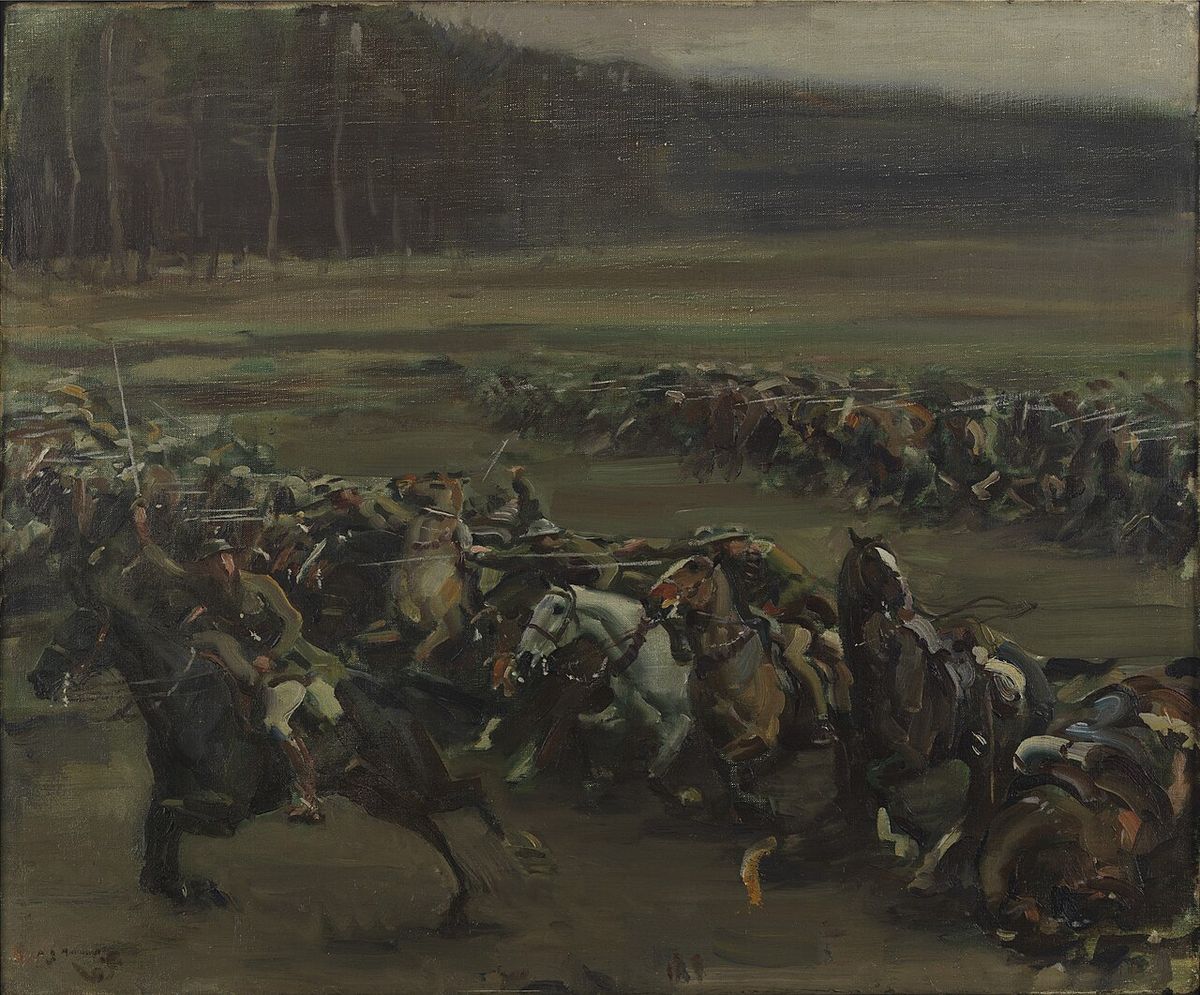
The regimental name was revived in 1909 when the Royal Canadian Mounted Rifles, a Permanent Force unit created in 1901, was renamed Strathcona's Horse (Royal Canadians), with the word 'Lord' prepended in 1911. At the outbreak of the First World War, the regiment was placed on active service on 6 August 1914 for instructional duties. On 14 September 1914 it mobilized Lord Strathcona's Horse (Royal Canadians), CEF, which sailed for England on 3 October 1914. It disembarked in France on 5 May 1915 and initially fought dismounted in an infantry role with Seeley's Detachment, part of the Canadian Cavalry Brigade within the 2nd Indian Cavalry Division. On 16 February 1916, the unit was reconstituted as a mounted force and resumed its cavalry role as part of the 1st Canadian Cavalry Brigade, fighting in France and Flanders until the armistice. The static trench warfare offered few opportunities for mounted action, but the regiment saw critical service during the German spring offensive of 1918, known as Operation Michael. On 27 March 1917, Lieutenant Frederick Harvey earned the Victoria Cross for single-handedly capturing a German machine-gun post near Guyencourt. The regiment's most famous action came on 30 March 1918 at the Battle of Moreuil Wood, one of history's last great cavalry charges. Lieutenant Gordon Flowerdew led C Squadron in a desperate charge against entrenched German forces, for which he received a posthumous Victoria Cross. Sergeant Arthur Herbert Lindsay Richardson also earned a VC for rescuing a wounded comrade during the same battle on 31 March 1918. The charge halted the German advance but at immense cost, with nearly three-quarters of the Canadian cavalry involved killed or wounded. The overseas regiment was disbanded on 6 November 1920.
Mechanization and the Second World War
The interwar period saw the regiment tasked with training militia cavalry units in Western Canada, persisting with horse cavalry while the world's armies mechanized. Canada would maintain horse cavalry until the summer of 1940, with the Strathconas possessing a Ford and a Chevrolet armoured car at the start of the Second World War, representing fifty percent of Canada's entire armoured strength. On 24 May 1940, the regiment was mobilized, initially forming part of the 1st Canadian Motorcycle Regiment with The Royal Canadian Dragoons. It was redesignated as Lord Strathcona's Horse (Royal Canadians) on 21 September 1940 and later as the 2nd Armoured Regiment on 11 February 1941. After training at Camp Borden, Ontario, the regiment sailed for Britain on 13 November 1941, where it trained for two years with Canadian-built Ram tanks. During an inspection in England, King George VI noted that the divisional patches bore the legend 'LSH' and remarked that the proper abbreviation of 'Lord' was 'Ld', prompting the regiment to change its insignia permanently. The regiment landed in Italy on 8 November 1943 as part of the 5th Armoured Brigade, 5th Canadian Armoured Division, I Canadian Corps. One of its most significant battles was the Melfa River crossing on 24 May 1944, during the operation to breach the Hitler Line. The regimental reconnaissance troop established and held a vital bridgehead in conjunction with The Westminster Regiment against determined German tank and infantry attacks, an action that resulted in a Victoria Cross for Major Jack Mahony and forged a lasting bond between the two units. The regiment fought through the arduous Italian campaign before moving to North-West Europe in February 1945 as part of Operation Goldflake, participating in the liberation of the Netherlands. The overseas regiment was disbanded on 1 March 1946. On 27 June 1946 a second Active Force component intended for the Pacific theatre was embodied into the Permanent Force.
Cold War and Global Deployments
In the postwar era, the regiment adapted to new roles across multiple continents, reflecting Canada's evolving defence commitments. Three squadrons served in rotation during the Korean War from 19 April 1951 to 27 July 1953, fighting with M4A3E8 Sherman tanks as part of the 25th Canadian Infantry Brigade Group within the 1st Commonwealth Division. The regiment contributed troops to United Nations missions, including 56 Reconnaissance Squadron in the Sinai from March 1957 to January 1959, equipped with Ferret armoured cars and led by Strathcona officers like Captain Norman A. Shackleton. This deployment saw casualties, with Lieutenant Charles C. Van Straubenzee killed on 10 May 1957 and Trooper George E. McDavid on 29 November 1957. Other squadrons served on UN duty in Cyprus, with Trooper Reginald J. Wiley dying in the Sinai on 7 September 1961, and the regiment's last Cyprus tour ran from August 1988 to March 1989. During the Cold War, the Strathconas completed two tours in West Germany as part of Canada's NATO commitment, equipped with Centurion tanks. The 1990s saw deployments to the former Yugoslavia, including a 1994 mission with the United Nations Protection Force and a 1997 mission with NATO's Stabilization Force in Bosnia and Herzegovina, largely using the AVGP Cougar armoured car. The regiment's most sustained modern combat deployment was to Afghanistan from 2002 to 2014, where its reconnaissance squadron participated in the initial 2002 invasion. Various squadrons served continuously from September 2006 onward, forming the basis of every Canadian tank squadron in Task Force Kandahar and marking the first NATO deployment of main battle tanks to Afghanistan with the Leopard C2. Trooper Michael Yuki Hayakaze was killed in action there on 2 March 2008.
- Korean War rotation: 19 April 1951 to 27 July 1953.
- 56 Reconnaissance Squadron, Sinai: March 1957 to January 1959.
- Last Cyprus tour: August 1988 to March 1989.
- Yugoslavia with UNPROFOR: 1994.
- Bosnia with NATO SFOR: 1997.
- Afghanistan tank squadrons: continuous service from September 2006.
- First NATO tanks in Afghanistan: Leopard C2 deployment, September 2006.
Regimental Structure, Symbols, and Traditions
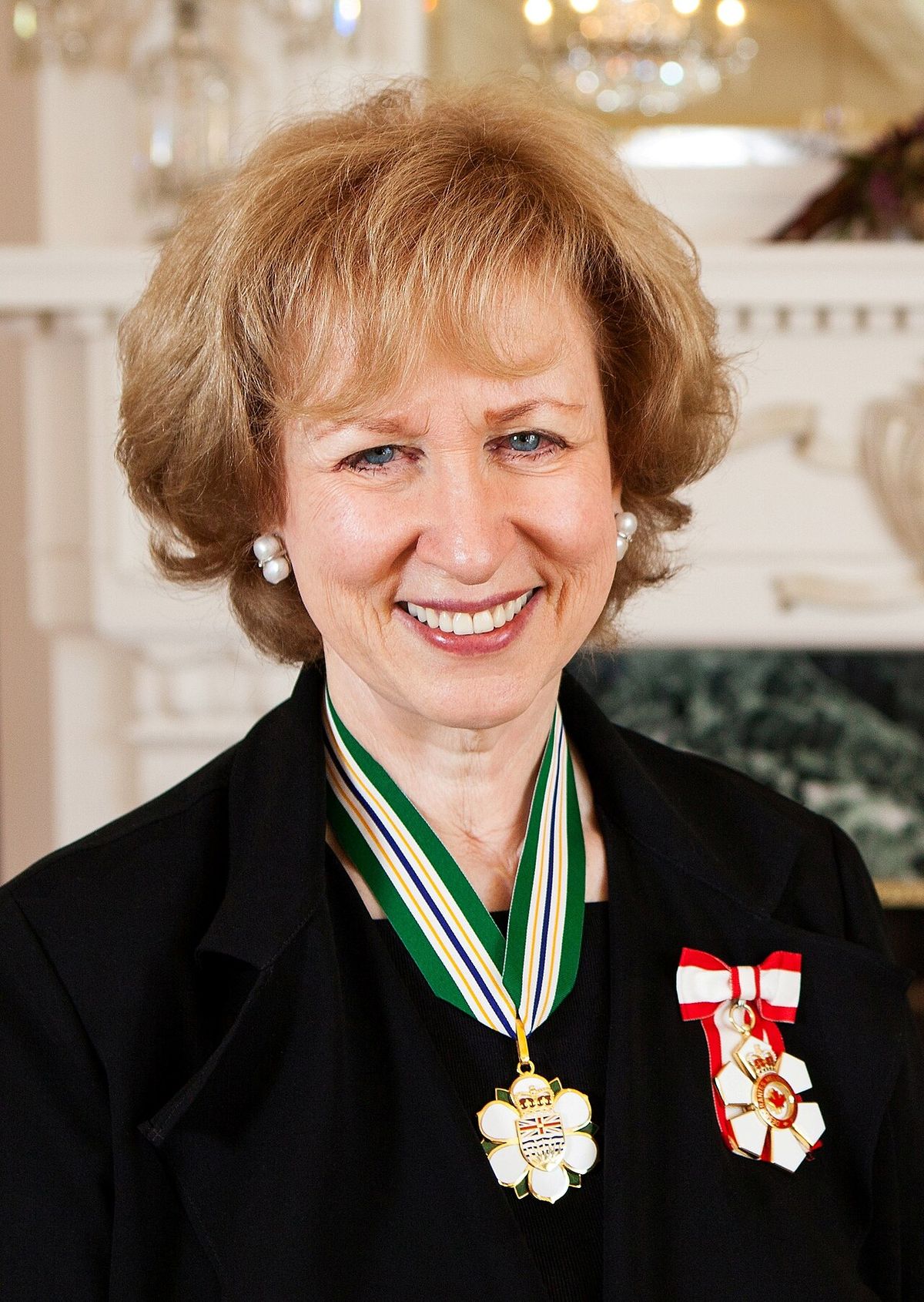
The regiment is composed of a regimental headquarters, three sabre tank squadrons designated A, B, and C, and a headquarters squadron providing service support. The squadron achieving the highest annual efficiency rating earns the honorary title "Prince of Wales Squadron" for the year, and the regiment has seven affiliated cadet corps in Alberta and British Columbia. The regimental badge is a complex heraldic device that commemorates Lord Strathcona's life and work. It features a maple tree and beaver, a demi-lion rampant, crossed railroad spike and hammer symbolizing the CPR, and a Hudson's Bay Company canoe with an 'NW' flag representing the North-West, all surrounded by a wreath of roses, thistles, shamrocks and maple leaves and the motto 'Perseverance'. The regiment maintains several unique ceremonial units that preserve its cavalry heritage. The Strathcona Ceremonial Mounted Troop is one of only two military mounted troops in Canada, with a detailed ride schedule including public events like the Rainmaker Parade in St. Albert and the Victoria Highland Games. The regiment also maintains a voluntary Pipes and Drums band, funded by the regimental society, which was formally created in 1998 through the advocacy of Warrant Officer P. Peters and made its first official appearance at the Californian home of former Prime Minister Kim Campbell. Notable traditions include the distinctive uniform shoulder titles "STRATHCONA'S" in brass for service dress and "LdSH(RC)" embroidered for combat clothing. The regiment has exercised the Freedom of the City in St. Albert, Alberta on 11 June 2011 and in Strathcona County on 24 August 2013. In a singular honour, an eighteen-member mounted detachment mounted the Queen's Life Guard at Horse Guards in London for seven days in September 2000, repeated in July 2025, as the first overseas unit to do so.
- Affiliated Cadet Corps: Seven corps in Alberta and British Columbia.
- Ceremonial Mounted Troop: One of two in Canada.
- Pipes and Drums founded: 1998 by Warrant Officer P. Peters.
- Freedom of the City: St. Albert (11 June 2011), Strathcona County (24 August 2013).
- Queen's Life Guard duty: London, September 2000 and July 2025.
- Regimental shoulder titles: "STRATHCONA'S" (brass) and "LdSH(RC)" (embroidered).
Battle Honours, Victoria Crosses, and Collect
The regiment's guidon bears selected battle honours from over a century of service across five continents. Key emblazoned honours include South Africa 1900 to 1901 for the Boer War, several from the First and Second World Wars, Korea 1951 to 1953, and Afghanistan. The regiment's extraordinary courage is exemplified by its three recipients of the Victoria Cross, the Commonwealth's highest award for valour. Lieutenant Frederick Maurice Watson Harvey earned his VC on 27 March 1917 for rushing a German machine gun post near Guyencourt, France, later also receiving the Military Cross and Croix de Guerre. Lieutenant Gordon Muriel Flowerdew received a posthumous VC for leading the cavalry charge at Moreuil Wood on 30 March 1918. Sergeant Arthur Herbert Lindsay Richardson was awarded the VC for rescuing a wounded comrade under heavy fire during the Battle of Moreuil Wood on 31 March 1918. In 2021, the regiment formally adopted an official regimental collect, a prayer written by Padre David Jackson who served as regimental chaplain from 2018 to 2020. The collect calls upon God as a 'Mighty Fortress', asks for strength and protection in battle, and implores that the regiment may 'persevere' through challenges and serve as an instrument for good 'like a hammer that breaks the rock in pieces', directly echoing the regimental motto.
- Lieutenant Frederick Harvey, VC: 27 March 1917, near Guyencourt.
- Lieutenant Gordon Flowerdew, VC: 30 March 1918, Moreuil Wood.
- Sergeant Arthur Richardson, VC: 31 March 1918, Moreuil Wood.
- Regimental Collect adopted: 2021, written by Padre David Jackson.
- Emblazoned Battle Honours: South Africa 1900 to 1901, Korea 1951 to 1953, Afghanistan.
Equipment, Current Role, and Modern Exercises
As the Canadian Army's primary heavy armour regiment, Lord Strathcona's Horse operates main battle tanks and reconnaissance vehicles, a role solidified after the army's doctrinal shift in the early 2000s. As of 2014, its fleet consisted of 40 Leopard 2 tanks in various models (20 A4s, 9 A4Ms and 11 2A6Ms) and 12 Coyote Reconnaissance Vehicles. For several years following the doctrinal change away from heavy armour to more infantry-centred operations, the Strathconas were the only regular armoured regiment in the Canadian Army to operate main battle tanks, showing their unique capability. The regiment continues to train for high-intensity armoured warfare as part of 1 Canadian Mechanized Brigade Group within 3rd Canadian Division. It participates in major brigade-level exercises such as Ex MOUNTAIN RAM, an event held in the Edmonton River Valley which the Strathconas took part in on 4 June 2026. The regiment also maintains its operational readiness and commemorative spirit through ongoing training cycles and regimental events, such as the combined Moreuil Wood and Melfa River commemorative BBQ held on 22 May 2026. The regiment's historical journey from horseback to heavy armour is preserved and presented by The Lord Strathcona’s Horse (Royal Canadians) Museum and Archives in Calgary, Alberta, dedicated to Canada's only serving full-time tank regiment.
Notable Historical Anecdotes and Legacy
The regiment's history is filled with colourful anecdotes that illustrate its character and the era of its founding. During the Boer War, a rumour persists that members of the North-West Mounted Police serving with the regiment preferred the boots they wore and adopted them, leading to the name 'Strathcona boots' for the classic RCMP high brown boots. Upon the Strathconas' arrival in South Africa, General Kitchener was reportedly astonished at the size of the newly arrived Canadian soldiers, to which their commander, the legendary Sam Steele of the NWMP, is said to have replied, 'My apologies, sir. I combed all of Canada and these are the smallest I could find.' The regiment's legacy extends beyond the battlefield into Canadian material culture and ceremonial life. Its association with the Stetson hat helped popularize it among imperial troops. The regimental collect, adopted in 2021, formally enshrines the spiritual dimension of service, asking for divine support to 'serve King and Country with courage, honour and loyalty.' The regiment's seven affiliated cadet corps help perpetuate its values in younger generations across Western Canada. Through its mounted troop, pipe band, museum, and active participation in community events, Lord Strathcona's Horse maintains a public presence that connects its storied past to its vital modern role in Canada's defence. The regiment has alliances with The Royal Lancers (Queen Elizabeths' Own) in the United Kingdom and a Bond of Friendship with Poland's 10th Armoured Cavalry Brigade.
Questions about Lord Strathcona's Horse
Who founded Lord Strathcona's Horse and why?
The regiment was founded by Donald Alexander Smith, 1st Baron Strathcona and Mount Royal, a wealthy Scottish Canadian financier, Hudson's Bay Company governor, and key figure in building the Canadian Pacific Railway. He raised and equipped the regiment at his personal expense in 1900 for service in the Boer War. Lord Strathcona was concerned by British losses against mobile Boer commandos and believed skilled horsemen from Western Canada would be more effective on the South African veldt than foot soldiers. His formal offer to the British government in January 1900 was quickly accepted, making it one of the last regiments in the British Empire created by a private individual.
What was the regiment's role in the Battle of Moreuil Wood?
On 30 March 1918, during the German spring offensive known as Operation Michael, Lord Strathcona's Horse participated in one of the last great cavalry charges in history at the Battle of Moreuil Wood near Amiens, France. The charge by the Canadian Cavalry Brigade, including C Squadron led by Lieutenant Gordon Flowerdew, was against entrenched German forces advancing on a key ridge. The action was devastatingly costly, with nearly three-quarters of the Canadian cavalry killed or wounded, but it successfully halted the German advance and was a critical moment in the regiment's history. Lieutenant Flowerdew was posthumously awarded the Victoria Cross for his leadership, and Sergeant Arthur Richardson also earned a VC for valour on 31 March 1918 during the same battle.
Where is Lord Strathcona's Horse based today?
Lord Strathcona's Horse (Royal Canadians) is currently based at Edmonton, Alberta. The regiment has been stationed in Alberta since 1970 and forms part of 1 Canadian Mechanized Brigade Group within 3rd Canadian Division. Its home garrison provides the base for training, operations, and housing the regimental museum. The regiment actively participates in local exercises and events, such as Ex MOUNTAIN RAM in the Edmonton River Valley in June 2026 and the Rainmaker Parade in St. Albert. The regiment also maintains a museum and archives in Calgary dedicated to preserving its history from horse cavalry to modern tanks.
Did the regiment serve in the Korean War?
Yes, three squadrons of Lord Strathcona's Horse served in rotation during the Korean War. A, B, and C Squadrons fought independently from 19 April 1951 to 27 July 1953 as part of the 25th Canadian Infantry Brigade Group within the 1st Commonwealth Division. The squadrons were equipped with M4A3E8 Sherman tanks, having originally been intended to use M-10 tank destroyers. This deployment marked the regiment's contribution to a major Cold War conflict following the Second World War and added the battle honour 'Korea, 1951 to 1953' to the regimental guidon.
What tanks does the regiment currently operate?
The regiment operates the Leopard 2 main battle tank in several updated models. As of 2014, its fleet included 40 Leopard 2s: 20 baseline Leopard 2A4s, 9 upgraded Leopard 2A4Ms, and 11 more advanced Leopard 2A6Ms. It also operates 12 Coyote Reconnaissance Vehicles for scout duties. For several years in the early 2000s, following a change in Canadian Army doctrine away from heavy armour, Lord Strathcona's Horse was the only regular armoured regiment in the country to operate main battle tanks, underlining its critical role as the army's primary heavy armour unit and tank expertise centre.
What are some of the regiment's unique ceremonial units?
The regiment maintains two distinctive ceremonial units that celebrate its heritage. The Strathcona Ceremonial Mounted Troop preserves the cavalry heritage and is one of only two military mounted troops in Canada, participating in events like parades and the Victoria Highland Games according to a published ride schedule. The regiment also has a Pipes and Drums band, which is notable as the Strathconas are not a Scottish regiment. This voluntary band, funded by the regimental society, was created in 1998 and includes both regiment members and outside volunteers. These units, along with traditions like the 'Prince of Wales Squadron' title and the unique regimental badge, uphold the regiment's identity and public profile.
Sources and further reading
- Lord Strathcona's Horse (Wikipedia)
- Lord Strathcona's Horse (Royal Canadians) (thecanadianencyclopedia.ca)
- Lord Strathcona's Horse (Royal Canadians) (themilitarymuseums.ca)
Checked by the Nosy Mag desk. Last updated 2026-11-01.