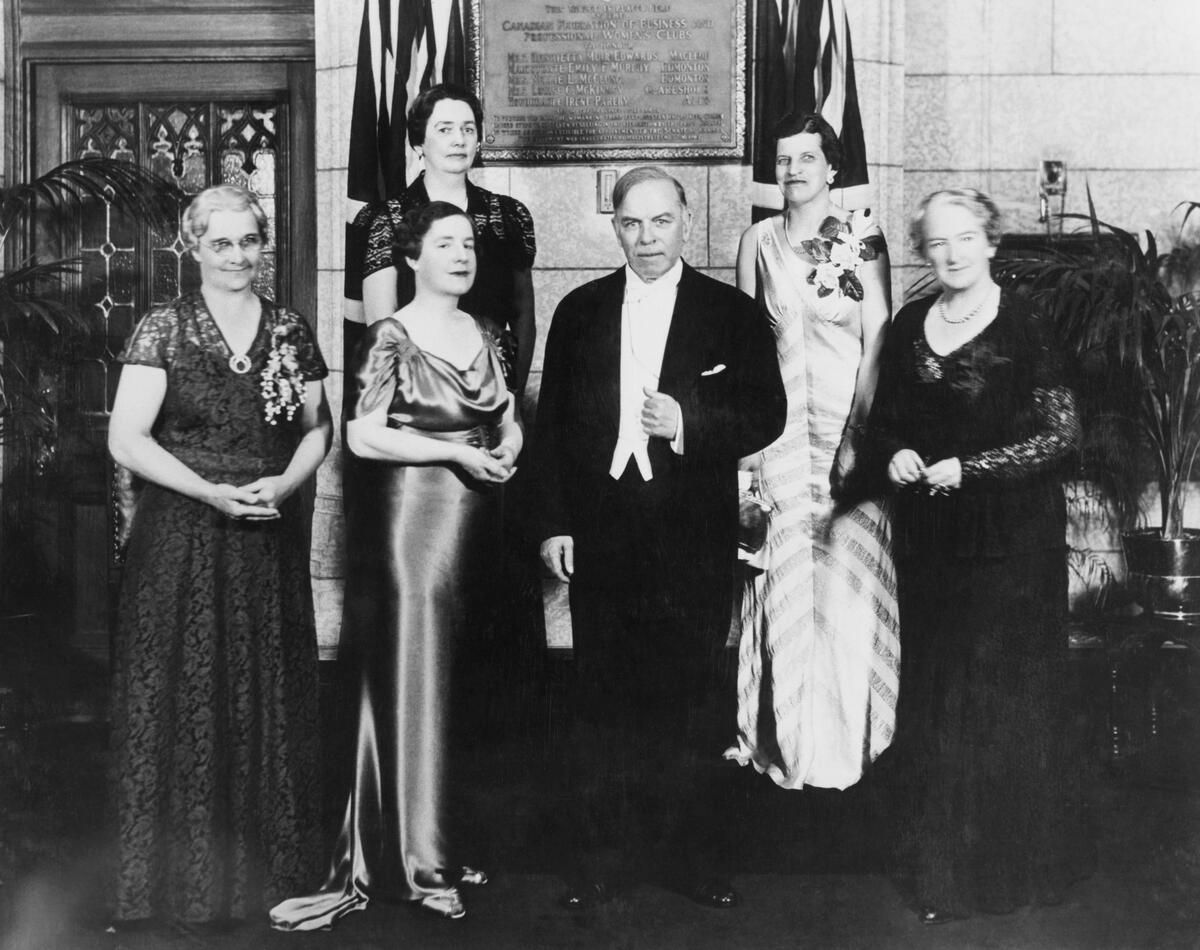
Royal Canadian Air Force VIP aircraft
The Royal Canadian Air Force operates a specialised fleet of executive transport aircraft to carry the Canadian monarch, governor general, prime minister, and other senior government officials. These aircraft, organised under dedicated squadrons, ensure secure and efficient travel for national and international duties. The fleet has evolved from modified commercial airliners to dedicated business jets and is currently undergoing a significant modernization program. The operation of these VIP aircraft is a critical component of state protocol and national security.
Historical Development
The history of executive air transport in Canada is intertwined with the development of the Royal Canadian Air Force itself, dating to the 1920s. For decades, VIP transport was handled by modified standard military aircraft such as the Lockheed Lodestar and the Canadair North Star. A significant shift occurred following the unification of the Canadian Armed Forces in 1968, when long-range transport was provided by a modified Boeing 707 designated the CC-137 Husky. The first dedicated fleet of VIP aircraft did not enter service until the early 1980s, when the government purchased 12 Canadair Challenger business jets. These aircraft were given the military designations CC-144, CE-144, and CX-144 and were initially painted in the red and white livery of the Canadian Forces. They served with 414 Squadron at CFB North Bay until 1992 and later with 434 Squadron at CFB Greenwood until the year 2000, after which most were sold or retired. The acquisition and use of these executive jets have periodically been subjects of public debate, focusing on operational costs and procurement priorities.
Squadrons and Operations
All dedicated VIP transport aircraft in the Royal Canadian Air Force are operated by two specific squadrons: 437 Transport Squadron and 412 Transport Squadron. Flight attendants on these VIP missions are select volunteers from across the Canadian Forces who serve in their posting for two to three years. They undergo intensive training and enhanced security vetting before beginning their VIP transport duty. This ensures a highly professional and secure environment for the distinguished passengers and their entourages during official travel. 437 Transport Squadron, based at CFB Trenton in Ontario, traditionally operated the long-range VIP fleet. Its most prominent aircraft was the CC-150 Polaris, an Airbus A310-300, with one configured for VIP transport and known informally as Can Force One. This squadron is now transitioning to operate the new Airbus CC-330 Husky fleet, which will eventually replace the older Polaris aircraft. When carrying the King or a member of the royal family, any aircraft is formally designated the Royal Flight, and the personal flag of the senior royal on board is displayed from the cockpit window.
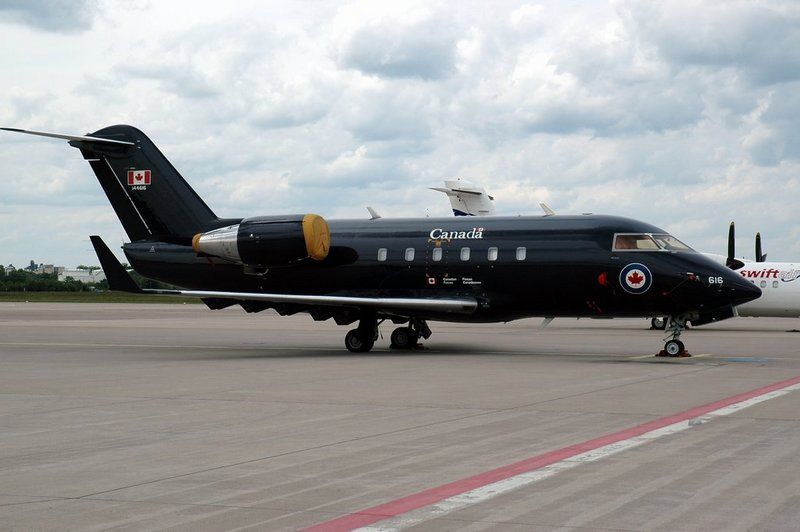
412 Transport Squadron, based at Macdonald-Cartier International Airport in Ottawa, is the RCAF unit dedicated exclusively to executive transport. This squadron operates Canada's fleet of CC-144 designated Bombardier Challenger business jets, which are used for shorter-range VIP missions. As of 2010, the squadron operated four of these Challenger 604 and Challenger 650 aircraft, all in a VIP configuration. These aircraft provide flexible and responsive transport for senior officials within Canada and to nearby international destinations. The squadron previously operated from CFB Ottawa and CFB Uplands before its current location.
The CC-150 Polaris and Airbus 01
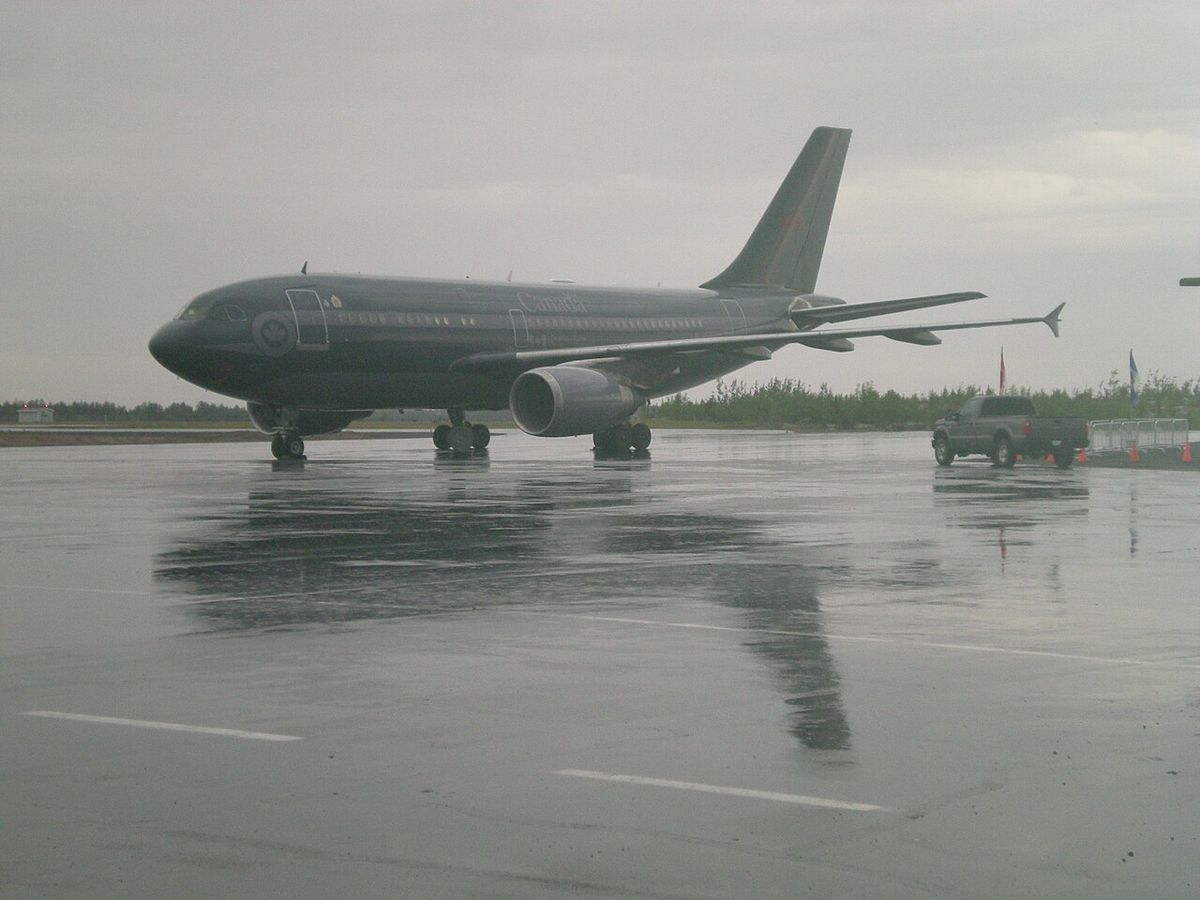
The workhorse of long-range VIP travel for decades was the CC-150 Polaris, an Airbus A310-300 operated by 437 Transport Squadron. The sole VIP-configured aircraft, known as Airbus 01, was originally built for Wardair in 1987 and was acquired by the Canadian Forces. Its interior, last updated in the early 1990s, was described by a squadron information officer in 1997 as being no more luxurious than a good motor home. The executive suite featured a spartan bedroom with added wall panels for privacy, a sitting area, office space with satellite phone and computer workstations, and a very small shower. The aircraft's age led to increasing maintenance challenges and operational limitations, becoming harder to maintain as parts became scarce. By 2026, its interior was notably outdated, lacking modern amenities like AC power outlets at passenger seats, requiring crew to run power bars along the floor for laptops. In-flight entertainment was provided by a projector onto a cabin wall. These limitations, coupled with a shorter operational range that often required refuelling stops on trans-Pacific flights, showed the need for a fleet replacement. The only Very Important Person death in the history of the RCAF occurred on June 10, 1940, when Minister of National Defence Norman McLeod Rogers died in a crash near Newtonville, Ontario.
Fleet Modernization: The CC-330 Husky
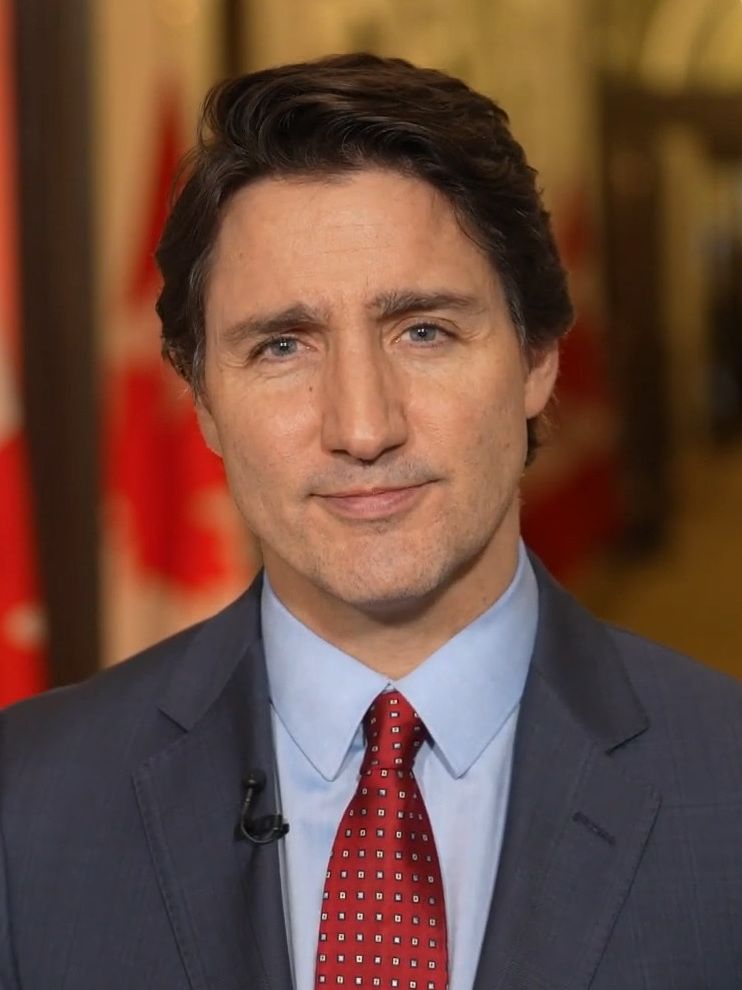
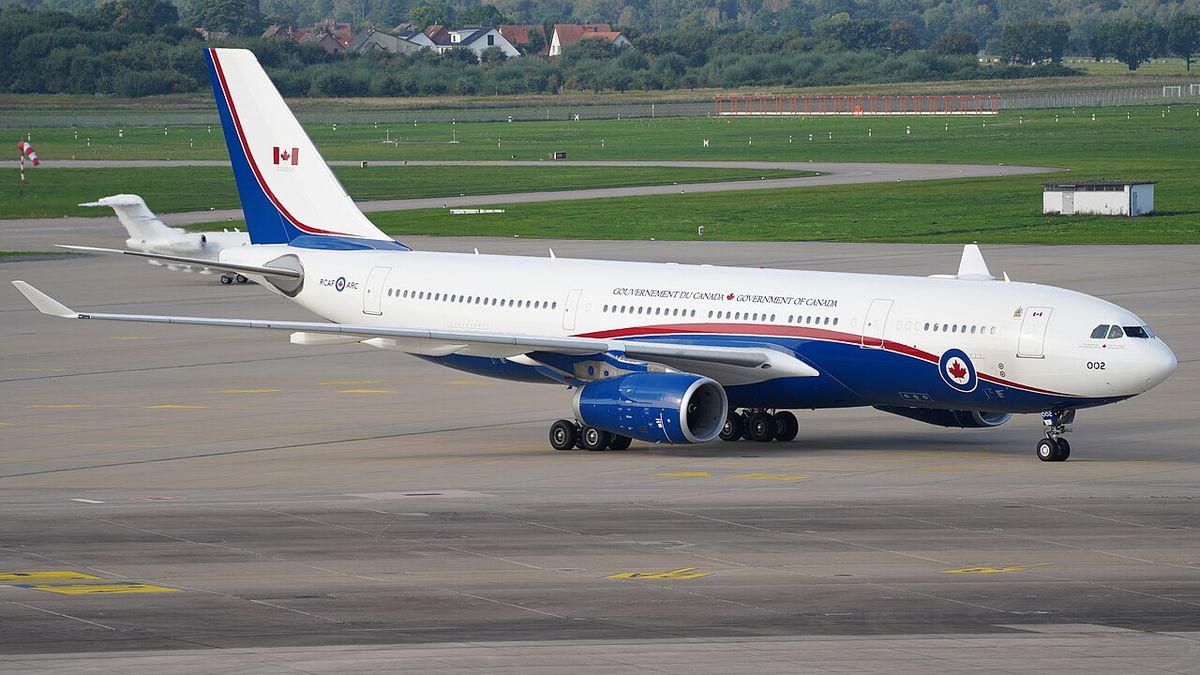
A major fleet modernization program was launched to replace the aging CC-150 Polaris aircraft. The government committed to acquiring nine Airbus A330-200 aircraft, which will receive the RCAF designation CC-330 Husky. This fleet will serve dual roles, with several aircraft configured for VIP transport and others dedicated to military airlift and aerial refuelling for RCAF and NATO aircraft. The first of these aircraft, known as Airbus 02, was an eight-year-old A330-200 purchased from Kuwait Airways. Airbus 02 arrived in Canada in 2023, and Prime Minister Justin Trudeau took his first official flight aboard it in November 2023. A second aircraft was expected to arrive in the winter of 2026, with three more to follow from the Kuwaiti purchase. The government also contracted Airbus's military arm to build another four new jets for general military transport and refuelling duties. The new A330s represent a substantial upgrade in capability and comfort, with a range 4,000 kilometres longer than the old A310, enabling non-stop flights from Ottawa to Tokyo. The entire fleet will be equipped with missile defence self-protection systems, and the aircraft are substantially larger, requiring new hangars at their future bases. The initial aircraft retained its original commercial three-class cabin layout from Kuwait Airways. Early reports noted the plane featured an accessible washroom. The aisles remained too narrow for a standard wheelchair, so the RCAF has a compact wheelchair model for use on the jet. Initial shortcomings included a non-functional in-flight entertainment system and wifi at the back of the aircraft, though senior government officials were expected to have in-flight access to wifi.
Operational Protocols and Public Scrutiny
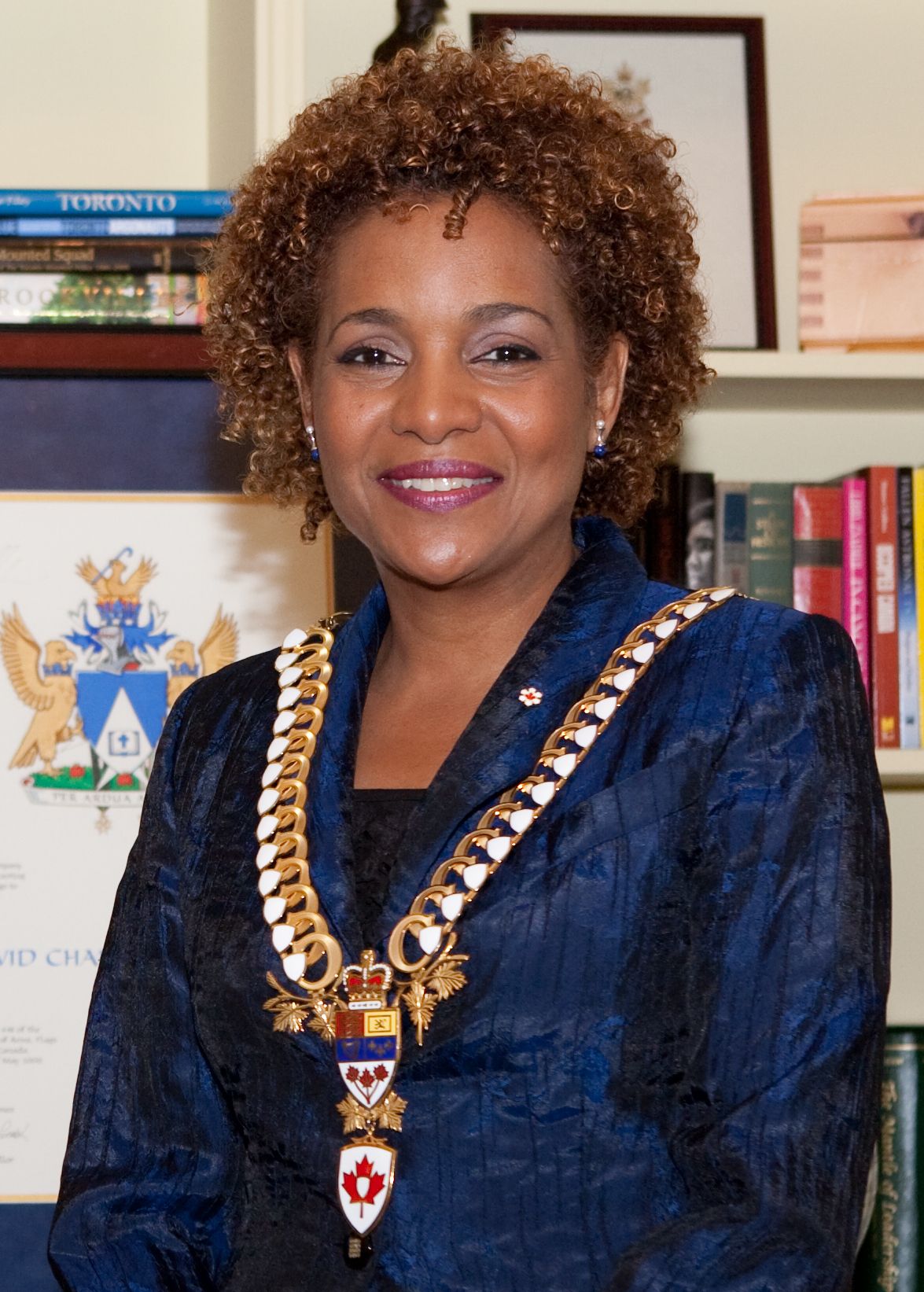
The use of RCAF VIP aircraft is governed by strict protocols and is often subject to public and media scrutiny. The mode of transport for the governor general, for instance, is directed by the Royal Canadian Mounted Police based on security assessments. High-profile incidents, such as Governor General Adrienne Clarkson using a chartered flight to her cottage or Governor General Michaëlle Jean being flown to The Bahamas on a Challenger, have attracted criticism regarding cost and appropriateness. Similarly, the high operating cost of the Challenger jets, cited at approximately 11,000 Canadian dollars per hour in the early 2000s, has fuelled debate over government spending. Government ministers have consistently defended the necessity of using these dedicated aircraft, citing uncompromisable security requirements and the severe time constraints of official schedules. The need for reliable transport was highlighted in September 2026 when Prime Minister Trudeau was delayed in Delhi for two days following the G20 Summit due to a maintenance issue with the older Airbus 01. This incident showed the operational risks of an aging fleet and provided a practical justification for the ongoing fleet renewal program. In 2002, the purchase of two additional Challenger jets on the advice of Prime Minister Jean Chrétien also drew public attention and criticism.
Aircraft and Configurations
The Royal Canadian Air Force maintains specialised aircraft to transport Canada's monarch, the governor general, the prime minister, and other dignitaries. All dedicated VIP transport aircraft are operated by 437 Transport Squadron and 412 Transport Squadron. 437 Transport Squadron operates five Airbus A310-300s designated as CC-150 Polaris, with one configured for VIP transport. 412 Transport Squadron operates Canada's four CC-144 designated Bombardier Challenger business jets in a VIP configuration exclusively for executive transport. The VIP-configured CC-150 Polaris, known as Can Force One, has a galley, a spartan bedroom, a sitting room, office space, and a shower. The executive suite includes a satellite telephone, two computer work stations, and a small refrigerator. At the rear portion of the aircraft is a normal passenger cabin used to carry regular military passengers, members of the VIP party, or reporters.
- Airbus CC-330 Husky (A330-200): The new long-range aircraft replacing the Polaris. Configured for VIP transport, military airlift, and aerial refuelling. Operated by 437 Transport Squadron.
- Bombardier Challenger 604/650 (CC-144): Business jets used for short to medium-range executive transport. Operated exclusively by 412 Transport Squadron.
- Airbus CC-150 Polaris (A310-300): The previous long-range VIP aircraft, one of which (Airbus 01) had a dedicated executive suite. All are being phased out and replaced by the CC-330.
- Boeing CC-137 Husky (707): Used for VIP transport after unification in 1968, prior to the acquisition of the Challenger fleet.
- Canadair Challenger (CC-144): The first dedicated VIP jets, entering service in the early 1980s. Initially flown by 414 and 434 Squadrons before consolidation.
Comparison of Key VIP Aircraft
The transition from the CC-150 Polaris to the new Airbus CC-330 Husky marks a significant leap in capability. The new Airbus A330-200 aircraft have a range 4,000 kilometres longer than the old jet, long enough to fly from Ottawa to Tokyo non-stop. The entire A330 fleet will be equipped with a self-protection system to defend against missile attacks. The new planes are substantially larger than the old jets and will require new hangars. This modernization addresses the operational shortcomings of the older Airbus 01, which was from the 1980s and was starting to show its age. The new aircraft provide significantly extended global reach without dependency on intermediary stops for fuel. The purchase of the new fleet followed incidents where the old aircraft caused delays, such as when Prime Minister Trudeau was delayed in Delhi for two days by a maintenance issue.
| Feature | CC-330 Husky (A330-200) | CC-150 Polaris (A310-300) |
|---|---|---|
| Primary Role | VIP Transport / Military Airlift / Aerial Refuelling | VIP Transport / Airlift / Aerial Refuelling |
| Entered RCAF VIP Service | 2023 (Airbus 02) | 1992 |
| Range | 4,000 km longer. Ottawa-Tokyo non-stop | Required refuelling stops for trans-Pacific flights |
| Defensive Systems | Equipped with missile defence self-protection system | Not equipped with such systems |
| Interior Amenities (VIP) | Modern commercial baseline. Planned VIP cabin. Accessible washroom | Outdated interior, lacking modern power outlets |
| Acquisition Cost | ~$50 million US each (used from Kuwait Airways) | Acquired from Wardair |
| Fleet Size (Total) | 9 planned (several for VIP config) | 5 total (1 in VIP config) |
Questions about Royal Canadian Air Force VIP aircraft
What planes does the Prime Minister of Canada fly on?
The Prime Minister flies on Royal Canadian Air Force aircraft dedicated to VIP transport. For long international trips, the primary aircraft is the Airbus CC-330 Husky, an A330-200 known as Airbus 02, which replaced the older Airbus CC-150 Polaris. For shorter trips within Canada or to nearby destinations, the Prime Minister uses one of the four Bombardier Challenger business jets, designated CC-144, operated by 412 Transport Squadron. The specific aircraft used depends on the distance, size of the delegation, and mission requirements.
What is the Royal Flight?
The Royal Flight is the official designation given to any Royal Canadian Air Force aircraft that is carrying the Canadian monarch or another member of the royal family. This special designation applies regardless of the aircraft type. A visible protocol of the Royal Flight is the display of the personal flag of the most senior royal passenger from the port-side cockpit window while the aircraft is taxiing. The term shows the unique status and security protocols associated with transporting the sovereign.
How much did Canada's new VIP planes cost?
The Canadian government purchased five used Airbus A330-200 aircraft from Kuwait Airways for its fleet renewal. The reported acquisition cost was approximately 50 million US dollars per aircraft. This cost was significantly lower than purchasing new aircraft. In addition to these five used planes, the government has contracted to have another four new A330s built by Airbus's military arm for military transport and refuelling duties, as part of a total fleet of nine CC-330 Husky aircraft.
Where are Canada's VIP aircraft based?
Canada's VIP aircraft are operated from two main locations. The long-range Airbus CC-330 Husky fleet, operated by 437 Transport Squadron, is transitioning from its historical base at CFB Trenton in Ontario. The short-range Challenger jets (CC-144) are operated by 412 Transport Squadron from Macdonald-Cartier International Airport in Ottawa. The new CC-330s will be stationed in two locations, one in eastern Canada and one in western Canada, though the specific bases had not been publicly announced as of 2026.
Can the Prime Minister's plane be used for other purposes?
Yes, the aircraft in the VIP fleet are multi-role assets for the Royal Canadian Air Force. While one or more are configured with an executive suite for VIP travel, the others in the same fleet are used for other critical military missions. The Airbus CC-330s not configured for VIP transport are used for strategic military airlift, transporting Canadian Armed Forces personnel and equipment, and for aerial refuelling of RCAF and other NATO aircraft. This dual use ensures the fleet provides value beyond exclusive executive transport.
What happened to the old Prime Minister's plane, Airbus 01?
Airbus 01, the CC-150 Polaris that served as the primary VIP transport for decades, was retired from its VIP role following the introduction of the new CC-330 Husky. The aircraft, built in 1987, was becoming increasingly difficult and costly to maintain due to its age and scarcity of parts. It was still in use by the RCAF as a general transport aircraft as of 2026 but was no longer the primary jet for the Prime Minister. Its outdated interior, lacking modern power outlets and relying on a projector for in-flight movies, highlighted the need for the fleet modernization.
Sources and further reading
- Royal Canadian Air Force VIP aircraft (Wikipedia)
- Trudeau takes first official flight on new VIP federal ... (cbc.ca)
- Media Advisory: Royal Canadian Air Force Commander to ... (skyalyne.ca)
Checked by the Nosy Mag desk. Last updated 2026-11-03.