Michaëlle Jean
The Right Honourable Michaëlle Jean is a Canadian stateswoman, former journalist, and the 27th governor general of Canada, serving from 2005 to 2010. She made history as the first person of Haitian descent and the first Black Canadian to hold the vice-regal office. Her tenure was marked by a focus on youth engagement, Indigenous reconciliation, the arts, and breaking down social solitudes, encapsulated by her official motto. Following her service as governor general, Jean continued her international work as the third secretary-general of the Organisation Internationale de la Francophonie and remains a prominent advocate for social justice through the foundation that bears her name.
Early Life and Education
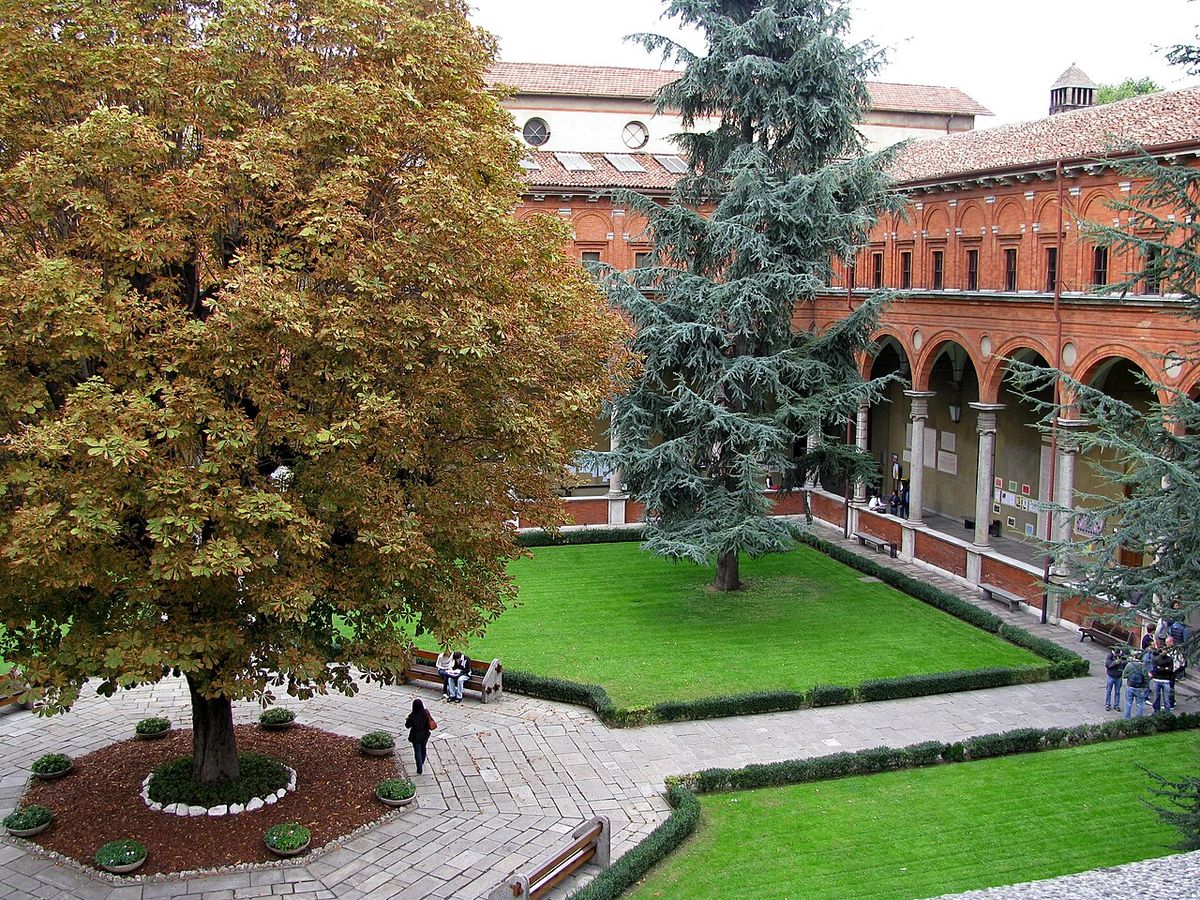
Michaëlle Jean was born in Port-au-Prince, Haiti, on September 6, 1957. Her father, Roger Jean, was a school principal and teacher, but due to the political climate under dictator François Duvalier, she was educated at home to avoid swearing allegiance to the regime. Her family fled Haiti after her father was arrested and tortured in 1965, with her father leaving for Canada in 1967 and Jean, her mother, and sister following in 1968. The family initially settled in Thetford Mines, Quebec, before moving to a basement apartment in Montreal's Little Burgundy neighbourhood after her parents' marriage ended. Jean pursued higher education at the University of Montreal, earning a Bachelor of Arts in Italian and Hispanic languages and literature, followed by a Master of Arts in comparative literature. Concurrently with her studies from 1979 to 1987, she coordinated a study on spousal abuse and worked at a women's shelter, laying the groundwork for her later advocacy. She also undertook further language and literature studies at institutions in Italy, including the University of Florence, the University of Perugia, and the Catholic University of Milan.
Jean is fluent in five languages: French, English, Spanish, Italian, and Haitian Creole, and can read Portuguese. Her early professional work included roles assisting immigrants and at Employment and Immigration Canada, as well as at the Conseil des Communautés culturelles du Québec, where she began writing about the experiences of immigrant women. She married French-born Canadian filmmaker Jean-Daniel Lafond, with whom she adopted a daughter, Marie-Éden, an orphan from Jacmel, Haiti. Through this marriage, she also gained two stepdaughters. Her formative experiences with displacement, education, and early social work deeply shaped her future commitments to community service and cross-cultural understanding.
Journalism and Broadcasting Career
Jean began her career in journalism with Radio-Canada in 1988, quickly becoming a trailblazer as the first person of Caribbean descent to appear on French television news in Canada. She hosted and reported for several prominent news and affairs programs, including Actuel, Montréal ce soir, Virages, and Le Point. In 1995, she moved to Radio-Canada's all-news channel, RDI (Réseau de l'information), where she anchored programs such as Le Monde ce soir, l'Édition québécoise, and Le Journal RDI. Her reach expanded to English Canada in 1999 when she was asked to host documentary programs The Passionate Eye and Rough Cuts on CBC Newsworld. By 2004, she was hosting her own current affairs show, Michaëlle, on RDI while continuing to anchor Grands reportages and occasionally Le Téléjournal. Her work in journalism earned her significant recognition, including a Gemini Award and the Amnesty International Journalism Award.
Throughout this period, Jean collaborated with her husband on several documentary films. Their award-winning 1995 film, Haïti dans tous nos rêves (Haiti in All Our Dreams), featured Jean meeting her uncle, the exiled poet René Depestre, and discussing dreams for Haiti's future. Jean's career established her as a respected bilingual broadcaster who could connect with audiences across Canada's linguistic divide, a skill that later informed her vice-regal approach to national unity. She was the first Black anchor on Quebec television, and her documentary work with Lafond explored themes related to Quebec and Caribbean societies, including another film titled L’heure de Cuba.
Appointment as Governor General and Initial Controversy
On August 4, 2005, Prime Minister Paul Martin announced that Queen Elizabeth II had approved his recommendation of Michaëlle Jean to succeed Adrienne Clarkson as governor general. The appointment was initially praised as an imaginative choice that reflected modern Canada, with her predecessor calling it exciting. However, controversy soon erupted when reports surfaced questioning Jean and her husband's political sympathies, citing associations with former members of the Front de libération du Québec (FLQ) and footage from a documentary where a toast was made to independence. Jean issued a forceful public statement on August 17, 2005, denying any separatist leanings and affirming her commitment to Canada, explaining the toast was in reference to Haiti. Prime Minister Martin defended her, stating background checks by the RCMP and CSIS had been thorough, though some critics argued her response was too vague.
A second controversy emerged regarding Jean's dual citizenship with France, acquired through marriage. As governor general, she would hold a government position and serve as commander-in-chief of the Canadian Forces, which conflicted with French law. On September 25, 2005, two days before her swearing-in, Jean publicly renounced her French citizenship, a request France had granted by decree on September 23. These early challenges tested her appointment but were decisively addressed, allowing her to focus on her official duties. She was sworn in as a member of the Queen's Privy Council for Canada on September 26, 2012, and polls at the time showed a temporary drop in public support due to the controversies.
Tenure and Key Initiatives
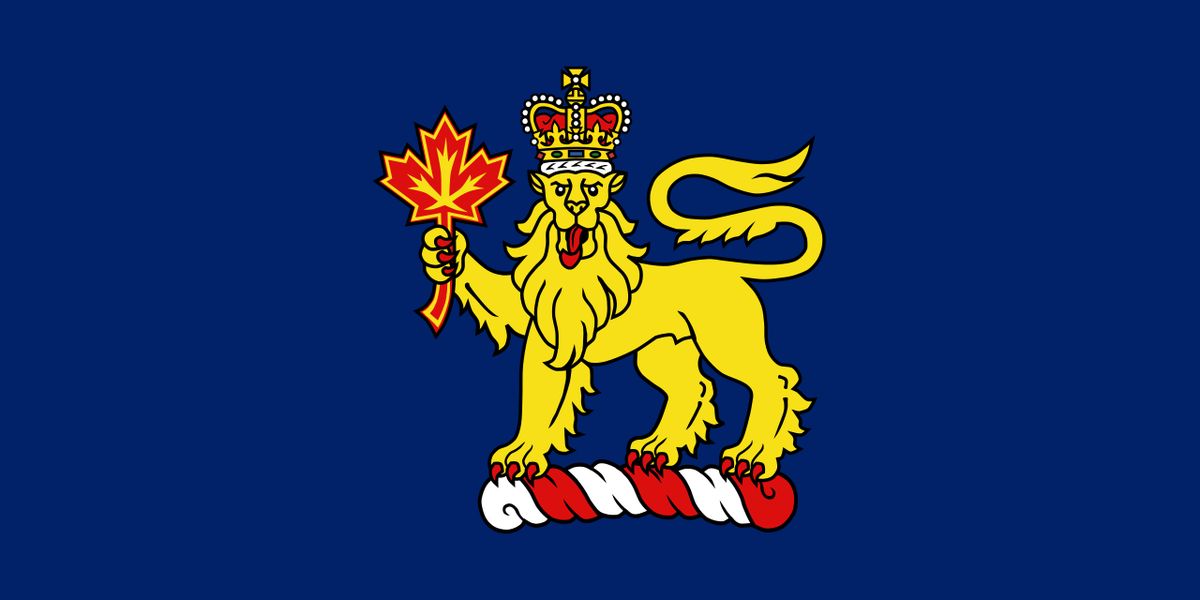
Michaëlle Jean was sworn in as the 27th governor general of Canada on September 27, 2005, in a ceremony in the Senate chamber. In her inaugural speech, she declared the time of the Two Solitudes was past and called for environmental protection, cultural preservation, and an end to the marginalization of youth. Her personal vice-regal motto, BRISER LES SOLITUDES (Breaking Down Solitudes), guided her mandate. One of her first acts was launching an online forum called Citizen Voices: Breaking Down Solitudes to foster national dialogue across racial, linguistic, and cultural groups. Jean undertook extensive tours of Canada's provinces and territories, where she was consistently met with large, welcoming crowds in contrast to her low approval ratings prior to appointment.
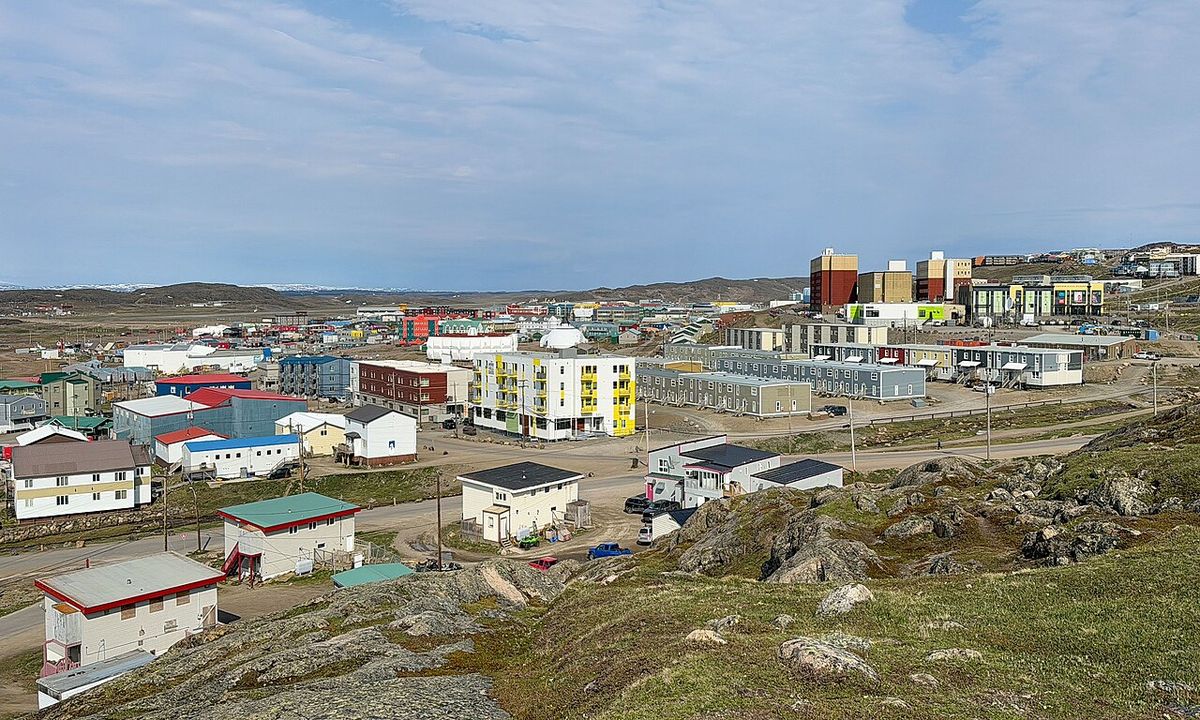
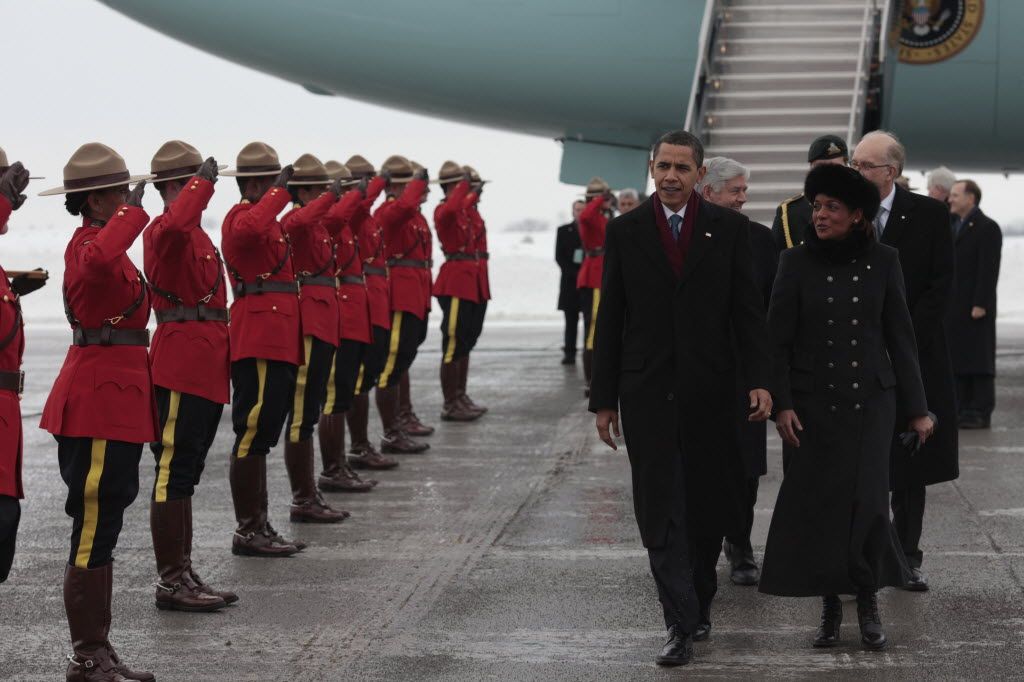
She became the first governor general to address the Alberta legislature on May 4, 2006, and used her platform to highlight issues like violence against women, meeting with Indigenous women chiefs and elders in Saskatchewan in 2007. During her tours, she presented the Grey Cup in 2005, opened the Toonik Tyme Festival in Iqaluit, and donated books in Inuktitut, French, and English to the Centennial Library. Jean actively embraced her role as commander-in-chief, making her first visit to Canadian troops in Afghanistan on March 8, 2007, International Women's Day, to highlight the plight of Afghan women. Her international duties included representing Canada at the closing ceremonies of the 2006 Winter Olympics in Italy, attending the investiture of Haitian President René Préval, and undertaking a significant state visit to five African nations in late 2006. These nations were Algeria, Mali, Ghana, South Africa, and Morocco.
Post Vice-Regal Career and International Service
After concluding her term as governor general in 2010, Michaëlle Jean was appointed the UNESCO Special Envoy for Haiti following the devastating 2010 earthquake. In 2014, she was elected as the third secretary-general of the Organisation Internationale de la Francophonie (OIF), becoming the first woman to lead the organization. She served in this role from January 5, 2015, until her term ended on January 2, 2019. Jean has also held several prestigious academic positions, including Chancellor of the University of Ottawa from 2012 to 2015 and, more recently, Chancellor of United College in Waterloo, Ontario, a position she assumed in late 2020. Her ongoing advocacy is channeled through the Michaëlle Jean Foundation, which she founded to support vulnerable youth in Canada through arts, cultural, and civic engagement projects. Key initiatives of the foundation include the Power of the Arts National Forum and the National Black Canadians Summit. She was also appointed Grand Témoin de la Francophonie for the 2012 Summer Olympics in London to promote the French language.
Honours and Recognition
Michaëlle Jean has received extensive national and international honours in recognition of her public service and advocacy. She is a Companion of the Order of Canada (CC), a Commander of the Order of Military Merit (CMM), and a Commander of the Order of Merit of the Police Forces (COM). She also holds the Canadian Forces Decoration (CD) and the Queen Elizabeth II Diamond Jubilee Medal from 2012. Internationally, she is a Knight of the Legion of Honour from France and a Member of the Order of Valour from Cameroon. She has been invested into the national orders of Armenia, Benin, Mali, and Niger, and holds the Ordre des Chevaliers de la Pléiade.
- Assumption University's Christian Culture Series Gold Medal
- Honorary citizen of numerous communities in Quebec and Côte d'Ivoire
- 2009 United Nations Development Fund for Women Canada Award
- Honorary doctorates from more than 20 universities worldwide, including the University of Ottawa, McGill University, and the University of Alberta.
- 1989 Human Rights League of Canada Media Award
- 1995 Amnesty International Canada Journalism Award
- 2022 Ottawa Key to the City
Personal Life and Legacy
Michaëlle Jean is married to filmmaker Jean-Daniel Lafond, with whom she has collaborated on documentary projects. Together they adopted their daughter, Marie-Éden. Her personal story of arriving in Canada as a refugee and rising to the highest vice-regal office remains a powerful narrative of resilience and integration. Jean's legacy is defined by her historic appointment, her commitment to social cohesion, and her sustained humanitarian work. As governor general, she worked to make the office more accessible and relevant, particularly to youth, Indigenous peoples, and the Canadian Forces. The principles of her mandate, especially breaking down solitudes, continue to resonate in national discussions on diversity and inclusion.
Through her foundation, her international diplomacy, and her ongoing public engagements, Jean continues to influence Canadian society. She advocates for acknowledging historical truths, including the experiences of Black Canadians and the legacy of residential schools. Her life and career demonstrate the potential for public service to bridge divides and inspire civic engagement across generations. She has been a consistent voice for using arts and culture to drive social change and address community development challenges.
Questions about Michaëlle Jean
What is Michaëlle Jean best known for?
Michaëlle Jean is best known for serving as the 27th governor general of Canada from 2005 to 2010. She made history as the first person of Haitian descent and the first Black Canadian to hold this vice-regal office. Her tenure was guided by the motto Breaking Down Solitudes. Following this, she served as the secretary-general of the Organisation Internationale de la Francophonie from 2015 to 2019.
Where was Michaëlle Jean born and when did she come to Canada?
Michaëlle Jean was born in Port-au-Prince, Haiti, on September 6, 1957. Her family fled the Duvalier regime, with her father leaving for Canada in 1967. Jean, along with her mother and sister, followed as refugees and arrived in Canada in 1968. The family initially settled in Thetford Mines, Quebec, before later moving to Montreal.
What did Michaëlle Jean do before becoming governor general?
Before her vice-regal appointment, Jean had a distinguished career in journalism and broadcasting. She worked for Radio-Canada and the CBC, becoming the first Black anchor on Quebec television news. She hosted programs such as Le Point on Radio-Canada and The Passionate Eye on CBC Newsworld. She also collaborated with her husband on award-winning documentary films and was actively involved in advocacy for victims of domestic violence.
What controversies surrounded her appointment as governor general?
Her appointment faced two main controversies. First, questions were raised about her and her husband's political sympathies after footage surfaced showing a toast to independence. Jean firmly denied any separatist leanings. Second, her dual French citizenship, acquired through marriage, posed a constitutional issue. She renounced her French citizenship two days before her swearing-in to resolve the conflict with her role as commander-in-chief.
What has Michaëlle Jean done since leaving the governor general's office?
Since 2010, Jean served as the UNESCO Special Envoy for Haiti after the 2010 earthquake. From 2015 to 2019, she was the secretary-general of the Organisation Internationale de la Francophonie. She has held chancellor positions at the University of Ottawa and United College in Waterloo. She also founded the Michaëlle Jean Foundation, which supports at-risk youth through arts and civic projects.
What languages does Michaëlle Jean speak?
Michaëlle Jean is fluent in five languages: French, English, Spanish, Italian, and Haitian Creole. She can also read Portuguese. Her multilingual abilities come from her academic background, which includes a Bachelor of Arts in Italian and Hispanic languages and literature from the University of Montreal. She furthered her language studies at the University of Florence, the University of Perugia, and the Catholic University of Milan.
Sources and further reading
- Michaëlle Jean (Wikipedia)
- Michaëlle Jean (thedialogue.org)
- The Right Honourable Michaëlle Jean, Doctor of Civil ... (convocation.acadiau.ca)
- Michaelle Jean | Biography | Research Starters | EBSCOhost (ebsco.com)
- Welcome, Michaëlle Jean (michaellejean.ca)
Checked by the Nosy Mag desk. Last updated 2026-10-27.