One Canadian Economy Act
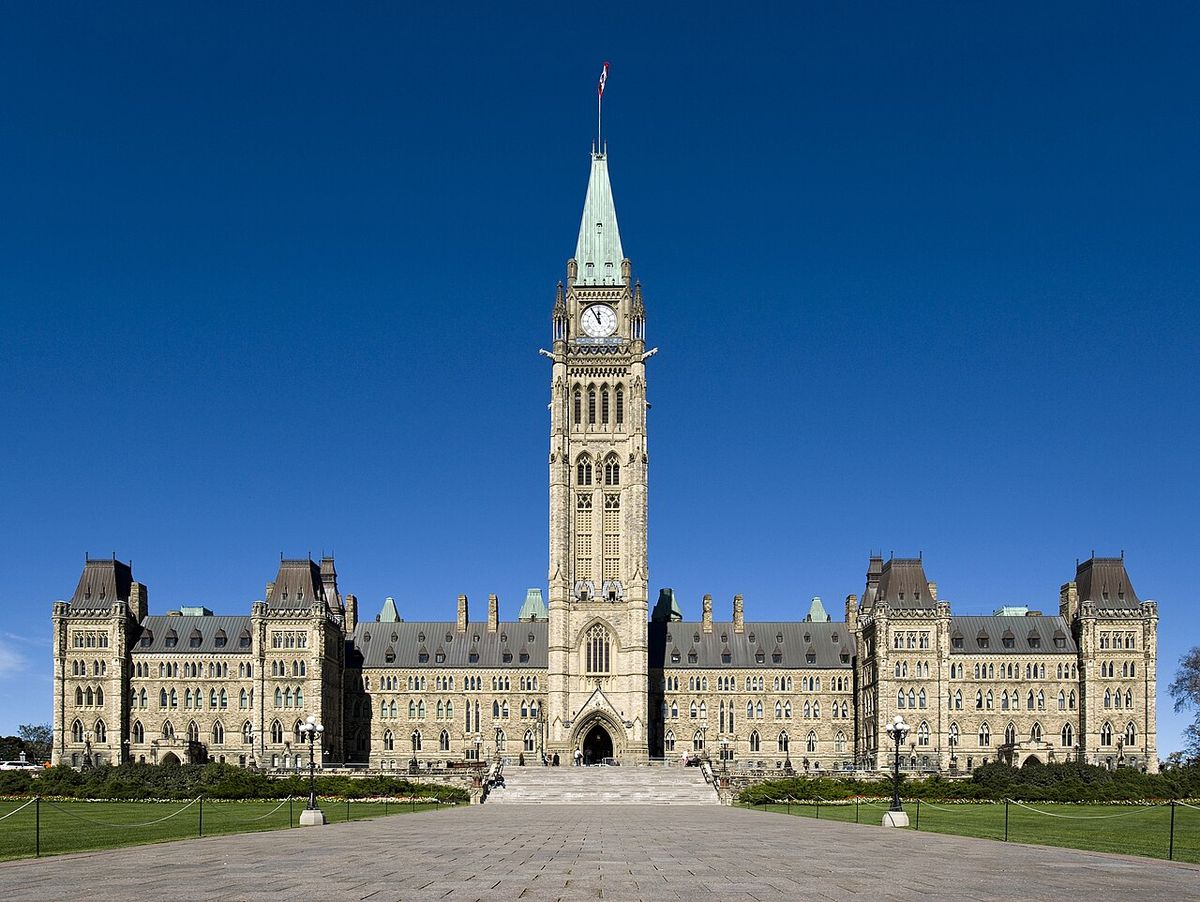
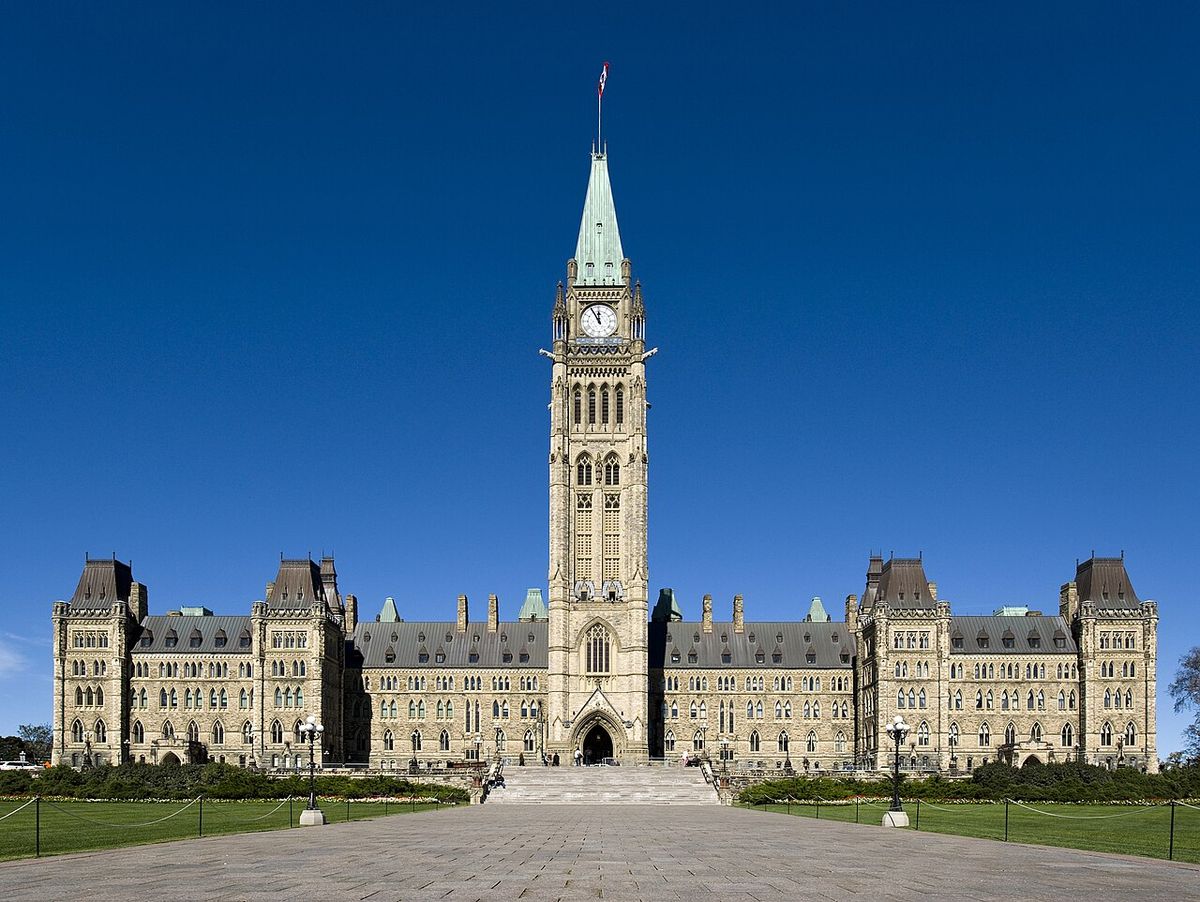
The One Canadian Economy Act, known as Bill C-5, is a federal law enacted in 2025 to strengthen Canada's economic sovereignty. The law was a response to economic pressures from the 2025 trade war with the United States. It aims to reduce Canada's external trade dependence by removing federal barriers to internal trade and labour mobility and creating a fast-track approval process for major infrastructure projects. The legislation was passed under Prime Minister Mark Carney's minority Liberal government.
Background and political context
The One Canadian Economy Act was born from a period of economic crisis triggered by a trade war with the United States under President Donald Trump. This conflict showed Canada's heavy reliance on American markets and exposed vulnerabilities in the national economy. In response, politicians and analysts intensified calls to dismantle internal trade barriers between provinces and territories. The crisis also revived a national conversation about the need for ambitious infrastructure projects to enhance economic security. Mark Carney was sworn in as Prime Minister on March 14, 2025, after winning the 2025 Liberal leadership election. He campaigned on a promise to eliminate all federal barriers to internal trade and labour mobility by Canada Day and to build major projects at an unprecedented speed. Following a snap election, Carney's Liberals formed a minority government and introduced Bill C-5 within days of Parliament's return.
Key provisions of the Act
The One Canadian Economy Act is an omnibus bill containing two distinct statutes. Part 1 enacts the Free Trade and Labour Mobility in Canada Act. It establishes a framework to remove federal obstacles to the flow of goods, services, and workers across provincial and territorial borders. Its core principle is mutual recognition, where a good or service meeting the standards of its originating province is automatically deemed to meet any equivalent federal standard for interprovincial trade. Similarly, occupational licenses or certifications granted by a province or territory must be recognized by federal regulators. The Act grants Cabinet the power to create regulatory exceptions to this regime. Part 2 enacts the Building Canada Act, which creates an expedited approval pathway for infrastructure projects declared to be in the national interest. Once Cabinet makes such a designation, all necessary federal findings and determinations under various Acts are deemed to have been made in favour of the project. The responsible minister can then issue a single authorization document that replaces all other federal permits. Cabinet also holds broad regulatory powers to exempt designated projects from other laws, though amendments excluded core statutes like the Criminal Code and the Hazardous Products Act from this power.
Legislative process and passage
The Carney government moved swiftly to pass Bill C-5, employing procedural motions to fast-track its progress through Parliament before the summer recess. In the House of Commons, a motion was approved on June 16, 2025, that severely limited debate, allowing only two members from each official party and one each from the NDP and Greens to speak per stage. Committee study at the Standing Committee on Transport, Infrastructure and Communities was restricted to just two days, June 17 and 18. The bill passed second reading and was referred to committee on June 16, with support from the governing Liberals and the official opposition Conservatives. The Bloc Québécois, the New Democratic Party, and the Green Party opposed the fast-tracking motion and the bill itself. The committee approved the bill with amendments shortly after midnight on June 18. It passed third reading in the House on June 20, the final sitting day before recess. The Senate followed a similarly expedited process through a programming motion, conducting a pre-study and limiting all votes to occur by June 27. The Senate passed the bill on first and second reading on June 25 and granted third reading on June 26. The bill received royal assent later that same day, becoming law. Key steps in the legislative timeline included:
- Introduction and first reading of Bill C-5 in June 2025.
- House of Commons approval of fast-tracking motion on June 16, 2025.
- House committee study on June 17 and 18, 2025.
- Third reading and passage in the House of Commons on June 20, 2025.
- Senate passage on first and second reading on June 25, 2025.
- Senate third reading and royal assent on June 26, 2025.
- Coming into force of Part 1 scheduled for January 1, 2026.
Factors for national interest designations
The Building Canada Act requires the minister to consider a series of factors before recommending that Cabinet declare a project to be in the national interest. The Act provides a non-exhaustive list to guide decision-making. The enumerated factors include whether the project will strengthen Canada's autonomy, resilience, and security, and whether it will provide significant economic or non-economic benefits to the country. Decision makers are also directed to consider the project's likelihood of successful execution and its potential to advance the interests of Indigenous peoples. Alignment with Canada's climate change and energy transition objectives is another listed factor. The Act mandates that the minister consult with Indigenous peoples both when making a national interest designation and when issuing or amending the single project authorization.
Support and criticism
The reception to the One Canadian Economy Act has been sharply divided. The Free Trade and Labour Mobility in Canada Act (Part 1) has garnered broad support from business groups and was less controversial among opposition parties. The Canadian Chamber of Commerce applauded the bill for rising to meet the moment of the trade war. In contrast, the Building Canada Act (Part 2) has faced intense criticism from Indigenous organizations, environmental groups, and progressive politicians. The Assembly of First Nations called an emergency meeting of chiefs when the bill was tabled, accusing the government of seeking powers to bulldoze Indigenous rights. Groups like Ecojustice and West Coast Environmental Law criticized the potential for bypassing environmental assessments. NDP MP Alexandre Boulerice likened the fast-tracking provisions to former Prime Minister Stephen Harper's policies. The bill did receive support from some trade unions, such as those represented by director Sean Strickland, who highlighted the urgent need for job-creating projects.
Implementation and oversight
The implementation of the One Canadian Economy Act is phased. The Free Trade and Labour Mobility in Canada Act is scheduled to come into force on January 1, 2026, as fixed by an Order in Council. Supporting regulations, known as the Free Trade and Labour Mobility in Canada Regulations, will also take effect on that date to prescribe exceptions and conditions. For the Building Canada Act, oversight is provided by a mandated Parliamentary Review Committee, constituted as the Special Joint Committee on the Exercise of Powers Under the Building Canada Act. This committee is tasked with monitoring the law's use. The Act requires the responsible minister to cause an annual independent review of the status of each designated national interest project. The legislation also contains a five-year sunset clause, after which no new projects can be designated under the fast-track process.
Economic rationale and projected impact
The core economic rationale for the One Canadian Economy Act is to unlock domestic economic potential and reduce vulnerability to external shocks. The government cited data showing that interprovincial trade accounts for nearly 20 percent of Canada's gross domestic product. While most barriers fall under provincial jurisdiction, the Act aims to show federal leadership by removing its own obstacles. The Building Canada Act is designed to attract private investment by providing regulatory certainty and shortening approval timelines. The government argued that accelerating nation-building projects in sectors like energy and transportation would directly contribute to economic growth and job creation.
Legal and constitutional concerns
From its introduction, Bill C-5, particularly Part 2, raised significant legal and constitutional concerns. The Canadian Bar Association's National Aboriginal Law and Environmental Law sections warned that the bill risks undermining constitutionally protected Aboriginal and treaty rights. Critics focused on the broad discretionary powers granted to Cabinet to exempt projects from laws and the potential for the single authorization process to sideline thorough environmental assessments and meaningful consultation. The statement by Justice Minister Sean Fraser in June 2025 that the duty to consult does not grant a blanket veto amplified fears. The legislation's framework, which deems all necessary federal approvals to have been met once a project is designated, creates a legal presumption that critics argue could conflict with the Crown's constitutional duties.
Related provincial legislation
The One Canadian Economy Act was introduced in tandem with similar provincial legislation aimed at reducing internal trade barriers. In Ontario, the government of Doug Ford passed two related acts earlier in 2025. The Protect Ontario by Unleashing our Economy Act and the Protect Ontario Through Free Trade Within Canada Act were both responses to the trade war with the United States. These Ontario bills also sought to expedite infrastructure project approvals, drawing criticism from Indigenous groups like the Nishnawbe Aski Nation, which represents 49 First Nations in northern Ontario. The federal Act was positioned as complementary to these provincial efforts, aiming to avoid a patchwork of reciprocal laws across the country.
Questions about One Canadian Economy Act
What is the main purpose of the One Canadian Economy Act?
The main purpose of the One Canadian Economy Act is to strengthen Canada's economic sovereignty in response to the 2025 trade war with the United States. The legislation contains two distinct parts to achieve this. Part 1 aims to remove federal barriers to trade and labour movement between provinces and territories. Part 2 is designed to expedite the construction of major infrastructure projects deemed vital to the national interest.
How does the Act change interprovincial trade rules?
The Act changes interprovincial trade rules by establishing a principle of mutual recognition in Part 1. Under this rule, a good or service that meets the regulatory requirements of its home province is automatically considered to meet equivalent federal requirements for interprovincial trade. The Act also requires the federal government to recognize occupational licenses issued by provinces, which eliminates duplicative requirements for workers moving across borders. This framework applies when a federal standard relates to the same aspect of a good or service and is intended to achieve a similar objective as the provincial standard.
What is a 'national interest' project under the Building Canada Act?
A 'national interest' project under the Building Canada Act is a major infrastructure project that the Cabinet declares to be of critical importance to Canada. Before this designation, the Minister must consider specific factors such as whether the project will strengthen the country's autonomy, resilience and security, or provide economic benefits. The Minister must also consider if the project advances the interests of Indigenous peoples and helps Canada meet its climate change objectives. The Act mandates that the Minister consult with Indigenous peoples whenever making a national interest designation.
Why have Indigenous groups criticized the Act?
Indigenous groups have criticized the Act because they argue the fast-track approval process in Part 2 could allow the government to bypass their rights. The Assembly of First Nations called a meeting of chiefs to coordinate a response on the same day the bill was tabled. Groups like the Nishnawbe Aski Nation, representing 49 First Nations, warned of a 'long, hot summer' and accused the government of wanting to 'bulldoze' their rights. They also criticized the government for giving them only one week to review the bill before it was introduced.
Which political parties supported the Act?
The governing Liberal Party and the official opposition Conservative Party supported the Act and the motions to fast-track its passage. The Bloc Québécois, the New Democratic Party, and the Green Party opposed the legislation. These opposition parties cited concerns over environmental safeguards, Indigenous rights, and the concentration of power in Cabinet. The bill passed with the support of the Liberals and Conservatives in both the House of Commons and the Senate.
When did the different parts of the Act come into effect?
The One Canadian Economy Act as a whole received royal assent and became law on June 26, 2025. Part 1, the Free Trade and Labour Mobility in Canada Act, came into force on January 1, 2026. Part 2, the Building Canada Act, came into effect immediately upon royal assent in June 2025. The Building Canada Act also included a sunset clause of five years, after which new projects could no longer be designated under its provisions.
Sources and further reading
- One Canadian Economy Act (Wikipedia)
- One Canadian Economy Act ( SC 2025, c. 2) (laws-lois.justice.gc.ca)
- Order Fixing January 1, 2026 as the Day on Which the Free ... (gazette.gc.ca)
- The One Canadian Economy Act: a new governance ... (iog.ca)
- Bill C-5, One Canadian Economy Act (cba.org)
Checked by the Nosy Mag desk. Last updated 2026-10-31.