Food labelling in Canada
Food labelling in Canada is a comprehensive regulatory system designed to ensure consumers have accurate, truthful, and non-misleading information about the food they purchase. The framework is jointly administered and enforced by two federal departments: Health Canada, which sets policy and nutritional standards, and the Canadian Food Inspection Agency (CFIA), which is responsible for inspection and compliance. Mandatory requirements cover everything from common names and ingredient lists to nutrition facts, allergen declarations, and country of origin. A major update to this system, the mandatory front-of-package nutrition symbol for foods high in saturated fats, sugars, or sodium, became fully enforceable on January 1, 2026, marking one of the most significant changes to Canadian food labels in years.
Regulatory Framework and Administration
Canadian food labelling is governed by two overlapping federal legislative regimes that apply simultaneously to all prepackaged foods. The Food and Drugs Act and its accompanying Food and Drug Regulations are administered by Health Canada and set the foundational standards for food composition, nutrition labelling, allergen declarations, and the rules for health and nutrient content claims. Concurrently, the Safe Food for Canadians Act and its regulations, administered and enforced by the Canadian Food Inspection Agency, impose additional requirements related to net quantity, dealer identification, grading, and commodity-specific labelling. This dual-regime structure means a food label must satisfy the requirements of both Health Canada and the CFIA. The Competition Act also applies, granting the Competition Bureau independent jurisdiction to investigate label claims that are false or misleading in a material respect. To assist industry and inspectors, the CFIA maintains the Industry Labelling Tool, which serves as the consolidated, primary reference for interpreting and applying all labelling requirements in practice.
Core Mandatory Label Elements
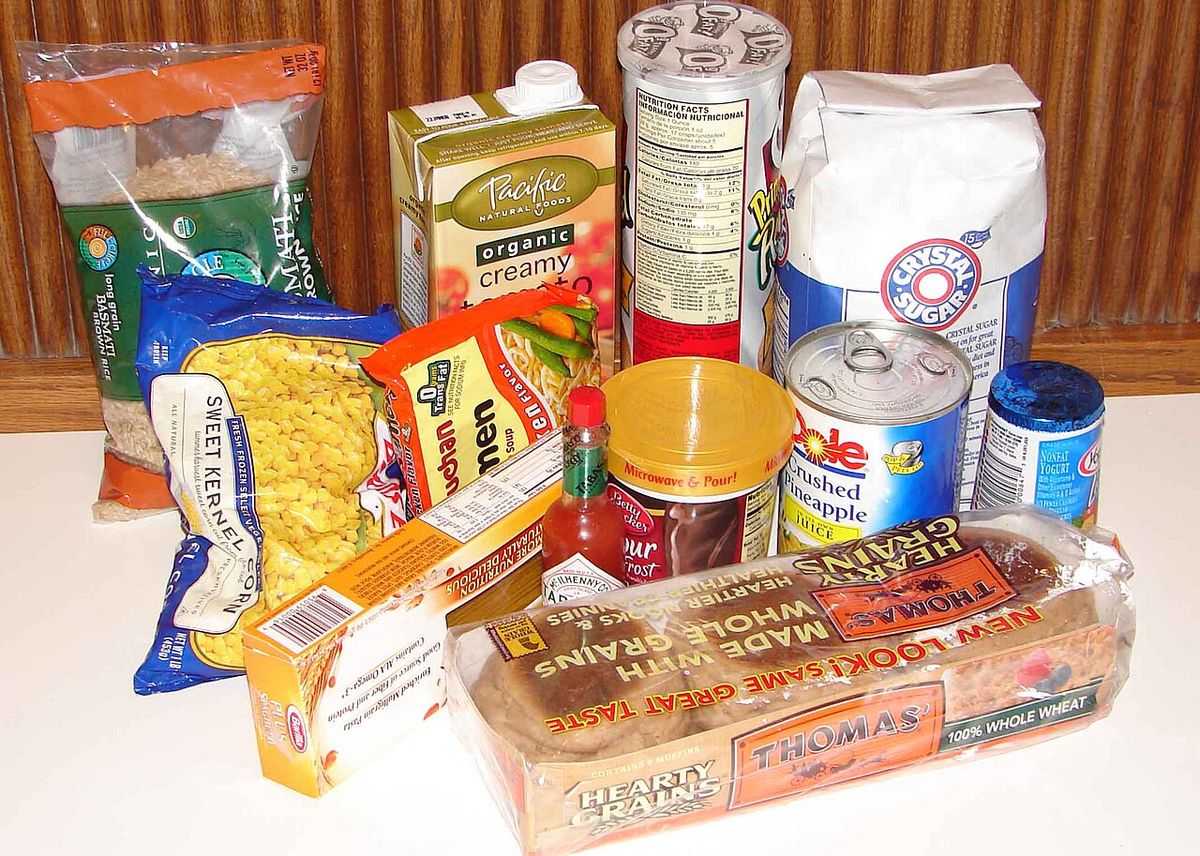
Every prepackaged food label sold in Canada must contain a specific set of mandatory information presented in both English and French, with no exception for products marketed exclusively in one language. The common name of the food must be displayed using the name prescribed in regulations, a name set by another federal rule, or the name by which the food is commonly known. This common name must appear on the principal display panel in a minimum type height of 1.6 millimetres. The net quantity of the food in the package must be declared in metric units, with Canadian imperial or U.S. customary units permitted as optional supplementary information. Dealer identification, requiring the name and principal place of business of the manufacturer, processor, producer, or packager, must also be present. For imported goods, compliant options include naming the foreign manufacturer with the country of origin or using an 'Imported by' statement with a Canadian company. A best before date is mandatory for products with a durable life of 90 days or less, indicating the period during which the product will retain its freshness under proper storage conditions.
Certain products are exempt from specific labelling requirements. The following categories are exempt from requiring a durable life or packaging date: prepackaged fresh fruits and vegetables, including chopped or shredded varieties. Prepackaged individual portions of food served by restaurants, airlines, or similar enterprises with meals. Prepackaged individual servings sold in automatic vending machines or mobile canteens. And prepackaged donuts. The requirement for a Nutrition Facts table also has several exemptions, including for fresh produce, raw meats and poultry, raw seafood, foods prepared in-store like bakery items, foods containing very few nutrients such as plain coffee, and alcoholic beverages. These exemptions are carefully defined within the regulations to balance consumer information needs with practical considerations for industry.
Ingredient List and Allergen Declaration
By law, prepackaged multi-ingredient foods require an ingredient list. In Canada, the ingredients must be displayed in both English and French. Ingredients must be listed in descending order of proportion by weight, providing a clear picture of the product's composition. Specific names must be used for ingredients and their components. For example, 'whey protein' must be listed as such and not simply as 'protein'. Certain categories, including spices, seasonings, herbs other than salt, flavour enhancers, food additives, and vitamin and mineral nutrients, may be listed at the end of the ingredient list in any order. This precise ordering and naming convention is a critical component of the Food and Drug Regulations, ensuring transparency for consumers.
The declaration of priority food allergens, gluten sources, and added sulphites is a paramount safety requirement. Enhanced regulations passed on February 16, 2011, mandated that these substances be clearly declared, either within the ingredient list itself or in a statement immediately following the list, beginning on August 4, 2012. Canada's priority allergens include a specific list of substances known to cause the majority of allergic reactions: peanuts, tree nuts, milk, eggs, soy, wheat, seafood, sesame seeds, and mustard. While not mandatory, Health Canada endorses the use of precautionary statements such as 'may contain' to warn of potential cross-contamination when an allergen is not an ingredient but may be present due to shared processing equipment. An undeclared allergen is the most common trigger for a Class I recall in Canada, showing the critical importance of accurate allergen labelling for public health.
Nutrition Information and the 2026 Front-of-Package Symbol
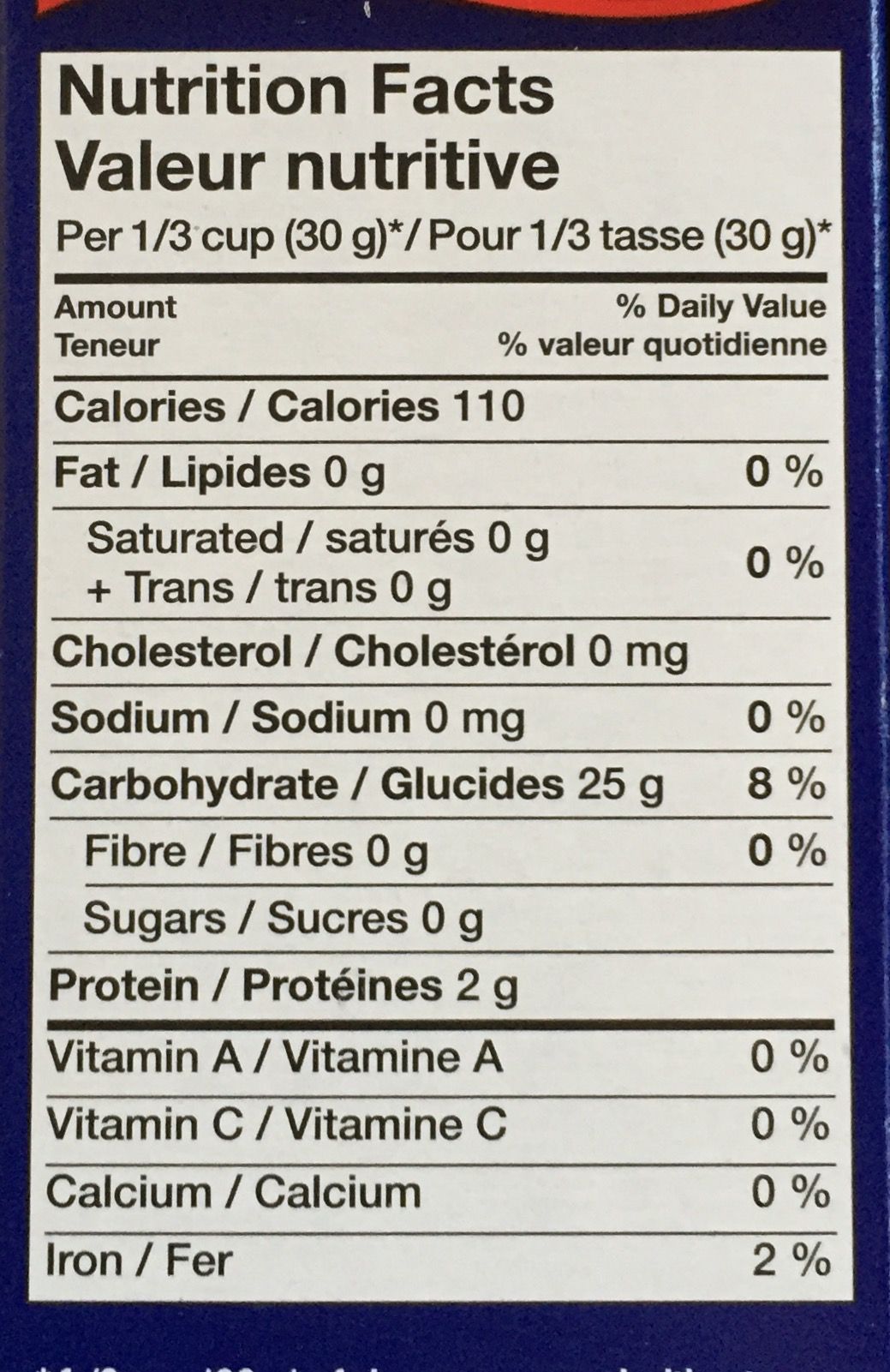
The Nutrition Facts table is a mandatory feature on nearly all prepackaged foods in Canada, providing standardized information to help consumers make informed choices. The table must include serving size, calories, and the percent Daily Value of 13 core nutrients: fat, saturated fat, trans fat, cholesterol, sodium, carbohydrate, fibre, sugars, protein, vitamin A, vitamin C, calcium, and iron. The percent Daily Value for vitamins and minerals is based on a Recommended Daily Intake, while values for other nutrients are based on a reference standard for reasonable daily consumption. The table must be displayed clearly and prominently on the package in a format prescribed by regulation, ensuring consistency across all products.
The most significant recent development in Canadian nutrition labelling is the mandatory front-of-package nutrition symbol for foods high in saturated fats, sugars, or sodium. Health Canada announced new front-of-package labelling requirements in June 2022, introducing this requirement. Following a transition period that ended on December 31, 2025, full compliance became mandatory on January 1, 2026. Prepackaged foods that contain amounts of these nutrients exceeding specified thresholds must display a standardized black-and-white symbol on the top right corner of the principal display panel. The regulation includes exemptions for several product categories, such as raw meat and seafood, eggs, plain milk, fresh fruits and vegetables, and foods otherwise exempt from carrying a Nutrition Facts table. The symbol is intended as an advisory to quickly identify foods high in nutrients of public health concern, complementing the detailed information in the Nutrition Facts table.
Supplemented Foods and Special Regulations
In July 2022, Health Canada announced the Supplemented Foods Regulations. These regulations impose additional labelling requirements on food products that have been supplemented with ingredients like vitamins, mineral nutrients, amino acids, or caffeine, such as energy drinks or fortified waters. For newly approved products, the rules took effect immediately, while a transition period for existing products aligns with the front-of-package deadline of January 2026. Supplemented foods must carry a modified Nutrition Facts table that clearly lists the supplemented ingredients and their quantities. Products containing supplements that could pose a risk if consumed in excess, like caffeine or certain vitamins, must display a standardized cautionary symbol on the front of the package and include specific warning statements near the nutrition information. This layered approach aims to inform consumers about both the presence and potential risks of supplemented ingredients.

Country of Origin and Imported Foods
Country of origin labelling in Canada is mandatory for specific commodity categories under the administration of the Canadian Food Inspection Agency. This requirement applies to imported beef and other meats, dairy products, honey, fish, fresh fruits and vegetables, eggs, maple products, and processed fruit and vegetable products. For other food products, declaring the country of origin is voluntary, though any such claim must be accurate and not misleading. The regulations for imported goods are strict, setting minimum standards for packaging, labelling, and grade to ensure the safety and quality of food entering the Canadian market. For example, the Fresh Fruit and Vegetable Regulations establish specific requirements for produce in interprovincial or import trade. Canada's climate necessitates significant food imports, particularly for fresh produce during winter months, making these origin labelling and safety standards essential for consumer awareness and protection.
Advertising and Compliance Enforcement
All advertising for foods and alcoholic beverages in Canada is subject to the prohibitions against false and misleading representations found in the Food and Drugs Act and the Consumer Packaging and Labelling Act. Generally, any mandatory information or approved claim that appears on a food label may also be used in advertising that product. Radio and television advertisements for food and non-alcoholic beverages must have their scripts pre-approved by the Food and Beverage Clearance Section of Advertising Standards Canada and carry a current script clearance number before they can be broadcast. There is no compulsory pre-clearance process for print advertisements, though companies may voluntarily submit them to the CFIA's Food Labelling Information Service for review. Internet advertising is subject to the same legal criteria as other media.
The CFIA is the primary body responsible for monitoring compliance and enforcing labelling regulations. Following the end of the transition period for the new front-of-package rules on December 31, 2025, the agency stated it would not issue enforcement discretion for non-compliance beyond January 1, 2026. Products imported, manufactured, or packaged before that date may continue to be sold with old labels, but any product handled on or after January 1, 2026, must be fully compliant. The CFIA uses a Standard Regulatory Response Process to address violations, which includes providing regulated parties with a timeframe to complete corrective actions based on the severity of the non-compliance. Consequences for labelling errors can range from voluntary corrections to mandatory product recalls, with undeclared allergens being a leading cause for the most serious Class I recalls.
Questions about Food labelling in Canada
What are the new front-of-package labelling rules in Canada?
As of January 1, 2026, prepackaged foods that contain high amounts of saturated fat, sugars, or sodium must display a standardized black-and-white nutrition symbol on the front of their package. The regulations, announced in June 2022, are designed to help Canadians quickly identify foods high in these nutrients of public health concern. The symbol must be placed on the top right corner of the principal display panel. There was a transition period that ended on December 31, 2025, after which all new labels must comply. Products imported or manufactured before January 1, 2026, can still be sold with old labels.
Which government agencies are responsible for food labelling in Canada?
Two federal agencies share responsibility for food labelling. Health Canada develops food safety and nutritional standards, sets policies for the Nutrition Facts table, and regulates health claims. The Canadian Food Inspection Agency enforces labelling regulations, conducts inspections, and ensures industry compliance with all requirements. Both bodies administer overlapping legislation, meaning labels must satisfy the rules set by both Health Canada and the CFIA. The Competition Bureau also has jurisdiction to investigate false or misleading label claims independently.
What information is mandatory on a Canadian food label?
Every prepackaged food label must include the common name of the product, the net quantity in metric units, the name and address of the dealer, a bilingual ingredient list in descending order by weight, and allergen declarations. A Nutrition Facts table is required on nearly all products, with exemptions for items like fresh produce and raw meat. Foods with a durable life of 90 days or less require a best before date. Country of origin labelling is mandatory for specific imported commodities like meat, dairy, and fresh produce. All mandatory information must be presented in both English and French.
How are allergens labelled on food in Canada?
Canada requires the clear declaration of priority food allergens, gluten sources, and added sulphites. These must be declared either within the ingredient list or in a statement immediately following it. The priority allergens include peanuts, tree nuts, milk, eggs, soy, wheat, seafood, sesame seeds, and mustard. The enhanced labelling regulations for allergens were passed on February 16, 2011, and came into force on August 4, 2012. Precautionary statements like 'may contain' are not mandatory but are recommended by Health Canada to warn of potential cross-contamination. Accurate allergen labelling is critical, as an undeclared allergen is the most common cause of a Class I food recall in Canada.
Are there different rules for products sold in Quebec?
Products sold in Quebec must comply with both federal bilingual labelling requirements and provincial language legislation. Quebec's Charter of the French Language, including amendments from Bill 96, imposes additional requirements on the presentation of French on product labels and in marketing. These provincial rules often go beyond the federal obligation for bilingual presentation. Therefore, a label that is compliant for the rest of Canada may need modifications, particularly to the French text, before it can be legally sold in Quebec.
What happens if a food label does not comply with Canadian regulations?
Non-compliant labels are subject to enforcement action by the Canadian Food Inspection Agency. The CFIA follows a Standard Regulatory Response Process, which provides a timeframe for corrective actions based on the severity of the violation. Consequences range from requests for voluntary correction to mandatory product recalls. For serious violations that pose a health risk, such as an undeclared allergen, a Class I recall is likely. The CFIA has stated that for the new front-of-package rules, no enforcement discretion will be granted after the January 1, 2026, compliance date.
Sources and further reading
- Food labelling in Canada (Wikipedia)
- Notice to industry, Compliance and enforcement ... (inspection.canada.ca)
- Front-of-package labelling requirements are now in effect (foodincanada.com)
- Canadian food labelling in 2026: What every brand needs ... (duropac.com)
- Canadian Food Labelling Requirements, GSJ&Co. (food.gsjameson.com)
Checked by the Nosy Mag desk. Last updated 2026-11-03.