2025 Canadian federal election in Alberta
The 2025 Canadian federal election in Alberta saw the province elect 37 Members of Parliament, an increase of three seats from the previous election due to national electoral redistribution. The Conservative Party of Canada secured a dominant victory, winning 34 seats and 63.5 percent of the popular vote in the province. The election results, which left the federal Liberal government with minimal representation from Alberta, intensified long-standing regional tensions and contributed directly to the political momentum for the 2026 Alberta referendum on constitutional and immigration issues. The electoral outcome showed Alberta's distinct political scene within the Canadian federation and set the stage for a significant provincial vote on its future relationship with Canada.
Electoral context and redistribution
The 2025 federal election was the first to use new electoral boundaries established after the 2022 Canadian federal electoral redistribution. This process increased the total number of seats in the House of Commons from 338 to 343. Alberta's representation grew from 34 to 37 seats, reflecting its population growth relative to other provinces. According to the 2021 Canadian census, the average population per federal riding in Alberta was 115,206. This figure was 7,358 people higher than the national average for constituencies, highlighting the province's larger-than-average electoral districts. The redistribution aimed to balance representation by population across the country, though Alberta's seats remained proportionally fewer than those of Ontario and Quebec. The three new ridings were distributed within the province's major urban centres and growing suburban areas. The total number of members of Parliament from Alberta made up 10.8 percent of all members in the House of Commons.
Election results and party performance
The Conservative Party achieved a sweeping victory across Alberta, capturing 34 of the province's 37 seats. The party's share of the popular vote reached 63.5 percent, consolidating its position as the dominant federal political force in the province. The Liberal Party finished a distant second, winning only two seats and 27.9 percent of the vote, primarily in urban Edmonton. The New Democratic Party's support fell significantly to 6.3 percent of the popular vote, and the party retained just a single seat, losing half of its Alberta representation from the previous election. Several smaller parties contested the election but failed to win any seats or significant vote share. The People's Party of Canada saw its support collapse to 0.9 percent of the vote, while the Green Party received just 0.4 percent. The Alberta-based Maverick Party, which had run candidates in 2021, did not contest the 2025 election as it was deregistered by Elections Canada on February 28, 2025. A collection of other minor parties, including the Centrist Party, Canadian Future Party, Christian Heritage Party, Communist Party, Libertarian Party, Marxist-Leninist Party, United Party of Canada, and Rhinoceros Party, ran at least one candidate each. Combined, these parties garnered only 0.6 percent of the total provincial vote. The table below summarizes the results for the major parties.
| Party | Seats Won | Popular Vote (%) |
|---|---|---|
| Conservative Party | 34 | 63.5 |
| Liberal Party | 2 | 27.9 |
| New Democratic Party | 1 | 6.3 |
| People's Party | 0 | 0.9 |
| Green Party | 0 | 0.4 |
Political aftermath and the separatist movement
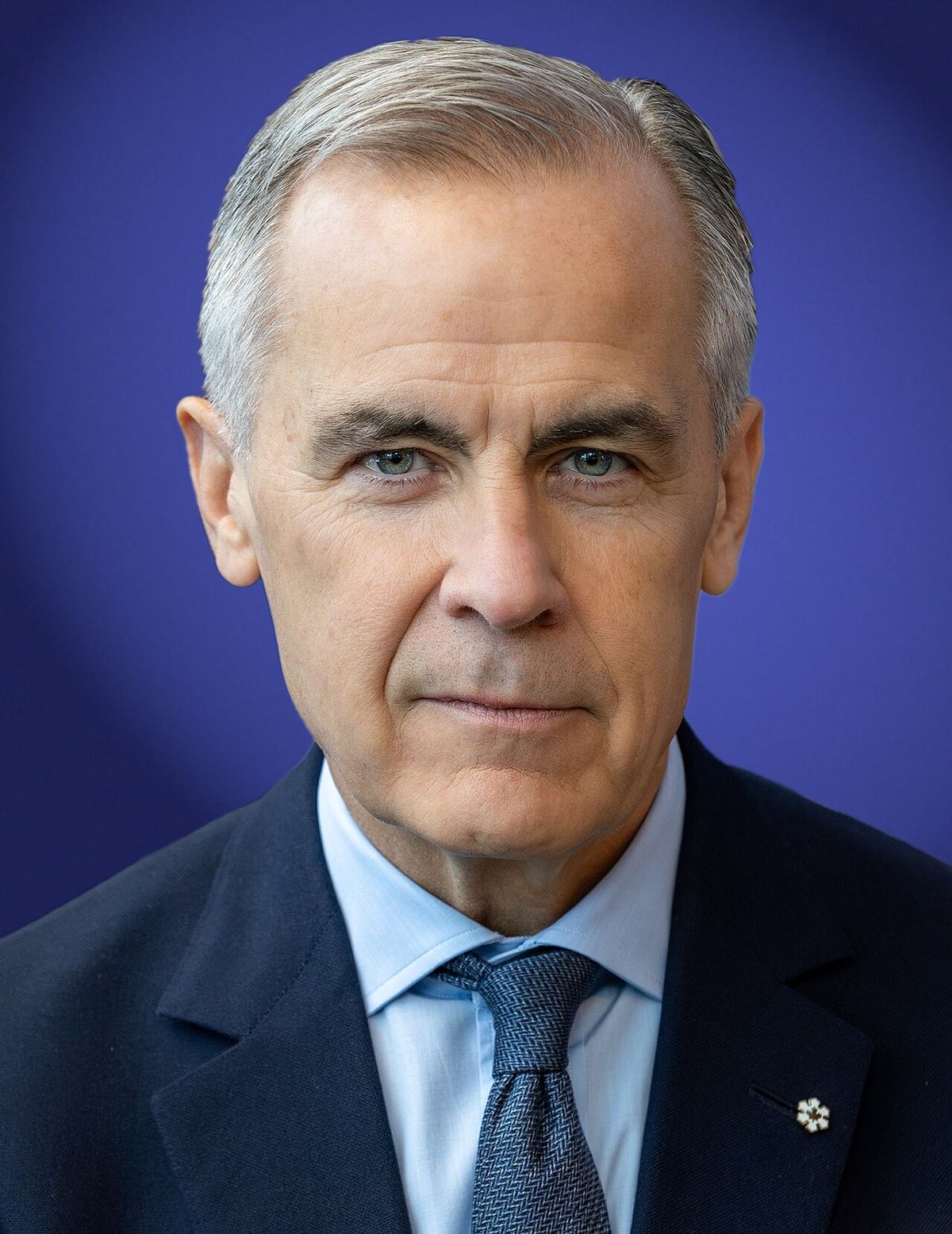
The Conservative landslide in Alberta, juxtaposed with the re-election of a Liberal government led by Prime Minister Mark Carney, exacerbated feelings of western alienation. Many Albertans felt their political preferences and economic interests, particularly regarding the oil and gas sector, were not represented in Ottawa. This dissatisfaction provided immediate fuel for Alberta's separatist movement, which gained considerable media attention in the aftermath of the 2025 federal election. The concept of Alberta independence moved from the political fringe into more mainstream discussion, driven by citizen-led groups like Alberta Forever Canada. The movement argued that the constitutional balance of power established in 1867 and enshrined in 1982 was outdated and failed to address modern provincial challenges. Proponents called for Alberta to gain greater sovereignty within a united Canada, or to pursue independence entirely. In early May 2026, separatists submitted a petition with hundreds of thousands of signatures to push for a vote on leaving Canada. Opponents simultaneously collected signatures to support staying in the federation. A court ruling on May 13, 2026, complicated the process, as a judge halted the petition on the grounds that the province could not advance the discussion without consulting First Nations. This legal intervention forced the provincial government, led by Premier Danielle Smith, to change its approach. Instead of a direct vote on separation, the government decided to ask voters in a referendum whether it should take the steps needed to hold a future binding independence referendum. This strategic shift led to the inclusion of Question 10 on the October 2026 referendum ballot, which specifically dealt with initiating the process toward a future vote on separation.
The 2026 Alberta referendum
The Alberta government, following recommendations from the Alberta Next Panel, scheduled a province-wide referendum for October 19, 2026. The ballot contained ten questions designed to gauge public opinion on immigration policy and proposed constitutional changes. Premier Danielle Smith's government framed the referendum as a way to modernize the constitutional balance of power and give Alberta more autonomy within Canada. The first five questions focused on immigration policy, critiquing federal immigration levels since 2015 for causing rapid population growth, straining social services, housing, and employment. The government cited figures such as the more than $1 billion spent annually on provincial programs for temporary residents and an average youth unemployment rate of 12 percent in 2025 as justification for seeking a provincial role in immigration selection. Questions six through nine asked Albertans if they supported the government working with other provinces on targeted changes to the Constitution of Canada. The final question, Question 10, was the most consequential, asking voters whether the province should take the necessary steps to hold a future binding referendum on Alberta separating from Canada to become an independent country. The referendum process was administered by Elections Alberta, which faced logistical challenges due to the high number of special ballot applications and the complexity of a ten-question ballot. Key dates in the referendum process included the launch of the official Elections Alberta referendum website on September 21, 2026, the deadline to request a special ballot package on September 25, 2026, the recommended deadline to mail back special ballots by October 9, 2026, the absolute deadline for Elections Alberta to receive special ballots at 5:00 p.m. on October 16, 2026, and referendum day with in-person voting on October 19, 2026. Elections Alberta hired approximately 25,000 election officers to administer the vote and encouraged electors to use the special ballot tracking system to confirm their vote was received.
Referendum outcome and analysis
Preliminary results from the October 19, 2026, referendum showed Albertans overwhelmingly rejected beginning the process toward separation. Roughly 76 percent of voters voted No on Question 10, choosing to remain in Canada. In a provincial address following the vote, Premier Danielle Smith stated she would respect the voter mandate and that the majority had opted to stay in Canada. However, political observers noted the result was unlikely to settle the underlying tensions. Polling from the Angus Reid Institute released just before the vote found that 62 percent of Albertans believed there would never be an end to the separatist movement. Prominent separatist leader Keith Wilson declared at a rally before the vote that the movement would continue to build on its successes and relationships regardless of the outcome. Academic analysis suggested separatism would persist as a political strategy. The sentiment of western alienation, driven by disagreements over energy policy, environmental regulations, and representation in Ottawa, remained a potent political force. Associate professor Andrew McDougall from the University of Toronto Scarborough explained that while western grievances were a long-standing phenomenon in Canada, the move to a vote on separatism itself was a newer development. The referendum campaign and its result highlighted the deep divisions and ongoing constitutional debates within the Canadian federation, with Alberta at their centre.
Administrative challenges and voter information
Elections Alberta encountered several administrative hurdles in executing the complex ten-question referendum. The agency received an exceptionally high number of applications for special mail-in ballots, which it attributed to the removal of eligibility requirements for such ballots, the end of the vote anywhere in-person option, and the desire of electors to have more time to consider the numerous questions. Approximately 48,000 job applications were received for election officer positions, with 25,000 people ultimately hired. A production issue with a service provider caused some special ballot packages to be mailed without all ten ballots, though this was identified and resolved. Errors in approximately 7,200 special ballot applications, including typos and incorrect addresses, delayed their processing and required direct contact with electors to correct. To inform the electorate, Elections Alberta launched a comprehensive public information campaign. Where to Vote cards were mailed to all registered electors at the end of September 2026, listing advance voting locations and assigned election day polling stations. The agency operated a service centre phone line and provided extensive online resources, including explanatory videos about the referendum questions. Despite these efforts, the counting process faced delays, and Elections Alberta failed to deliver complete referendum results within 48 hours of the polls closing, as was initially expected. The logistical complexities of counting and verifying votes on ten separate questions across the province contributed to this delay.
Questions about 2025 Canadian federal election in Alberta
Which party won the most seats in Alberta in the 2025 federal election?
The Conservative Party of Canada won a commanding majority of seats in Alberta, securing 34 of the province's 37 ridings. The party also won 63.5 percent of the popular vote across the province. This result gave the Conservatives a significant majority of both seats and votes in the province. The Liberal Party came in a distant second with only two seats.
What was the main question in the 2026 Alberta referendum?
The main question in the 2026 Alberta referendum was Question 10. It asked voters whether the Government of Alberta should take the necessary steps to hold a future binding referendum on Alberta separating from Canada to become an independent country. This was the most prominent of the ten questions on the referendum ballot. The referendum was held on October 19, 2026.
What was the result of the 2026 Alberta independence referendum question?
Albertans decisively rejected beginning the process toward separation. Preliminary results showed approximately 76 percent of voters answered No to Question 10, choosing for Alberta to remain in Canada. Premier Danielle Smith stated she would respect this voter mandate. The question was part of the broader 2026 Alberta referendum.
What challenges did Elections Alberta face during the 2026 referendum?
Elections Alberta faced significant logistical challenges due to the ten-question ballot and high demand for mail-in voting. A production error caused some special ballot packages to be mailed incomplete, and errors in thousands of applications delayed processing. The agency hired 25,000 election officers. The complexity of counting votes on ten questions led to delays in delivering complete results.
How many federal seats did Alberta have in the 2025 election?
Alberta had 37 federal seats in the 2025 Canadian federal election. This was an increase of three seats from the 34 it held previously. The change resulted from the 2022 federal electoral redistribution, which also increased the total number of House of Commons seats nationally from 338 to 343. This was the first election to use the new electoral districts from that redistribution.
Why was the 2026 Alberta referendum held?
The 2026 Alberta referendum was held to directly gauge public opinion on changing immigration policy and strengthening the province's constitutional position within a united Canada. The Alberta government set the referendum for October 19, 2026. This action followed recommendations from the Alberta Next Panel. The ballot contained ten questions on these topics.
Sources and further reading
- 2025 Canadian federal election in Alberta (Wikipedia)
- 2026 Alberta Referendum (albertareferendum2026.ca)
- Referendum Information Updates, Elections Alberta (elections.ab.ca)
- Alberta Voted to Stay in Canada. That Doesn't Quite Settle ... - TIME (time.com)
- Alberta's Future in Canada, Business Council of Alberta (businesscouncilab.com)
Checked by the Nosy Mag desk. Last updated 2026-11-01.