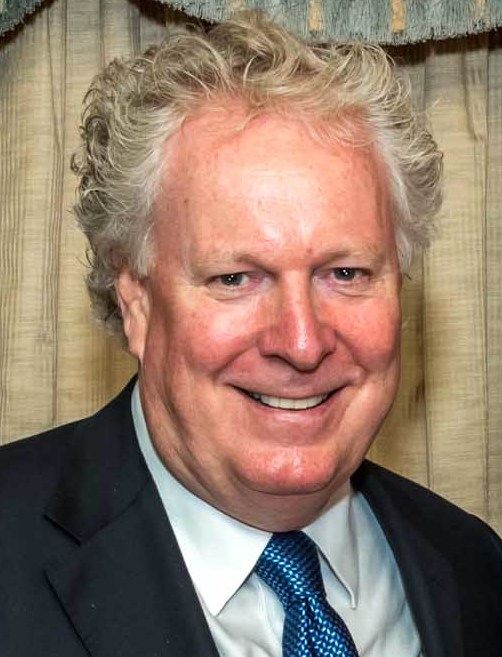
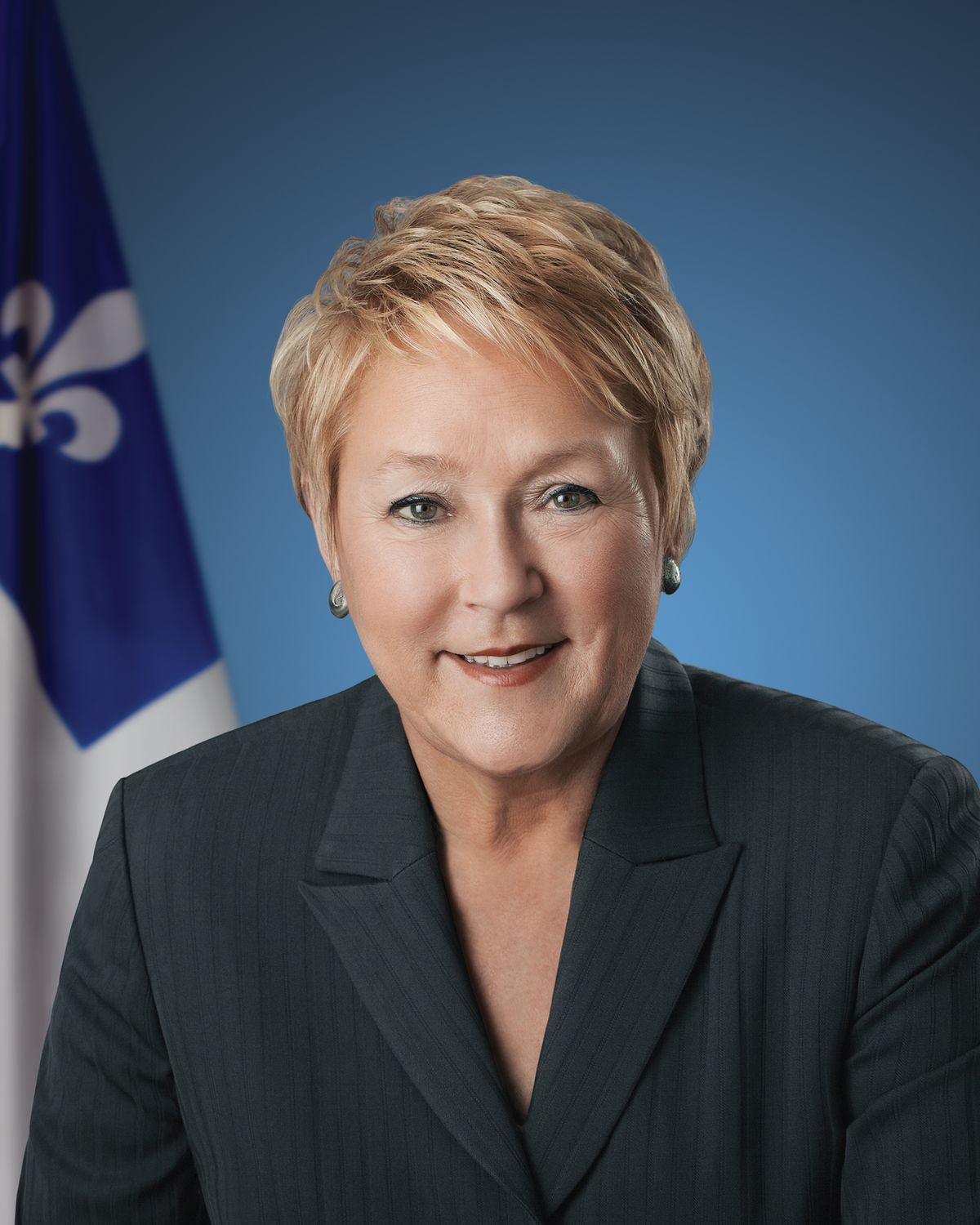
Philippe Couillard
Philippe Couillard is a Canadian business advisor, former neurosurgeon, and politician who served as the 31st premier of Quebec from 2014 to 2018. A member of the Quebec Liberal Party, he led the party to a majority government victory in 2014, ending the premiership of Pauline Marois. His tenure was marked by fiscal austerity, the passage of Quebec's first medical assistance in dying law, and a focus on economic development. After leaving politics, Couillard has worked as a senior business advisor in the private sector, focusing on healthcare and green energy initiatives.
Early Life and Medical Career
Philippe Couillard was born in Montreal on June 26, 1957, to Joseph Alfred Jean Pierre Couillard de Lespinay and Hélène Yvonne Pardé. He earned his medical doctorate from the Université de Montréal in 1979. He subsequently completed his specialist certification in neurosurgery at the same institution in 1985. Couillard began his neurosurgical practice at Hôpital Saint-Luc in Montreal, where he served as the head of the neurosurgery department from 1989 to 1992. From 1992 to 1996, he worked abroad, helping to found a neurosurgery department in Dhahran, Saudi Arabia. Upon returning to Quebec, Couillard joined the Université de Sherbrooke Faculty of Medicine as a professor from 1996 to 2003. He also held significant administrative roles, serving as chief surgeon and director of the Department of Surgery at the Centre hospitalier universitaire de Sherbrooke from 2000 to 2003. His professional standing was recognized through appointments to national and international boards, including serving as the Canadian representative on the board of the Société de Neurochirurgie de Langue Française from 1999 to 2003 and on the Royal College of Physicians and Surgeons of Canada’s Board and Committee of Public Affairs from 2000 to 2003.
Entry into Politics and Health Minister
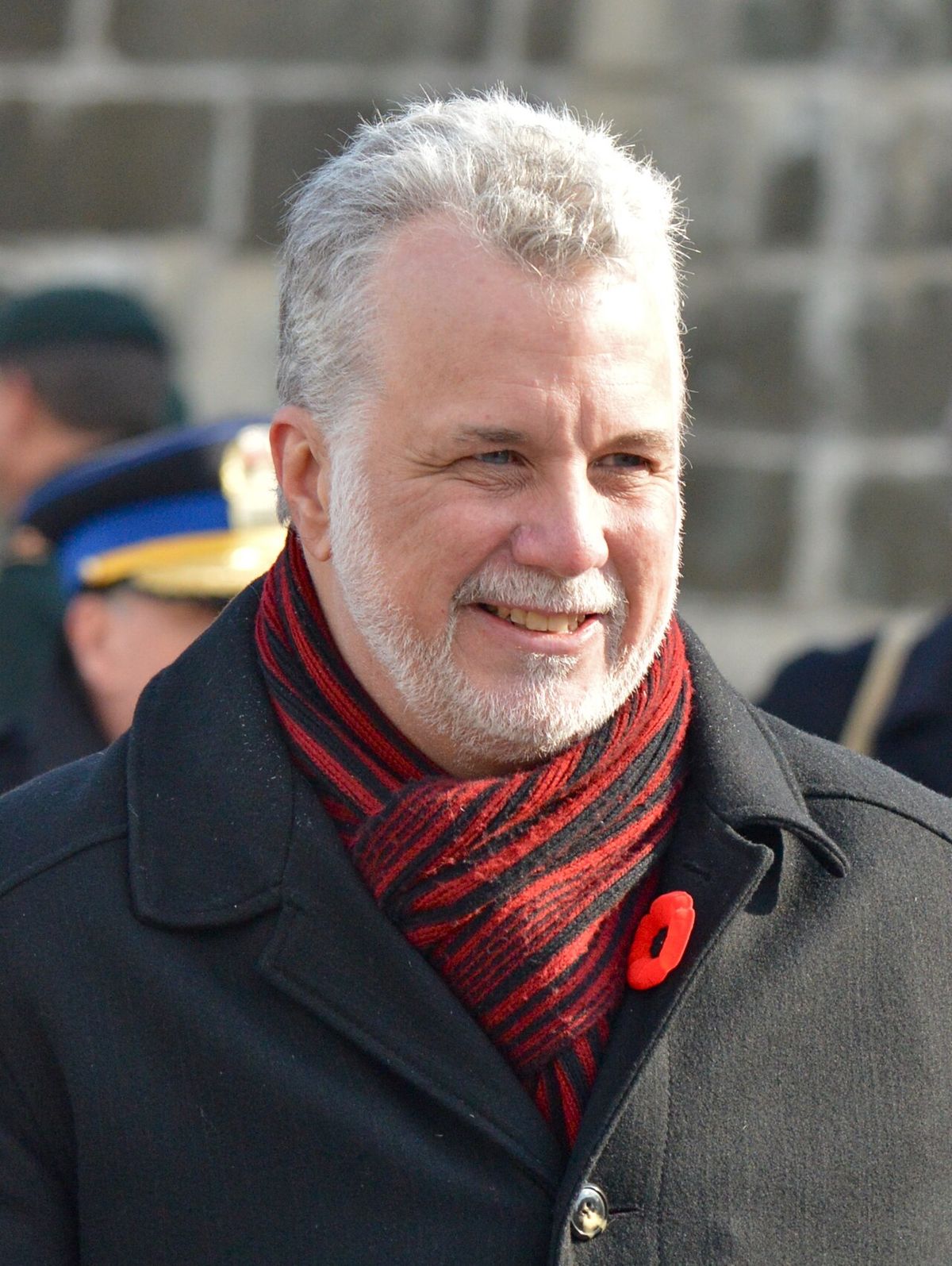
Couillard entered provincial politics in 2003, leaving his medical career to run for the Quebec Liberal Party in the Montreal riding of Mont-Royal. He was elected in the April 2003 election and was appointed Minister of Health and Social Services by Premier Jean Charest on April 29, 2003. As minister, he gained a reputation for effective public relations and became one of the most popular ministers in the Charest government. His tenure, which lasted until 2008, was the longest continuous service for a Quebec health minister since the 1950s.
During his first term, Couillard's key accomplishments included securing a $4.2 billion increase to the provincial health budget. He spearheaded major legislative changes, including amendments to the Tobacco Act that prohibited smoking in all public places across Quebec. He also oversaw a restructuring of the health network, reducing the number of union local accreditations within the sector. In the 2007 election, Couillard switched to the riding of Jean-Talon in the Quebec City region, replacing Margaret Delisle who did not seek re-election. He won the seat despite a strong surge by the Action démocratique du Québec. He was reappointed as health minister and also took on the role of minister responsible for the Capitale-Nationale region. On June 25, 2008, Couillard announced his resignation as minister and MNA. He was succeeded as minister and as the MNA for Jean-Talon by Yves Bolduc. On June 23, 2010, Couillard was appointed to the Security Intelligence Review Committee and consequently became a member of the Privy Council.
Return to Politics and Path to Premier
After his resignation, Couillard worked in the private sector. On October 3, 2012, he announced his return to politics, entering the race to succeed Jean Charest as leader of the Quebec Liberal Party. On March 17, 2013, he won the leadership on the first ballot, capturing 58.5 percent of the vote and defeating former cabinet ministers Raymond Bachand and Pierre Moreau. To secure a seat in the National Assembly, Couillard was elected in the safe Liberal riding of Outremont on December 9, 2013, after Bachand stepped aside.
When Premier Pauline Marois called a snap election in March 2014, Couillard made a strategic decision to run in the riding of Roberval, where he had taken up residence, handing the Outremont candidacy to Hélène David. The 2014 campaign began with polls showing a tight race, but Couillard focused his platform on healthcare, education, and jobs while criticizing Marois's management of the economy and opposing her government's proposed Quebec Charter of Values. Over the course of the campaign, Liberal support grew significantly. Couillard led the Liberals to win 70 of the National Assembly's 125 seats and unseated Premier Marois in her own riding. On election night, Couillard pledged to improve Quebec's business climate, end divisive policies, and work cooperatively with other provinces and the federal government. He was sworn in as the 31st premier of Quebec on April 23, 2014, naming a cabinet of 26 ministers to begin his term.
Premiership and Key Policies
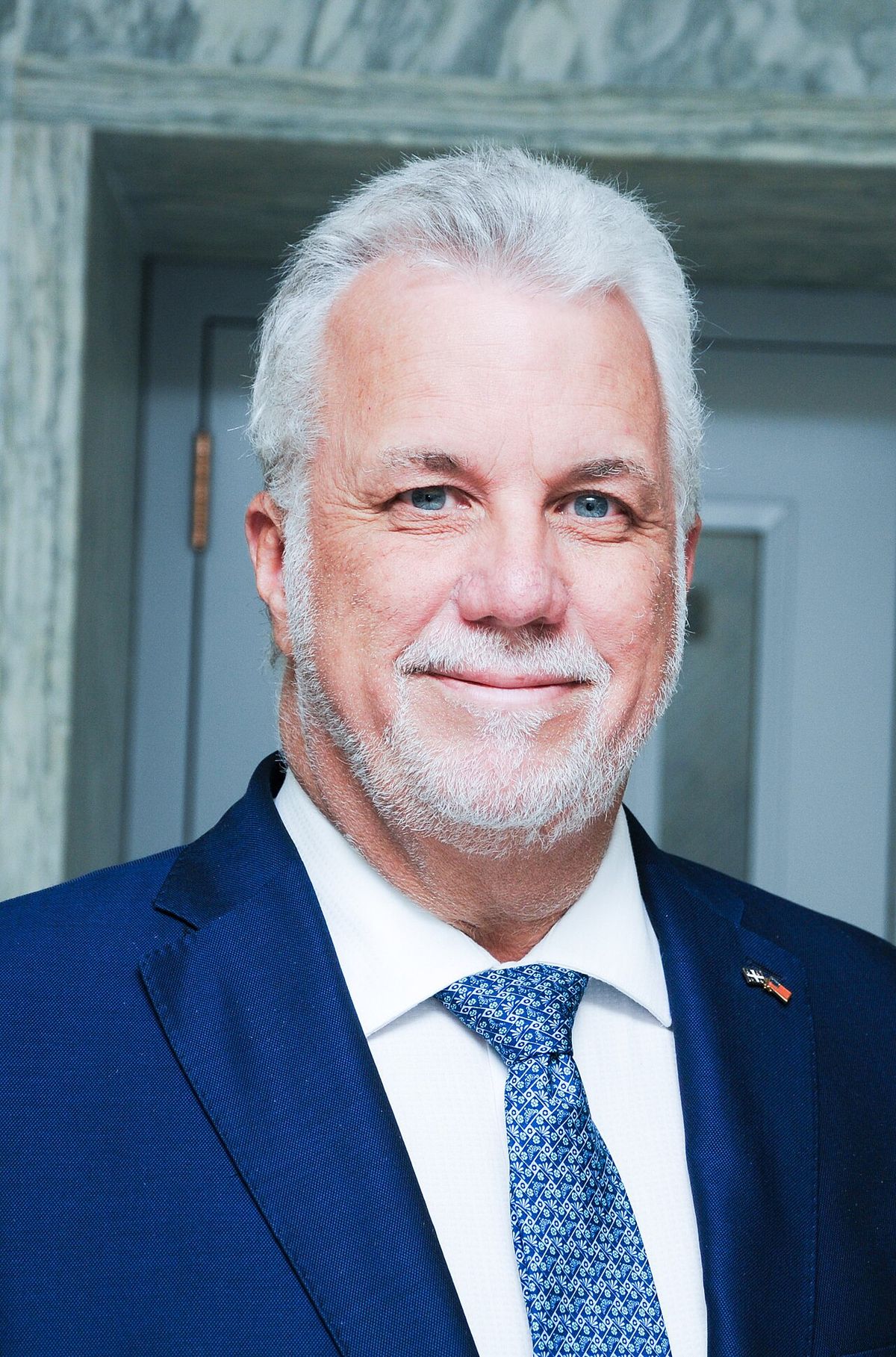
Couillard's premiership was defined by a focus on fiscal discipline, economic development, and several significant social policy debates. Upon taking office, his government faced a budget deficit of nearly $6 billion. Working with Finance Minister Carlos Leitão, he implemented spending cuts and tax increases, achieving a balanced budget by 2015. The government then delivered four consecutive balanced budgets during his term. These fiscal measures, however, included reductions to education and healthcare spending, which contributed to a decline in his government's popularity over time. In 2015, his government also announced the Réseau express métropolitain light rail project for the Montreal region.
In the area of social policy, Couillard's government was instrumental in passing Quebec's landmark medical assistance in dying (MAID) legislation in 2014. The law, which initially allowed terminally ill patients to request a medically assisted death, was Canada's first. On environmental matters, his government removed protection from several preserved areas and authorized logging in caribou habitats, arguing it would spur economic growth and job creation. The government also announced opposition to shale gas development in 2014 due to environmental concerns raised in a government report. One of the most controversial acts of his tenure was the passage of Bill 62 in October 2017, which banned face coverings for individuals giving or receiving public services. The law drew national and international criticism for its impact on Muslim women who wear niqabs or burqas. Couillard defended the legislation, stating that in a free and democratic society, people should be able to see each other's faces when interacting.
2018 Election Defeat and Departure
After one term in office, Couillard led the Quebec Liberal Party into the October 2018 provincial election. The campaign occurred against a backdrop of voter fatigue with the Liberals' austerity measures and a rising Coalition Avenir Québec (CAQ) under François Legault. Couillard's government was ousted, and the CAQ won a majority. Couillard personally won re-election in his riding of Roberval by a comfortable margin. He resigned as leader of the Quebec Liberal Party and as an MNA on October 4, 2018, bringing his formal political career to a close.
Post-Political Career and Later Views
Since leaving office, Couillard has returned to the private sector as a business advisor. He first joined the global law firm Dentons as a senior business advisor. In 2022, he became Vice-President, Canada, for the UK-based battery technology company Britishvolt, working on plans for a Canadian gigafactory. He left that role in October 2022 after the company abandoned its Canadian ambitions. In March 2023, he joined the public affairs consulting firm StrategyCorp Inc. as a senior business advisor, where he provides strategic counsel on healthcare and clean economy issues.
In later years, Couillard has expressed complex reflections on his government's signature policy, the medical assistance in dying law. In a 2024 interview, he stated he felt conflicted as the practice expanded beyond its original scope for terminally ill patients. He noted that opponents had warned him the law's scope would widen. He questioned whether he would vote for the same law again given its subsequent expansions, though he also recalled the deep suffering of former patients as justification for the original legislation.
Personal Life and Recognition
Philippe Couillard is married and has resided in the Roberval region of Quebec since before his 2014 election. His background as a neurosurgeon and academic has remained a defining aspect of his public identity. His appointment to the federal Security Intelligence Review Committee in 2010 granted him membership in the Queen's Privy Council for Canada, a distinction that carries the honorific title The Honourable and the post-nominal letters PC. Beyond his political and medical work, his post-political advisory roles have kept him engaged in national conversations about healthcare policy and economic strategy.
Questions about Philippe Couillard
What did Philippe Couillard do before becoming premier of Quebec?
Before entering politics, Philippe Couillard had a prominent career as a neurosurgeon and medical professor. He earned his medical degree from the Université de Montréal in 1979 and became a certified neurosurgeon in 1985. He served as head of neurosurgery at Hôpital Saint-Luc in Montreal from 1989 to 1992 and later at the Centre hospitalier universitaire de Sherbrooke from 1996 to 2003. From 1992 to 1996, he practiced medicine in Dhahran, Saudi Arabia, helping to establish a neurosurgery department there.
What were Philippe Couillard's major accomplishments as Quebec's health minister?
As Minister of Health and Social Services from 2003 to 2008, Couillard oversaw a significant expansion of the healthcare budget, which increased by $4.2 billion. He was responsible for legislation that banned smoking in all public places across Quebec. His tenure also saw a reduction in the number of union local accreditations in the health sector. He launched the Quebec Drug policy and amended the Youth Protection Act.
Why did Philippe Couillard resign as premier?
Philippe Couillard did not resign as premier voluntarily. His government was defeated by the Coalition Avenir Québec in the October 2018 provincial election after serving only one term. Following this defeat, Couillard resigned as leader of the Quebec Liberal Party and as the Member of the National Assembly for Roberval on October 4, 2018. This election loss effectively ended his tenure as the 31st premier of Quebec, a position he had held since 2014.
What is Philippe Couillard doing now after politics?
Since leaving politics, Philippe Couillard has worked as a senior business advisor in the private sector. He first joined the law firm Dentons in an advisory role. In 2022, he became Vice-President, Canada, for the battery company Britishvolt, but left that position in October 2022. Since March 2023, he has been a Senior Business Advisor with the public affairs consulting firm StrategyCorp Inc., where he provides strategic advice on healthcare and Canada's transition to a zero-carbon economy.
What was Philippe Couillard's role in medical assistance in dying (MAID) legislation?
Philippe Couillard was premier when Quebec's National Assembly passed a law in 2014 outlining conditions for medical assistance in dying. The law was Canada's first. He has since stated he feels conflicted about the decision, as the practice has expanded beyond its original scope for terminal conditions. Couillard praised the original bill's passage but has questioned whether he would vote for it again given the subsequent extensions.
What was Bill 62 passed under Premier Couillard?
Bill 62 was a controversial law passed by the Couillard government in October 2017. It was a Quebec ban on face coverings for individuals giving or receiving public services. The legislation gained national and international attention as it primarily affected Muslim women who wear niqabs or burqas. Couillard supported the law, stating it was a simple matter of communication and security in a free and democratic society where people should see each other's faces.
Sources and further reading
- Philippe Couillard (Wikipedia)
- Premier who oversaw Canada's first assisted dying law ... (cbc.ca)
- Dr. Philippe Couillard PC (strategycorp.com)
- Former premier who led Quebec when province OK'd ' ... (osvnews.com)
- Philippe Couillard (thecanadianencyclopedia.ca)
Checked by the Nosy Mag desk. Last updated 2026-10-28.