Deputy Prime Minister of Canada
The deputy prime minister of Canada is a political title conferred by the prime minister on a senior member of the Cabinet. It is a position of honour and responsibility, but it holds no formal standing in law or dedicated departmental portfolio. The title is used at the prime minister's discretion to recognize a key lieutenant, often to provide regional balance or acknowledge long service. It was last held by Chrystia Freeland from 2019 to 2024, and as of 2026, the title is not in use within the Carney ministry.
Nature of the title
The deputy prime minister is a title, not a formal ministerial office created by statute. There is no associated government department, and the role does not carry any inherent legal duties or powers. The title is almost always conferred on an individual who already holds a substantive cabinet portfolio, such as finance or foreign affairs. Its creation and use are entirely at the discretion of the sitting prime minister, and it lapses automatically when that prime minister leaves office. Because it is not an office, there is no vacancy when the title is not in use, as has been the case in several ministries including those of Joe Clark, Stephen Harper, and currently Mark Carney.
The title's primary function is political, serving as a signal of trust and seniority within the cabinet. It places the holder higher in the order of precedence among ministers. One evolved duty is to represent the government in the House of Commons when the prime minister is absent. The power and influence of a deputy prime minister depend almost entirely on the prime minister's delegation of authority and the other roles the deputy holds. Analysts have described the position as one of "soft power," where its significance is communicated more by the holder's additional responsibilities than by the title itself.
Historical precedents and evolution
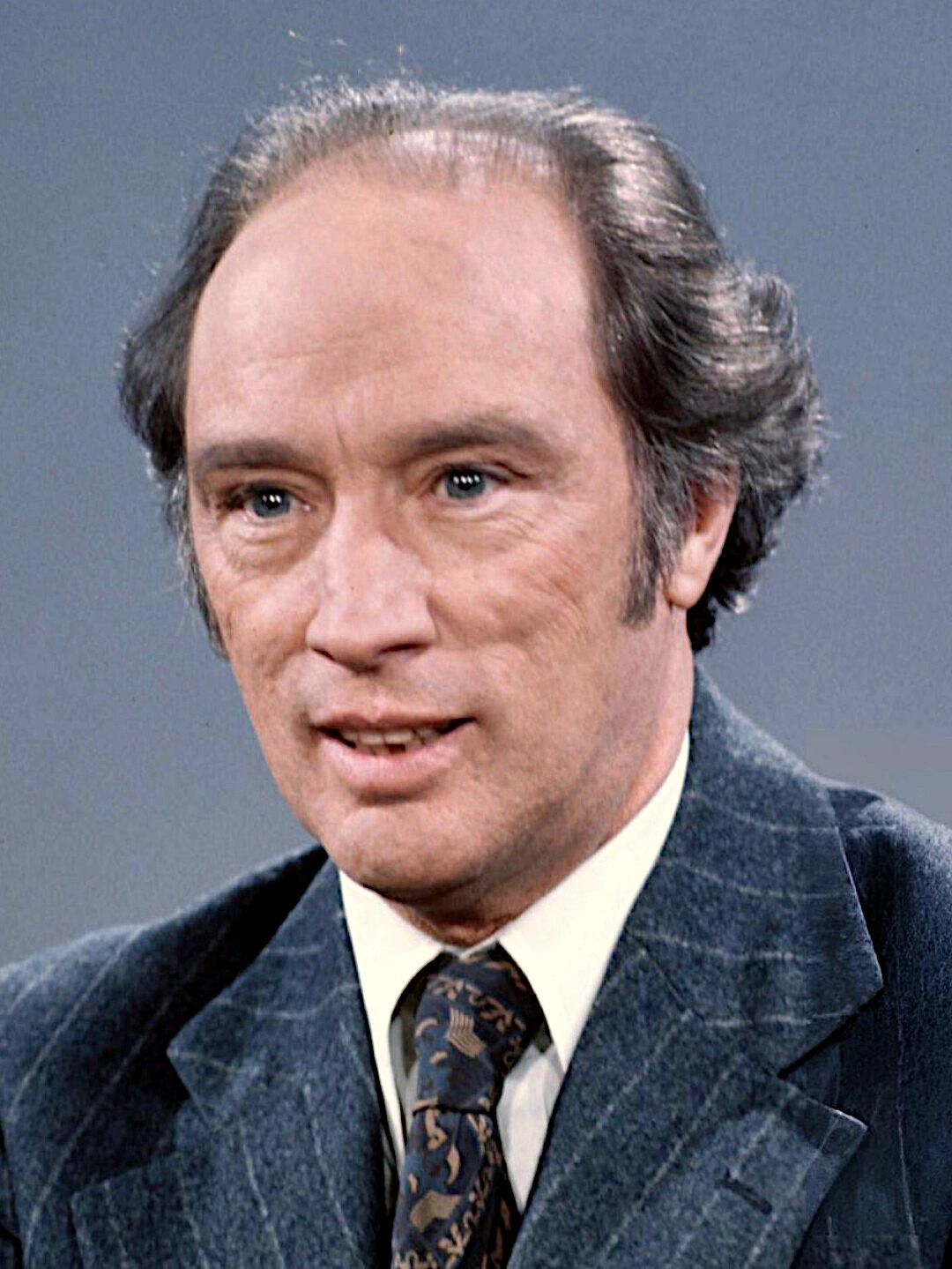
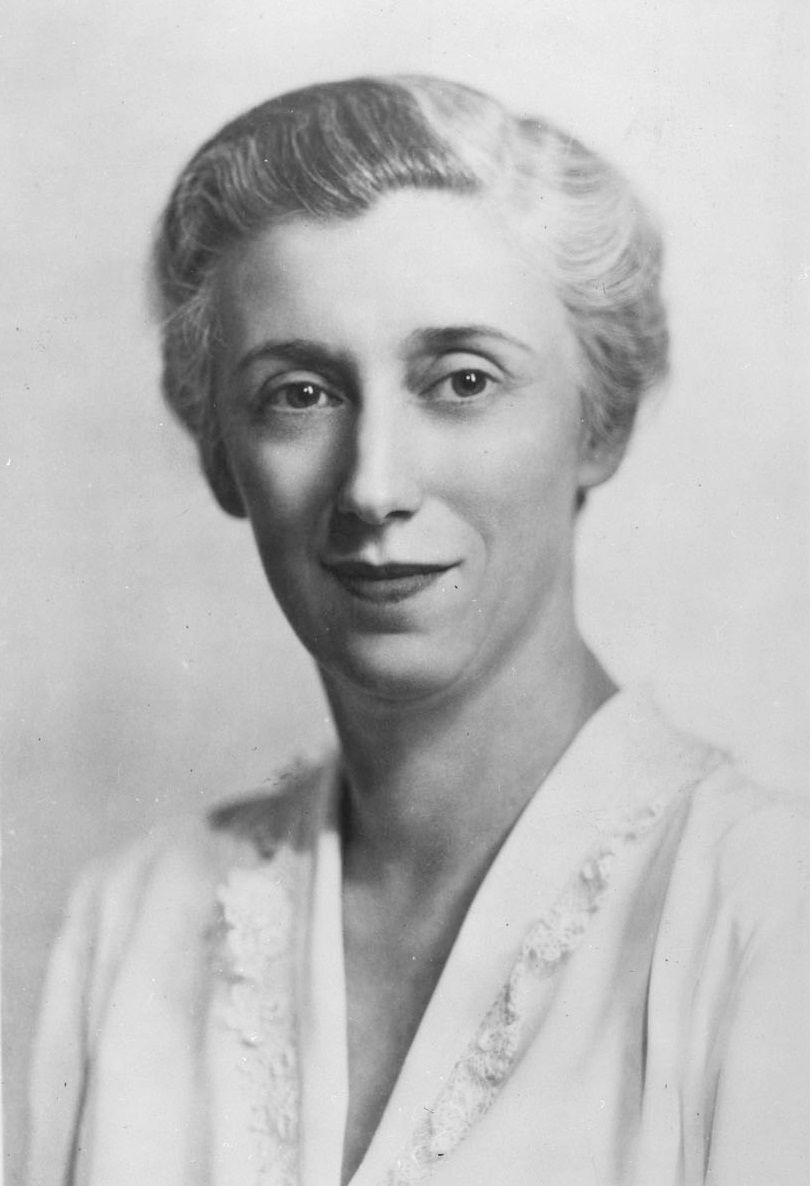
Prior to Confederation, George-Étienne Cartier served as co-premier with John A. Macdonald in the Province of Canada. For the century following Cartier's death in 1873, no individual held a similarly recognized senior status without a formal title. The routine practice for temporary absences was for the prime minister to designate an acting prime minister, a functional role with caretaker authority. For example, Mitchell Sharp, as acting prime minister, ordered a precautionary shutdown of Ottawa government offices due to a storm on August 20, 1970. John Diefenbaker's designation of Ellen Fairclough as acting prime minister on February 19 and 20, 1958, is historically noteworthy as she was the first woman ever so designated. In 1968, Prime Minister Pierre Trudeau created the title of Senior Minister for his leadership rival Paul Hellyer, placing him first in the cabinet order of precedence and designating him as the default acting prime minister. Trudeau also assigned Hellyer special policy responsibility for housing and urban development, which ironically triggered the falling out between the two and led to Hellyer's departure from the ministry and the Liberal Party. Hellyer's tenure was short-lived, and he resigned in 1969, leaving the title unused and never revived.
List of deputy prime ministers
The title of deputy prime minister was formally instituted by Prime Minister Pierre Trudeau in 1977. It is a political title conferred by the prime minister upon a senior cabinet member and does not have any formal standing in law or associated departmental portfolio. Since its creation, the title has been held by ten individuals, including Allan MacEachen, the first appointee. The use of the title has been intermittent, as it is not in use in the current Carney ministry, reflecting that its conferral is entirely at the discretion of the prime minister.
| Name | Tenure | Prime Minister |
|---|---|---|
| Allan MacEachen | 1977 to 1979 | Pierre Trudeau |
| Jean Chrétien | 1993 | Kim Campbell |
| Anne McLellan | 2003 to 2006 | Paul Martin |
| Chrystia Freeland | 2019 to 2024 | Justin Trudeau |
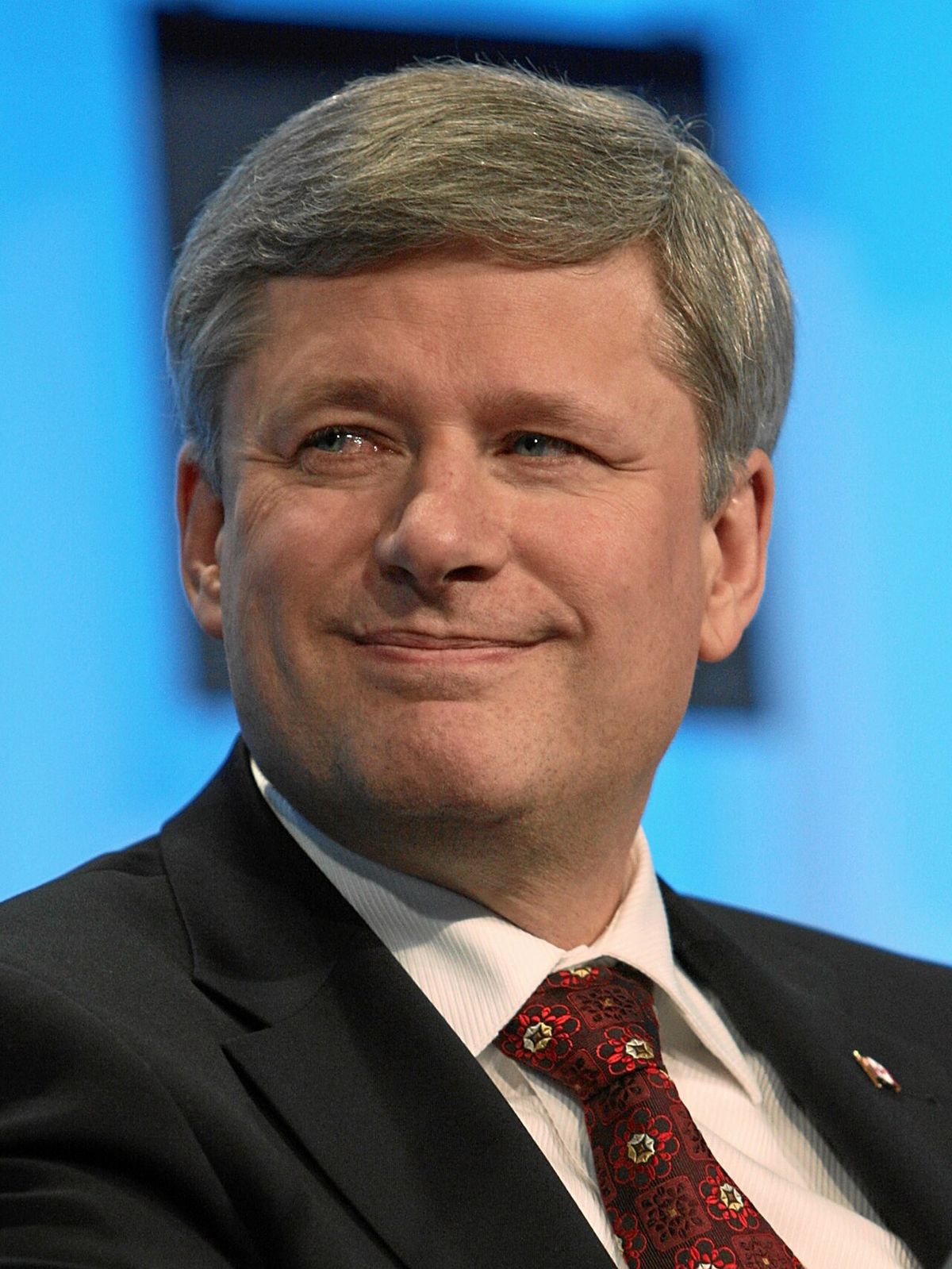
The title was not used between 2006 and 2019, spanning the entire Harper ministry and the first mandate of Justin Trudeau. Chrystia Freeland was the most recent holder, serving from 2019 until her departure from cabinet in 2024. Her appointment was seen in part as a response to a lack of cabinet representation from the prairie provinces following the 2019 election, given her Alberta roots despite representing a Toronto riding. Prior to Freeland, the title was last held by another Albertan, Anne McLellan, for the entire duration of the Paul Martin ministry.
Modern practice and de facto deputies
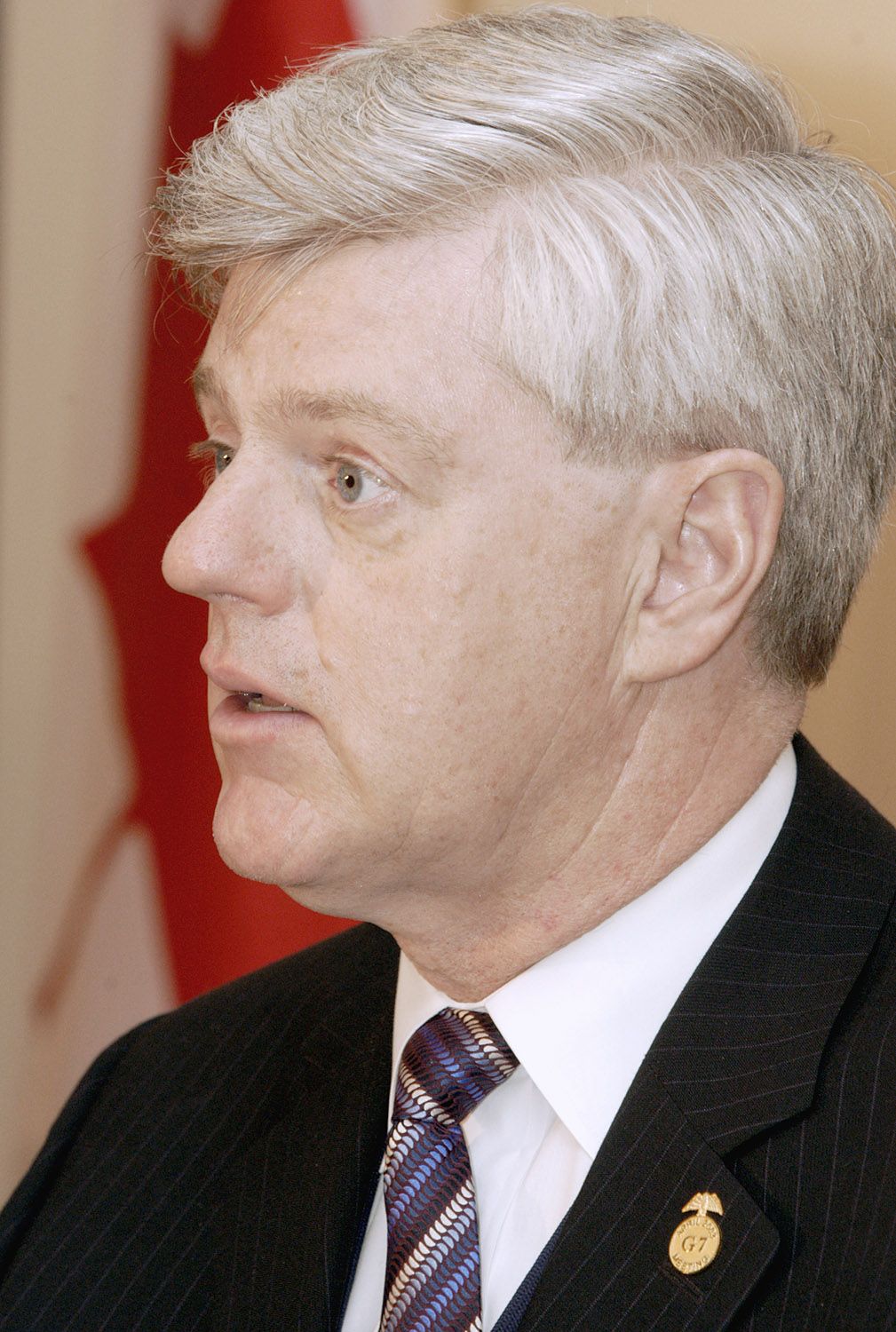
In ministries where the formal title is not conferred, prime ministers have often established alternative lines of authority. Prime Minister Stephen Harper, via an Order in Council issued on February 6, 2006, the day he was appointed prime minister, authorized a sequence of ministers to act for him if he became incapacitated. The first minister on that list, initially Lawrence Cannon and later Jim Prentice, was also named vice-chair of the cabinet's Priorities and Planning Committee, leading some analysts to infer such person as being a de facto deputy prime minister. Similarly, upon forming his ministry in 2015, Justin Trudeau via an order-in-council designated Ralph Goodale, the deputy party leader in opposition, as first in line to discharge the prime minister's duties in the event Trudeau ever became incapacitated.
During Justin Trudeau's early tenure, media analysts focused on Dominic LeBlanc, a childhood friend of the prime minister, inferring he was a de facto deputy prime minister. Analysts pointed to his placement on key cabinet committees and his role as the government's liaison with the Senate. The title of deputy prime minister itself was not in use during Trudeau's first mandate. The current Carney ministry, formed in 2025, has also not conferred the title. In the absence of a formal deputy prime minister, seniority and coordination are managed through other cabinet structures. The Clerk of the Privy Council, who is the deputy minister of the Privy Council Office and head of the civil service, oversees the public service, including leading shuffles of deputy ministers.
Duties and political significance
The deputy prime minister's duties are whatever the prime minister assigns, as the office has no standing in law and is not one of the mandatory Cabinet positions created by statute. Beyond representing the government in the House during the prime minister's absence, the role has no fixed responsibilities. All but two holders, Herb Gray and John Manley, have held another major ministerial portfolio concurrently, such as finance or intergovernmental affairs. The title can signify deep trust, but it can also be a way to manage a potential rival within the cabinet. Journalist Joseph Brean has described it as potentially "a poisoned chalice, or a leash to keep a rival under close control" rather than an indication that the prime minister trusts the authority of the deputy.
The role involves significant political management. Former deputy prime minister Sheila Copps wrote that a key part of the job was often to protect the prime minister from political damage during Question Period, further citing the experience of Erik Nielsen during the Sinclair Stevens scandal. She attracted controversy in 1993 after asserting she was "in charge" while Prime Minister Jean Chrétien was on a brief holiday. The position's influence is entirely contingent on the prime minister's support and the deputy's own political skills, with analysts from Policy Options describing the role as one of "soft power" communicated by what other roles the holder occupies.
Succession and constitutional role
The deputy prime minister has no automatic right of succession should the prime minister die or resign in office. Constitutional convention requires the governor general to consult the governing party regarding the leadership and to call on a member of that party's caucus to assume the premiership. No prime minister has died in office since Sir John A. Macdonald in 1891, many decades before the title of deputy prime minister was first conferred. The title itself expires automatically along with all ministry appointments upon the conferring prime minister's resignation, as it is a title conferred by the prime minister and not a standalone office.
This lack of formal succession power distinguishes the Canadian deputy prime minister from similar positions in other Westminster systems. The role is fundamentally a political instrument of the prime minister rather than a constitutional office. Its value lies in its flexibility, allowing a prime minister to grant a colleague higher status without creating a fixed position that could challenge their own authority. The absence of the title in a given ministry, such as the current Carney ministry, does not create a governance gap, as lines of temporary authority and senior cabinet coordination are established through other means like Orders in Council and committee structures.
Recent context and the Carney ministry
The title was last held by Chrystia Freeland, who served as deputy prime minister and minister of finance under Prime Minister Justin Trudeau from 2019 until her dramatic departure from cabinet in 2024. Her exit was a significant political event that ultimately led to the end of Trudeau's premiership. Following the 2025 election, Prime Minister Mark Carney did not revive the title when forming his ministry. Senior coordination within the Carney government has been emphasized through other structures, including a major restructuring of the senior public service led by Clerk of the Privy Council Michael Sabia, with significant shuffles of deputy ministers announced in December 2025 and March 2026.
In March 2026, Prime Minister Carney announced a long-anticipated series of changes across the senior ranks of Canada’s public service, filling several key deputy minister positions. This shuffle followed an earlier round of major changes in December 2025 that reshaped leadership at Finance, Defence, Natural Resources, and Justice. Key appointments from the March 2026 shuffle included Glenn Purves, formerly Global Head of Macro Research at BlackRock, as Deputy Minister of International Trade, and David Morrison, who became Senior Diplomatic and International Affairs Advisor to the Prime Minister. These moves reflect a focus on strengthening international partnerships and aligning bureaucratic leadership with priorities on trade and global security, all managed without a designated deputy prime minister.
Notable holders and their portfolios
Several individuals have left a distinct mark on the role of deputy prime minister through their concurrent ministerial duties and political stature. Their additional portfolios often defined their public role and influence. The deputy prime minister has almost always held another major cabinet position, with the sole exception being Herb Gray who was given charge of the transitory Millennium Bureau of Canada. The combination of the title with a powerful portfolio signals the government's priorities and the deputy's central role in its agenda, whether in economic management, national unity, or public safety.
The deputy prime minister title is almost always conferred on an individual who already holds a position as a cabinet minister with a departmental portfolio. With the exception of Herb Gray, all deputy prime ministers have held another ministerial portfolio alongside the title. The role carries no formal duties in law, and any power is soft power, granted at the prime minister's discretion. A deputy prime minister's effectiveness and influence are tied to their success in managing their substantive ministerial files. The power dynamic is shaped by the prime minister's willingness to delegate real authority, as the title itself is largely ceremonial without such delegation.
Questions about Deputy Prime Minister of Canada
What does the deputy prime minister of Canada do?
The deputy prime minister has no formal duties defined in law. The role is a political title conferred by the prime minister to signify seniority within the cabinet. Typically, the deputy prime minister represents the government in the House of Commons when the prime minister is absent. The holder almost always has another major ministerial portfolio, such as finance or foreign affairs, and their real influence stems from those substantive responsibilities and the trust placed in them by the prime minister.
Who is the current deputy prime minister of Canada?
As of 2026, there is no deputy prime minister. The title is not currently in use within the Carney ministry. It was last held by Chrystia Freeland, who served from November 2019 until her departure from cabinet in 2024. Prime Minister Mark Carney has chosen not to confer the title, instead relying on other cabinet structures and senior public service leadership for coordination and governance.
Does the deputy prime minister become prime minister if the PM dies?
No, the deputy prime minister has no automatic right of succession. If a prime minister dies or resigns, constitutional convention requires the governor general to consult the governing party. The party would typically advise the governor general to call on its new leader, who is usually chosen through a leadership contest, to form a government. The title of deputy prime minister itself lapses when the prime minister who appointed them leaves office.
How is the deputy prime minister chosen?
The deputy prime minister is appointed solely at the discretion of the prime minister. It is not an elected position nor is it subject to parliamentary confirmation. The prime minister typically chooses a senior and trusted member of their cabinet, often to acknowledge long service, manage a key rival, or provide regional balance within the government. The appointment is made by including the title in the individual's cabinet portfolio.
What is the difference between a deputy prime minister and a deputy minister?
The deputy prime minister is a political title conferred by the prime minister on a senior elected cabinet minister. It is not a ministerial office and has no formal standing in law or associated departmental portfolio. In contrast, a deputy minister is the most senior non-partisan civil servant in a government department, appointed to manage its day-to-day administration. The Clerk of the Privy Council is the deputy minister for the Prime Minister's department and is the head of the entire civil service, a role distinct from the political title of deputy prime minister.
Has a woman ever served as deputy prime minister?
Yes, four women have held the title. She was followed by Anne McLellan (2003 to 2006) under Paul Martin and Chrystia Freeland (2019 to 2024) under Justin Trudeau. Kim Campbell also briefly held the title for two months in 1993 while serving as minister of justice, before becoming prime minister herself. Prior to the formal title, Ellen Fairclough made history as the first woman designated as acting prime minister for two days in February 1958.
Sources and further reading
- Deputy Prime Minister of Canada (Wikipedia)
- Prime Minister Carney announces changes in the senior ranks ... (pm.gc.ca)
- The Prime Minister's Deputy Minister Shuffle (vantagecanada.com)
Checked by the Nosy Mag desk. Last updated 2026-10-27.