Maskwacis
Maskwacis is an unincorporated community in central Alberta, Canada, located approximately 70 kilometres south of Edmonton at the intersection of Highways 2A and 611. The community, whose name means "bear hills" in Cree, was known as Hobbema until it was officially renamed on January 1, 2014, to reclaim its original Indigenous name. Maskwacis serves as the central hub for five reserves belonging to four Cree First Nations, the Ermineskin Cree Nation, Samson Cree Nation, Louis Bull Tribe, and Montana First Nation, collectively known as the Four Nations of Maskwacis, all signatories to Treaty Six. It is a significant centre for Cree culture, education, and governance, home to institutions like the Maskwacis Cultural College and the Maskwacis Cree Tribal Council.
History and Renaming
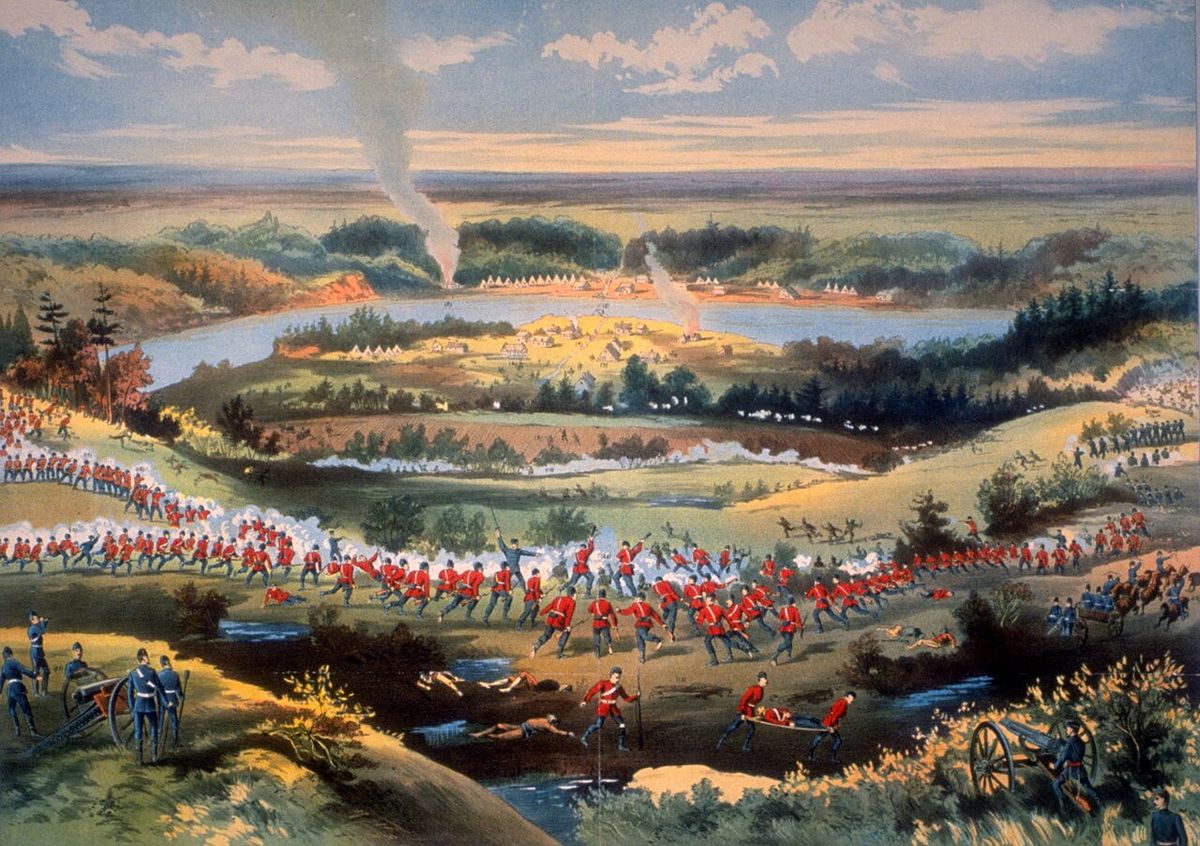
The area now known as Maskwacis has been called "Bear Hills" since time immemorial, a name recorded by Father Constantine Scollen when he attempted to re-establish a Catholic mission there in late 1884 and 1885. The name Hobbema was imposed during the construction of the Calgary and Edmonton Railway in 1891, when a station was named after the Dutch painter Meindert Hobbema. This created an anomaly, as surrounding communities retained Indigenous names like Ponoka, Wetaskiwin, and Menaik, while the central hub bore a European name. A concerted effort by community members and leadership culminated in the official restoration of the original Cree name, Maskwacis, on January 1, 2014. The history of the area is also marked by the influence of Chief Bobtail and Father Scollen, who successfully persuaded young men not to join the North-West Rebellion in 1885.
Geography and Governance
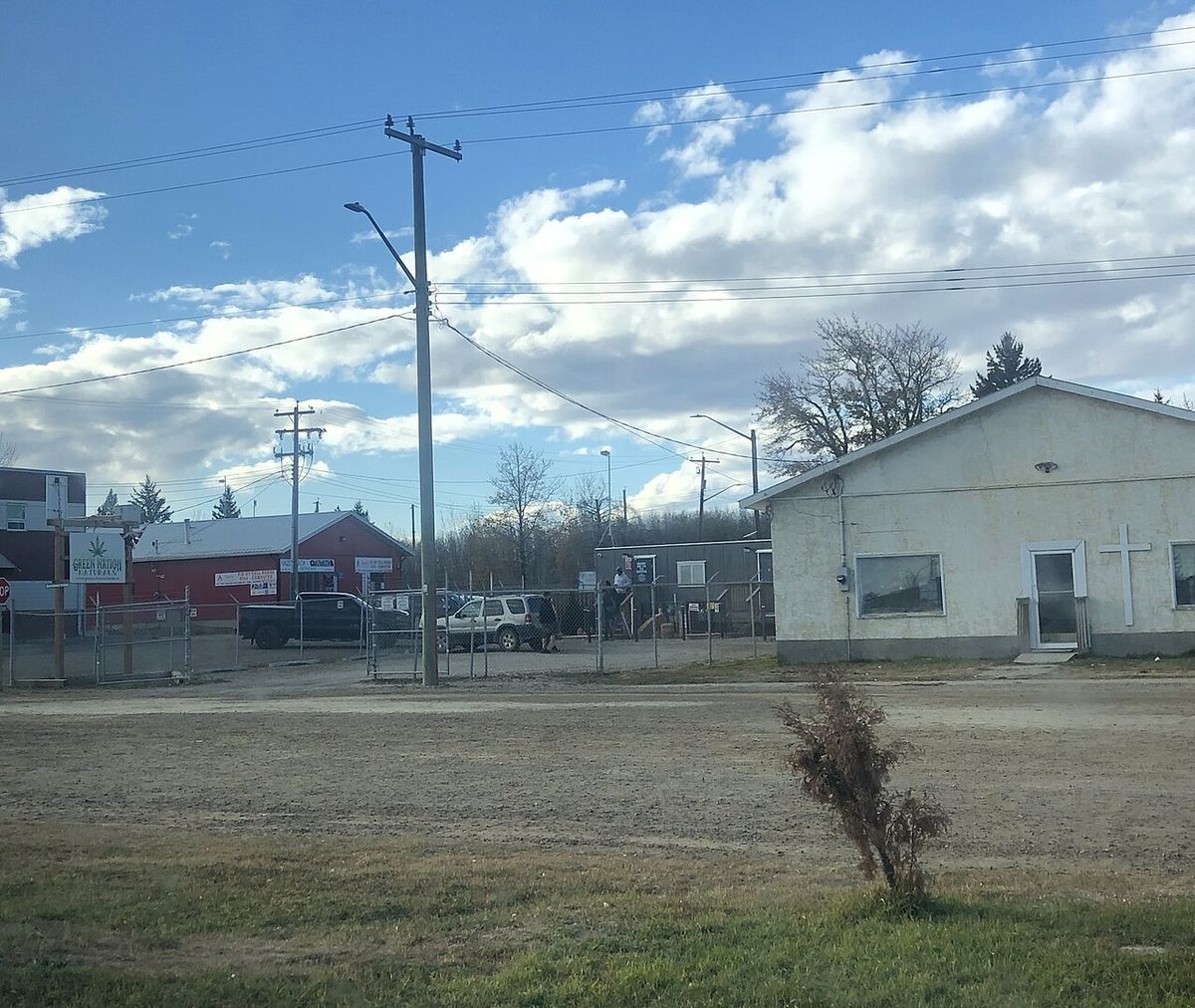
Maskwacis is not a single incorporated municipality but a community straddling multiple jurisdictions. It is situated across the boundaries of the Ermineskin 138 reserve, the Samson 137 reserve, and Ponoka County. The northern portion lies within Ermineskin 138 on the west side of Highway 2A, while the southern portion is on the Samson 137 reserve on the east side of Highway 2A. A hamlet within Ponoka County constitutes the remaining portion on the west side of the highway, south of the Ermineskin land. Administratively, the Ermineskin portion falls within Census Division No. 11, while the Samson and Ponoka County portions are in Census Division No. 8. The community serves as the central point for five reserves belonging to four distinct Cree First Nations, which are collectively referred to as the Four Nations of Maskwacis. These nations are:
- Ermineskin Cree Nation (Reserve #138)
- Samson Cree Nation (Reserves #137 and #137A)
- Louis Bull Tribe (Reserve #138B)
- Montana First Nation (Reserve #139)
All four nations are signatories to Treaty Six. The Maskwacis Cree Tribal Council represents these nations. The council's mandate is to support sovereign nations to uphold Treaty and Indigenous Rights. It works to co-develop specific programs and services for its member nations.
Demographics
As a designated place, the specific hamlet area of Maskwacis recorded a population of 64 in the 2021 Census of Population, living in 14 of its 15 private dwellings. This represented a change of 6.7 percent from the 60 people recorded in the 2016 census. The land area was measured at 0.25 square kilometres, resulting in a population density of 256.0 people per square kilometre. In the 2016 census, the land area was 0.27 square kilometres with a density of 226.2 people per square kilometre. These figures pertain only to the designated place within Ponoka County and do not reflect the much larger populations living on the adjacent First Nations reserves. The total population across all five reserves served by Maskwacis was 7,663 people according to the 2016 census, indicating that the community is a service hub for a significantly larger regional Indigenous population. The demographic profile is overwhelmingly Cree, with deep cultural and familial connections across the Four Nations.
Education and Cultural Institutions
Maskwacis is a prominent centre for Indigenous education and cultural preservation. The leading institution is the Maskwacis Cultural College, which has relocated to a site on Samson Cree Nation. The college offers post-secondary education rooted in Cree knowledge and perspectives. Its mission includes teaching the history between Indigenous and non-Indigenous peoples, the legacy of residential schools, and the intersections of treaty, constitutional, and human rights in Canada. The community is also home to CHOB-TV. Primary and secondary education for the Four Nations is overseen by the Maskwacis Education Schools Commission, which manages 11 schools across the Ermineskin, Samson, Louis Bull, Montana, and Ma-Me-O communities. The Wetaskiwin Regional Division No. 11 operates public schools serving the area, including Pigeon Lake Regional School. The community was once the site of the Ermineskin Indian Residential School, a painful part of its history that informs its current educational and reconciliation work. Culturally, the community is home to an annual pow wow and was the origin of pioneering First Nations hip-hop groups War Party and Team Rezofficial.
Community Life and Services
Community life in Maskwacis is supported by several key institutions and initiatives focused on health, justice, and youth. The Pê Sâkâstêw Centre, a minimum-security federal facility, operates in the community based on Aboriginal healing processes. To address challenges with crime and gangs, community programs like the Hobbema Cadet Corps were established to engage children as young as eight years old. Award-winning journalist Briar Stewart documented the experiences of cadets from Maskwacis in her documentary Journey to Jamaica. The community has an employment centre and a health board to support local needs. The Maskwacis Cree Tribal Council is committed to building a strong future guided by Natural Law, emphasizing healthy nations, families connected to culture, and mutual support. Community events, such as the Maskwacis Talent Show and Rock the Vote initiatives in 2026, highlight local engagement and cultural expression. The community also hosts events for the National Day for Truth and Reconciliation, featuring Indigenous dancers, drum groups, vendors, and opportunities for learning and reflection.
Notable Residents and Cultural Impact
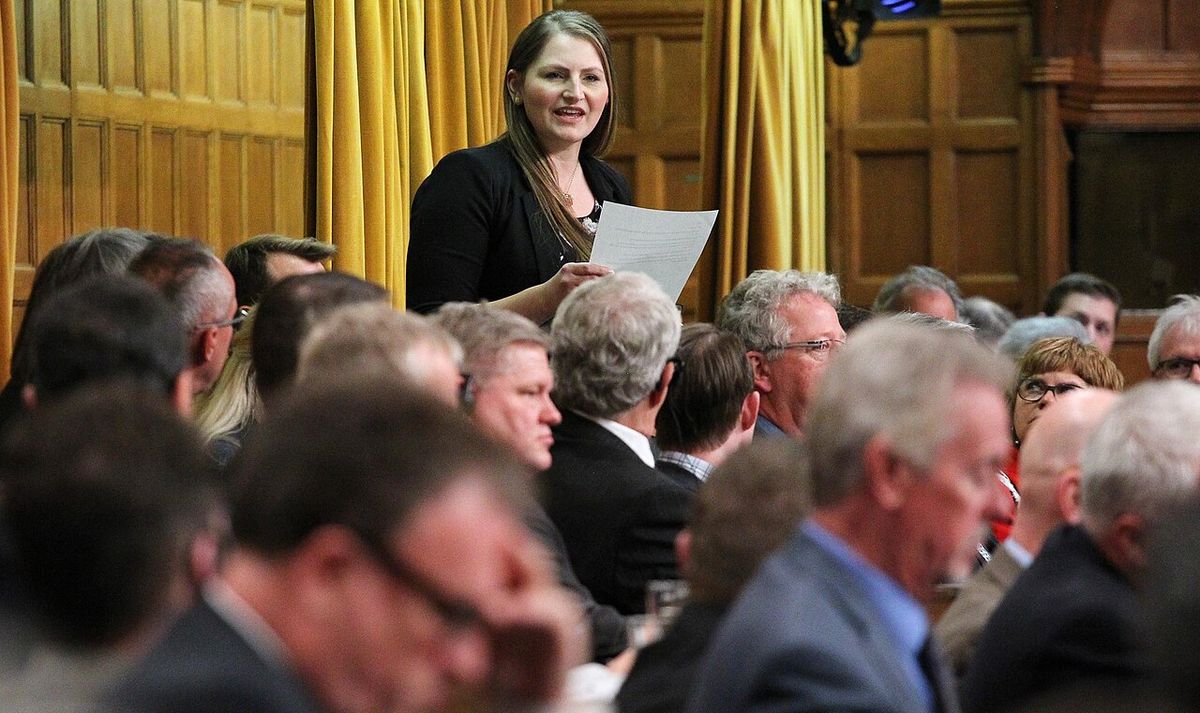
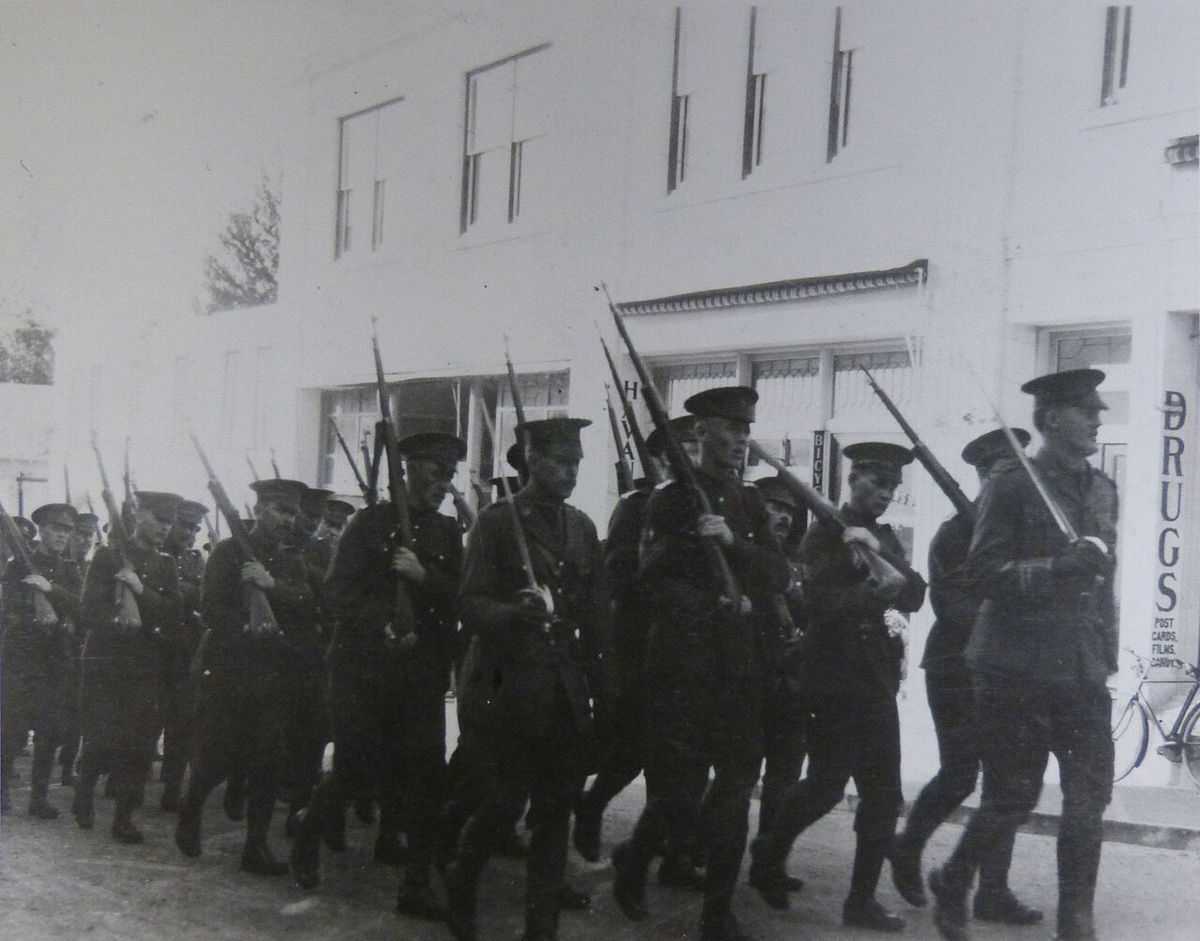
Maskwacis has been home to many individuals who have made significant contributions in various fields. The community's influence extends into literature, music, sports, and public service. Several notable residents include Dr. Wilton Littlechild (born 1944), a lawyer, former Cree chief, Grand Chief of the Confederation of Treaty Six Nations, and former Member of Parliament who is a prominent advocate for Indigenous rights. Henry Norwest (c. 1881 to 1918) was a distinguished Métis sniper serving with the Canadian Expeditionary Force during World War I, renowned for his skill. Shane Yellowbird (1979 to 2022) was an acclaimed country music singer-songwriter known for his yodeling and chart success. Ted Hodgson (born 1945) is a retired professional ice hockey forward who played in the World Hockey Association. Willie Nepoose (died c. 1997 to 1998) was a man wrongly convicted of second-degree murder in 1987, whose case highlighted issues in the justice system. The community was also the setting for a series of short stories by author W. P. Kinsella, including collections like Dance Me Outside, The Fencepost Chronicles, Brother Frank's Gospel Hour, and The Secret of the Northern Lights. These stories, set in Hobbema, were controversial for their appropriation of Indigenous voice and use of stereotypes. In sports, the community was formerly home to the Hobbema Hawks junior A hockey team.
The Four Nations and Treaty Relations
The identity and governance of Maskwacis are intrinsically linked to the Four Cree Nations that surround it. Each nation is a sovereign entity with its own leadership and administration, yet they collaborate closely through the Maskwacis Cree Tribal Council. The council's stated commitments include building a strong future guided by Natural Law, supporting sovereign nations to uphold Treaty and Indigenous Rights, and being accountable to its member nations. A core principle for the community is the concept of Wahkohtowin (kinship) and Sakihitowin (love), which emphasizes carrying one another with strength. The nations actively engage in political processes, as seen in events like the 2026 Alberta Referendum Information Session held in Maskwacis, aimed at building connections with First Nations voters. Elders from Maskwacis have made public pleas for First Nations voters to participate in referendums, emphasizing the importance of civic engagement in shaping their future. The nearby city of Wetaskiwin, whose Cree name wi taskî win means having good relations, is often referenced by leaders like Dr. Wilton Littlechild as a living example of the goal of reconciliation, which he terms ReconciliAction to link the concept with tangible steps.
Questions about Maskwacis
What First Nations are part of Maskwacis?
Maskwacis serves as a hub for four Cree First Nations, collectively known as the Four Nations of Maskwacis. These are the Ermineskin Cree Nation, the Samson Cree Nation, the Louis Bull Tribe, and the Montana First Nation. Together, they govern five reserves: Ermineskin 138, Samson 137, Samson 137A, Louis Bull 138B, and Montana 139. All are signatories to Treaty Six.
Who are some notable people from Maskwacis?
Notable individuals from Maskwacis include Dr. Wilton Littlechild, a lawyer, former chief, and Grand Chief of Treaty Six. Henry Norwest, a highly decorated sniper in World War I. Country music singer Shane Yellowbird. And retired professional hockey player Ted Hodgson. Author W. P. Kinsella wrote short stories set in the community, and pioneering First Nations hip-hop groups War Party and Team Rezofficial originated there.
Where is Maskwacis located?
Maskwacis is an unincorporated community in central Alberta, Canada, at the intersection of Highway 2A and Highway 611, approximately 70 kilometres south of Edmonton. It consists of portions of two Cree First Nations reserves, Ermineskin 138 to the north and Samson 137 to the south, and an adjacent hamlet within Ponoka County. The community also serves three other nearby reserves: Samson 137A, Louis Bull 138B, and Montana 139. Geographically, it straddles the boundaries of these reserves and the county, with parts in Census Division No. 11 and No. 8.
Why was Hobbema renamed to Maskwacis?
The community was renamed from Hobbema to Maskwacis on January 1, 2014, to restore its original Cree name. The name Hobbema originated in 1891 when a railway station was named after the Dutch painter Meindert Hobbema during the construction of the Calgary and Edmonton Railway. This created an inconsistency, as all neighbouring communities had First Nations origin names like Ponoka, Menaik, and Wetaskiwin. The official name change corrected this historical anomaly and reaffirmed the community's Indigenous identity.
What is the Maskwacis Cultural College?
Maskwacis Cultural College is a post-secondary institution that has relocated to Samson Cree Nation. It provides education focused on Cree culture, history, and the relationship between Indigenous and non-Indigenous peoples. The college explores topics such as the legacy of residential schools, Treaty rights, and Indigenous contributions to Canada. The community is also home to CHOB-TV. The institution aims to inspire flourishing lives and uphold its role as a leader in cultural education.
What is the Pê Sâkâstêw Centre?
The Pê Sâkâstêw Centre is a minimum-security federal facility located in Maskwacis. It operates based on Aboriginal healing processes rather than traditional punitive correctional models. The centre is part of an approach to incorporate Indigenous cultural practices into the justice and rehabilitation system. It represents a community-focused initiative within the broader context of Maskwacis, which has also established programs like the Hobbema Cadet Corps to address local challenges.
Sources and further reading
- Maskwacis (Wikipedia)
- Maskwacis Cree Tribal Council (mctc.ca)
- Maskwacis Cultural College (mccedu.ca)
Checked by the Nosy Mag desk. Last updated 2026-11-01.