Chipewyan
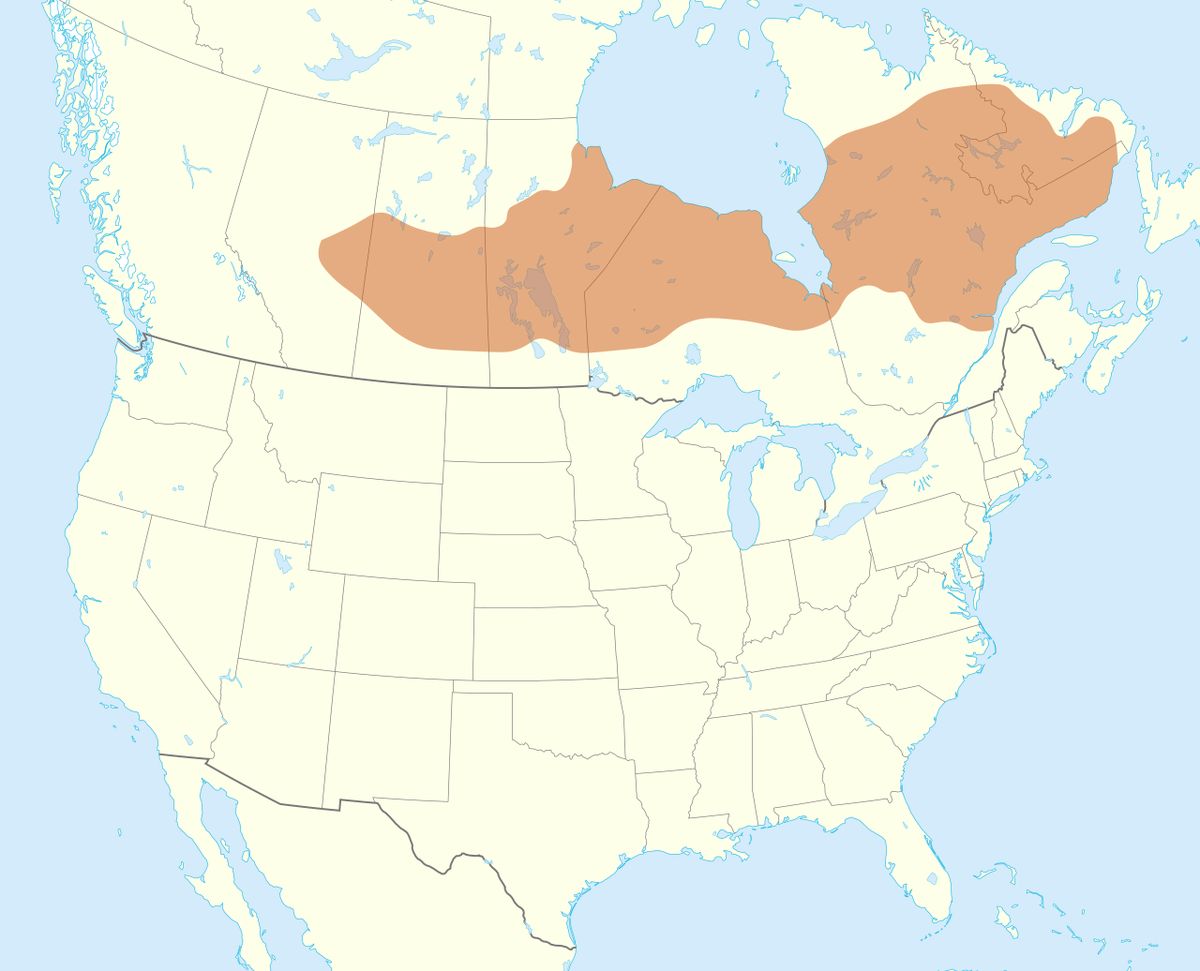
The Chipewyan, known in their language as the Dënesųłı̨né or Denésoliné, are a Dene Indigenous nation whose traditional territory spans the boreal forest and Canadian Shield regions of western Canada. Their ancestral lands cover vast areas of what is now northern Alberta, Saskatchewan, Manitoba and the Northwest Territories, with a deep historical connection to the caribou. The nation is part of the larger Athabaskan language family and their ancestors are identified with the ancient Taltheilei Shale archaeological tradition. Today, numerous Chipewyan First Nations and Métis communities continue to uphold their language, cultural practices, and stewardship of their lands, while actively engaging in contemporary governance and legal battles to protect their treaty rights.
Terminology and Identity
The people call themselves Dënesųłı̨né, a term meaning 'the original or real people' in their language. The more widely known name, Chipewyan, is an exonym derived from the Plains Cree language. It comes from the Cree word 'Cīpwayān,' which translates to 'pointed skins' or 'pointed hides,' a reference to the distinctive cut and style of traditional Chipewyan parkas. Historically, French-speaking missionaries sometimes referred to them as Montagnais, meaning 'mountain people,' though this label was applied to various unrelated groups like the Neenolino Innu of Quebec. It is important to distinguish the Chipewyan from the Chippewa (Ojibwe) people, as the names are similar but the nations are not related. In contemporary usage, many people and communities prefer Dene or Denesuline to describe themselves and their Athabaskan language.
Historical Life and Regional Groups
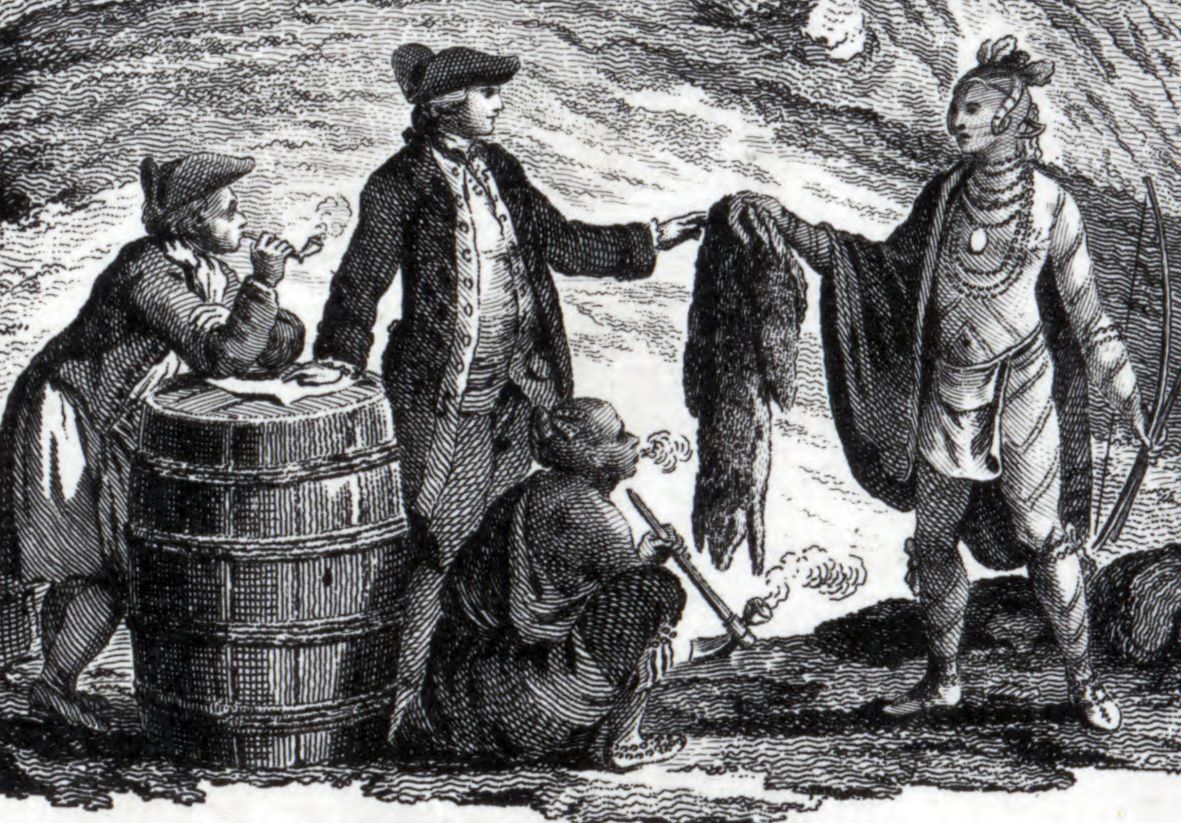
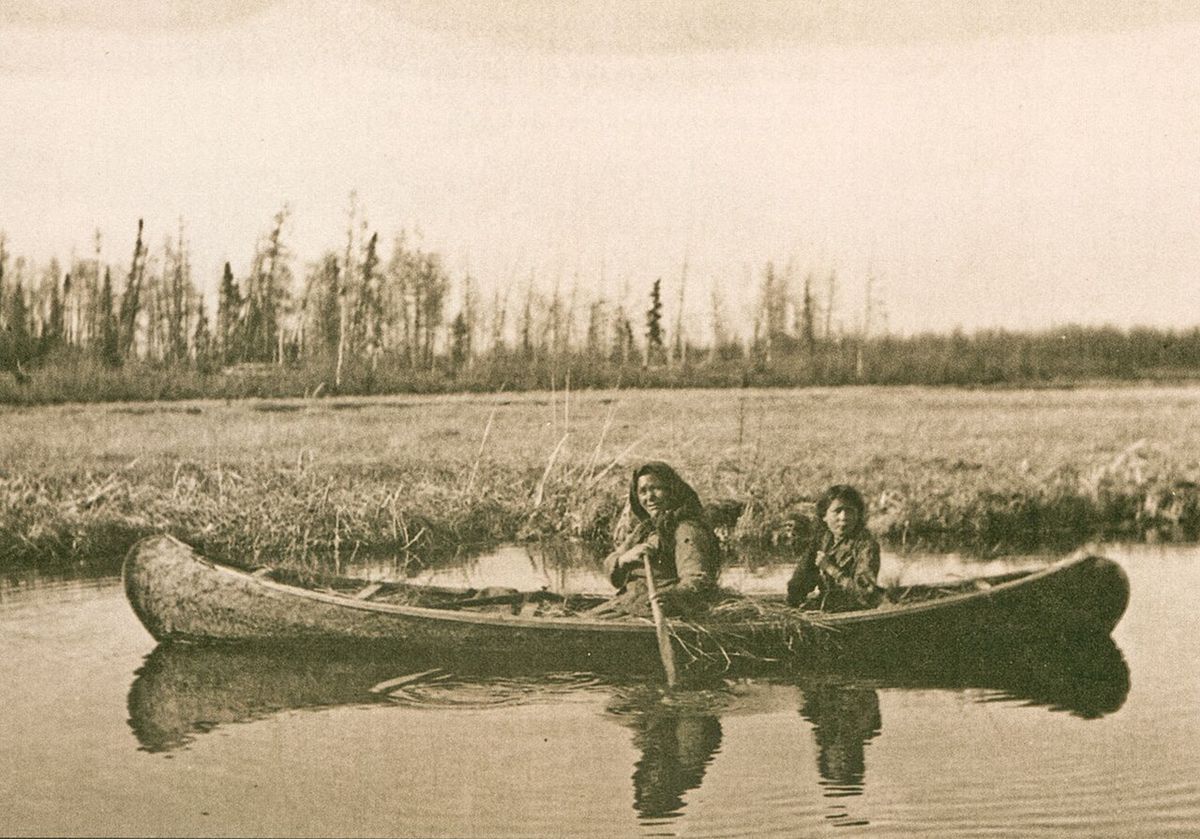
Traditionally, the Chipewyan were organized into small, nomadic bands of extended families that moved between seasonal camps to hunt, trap, fish and gather across the boreal forest. Their society and territorial organization transformed significantly with the arrival of the North American fur trade in the 18th century. To control trade and defend against armed rivals like the Cree, they coalesced into larger regional groups centred around European trading posts. These groups often had descriptive names based on their environment or location. The Etthen eldili dene were the 'Caribou-Eaters' of the eastern taiga, while the Kés-ye-hot!ínne were the 'aspen house dwellers' around Lac Île-à-la-Crosse. The Sayisi Dene were known as the 'people of the east,' and the Des-nèdhè-kkè-nadè lived along the Slave River. Another notable leader was Matonabbee, who acted as a guide for European explorers in the region. Historically, the Denesuline were allied to some degree with the southerly Cree peoples and warred against Inuit and other Dene peoples to the north.
Culture and Traditional Subsistence
The migratory barren-ground caribou was a central and defining resource for traditional Chipewyan life, providing a primary source of food, clothing and tools. This relationship dictated their seasonal movements and cultural practices for countless generations. They lived in portable dwellings like tepees and wore clothing made from caribou hides, including one-piece pants and moccasins. After contact with European traders in 1717, their economy gradually integrated the exchange of furs and hides for metal tools, firearms and cloth. While this introduced new materials, the fundamental reliance on the land persisted. Modern Chipewyan communities maintain a fluid lifestyle that blends contemporary and traditional practices. Many individuals and families continue to hunt caribou and fish for subsistence, though now often utilizing modern equipment like rifles, snowmobiles and synthetic nets. This enduring connection to the land forms a core part of their cultural identity and community well-being.
Language and Contemporary Advocacy
The Denesuline language is a Northern Athabaskan language spoken by Chipewyan people. It features several dialects, such as the 'k' dialect spoken in communities like Fond-du-Lac and the 't' dialect, but speakers generally understand each other. Language preservation is a vital concern, and many communities have Dene speakers, such as in the Saskatchewan village of La Loche where 2,300 residents reported it as their native language in 2011. In a notable case of language rights advocacy, Shénë Gahdële-Valpy, a Chipewyan woman in the Northwest Territories, challenged the territorial government in 2015 for refusing to allow the glottal stop character ⟨ʔ⟩ in her daughter's name, Sahą́ı̨́ʔą. The government claimed territorial and federal identity documents could not accommodate the letter, leading the mother to register the name with a hyphen while continuing her challenge. This case highlighted systemic barriers to Indigenous language recognition in official systems and sparked similar challenges from other families, including Andrea Heron for her daughter's Slavey name. The ongoing effort to use and officially recognize Denesuline names and orthography is part of a broader movement to affirm cultural sovereignty.
Demographics and Communities
Chipewyan people live in a vast region from the western Canadian Shield to the Northwest Territories, encompassing northern parts of Manitoba, Saskatchewan and Alberta. There are numerous First Nations band governments with Denesuline members, as well as significant Dene-speaking Métis communities. According to a 2016 compilation, the total registered membership of these First Nations was 25,519 individuals. The provincial distribution showed 11,315 members in Saskatchewan, 6,952 in Alberta, 3,038 in Manitoba and 4,214 in the Northwest Territories. Some bands, like the Barren Lands First Nation in Manitoba and Fort McMurray First Nation in Alberta, have combined Cree and Denesuline membership. Métis communities also contribute significantly to the Denesuline linguistic landscape. For example, the Saskatchewan village of La Loche reported in the 2011 census that 2,300 residents spoke Dene as their native language, with about 1,800 identifying as Métis and 600 as members of the Clearwater River Dene Nation.
Prominent Chipewyan First Nations and communities include the Athabasca Chipewyan First Nation, whose reserve is near Fort Chipewyan, Alberta. The Chipewyan Prairie First Nation is another significant community. In Saskatchewan, communities such as Fond-du-Lac, Black Lake, and Wollaston Lake have Denesuline populations. The Sayisi Dene First Nation of Tadoule Lake, Manitoba, is a notable Chipewyan band historically known for caribou hunting. Many Dene-speaking Métis communities, like La Loche, Saskatchewan, are also located throughout the region. There are also many burial and archaeological sites in Nunavut which are part of the Dënesųłı̨ne group.
- Athabasca Chipewyan First Nation (ACFN), based in Fort Chipewyan, Alberta, with a reserve population of roughly 246 members as of January 2026.
- Chipewyan Prairie First Nation, located in Alberta, which hosted a 2026 Career Fair in partnership with Chard Métis Nation.
- Sayisi Dene First Nation at Tadoule Lake, Manitoba, formally recognized in the 1990s after a return from forced relocation.
- Cold Lake First Nations in Alberta, home to notable individuals like artist Alex Janvier and actor Jimmy Herman.
- The Saskatchewan communities of Fond-du-Lac, Black Lake and Wollaston Lake.
- Fort Chipewyan, Alberta, a historic community established in 1788 and home to ACFN, Mikisew Cree First Nation and the Fort Chipewyan Métis community, with about 641 residents in 2025.
The Sayisi Dene Relocation and Resilience
The experience of the Sayisi Dene represents a deep and painful chapter in modern Chipewyan history. Originally living at Little Duck Lake in northern Manitoba and known as the 'Duck Lake Dene,' they were expert hunters of the migratory caribou herds. In 1956, the Canadian government forcibly relocated them to the port of Churchill on Hudson Bay and later to a small village north of Churchill called North Knife River. There they joined other Dene and were administered as part of the Fort Churchill Chipewyan Band. This catastrophic move severed them from their livelihood and cultural foundation, leading to severe social upheaval, poverty and loss of life. In the 1970s, seeking self-reliance and a return to their way of life, a group moved back to their traditional territory at Tadoule Lake. In the 1990s, they gained federal recognition as the Sayisi Dene First Nation (Tadoule Lake, Manitoba). The Dene Memorial in Churchill, Manitoba, stands to commemorate this traumatic relocation and the resilience of the Sayisi Dene people.
Contemporary Governance and Legal Activism
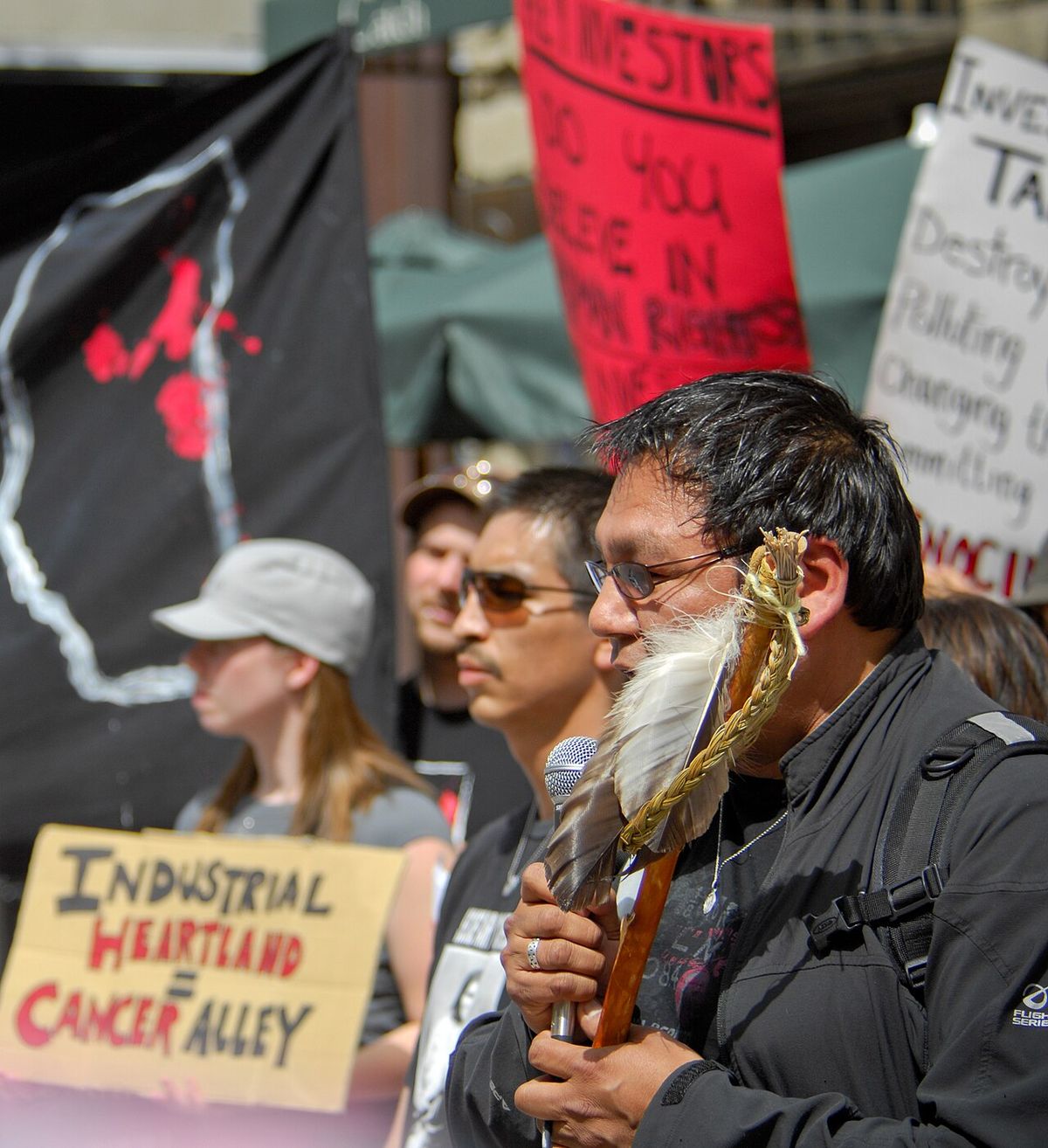
Chipewyan First Nations are active, self-governing entities engaged in asserting their rights and managing their territories. The Athabasca Chipewyan First Nation (ACFN), for instance, maintains a Dené Lands and Resource Management office to build capacity for working with industry and government to address environmental impacts on their territory. These nations are frequently involved in legal and advocacy efforts to protect treaty rights and their environment. In June 2026, ACFN celebrated the passing of federal legislation prohibiting the act of forced sterilization on Indigenous people, correcting a long-standing injustice. They have also launched legal challenges and public campaigns concerning issues like a federally owned toxic contaminated site in Fort Chipewyan, tailings dam failures at the Imperial Oil Kearl site, and defending treaty rights against provincial policies they view as a threat. In April 2026, ACFN obtained a stay from the Alberta Court of King's Bench in a related legal matter. Community events like Treaty Days in June and career fairs, such as one hosted by Chipewyan Prairie First Nation in partnership with a Métis nation in 2026, highlight ongoing efforts in cultural celebration, economic development and inter-nation cooperation.
Notable Chipewyan People
Throughout history and into the present, numerous Chipewyan individuals have made significant contributions. Thanadelthur was an indispensable peacemaker and diplomat in the early fur trade era. Matonabbee was a prominent leader and guide for European explorers. In more recent times, Louis Riel, a key figure in Canadian history, was of partial Chipewyan descent through his grandmother. Contemporary figures include acclaimed artist Alex Janvier from Cold Lake First Nations, whose work is celebrated internationally. Actor Jimmy Herman, also from Cold Lake First Nations, appeared in notable films like 'Dances with Wolves.' Community leaders like Chief Allan Adam of the Athabasca Chipewyan First Nation are prominent advocates for Indigenous and environmental rights on the national stage, giving testimony to parliamentary committees and leading public campaigns. Other community members like Rachel Marcel and Mike Mercredi were celebrated at the 2026 Regional Municipality of Wood Buffalo Indigenous Sports Gallery Ceremony for inspiring youth.
Historic and Modern Community of Fort Chipewyan
Fort Chipewyan, established as a Hudson's Bay Company trading post in 1788, is the oldest continuously inhabited European settlement in Alberta and a central location in Chipewyan history. Situated on the western tip of Lake Athabasca, it is accessible by air year-round and by winter road during colder months. The community is interwoven with the reserves and members of the Athabasca Chipewyan First Nation, the Mikisew Cree First Nation, and the Fort Chipewyan Métis community, creating a culturally rich environment focused on preserving Cree, Dene and Métis traditions. The hamlet and both reserves are home to about 641 residents according to a 2025 municipal census, with the ACFN reserve itself home to roughly 246 members as of January 2026. The community serves as a launch point for Wood Buffalo National Park, a UNESCO World Heritage Site, and features the Fort Chipewyan Bicentennial Museum depicting its major role in early exploration and the fur trade. It remains a place where land-based skills, intergenerational storytelling and a deep connection to the surrounding boreal forest, rivers and lake are actively maintained, supported by local schools, a health centre and cultural gathering spaces.
Questions about Chipewyan
Where do the Chipewyan people live?
The traditional territory of the Chipewyan spans the boreal forest and Canadian Shield regions of western Canada. Today, their communities are located across northern Alberta, Saskatchewan, Manitoba and the Northwest Territories. Major communities include Fort Chipewyan in Alberta, the Sayisi Dene First Nation at Tadoule Lake in Manitoba, and the Saskatchewan villages of Fond-du-Lac, Black Lake and Wollaston Lake. Many also live in Dene-speaking Métis communities throughout the region, such as La Loche, Saskatchewan.
What was the traditional way of life for the Chipewyan?
Traditionally, the Chipewyan were nomadic hunters, organized into small family bands that followed the migratory patterns of the barren-ground caribou. The caribou provided their primary source of food, clothing and tools for survival. They lived in portable dwellings like tepees and moved between seasonal camps for hunting, fishing and gathering. Their lifestyle began to change after 1717 with sustained contact with European fur traders, as they became involved in the subarctic trade, exchanging furs for goods like metal tools and cloth.
What happened to the Sayisi Dene?
The Sayisi Dene, a Chipewyan band from northern Manitoba, were forcibly relocated by the Canadian government in 1956 from their homeland at Little Duck Lake to Churchill on Hudson Bay. This abrupt move, intended to assimilate them and address perceived over-hunting, was catastrophic. Removed from their caribou-based economy, they faced severe poverty, social dysfunction and high mortality. In the 1970s, a group returned to their traditional way of life, moving to Tadoule Lake. They were later formally recognized as the Sayisi Dene First Nation in the 1990s, and a memorial in Churchill commemorates this tragic history.
What is the Denesuline language?
Denesuline is the language of the Chipewyan people, belonging to the Athabaskan (Dene) language family. It is spoken in several dialects, such as the 'k' dialect and the 't' dialect, which are mutually intelligible. Language preservation is a key concern, and it is spoken in communities across the north. There have been legal and advocacy efforts to have the language recognized in official contexts, such as a notable case where a mother fought to have the glottal stop character ⟨ʔ⟩ included in her daughter's Denesuline name on government documents.
What are some contemporary issues facing Chipewyan First Nations?
Contemporary Chipewyan First Nations are actively engaged in protecting their treaty rights, lands and environment. Key issues include legal battles over resource development impacts, such as tailings leaks from oil sands operations, and advocacy against policies perceived as undermining Indigenous rights. Nations like the Athabasca Chipewyan First Nation work on land and resource management to address industrial impacts. They also celebrate legislative victories, such as the 2026 federal law banning forced sterilization, and focus on community development through events like career fairs and cultural Treaty Days.
What does the name Chipewyan mean?
The name Chipewyan is an exonym from the Plains Cree language meaning 'pointed hides.' This term, Cīpwayān, refers to the distinctive cut and style of traditional Chipewyan parkas. The people's own name for themselves is Dënesųłı̨né or Denésoliné, which translates to 'the original people' or 'the real people.' This endonym is a cognate of the word 'dene,' meaning people. The name Chipewyan is of Algonquian origin, specifically from the Cree language, and is not related to the name Chippewa (Ojibwe). Most Chipewyan people now prefer to use Dene and Denesuline to describe themselves and their language.
Sources and further reading
- Chipewyan (Wikipedia)
- Athabasca Chipewyan First Nation: We are the K'ai Tailé ... (acfn.com)
- Fort Chipewyan (rmwb.ca)
- Fort Chipewyan (fmwb.ca)
- Athabasca Chipewyan First Nation Press Releases | Cision (newswire.ca)
Checked by the Nosy Mag desk. Last updated 2026-10-28.